Across Europe, efforts are gathering pace to restore life to degraded coasts, estuaries and inshore seas – and to the rivers that feed them. Through its approach to coastal rewilding, Rewilding Europe is working to revive the natural processes that sustain thriving habitats and resilient coastal communities.
Turning the tide
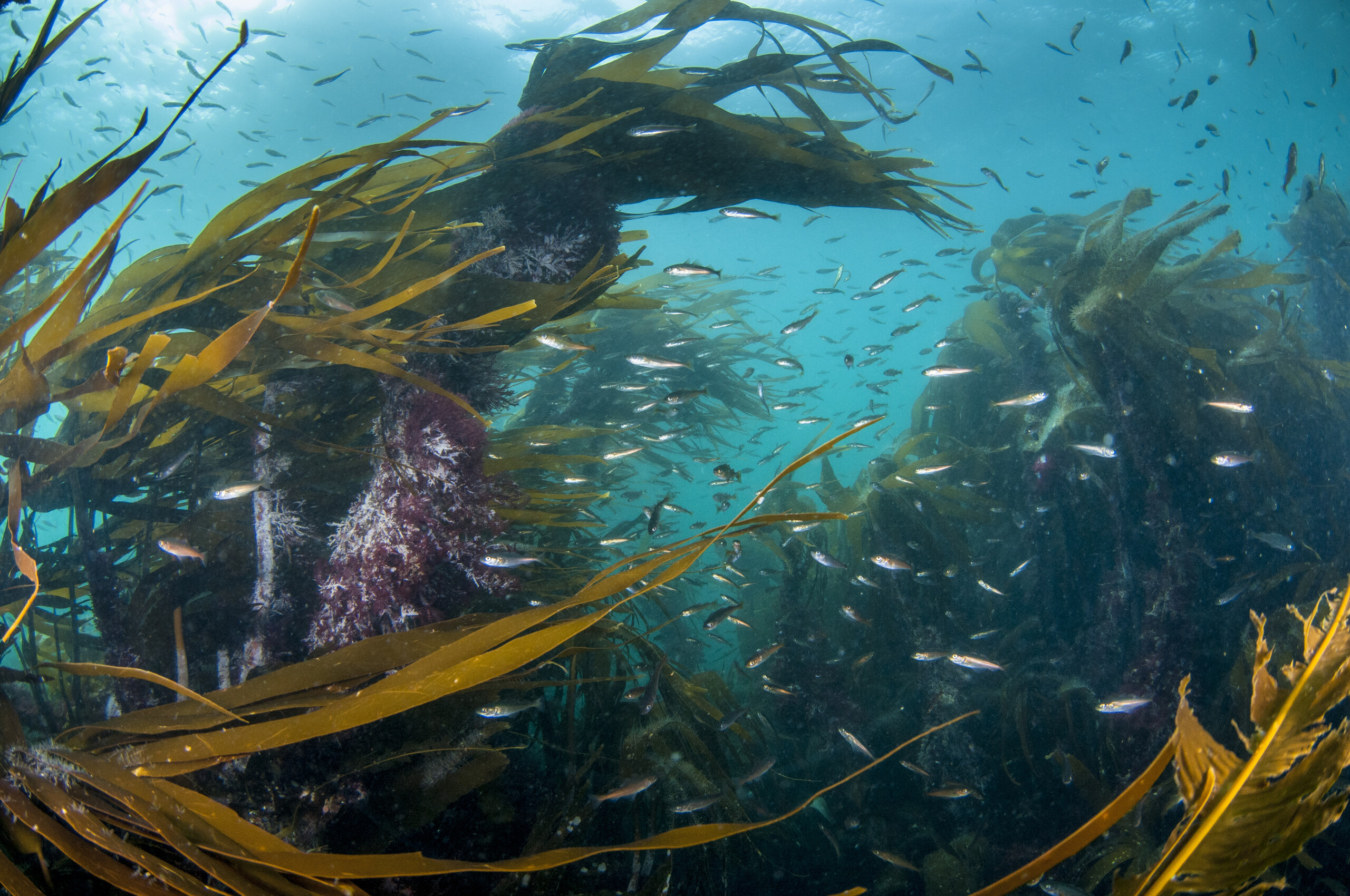
Europe’s coasts are among the continent’s richest and most valuable landscapes. From the tidal flats of the North Sea and seagrass meadows of the Mediterranean to the salt marshes, kelp forests, and oyster and maerl reefs of the Atlantic, they teem with life. These diverse ecosystems also store carbon, protect communities from storms and flooding, sustain fisheries, and have shaped coastal cultures and livelihoods for centuries.
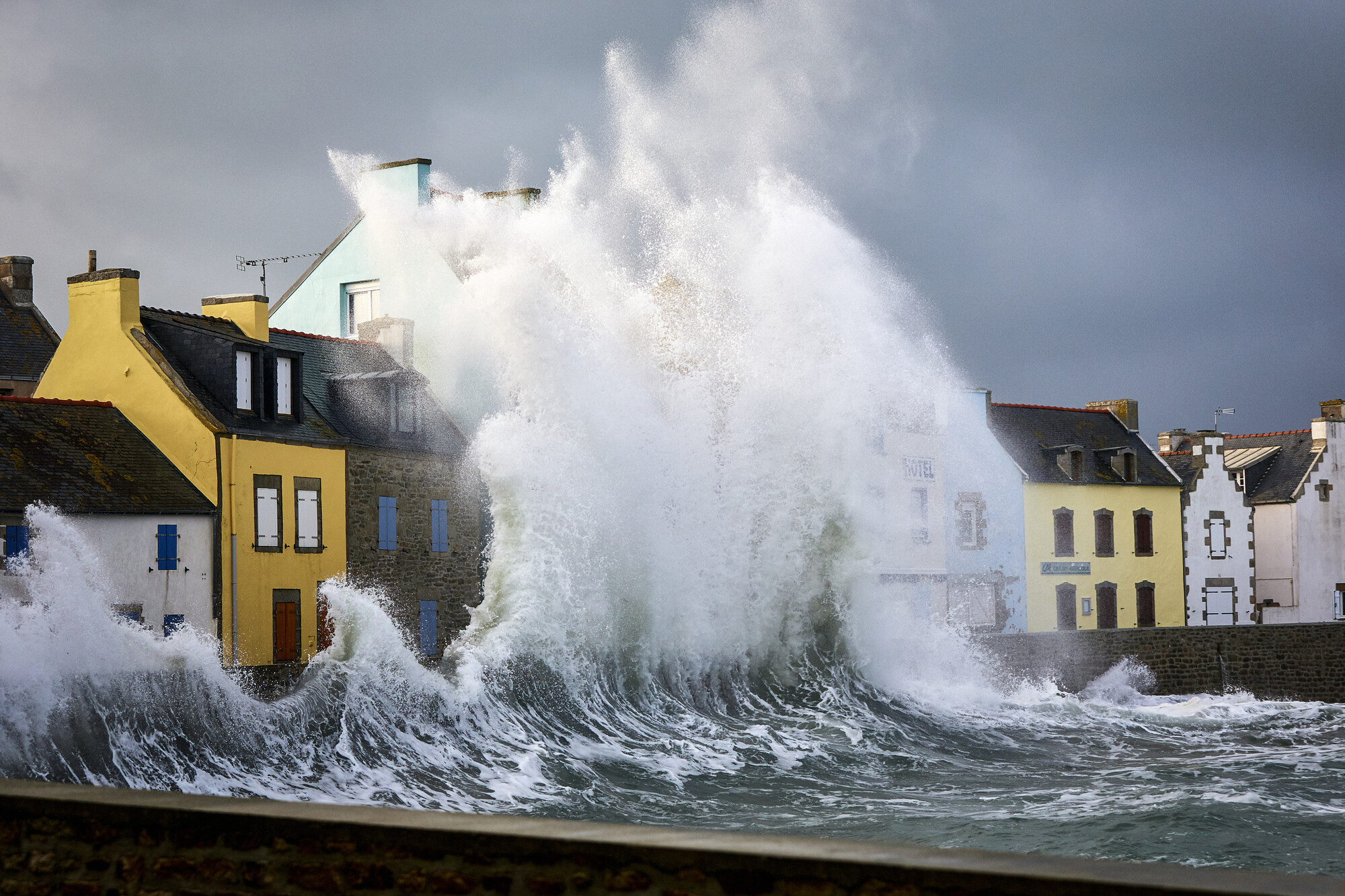
Today, these vital ecosystems are under growing pressure. Climate change, pollution and nutrient run-off, unsustainable fishing, coastal development, and dams and drainage that disrupt the connection between rivers and the sea have all taken their toll. Oyster reefs, salt marshes, seagrass meadows and other coastal habitats have disappeared from large parts of Europe.
As sea levels rise and extreme weather becomes more frequent, restoring healthy, dynamic coastal ecosystems has never been more important — for wildlife, for climate resilience, and for the millions of people who depend on them.
Benoit Stichelbaut / naturepl.com
Towards wilder seascapes
In 2025, Rewilding Europe strengthened its focus on “Wilder Seascapes” as its strategic approach to rewilding seascapes. This places the recovery of seas and shorelines at the centre of our ambition to realise wilder nature across the landscapes where we work.
The vision builds on work already underway. In landscapes where rivers meet the sea, efforts will be stepped up to restore vital land–sea connections and revive natural processes. Our portfolio will also expand to include one or two new landscapes focused on rewilding seascapes — helping us reach the goal of establishing 15 rewilding landscapes by the end of the decade. The first candidate is Galway Bay and Islands on Ireland’s Atlantic coast: a seascape where native Atlantic rainforest, peatlands and rivers connect with oyster reefs, kelp forests and seagrass meadows.
Alex Mustard / naturepl.com
Restoring vital land-sea connections
When it comes to rewilding seascapes, one principle is fundamental: land, coast, and sea are inseparably connected. Rivers carry sediments, nutrients, and life from uplands to estuaries. Dunes and salt marshes buffer inland landscapes from storm surges. Migratory fish such as salmon, sea trout, sturgeon, and eels move between freshwater and ocean, transporting energy and nutrients across ecosystems. But when rivers are blocked by dams, wetlands drained or estuaries channelised, the impacts ripple outward — altering sediment flows, starving deltas, degrading seagrass beds, and disrupting entire food webs.
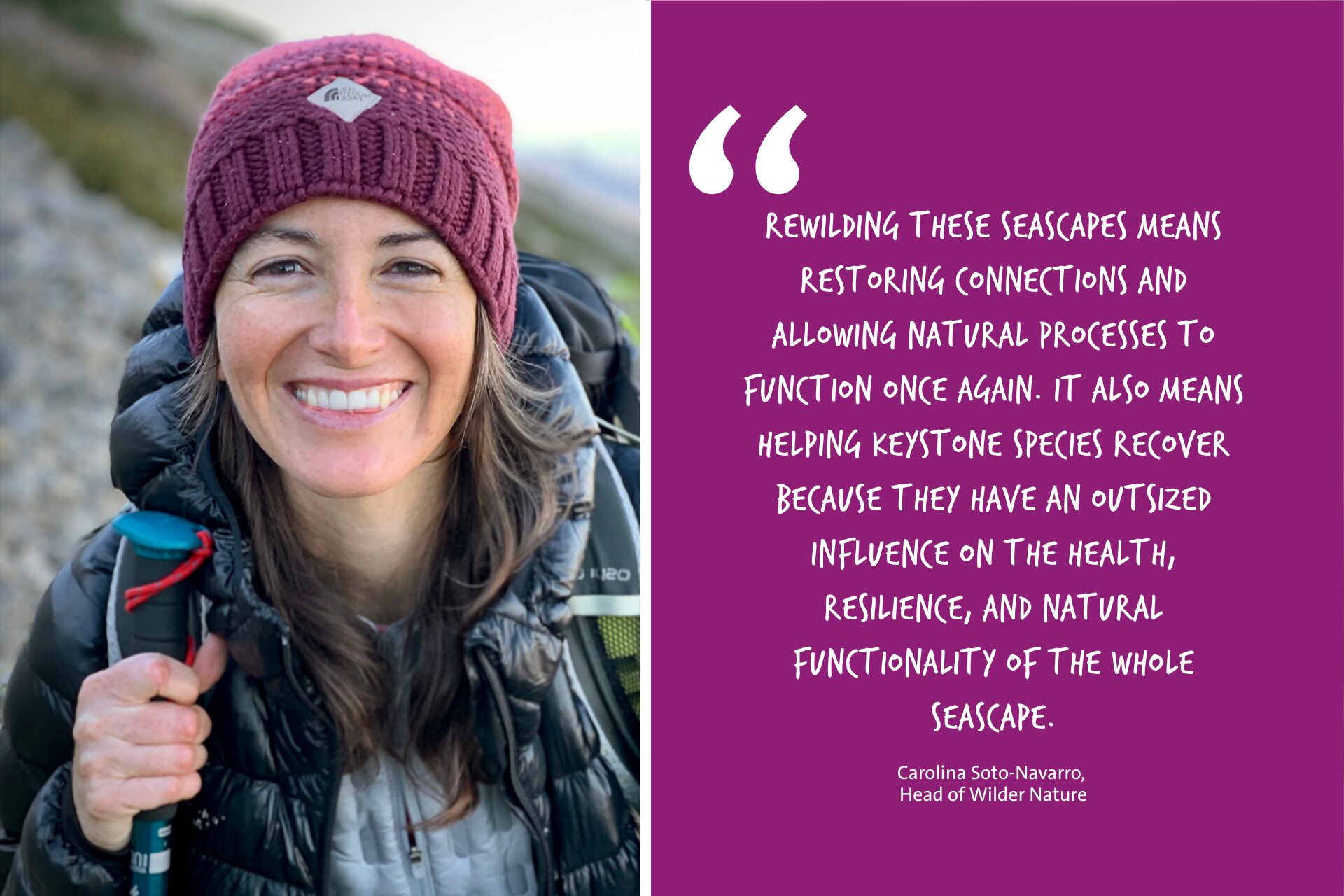
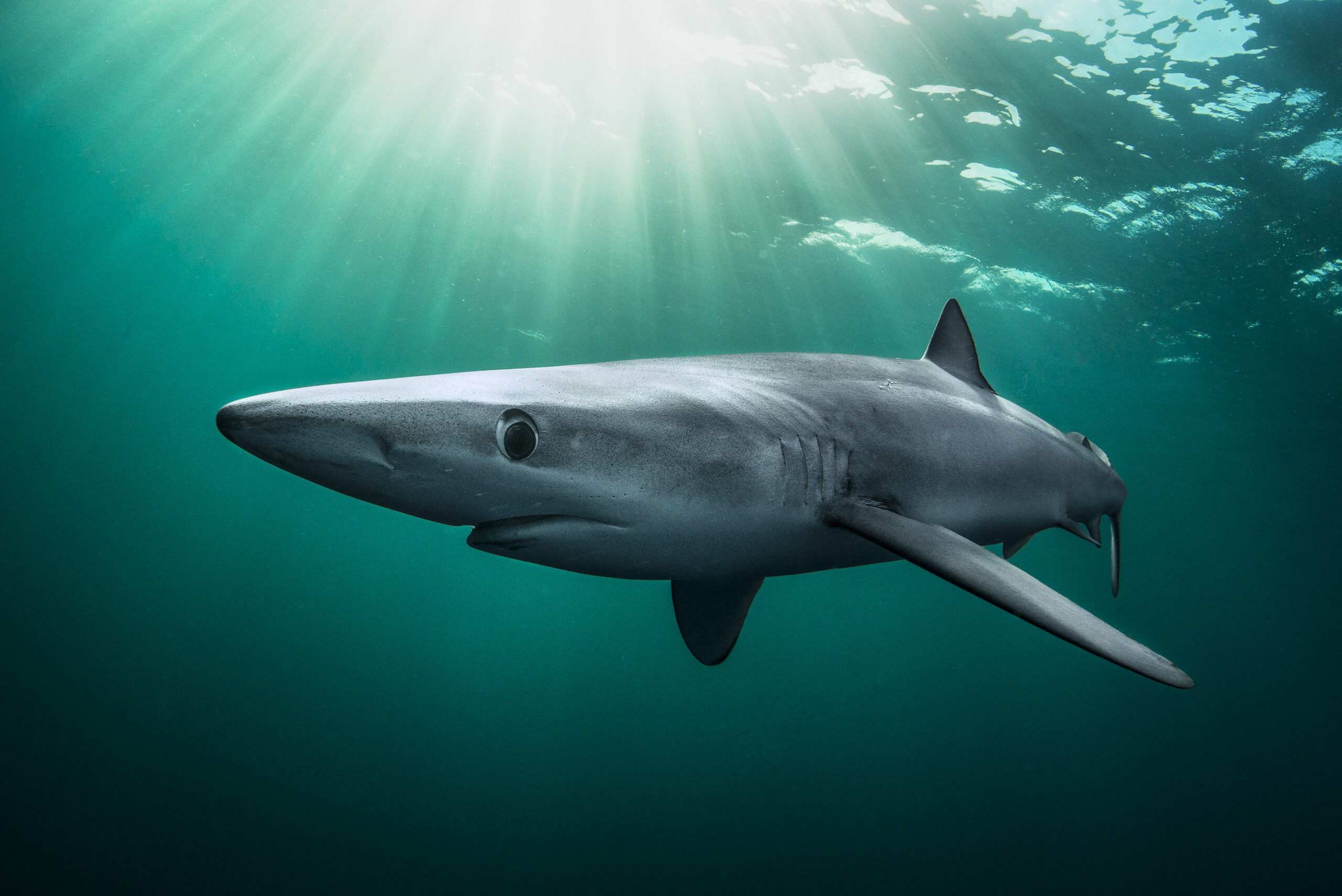
“Rather than focusing solely on the open sea, Rewilding Europe uses the term ‘seascapes’ to describe a mosaic of interconnected habitats — from river catchments and coastal wetlands to intertidal flats, rocky reefs, and nearshore waters,” explains Carolina Soto-Navarro, Rewilding Europe’s Head of Wilder Nature. “Rewilding these seascapes means restoring connections and allowing natural processes such as sediment transport, nutrient cycling, wildlife migration, and carbon storage to function once again. It also means helping keystone species recover — from oysters and seagrass to seals and sharks — because they have an outsized influence on the health, resilience, and natural functionality of the whole seascape.”
What are the benefits of wilder seascapes?
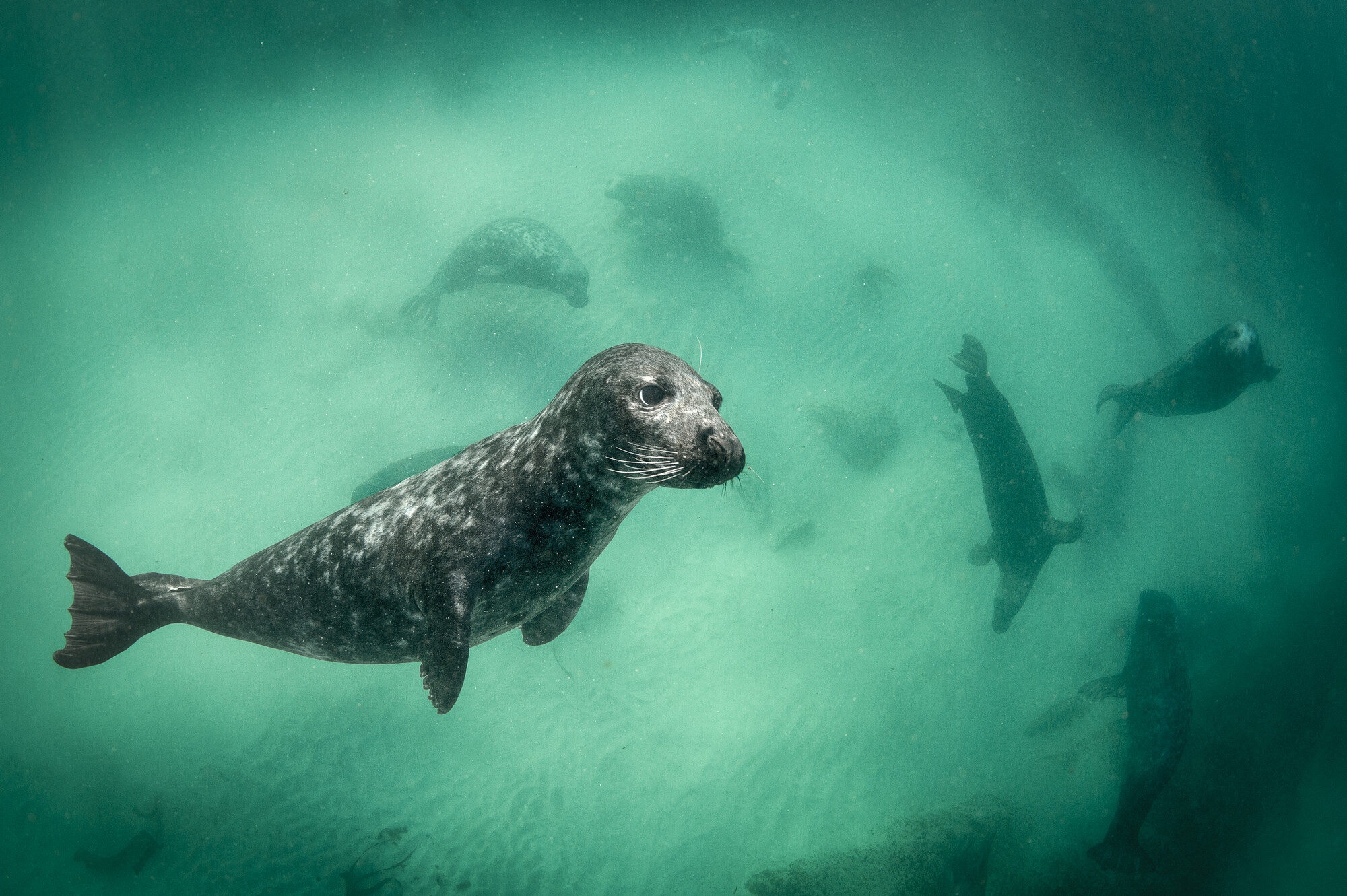
By reducing pressures and restoring natural processes, degraded seascapes can become dynamic and self-sustaining. Salt marshes and seagrass meadows trap sediments and store carbon. Revitalised oyster reefs filter water and stabilise seabeds. Dunes and wetlands absorb wave energy, reducing flood risk, while thriving fish populations replenish coastal fisheries. Returning predators — from seals and porpoises to sharks and rays — help restore balance to marine food webs.
The benefits are clear and wide-ranging: cleaner water, richer biodiversity, greater climate resilience, new nature-based livelihoods, and a renewed bond between people and the places where they live and work.
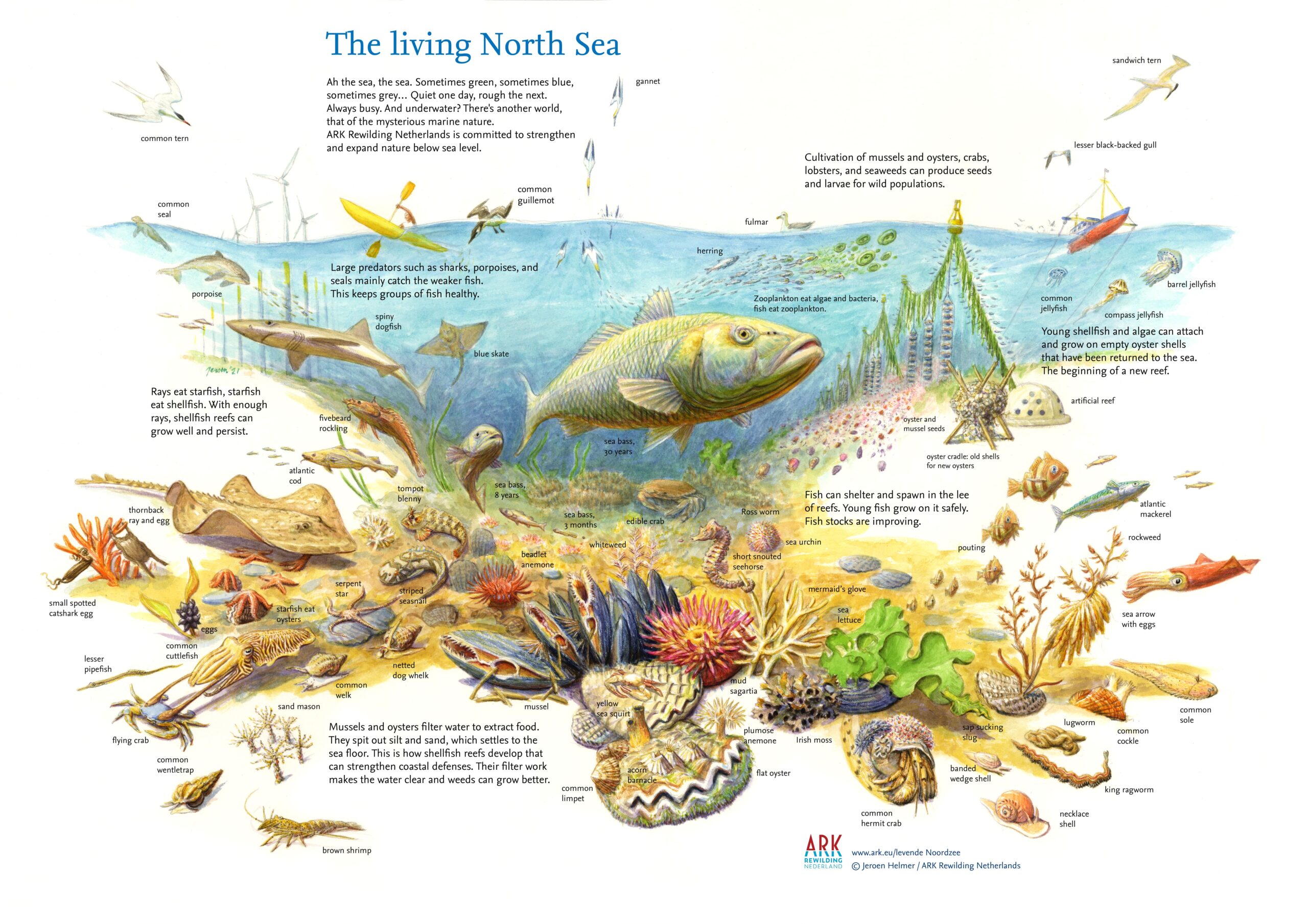
How can we rewild them?
At the heart of the Wilder Seascapes approach lies a simple principle: letting nature lead its own recovery. One of the most powerful ways to revitalise coastal ecosystems is to restore the natural flow of water. In estuaries and deltas where dykes, drainage systems and other infrastructure have interrupted tidal exchange, removing barriers — or managing them differently — allows tidal waters to return. As wetlands become wetter and sediments settle, new salt marshes and mudflats form.
Across Europe, initiatives are demonstrating how this works. In the UK, the Wallasea Island Wild Coast Project — a member of Rewilding Europe’s European Rewilding Network — has breached old sea walls to restore mudflats and salt marsh. This has boosted biodiversity and flood protection while creating a vibrant space for recreation.
On Croatia’s Adriatic coast, the Rewilding Velebit team are exploring a coastal seascape of interconnected marine, coastal and terrestrial ecosystems. The region remains one of the last refuges in the Mediterranean for angel sharks and extensive underwater meadows of Posidonia oceanica (Neptune grass).
And on Ireland’s Atlantic coast, the Galway Bay and Islands rewilding initiative aims to link native Atlantic rainforest, peatlands and salmon rivers with oyster and maerl reefs, kelp forests and seagrass meadows. Centuries of overfishing and habitat loss have left the bay depleted, but remnants remain, including native oyster beds that are still reproducing. Working with local fishers, communities and partners, the emerging rewilding initiative aims to co-design a marine recovery area, scale up oyster restoration, expand Atlantic rainforest and reopen rivers to migratory fish.
Supporting wildlife comeback
Towards thriving marine habitats
Healthy coasts depend on plants and animals that shape habitats and support marine food webs. Across Europe many of these species have declined due to human pressures. Rewilding Europe’s Wilder Seascapes approach recognises that bringing them back — and rebuilding the habitats they create — is key to restoring resilient ecosystems.
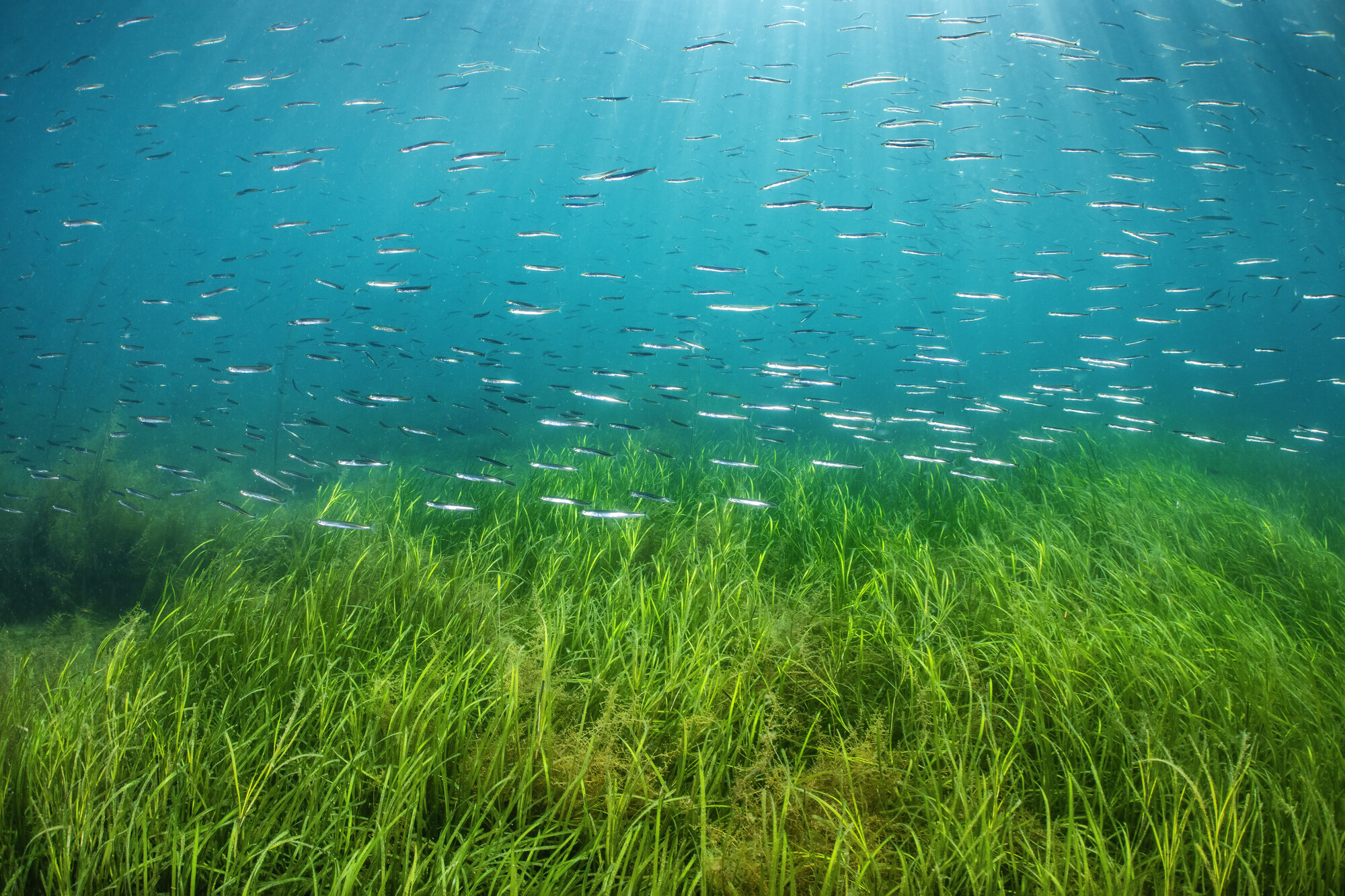
Across Europe, rewilding initiatives are restoring seagrass meadows — once widespread but now dramatically reduced — in the Baltic, Atlantic, and Mediterranean. These vibrant underwater ecosystems stabilise sediments, improve water quality, and provide nursery grounds for fish. Pioneering efforts are also underway to restore the European flat oyster, a keystone species that forms reefs that filter water and create habitat for marine life.
The Rewilding Oder Delta team are collaborating with partners to trial the restoration of seagrass beds off the island of Usedom in the German Baltic Sea, while on Scotland’s west coast, the Seawilding initiative — also a European Rewilding Network member — is restoring seagrass beds in Loch Craignish, helping bring marine life back to degraded waters. Supported by Rewilding Europe Capital, pioneering start-up Oyster Heaven aims to restore 100 million oysters by 2030.
Restoring seagrass meadows or oyster reefs can play a vital role in rewilding seascapes, but lasting recovery depends on reducing pressures and restoring natural processes across the whole seascape. A planted seagrass bed surrounded by trawled seabeds and polluted rivers will not thrive for long. This is why Rewilding Europe embeds these actions within a holistic, landscape-scale approach that restores connectivity, tackles the root causes of degradation, and allows nature to drive its own recovery at scale.
Supporting wildlife comeback
Rewilding seascapes is about more than simply rebuilding habitats. Healthy seascapes need their full cast of wildlife and the roles they play — foraging fish such as herring and sand eels that feed seabirds and larger fish, grazers such as the purple sea urchin, and predators such as seals, porpoises, sharks and rays.
In Galway Bay, for example, early rewilding plans include helping the depleted purple sea urchin recover and protecting the inlets where sharks and rays feed and breed. Where wildlife is already returning — as is the case with seals and harbour porpoises in many European waters — fostering coexistence with fishers and other sea users is essential.
George Karbus
The importance of inland rewilding
Further inland, reconnecting rivers is a vital part of restoring coastal and marine life. Removing obsolete dams allows rivers to flow freely again, reopening migration routes for fish such as salmon, sea trout, and lampreys while restoring the natural movement of water, sediment, and nutrients from mountains to sea.
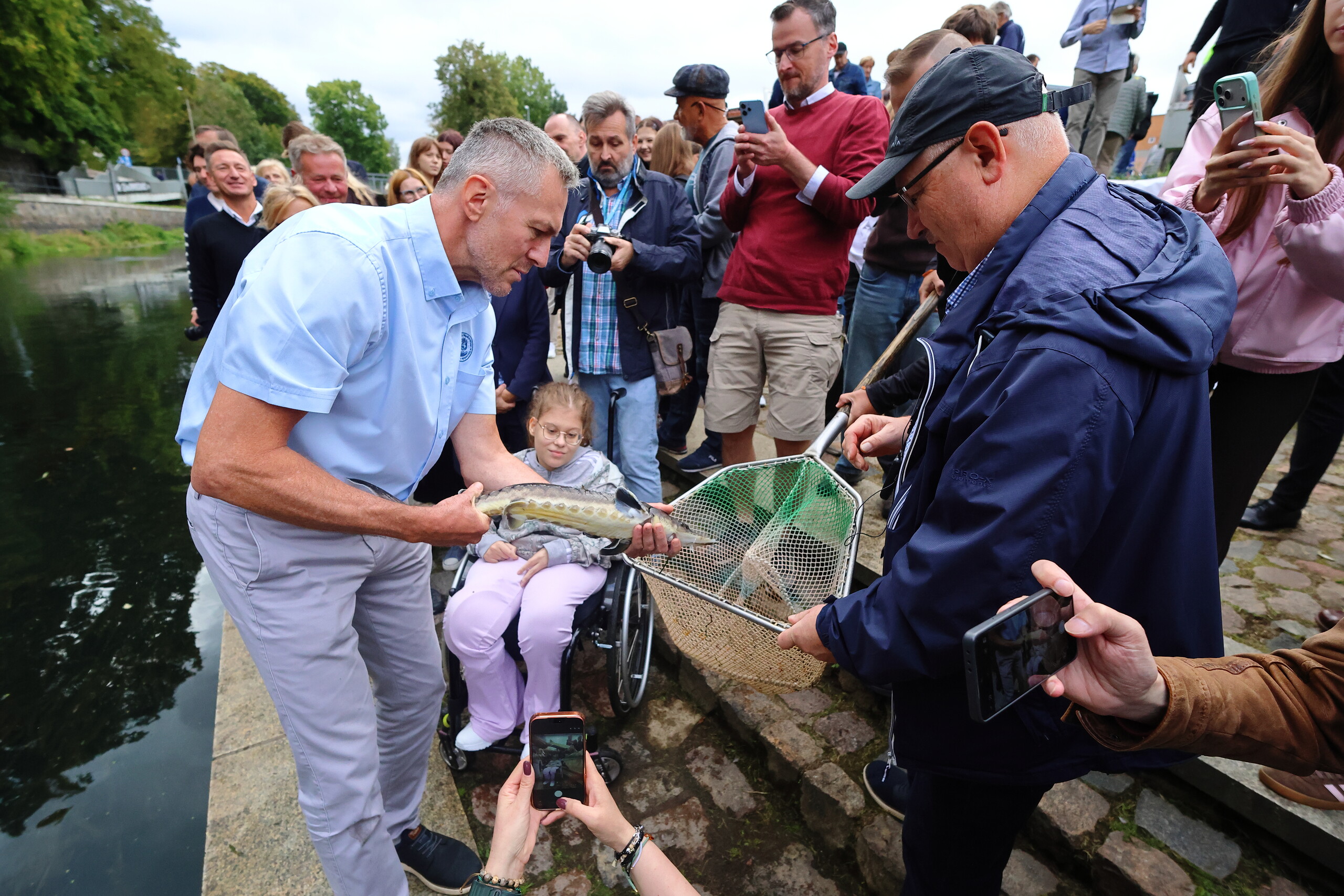
In the Oder Delta rewilding landscape (Germany and Poland), the rewilding team have removed barriers in the Ina River catchment, restoring fish migration along around 20 kilometres of waterways. And in the Nordic Taiga, the Rewilding Sweden team are dismantling legacy dams built during the forestry era. Removing barriers in the Vindel River catchment has reconnected more than 80 kilometres of waterways, restoring natural flow and enabling fish and other aquatic wildlife to move freely again.
These efforts show how river and seascape rewilding go hand in hand: restoring rivers far inland can ripple all the way to the coast, rebuilding food webs and reconnecting the living systems that link freshwater and marine ecosystems. Grants from Rewilding Europe’s European Wildlife Comeback Fund have supported the release of migratory fish such as brown trout and Atlantic sturgeon, helping these iconic species reclaim the rivers and seas on which they depend. Their comeback benefits wildlife throughout the catchment, supporting healthier rivers, estuaries, and coastal ecosystems.
Making space for nature and people
Creating space for nature to recover is another pillar of the Wilder Seascapes approach. Networks of Marine Protected Areas, other effective area-based conservation measures and large no-take zones— which need to be properly enforced and managed — allow marine life to recover and spill over into surrounding waters. Reducing destructive practices such as bottom trawling, improving fisheries management, and tackling land-based pollution can further help fish populations and seabed habitats rebound. These measures work best when they are designed together with the fishers and communities who depend on these waters.
At the same time, people are an integral part of thriving seascapes. Europe’s coasts are shaped by fishing, tourism, energy production, and long-standing cultural traditions, making collaboration with communities essential. Small-scale fishers are key partners: they can help shape how local waters are managed, monitor marine life and take part in rewilding work, while the recovery of wildlife offers a route back to healthier fish stocks. Responsible nature-based tourism, seaweed enterprises, regional seafood brands and innovative finance such as blue carbon and biodiversity credits can generate new jobs and income for coastal communities and help reconnect people with the sea.
Robert Jurszo / Rewilding Oder Delta
A new wave of recovery
The rewilding of seascapes is gaining momentum across Europe as a powerful way to restore degraded habitats, revive biodiversity, and build resilience to climate change. By working with natural processes, it offers a future where healthy coastal ecosystems can support both wildlife and the communities that depend on them.
While the challenges are significant, nature can recover remarkably quickly when given the opportunity. Give a salt marsh room to breathe and it can begin to recover within a few years; reconnect a river and migratory fish can start to return. Other changes, like rebuilding oyster reefs or depleted fish stocks, take much longer — which is why the rewilding of seascapes needs long-term commitment.
Rewilding Europe is working to scale up the rewilding of seascapes by restoring natural processes, reconnecting rivers with the sea, and enabling wildlife to return — helping Europe’s spectacular coastlines become thriving, resilient landscapes for both nature and people.
Let's make Europe's coasts wilder together
Europe’s coasts are diverse, beautiful, culturally and economically important places. If you’d like to help us breathe new life into them, please consider getting involved with rewilding.
European rewilding initiatives working to restore populations of keystone species in coastal ecosystems are welcome to apply to the European Wildlife Comeback Fund and for membership of the European Rewilding Network. We invite partners, philanthropists, and visionaries to help us bring seascapes to life and scale up rewilding along European coasts. Those interested in financially contributing to the realisation of wilder seascapes in Europe can support the fund with an online donation. And if you’d like to contribute more than 50,000 euros to the fund, we’d love to get in touch with you personally.