

Healthy coasts are vital for nature and people — sustaining rich wildlife, supporting livelihoods, storing carbon, and helping protect communities from our changing climate. Through its Wilder Seascapes approach, Rewilding Europe is working to revive the natural processes on which thriving coastal ecosystems and communities depend.
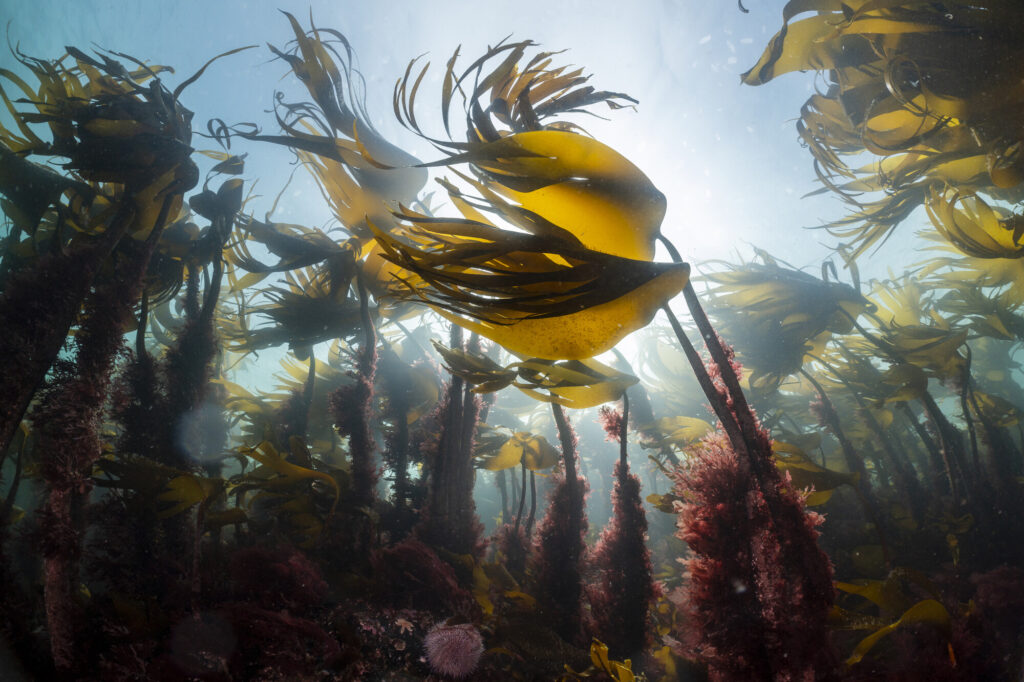

Rewilding coasts for nature, climate and people
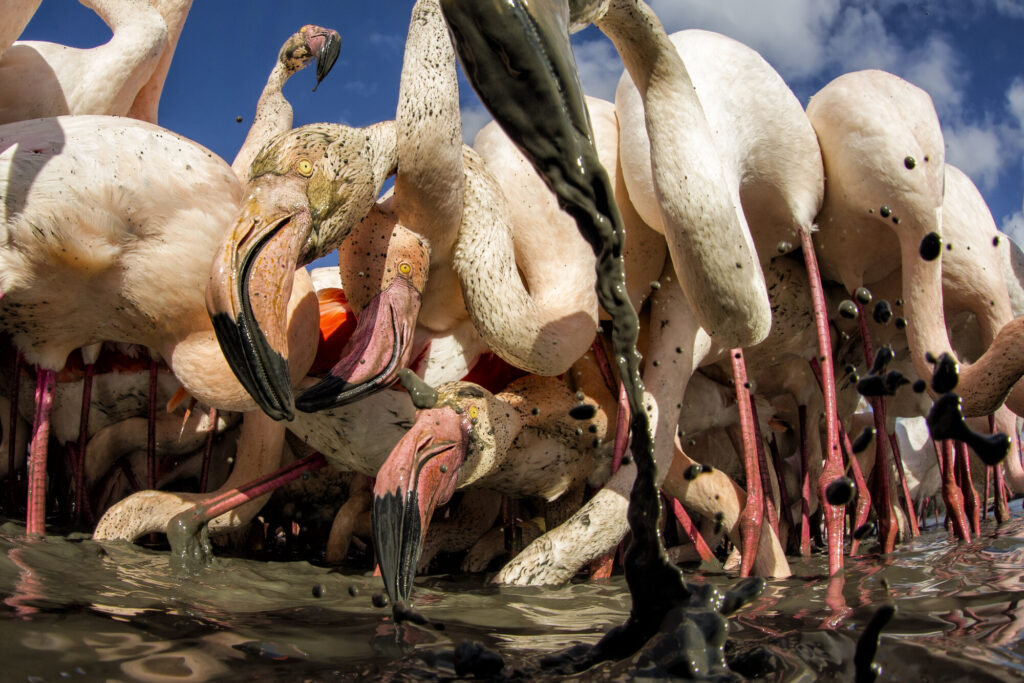
From the tidal flats of the North Sea to the salt marshes of the Atlantic coast and the seagrass meadows of the Mediterranean, Europe’s coastal ecosystems are among the most productive and life-rich places on the continent. They are nurseries for fish, staging posts for migratory birds, critical carbon stores, and natural buffers against storms and rising seas.
Yet these seascapes are under growing pressure. Climate change is warming and acidifying the sea, raising sea levels, and fuelling more extreme weather. At the same time, industrial fishing, coastal development, pollution, nutrient runoff, and river engineering have steadily diminished the abundance and diversity of coastal life. Wetlands have been drained, dunes flattened, estuaries confined by dykes, seabeds stripped of nature, and rivers channelised and dammed.
Restoring Europe’s coastal ecosystems offers one of the most powerful ways of turning this tide. This is why Rewilding Europe is stepping up its work on coasts — as places where land, sea and people come together. By revitalising natural processes and breathing new life into seascapes, we can revive the rich web of coastal life that sustains wildlife and communities, helping shape a wilder and more resilient future for both people and nature.
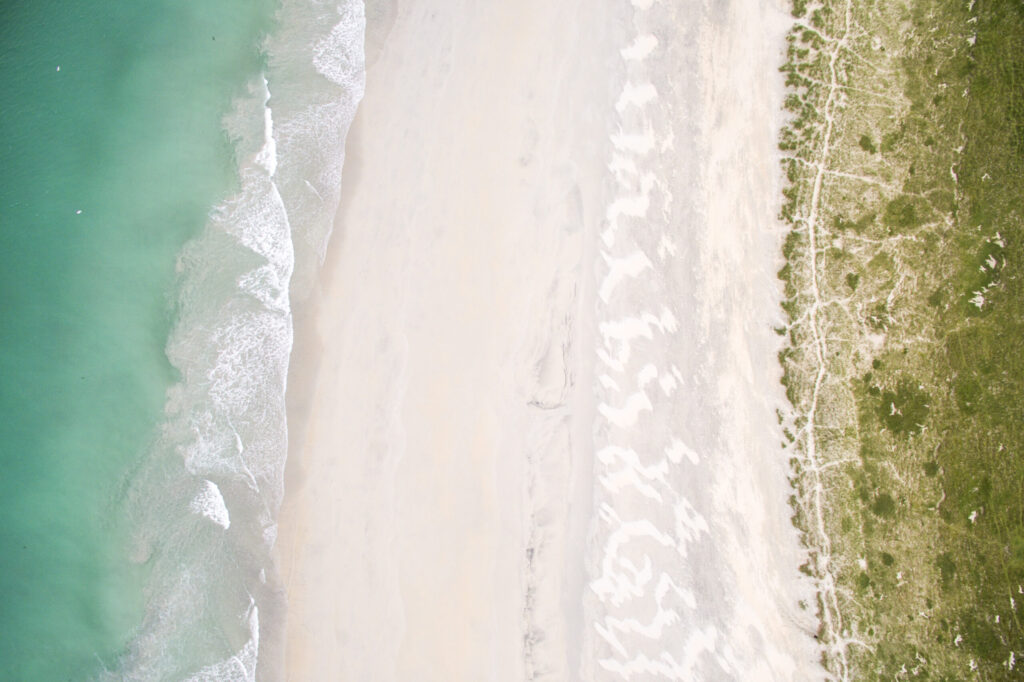
Towards wilder seascapes
Rewilding Europe is strengthening its focus on Wilder Seascapes as a strategic approach to coastal and marine rewilding. In landscapes where rivers meet the sea, efforts are being stepped up to restore vital land-sea connections, while our rewilding landscape portfolio is expanding to include areas with a dedicated focus on Europe’s coasts and seas.
While coastal and marine rewilding are closely connected, they focus on slightly different areas. Coastal rewilding encompasses the dynamic interface between land and sea — estuaries, deltas, saltmarshes, dunes, intertidal habitats and nearshore waters, together with the rivers and catchments that influence them. Marine rewilding takes recovery further offshore, encompassing underwater ecosystems and processes — from seabed habitats to food webs.
Rewilding Europe’s holistic Wilder Seascapes approach focuses on the interconnected coastal zone. Rather than treating rivers, coastlines and nearshore waters as separate systems, it recognises that their health depends on the connections between them — and on restoring natural processes across the wider seascape.
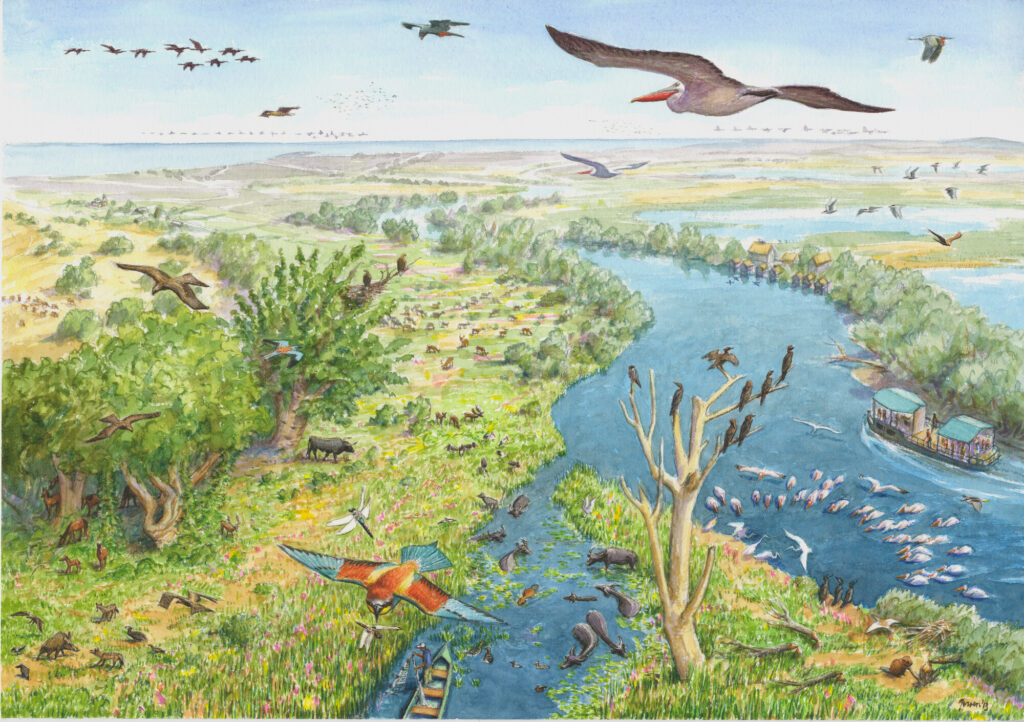
Restoring vital connections
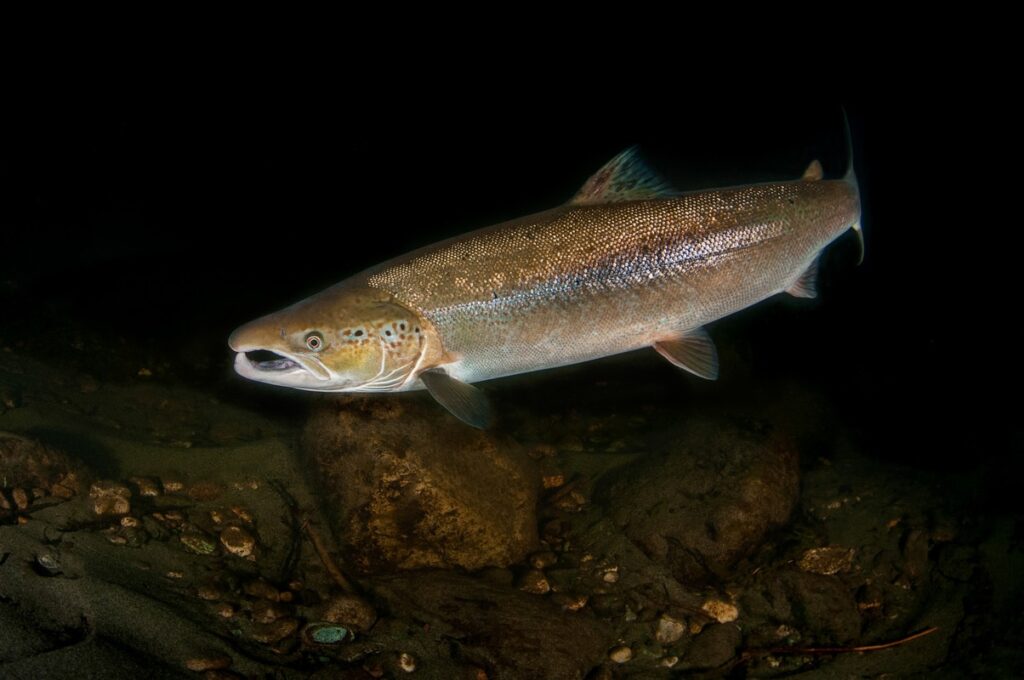
Rivers carry sediments, nutrients and life from uplands to estuaries. Dunes and salt marshes buffer inland landscapes from storm surges. Migratory fish such as salmon, sea trout, sturgeon and eels move between freshwater and ocean. When rivers are blocked, wetlands drained or estuaries channelised, the impacts ripple outwards — altering sediment flows, degrading coastal habitats, preventing fish from reaching spawning grounds, and disrupting food webs.
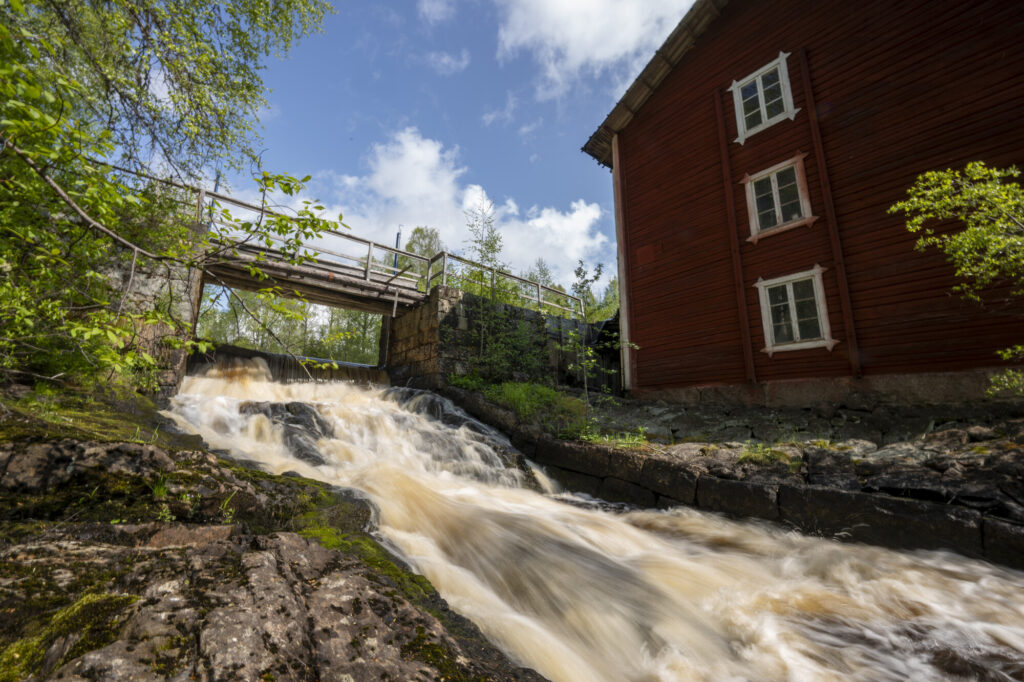
Restoring these connections can deliver benefits far beyond the shoreline. On the German-Polish border, the Rewilding Oder Delta team and local partners have removed barriers in the Ina River catchment, reopening waterways for migrating fish. In the Nordic Taiga, the Rewilding Sweden team have removed legacy dams in the Vindel River catchment, restoring the natural flow of water and allowing fish and other aquatic wildlife to move freely again.
Such work shows why coastal rewilding can begin many kilometres inland. Free-flowing rivers help restore the natural movement of water, sediment, nutrients and wildlife between mountains and sea, rebuilding the living systems on which healthy coasts depend.
Letting nature lead its own recovery
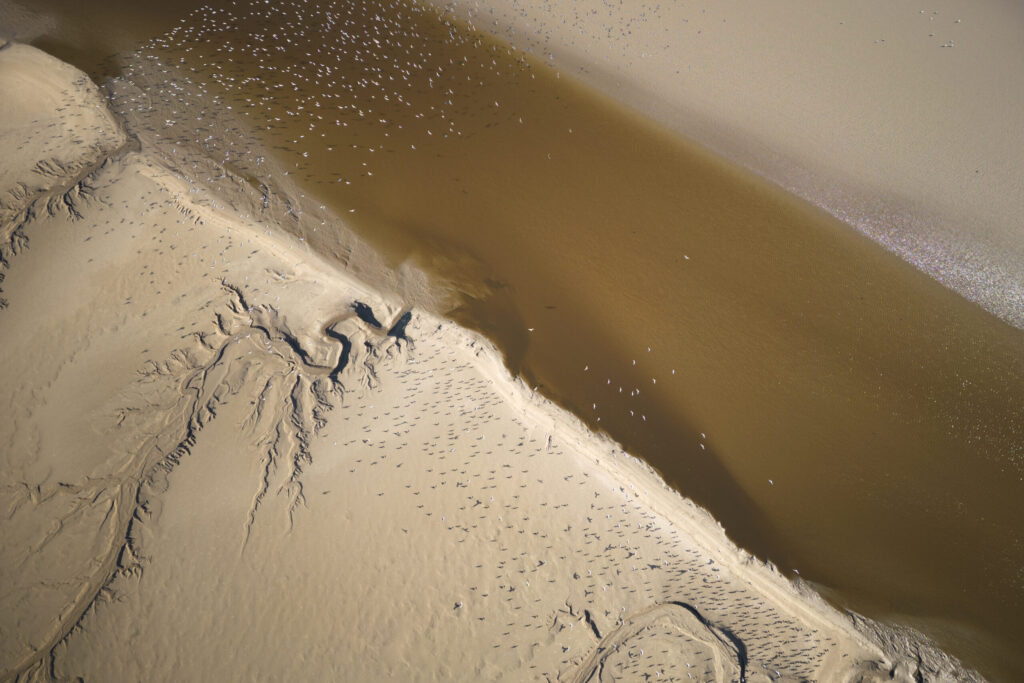
At the heart of Wilder Seascapes lies a simple principle: give nature more space and freedom to drive its own recovery. In estuaries and deltas where dykes and drainage systems have interrupted tidal exchange, removing barriers — or managing them differently — can allow tidal waters to return. Wetlands become wetter, sediments settle more naturally, and saltmarshes and mudflats can begin to reform.
At Wallasea Island on England’s east coast, for example, old sea walls have been breached to restore intertidal habitats, creating extensive new mudflats and saltmarsh. Part of Rewilding Europe’s European Rewilding Network, the initiative has created space for wildlife, strengthened flood protection through new sea defences and by naturally buffering wave energy, and offered more opportunities for people to experience nature.
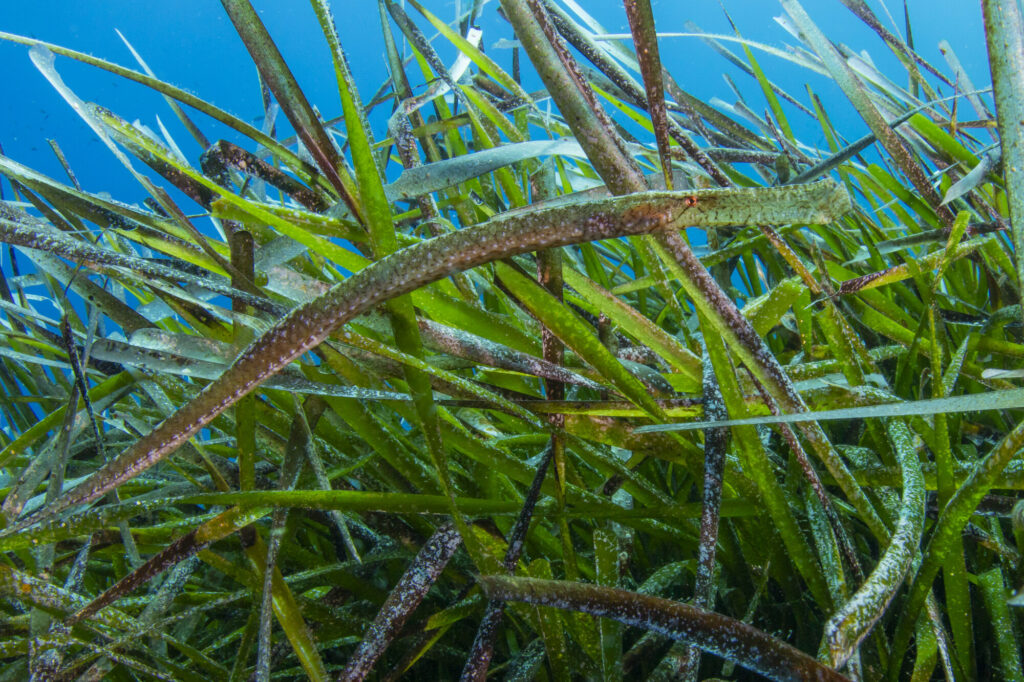
On Croatia’s Adriatic coast, meanwhile, the Rewilding Velebit team are exploring the recovery of an interconnected mosaic of marine, coastal and terrestrial ecosystems. The region remains an important refuge for wildlife, including rare angel sharks, while its coastal waters support extensive underwater meadows of Posidonia oceanica, or Neptune grass.
Bringing back habitats and wildlife
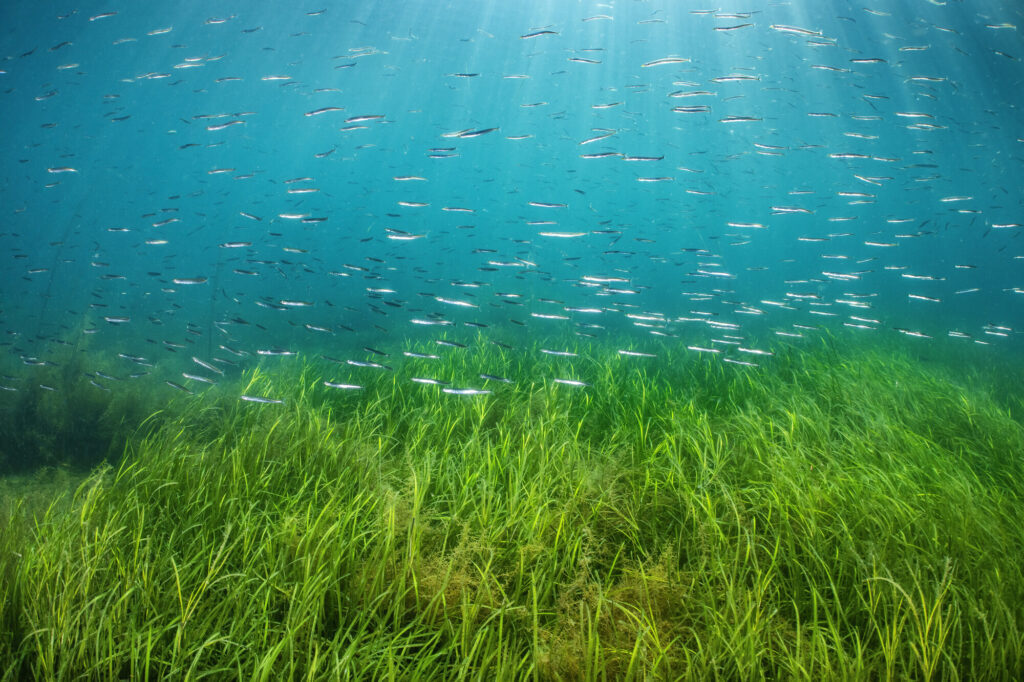
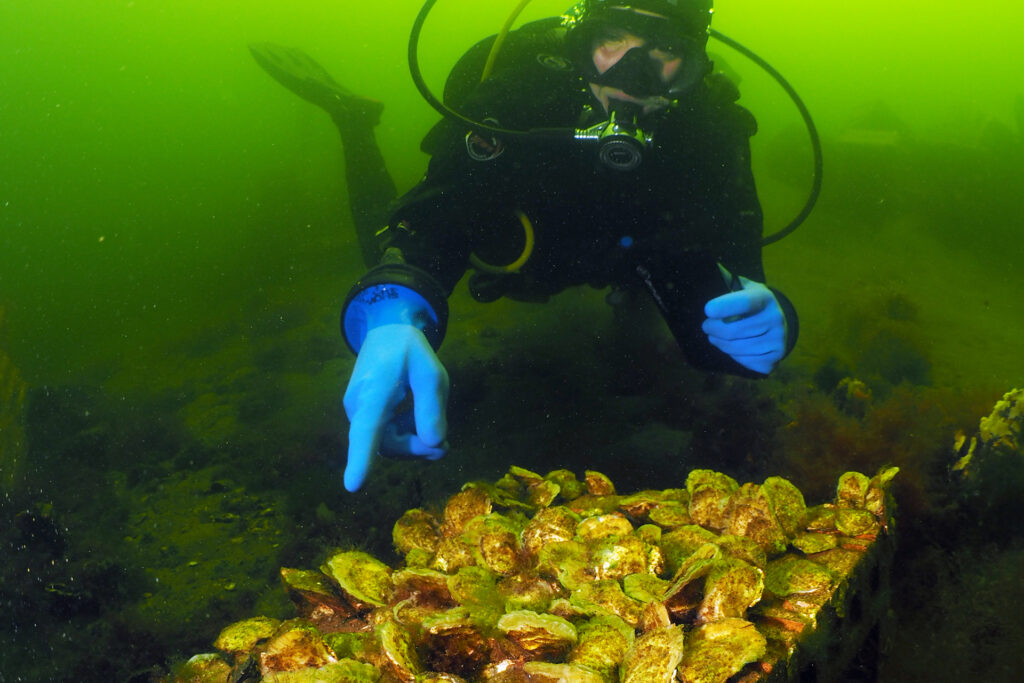
Healthy seascapes also depend on the plants and animals that create habitats and sustain food webs. Seagrass meadows, for example, stabilise sediments, improve water quality and provide nursery grounds for fish. Oyster reefs filter water and create complex habitat, supporting a wealth of other marine life.
On Scotland’s west coast, Seawilding — another member of the European Rewilding Network — is restoring seagrass meadows in Loch Craignish, while the Rewilding Oder Delta team have begun planting pilot seagrass meadows on Germany’s Baltic coast. Efforts are also underway across Europe to restore the European flat oyster, a keystone species whose reefs once covered large areas of seabed. Supported by Rewilding Europe Capital, start-up Oyster Heaven aims to restore 100 million oysters by 2030.
But restoring individual habitats is only part of the story. A newly planted seagrass meadow surrounded by heavily trawled seabeds or receiving polluted water from upstream is unlikely to flourish. Lasting recovery means tackling the causes of degradation, restoring connectivity and creating the conditions in which nature can increasingly take care of itself.
Making space for nature and people
Farther offshore, networks of well-managed Marine Protected Areas and large no-take zones can give marine wildlife space to recover. Reducing destructive practices such as bottom trawling, improving fisheries management and tackling pollution from land can help fish populations and seabed habitats rebound, strengthening the wider marine ecosystems on which coastal areas depend.
People are an integral part of this recovery. Europe’s coasts have been shaped by fishing, tourism and other livelihoods for centuries, making collaboration with communities essential. Fishers can contribute to monitoring and more sustainable fisheries, while nature-based tourism and other enterprises can generate new income as wildlife and habitats return.
Healthy seascapes are vital for people as well as nature: improving water quality, storing carbon, reducing flood risk and supporting livelihoods. Rather than separating people from the sea, rewilding is about finding new ways for communities and recovering nature to thrive alongside one another.
A rising tide of renewal
Nature’s capacity for recovery can be remarkable when pressures are reduced and natural processes restored. Give a saltmarsh space to expand and new habitat can develop rapidly. Remove an obsolete dam and migratory fish can once again travel between river and sea.
Rewilding Europe aims to help accelerate this recovery by scaling up coastal rewilding —reconnecting rivers with the sea, restoring natural processes and supporting wildlife comeback across whole seascapes.
Europe’s coasts have always been places of exchange and renewal. By restoring the connections between land, freshwater and sea — and giving nature more freedom to shape them — they can once again become powerful frontiers of recovery for nature and people alike.
