

The European Wildlife Comeback Fund provides flexible funding for wildlife reintroductions and population reinforcements across Europe, helping to restore healthy, resilient ecosystems.
Bringing back wildlife
Supporting wildlife comeback is one of the core objectives of Rewilding Europe’s mission. By restoring habitats, improving connectivity, promoting coexistence, and supporting the reintroduction and reinforcement of wildlife populations, we are helping to create the conditions for a wide range of species to return and thrive across Europe.
Wildlife reintroductions and population reinforcements are complex processes that often require extensive preparation. Securing funding at the right moment can be challenging, particularly when animals are ready to be released. Established in 2022, the European Wildlife Comeback Fund (EWCF) addresses this challenge by providing timely, flexible financial support for well-prepared translocations, in line with IUCN guidelines.
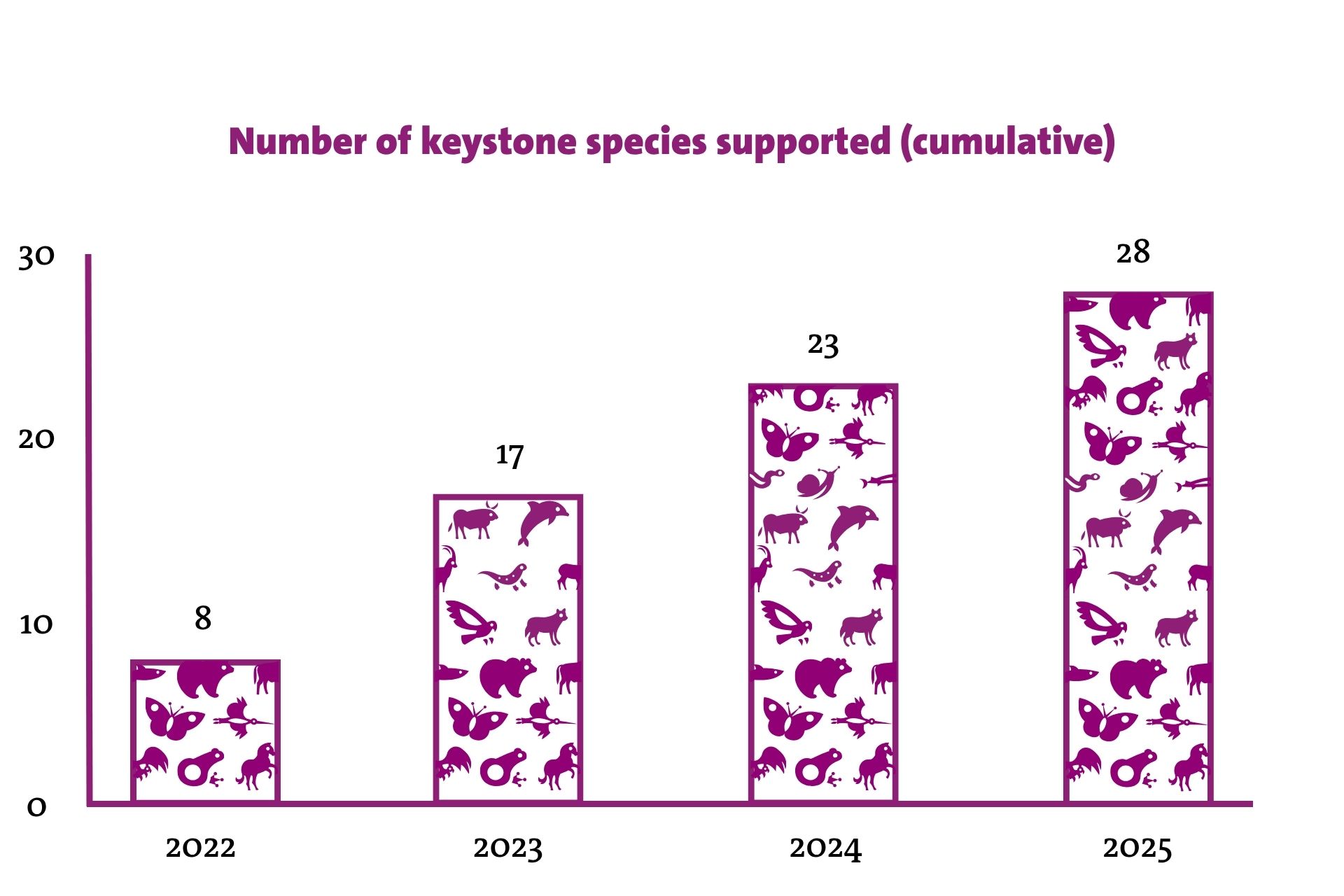
Since its launch, the fund has supported wildlife translocations both within and beyond Rewilding Europe’s rewilding landscapes, including initiatives led by members of the European Rewilding Network. With 6 million euros secured to date — of which 4.2 million euros has already been allocated to wildlife comeback efforts — the fund is helping to accelerate the return of wildlife across the continent. Rewilding Europe is actively seeking further funding to sustain and expand this work.
€6M
Secured for wildlife comeback since 2022
€4.2M
Already spent supporting translocations
46
Wildlife species supported through translocations
18
European countries where translocations have been supported
Send us your request for funding
We welcome funding applications from organisations across Europe working to reintroduce keystone species or reinforce existing wildlife populations. The fund supports initiatives both within and beyond Rewilding Europe’s rewilding landscapes, including those led by members of the European Rewilding Network.
The EWCF typically awards grants of up to 50,000 euros per translocation, although requests for larger amounts may be considered where there is a strong justification. Funding is flexible, and we encourage applicants to plan releases that will contribute to the long-term viability of wildlife populations.
Our ultimate ambition is to help establish healthy, self-sustaining populations that can thrive in the wild without the need for ongoing reinforcement.
You are an organisation actively reintroducing a keystone species in European landscapes
You have secured the source of the animals
You have the agreement of the landowner/manager to release the animals
You have completed all the legal requirements (especially permits and feasibility assessments)
If the above criteria apply to your initiative and your reintroduction or translocation is ready to go, then let us know! We would love to speak with you.
Examples from EWCF funded releases
“The return of keystone species is about more than just bringing wildlife back. It is about restoring the natural processes that shape thriving, resilient landscapes. The European Wildlife Comeback Fund is a unique opportunity to support those who are making that happen.”

Sara Aliácar
Rewilding Landscape Manager
Support wildlife comeback
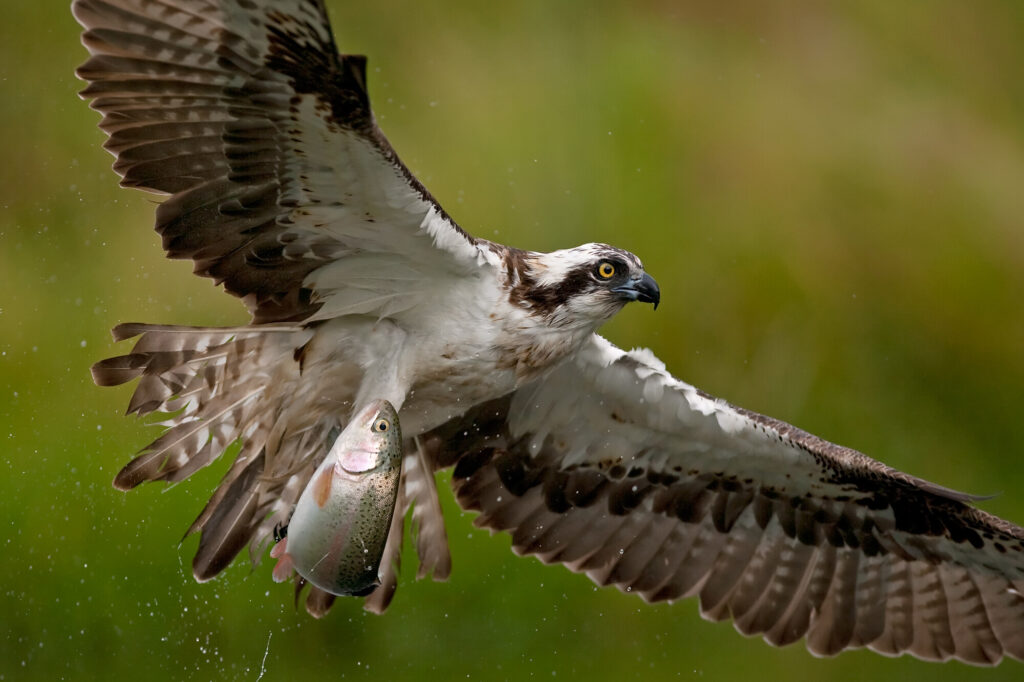
Become a financial partner in the European Wildlife Comeback Fund
The ongoing recovery of species presented in the recent Wildlife Comeback Report is encouraging and shows there is a possibility for wildlife to come back into our landscapes if we act on it. Yet this only represents the start of what is possible, and also what is needed. With your investment, we can welcome wildlife back into our landscapes across Europe.
You can support wildlife comeback with an online donation. However, if you want to invest in the European Wildlife Comeback Fund with more than 50.000 euros, we would love to get in touch with you personally.
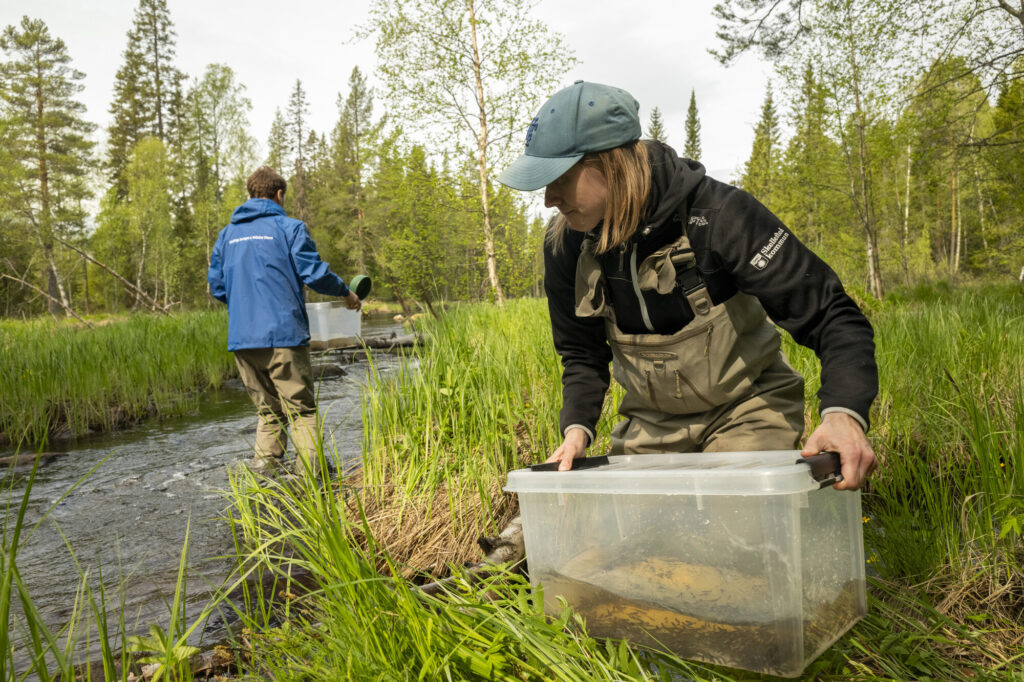
Why support wildlife comeback
The unprecedented rate at which biodiversity is currently declining makes the urgent prioritisation of supporting wildlife comeback all the more critical.
The good news is that quite a number of wildlife species have shown signs of recovery across Europe over the last four decades, proving that wild nature is resilient and can recover if conditions are suitable.
Wildlife can return if we give it space and take measures to live alongside each other. The recovery of wildlife populations is something we need to embrace and learn from.
Accelerating and widening wildlife comeback in Europe can improve the health and functionality of entire ecosystems, delivering a huge array of benefits, for nature, climate and people.
Made possible by:


Karl and Astrid Schefer, the founders of Delinat and pioneers in organic wine growing


