

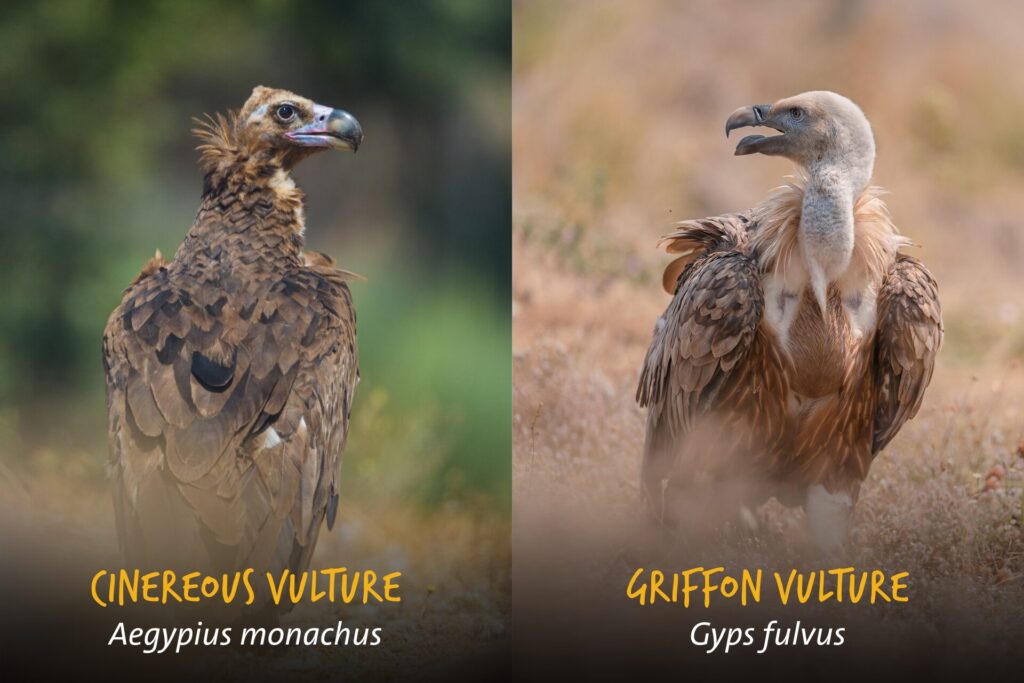
After decades of absence, griffon and cinereous vultures will soon return to Romania’s Southern Carpathian mountains. A major new reintroduction initiative will help restore these magnificent scavengers to the landscape, strengthening natural food webs, creating healthier ecosystems, and opening up new opportunities for local communities.

Nature’s essential recyclers

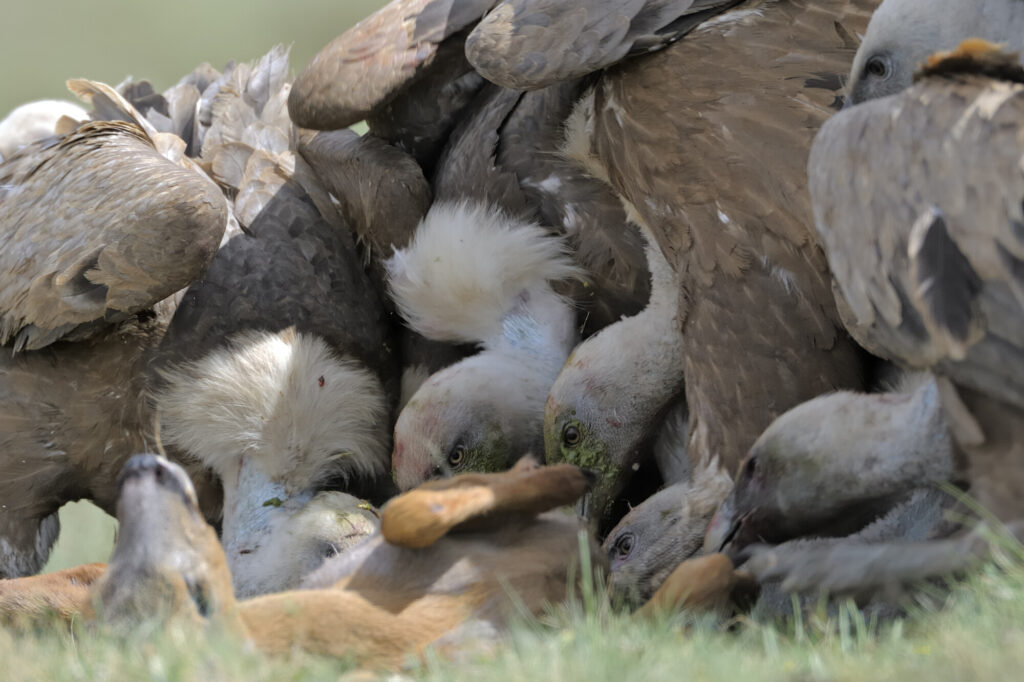
Few birds play such a vital role in nature as vultures. By rapidly consuming the carcasses of dead animals, these remarkable scavengers recycle nutrients, help limit the spread of disease, and support the health and resilience of ecosystems. Their role is also essential to people, helping to reduce potential risks to livestock and human health.
Yet across much of Europe, vultures were driven to the brink of extinction during the nineteenth and twentieth centuries by persecution, poisoning, habitat loss, and declining food availability — and Romania was no exception. Once home to all four of Europe’s breeding vulture species, the country lost its last breeding populations in the 1960s, leaving a critical part of its natural food web missing.
Now, an ambitious new initiative is set to help restore that missing link. Launched in October 2026, LIFE for Vultures will support the return of griffon and cinereous vultures to the Southern Carpathians rewilding landscape, opening an exciting new chapter in the recovery of the region’s wildlife and helping to reforge the circle of life.
Bringing vultures back
Coordinated by Rewilding Romania — in partnership with the Romanian Ornithological Society, Spanish conservation organisation GREFA, and the Vulture Conservation Foundation — the seven-year initiative aims to reintroduce at least 170 griffon vultures and 24 cinereous vultures by 2033. With a budget of more than 7.5 million euros, co-funded by the European Union’s LIFE Programme, the ultimate goal is to establish self-sustaining breeding populations in the wild.
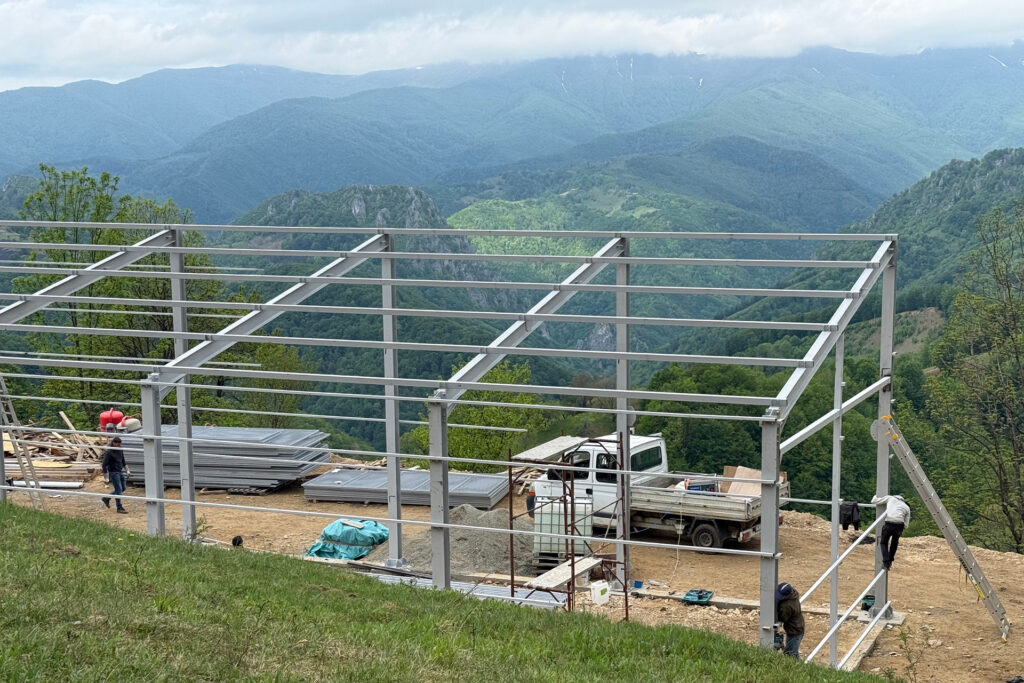
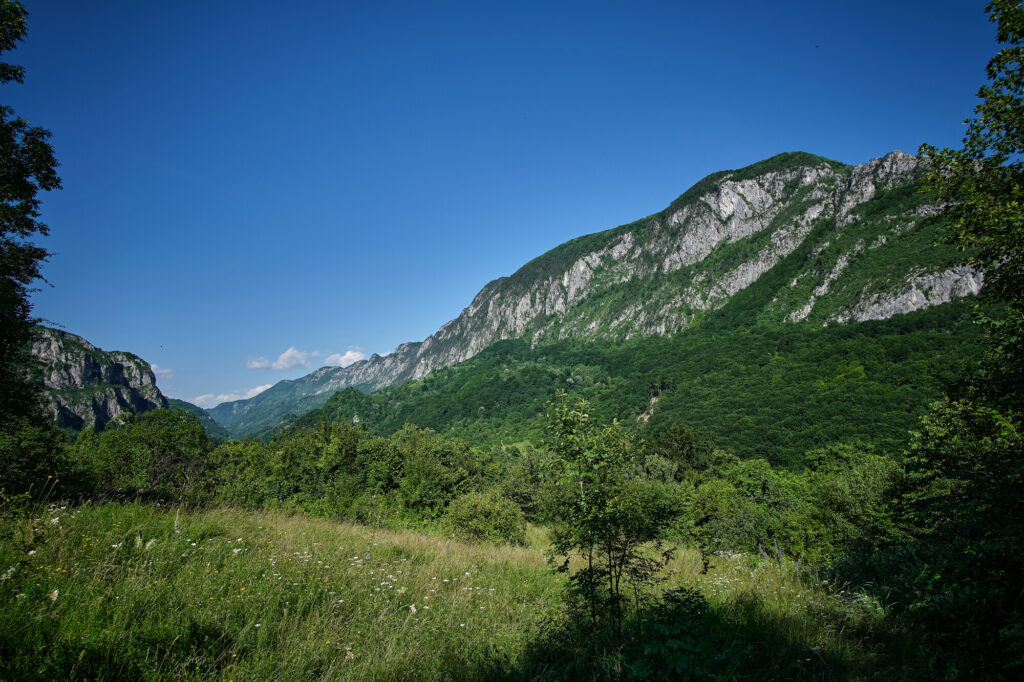
The reintroductions will take place around Domogled–Valea Cernei National Park, near the town of Obârșia-Cloșani in southwestern Romania. Preparations began in 2023, with studies assessing habitat suitability, food availability, nesting opportunities, and potential threats. An acclimatisation aviary is now nearing completion, ready to accommodate the first birds.
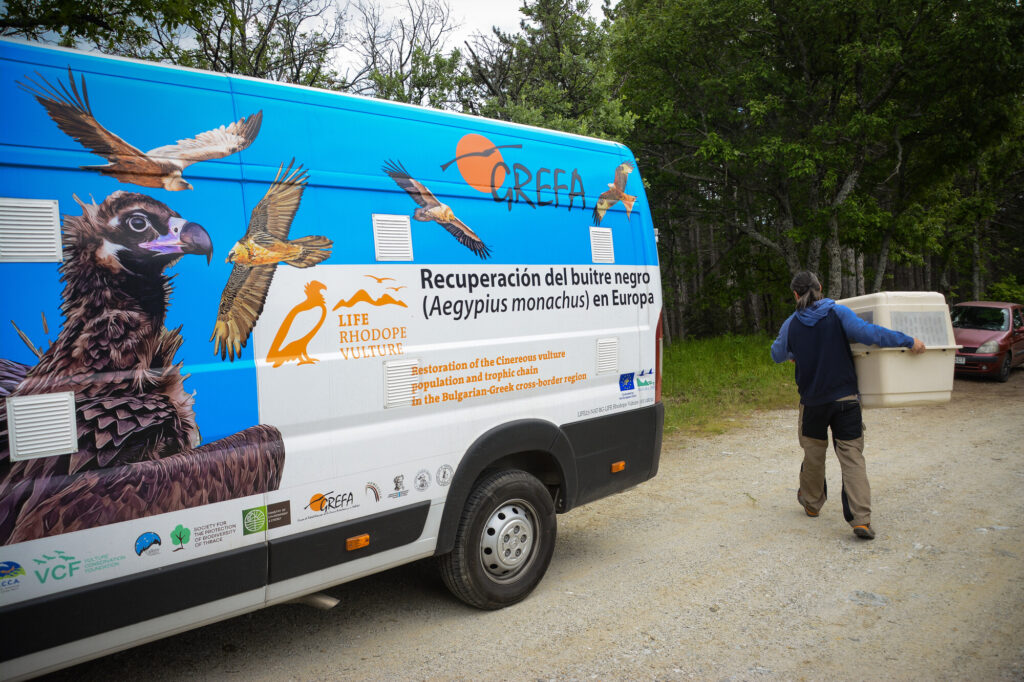
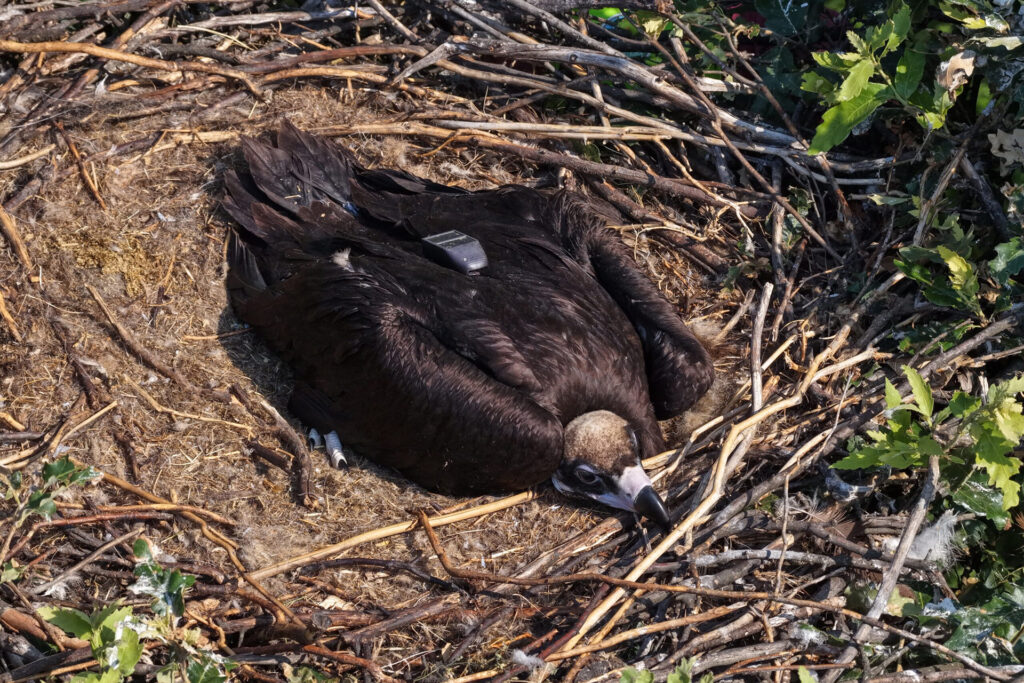
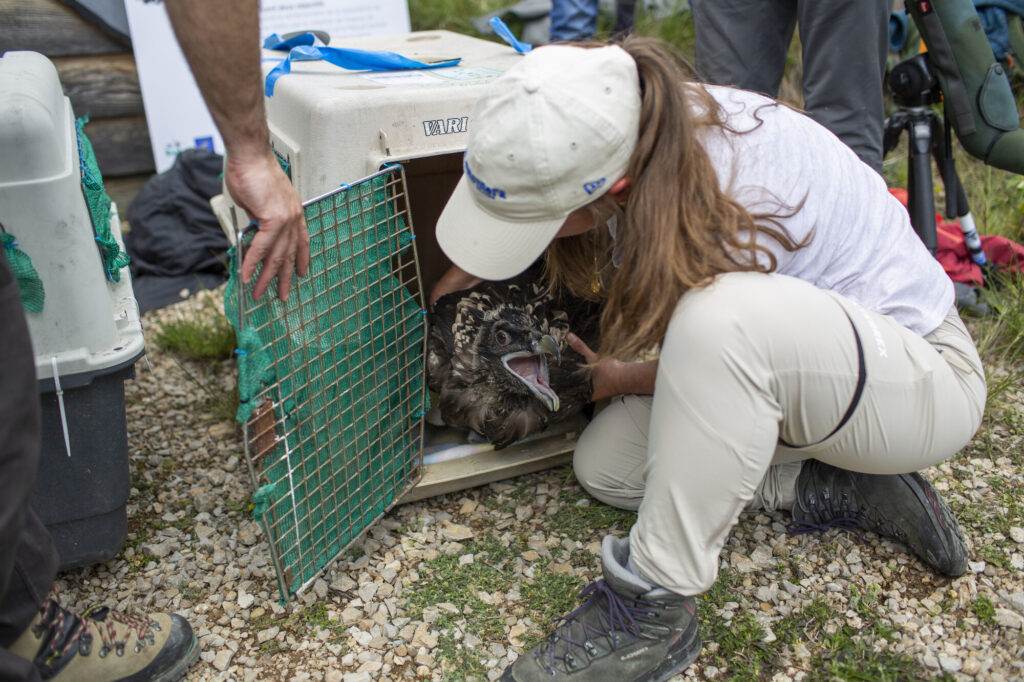
Releases will begin with griffon vultures, with the first planned in 2027, followed by cinereous vultures from 2030. The birds will be sourced from rehabilitation centres and breeding programmes, with GREFA overseeing their selection and preparation. Following veterinary checks and transport to Romania, they will spend six to nine months acclimatising to their new surroundings. Once released, GPS transmitters will help the rewilding team monitor their movements, survival, and eventual breeding.
Restoring natural connections
The return of vultures will build on more than a decade of rewilding progress in the Southern Carpathians. Since the first European bison were released into the Țarcu Mountains in 2014, the population has grown to more than 250 animals, with over half born in the wild. These large, free-roaming wild herbivores are helping to restore natural grazing and browsing, shaping vegetation and creating opportunities for a wide range of other wildlife.
Vultures would add another vital dimension to this recovery. As wild herbivore populations grow, the carcasses of animals that die naturally can provide food for scavengers, including vultures. By consuming these remains and returning nutrients to the environment, vultures help complete the natural cycle linking life, death, and renewal.
“Reintroducing vultures is part of our work to restore natural processes in the southwestern Carpathians,” says Marina Drugă, Executive Director of Rewilding Romania. “We will work closely with farmers, local communities and the authorities to help these species resume their essential role in nature”.
“REINTRODUCING VULTURES IS PART OF OUR WORK TO RESTORE NATURAL PROCESSES IN THE SOUTHWESTERN CARPATHIANS.”
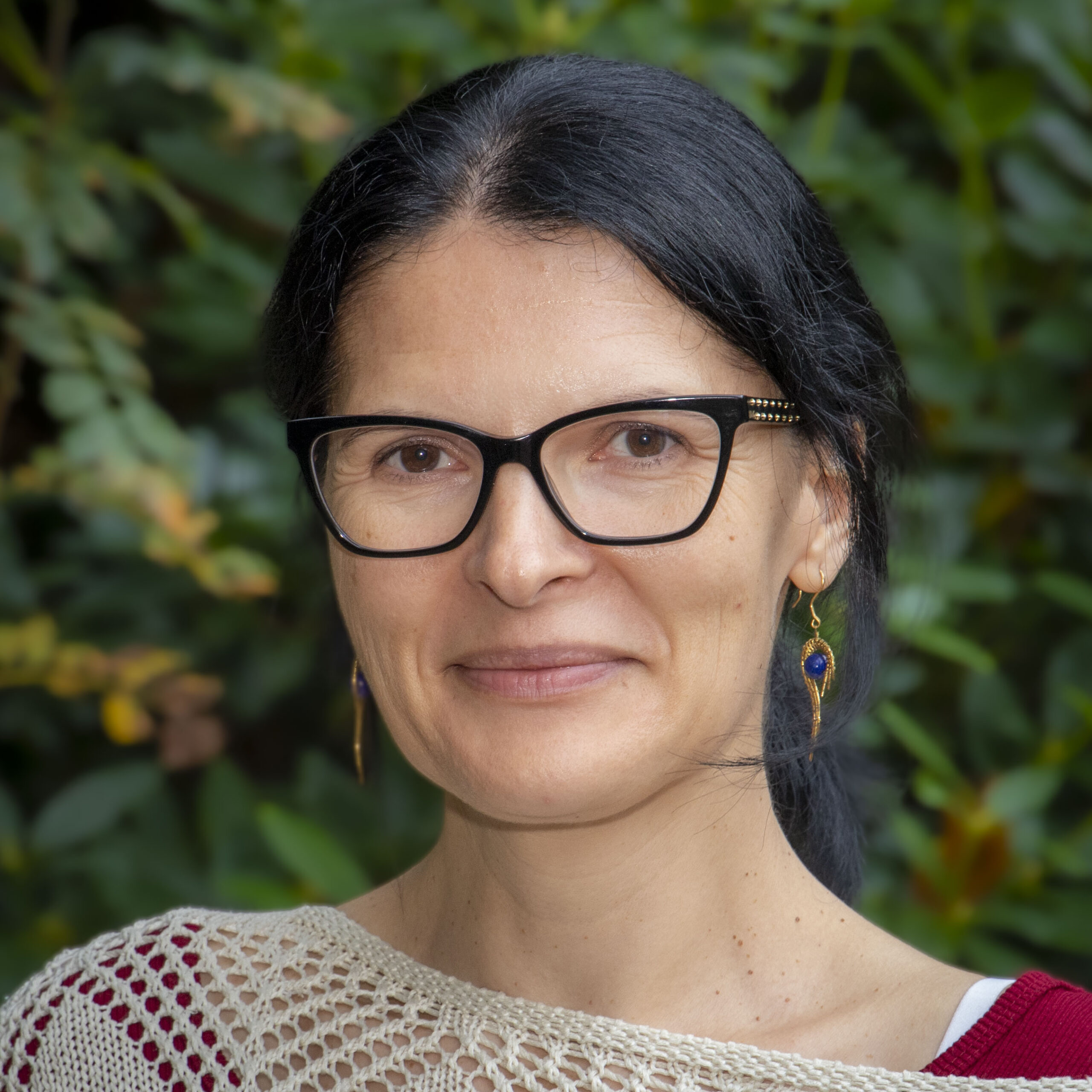 Marina Drugă
Creating the conditions for success
Returning vultures to the wild is only the beginning. Ensuring they survive, settle, and breed will require sustained efforts to address the threats that contributed to their disappearance. LIFE for Vultures will establish a specialist canine unit to detect poisoned baits and carcasses, while measures to reduce collisions with power lines will make the landscape safer for these wide-ranging birds.
Ideally, vultures across Europe would feed entirely on the carcasses of wild animals, helping to sustain natural food webs. However, where wild herbivore populations are still recovering, supplementary feeding stations are essential to help reintroduced vultures settle and establish viable populations. Such feeding stations, together with artificial nesting platforms, will be used to support vulture comeback in the Southern Carpathians.
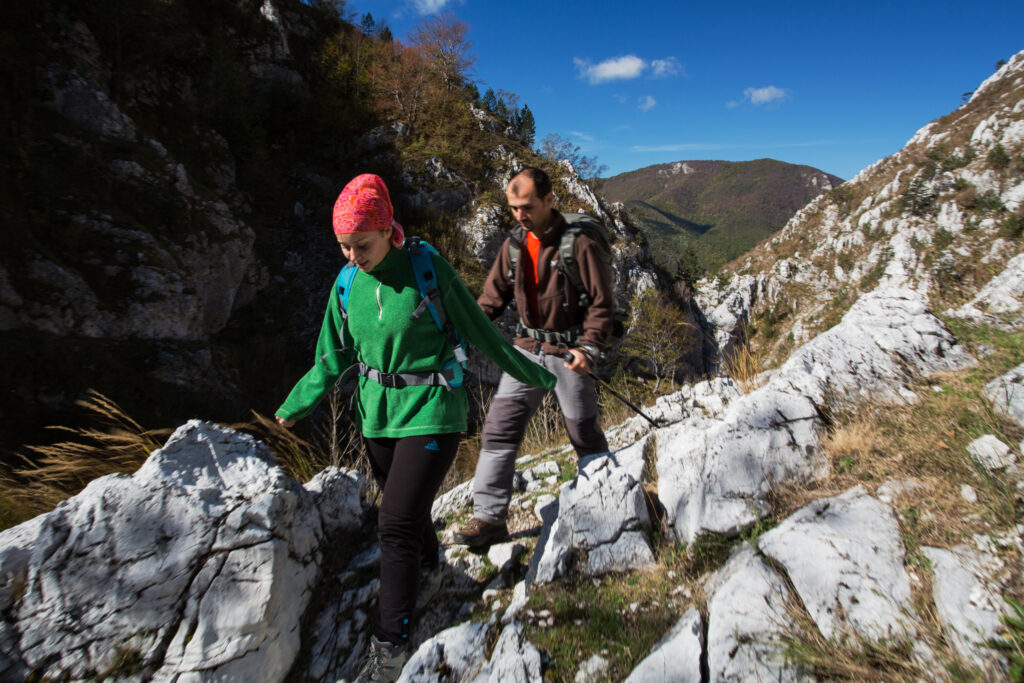
Local people will also play a central role. The Rewilding Romania team have already engaged with communities, farmers, and authorities around the release area, and this collaboration will continue as the initiative develops. Alongside education and awareness-raising, the return of vultures could create new opportunities for nature-based tourism, including wildlife watching, photography, and guiding.
The bigger picture: vulture recovery at scale
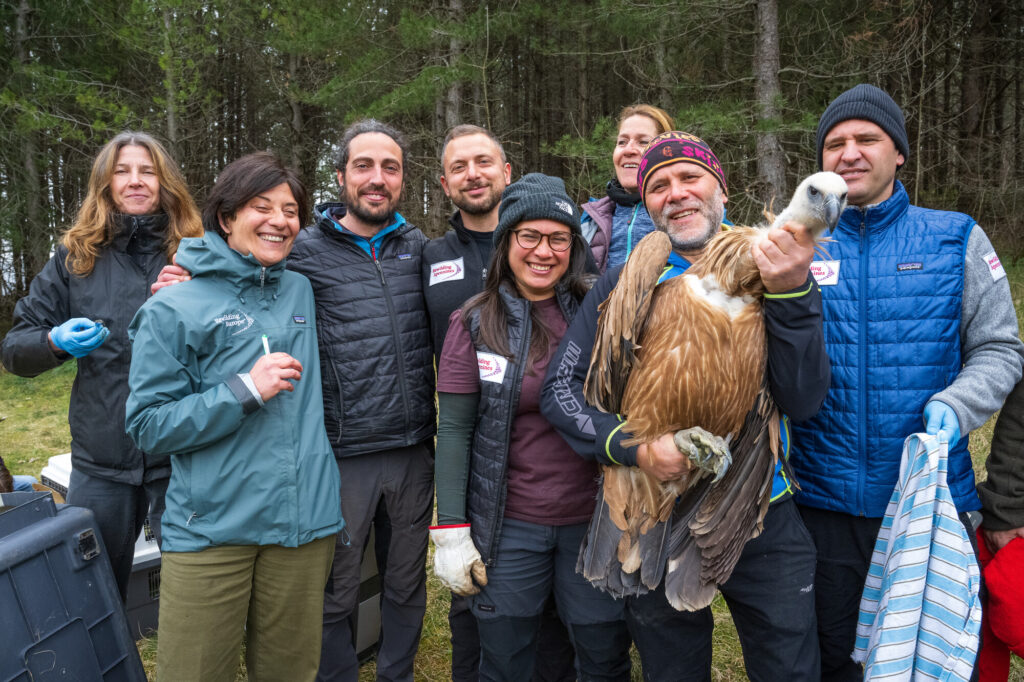
The planned return of vultures to the Southern Carpathians is part of a much wider effort by Rewilding Europe and its partners to restore these essential scavengers across the continent. In 2026, cinereous vultures successfully bred again in both the Rhodope Mountains of Bulgaria and Spain’s Iberian Highlands, following reintroductions. In Italy’s Central Apennines, efforts are underway to reinforce the griffon vulture population, while further reintroductions and rewilding efforts are supporting vultures in other European rewilding landscapes.
Beyond these landscapes, Rewilding Europe’s European Wildlife Comeback Fund is supporting vulture releases in Spain, Italy, and France. Collaboration with organisations such as GREFA is helping to share expertise, strengthen populations, and reconnect Europe’s fragmented vulture communities.
Together, these efforts are about far more than bringing individual species back. By restoring scavenger populations, increasing the availability of natural carrion, and reducing human-caused mortality, Rewilding Europe and its partners are helping rebuild the complex relationships that sustain healthy ecosystems — allowing the circle of life to function more naturally.
A wilder future takes flight
The return of breeding vultures to Romania will take time, patience, and continued collaboration. But the foundations are being laid for a future in which these magnificent birds once again soar above the forests, mountains, and valleys of the Southern Carpathians, helping to sustain an increasingly rich and resilient natural world.
With bison already roaming free and vultures preparing to reclaim the skies, the Southern Carpathians are becoming a wilder, healthier place — where nature is increasingly able to take care of itself, and people can enjoy a more profound connection with the natural world.
