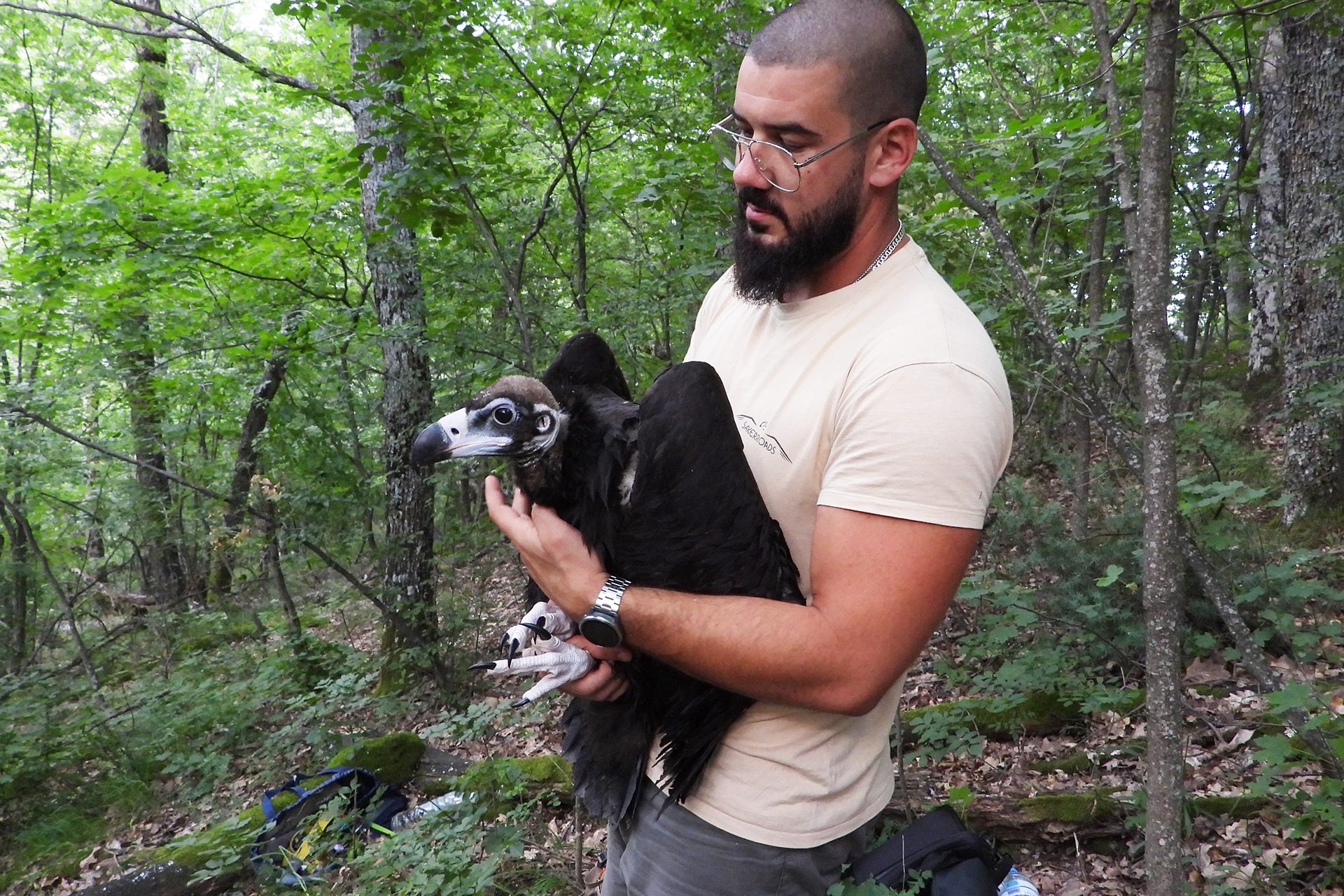

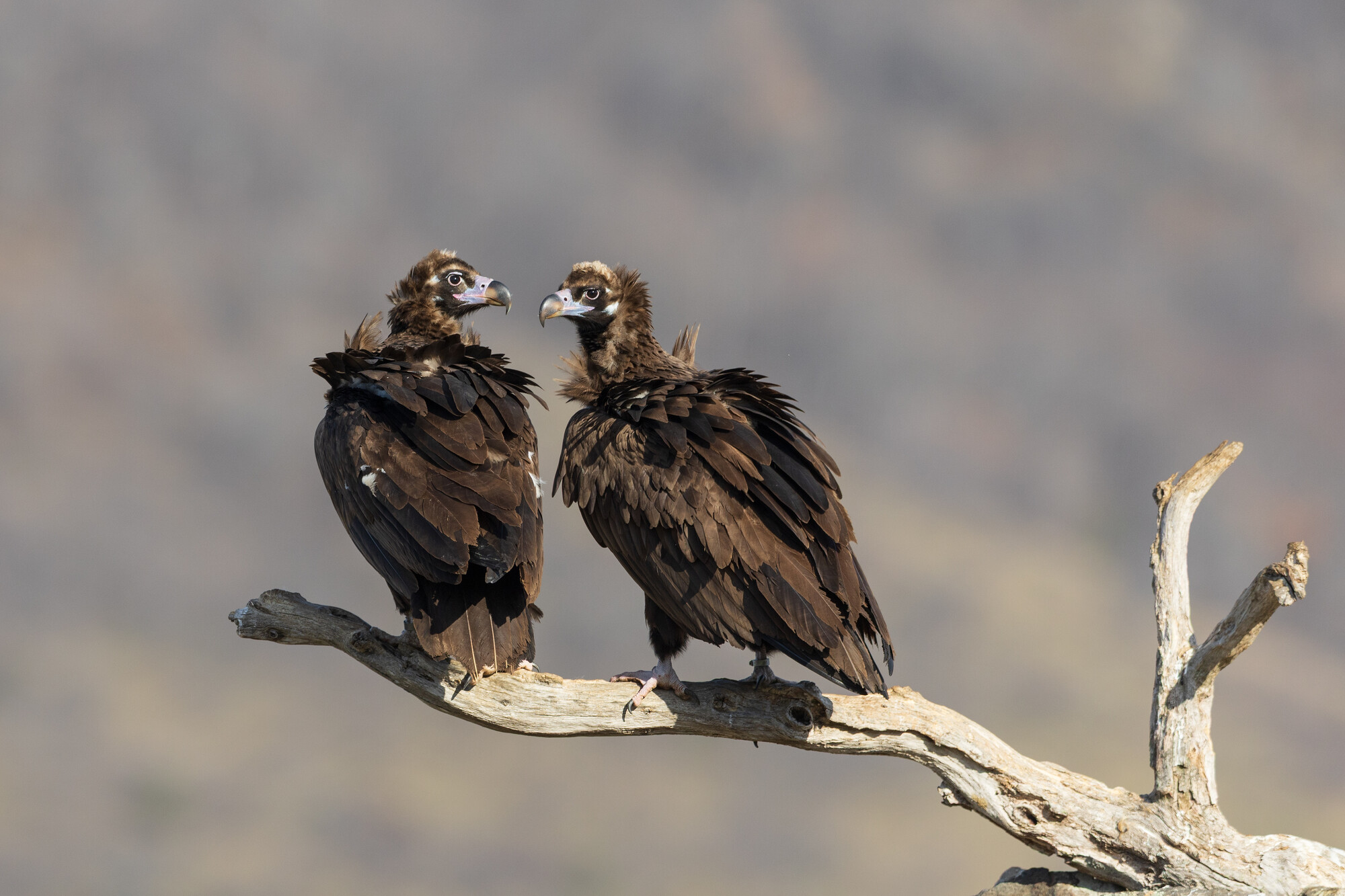
For the first time in more than three decades, cinereous vulture chicks have hatched in Bulgaria’s Rhodope Mountains. Marking an exciting milestone in the recovery of one of Europe’s largest scavengers, this breeding success follows years of dedicated preparation and highlights how rewilding is helping to create the conditions for wildlife to return and thrive.
An exciting landmark
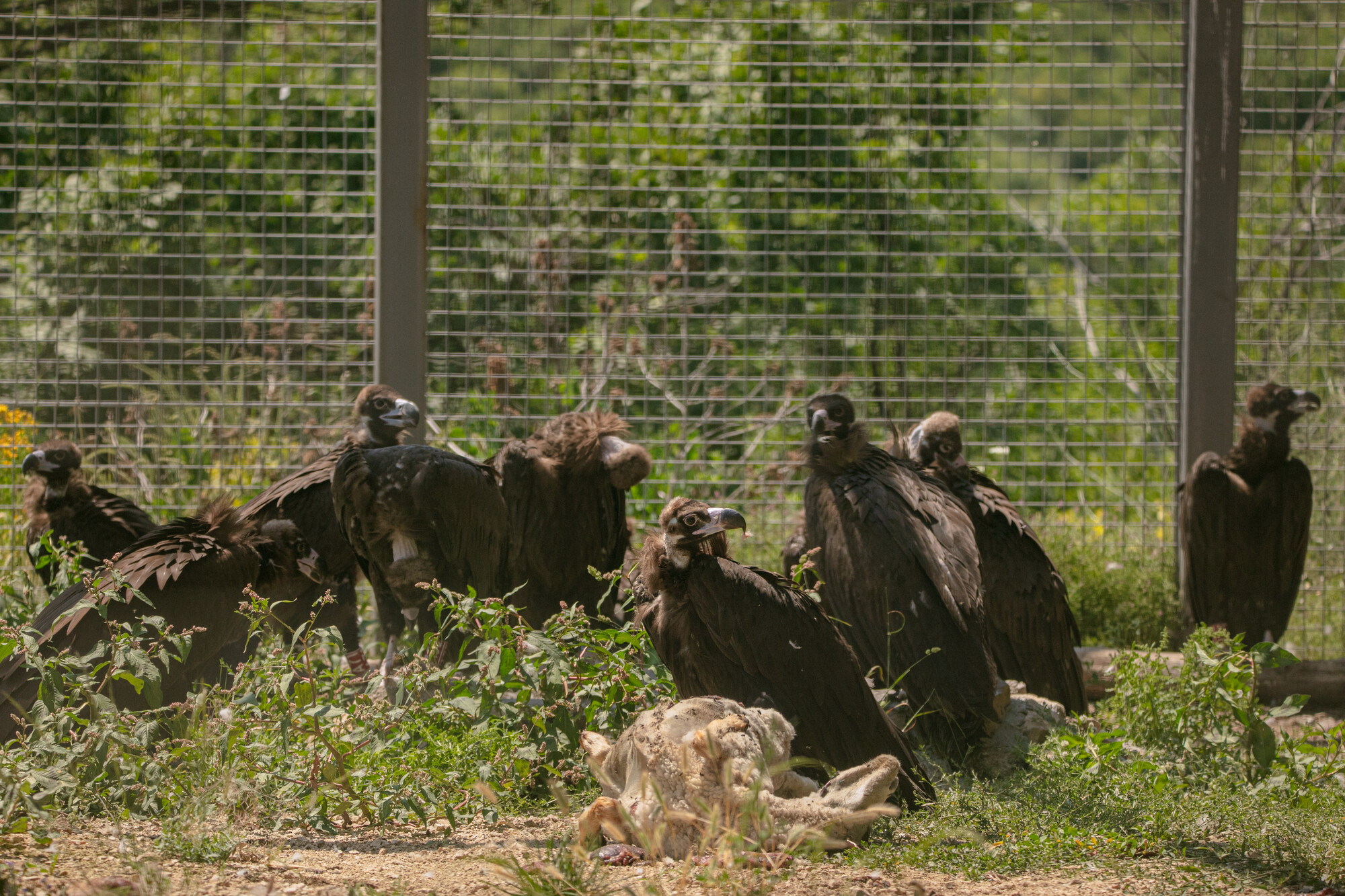
Cinereous vulture reintroduction has been underway in Bulgaria’s Rhodope Mountains since 2023. Following the release of seven more birds in 2025, hopes were high that breeding might soon begin.
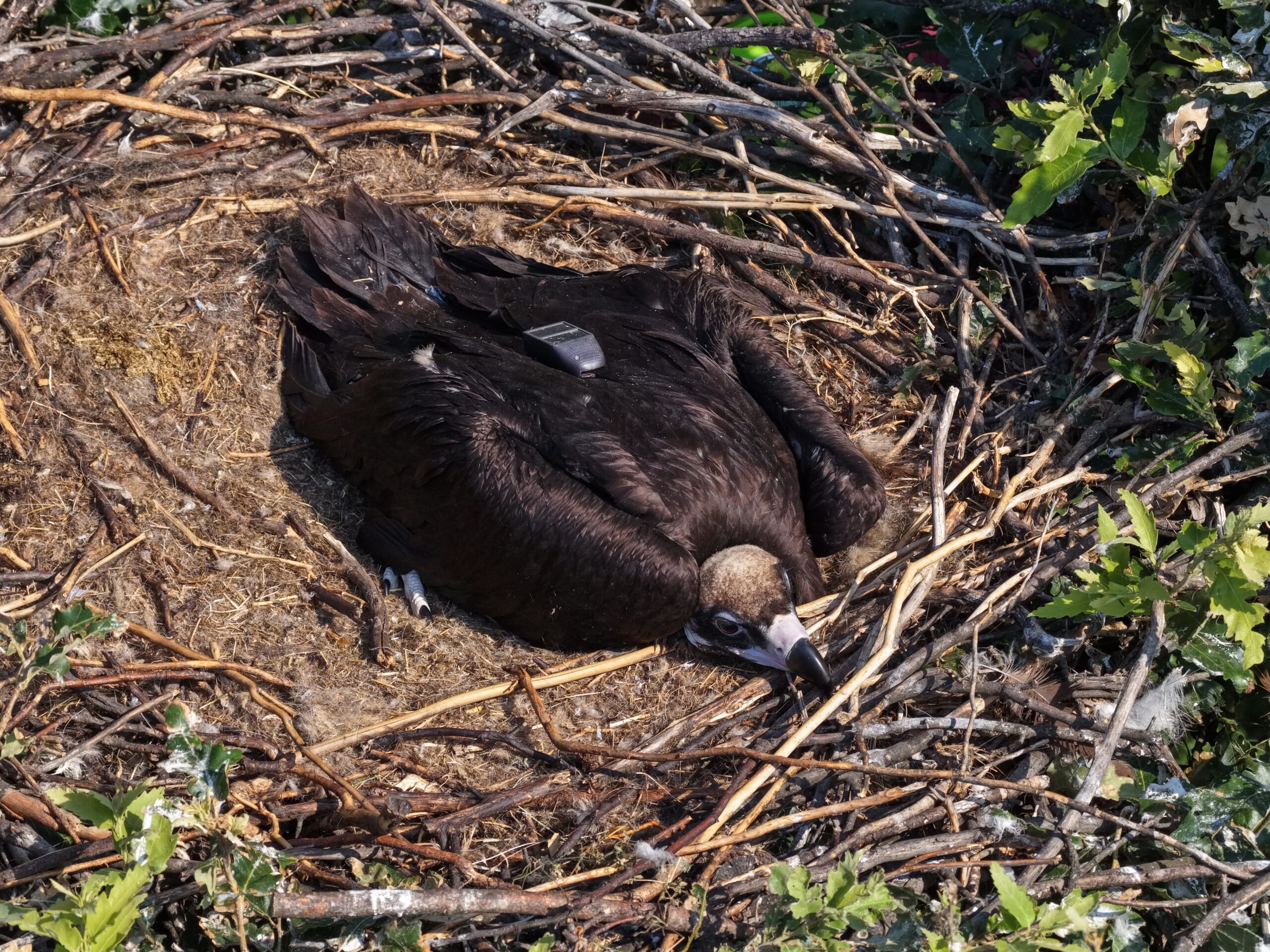
Now, those hopes have become reality. Earlier this spring, the first chicks hatched in the Bulgarian Rhodopes for more than 30 years, marking a major milestone in the recovery of this hugely impressive and ecologically important species.
“This exciting news is proof that the re-established cinereous vulture population in the Rhodopes has begun the long road to recovery,” says Frans Schepers, Rewilding Europe’s Executive Director, who saw his first-ever cinereous vultures in the Greek part of the Eastern Rhodopes back in 1987. “Behind every chick lie years of dedication — from anti-poisoning efforts and community engagement to monitoring work and efforts to increase the availability of wild carcasses — helping restore this iconic scavenger as a permanent part of a wilder Europe. It is a special moment to see them also breeding on the Bulgarian side of this amazing mountain range.”
Lift-off in the Rhodopes
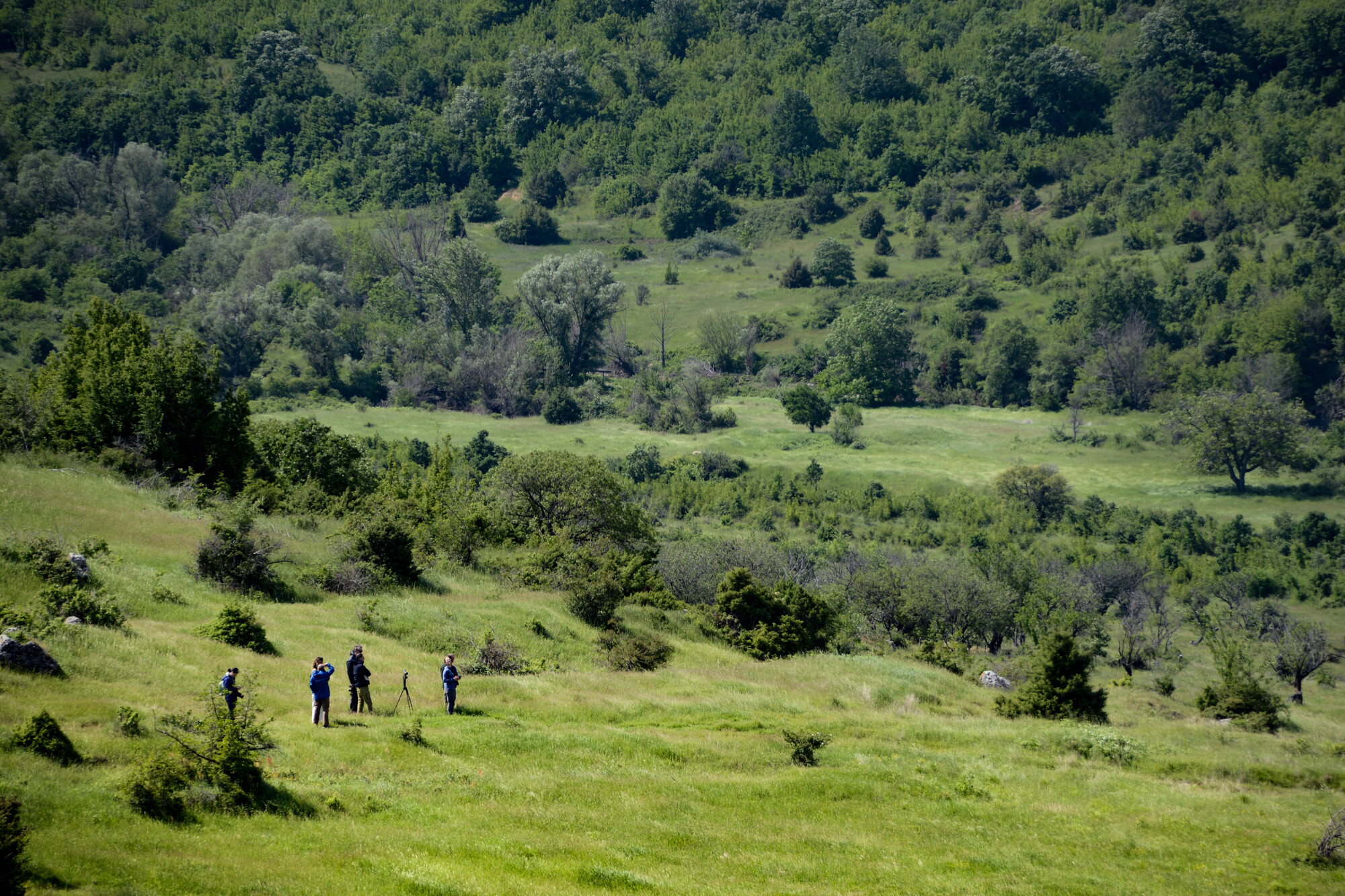
Earlier this year, monitoring teams recorded eight pairs of cinereous vultures in the Rhodope Mountains rewilding landscape, seven of which settled in artificial nests built specifically to encourage the birds to stay. After four pairs began incubation, three chicks successfully hatched. These eight pairs represent around 25% of Bulgaria’s total cinereous vulture population, with the remainder found in the Balkan Mountains to the north.
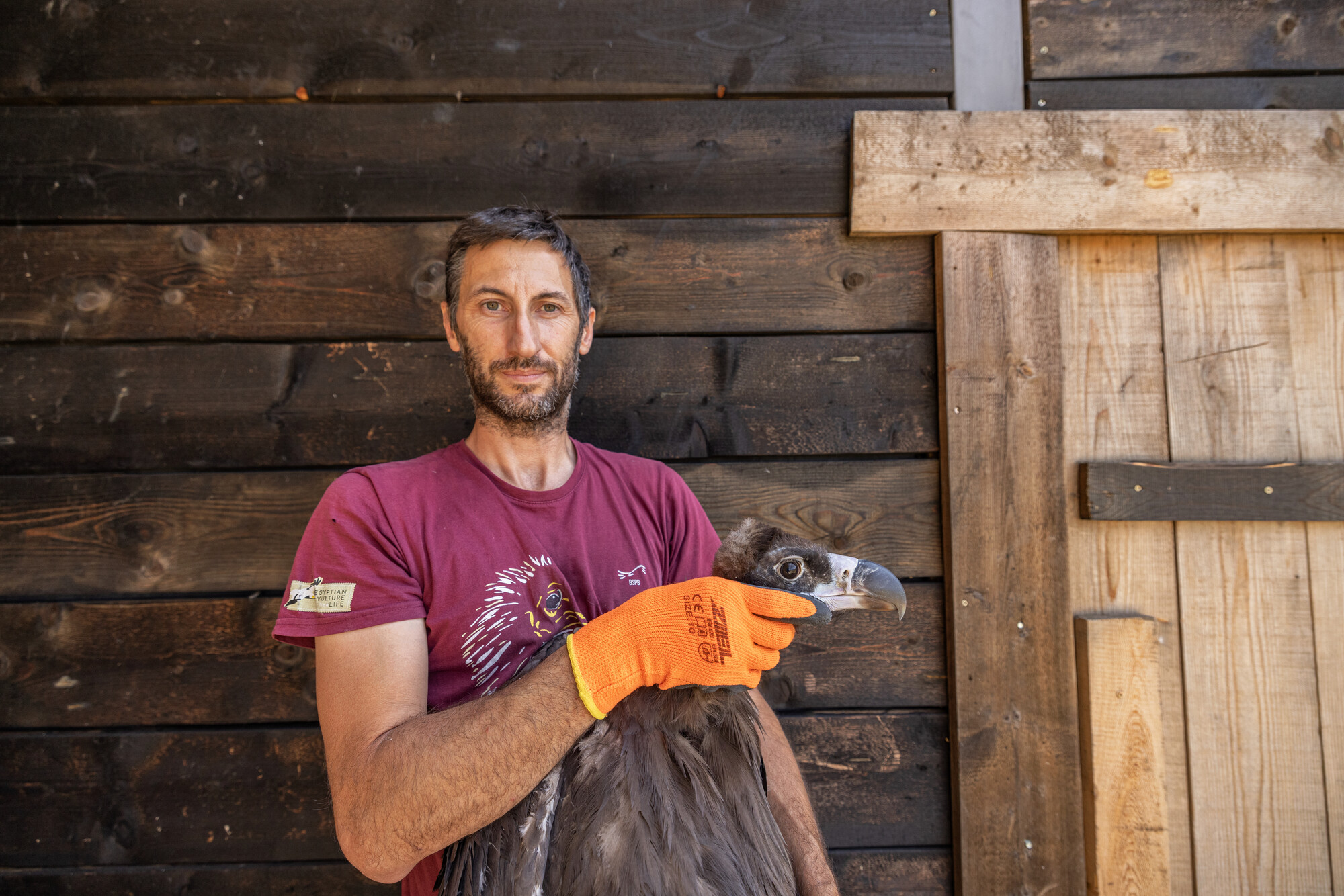
“These hatchlings are a sign of hope and the first step towards the return of the cinereous vulture as a breeding species in the Bulgarian Rhodope Mountains,” says Dobromir Dobrev, a vulture expert working for the Bulgarian Society for the Protection of Birds (BSPB). “After many years of preparation, now the real hard work begins.”

A collaborative and connected recovery
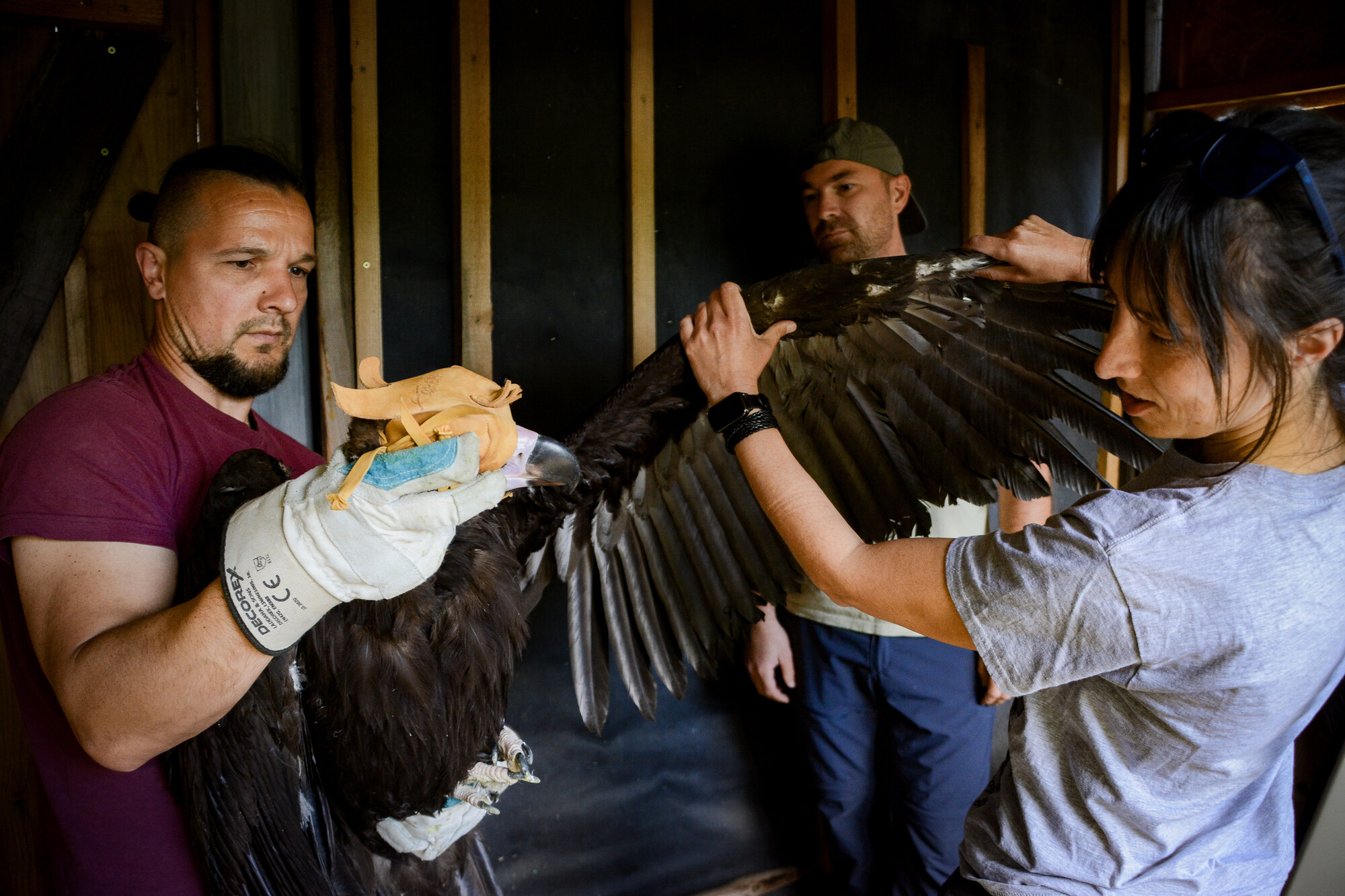
For a programme that began preparatory work in 2022 and carried out its first reintroductions in 2023 — with 40 birds released to date — the results show how quickly vulture populations can establish themselves and begin to thrive when the right conditions are in place. What is evolving in the Bulgarian Rhodopes is more than a reintroduced population: some pairs now include birds from across the border in Greece, offering early signs of a broader, naturally connected recovery.
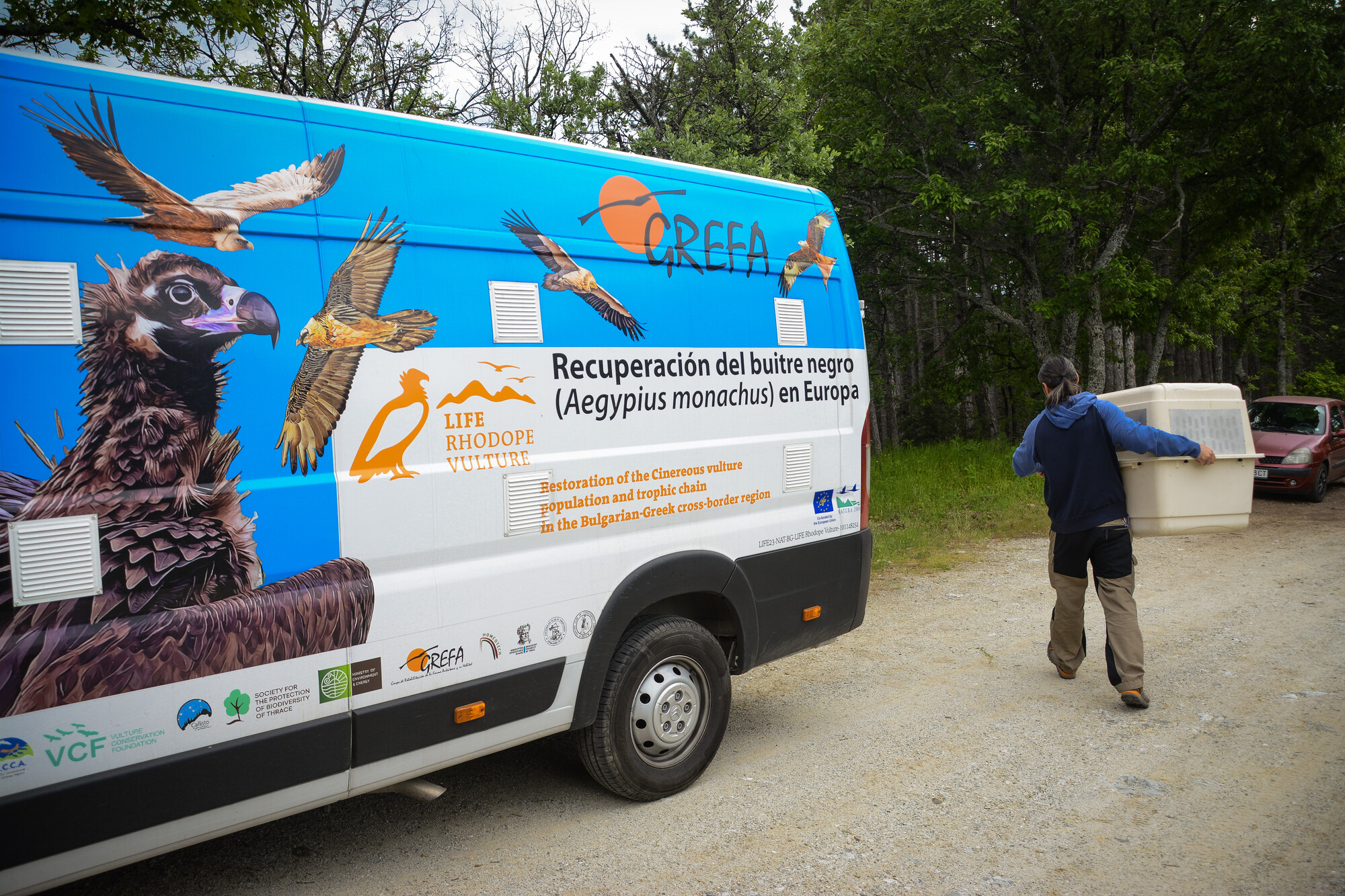
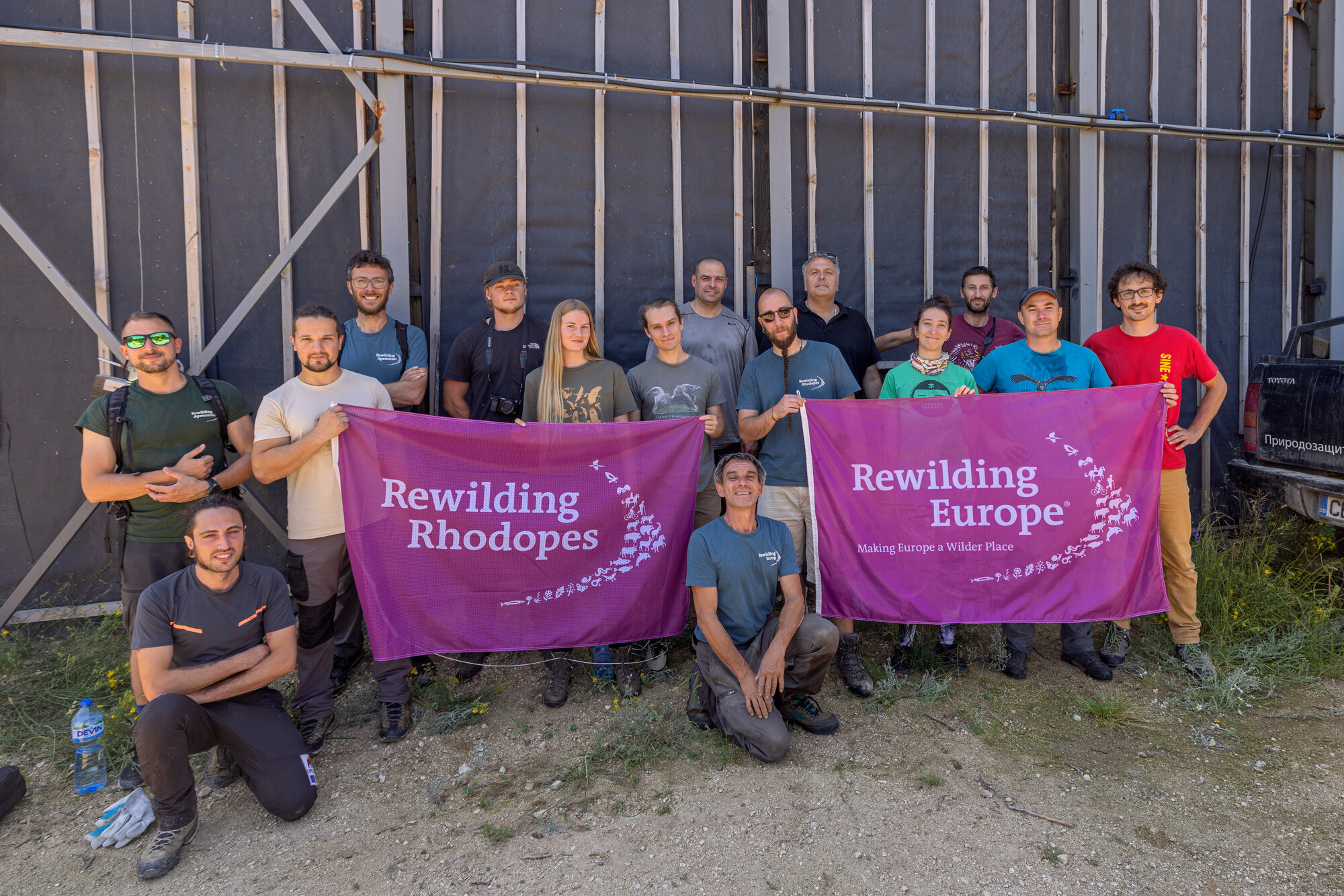
The vulture reintroduction initiative is being led by BSPB, together with the Rewilding Rhodopes team and Spanish NGO GREFA, as part of the wider, EU-funded LIFE Rhodope Vulture initiative — a broad consortium of conservation organisations and public authorities working to restore vulture populations and strengthen conditions for scavengers across the Rhodope Mountains in Bulgaria and Greece.
Ensuring long-term growth
The breeding success in the Rhodope Mountains is the result of a long-term, holistic, landscape-scale approach. Rewilding Europe’s Circle of Life strategy recognises that vultures can only thrive in functioning ecosystems where natural processes — including the never-ending cycle of life, death, and renewal — are allowed to recover.
As Europe’s largest scavenger, the cinereous vulture plays a vital ecological role, consuming carcasses, preventing the spread of disease, and returning nutrients to the soil. Supported by rewilding, growing populations of deer, wild boar, and other wild herbivores across the landscape have helped create the conditions in which these birds can flourish.
“The hatching of these chicks reflects not only the success of the reintroduction programme, but also years of work to strengthen the food base for cinereous vultures and other scavengers across the landscape,” says Sara Aliácar, Rewilding Europe’s Rewilding Landscape Manager. “We will continue reinforcing the Circle of Life to ensure this population becomes viable, connected, and continues to grow for generations to come.”

Sharing space
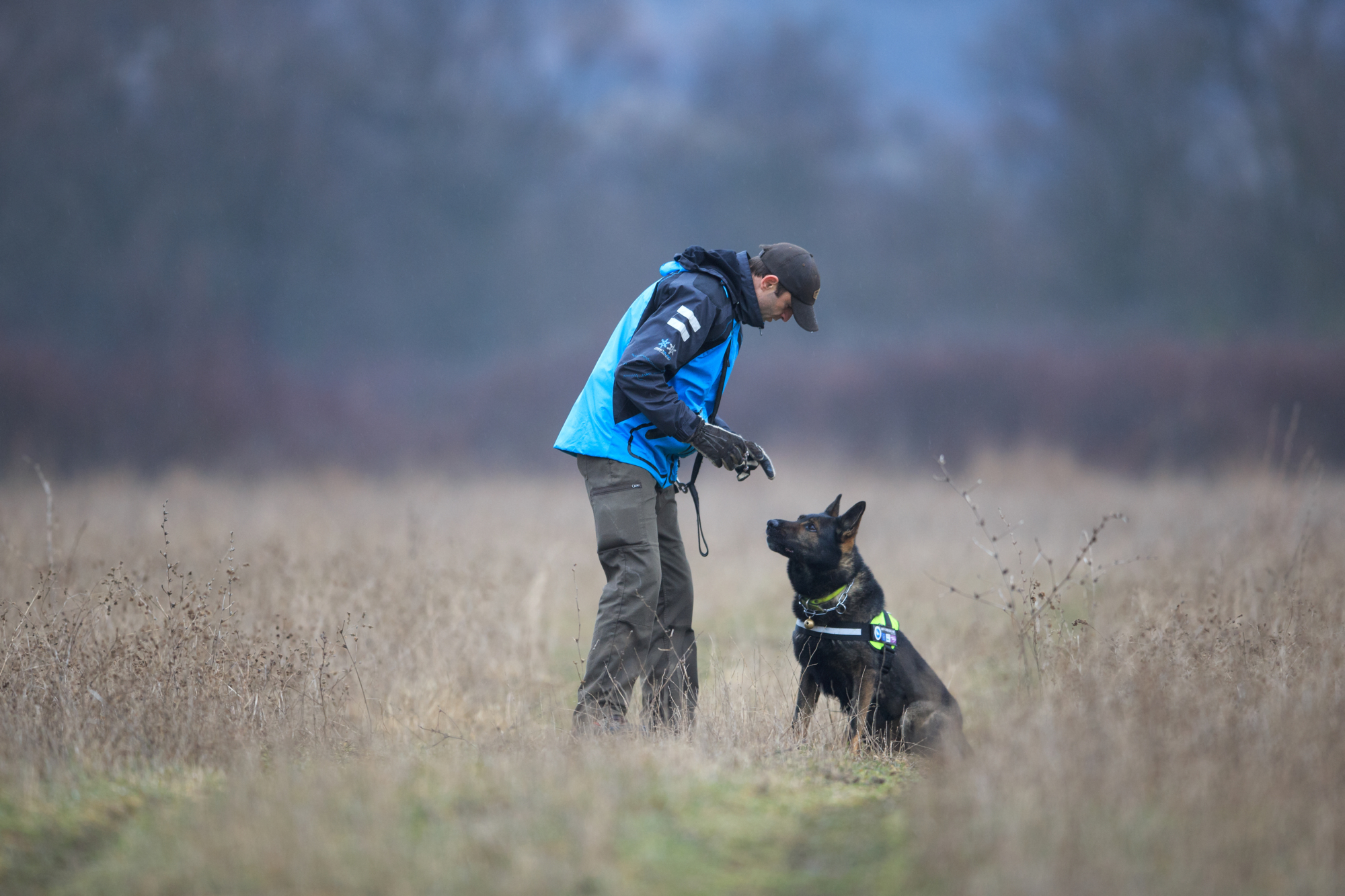
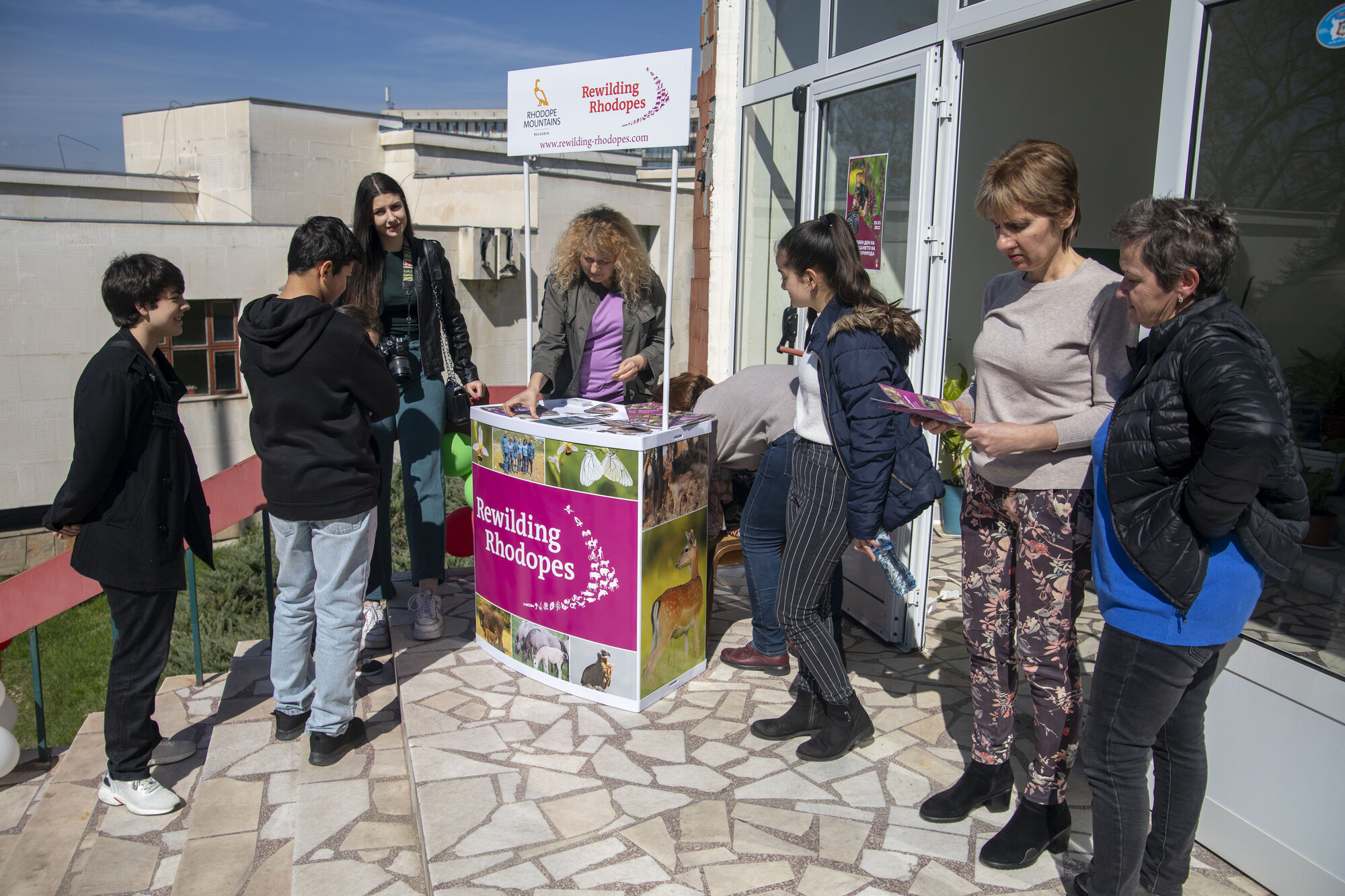
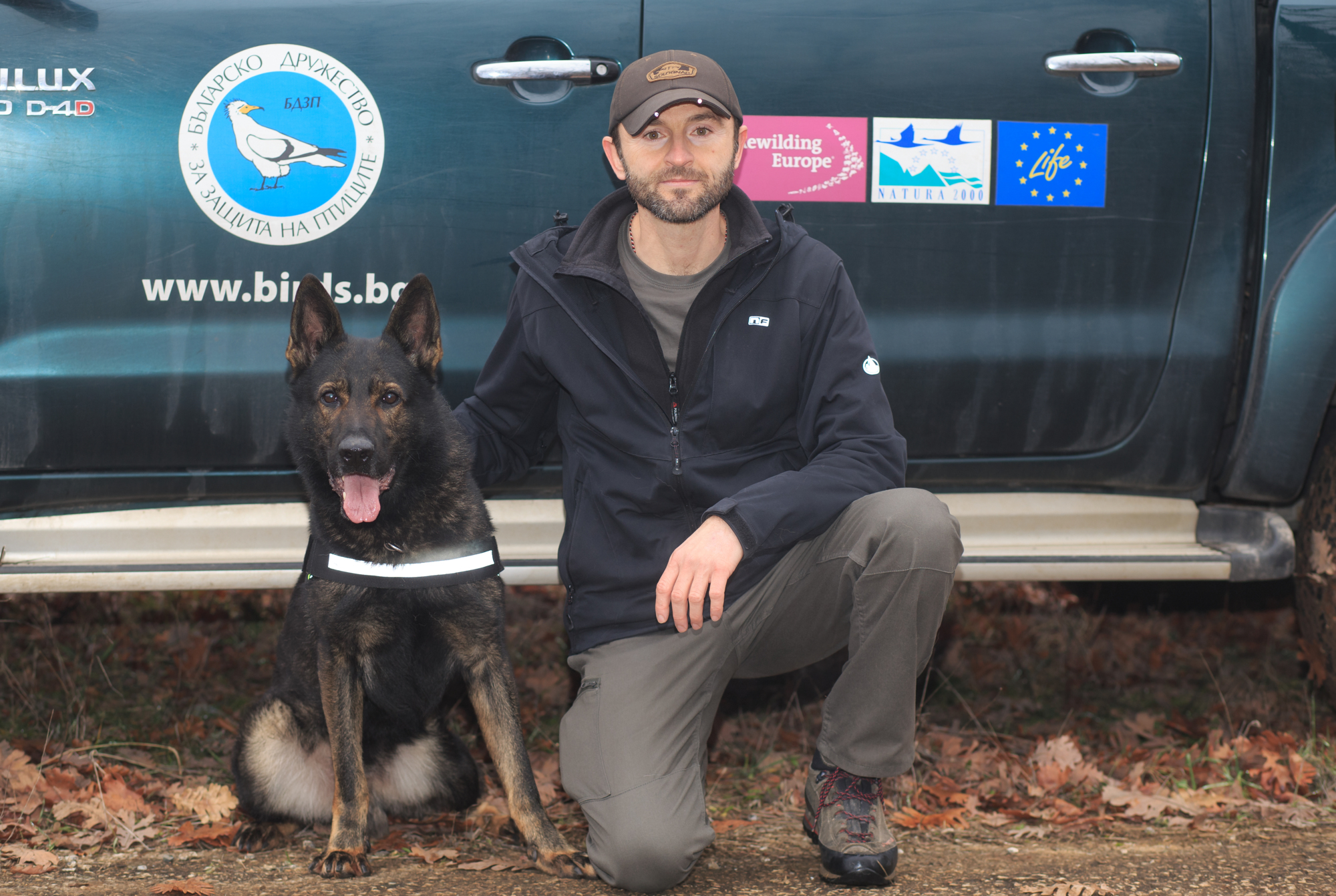
Challenges around human-vulture coexistence remain across Europe. Poisoning, habitat loss, and declining food availability once drove cinereous vultures from much of their former range, and illegal poisoning in particular continues to threaten Balkan vultures. Anti-poison dog patrols, carried out with state authorities, remain an important part of conservation work in the Rhodope Mountains, while education and community engagement are equally vital.
“Vultures provide a solid ground for working together,” says Dobromir Dobrev. “Wildlife and humans can share the same place if they learn to live together.”
Towards wilder skies
At least four more cinereous vulture releases are planned in the Rhodope Mountains by 2029. Breeding success, pair formation, and the growth of the colony will continue to be closely monitored, with GPS tracking helping teams understand feeding habits, movement, and expansion across the landscape.
Rewilding Europe’s partnership with GREFA, strengthened through a new agreement signed in 2025, will be critical to accelerating vulture comeback across Europe. By combining species reintroduction expertise with landscape-scale rewilding, the collaboration is already helping to restore vulture populations and other key species. In recognition of this shared commitment to nature recovery, GREFA honoured Rewilding Europe with its 45th Anniversary Award for an International Association collaborating with GREFA in June.
For now, though, a new generation of cinereous vultures has opened its eyes for the first time in the Bulgarian Rhodope Mountains. For the landscape around them — and the people working to restore it — it’s the start of a promising new chapter.