
11
rewilding landscapes working to restore the Circle of Life.
4
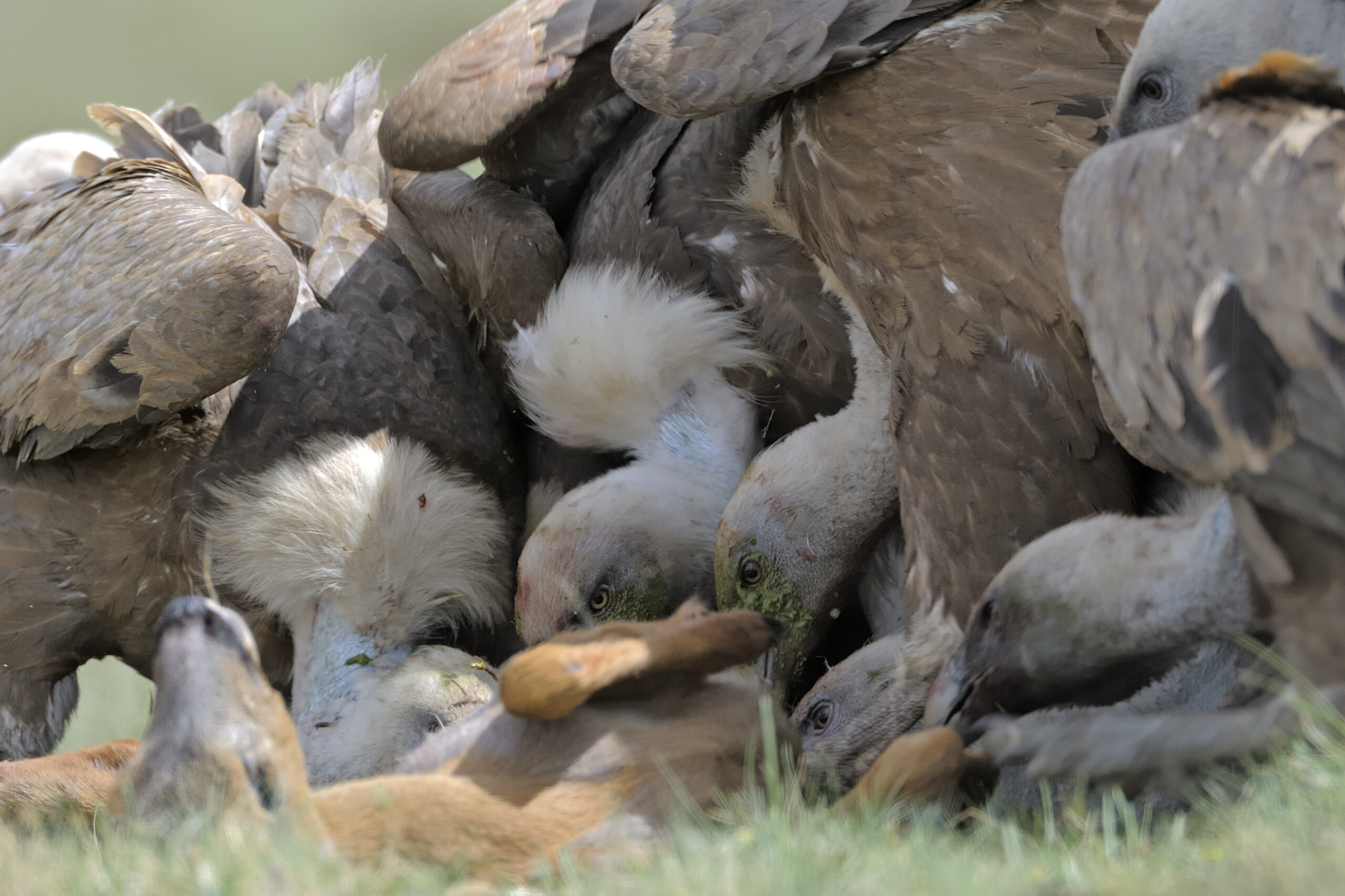
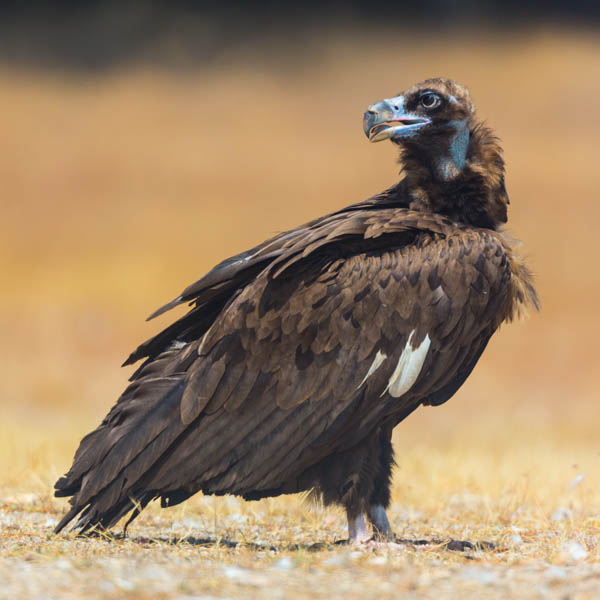
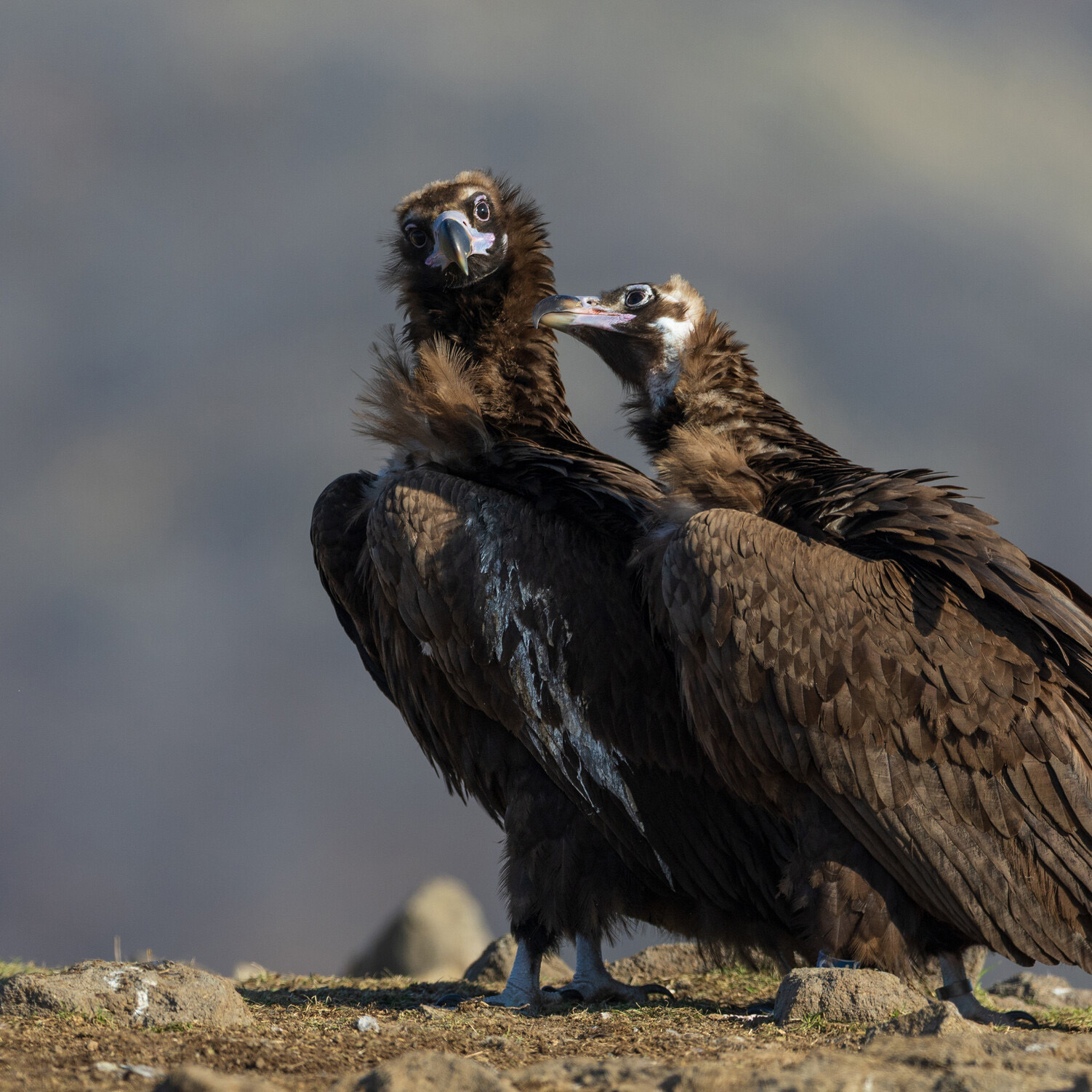
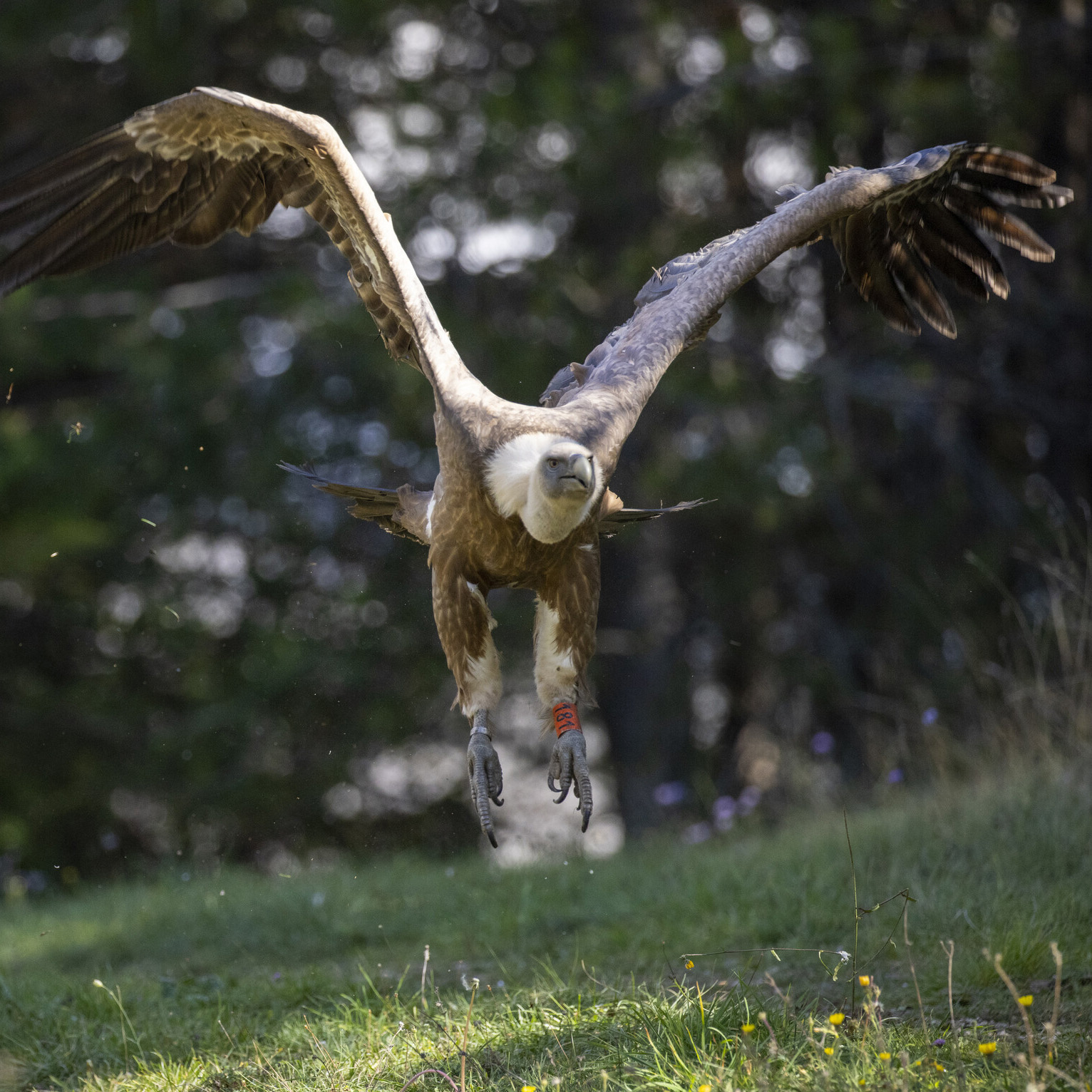
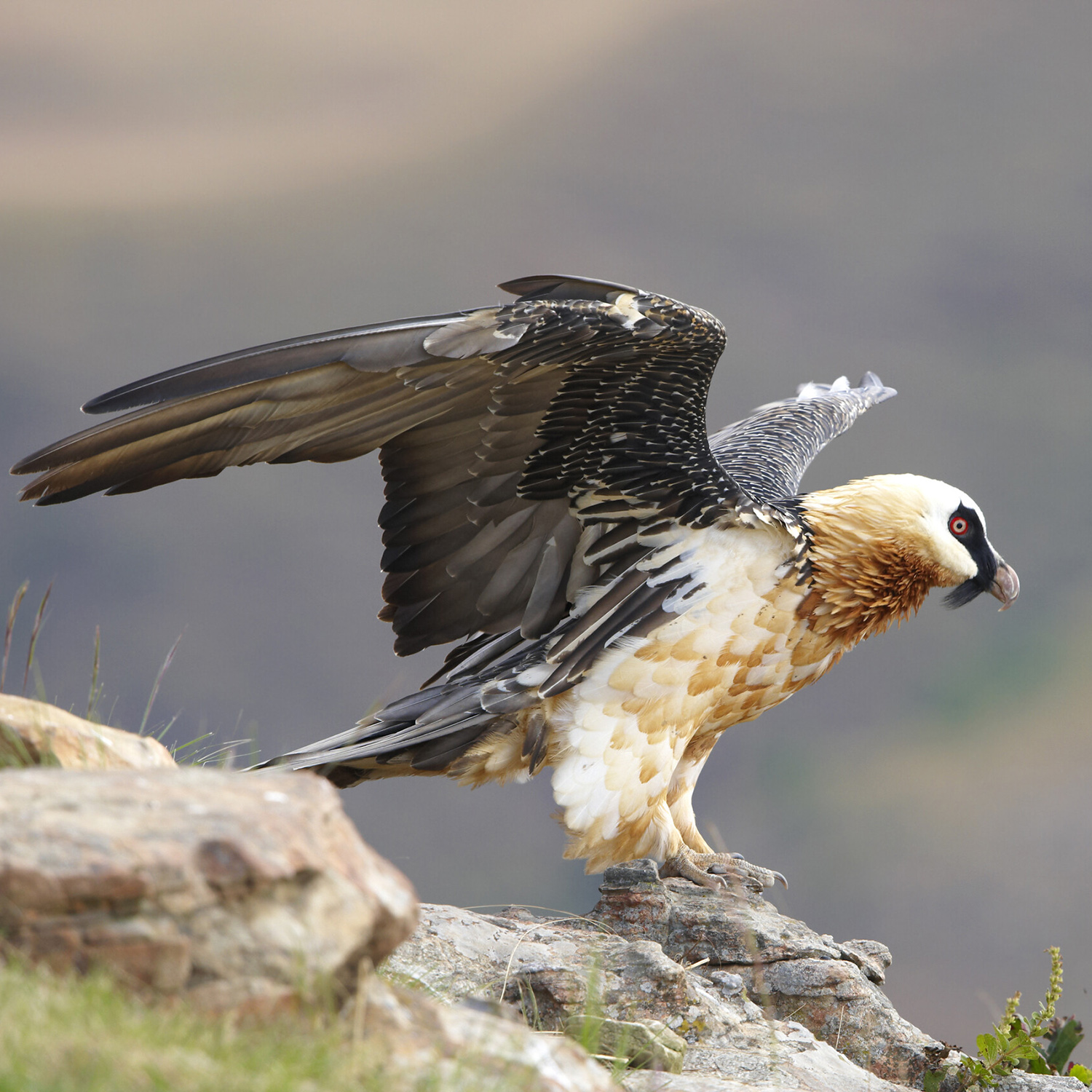
species of vulture found in Europe (griffon, cinereous, Egyptian, and bearded), with all of these species found in at least one of Rewilding Europe’s rewilding landscapes.
4
species of large carnivore present in our network of rewilding landscapes (brown bear, grey wolf, Eurasian lynx, and golden jackal).
9
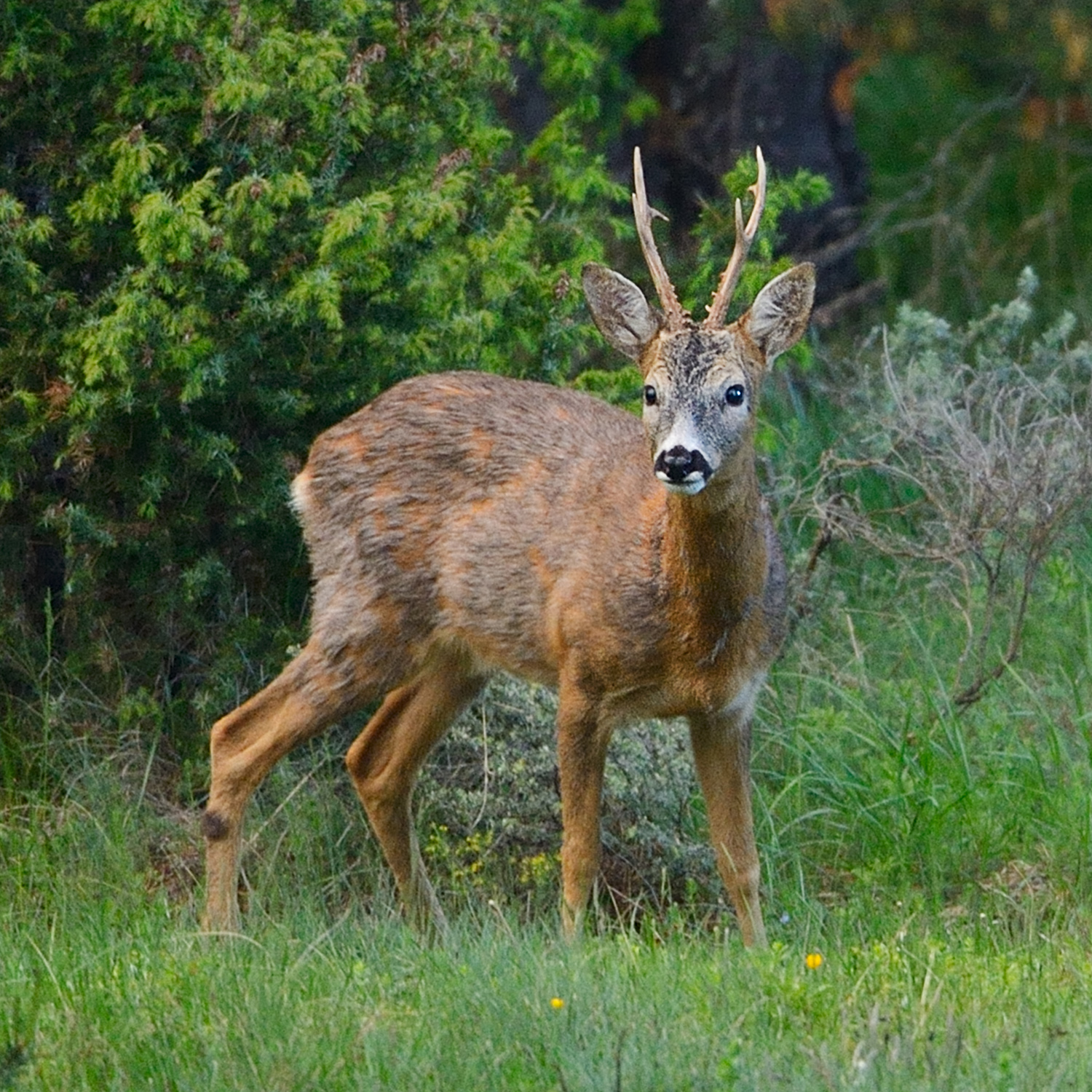
species of wild/semi-wild herbivores reintroduced or restocked in Rewilding Europe’s operational landscapes, comprising European bison, chamois, water buffalo, Tauros, primitive horses, Przewalski’s horses, kulan, red deer, and fallow deer.
What is the Circle of Life
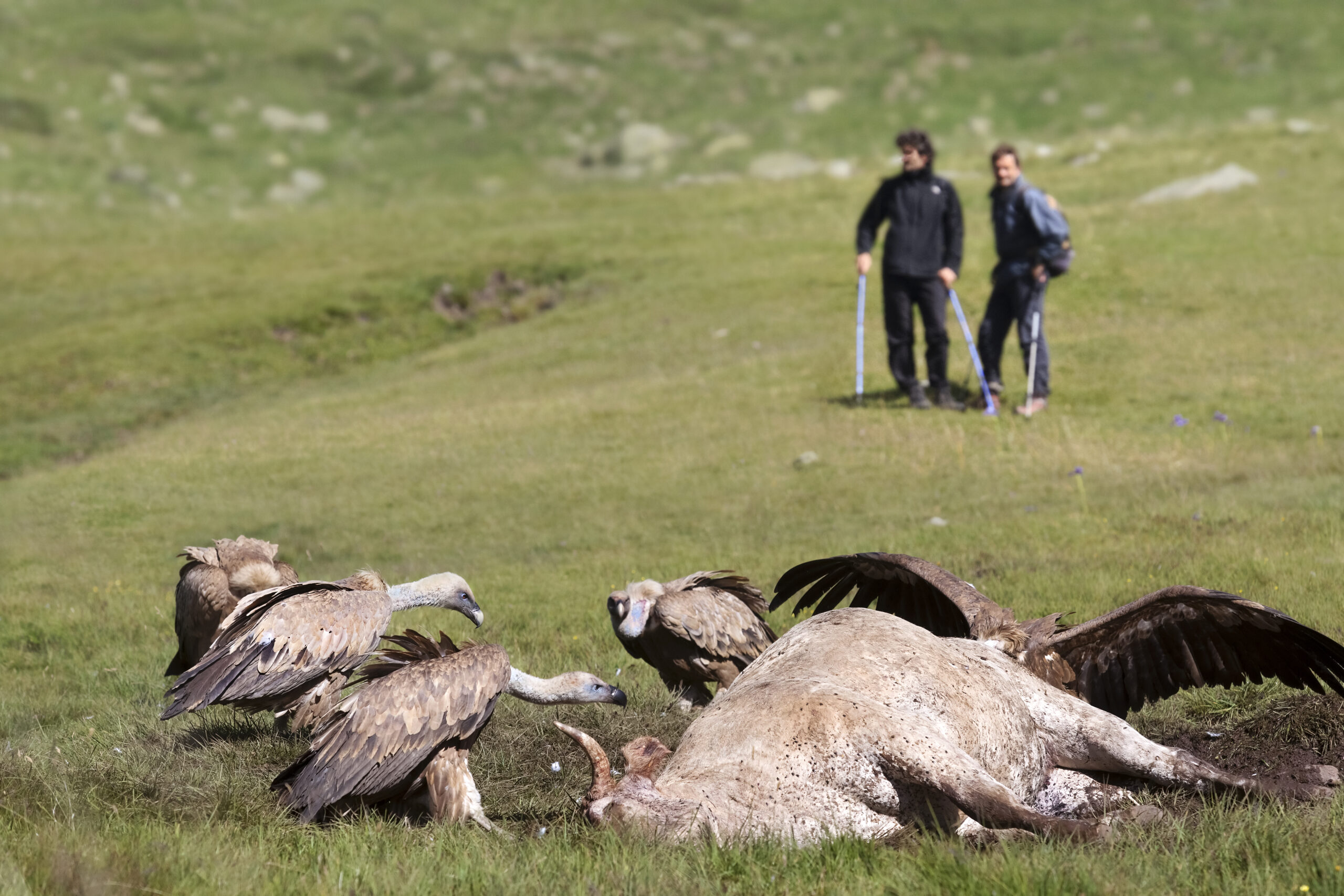
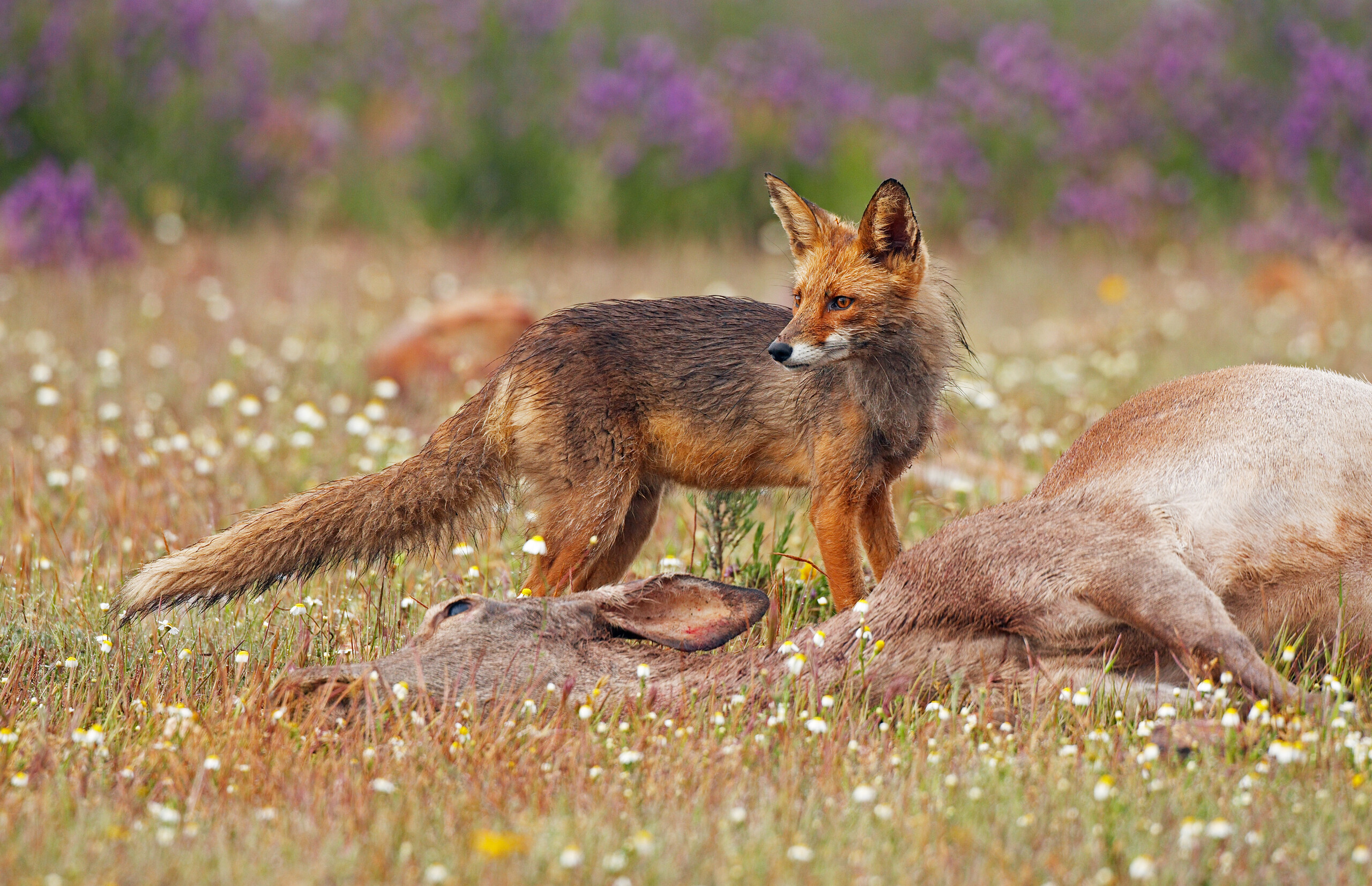
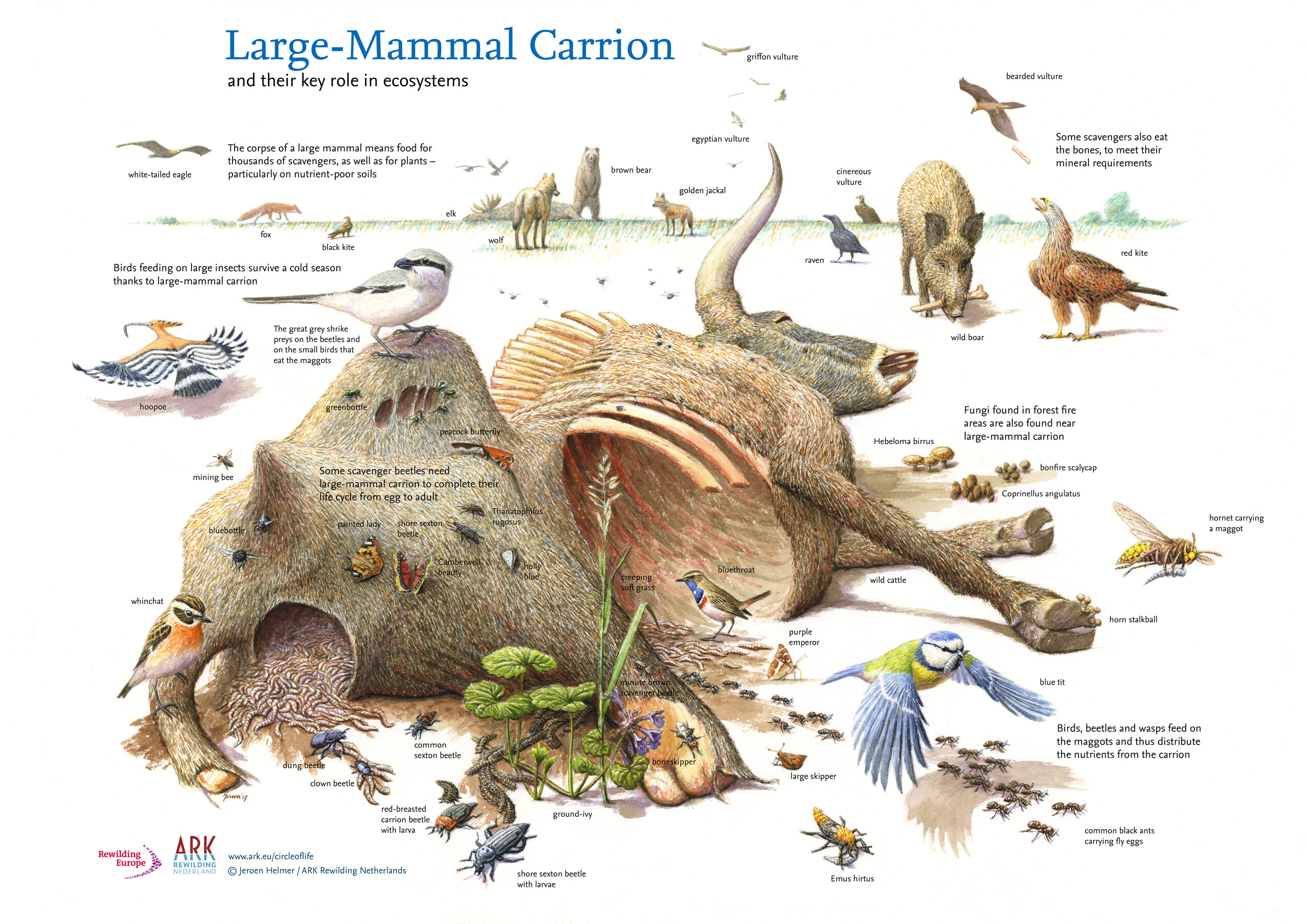
Every day, across Europe, the Circle of Life rotates in infinite complexity. Herbivores, which feed on plants, are hunted by predators. Sometimes they simply die of old age or disease. Their carcasses are also cleaned up by scavengers — such as vultures, foxes, wild boar — and an array of insects, which are, in turn, part of intricate local food webs. Eventually, aided by the action of myriad microorganisms and fungi, once living flesh is broken down and nutrients are returned to the soil, which then help new plants to grow.
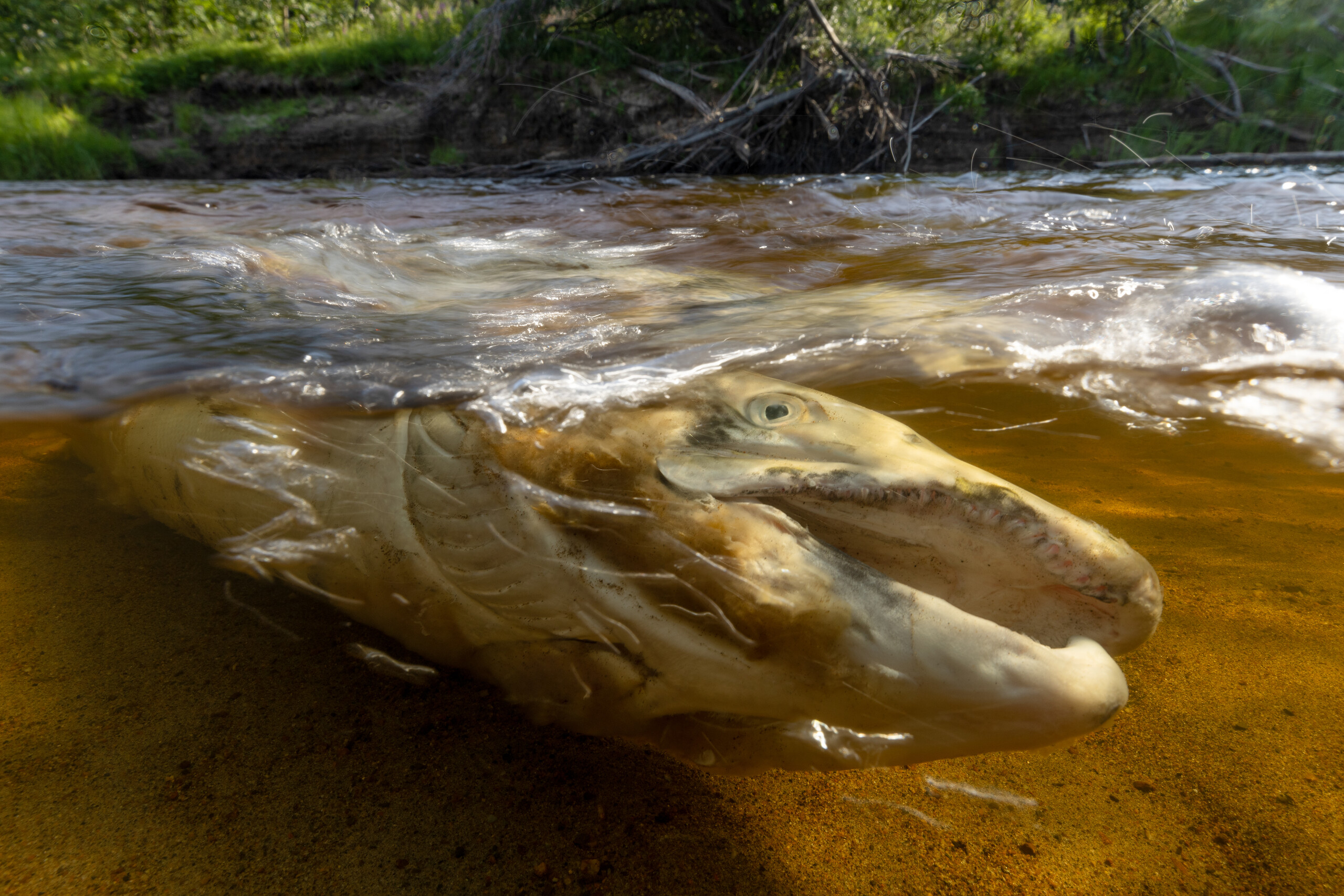
The Circle of Life is also important in aquatic ecosystems, where — just like on land — scavengers and decomposers ensure that energy and nutrients from dead organic matter are recycled back into the food web. In the marine environment, species such as sharks, crabs, octopuses, and eels are common scavengers — often gathering in large numbers at “whale falls“. Processes such as the migration of Atlantic salmon — which can happen in free-flowing rivers — provide carrion that is eaten by birds, aquatic carnivores, and other fish, transferring energy and nutrients between marine and freshwater ecosystems.
Of the huge number of terrestrial and marine scavengers, vultures are the only species that feed exclusively on carrion. Capable of consuming entire carcasses in a matter of hours, they are our most powerful allies in helping to recycle nutrients, transfer energy, and reduce the risk of disease.
Arthur de Bruin
A weakened circle
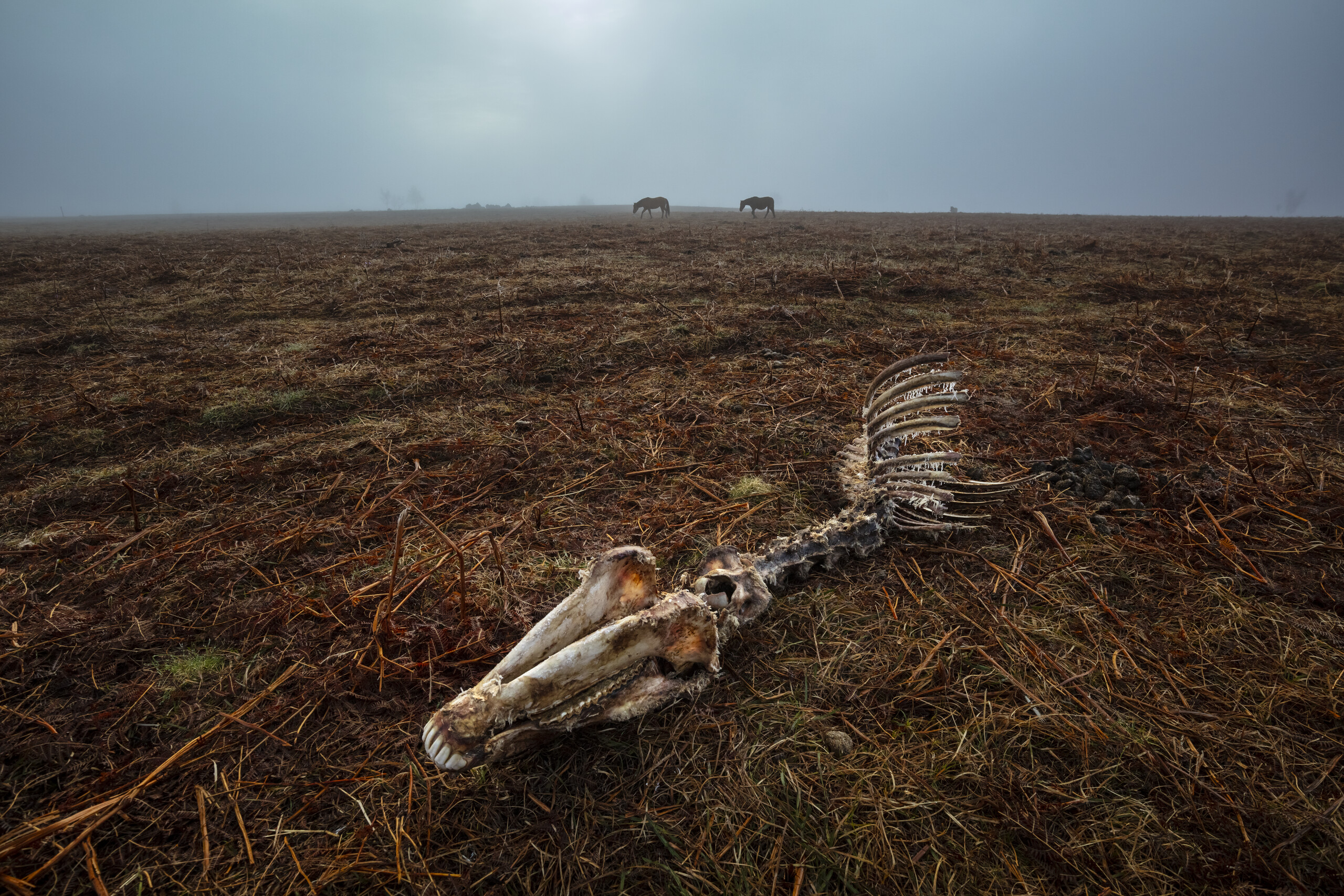
Despite their critical importance, the Circle of Life and role of carcasses and the scavengers that feed on them have long been undervalued. In many parts of Europe, human influence on the landscape means the circle is broken or weakened, negatively impacting wildlife populations and degrading nature’s ability to look after us. Across the continent, wild carcasses have become a rare commodity. Wilder landscapes have become agricultural land, the abundance of wild grazers is greatly diminished, and legislation demands the immediate removal of dead livestock in most landscapes. The widespread disappearance of biological “waste” from the European ecosystem has had a hugely negative impact on scavengers and food webs.
Jeroen Helmer
How Rewilding Europe is restoring the Circle of Life
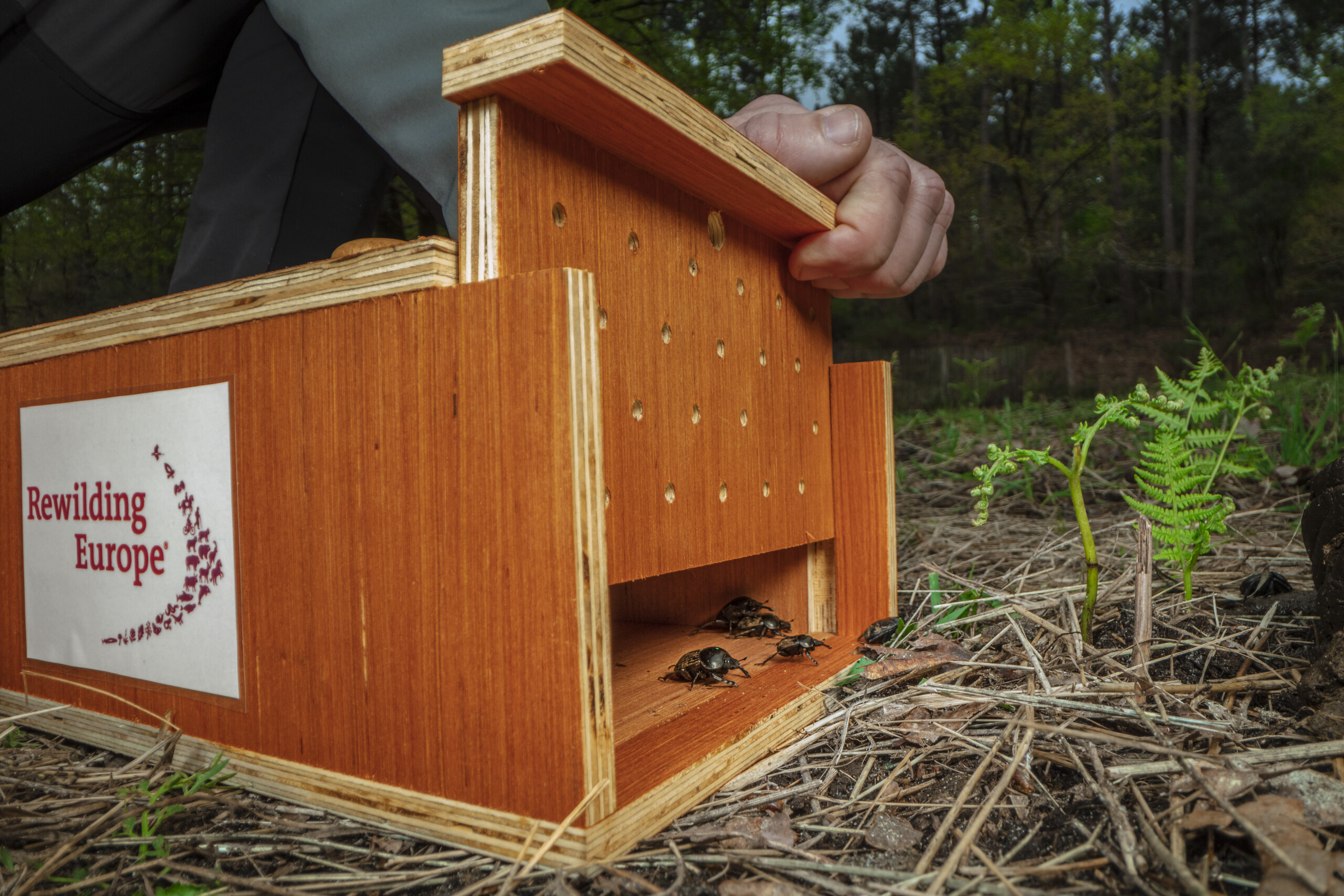
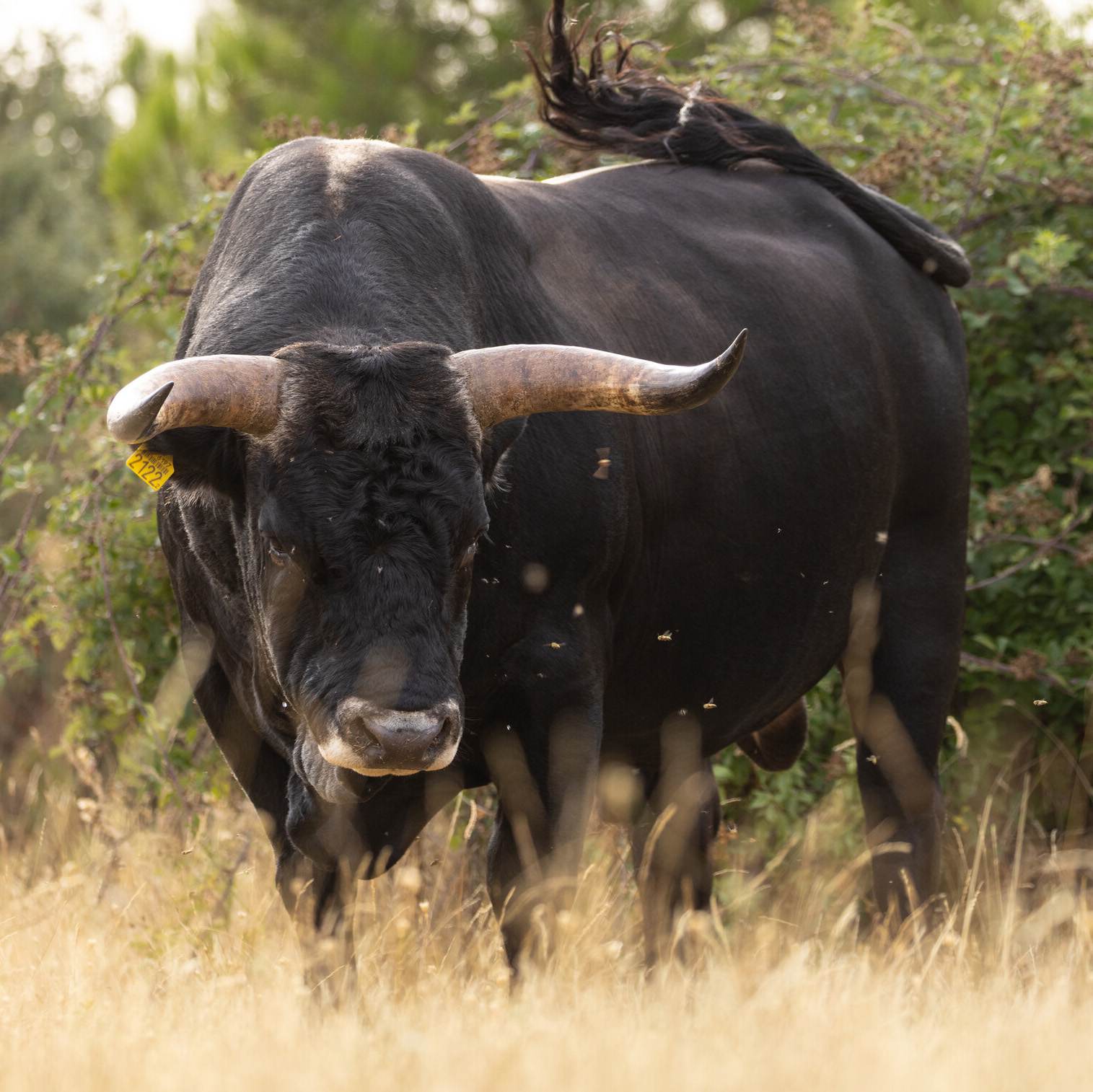
In collaboration with partners, Rewilding Europe has been working to restore the Circle of Life across Europe for more than a decade, with populations of wild and semi-wild herbivores — such as Tauros, horses, kulan, bison, chamois, red deer and fallow deer — reintroduced or restocked in many of our rewilding landscapes. As these animals become increasingly integrated into local food webs, they are boosting the availability of carrion for local scavengers, such as vultures, wolves, foxes, golden and white-tailed eagles, ravens, kites, wild boar — and a range of insects, such as butterflies and beetles. Restoring natural processes such as grazing and browsing, predation, and scavenging breathes life back into entire ecosystems, making them healthier and more resilient.
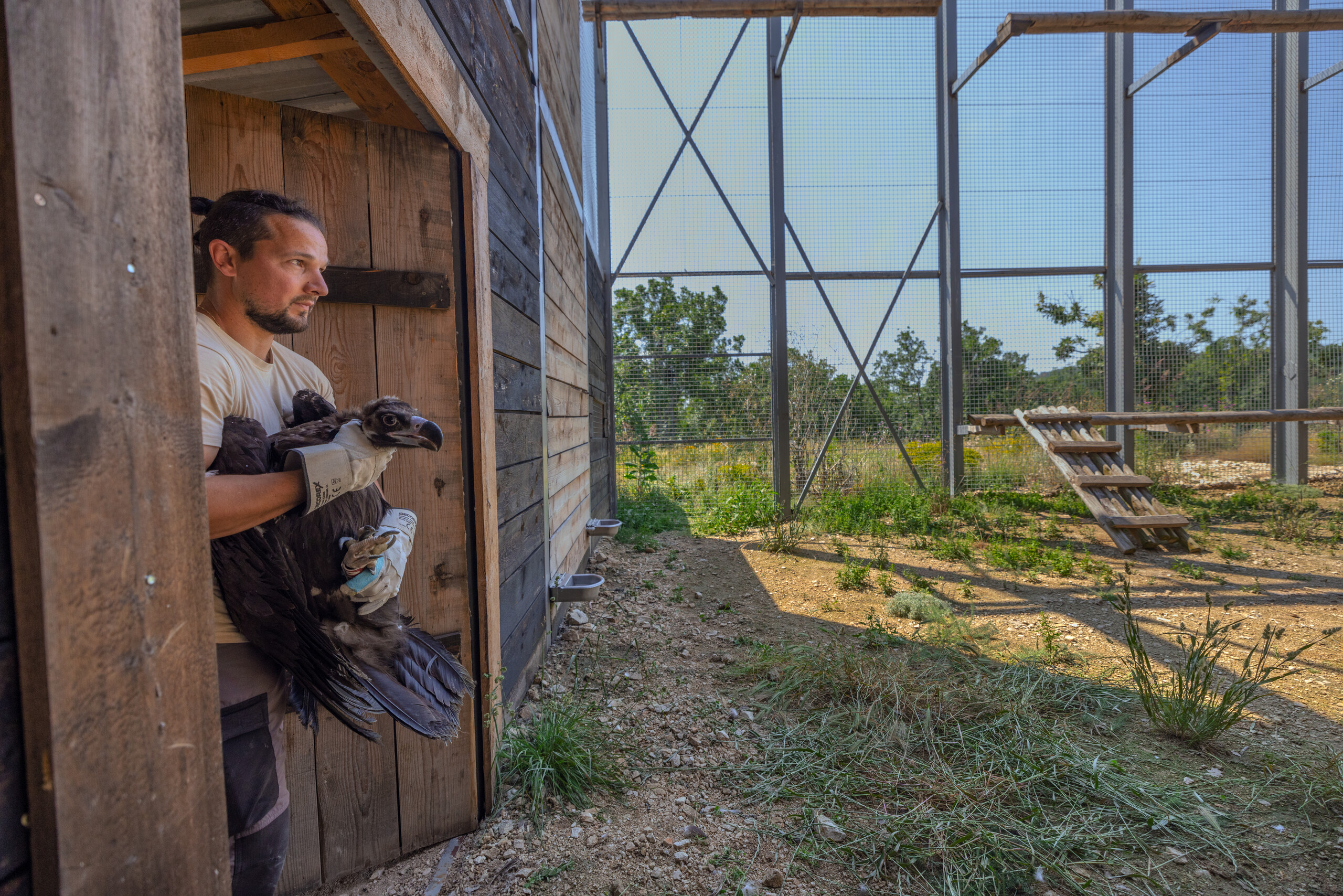
We are also directly supporting vulture populations in a number of rewilding landscapes, through measures such as reintroductions and releases to boost population and increasing the availability of food for scavengers. Efforts to enhance co-existence with scavengers, carnivores, and herbivores encompass anti-poisoning patrols, promoting lead-free ammunition, heightening the visibility of power lines, and building engagement through measures such as educational camps and workshops.
Tauros
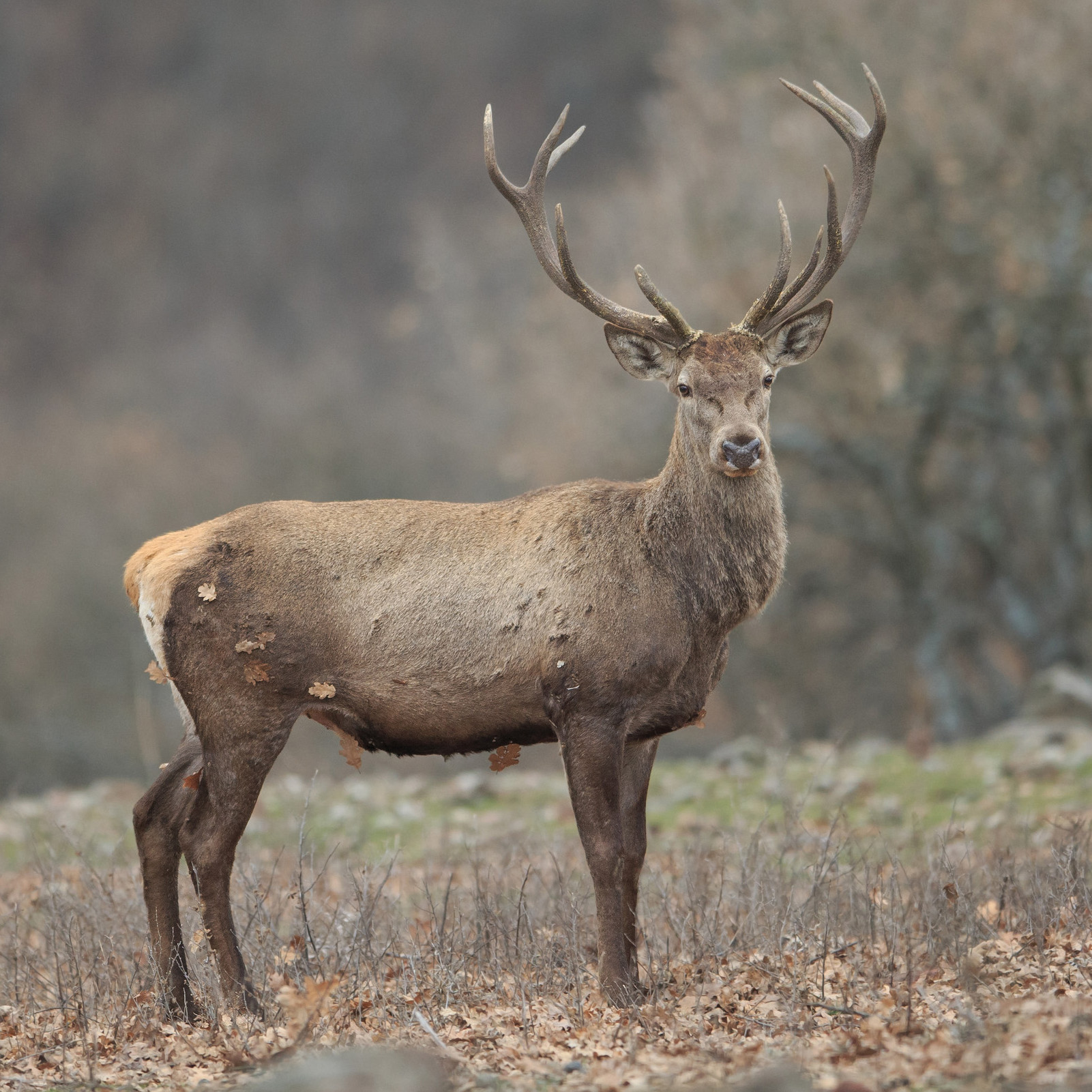
Deer
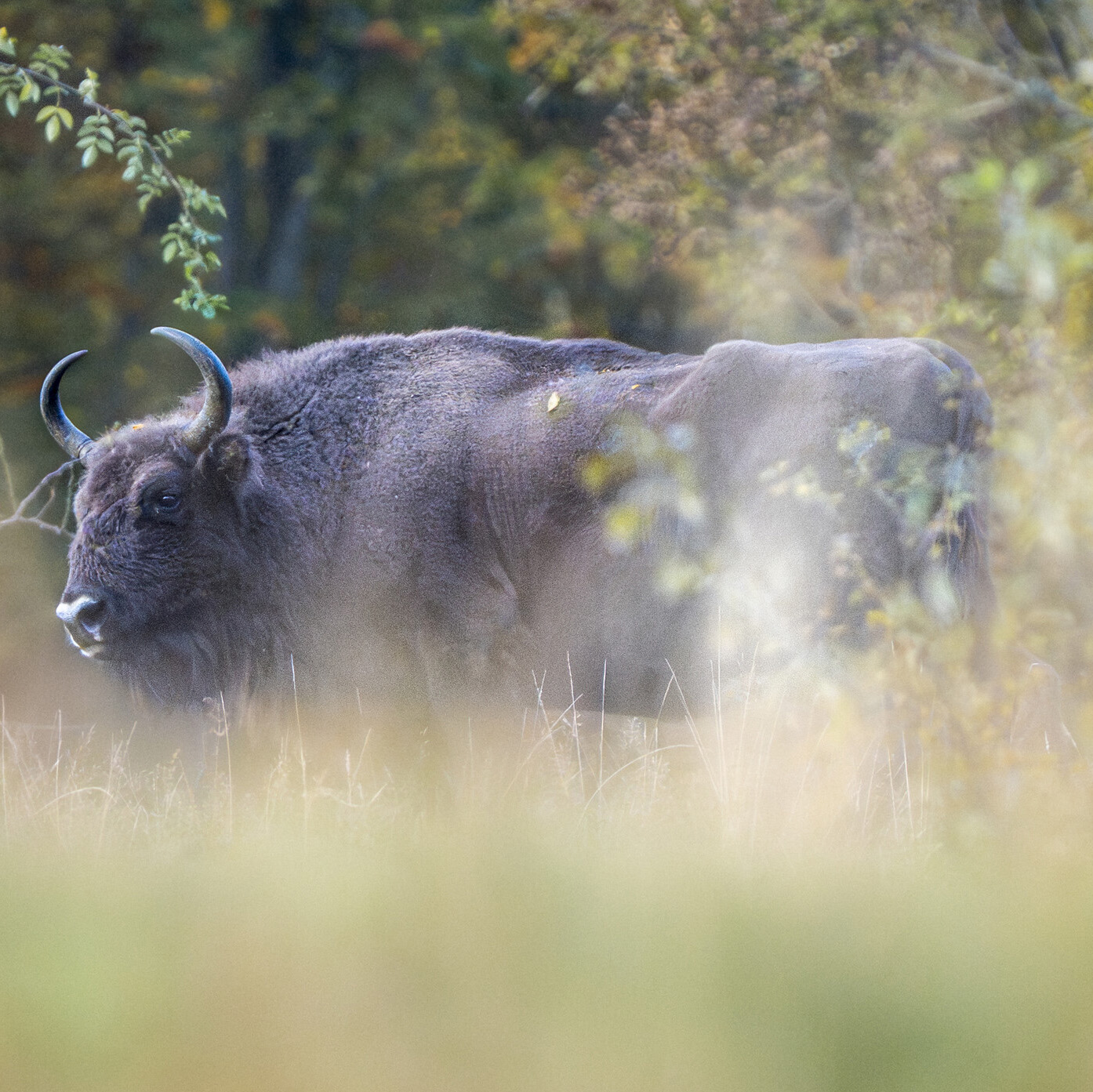
European Bison
Carnivores and scavengers in our rewilding landscapes
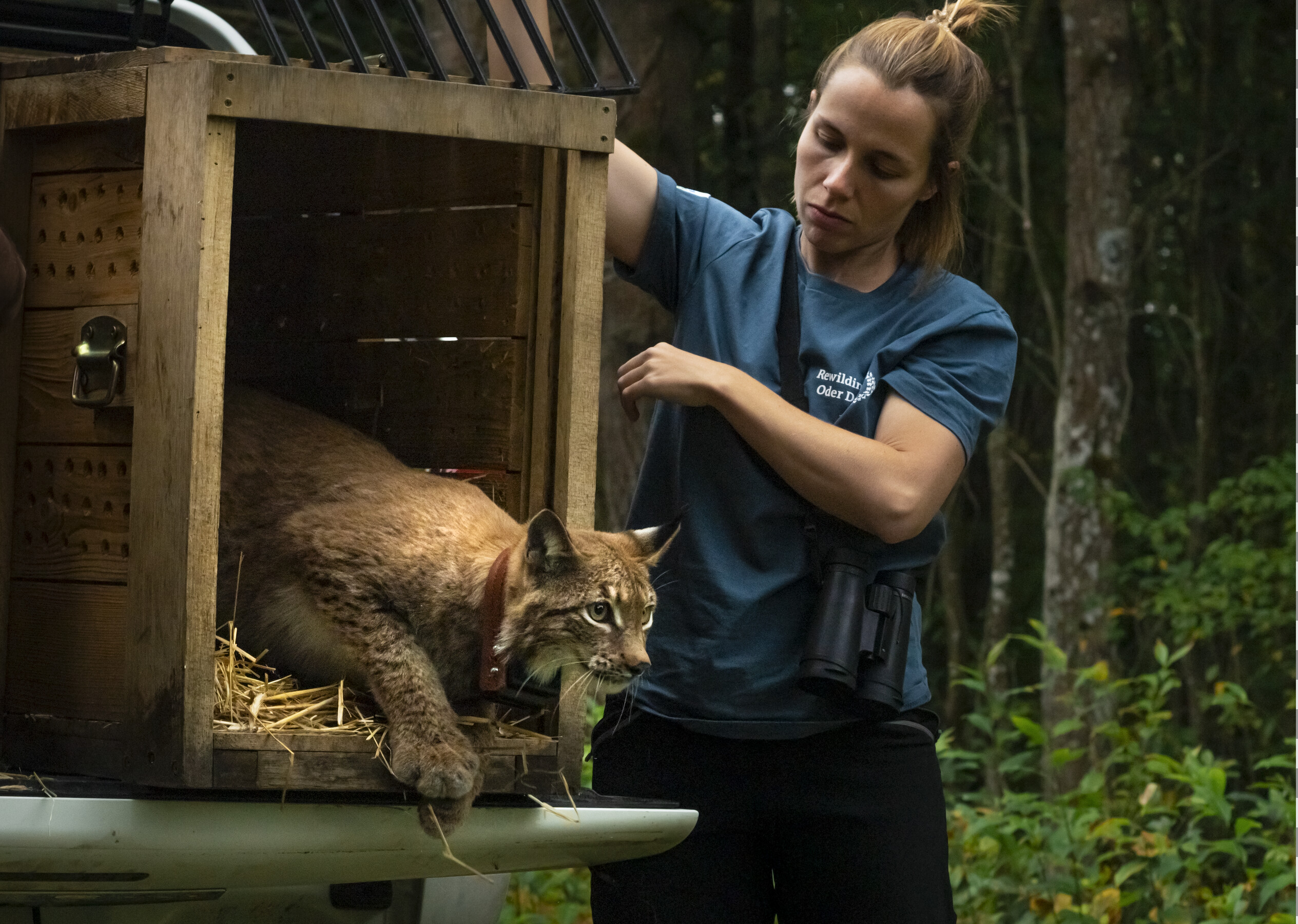
 We boost populations through measures such as the release of free-roaming wild herbivores, anti-poaching, anti-poisoning, and co-existence work, and habitat improvement. To date, the only carnivore species that Rewilding Europe has reintroduced is the Eurasian lynx.
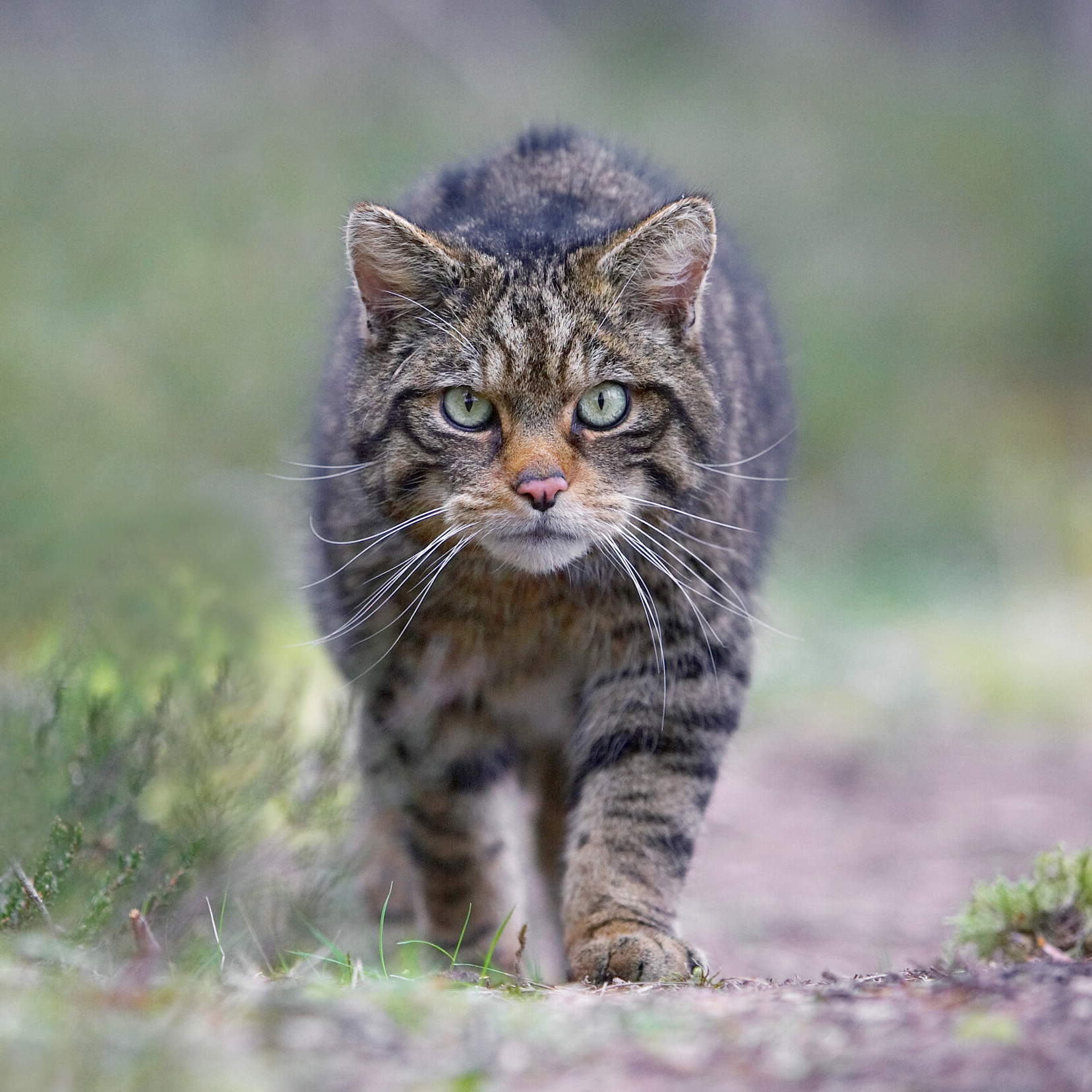
 The species is keystone/flagship and benefits indirectly from measures supporting other species.
How rewilding efforts are helping to bring the Circle of Life back to our rewilding landscapes
Activities related to the Circle of Life in Rewilding Europe’s rewilding landscapes through till the end of 2025. Dark purple ( ) represents ongoing activities, while light purple (
 ) represents activities in their preparatory stage.