

Five centuries after they were last recorded around Loch Ness, beavers are returning to Scotland’s most famous lake. Supported by a grant from Rewilding Europe’s European Wildlife Comeback Fund, their reintroduction will help restore freshwater habitats, boost biodiversity, and create healthier, more resilient landscapes for people and nature.

The return of a native species

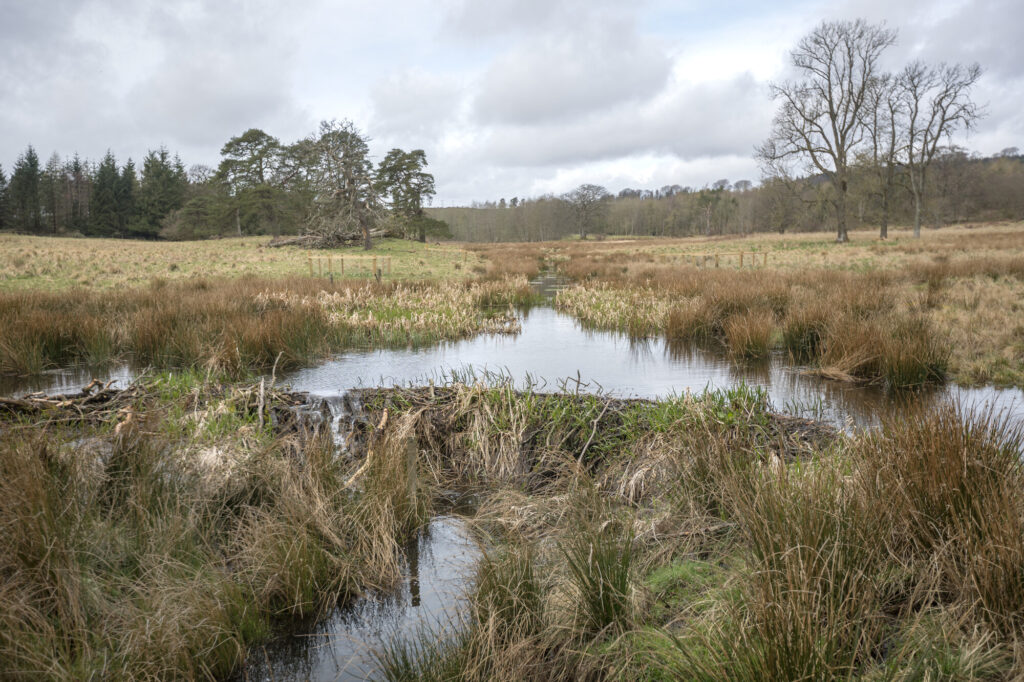
Beavers were once a familiar presence across Britain. Their disappearance, driven by hunting and habitat loss, deprived landscapes of an animal that helped shape freshwater ecosystems for thousands of years. Today, their return is helping to reverse that loss. By restoring natural processes that sustain healthy rivers and wetlands, beavers play a vital role in supporting biodiversity, securing freshwater resources and helping communities adapt to the more extreme weather of our changing climate.
Scotland’s official beaver reintroduction began in 2009, and populations have since expanded through further releases and natural dispersal. Yet large parts of their former range remain unoccupied, including parts of the Scottish Highlands.
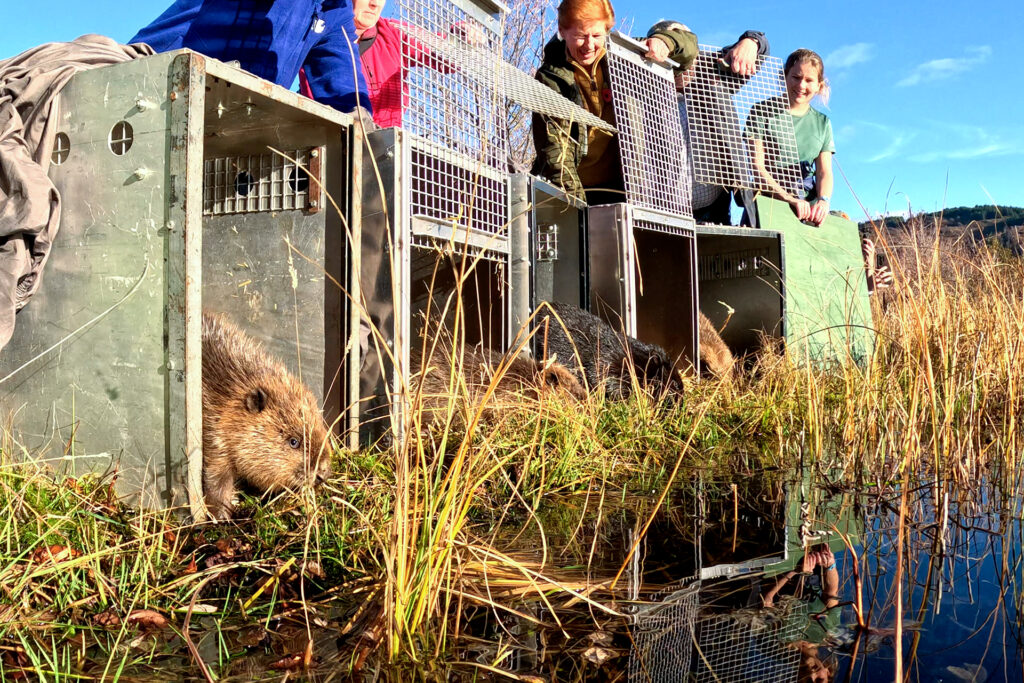
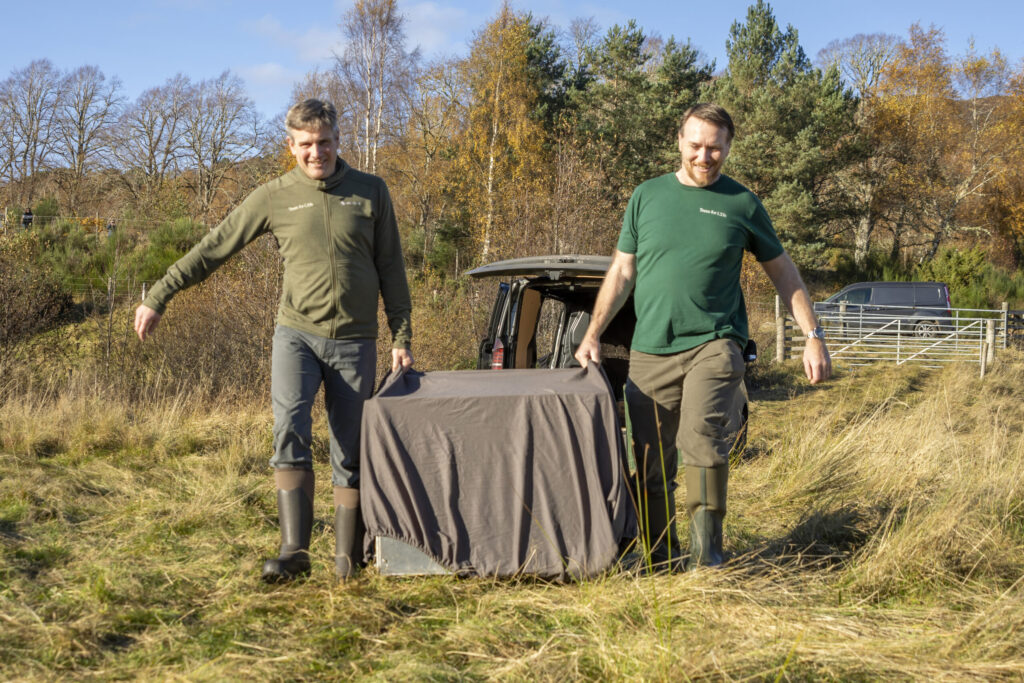
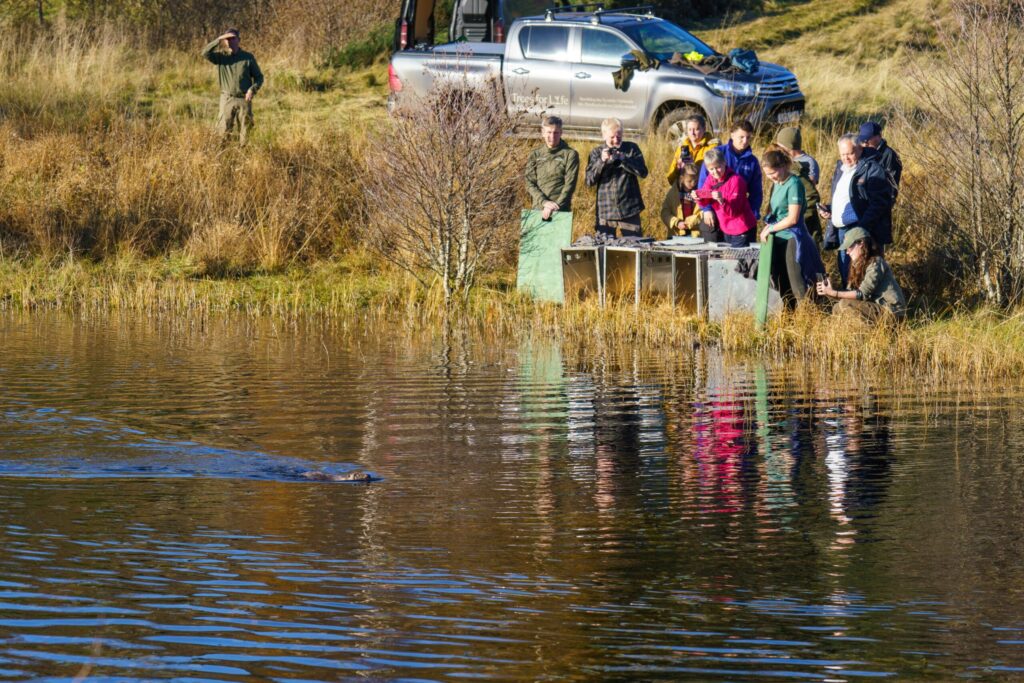
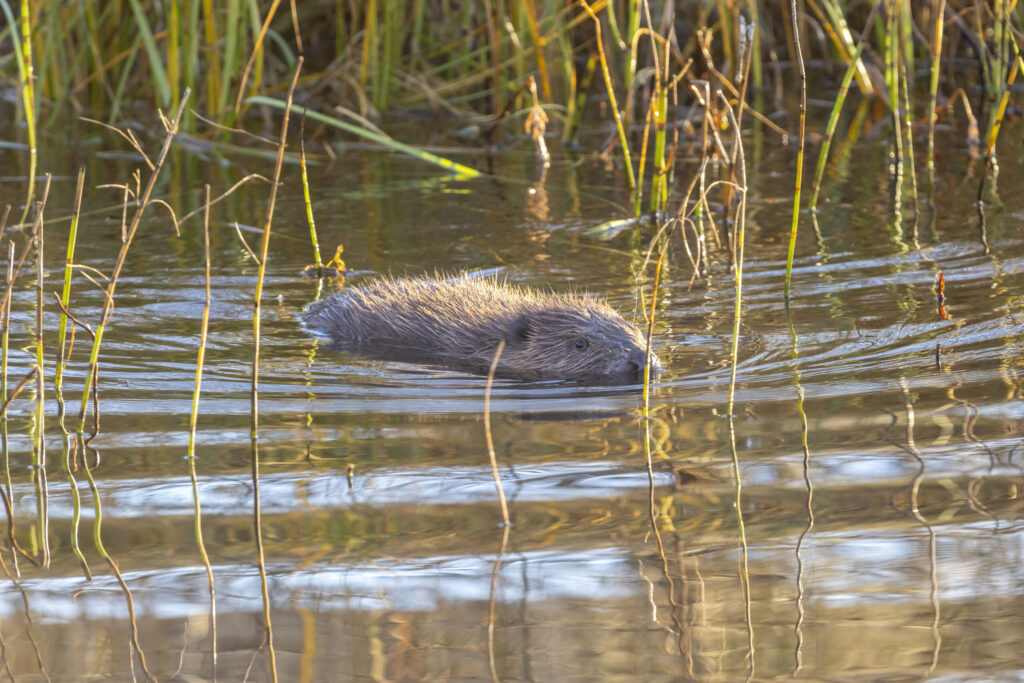
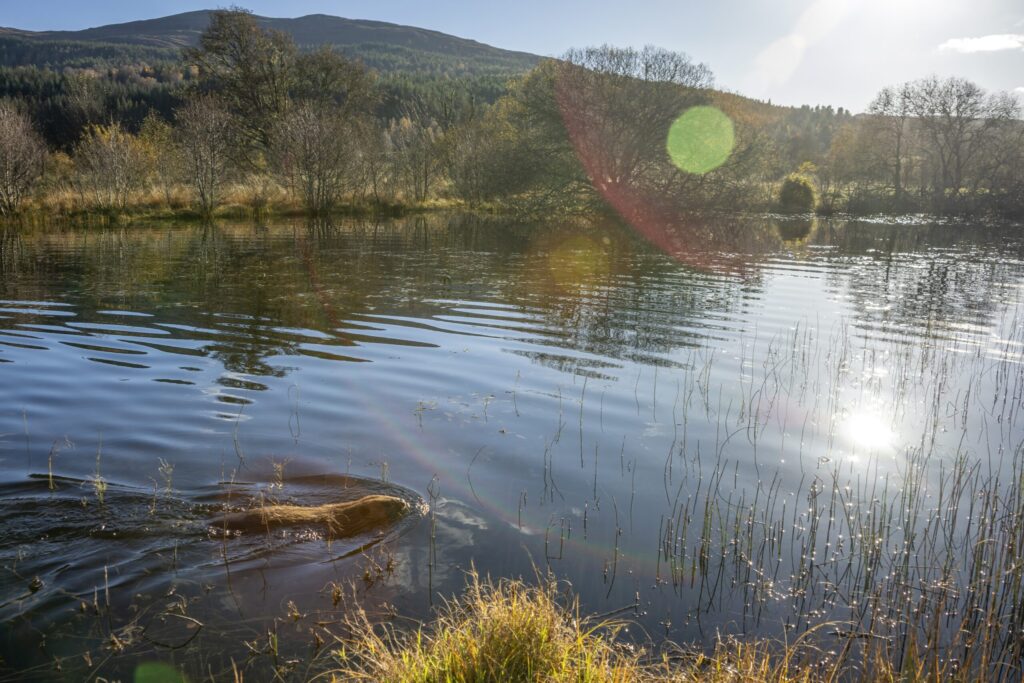
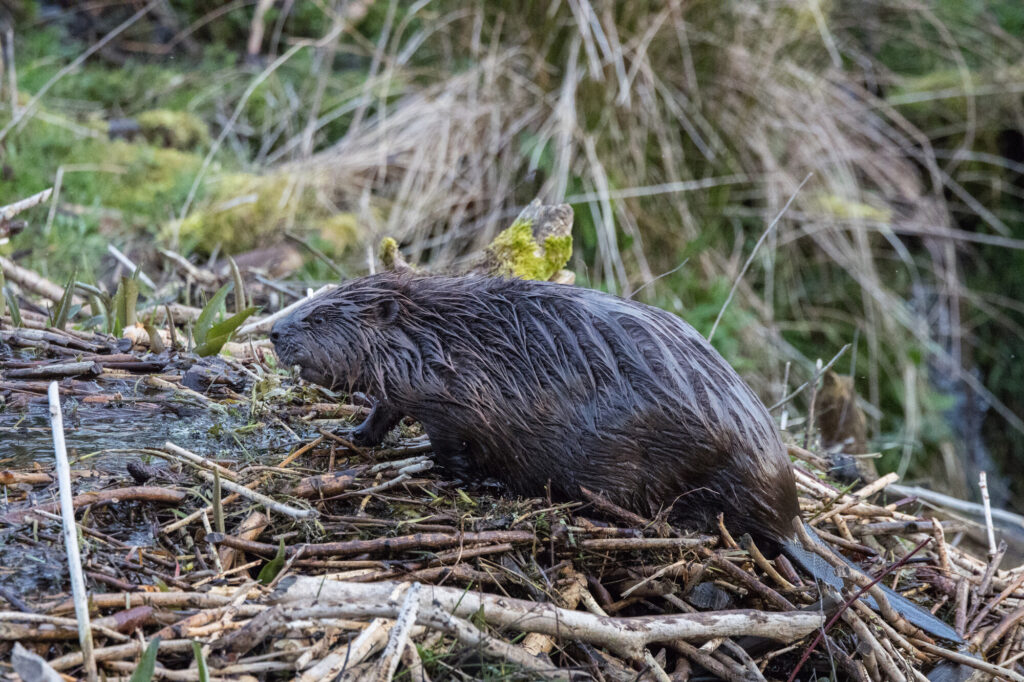
Now, a major new initiative is helping to change that. On November 4, a family of beavers made up of six individuals was released into the Loch Ness catchment, marking a historic milestone in the recovery of the species — 500 years after beavers were last recorded in the area.
A new beginning at Loch Ness
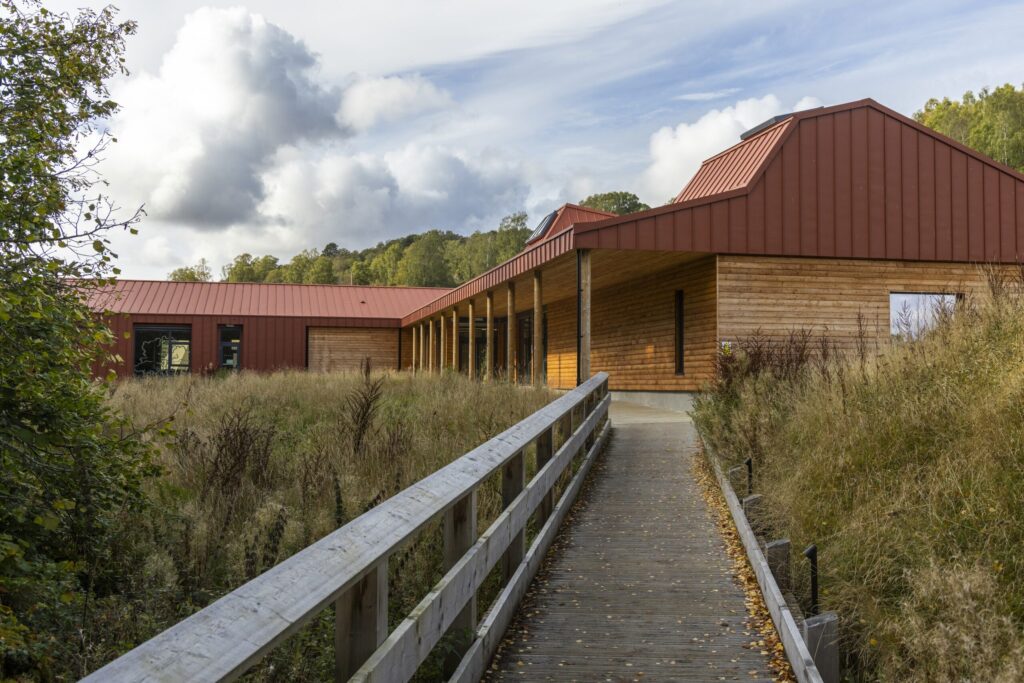
The release took place at a lochan (small lake) on Dundreggan, a 10,000-acre estate in Glenmoriston managed by Scottish rewilding charity Trees for Life, which is part of the Affric Highlands rewilding landscape. It marks the beginning of the Ness Beaver Project, a collaborative initiative led by Trees for Life and Beaver Trust, which aims to reintroduce at least 15 beaver family groups at carefully selected locations around Loch Ness over the next three years.
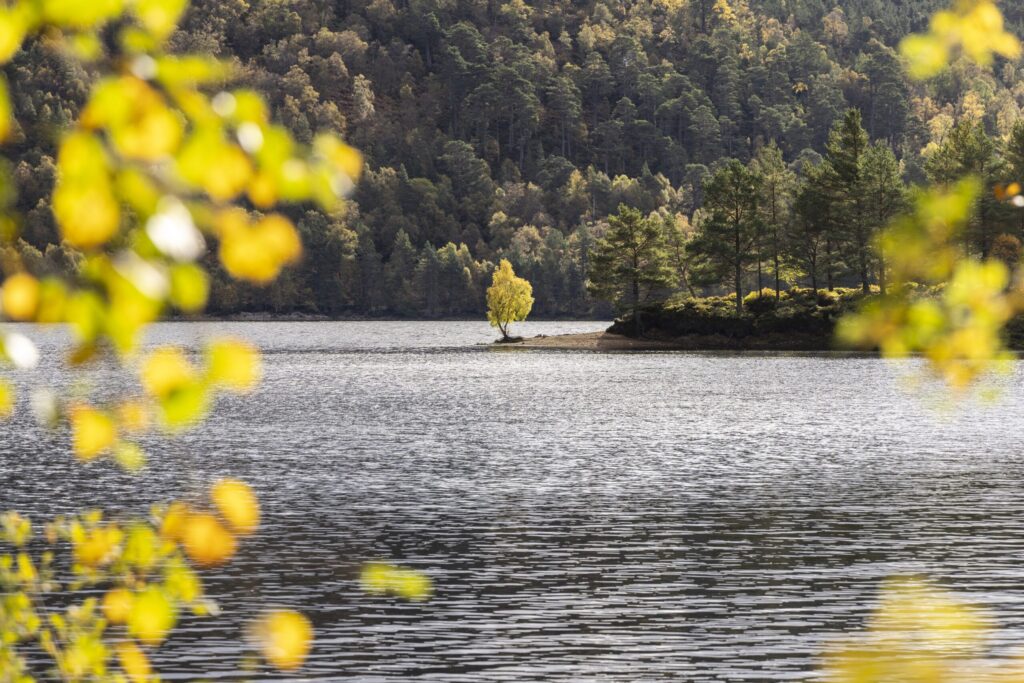
The catchment offers exceptional opportunities for beaver recovery. Its extensive woodlands and hundreds of kilometres of river and lakeside banks provide abundant suitable habitat, while its largely natural landscape offers opportunities for beavers and people to thrive alongside one another. Establishing a healthy, connected population here could also provide a springboard for the species to recolonise a much wider area of northern Scotland, complementing ongoing reintroduction efforts elsewhere in the Highlands.
“Getting beavers into Loch Ness means that there is a powerful starting point for the recolonisation of beavers over a much wider landscape,” explains Steve Micklewright, CEO of Trees for Life. “Loch Ness is iconic in itself, but getting beavers there means they can start to do their magical work over a huge area of northern Scotland.”
“LOCH NESS IS ICONIC IN ITSELF, BUT GETTING BEAVERS THERE MEANS THEY CAN START TO DO THEIR MAGICAL WORK OVER A HUGE AREA OF NORTHERN SCOTLAND.”
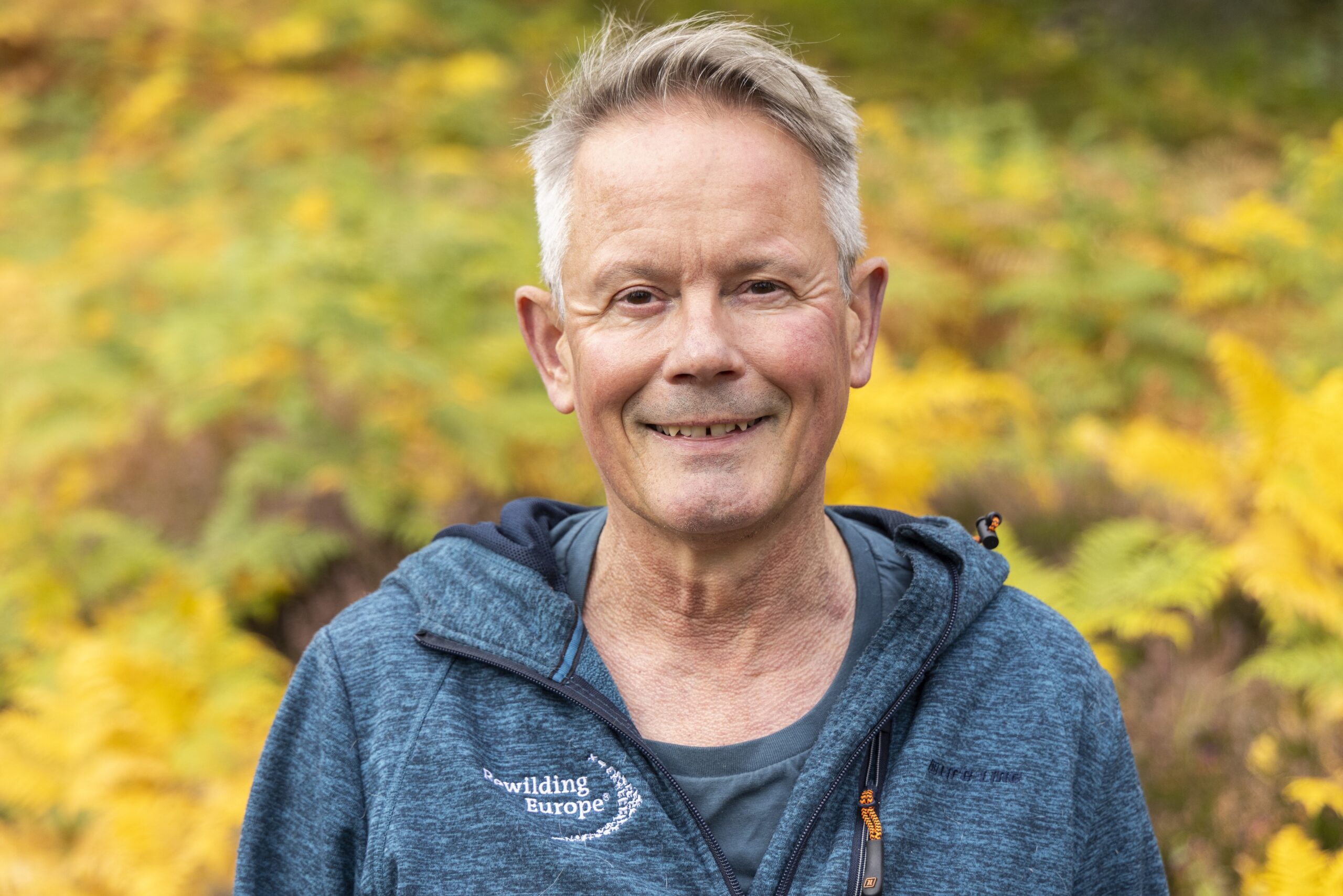 Steve Micklewright
Supporting a lasting comeback
The beavers are being relocated from Tayside, where populations are expanding — offering an opportunity to establish the species in new areas of Scotland, while helping to address local coexistence challenges. Following health checks, family groups will be transported to suitable release sites around Loch Ness, where supplementary food and temporary shelter help them settle. Subsequent monitoring will track their movements, breeding success and ecological impacts, including changes to habitats used by Atlantic salmon and other wildlife.
A grant of just over 47,000 euros from Rewilding Europe’s European Wildlife Comeback Fund is helping Trees for Life deliver this work — supporting releases, monitoring, volunteer involvement and community engagement. The funding will also contribute to ongoing support for beavers in nearby Glen Affric, where seven animals were released in October 2025 through an initiative involving Trees for Life, Forestry and Land Scotland, and Beaver Trust.
The beavers released in Glen Affric have since bred, and experience gained from monitoring their progress and working with local communities is helping to inform the Loch Ness reintroduction.
Helping beavers and people share landscapes
Ensuring that beavers and people can thrive alongside one another is central to the Loch Ness initiative. While community engagement has revealed widespread support for their return, some farmers and fishers have raised concerns about potential impacts. Trees for Life’s locally based beaver management officer will work proactively with landowners, supported by a dedicated monitoring and mitigation group. Practical measures, such as protecting valuable trees and managing water levels behind dams, will help address any challenges that arise.
“The success of the whole reintroduction process depends on having people on the ground over the long term, whom local residents get to know and trust,” says Steve Micklewright. “Alongside our beaver management officer, the European Wildlife Comeback Fund grant will help us build and train a network of volunteers, support their work, and use the data they collect to monitor how beavers are settling into their new home.”
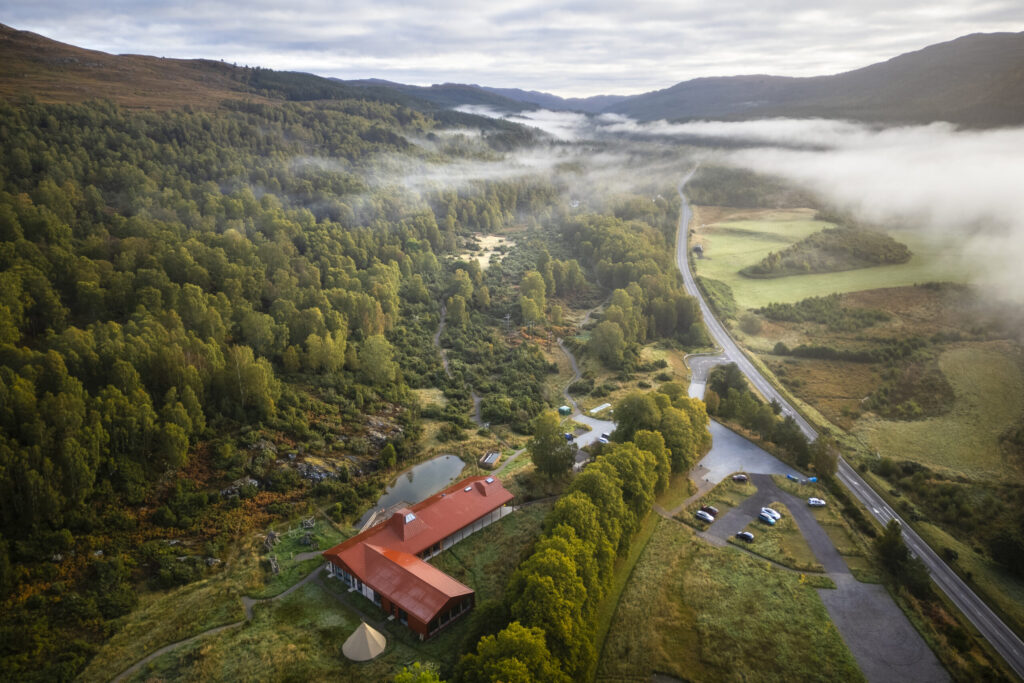
The Loch Ness initiative will also create opportunities for local people to participate in monitoring and experience the return of beavers firsthand. Dundreggan is home to the world’s first Rewilding Centre, where Trees for Life plans to introduce guided beaver tours once the animals have settled. These will offer visitors opportunities to spot beavers, discover signs of their activity and learn how they are transforming the landscape.
The bigger picture: beavers across Europe
The Eurasian beaver has made one of Europe’s most remarkable wildlife comebacks, with numbers rising from around 1,200 in 1900 to more than 1.5 million today. The Loch Ness releases are part of this wider recovery, helping to restore beaver populations and the natural processes they sustain. Across Rewilding Europe’s rewilding landscapes, beavers are helping to revitalise freshwater ecosystems, demonstrating how their return can support healthier landscapes for people and nature.
In the transboundary Oder Delta rewilding landscape, for example, which spans Poland and Germany, the Rewilding Oder Delta team are working with partners to transform an abandoned fish farm in Poland into a haven for beavers. Supported by Planet Wild and other partners, the initiative involves acquiring 20 hectares of land and restoring wetland habitat, with the potential to positively influence around 400 hectares of the surrounding landscape.
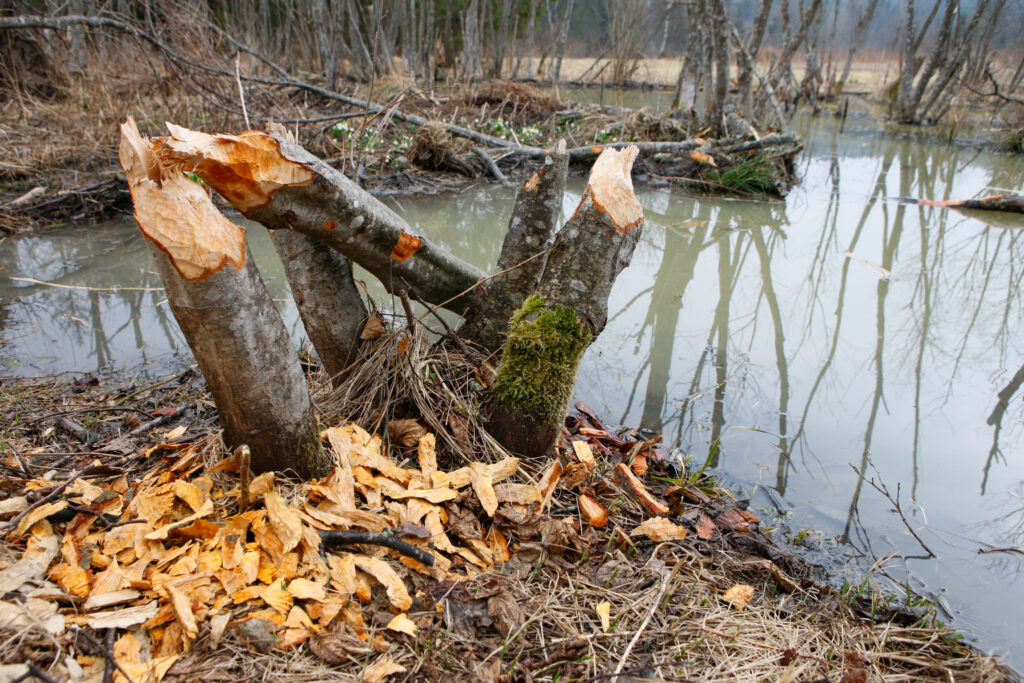
It will see around 9,000 willow trees planted, providing a natural food source for beavers, while 300 mature trees will be protected from beaver felling.
A wilder future for Scotland
The successful establishment of beavers around Loch Ness would represent another important step towards a wilder Affric Highlands, contributing to nature recovery across the wider Scottish Highlands. Looking ahead, Steve Micklewright hopes that within 15 to 20 years, beavers will be far more widespread across Scotland, their dams and wetlands supporting flourishing wildlife and helping landscapes and communities become more resilient to climate change.
“These incredible animals should be here. They have a right to be here because they’re a native species. They can do all this amazing stuff in terms of transforming our landscapes, and we should be celebrating that.”
Let’s rewild together
The European Wildlife Comeback Fund provides flexible support for initiatives working to restore wildlife populations across Europe.
Rewilding Europe warmly invites other initiatives working to reintroduce keystone species in European landscapes to consider applying for a European Wildlife Comeback Fund grant. For those looking to financially support nature recovery across Europe, the fund offers a way to be part of this effort: discover the options for funding, partnership, or donation via our support page.
The European Wildlife Comeback Fund has been made possible through the financial support of Arcadia, EnviroSustain, the Ecological Restoration Fund, the Nationale Postcode Loterij, and private donations.
