

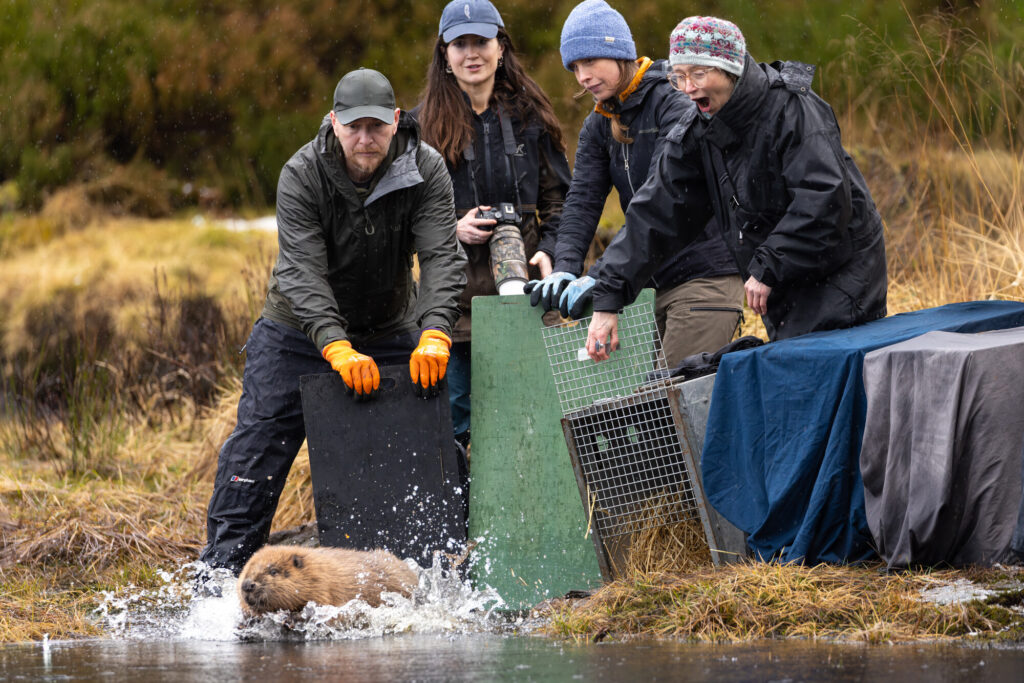


The remarkable comeback of a powerful ally
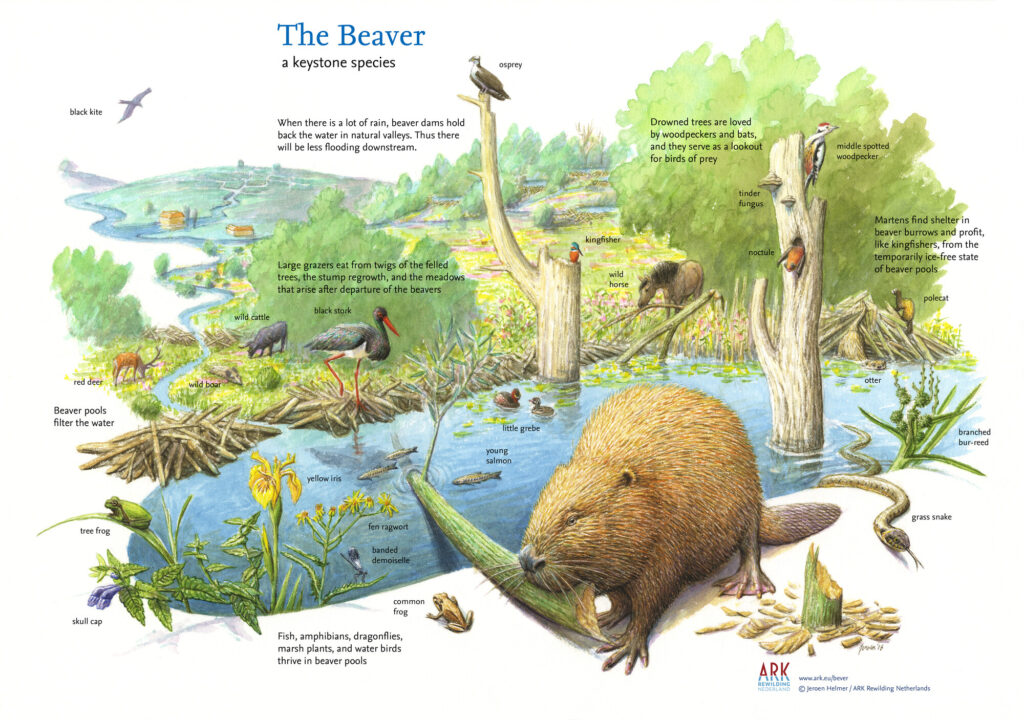
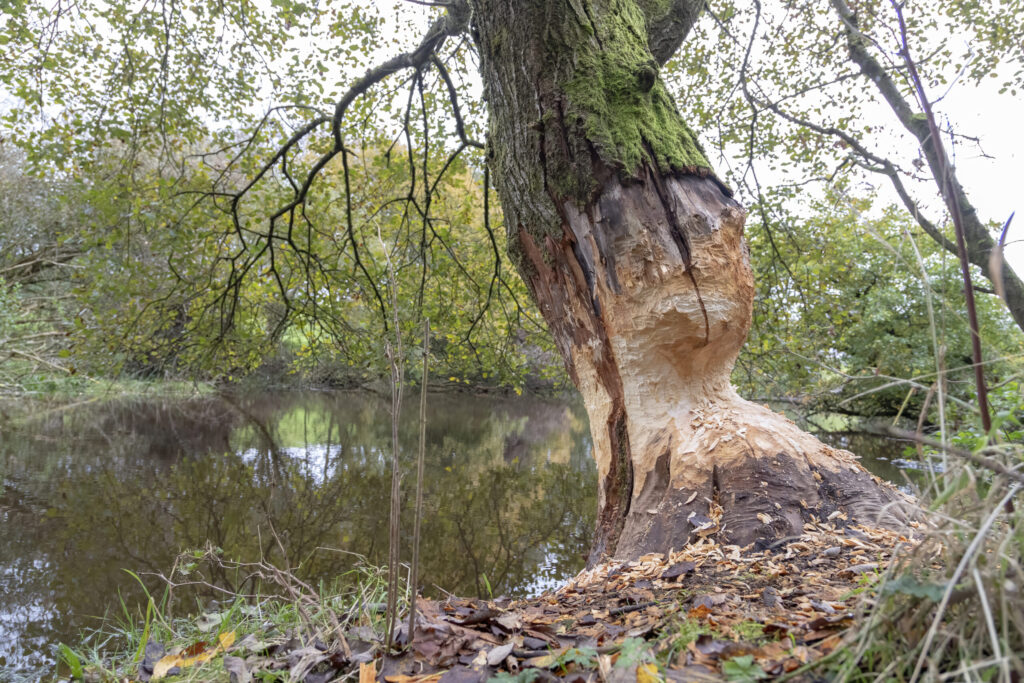
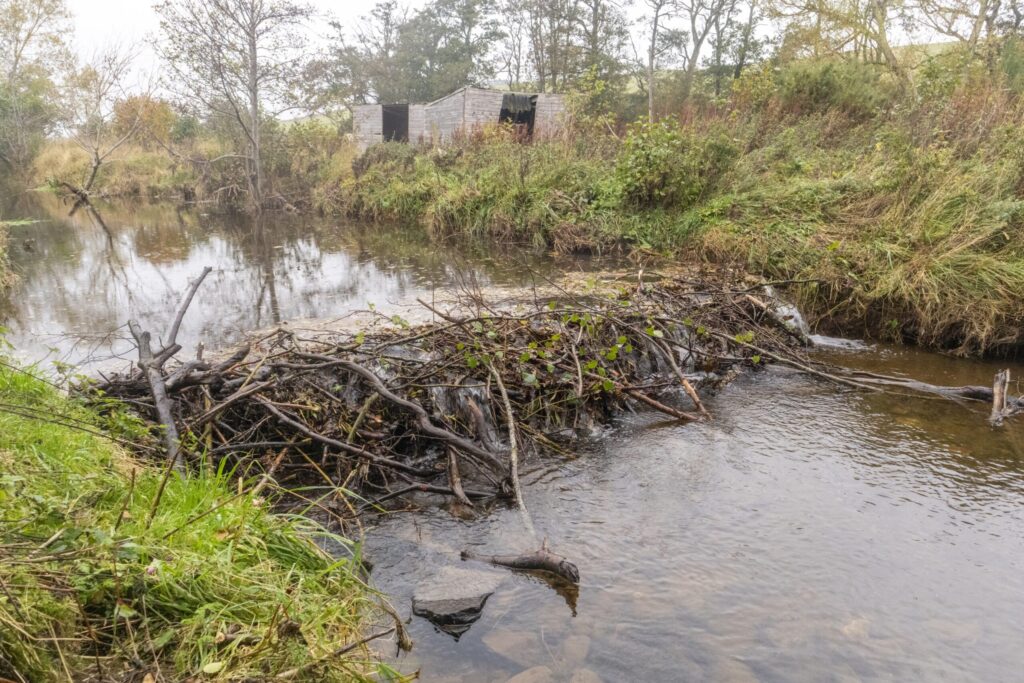
Few animals can transform a landscape quite like the Eurasian beaver. By building dams, digging channels and felling trees, these remarkable rodents create complex mosaics of ponds, wetlands and waterways that support an extraordinary diversity of wildlife. As climate change increases the pressure on Europe’s rivers and freshwater supplies, the wetlands beavers create are increasingly valuable for people too — holding water in the landscape, reducing flood peaks, maintaining flows during periods of drought, improving water quality, and strengthening resilience to climate extremes.
New research is revealing just how significant their contribution could be. A 2026 international study, carried out in a beaver-modified wetland in Switzerland, found that the ecosystem stored carbon at rates up to ten times higher than comparable areas without beaver activity. Over 13 years, the wetland accumulated nearly 1,200 tonnes of carbon, highlighting the potential of beaver restoration to support climate change mitigation alongside biodiversity recovery.
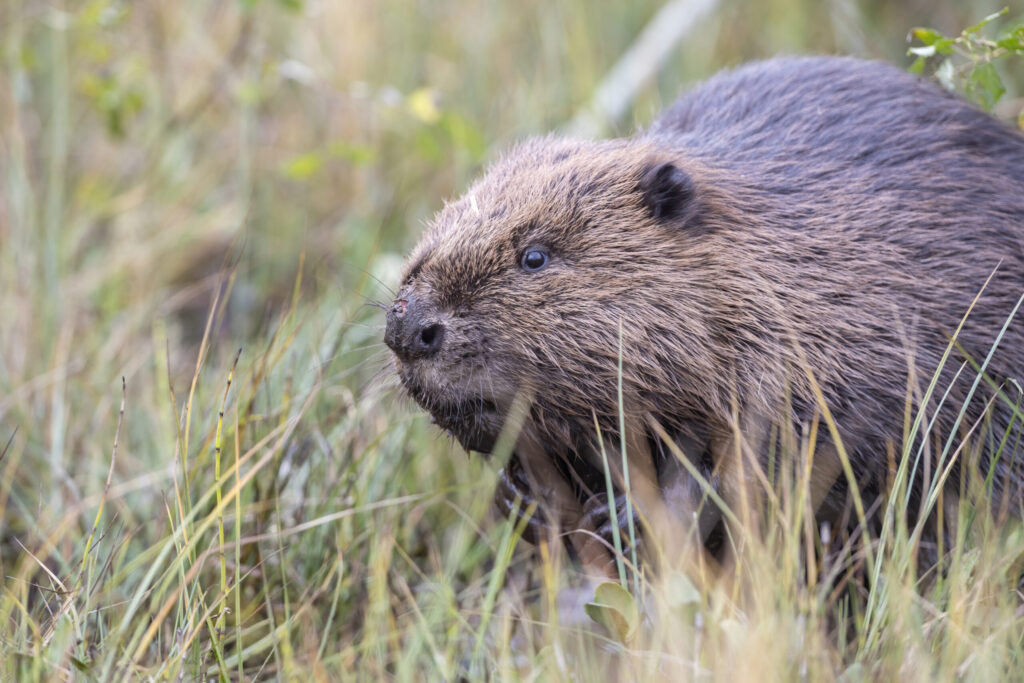
Once widespread across Europe, beavers were driven to extinction in many countries through hunting and habitat loss. Conservation and reintroduction efforts have since enabled a remarkable recovery, with populations expanding across the continent. In Britain, where beavers disappeared around 400 years ago, their return is gathering momentum, offering an opportunity to restore natural processes that have been missing from rivers and wetlands for centuries.
Helping beavers reclaim Britain’s waterways
Established in 2019, Beaver Trust is a British NGO dedicated to bringing beavers back to the country’s rivers and wetlands. Working across England, Scotland and Wales, it combines reintroductions, scientific research, education, advocacy and community engagement to support the species’ long-term recovery. Its vision is of thriving waterways where beavers are once again an integral part of healthy, biodiverse landscapes.
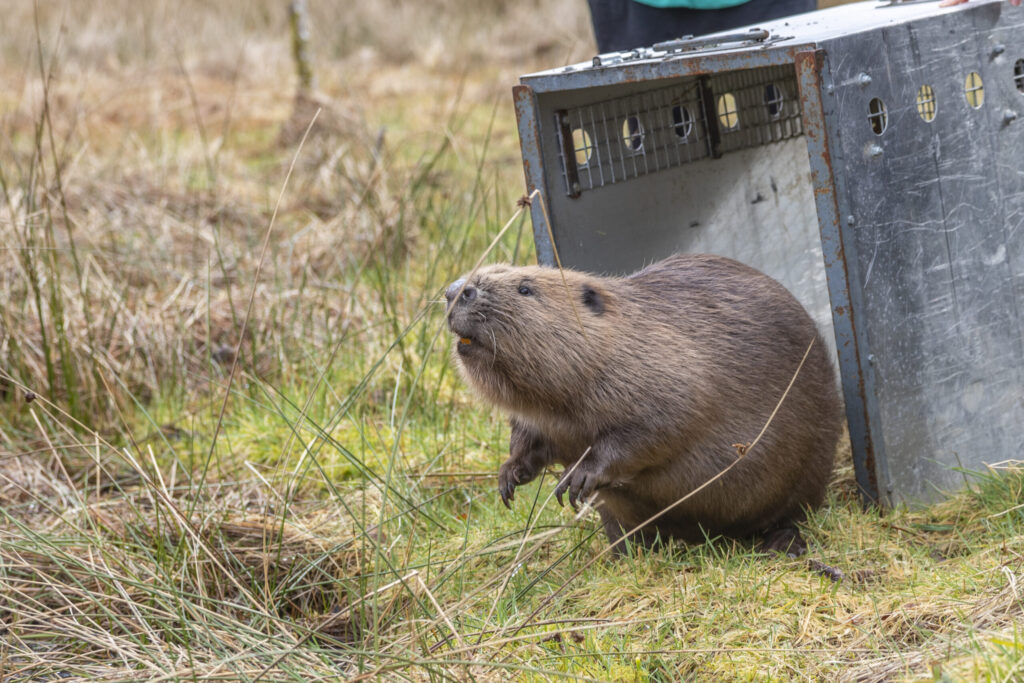
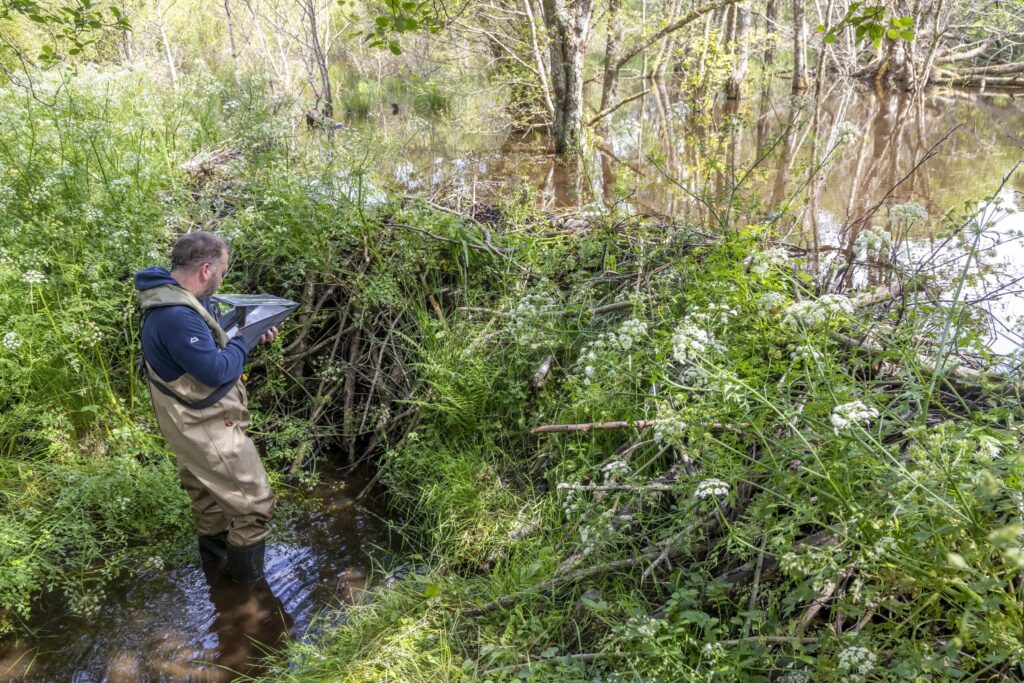
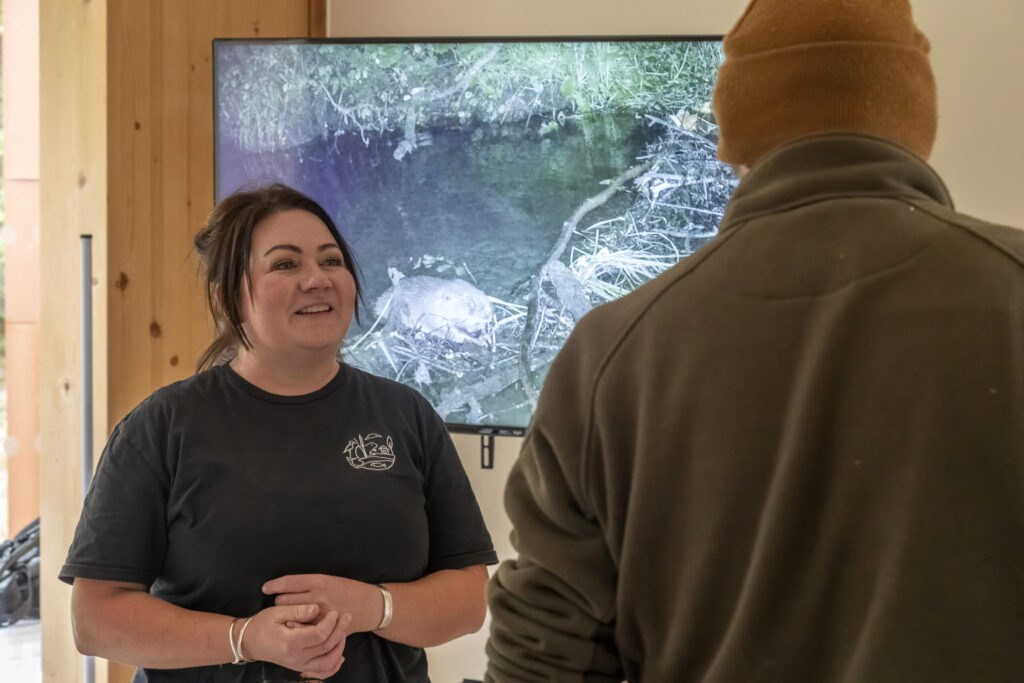
Beaver Trust’s experienced restoration team translocates beavers to suitable sites, supports population monitoring, and works with landowners and communities to develop practical approaches that help beavers and people share space. In 2025, Beaver Trust facilitated 22 beaver releases across Britain, including England’s first authorised wild release and introductions to new river catchments in Scotland. It also completed a major survey of beavers in Scotland’s River Tay catchment, helping to strengthen population monitoring.
Complementing this practical work, Beaver Trust is helping to build public understanding and support. Its Making Space for Water campaign advocates for connected, nature-rich river corridors and financial incentives that encourage landowners to accommodate beavers. Education programmes, documentaries and training initiatives are also helping people understand the species’ importance and learn how to live alongside it. Public surveys across Britain show high levels of support for the return of wild beavers.
Sharing expertise to accelerate beaver recovery
By joining Rewilding Europe’s European Rewilding Network, Beaver Trust becomes part of a growing community of initiatives working to rewild nature and revitalise natural processes across the continent. Membership will create new opportunities to exchange knowledge, build partnerships and support the practical restoration of beaver populations, bringing the charity’s expertise in translocation, animal welfare, population monitoring and coexistence to other rewilding initiatives on the ground.
“Joining the network is an exciting opportunity for Beaver Trust to connect our work in Britain with a growing movement restoring nature at scale across Europe,” says CEO Richard Young. “Beavers are one of the most powerful examples of how bringing back native species can help restore essential natural processes — creating healthier waterways, more resilient landscapes and space for a remarkable range of wildlife.”
Beaver Trust already supports beaver recovery across Europe. Its work includes contributing to research and population surveys in Italy, including monitoring beavers naturally recolonising northern Italy from across the Alps; sharing knowledge with Rewilding Portugal; working with the Dutch Mammal Society to create the International Beaver Hub; and exploring opportunities in countries such as Greece, where beavers have yet to return. Through the network, it hopes to build on this work, helping partners develop and deliver responsible reintroductions and accelerate the recovery of the species across its former range.
“BEAVERS ARE ONE OF THE MOST POWERFUL EXAMPLES OF HOW BRINGING BACK NATIVE SPECIES CAN HELP RESTORE ESSENTIAL NATURAL PROCESSES”
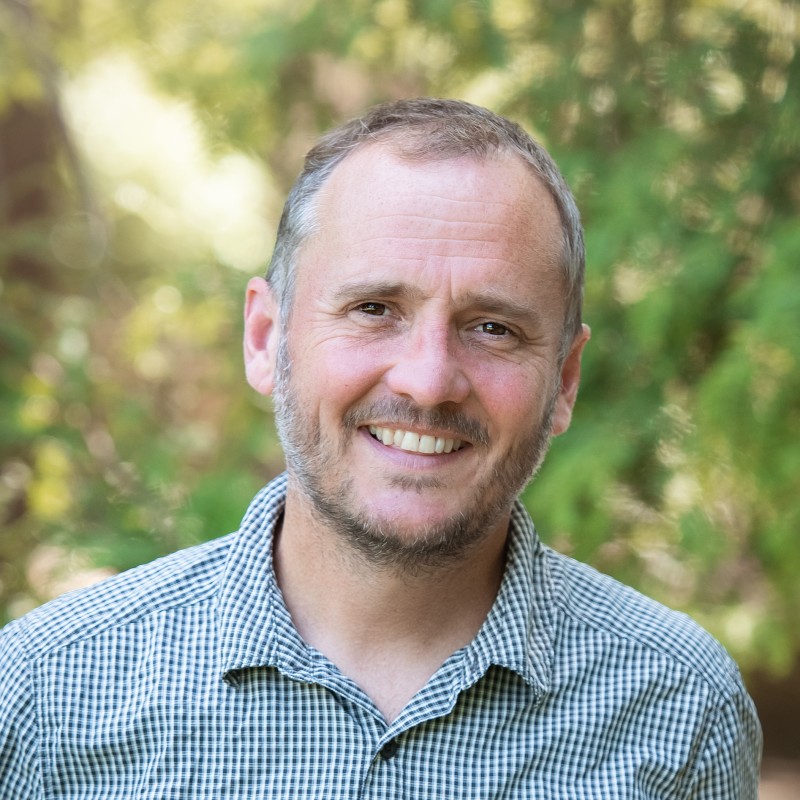 Richard Young
The bigger picture: opportunities and challenges
The return of beavers represents one of Europe’s great wildlife comeback stories. From Scandinavia and Central Europe to Britain and the Iberian Peninsula, growing populations are helping to restore the ecological dynamism of rivers and wetlands. In 2025, the Rewilding Portugal team confirmed the first sighting of a wild beaver in Portugal for around 500 years, following the natural dispersal of the species from neighbouring Spain.
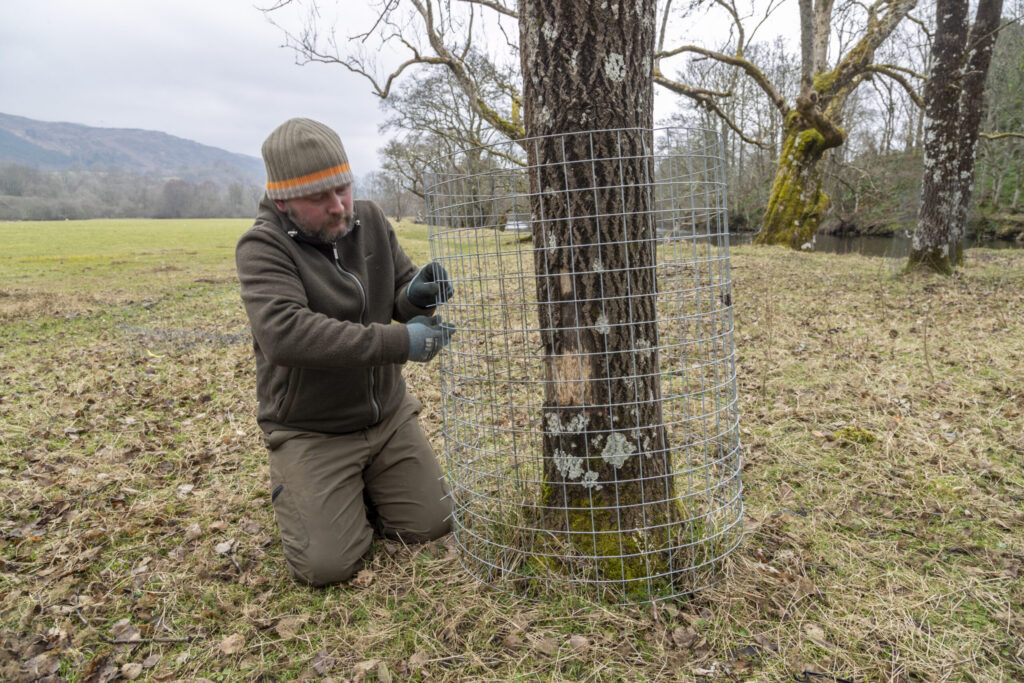
Yet successful recovery requires more than simply releasing animals. Beaver activity can sometimes flood agricultural land, damage trees, or affect drainage infrastructure, creating challenges for landowners and local communities. Experience across Europe shows, however, that beaver recovery can go hand in hand with the needs of people who share the landscape.
Practical management, supportive policies, financial incentives and meaningful engagement can help people coexist with beavers as they reclaim suitable habitats. Sharing this experience and expertise will be increasingly important as beaver populations continue to expand across Europe.
Towards a wilder future for Europe’s waterways
Beaver Trust has set an ambitious goal of seeing wild beavers established in 45% of Britain’s counties by 2045, supported by strong public acceptance and effective national restoration strategies. Achieving this will require sustained collaboration between conservation organisations, governments, landowners and communities.
The ongoing comeback of the beaver shows what is possible when missing wildlife returns and natural processes begin to recover. As beavers reclaim their former range — both in Britain and across Europe — they can help degraded rivers and wetlands function more naturally once again, supporting wildlife recovery and strengthening resilience to floods, droughts and climate change. By bringing together experience and expertise from across Europe, Beaver Trust and fellow European Rewilding Network members can help turn this growing momentum into lasting, landscape-scale change.
“Nature doesn’t recognise national borders, and neither should our ambition for its recovery,” says Richard Young. “In our changing world, the comeback of the beaver shows how restoring natural processes can help create healthier, more resilient landscapes for wildlife and people alike.”
Let’s rewild together
Rewilding Europe extends a warm welcome to all European rewilding initiatives that focus on practical, results-oriented rewilding and encourages them to apply for European Rewilding Network membership.
