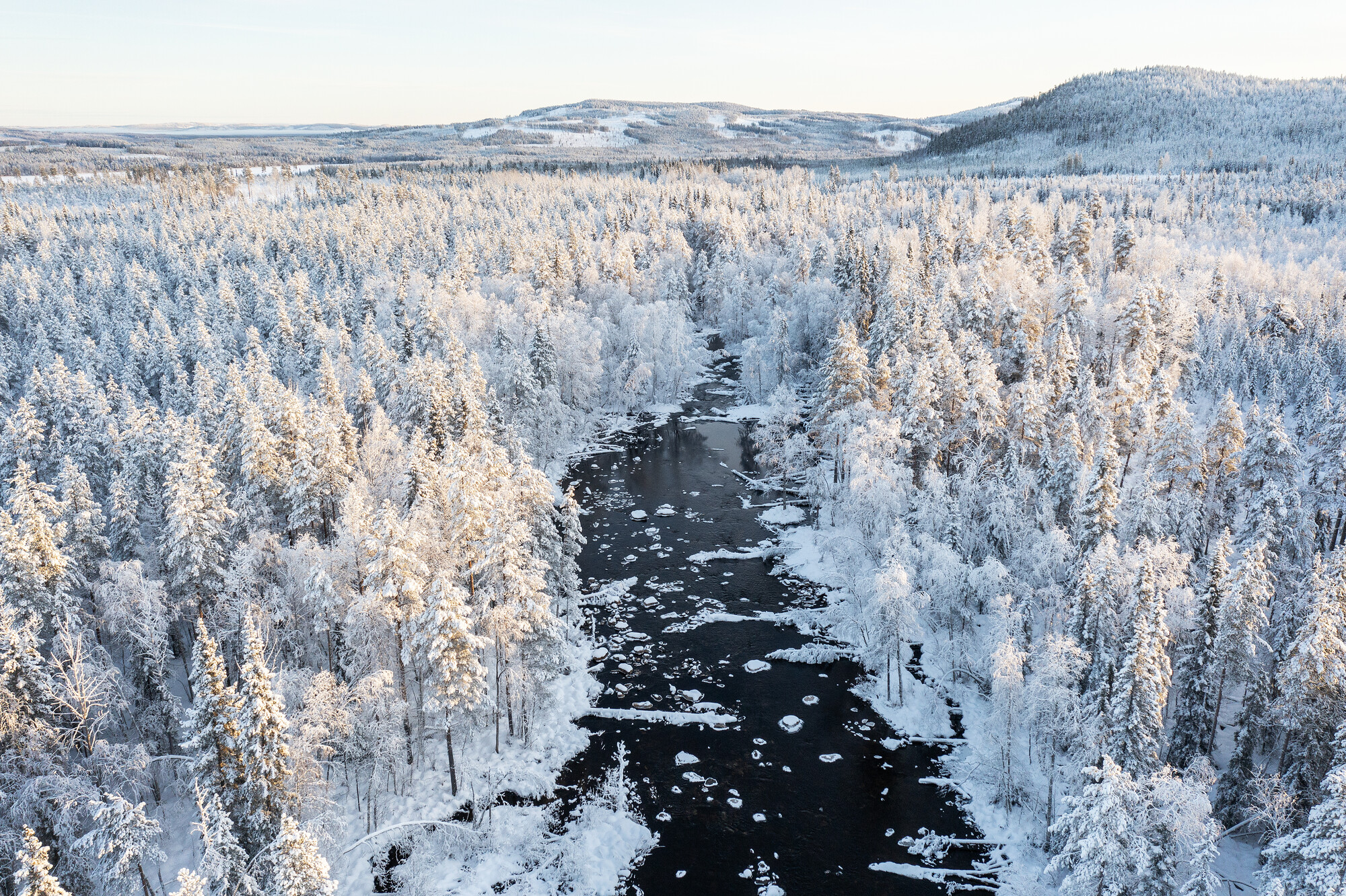
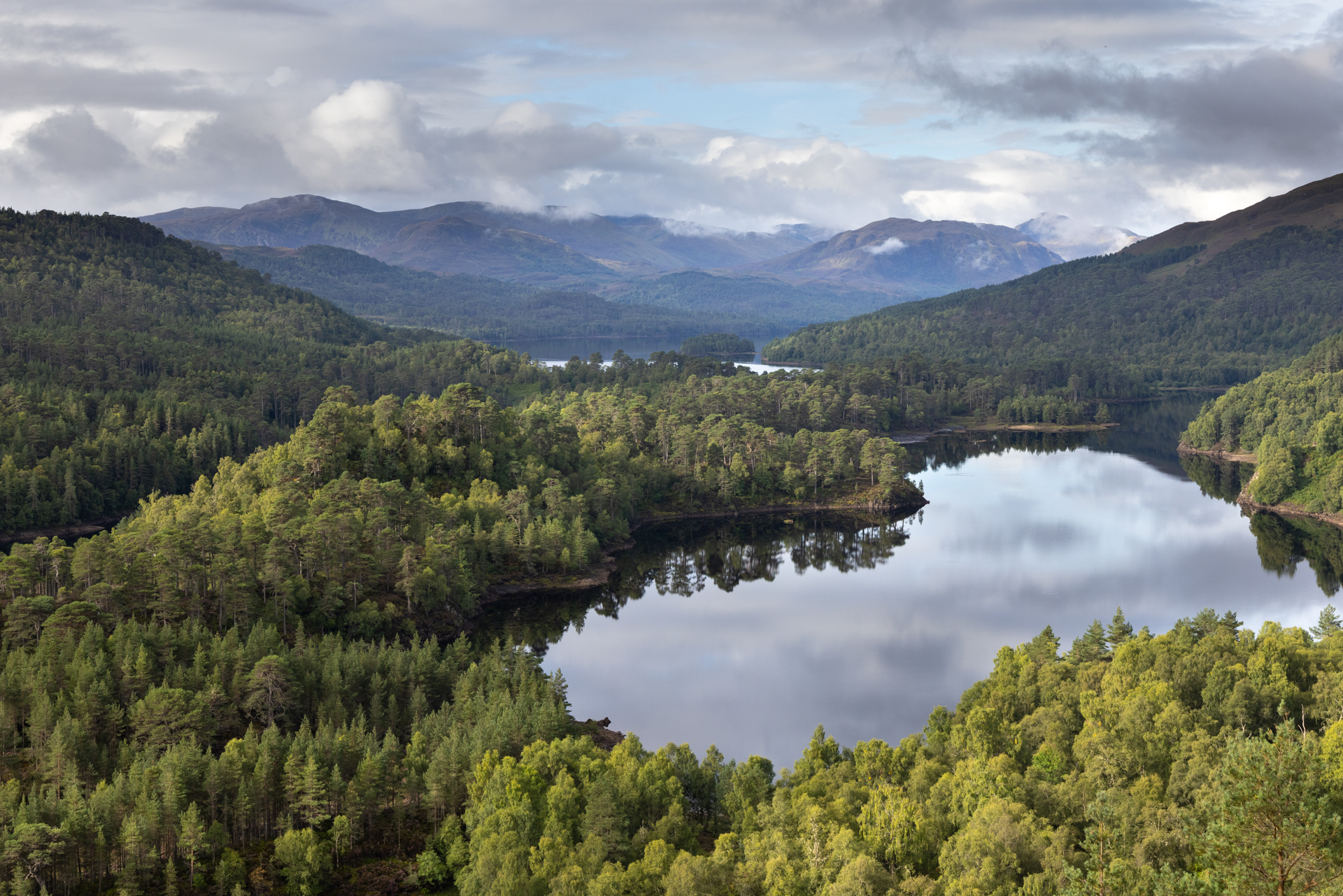
From rivers flowing freely again and forests regenerating, to vultures taking to the skies and wild grazers reshaping the land, 2025 was a year of action — and of visible, hopeful change. Across our 11 rewilding landscapes, nature is returning with strength and resilience, and the communities who call these places home are starting to flourish alongside it.
Wilder landscapes and wilder lives
As rewilding efforts bear fruit across Europe, wilder nature is returning — and people are beginning to feel the benefits of this recovery. Rewilding Europe is committed to sustaining and accelerating this momentum, restoring ecosystems and creating landscapes where humans and wildlife share space in ways that enrich both. By demonstrating what’s possible, we want to spark other rewilders to adopt and scale up this approach.
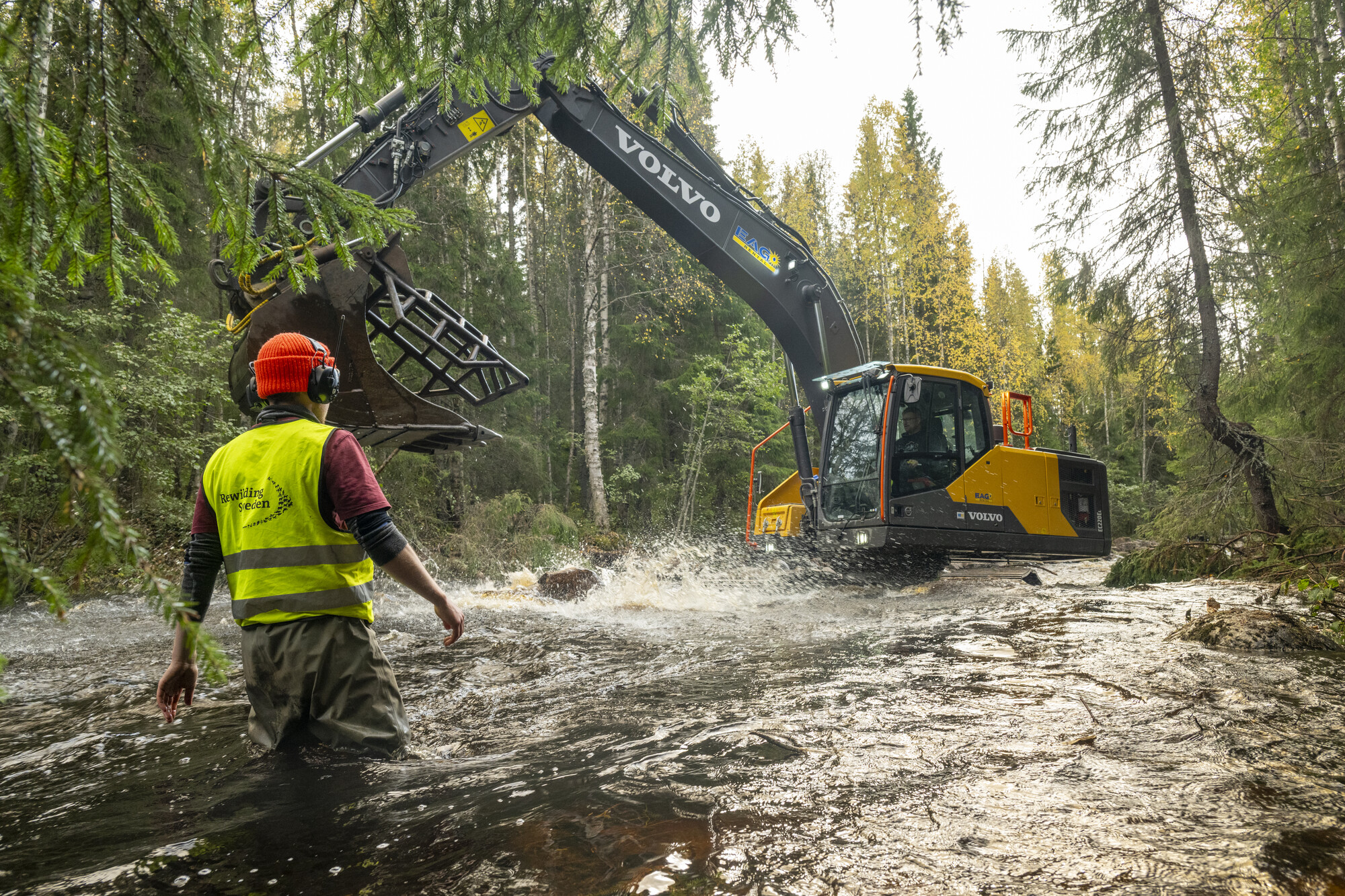
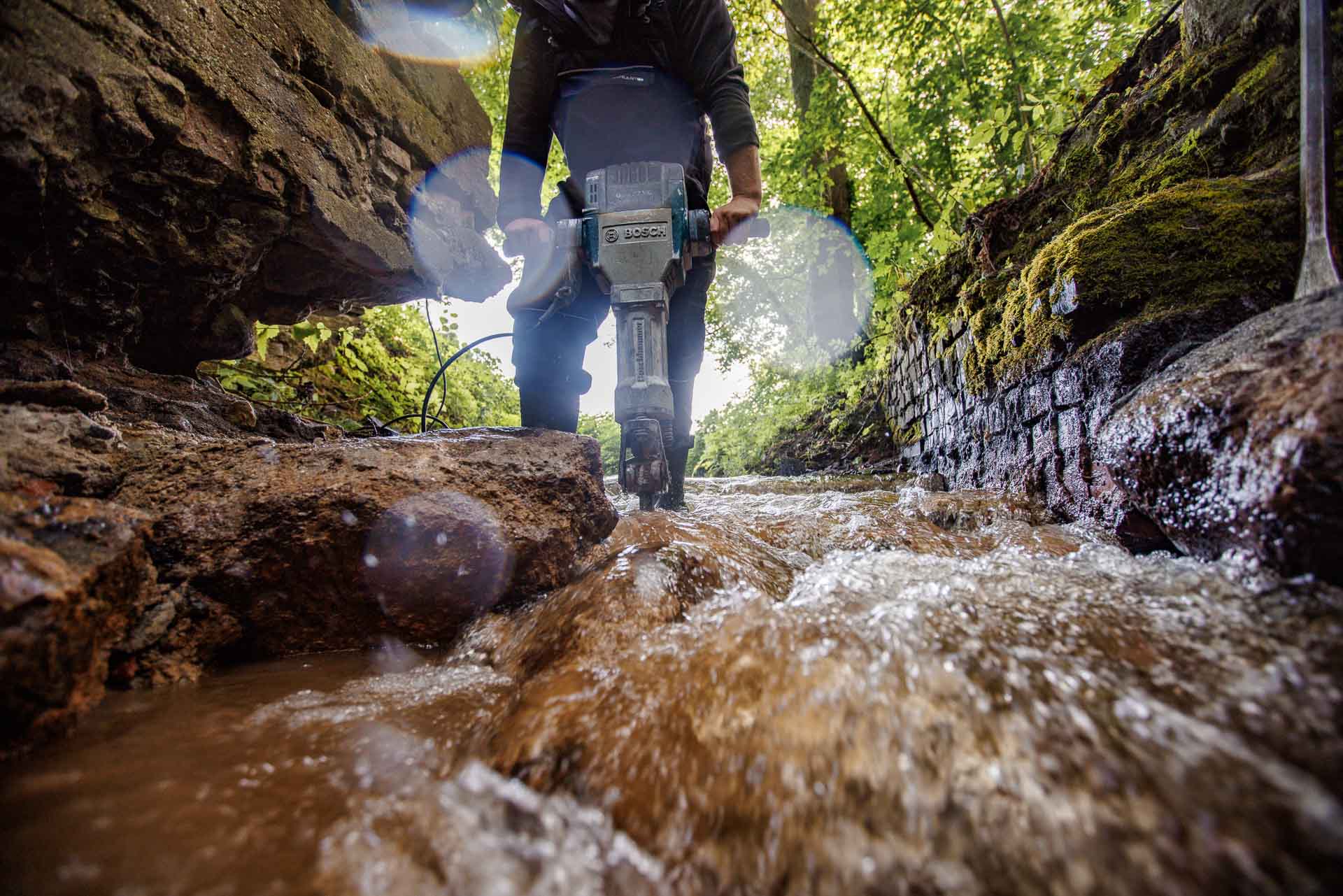
During the course of 2025, in collaboration with our committed landscape teams and passionate partners, we’ve removed dams to liberate rivers, set forests and grasslands on a path to regeneration, supported the comeback of myriad wildlife species, and enhanced the well-being and prosperity of communities and businesses embedded in revitalised landscapes. Every achievement tells a story of people and nature flourishing together — a reminder that a wilder, greener, and more vibrant Europe is not only possible, but already unfolding.
As the year draws to a close, it offers a natural moment for reflection — a chance to recognise how far we’ve come, and set our sights on what lies ahead.
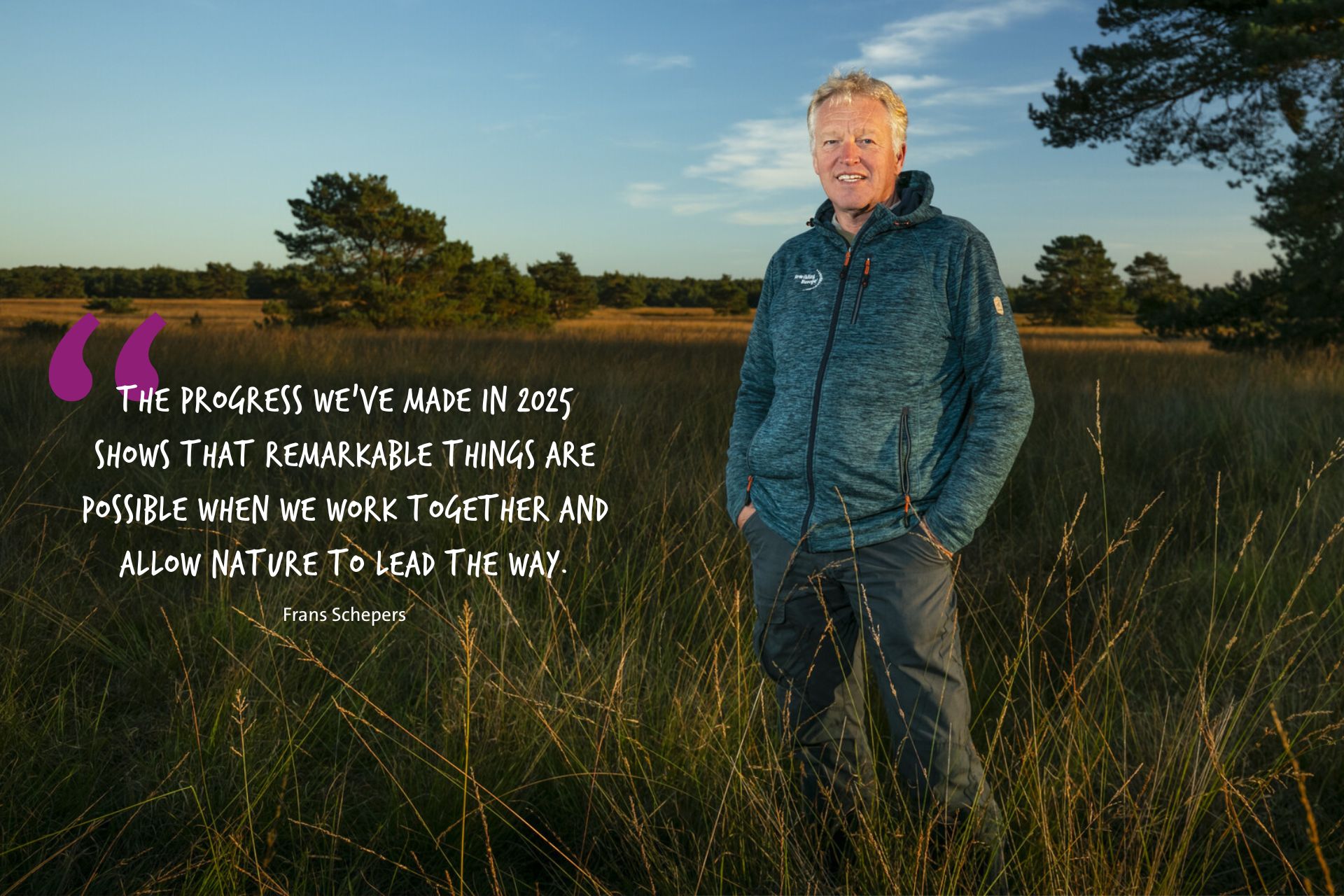
“The progress of the past 12 months shows that remarkable things are possible when we work together and allow nature to lead the way,” says Rewilding Europe’s Executive Director, Frans Schepers. “As we look ahead to a new year filled with renewed ambition, we are inspired by the growing movement for a wilder Europe and by all those helping to bring it to life. Every step we take to restore the wild brings us closer to a future where people and nature flourish together at scale across the continent.”

Rewilding landscapes




Major milestones
and events
Thousands of people are learning to rewild
In May, Rewilding Europe launched its “Introduction to Rewilding in Europe” — a free, massive open online course (MOOC) designed to empower future rewilders to deliver real impact. More than 3,400 people of all ages and backgrounds from across Europe and beyond have already signed up to take the course, which is a great starting point to build the skills and knowledge required to rewild.
Created by Rewilding Europe and hosted by the UK’s Open University, the course’s cutting-edge, flexible, interactive programme brings together insights from leading rewilding academics and practitioners across more than 20 European countries. Participants who complete the eight modules receive a certificate in recognition of their achievement.
If you haven’t signed up yet, now’s the time. Enrol today and start shaping a wilder future for nature.
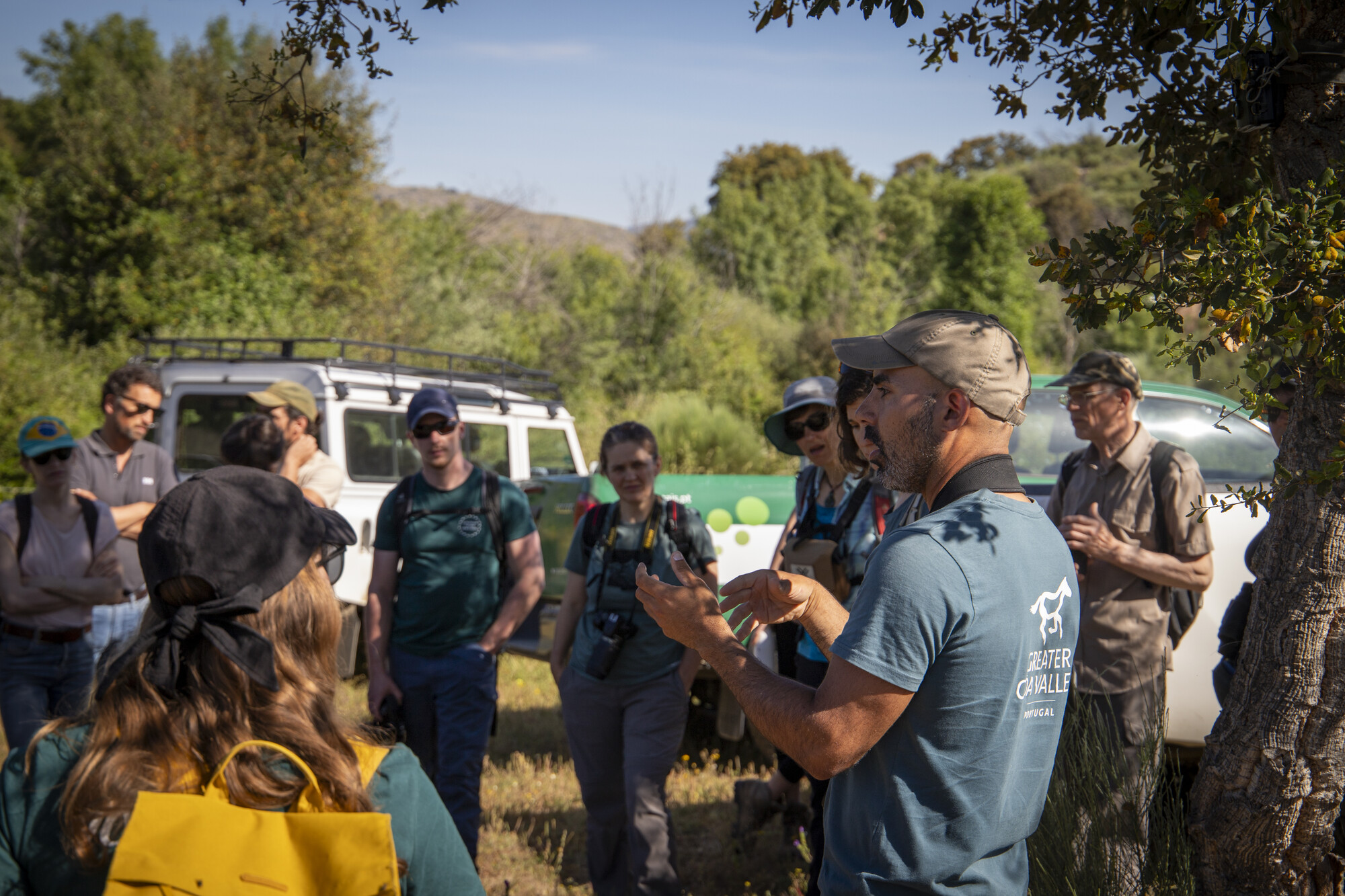
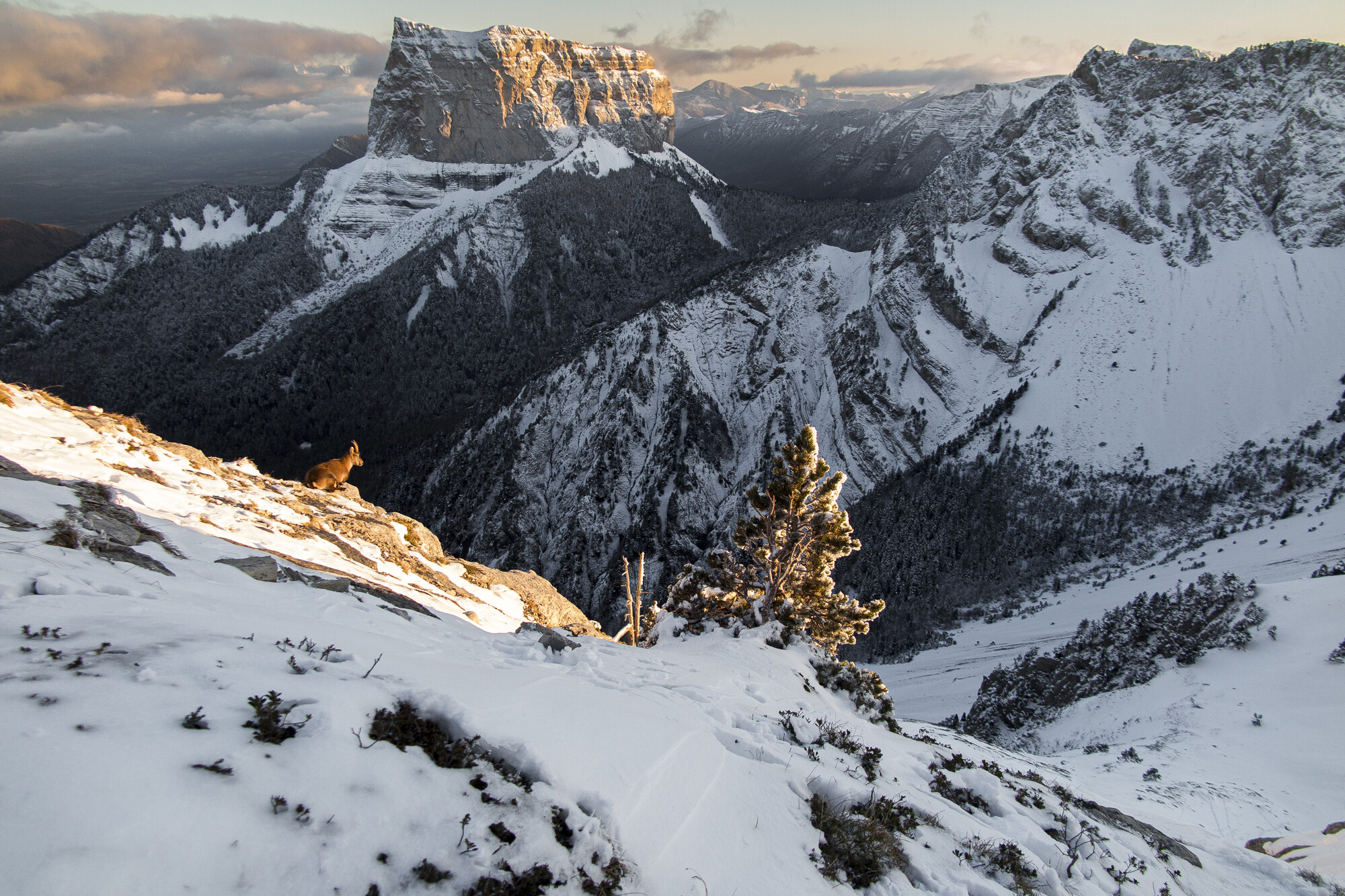
The Dauphiné Alps becomes Rewilding Europe’s eleventh rewilding landscape
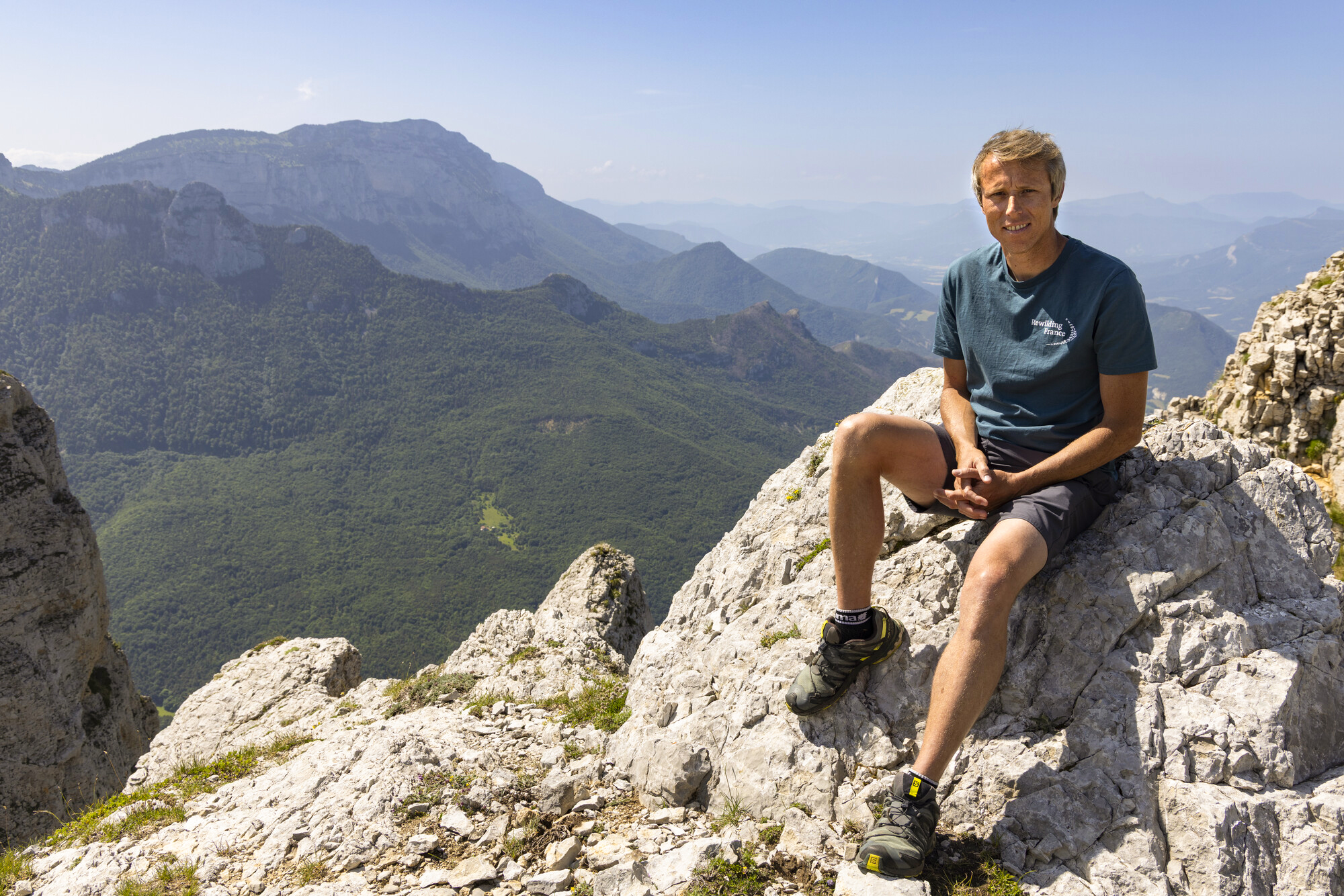
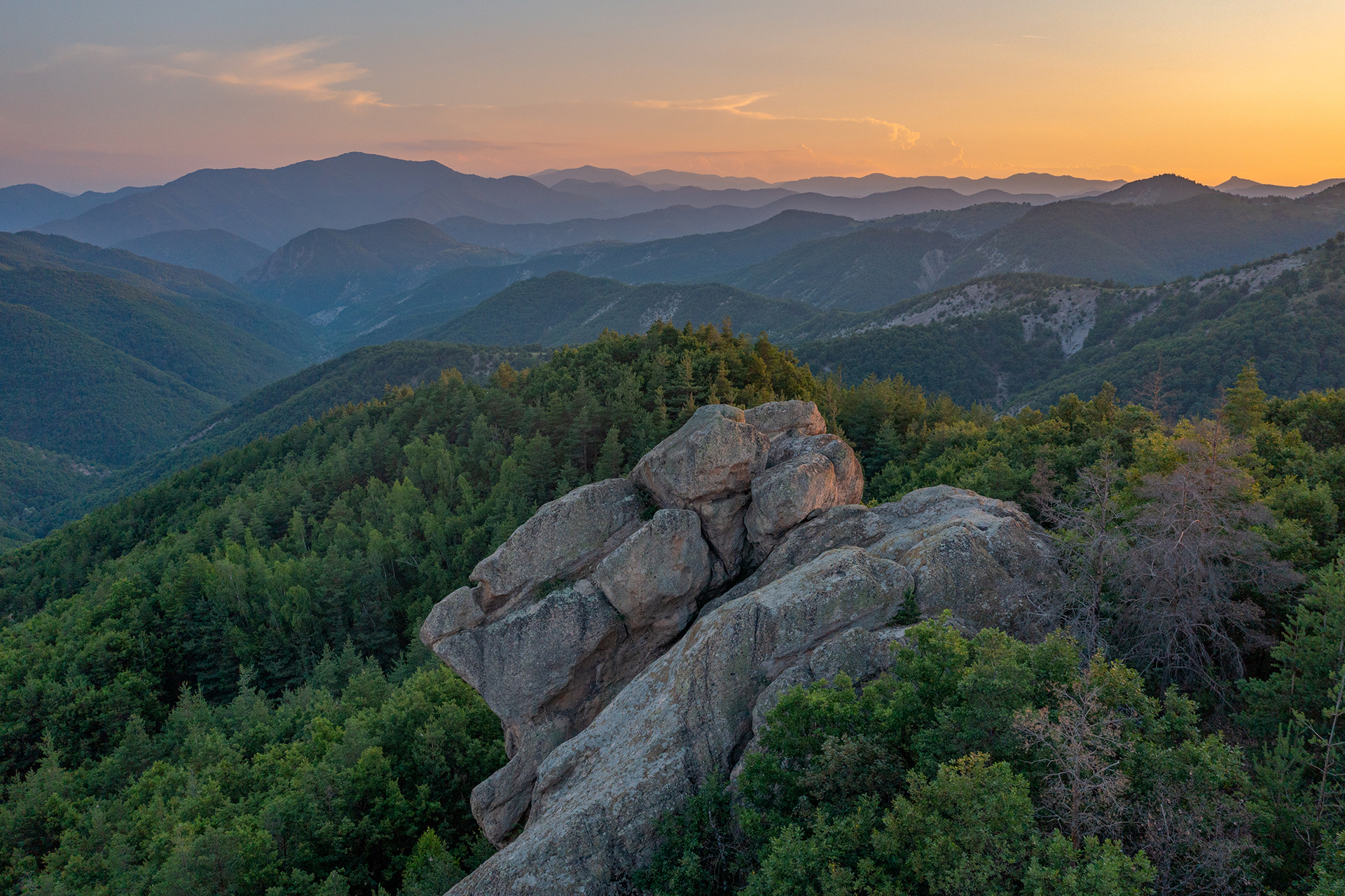
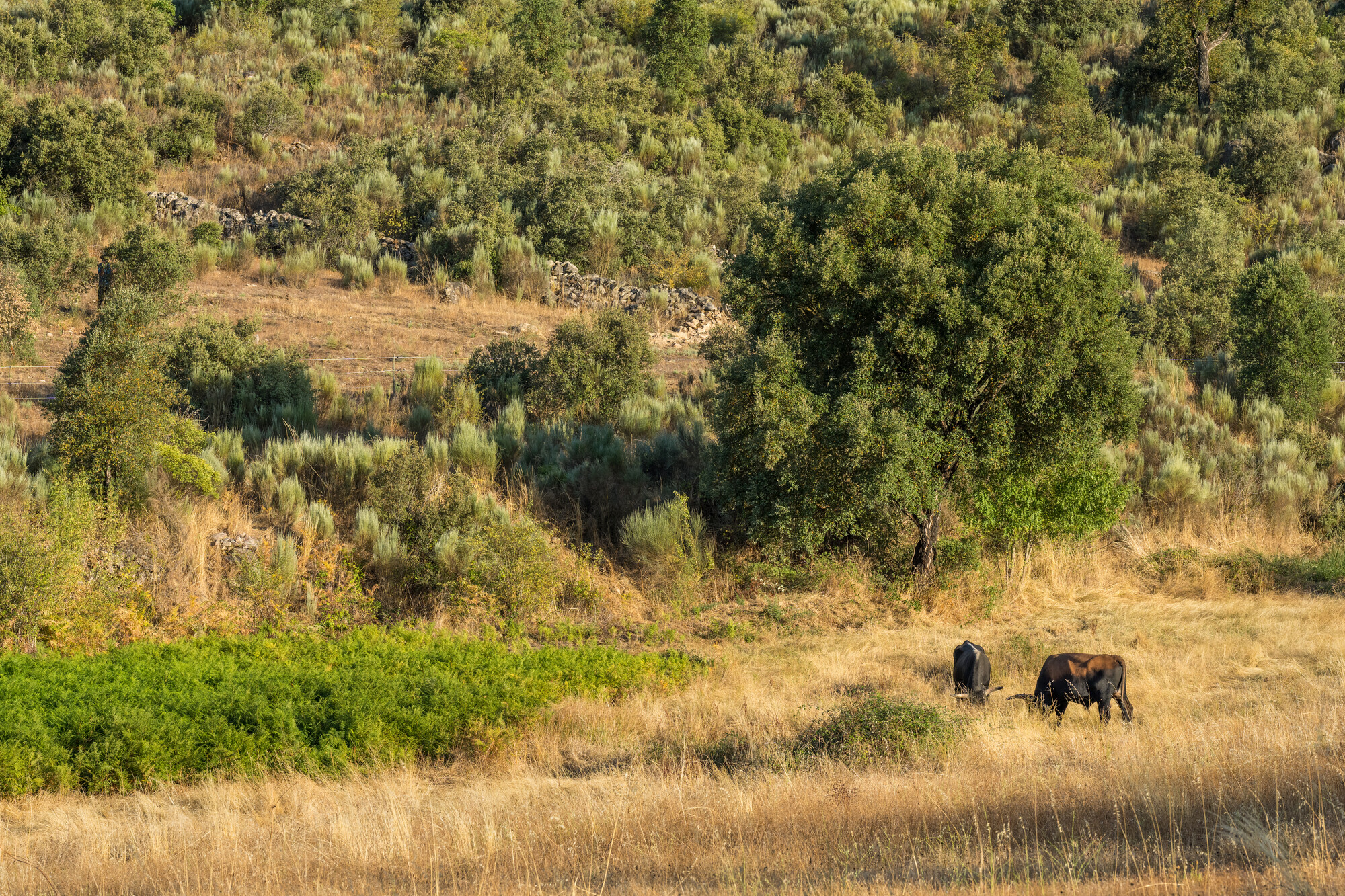
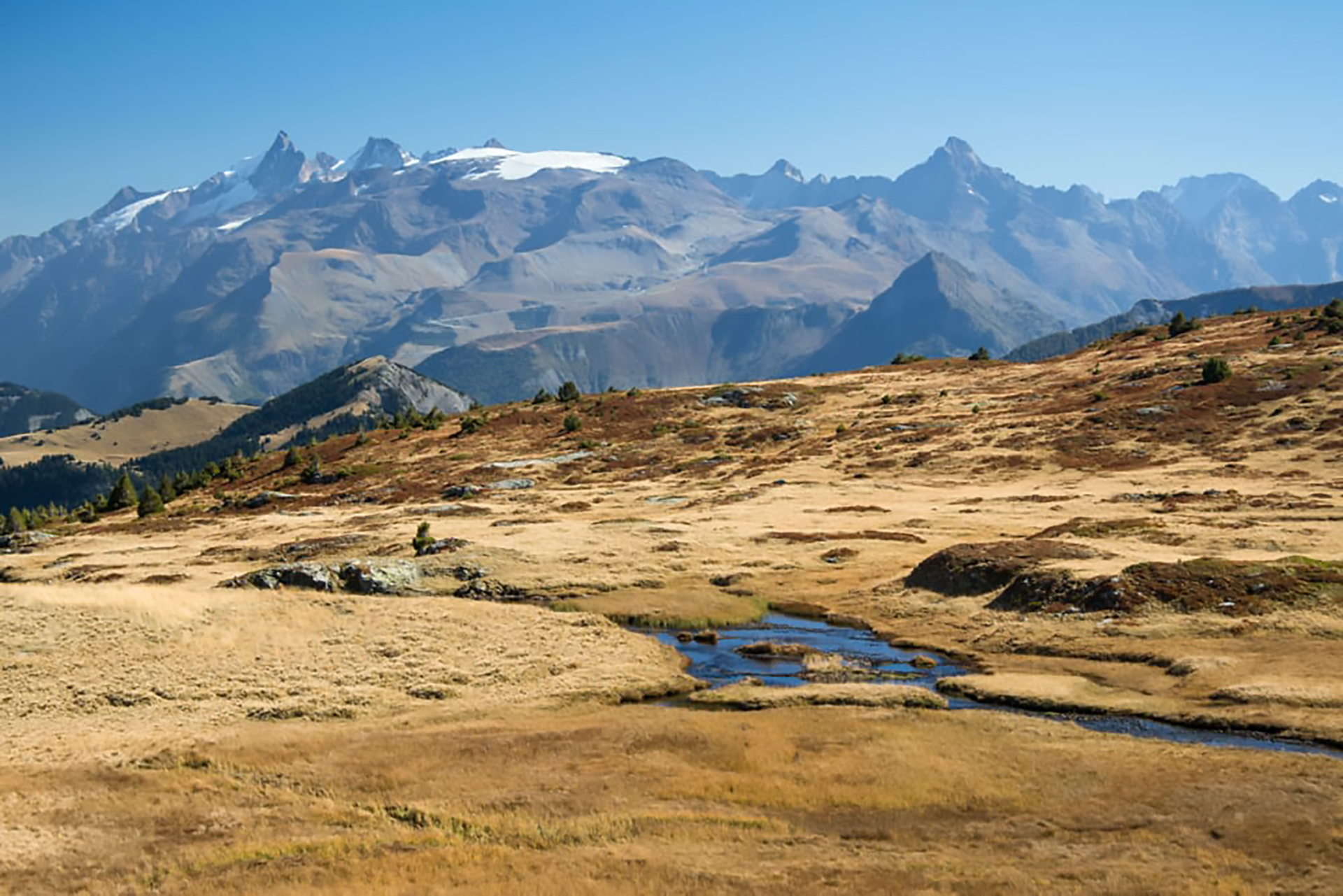
Located in southeast France, the spectacular Dauphiné Alps became the latest addition to Rewilding Europe’s growing rewilding landscape portfolio in June. In collaboration with a broad coalition of local partners, initial rewilding actions in the landscape — which will be led by Rewilding France — will focus on protecting and rewilding forests, rewilding rivers, and boosting natural grazing through the reintroduction of semi-wild horses and bovines.
Read more about the landscape and learn how rewilding efforts are set to enhance biodiversity, address climate change, and deliver tangible socio-economic benefits to local communities.
Amplifying wildlife comeback across Europe
The amazing ability of nature to bounce back — when given time, space, and the right conditions — is one of the things that inspires us most. Often wildlife populations can recover on their own — just look at the way wolves are recolonising Europe — but sometimes they need a helping hand.
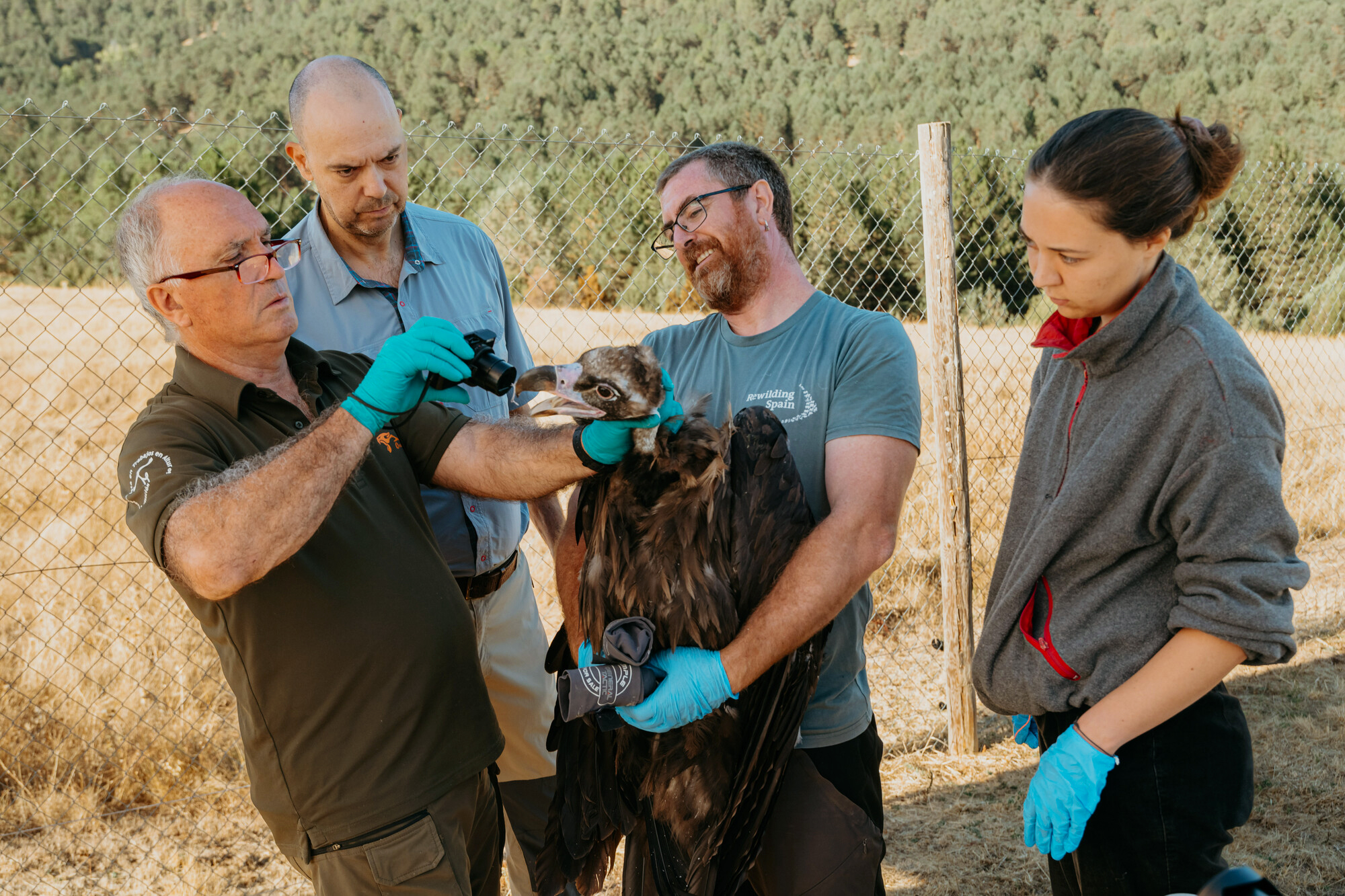
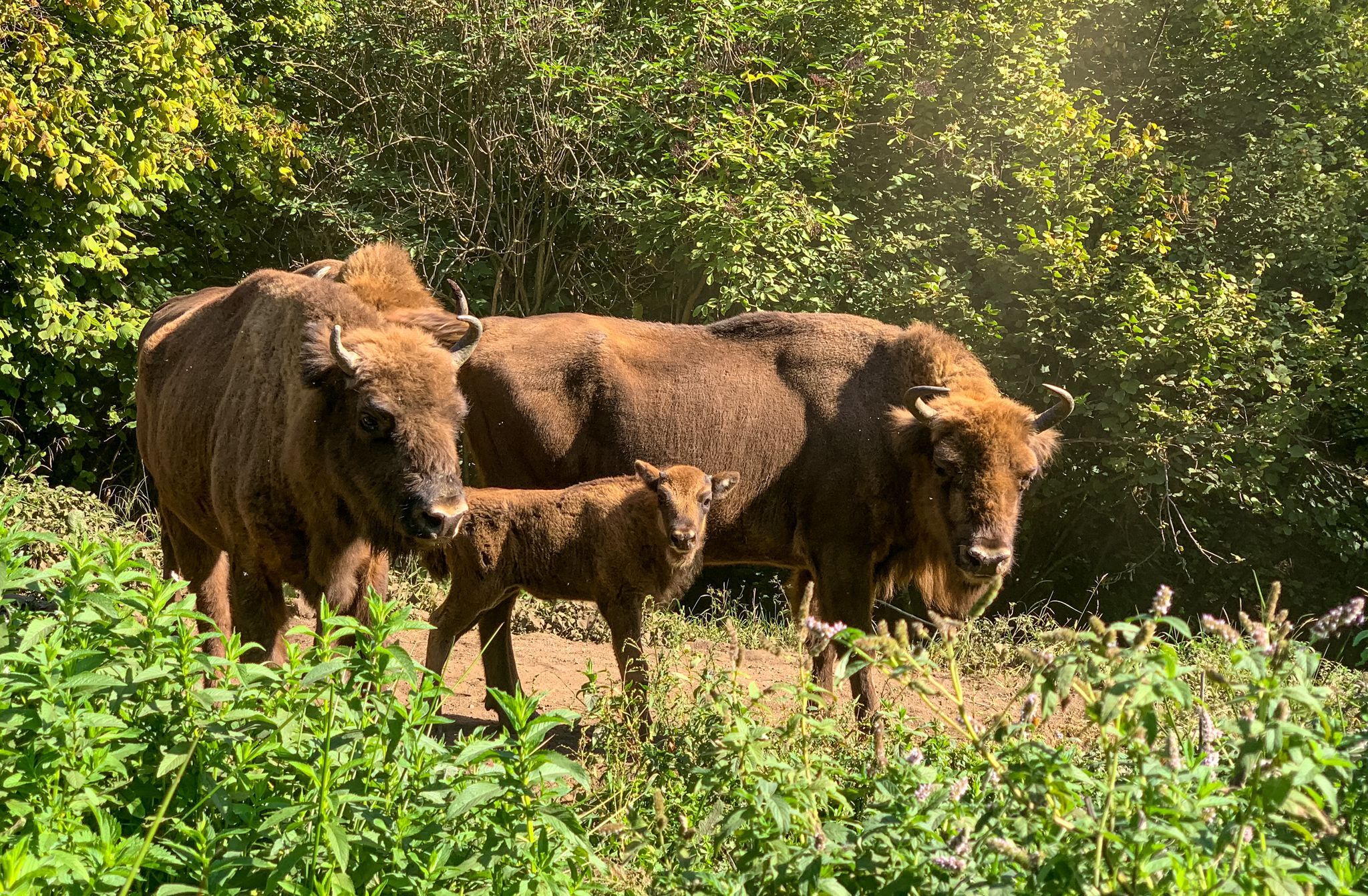
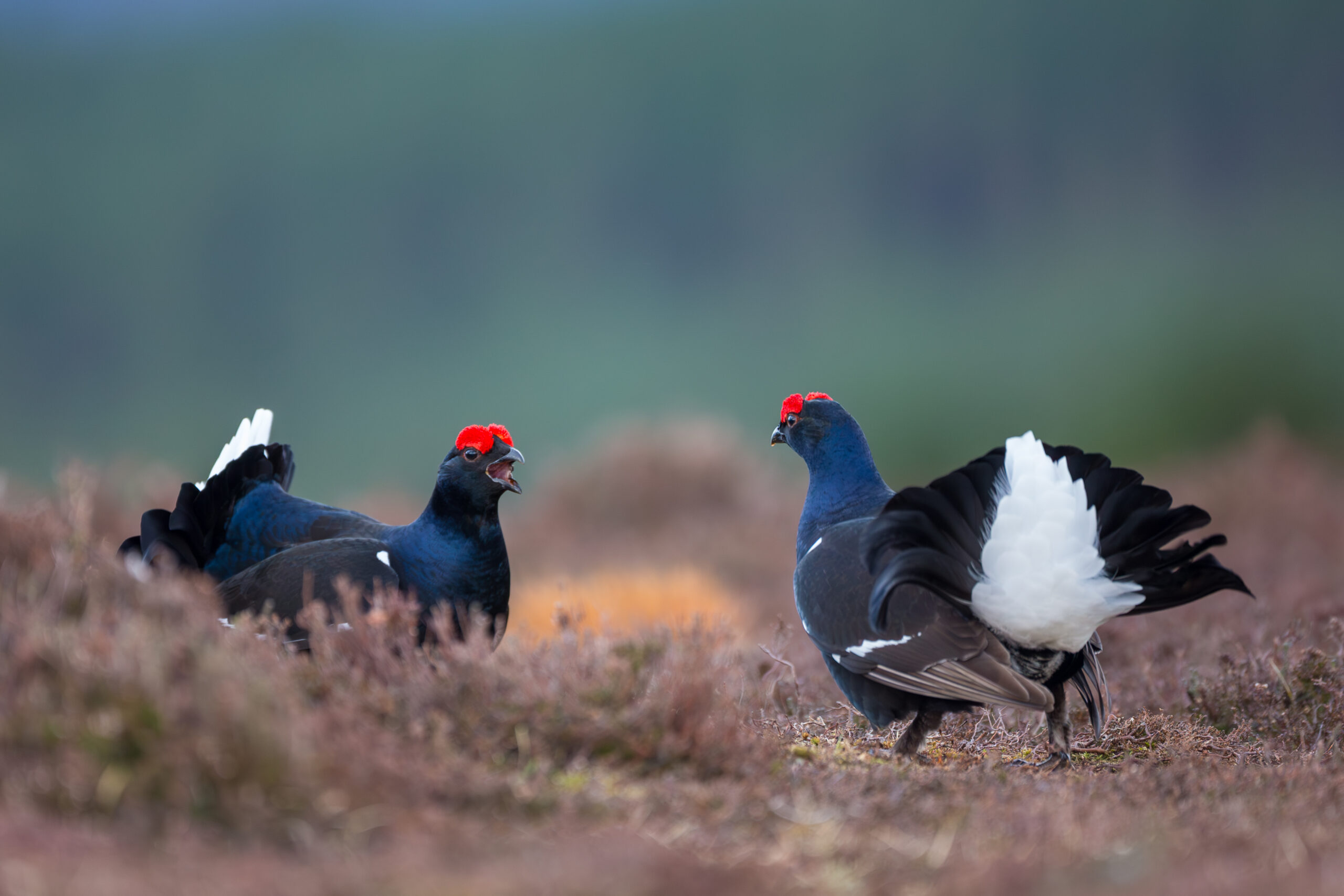
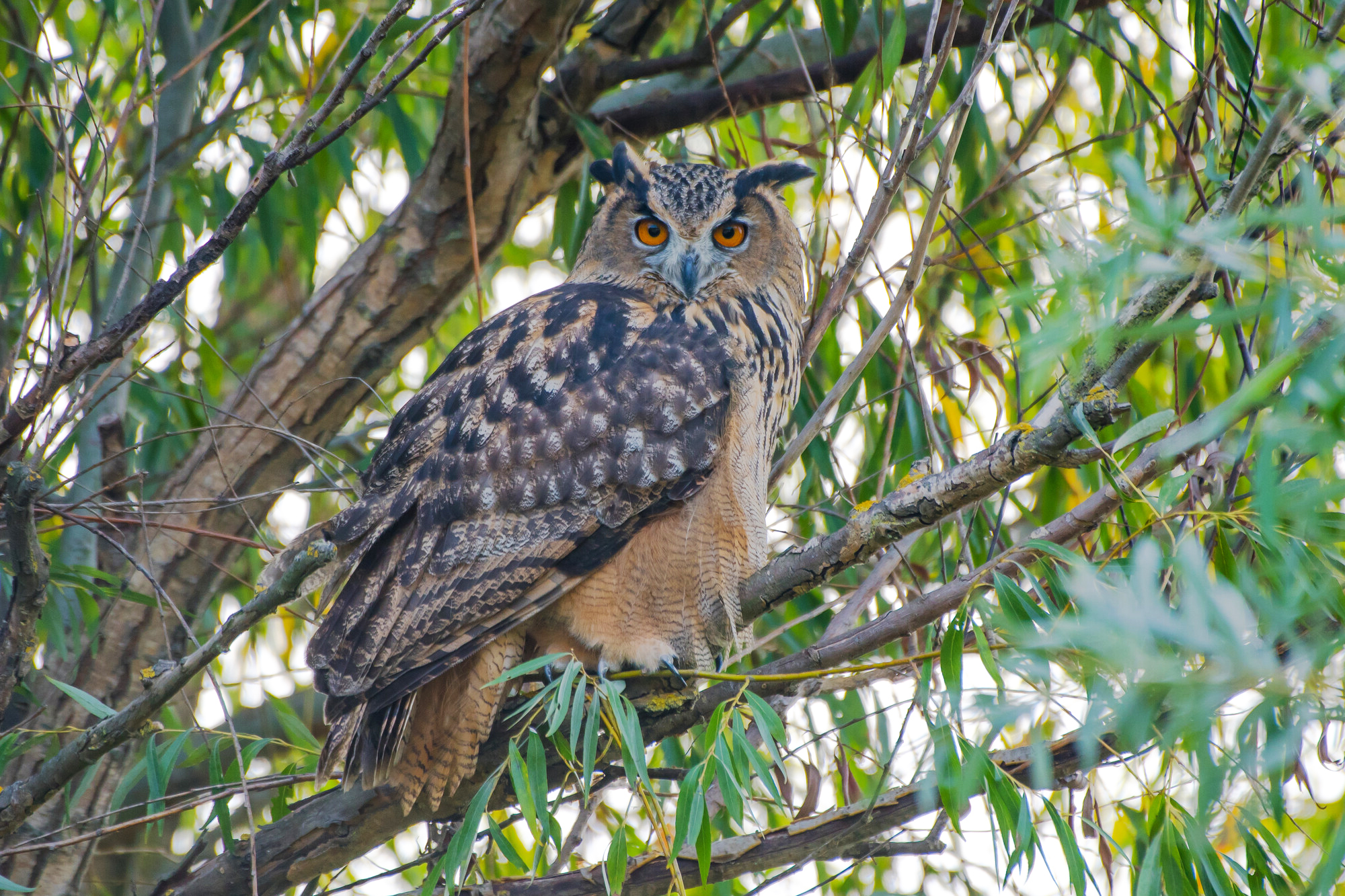
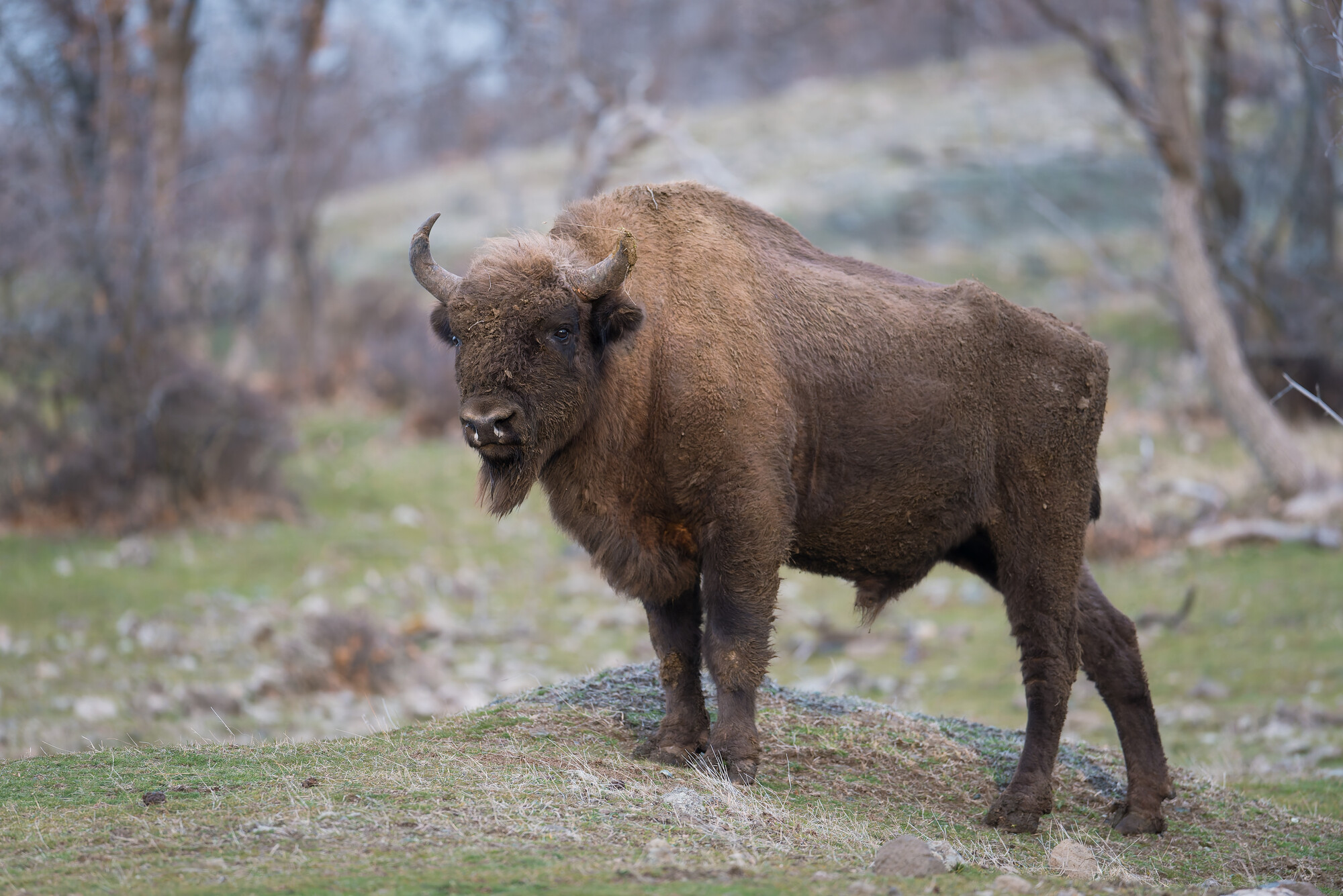
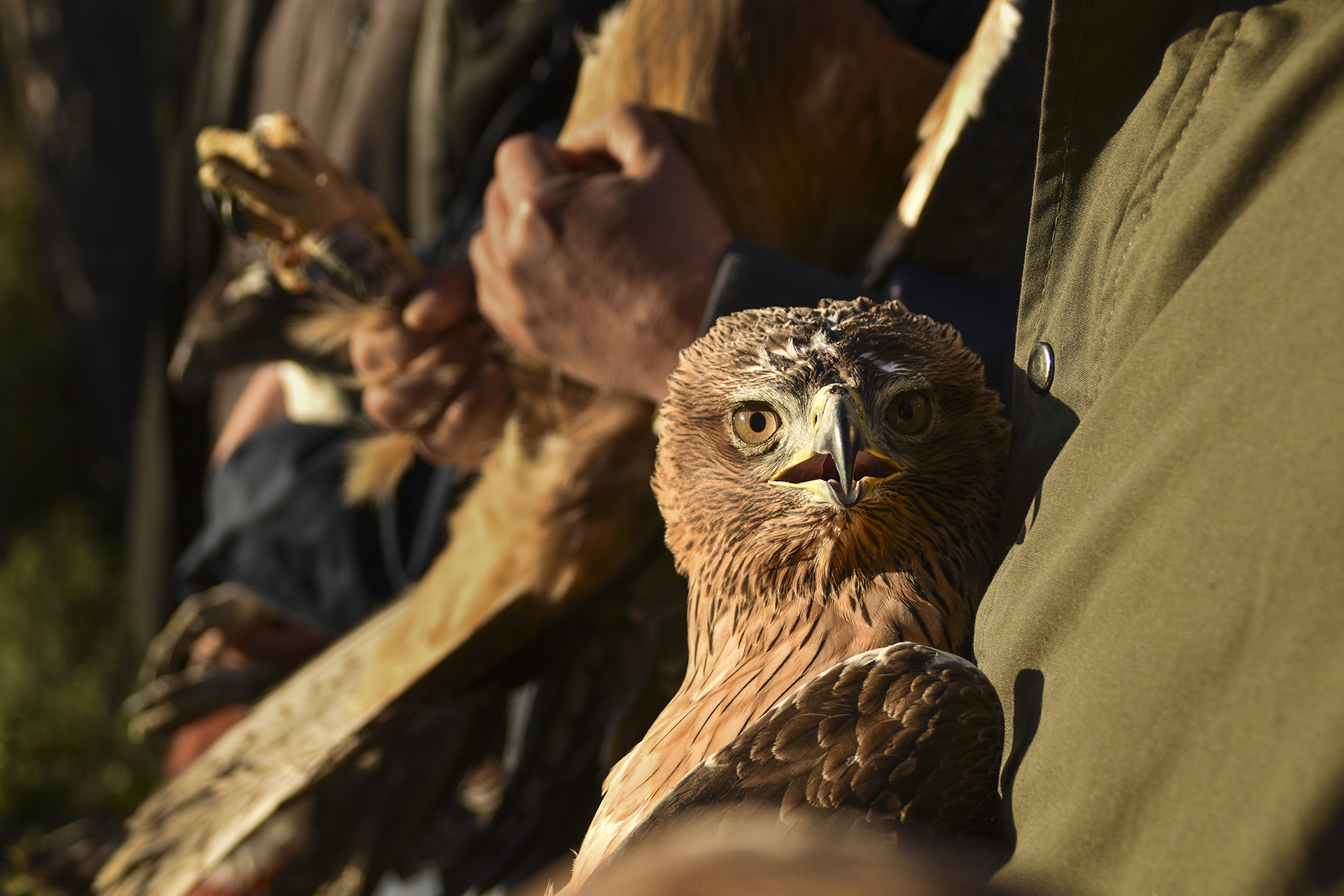
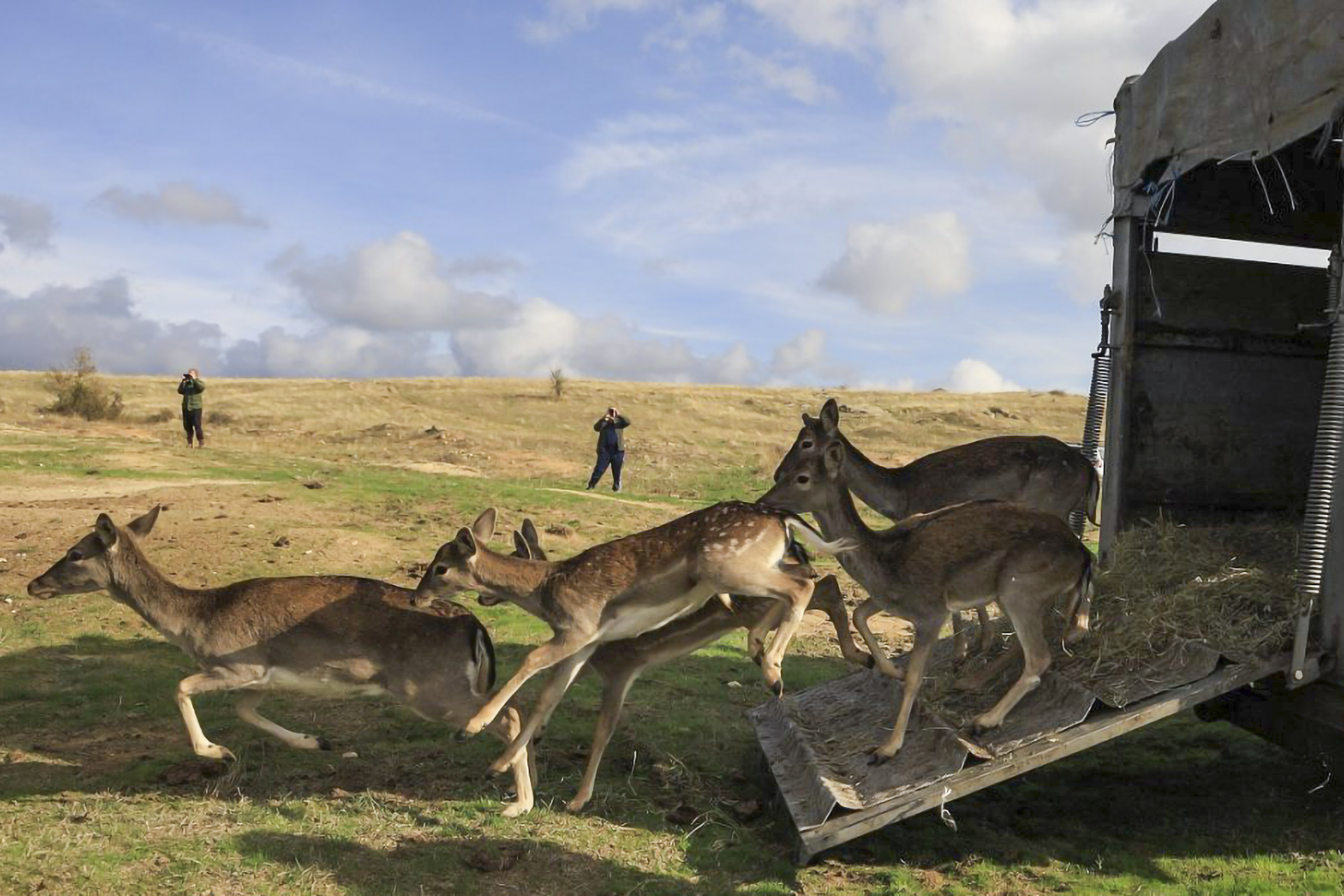
In 2025, Rewilding Europe and its landscape teams supported wildlife comeback across the continent with multiple releases of a wide range of keystone species — from European bison and cinereous vultures in the Rhodope Mountains, to Mediterranean trout and white-clawed crayfish in the Central Apennines, to European hamsters and eagle owls in the Danube Delta. These releases not only help wildlife recover, but breathe new life into nature by enhancing the health, resilience, and value of entire ecosystems. In many cases, they benefit local communities too, by supporting the development of nature-based tourism.
Maxim Yakovlev
Stefan Stefanov
Wilder Parks: a leap forward for Europe’s protected areas
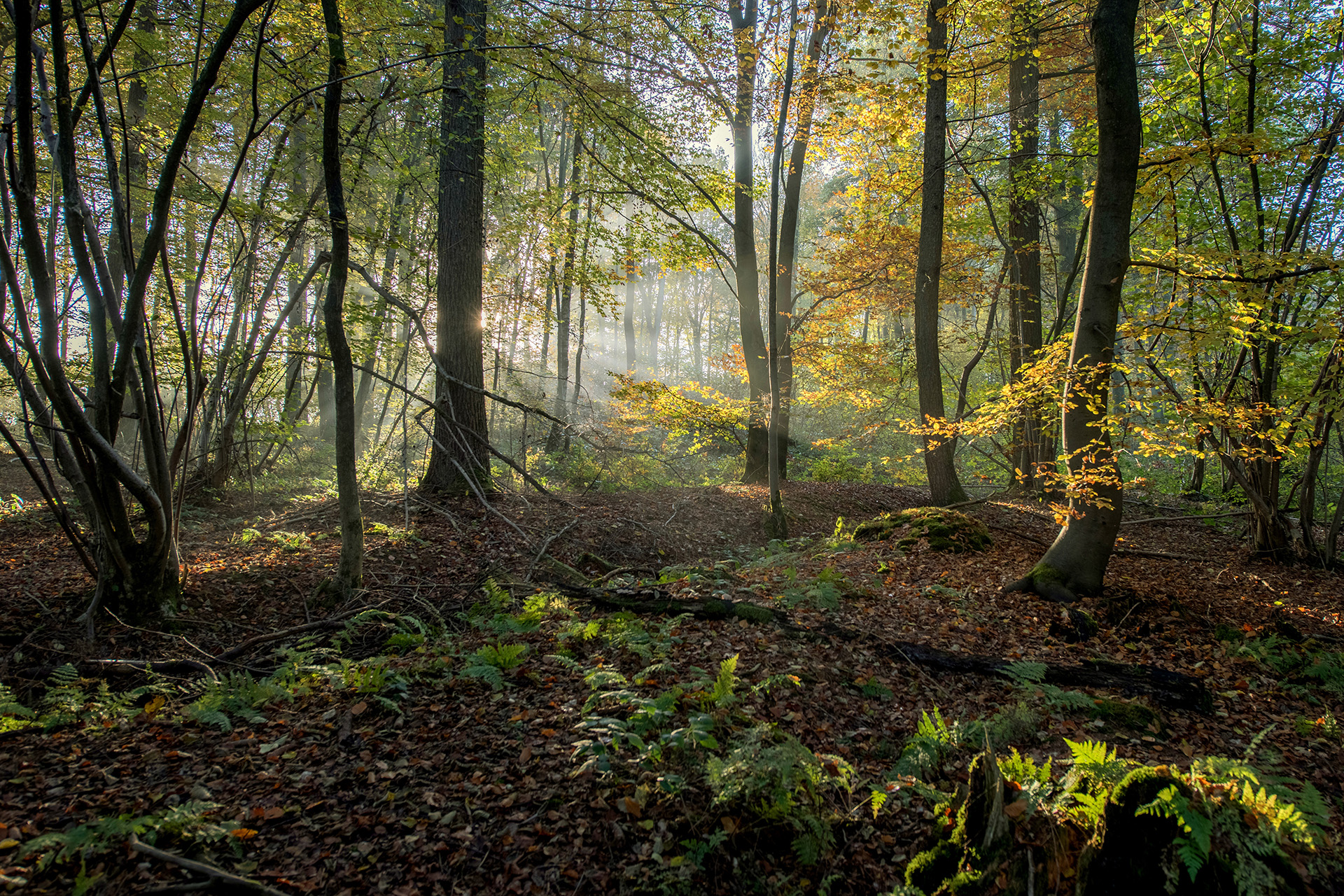
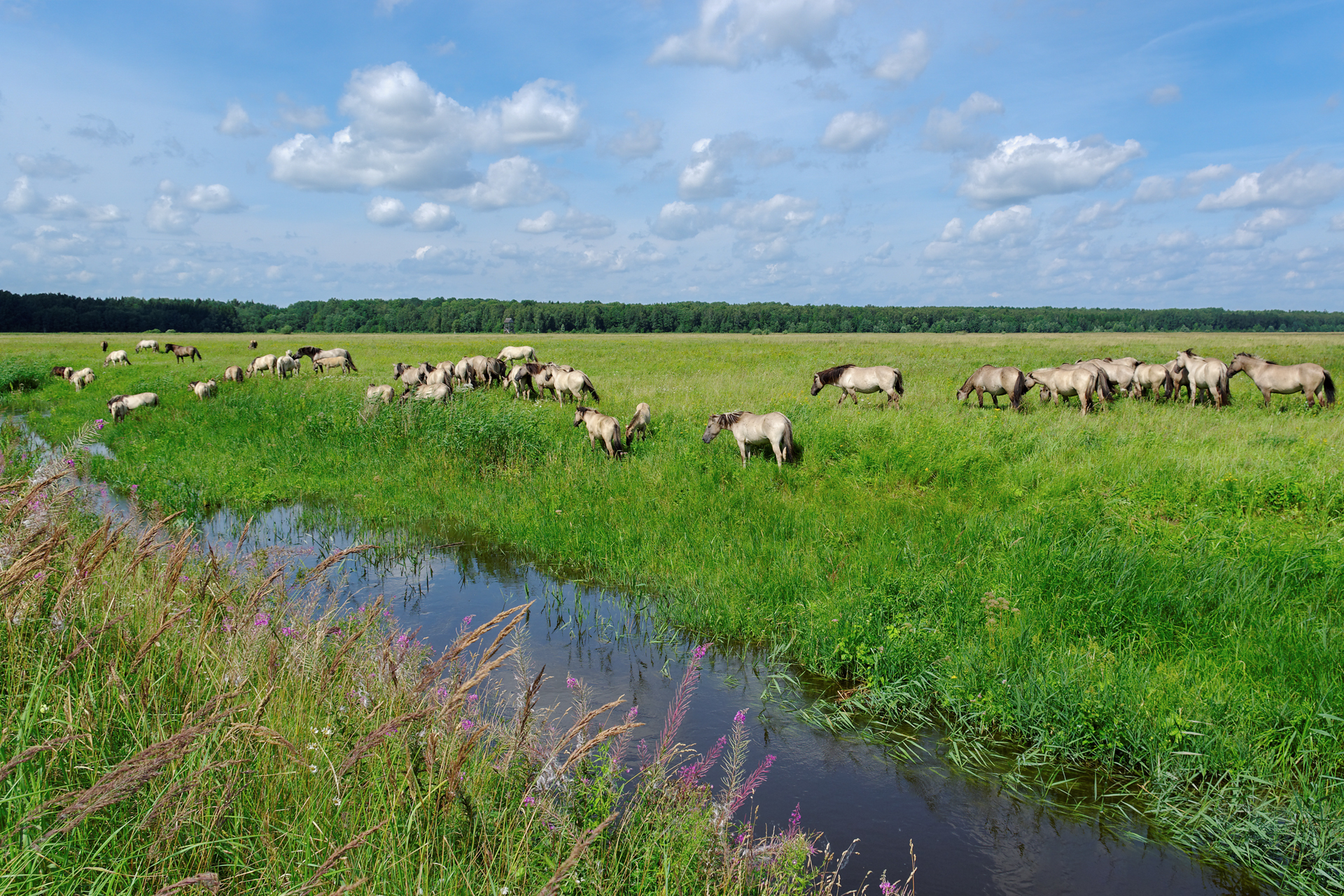
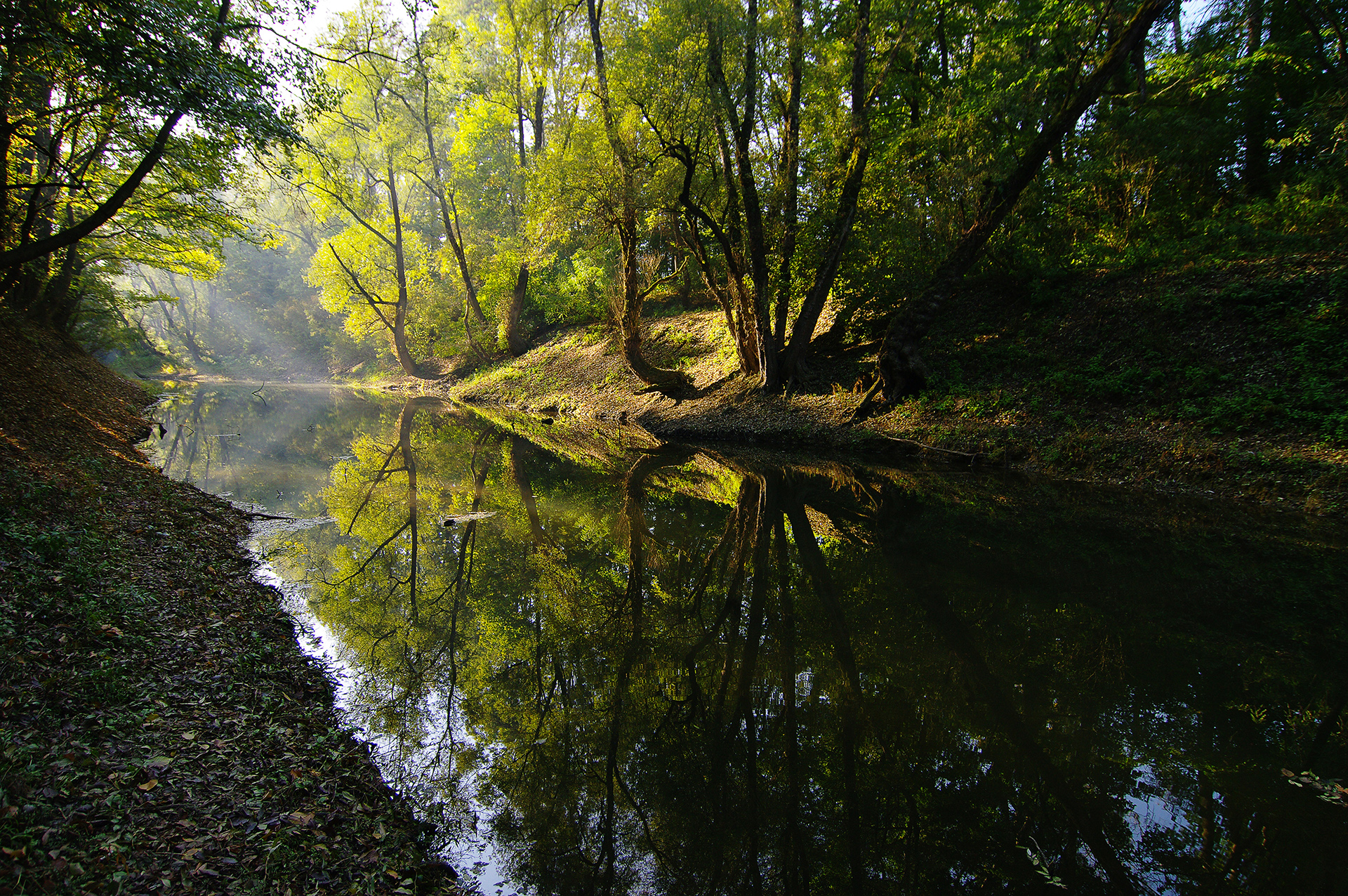
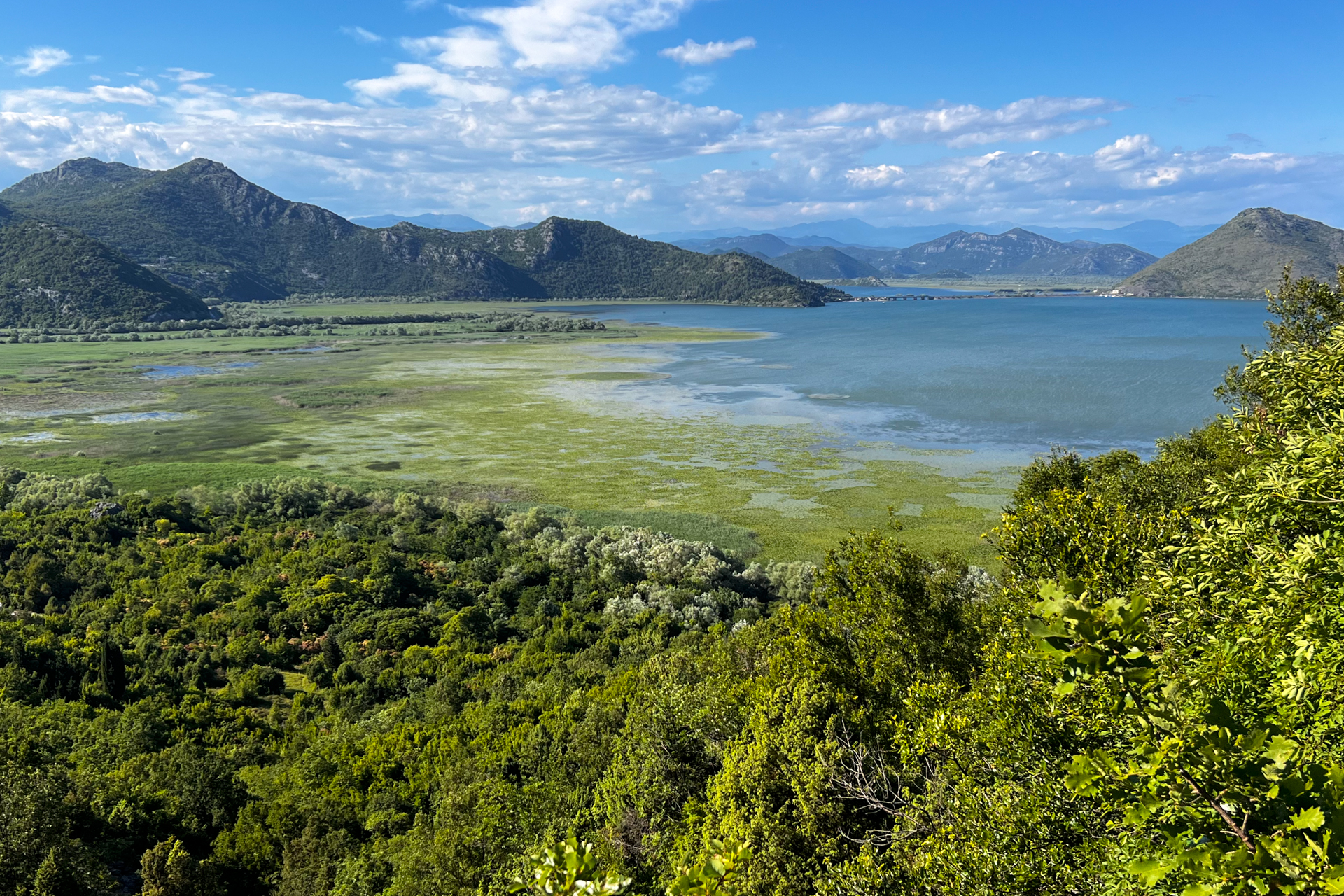
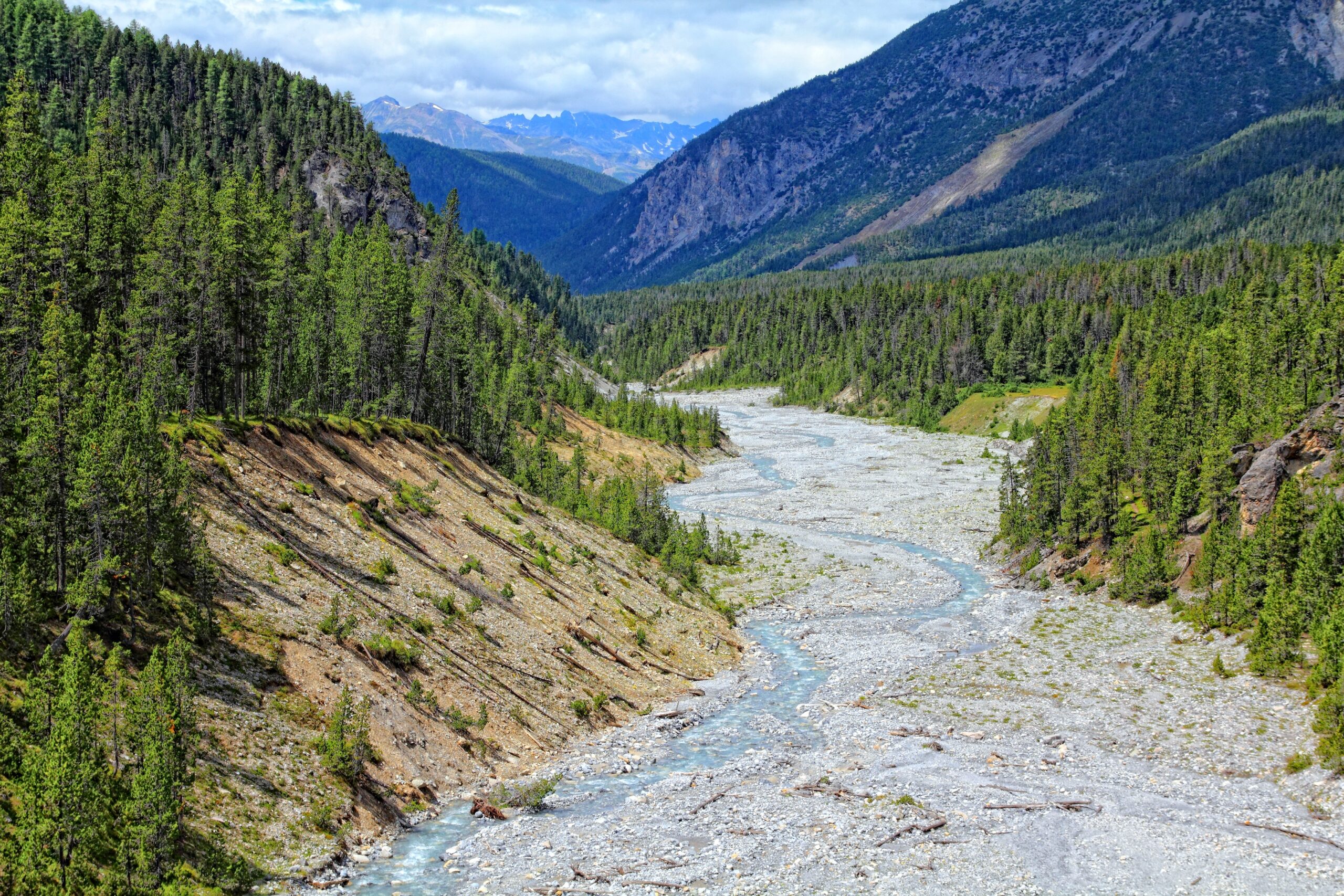
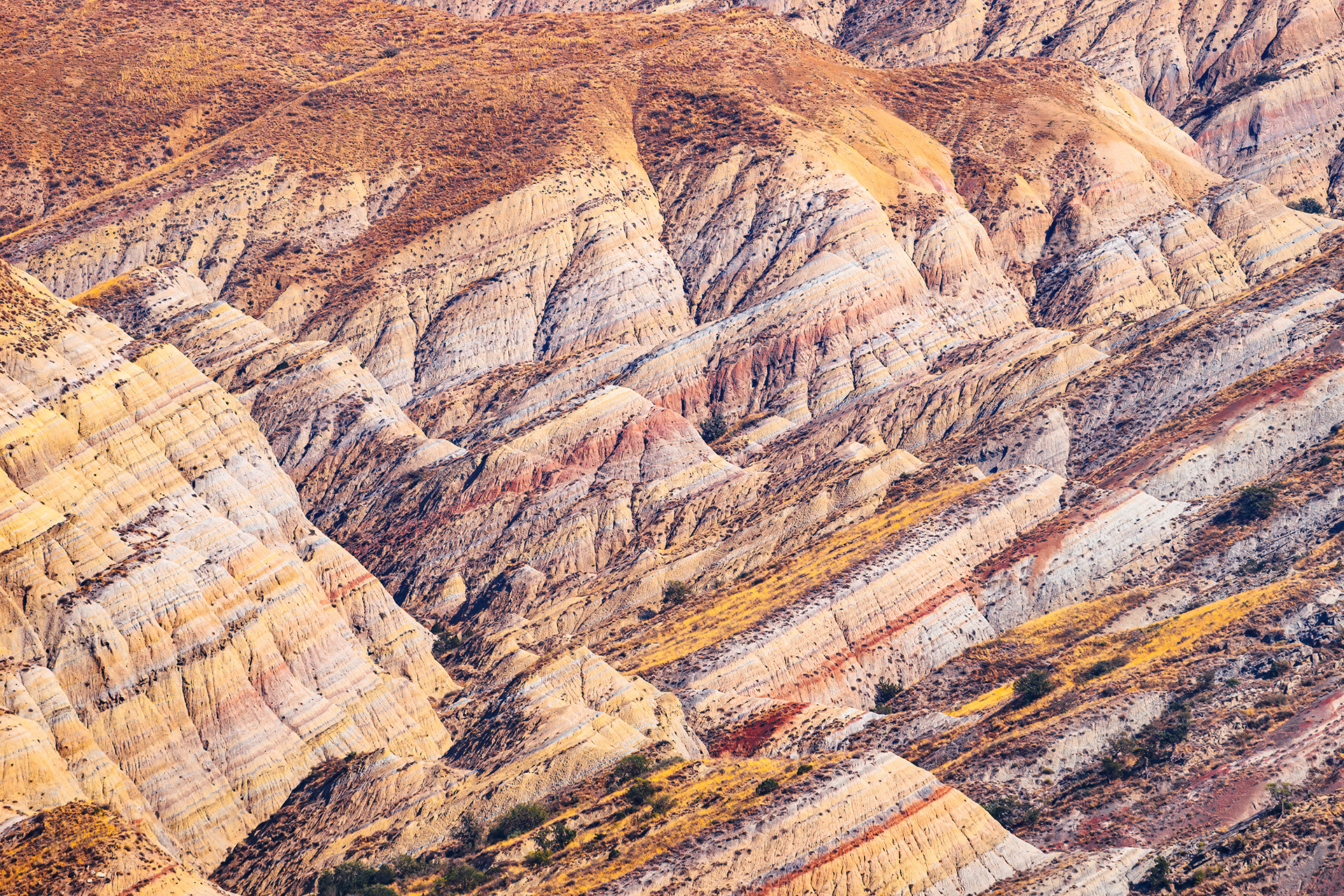
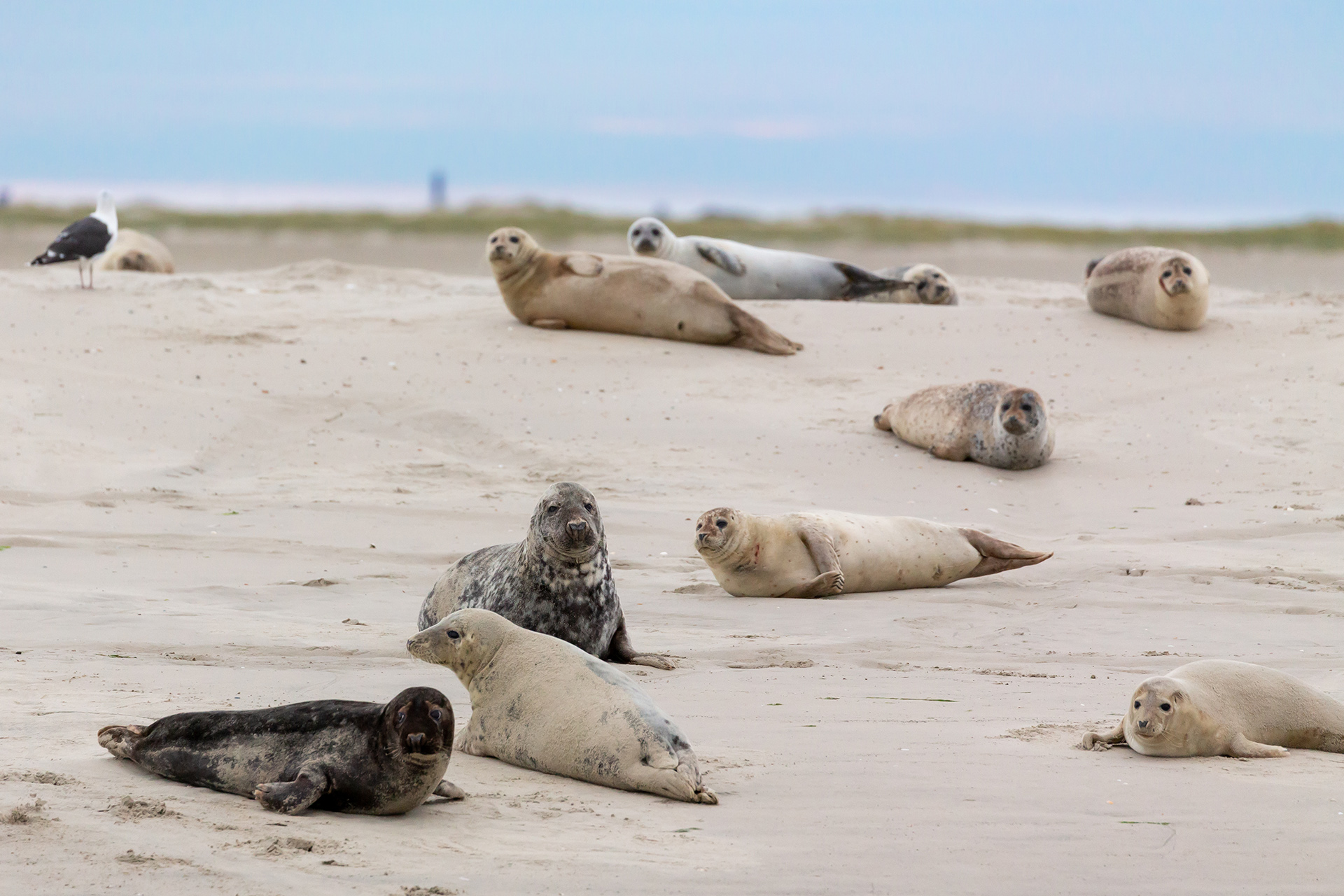
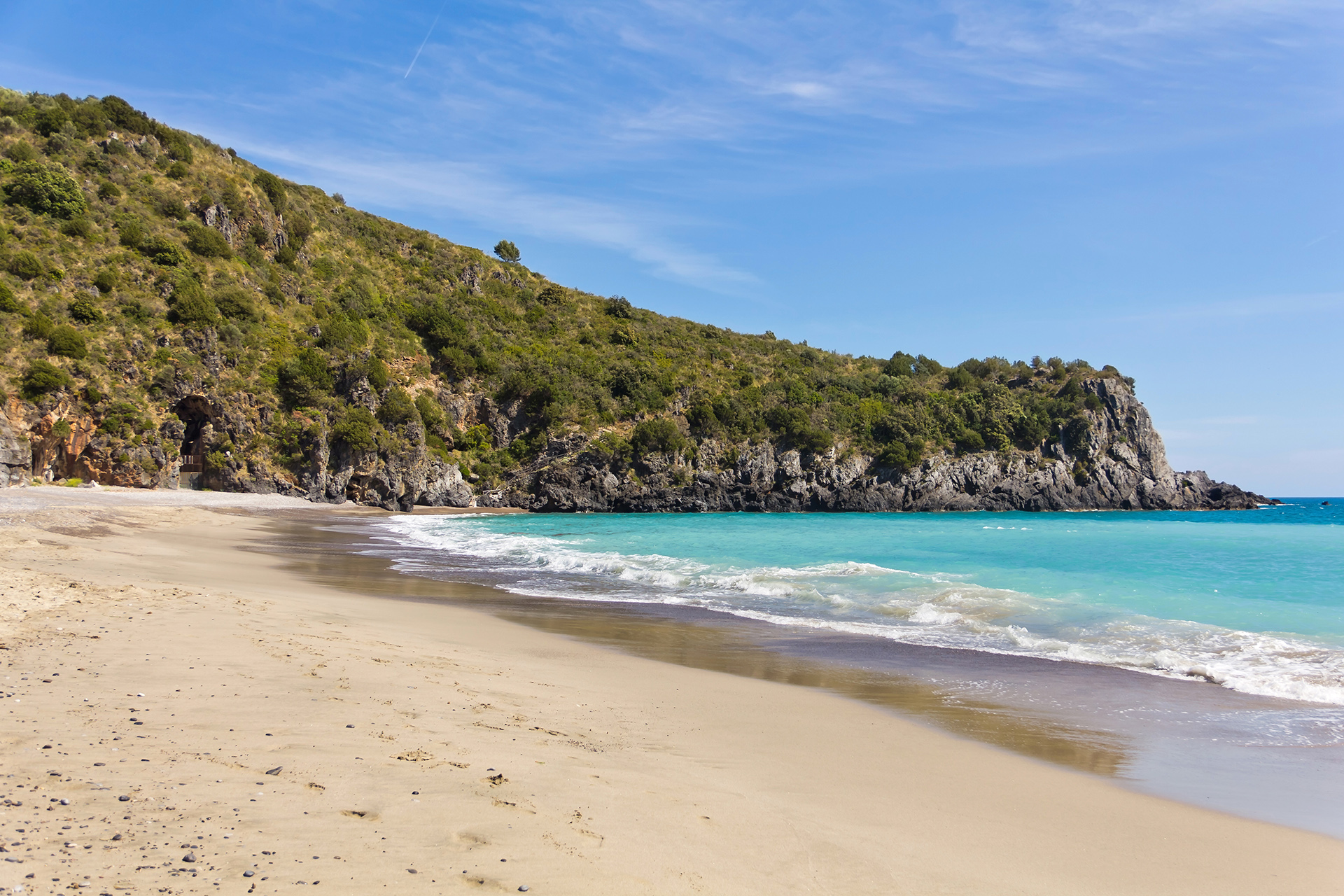
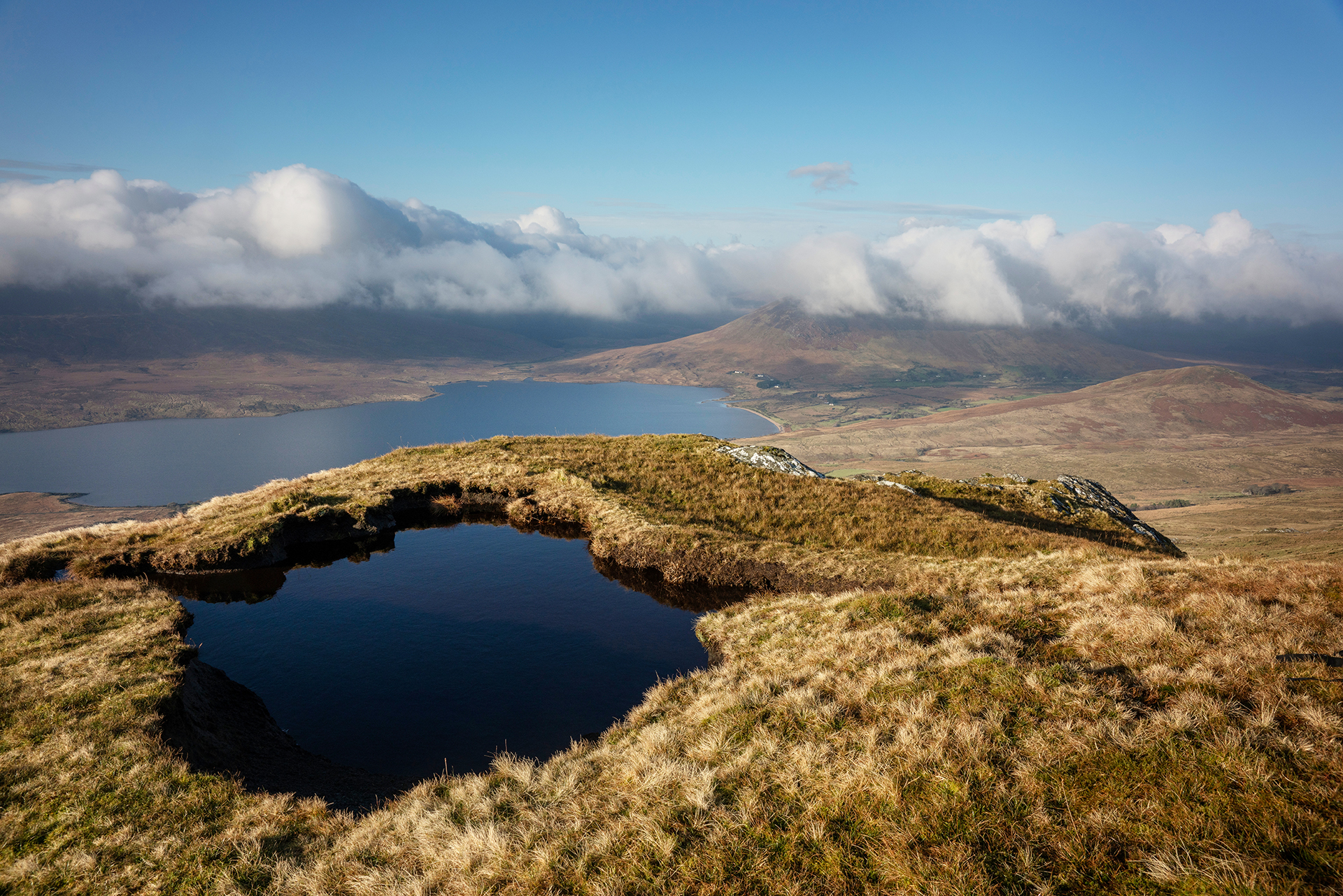
Europe’s protected areas have long played a vital role protecting wildlife and habitats, but there is huge potential to make them wilder. In November, ten protected areas took a bold step forward, becoming the first Wilder Parks in Europe. Across a total of 790,000 hectares of land and sea, this will give natural processes more space and freedom to restore ecosystems and amplify the benefits they provide for nature, climate, and people.
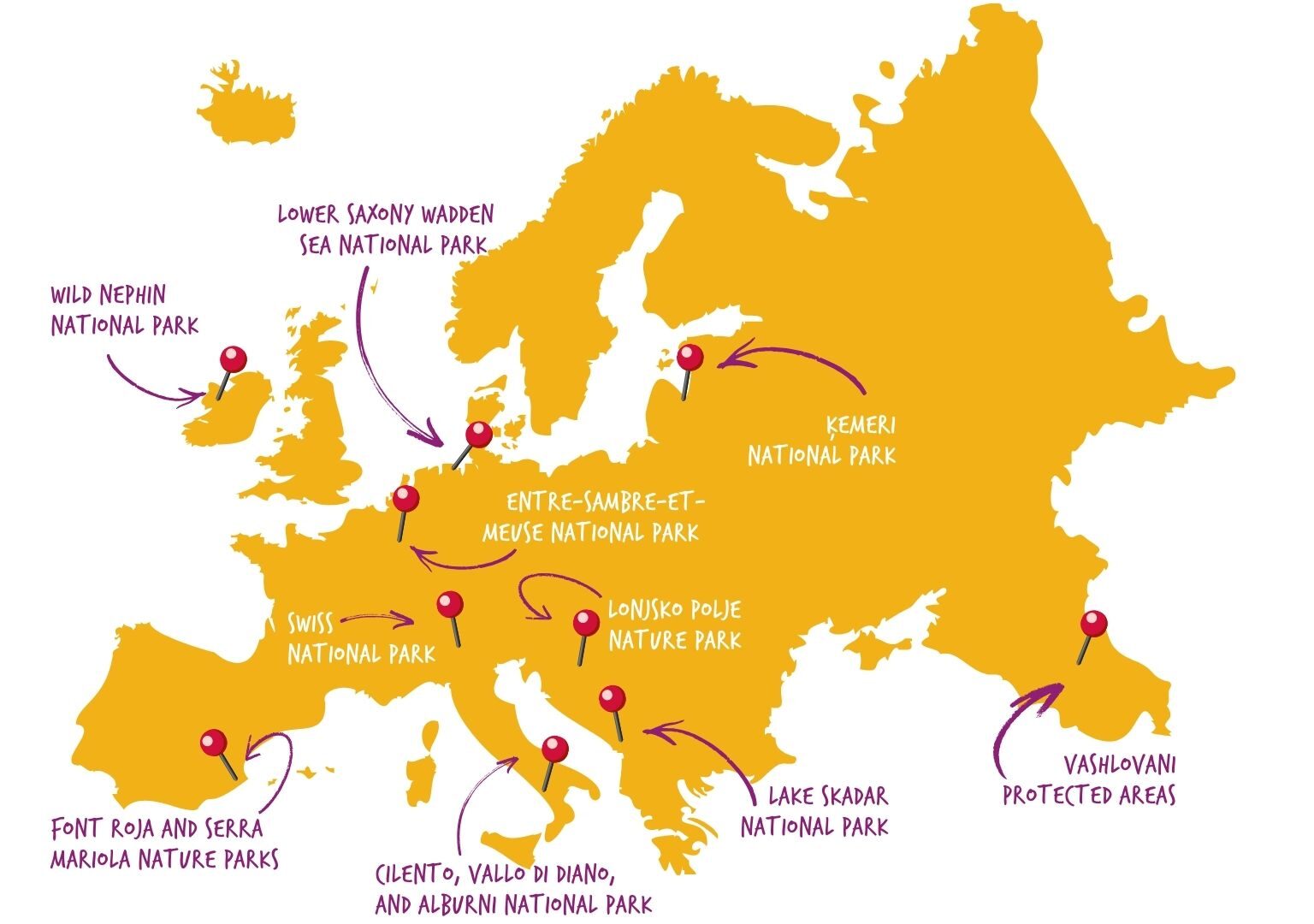
Rewilding Europe launched Wilder Parks to help protected areas in Europe accelerate nature recovery through rewilding. The first 10 Wilder Parks will serve as rewilding showcases — inspiring other protected areas to follow their lead and catalysing systemic change in the way Europe’s vast protected area network is managed. Additional protected areas will join the initiative in 2027.
The first 10 Wilder Parks are as follows:
Rewilding guidelines for National Restoration Plans published
The Nature Restoration Law has set ambitious targets for nature recovery across Europe. Moving forwards, EU Member States now need to draw up and implement National Restoration Plans, in which they identify concrete restoration needs and the measures needed to meet these targets. As a cost-effective and proven way of recovering nature at scale, rewilding has a huge role to play.
To help EU Member States integrate rewilding into their Nature Restoration Plans, Rewilding Europe — together with other members of the European Rewilding Coalition — drew up a set of practical guidelines, which were published in April. These show how rewilding offers solutions that can help countries meet their restoration targets in ways that are both ambitious and achievable.
Wilder Places goes live
Wilder Places, Rewilding Europe’s tourism booking platform, went live in July. A key component of our commitment to scale up rewilding tourism, Wilder Places offers aspiring travellers the chance to reconnect with nature and enjoy thrilling, meaningful, and uniquely immersive experiences in the European wild. The platform will also strengthen collaboration, bringing together partners and local entrepreneurs across our rewilding landscapes to co-create an exciting and authentic network of rewilding experiences and amplify the positive impact of rewilding.
Rewilding Land Facility: unlocking land for nature
Across Europe, there is a growing window of opportunity to give space back to nature. But turning this opportunity into reality demands more than vision – it requires swift, strategic action to access land at scale. To enable such action, Rewilding Europe officially launched its Rewilding Land Facility in July. By increasing the amount of land under direct rewilding management within our rewilding landscapes, it will accelerate the scaling up of rewilding across Europe — and the benefits this delivers to people, climate, and nature.
Rewilding Europe has so far raised over 9 million euros for the Land Fund — an integral part of the Rewilding Land Facility. Grants from the fund totalling more than 7.5 million euros have already been disbursed to a number of landscape teams, enabling access to more than 8,000 hectares of land across Europe for rewilding.
Ultima Frontiera: a highly promising purchase in the Danube Delta
In 2025, a second grant from the Rewilding Land Facility enabled the purchase of Ultima Frontiera, a 766-hectare former fish farm concession located in the Romanian part of the Danube Delta rewilding landscape, inside the Danube Biosphere Reserve. The site, which hosts a stunning array of wildlife species – including white-tailed eagles, white and Dalmatian pelicans, wildcats, and golden jackals – has more recently been used for wildlife photography, with a hotel and multiple hides.
This is a very exciting acquisition as the concession has huge rewilding potential — moving forwards it will be transformed by restoring water flow and natural grazing, reconnecting wetlands with the Danube River, and developing nature-based tourism.
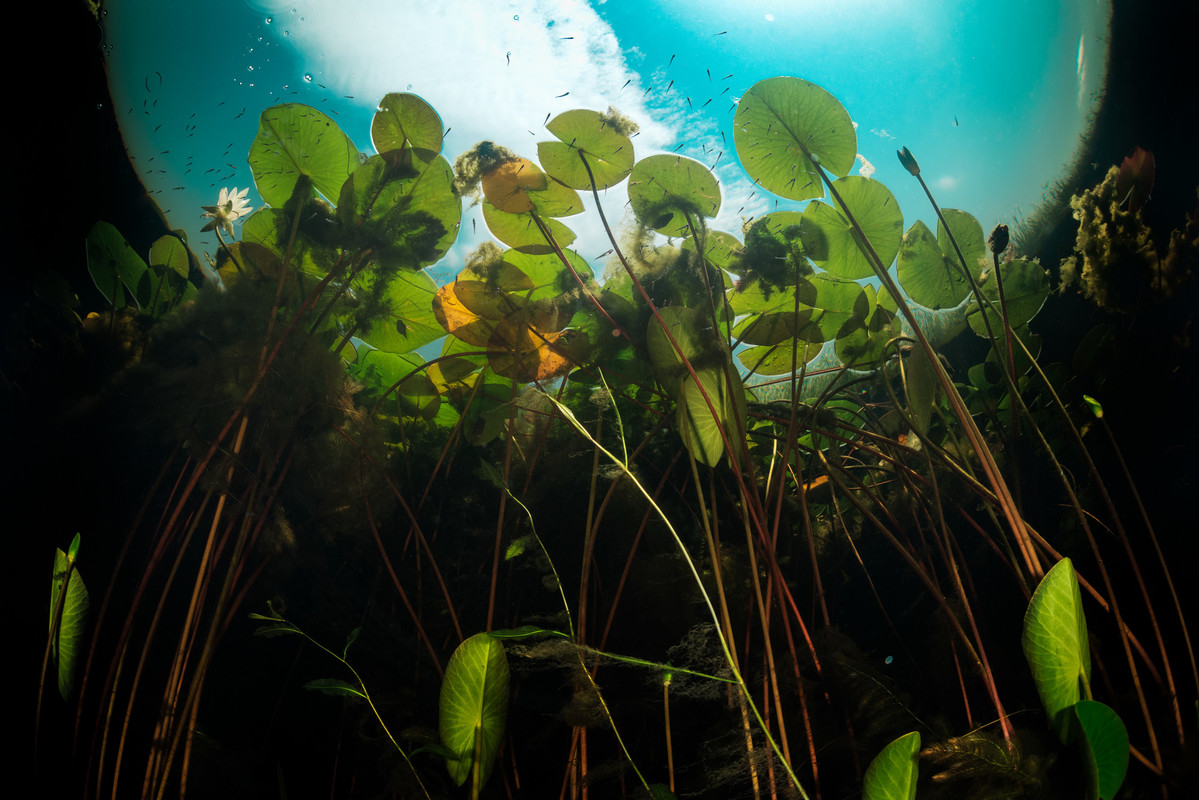
Magnus Lundgren / Rewilding Europe

Staffan Widstrand / Rewilding Europe
Scaling up wildlife-smart communities
While Europe continues to experience a significant decline in biodiversity, many European wildlife species are already bucking the trend and staging a recovery — showing how nature is resilient and will bounce back when we give it the space and freedom. As wildlife returns — often to areas where it has been absent for long periods of time — Europeans are learning to live alongside it. But how can we move from a situation where wildlife is merely tolerated, to one where both people and wildlife actually flourish alongside each other?
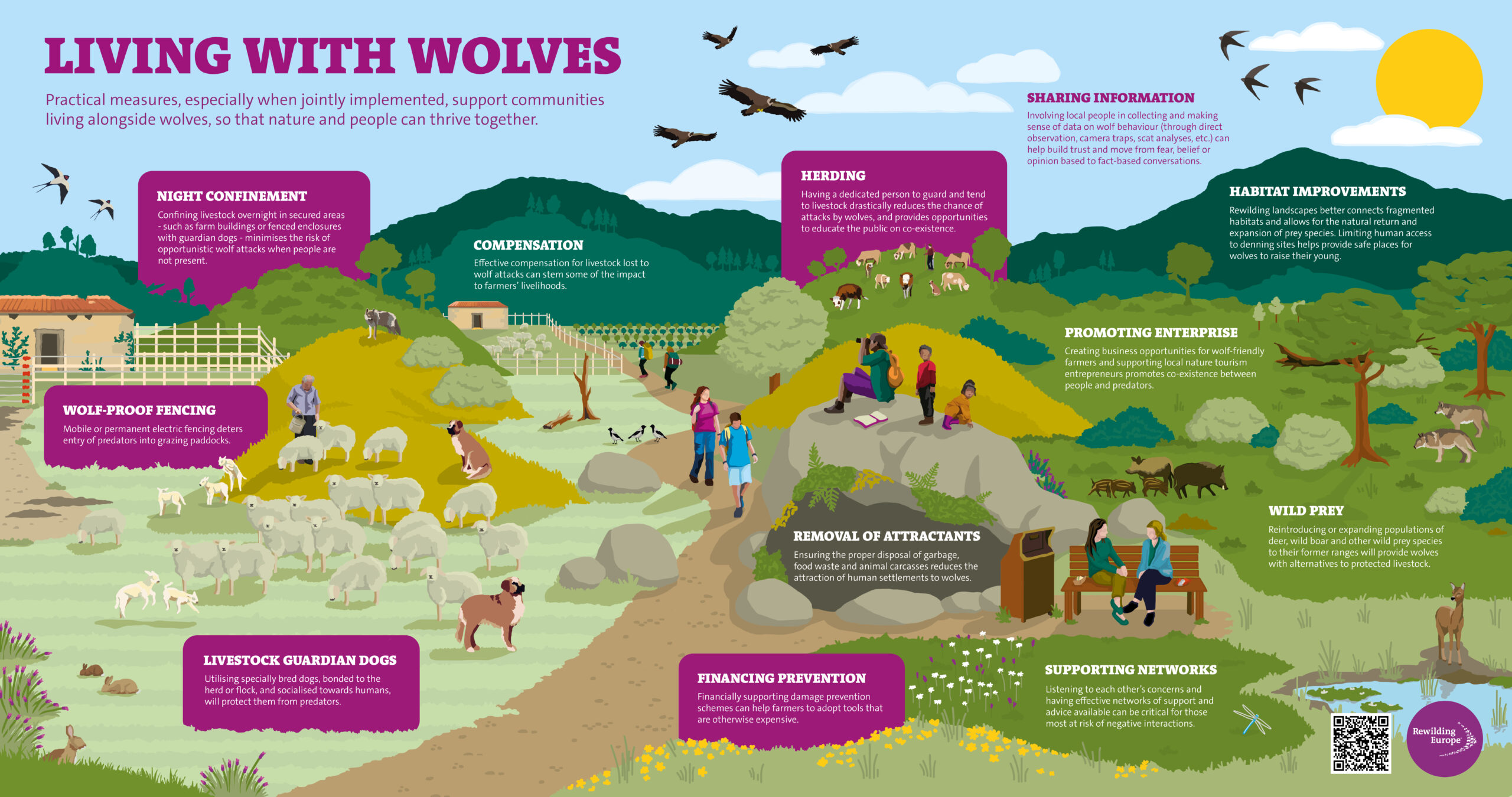
Wildlife-smart communities — which enable and encourage people in local communities to live alongside the burgeoning wildlife population on their doorstep, and flourish together — are a promising solution. In 2025, the Rewilding Apennines team further developed a network of “Bear-Smart Communities” in the Central Apennines — to help Marsican bears and a wide range of other wildlife species to move safely between protected areas — while “Bison-Smart Communities” began to take shape in the Southern Carpathians, and the Rewilding Portugal team is helping people live alongside Iberian wolves in the Greater Côa Valley.
Dive deeper into wildlife-smart communities and their wide-ranging benefits.
Rewilding efforts lay foundations for Dalmatian pelican comeback
Over the past six years, multi-partner rewilding efforts have supported the recovery of endangered Dalmatian pelican populations across southeastern Europe. Coordinated by Rewilding Europe and supported by the European Commission, the “Pelican Way of LIFE” initiative has secured a brighter future for this majestic bird and emphasised the importance of wetland restoration. While the initiative came to an end in 2025, the partners involved will keep encouraging best practices, restoring critical wetland habitats, improving connectivity to support fragmented pelican populations, and engaging with people living in the landscape to support pelican comeback.
The European Wildlife Comeback Fund goes from strength to strength
Our European Wildlife Comeback Fund works to scale up keystone species reintroduction and population reinforcement across Europe, with an agile setup designed to support wildlife comeback in a convenient and flexible way. The last 12 months have seen the fund build on its achievements of 2024 in a very encouraging way, with a total of almost 1 million euros committed in support of 24 wildlife releases, involving 17 species.


Building engagement
Annual Review 2024
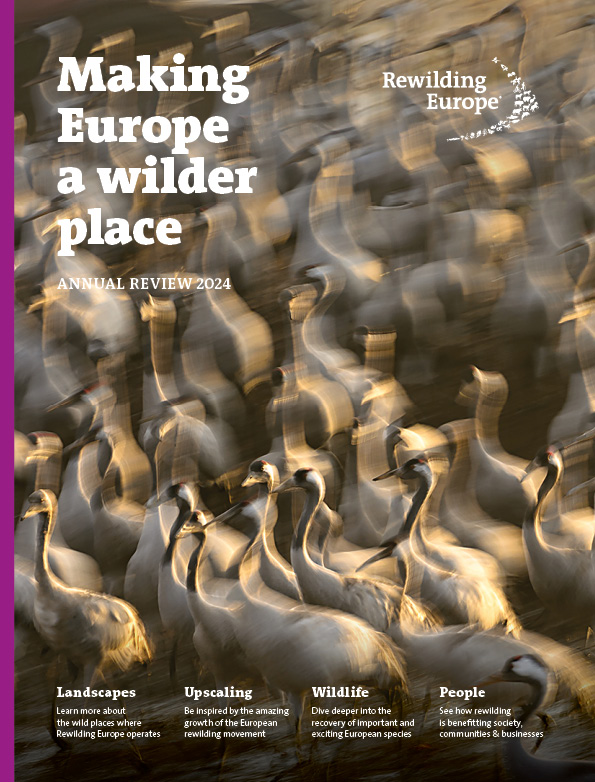
In June, we were delighted to present our Annual Review for 2024, which showed how and why we are working hard to demonstrate and catalyse rewilding on an ever-larger scale —both inside and outside our rewilding landscapes. With a fresh design, inspirational storytelling, and stunning wildlife photography, it showcased the tangible results and positive impacts achieved throughout the year — with five feature stories diving deeper into rewilding and its many benefits. We warmly invite everyone to read this publication, if you haven’t already!
Annual Review 2024
Two beautiful new documentaries
Award-winning French filmmaker Emmanuel Rondeau has spent the past three years creating the Wilder Europe documentary series, showcasing rewilding efforts across many of our landscapes. His intimate, visually stunning storytelling has resonated with people around the world, bringing the spirit of a wilder Europe to life.
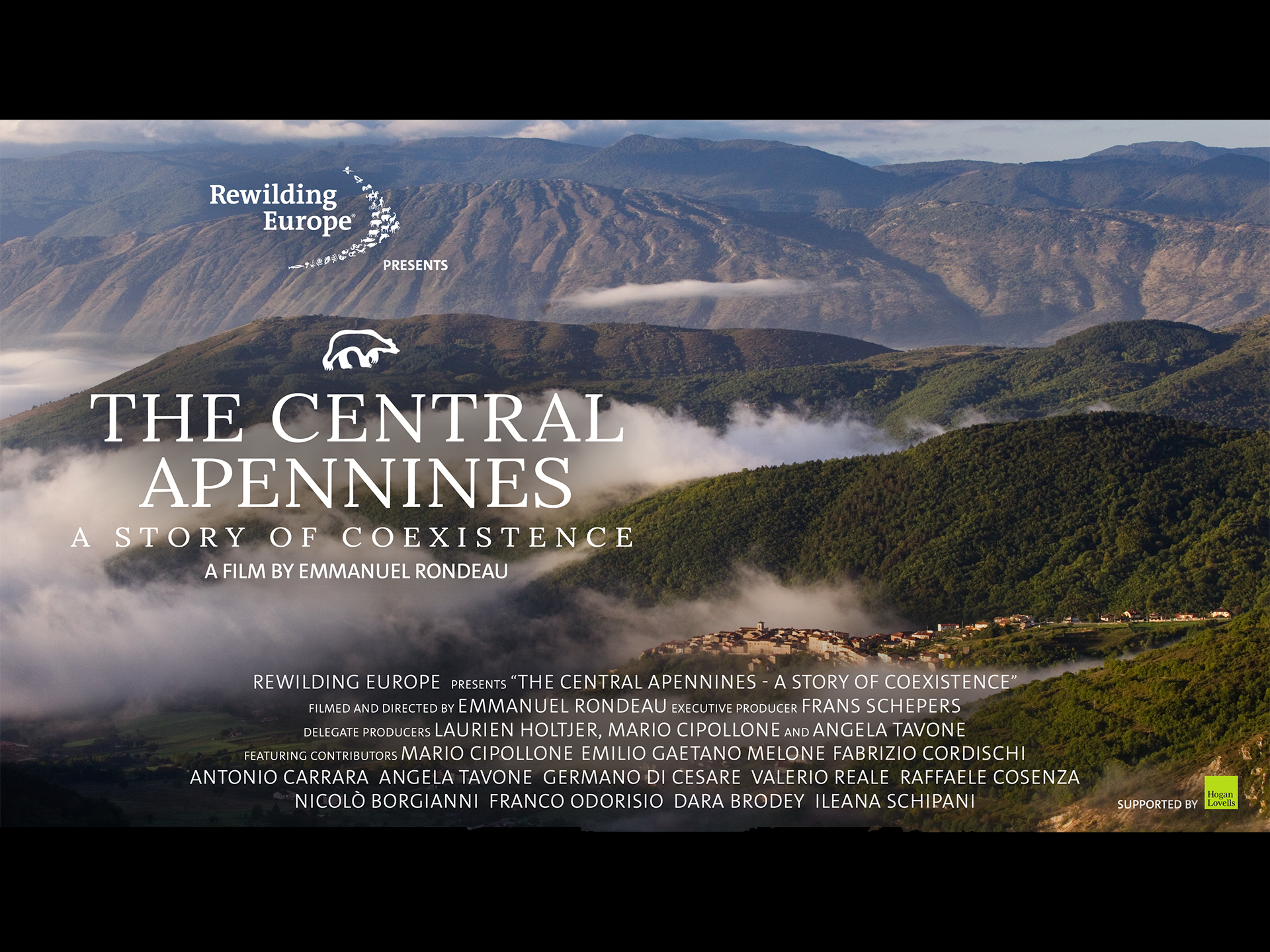
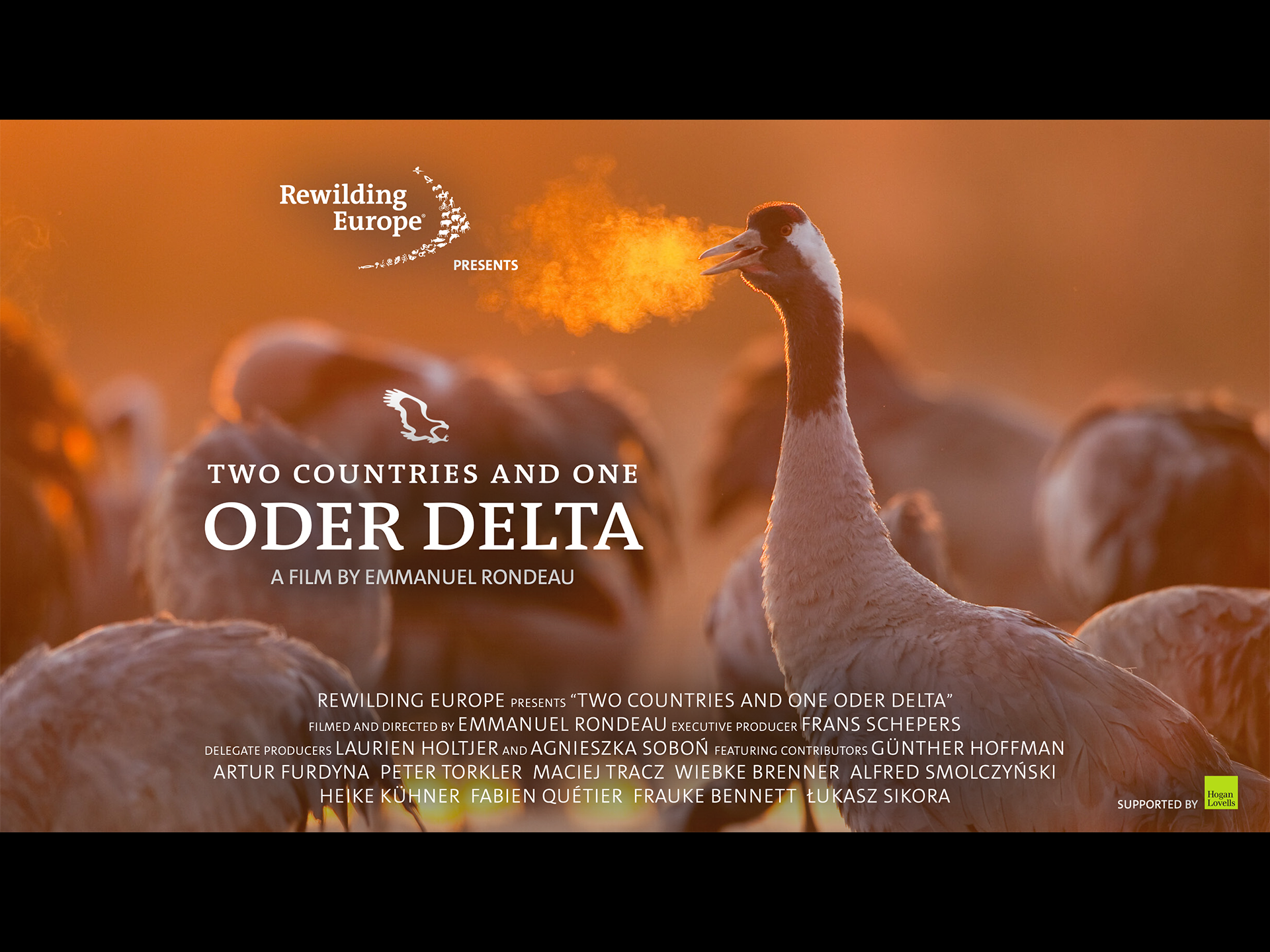
In March and June, the fourth and fifth installments — focused on the Oder Delta and Central Apennines — captivated live audiences and attracted thousands of online viewers.
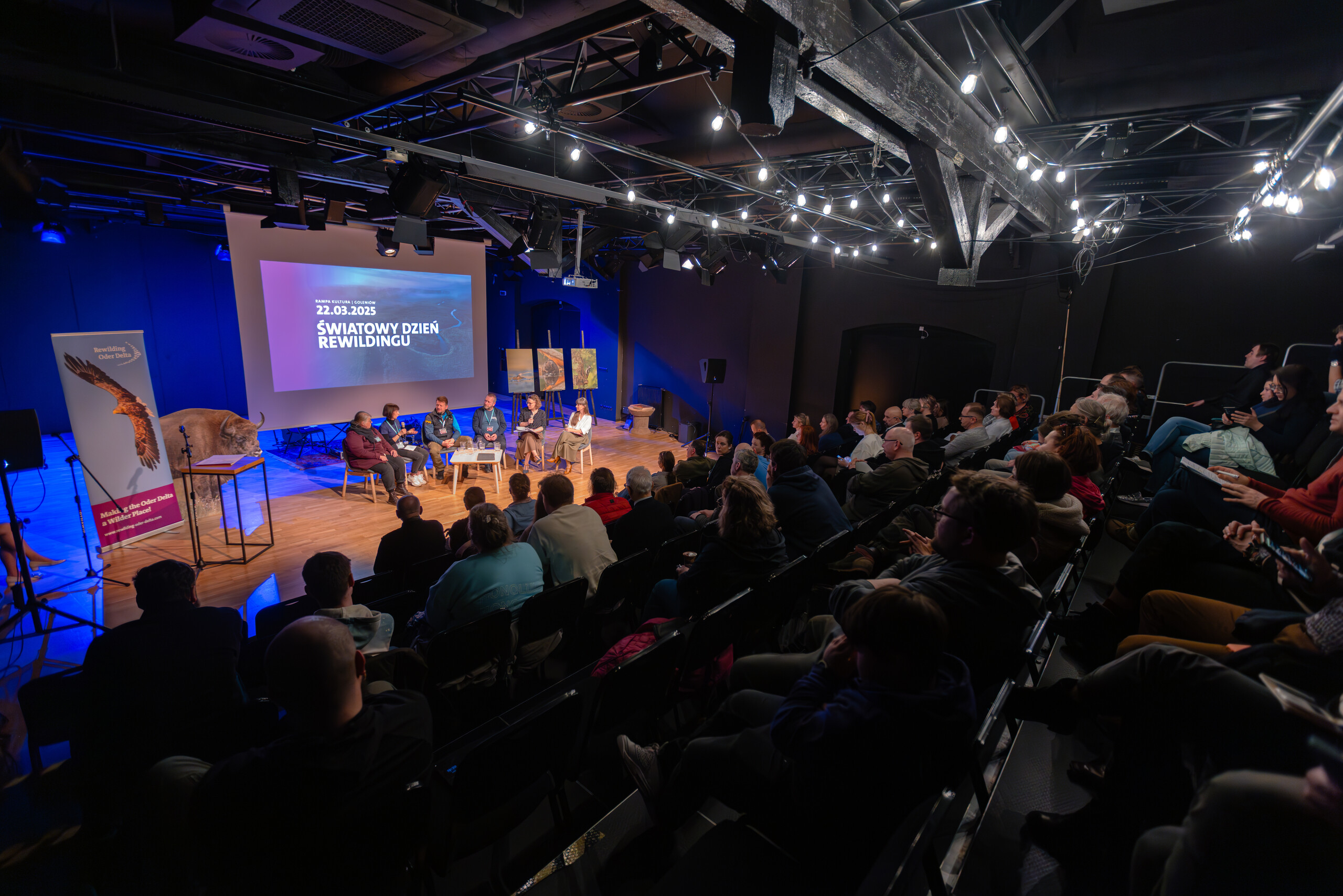
“Two Countries and One Oder Delta” premiered in the Polish town of Goleniów, as part of an event to celebrate World Rewilding Day, while “The Central Apennines: A Story of Co-existence” premiered in the city of L’Aquila.
Inspirational imagery
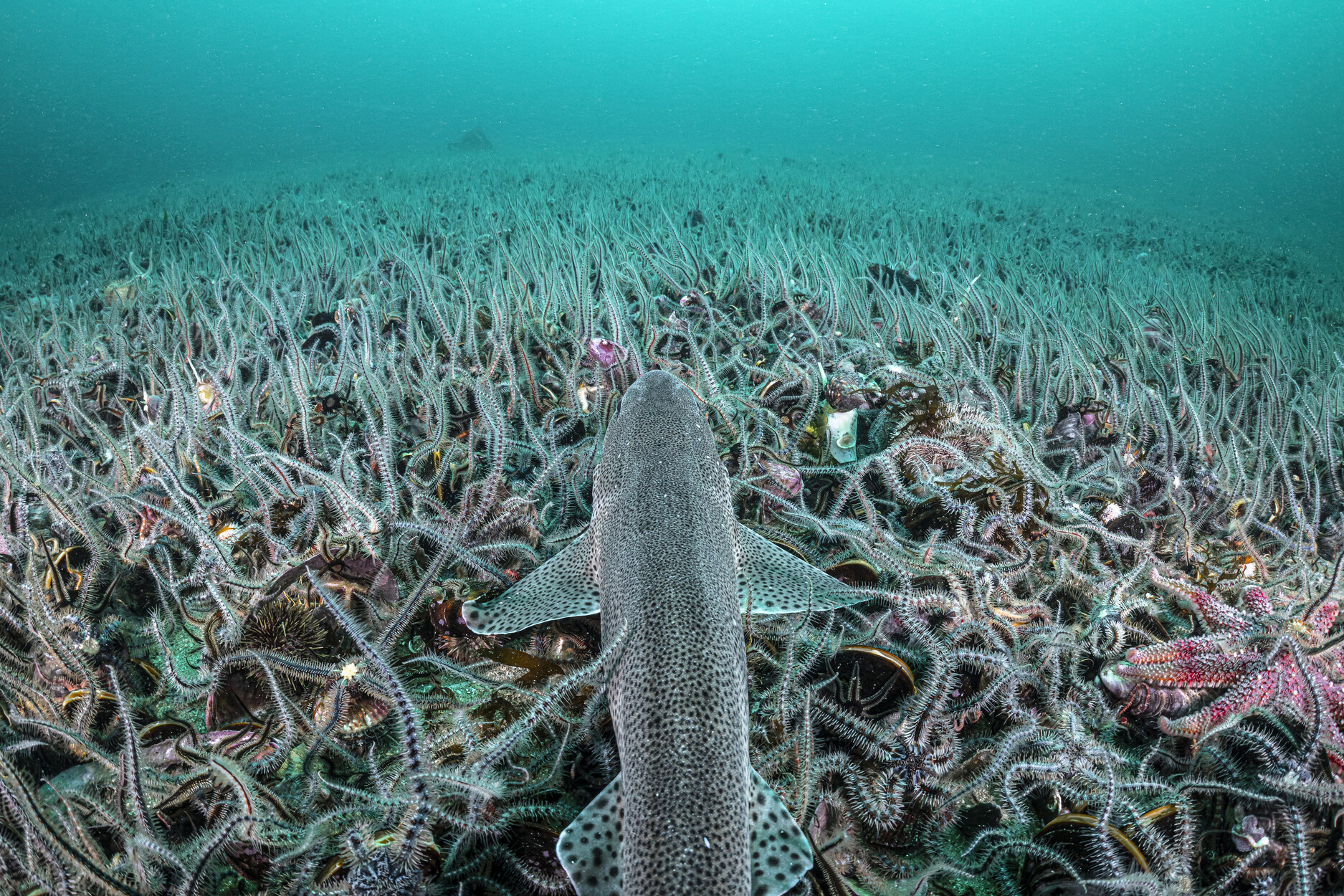
In October, Spanish photographer Jon A. Juárez was announced as the winner of this year’s Rewilding Europe Award, which celebrates some of the most striking rewilding-related imagery from across the continent. His winning photo, depicting the groundbreaking release of an Atlantic sturgeon in Sweden, illustrates the power of rewilding to breathe new life into landscapes and seascapes. A number of commendable runners-up also impressed the judges with their entries — the award’s top shots will feature in an exhibition that tours Germany and Europe over the next three years, inspiring audiences with their messages of achievement and hope.

Elena Gyldenkerne Massa

Jon A. Juarez / Rewilding Europe
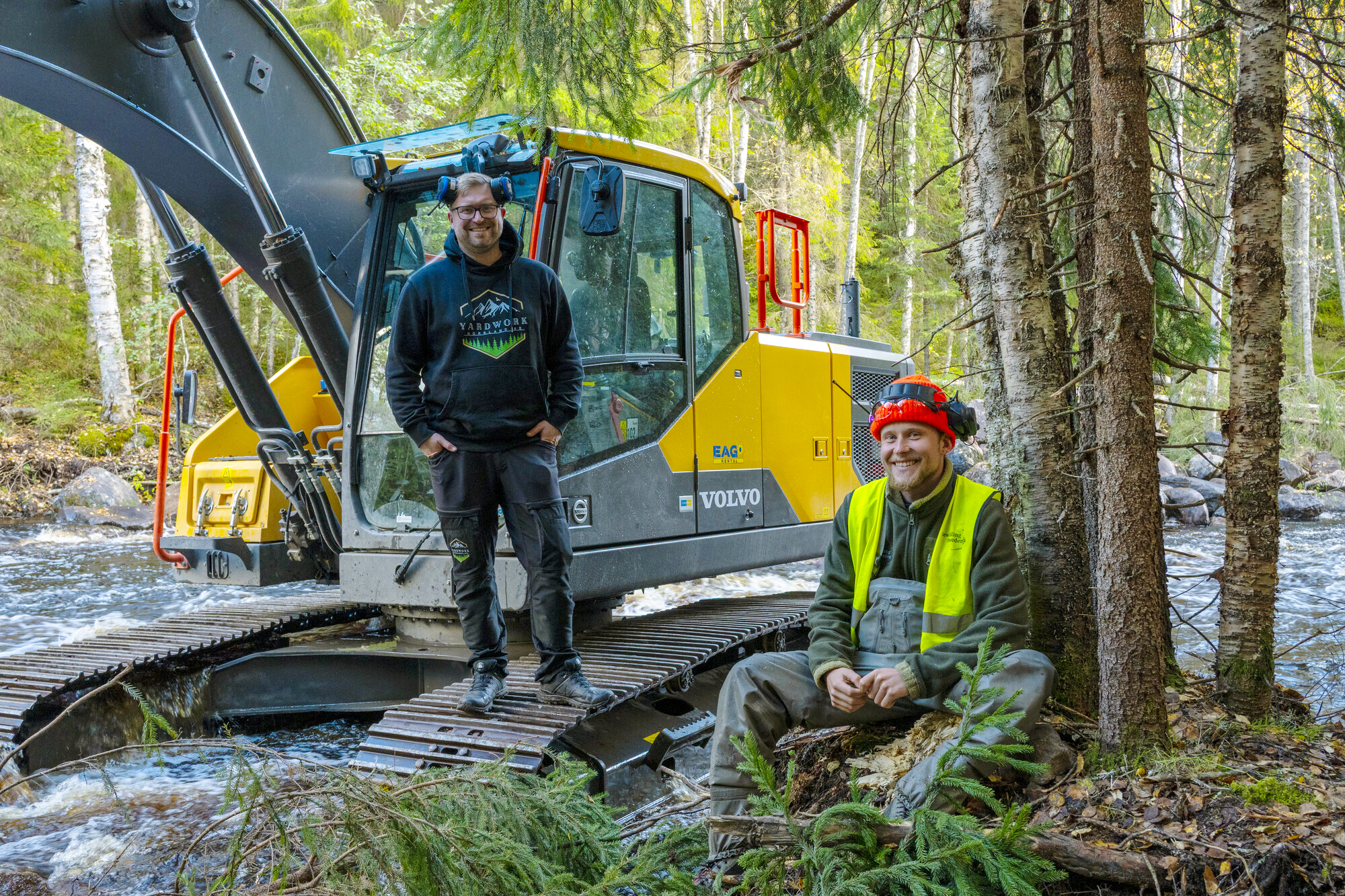
A blossoming rewilding movement
European Rewilding Network
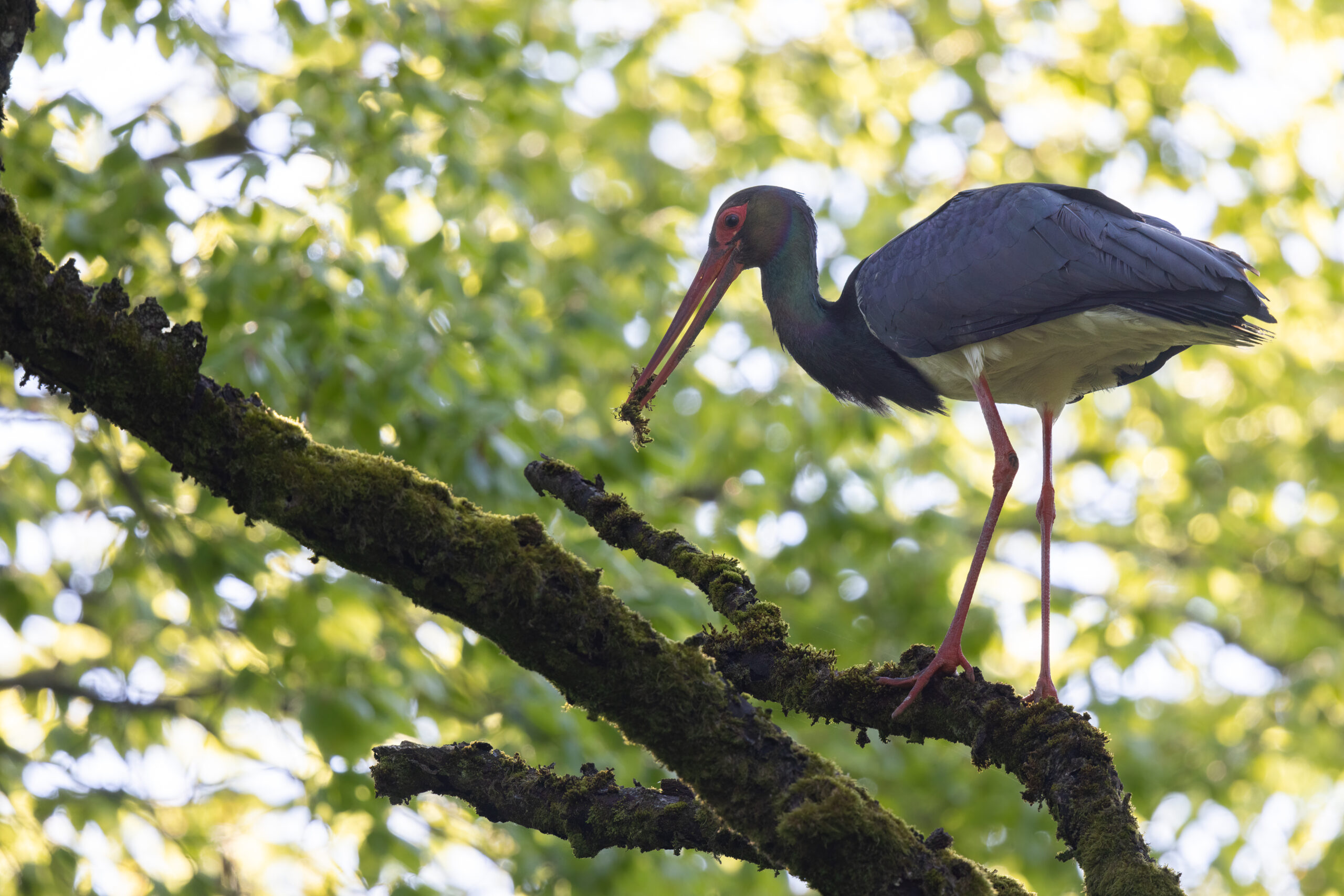
The European Rewilding Network benefitted from 14 new members in 2025, who each added valuable experience and expertise to this growing coalition of rewilding practitioners. These were:
- The Rewilding Dogger Bank initiative — a seven-member coalition led by the Doggerland Foundation — which is working to protect and restore Dogger Bank as the ecological beating heart of the North Sea.
- The Arc-Châteauvillain Integral Forest Reserve in northeastern France, where 3,000 hectares of previously managed forest is being allowed to regenerate.
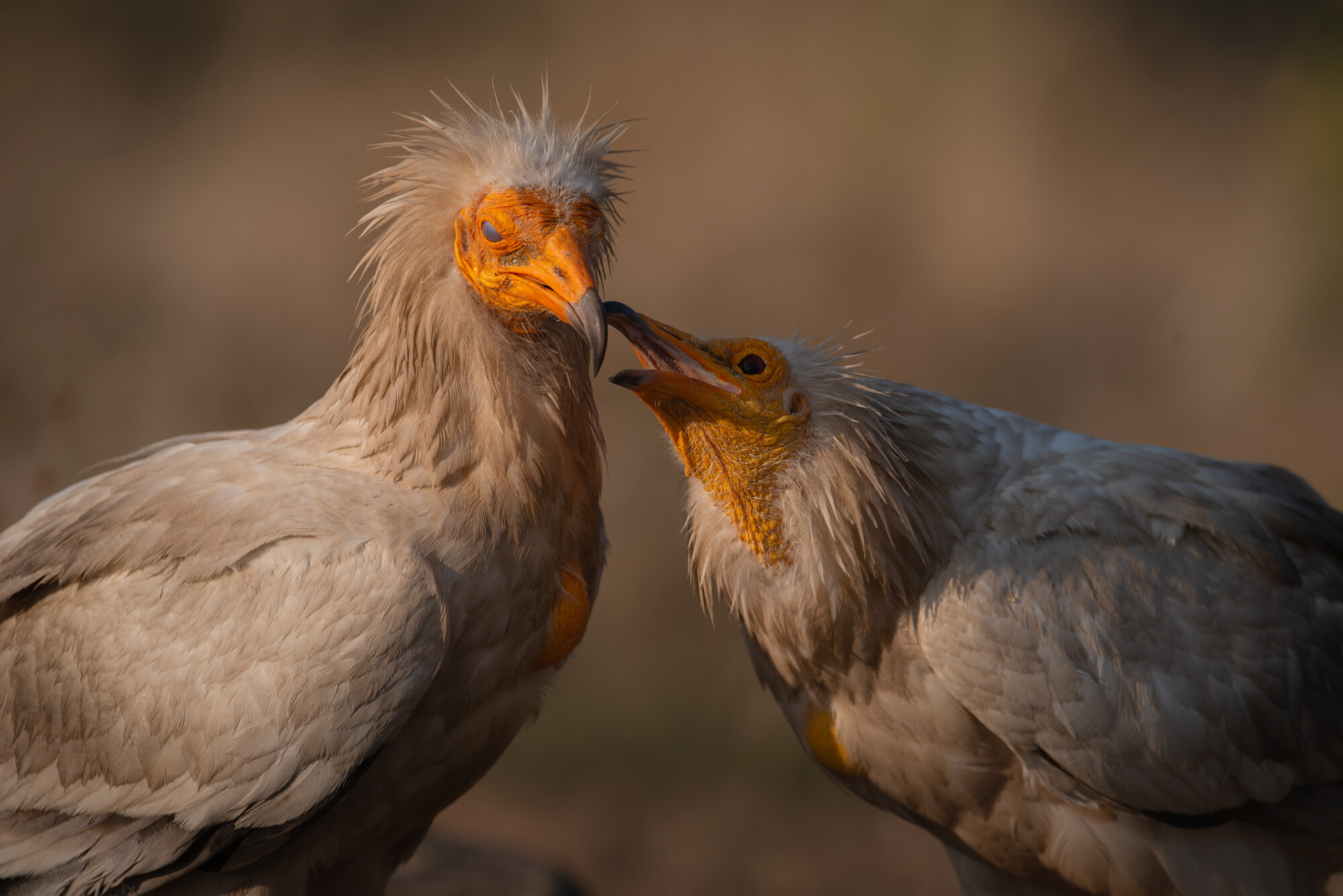
- The Tuscany-based CERM Endangered Raptors Centre Association, which is playing a pivotal role in protecting and enhancing Italy’s Egyptian vulture population.
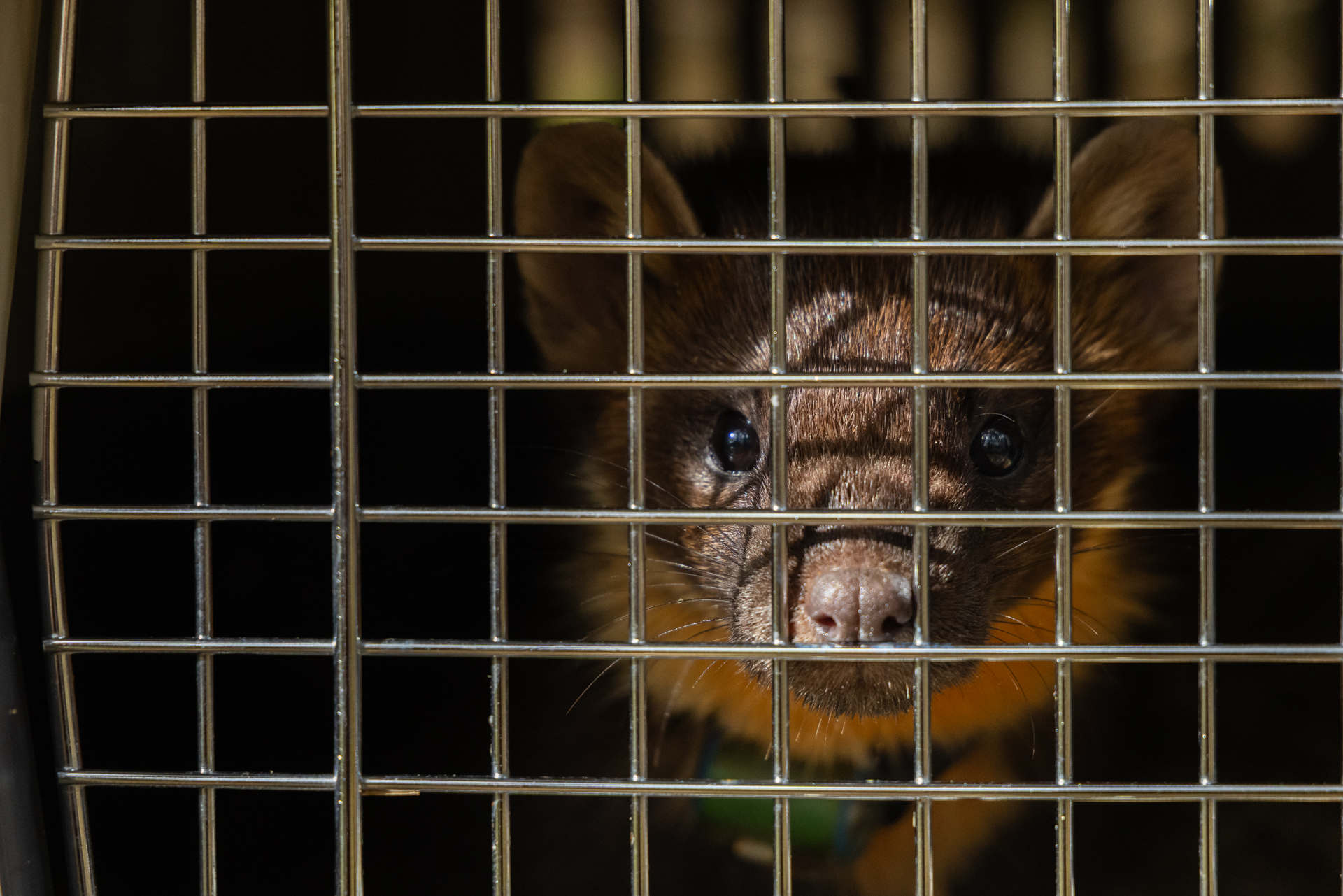
- The South Cumbria Pine Marten Recovery Project, which is bringing back one of the UK’s most elusive mammals to northwest England.
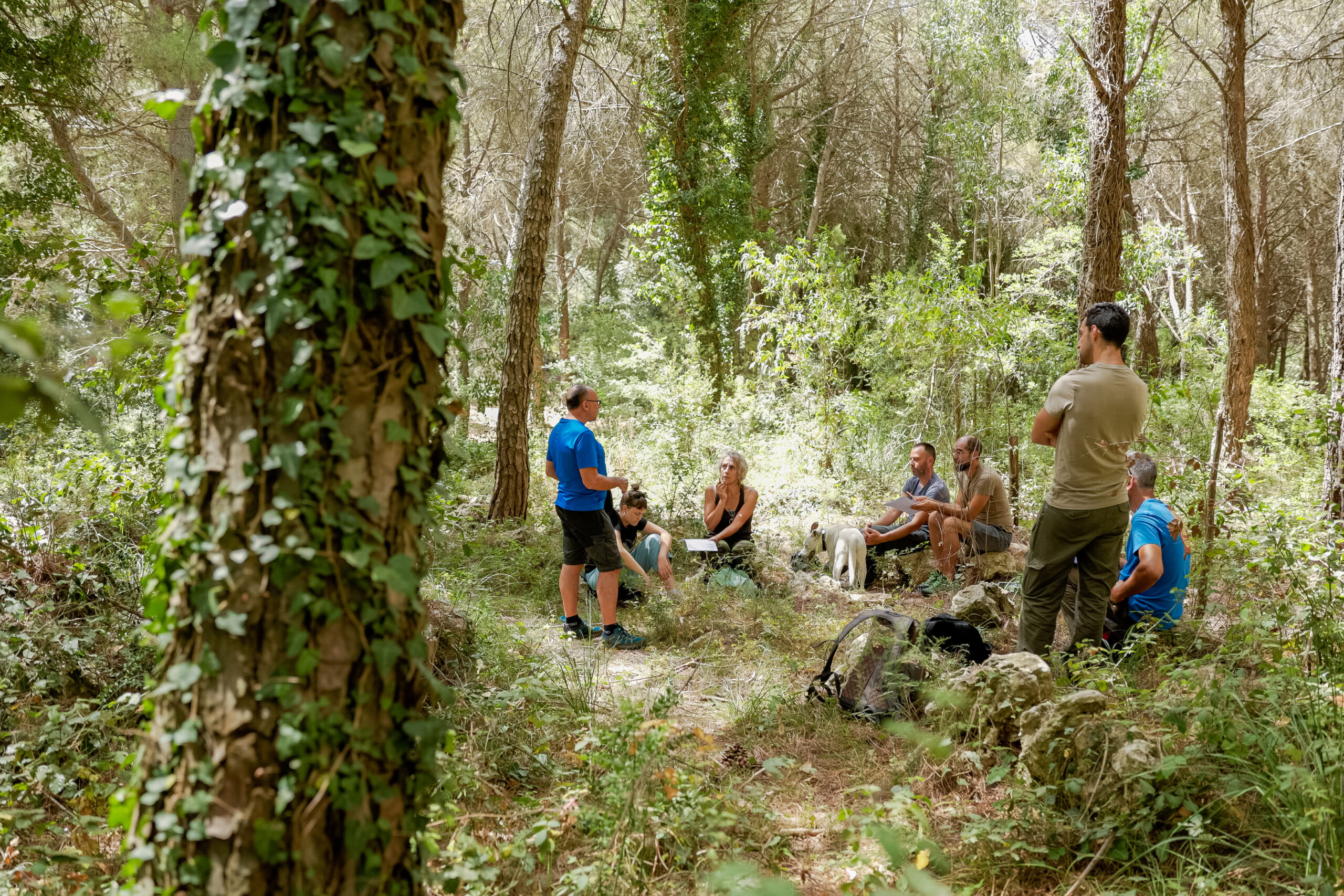
- The Collettivo Rewild Sicily initiative in Italy, which is working to rewild Sicily through agroforestry, anti-wildfire measures, citizen science, wildlife monitoring, and species reintroductions.
- The Wild Rivers in France initiative aims to restore and conserve rivers using a certification scheme, protecting 800 km of rivers through 30 initiatives to date.
With eight of the first 10 Wilder Parks joining in 2025 (the remaining two were already members), the network has now reached 112 members, distributed across 31 countries.
European Young Rewilders: milestone growth, magnified impact
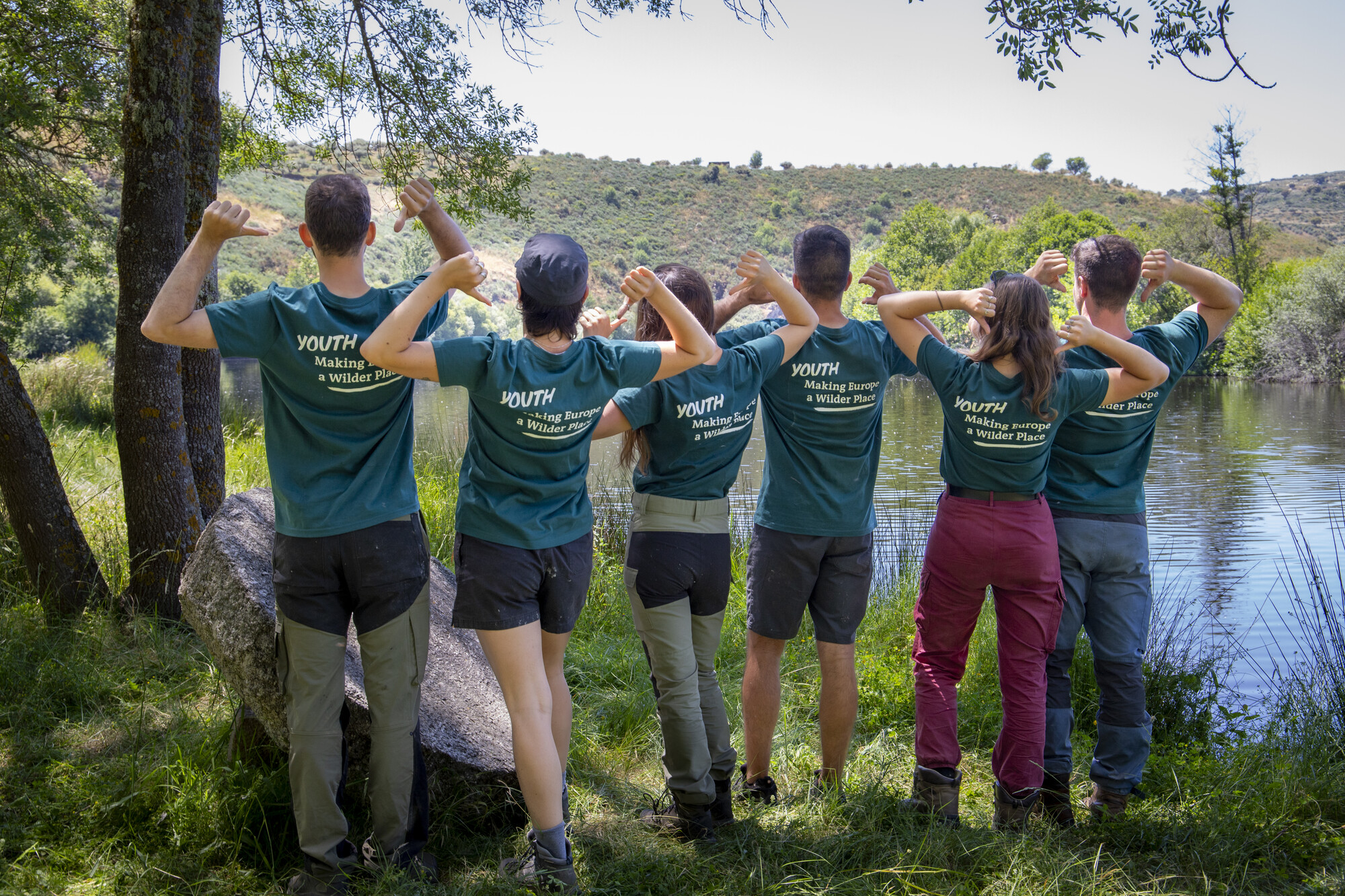
Three years on from its foundation, the European Young Rewilders is going stronger than ever, having just passed the 1000-member and 4000-online follower milestones. This growth shows that young people’s interest in rewilding is not a short-term craze — rather, that it taps into a generational, deep-seated aspiration and need to stand up for nature, be in nature, and restore nature.
But the real success story is not the growth in numbers, but how the ambitions of this talented and passionate community are translating into meaningful action. Read more about the growing impact of the European Young Rewilders.
Growing outreach
Awareness of rewilding continues to grow. Through international media coverage — including the BBC, The Guardian, Mongabay, and other leading national outlets — we reached more than 100 million people in 2025. Meanwhile, our social media channels together now count over 180,000 followers (+18.7% year-on-year), generating over 6.8 million post impressions (+203% year-on-year). With 15,000 newsletter subscribers and many supporters contributing through donations, we see a rapidly growing movement of people embracing rewilding and helping shape a wilder future for Europe.
Nature for people
Rewilding Europe Capital
Since it was established as a specialist financing division of Rewilding Europe, Rewilding Europe Capital has disbursed loans with a cumulative value of 2.7 million euros to 26 European entrepreneurs and partners, helping an increasingly diverse range of European nature-based businesses to thrive.
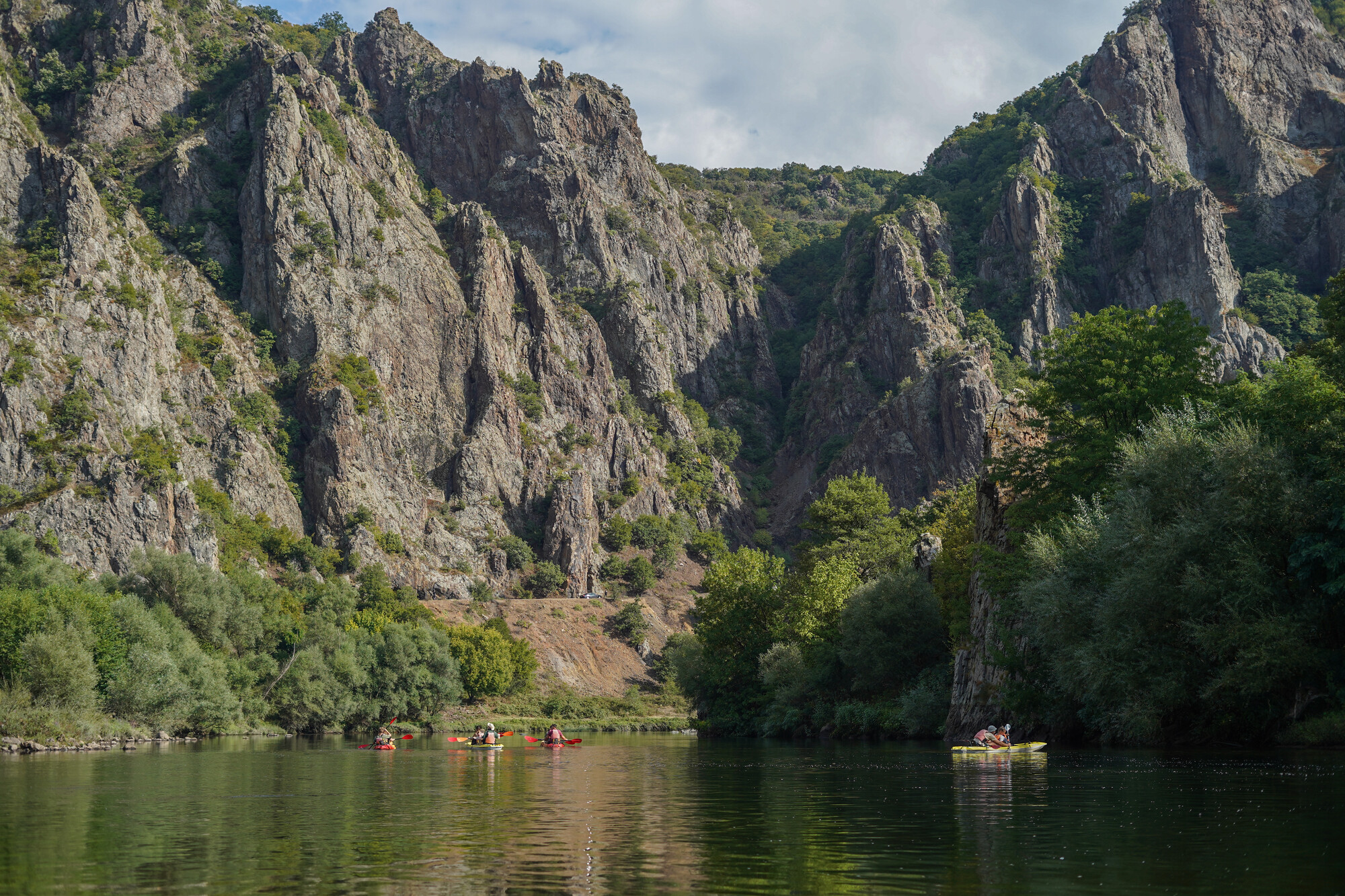
Following a loan made at the start of the year, Retezat 83 — a boutique accommodation located in the Southern Carpathians rewilding landscape — opened its doors in the summer, offering guests the chance to reconnect with nature and witness the positive impact of rewilding first-hand. And in October, a loan was disbursed to Nature Madzharovo, a nature-based tourism company located in the Rhodope Mountains rewilding landscape, to help transform an existing property into a guesthouse, renovate several wildlife hides, and purchase new boats for kayaking trips along the Arda River. As the business develops and creates more local employment opportunities, it will help nature and people in the area thrive together on a growing scale.
With rewilding efforts supporting nature recovery and wildlife comeback across our rewilding landscapes and beyond, there are burgeoning opportunities for the foundation and growth of nature-based businesses. If you own or know of a business that you believe would benefit from a partnership with Rewilding Europe Capital, or if you’d like further information, please contact our Conservation Finance Expert Daniel Veríssimo.

Retezat 83
Georgi Kurtev
Thank you
We would also like to say a heartfelt thank you to everyone who helped us move forwards in 2025 — from funding partners, donors, and investors, to scientists, photographers, and everyday citizens. We truly appreciate your support and look forward to bigger and wilder things over the next 12 months and beyond.
