
Across Europe, community leaders such as mayors play a vital role supporting nature recovery by helping people and wildlife share space. Launched at a well-attended webinar, new guidance will equip these leaders with the knowledge and solutions to enhance coexistence and unlock the benefits of wildlife comeback.
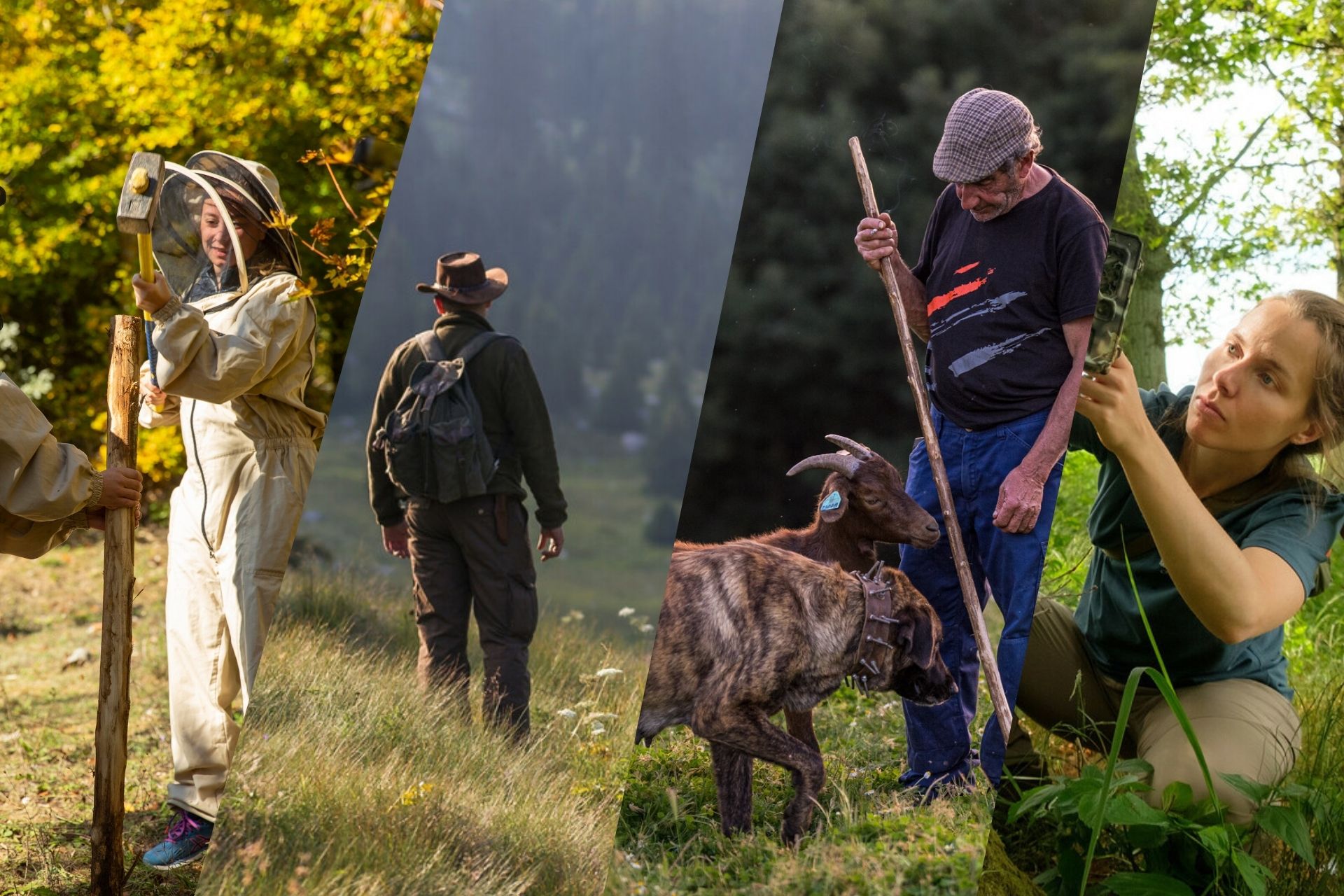
Community-led coexistence on the rise
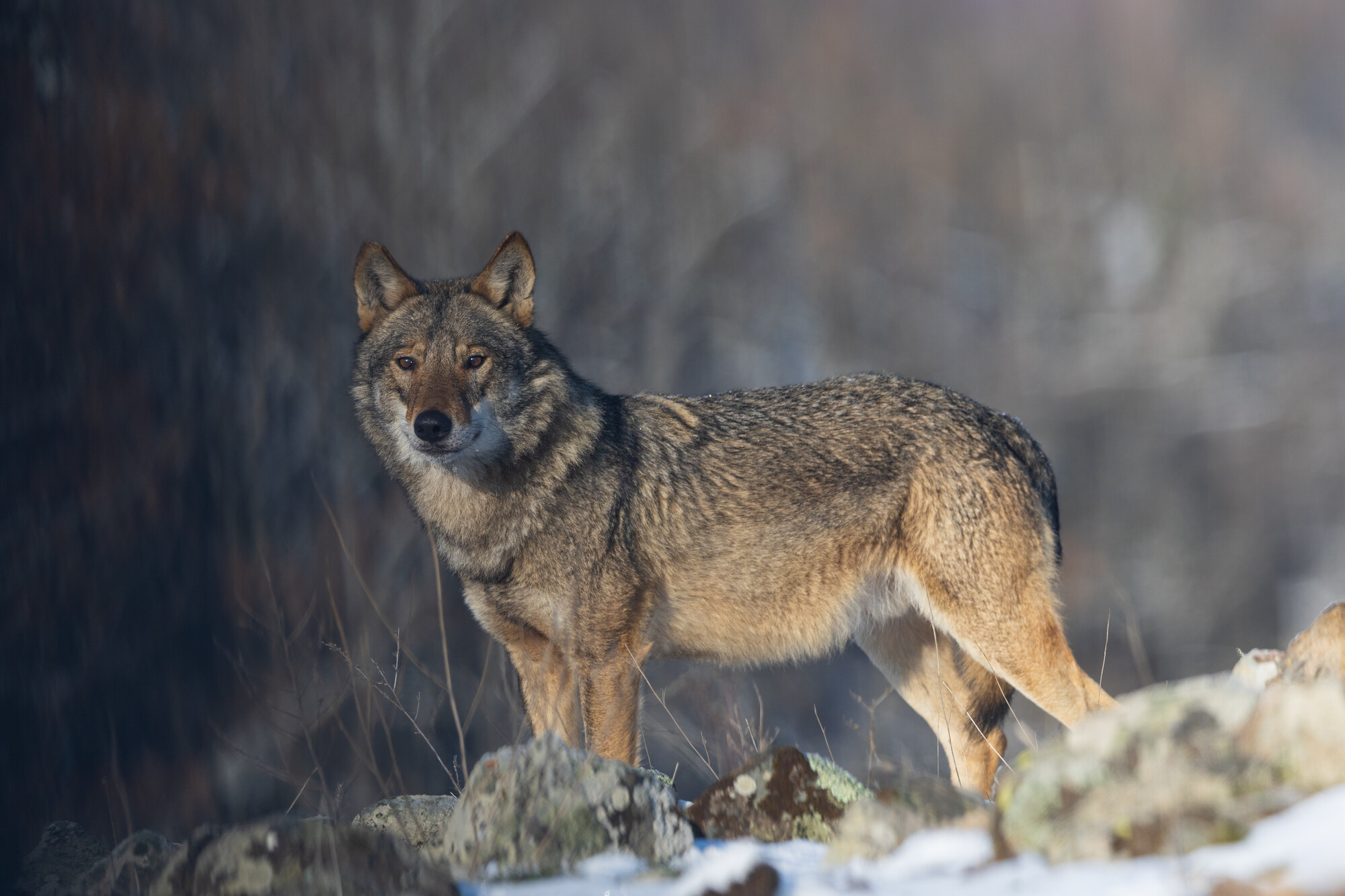
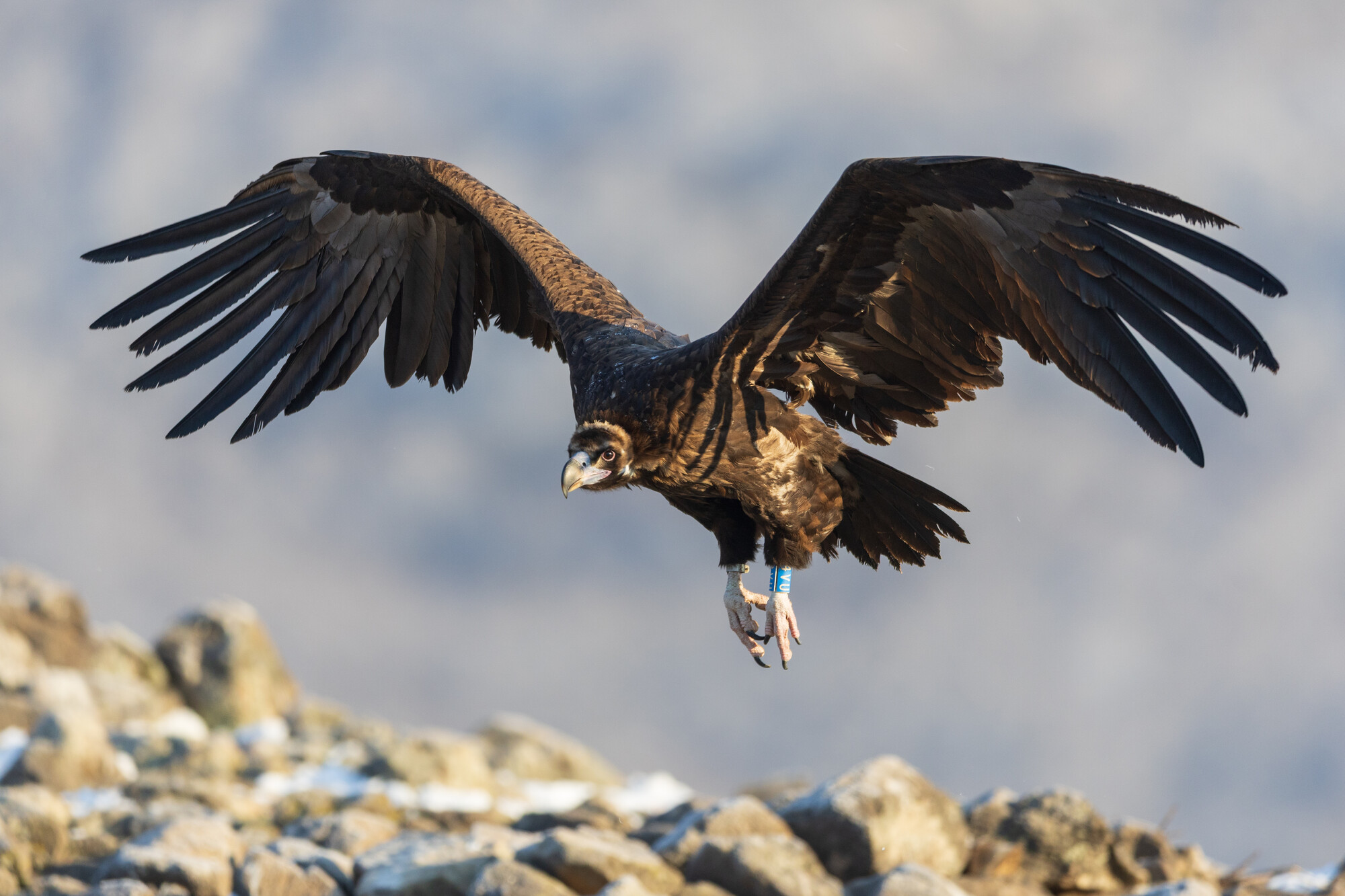
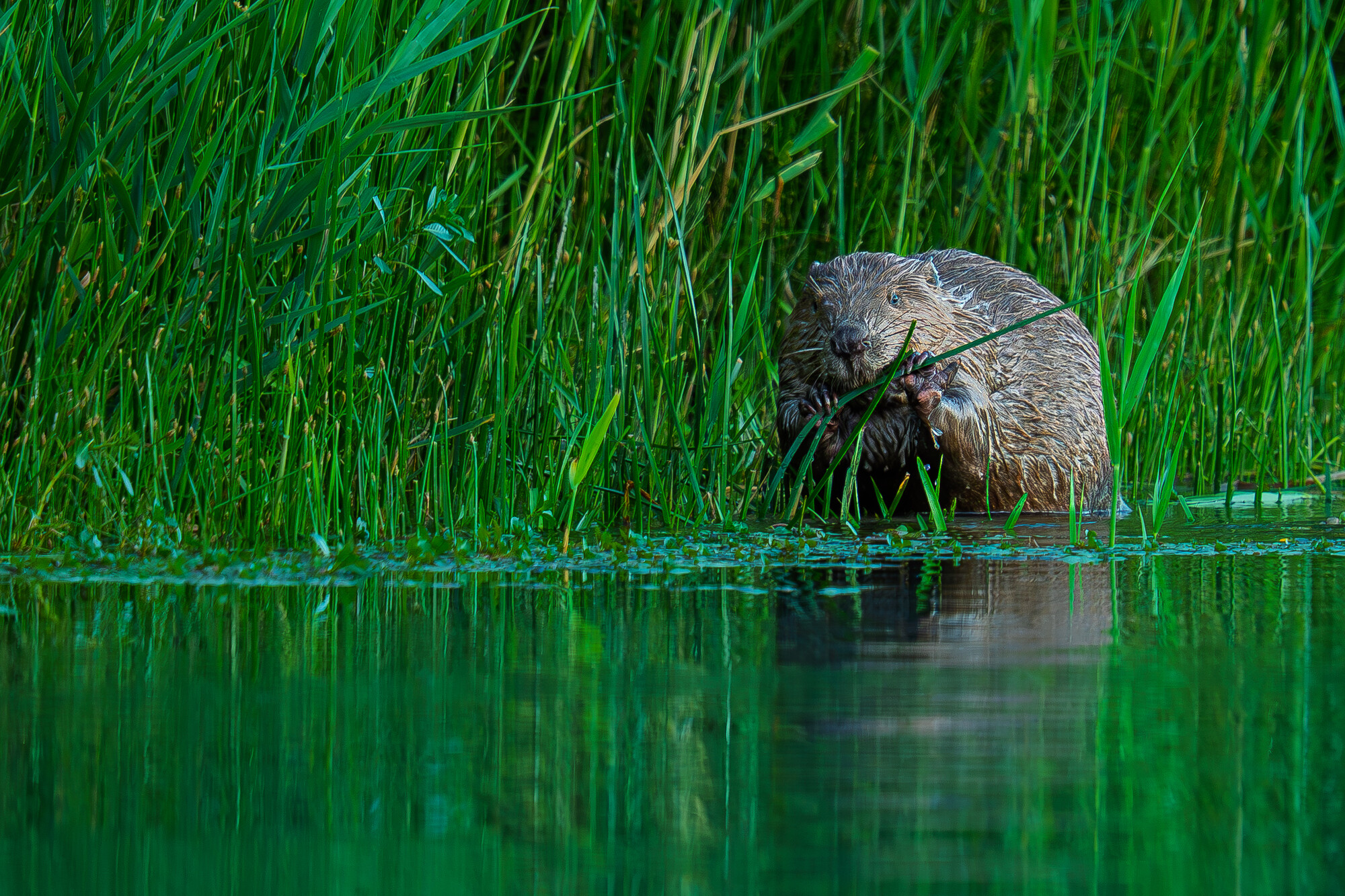
Across Europe, many wildlife species are making a remarkable resurgence — from bears and bison to wolves, vultures, and beavers. Yet many Europeans have largely forgotten how to live alongside wild animals, which often makes the return of wildlife a practical and social challenge. Addressing these challenges requires collaborative, grassroots approaches that allow people to share their opinions and experiences, and co-design plans and actions that work on an everyday level.
As communities adapt to the renewed presence of wildlife, momentum is growing around practical, locally led coexistence approaches that strengthen social cohesion, turn challenges into opportunities, and enable people and wildlife to thrive together. By building on this progress, we can amplify wildlife comeback and the benefits it brings for nature, climate, and society. This is why Rewilding Europe is working to advance human-wildlife coexistence across all its landscapes and beyond — shifting the dial from tolerance to shared prosperity.
New coexistence guidance: empowering local leaders
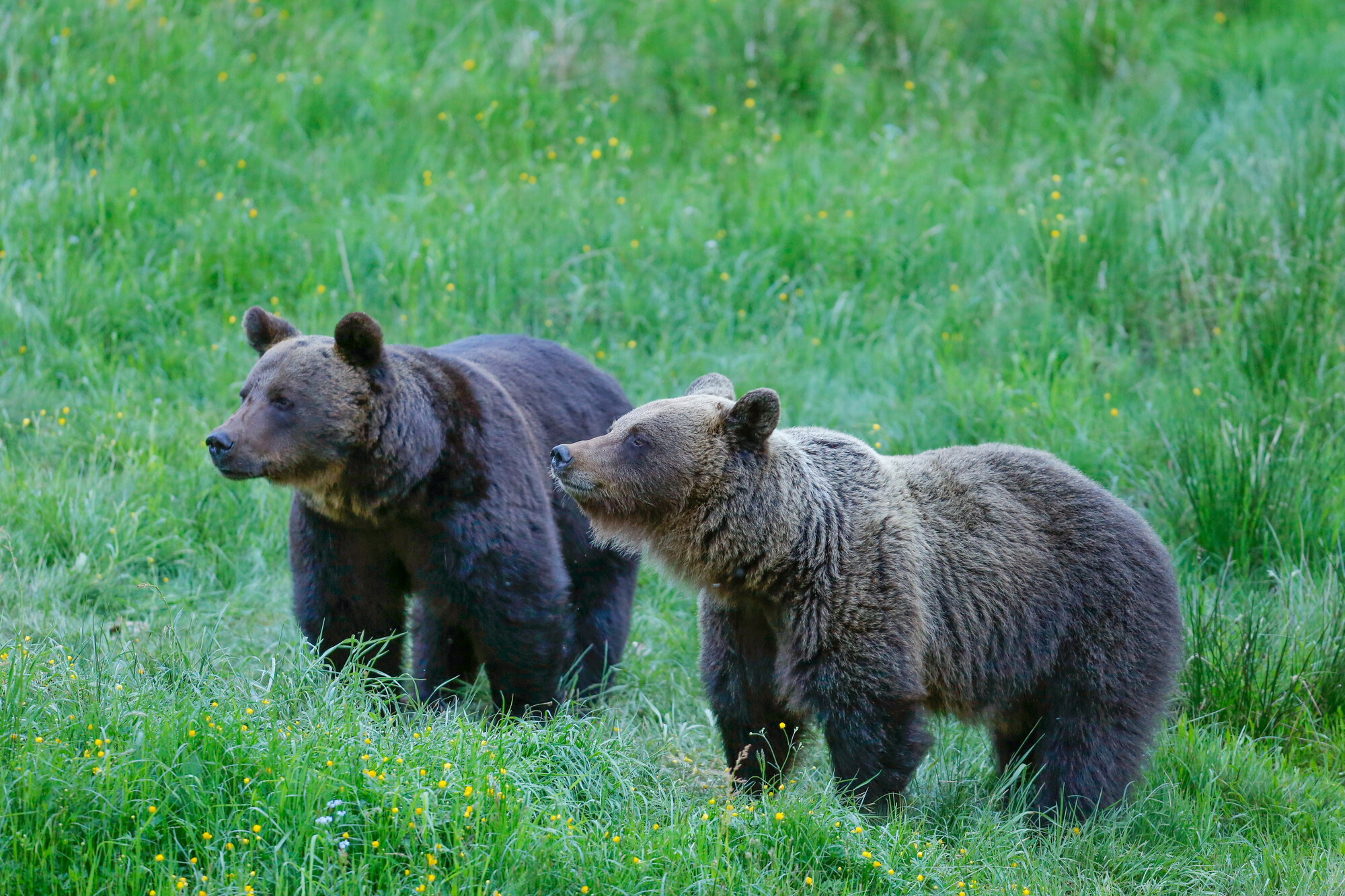
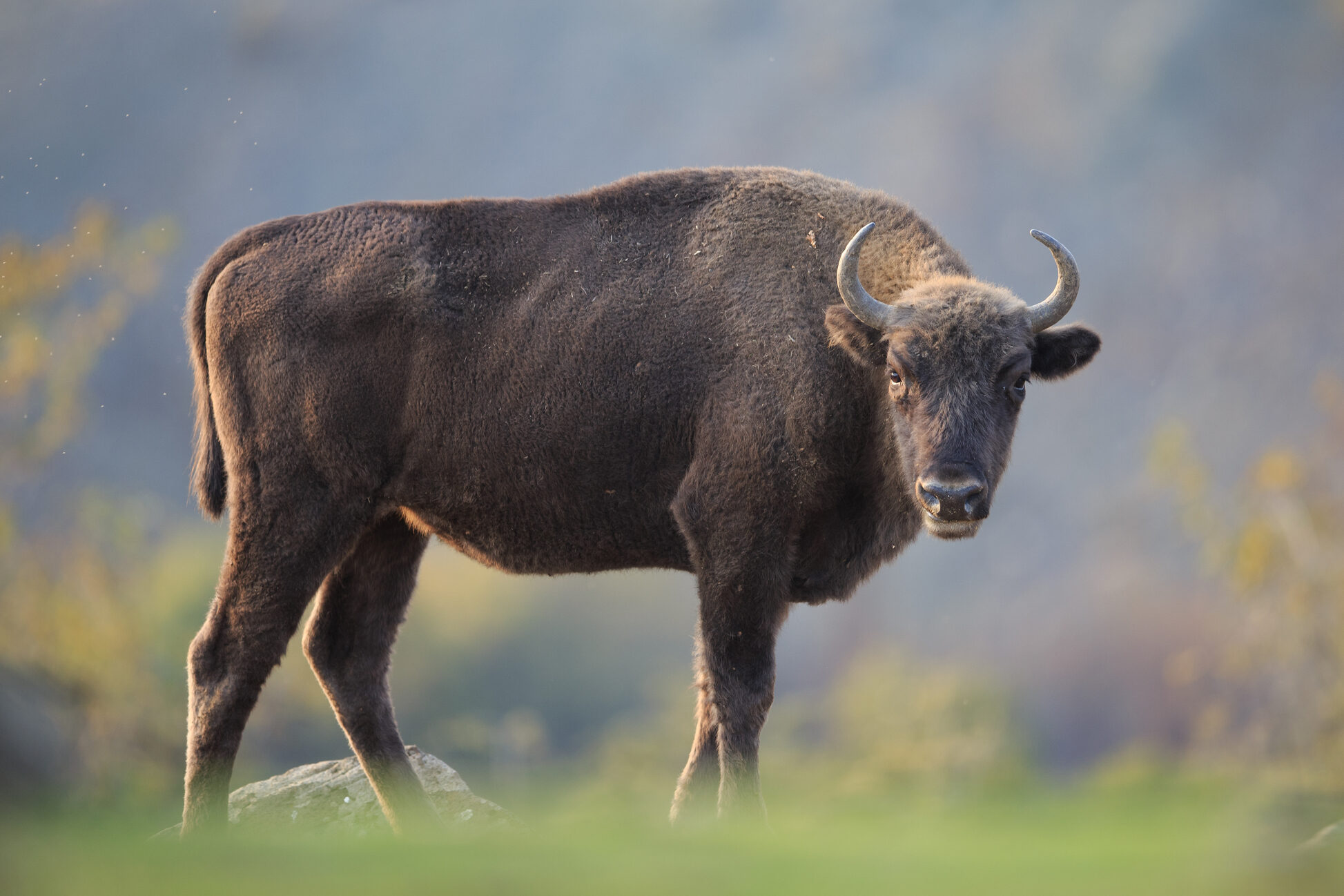
 A major milestone has been reached with the release of “Living well with wildlife: A practical guide” — a resource developed by Rewilding Europe and the Endangered Landscapes & Seascapes Programme. Full of real-world insights and inspirational case studies, the guidance provides practical tools to help municipalities, local authorities, and rewilding practitioners work with their communities to plan and carry out coexistence strategies. Its launch reflects growing readiness across Europe to share space with wildlife — including wolves, bears, beavers, and other keystone species whose numbers and ranges are increasing.
“Strong local leadership is essential to build a positive future for people and wildlife in Europe,” says Amy Duthie, Rewilding Europe’s Head of Upscaling. “With National Nature Restoration Plans now being drawn up by countries across Europe, now is the right time for local leaders to be recognised and supported in the essential role they play in enabling nature recovery. If you are passionate about human-wildlife coexistence and are willing to lead your community in this transition, then I warmly invite you to read this guidance.”
“It’s really exciting to see wildlife returning across many of the landscapes that the Endangered Landscapes & Seascapes Programme supports across Europe,” says Dr. Nancy Ockendon, Science Manager at the Endangered Landscapes & Seascapes Programme. “It’s vital that the communities experiencing these changes are given support early on, so that they can minimise the risks and make the most of new opportunities. This toolkit provides practical guidance to empower local communities to do this, while strengthening their pride in the remarkable wildlife they live alongside.”
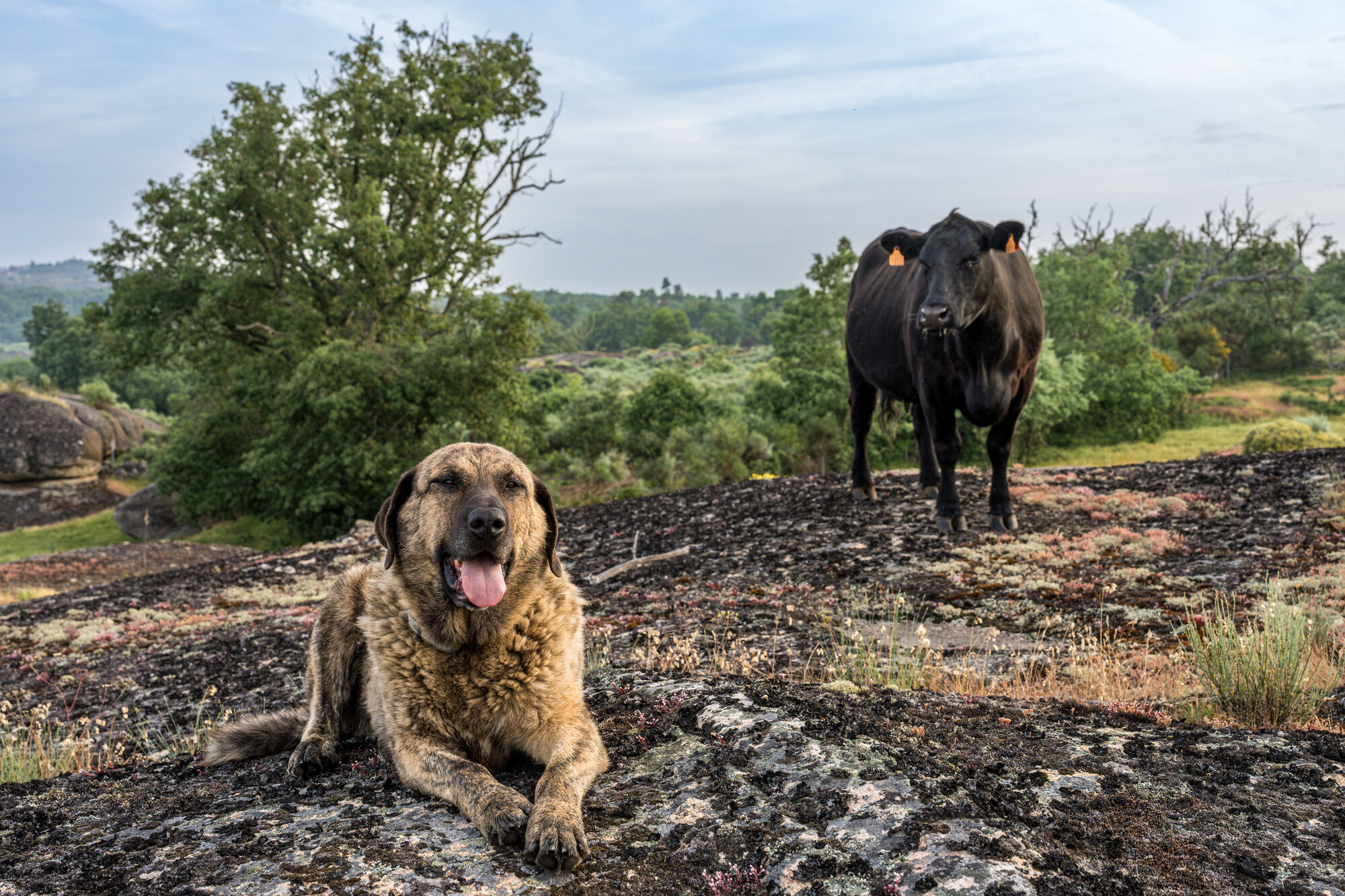
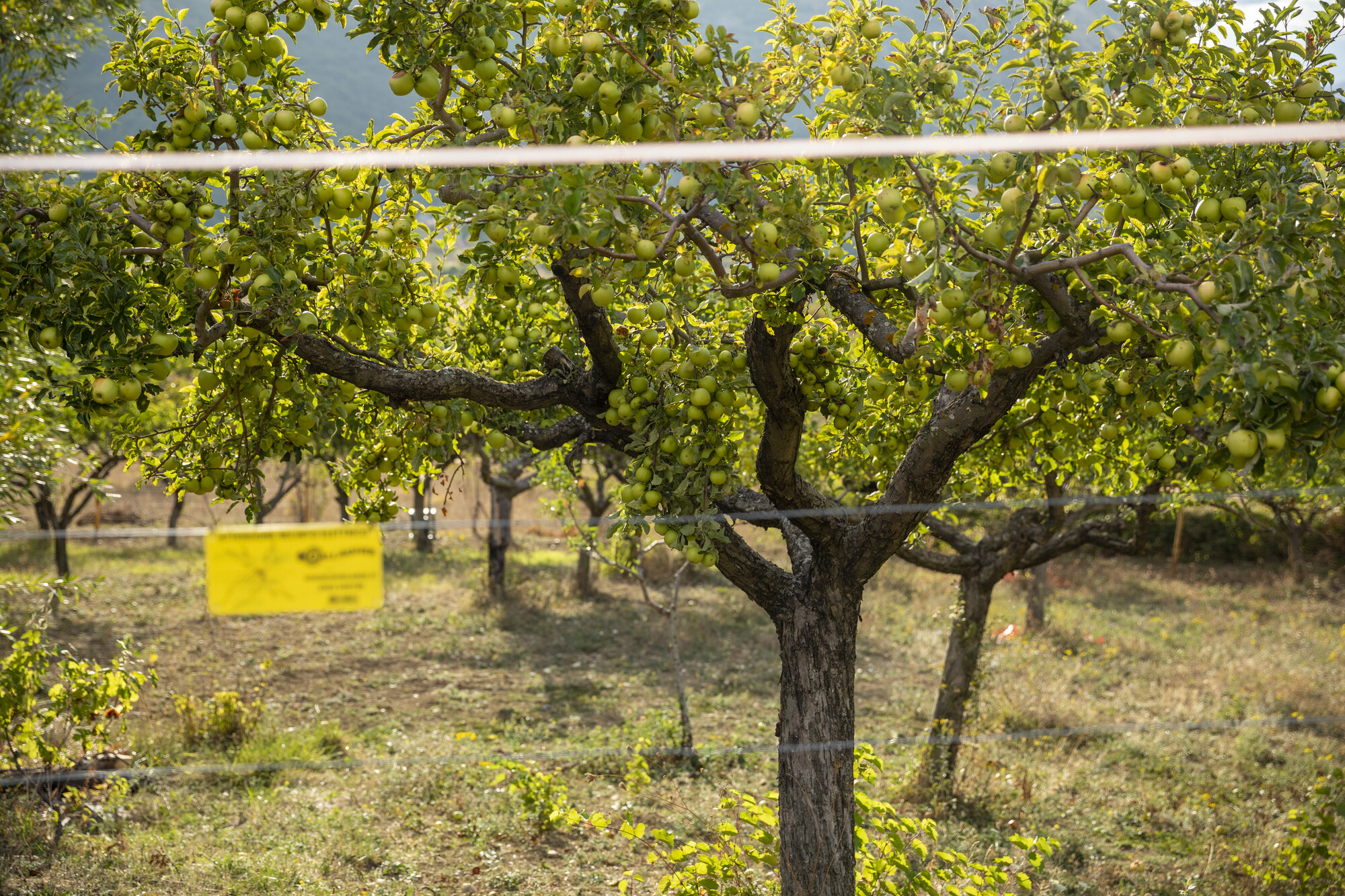
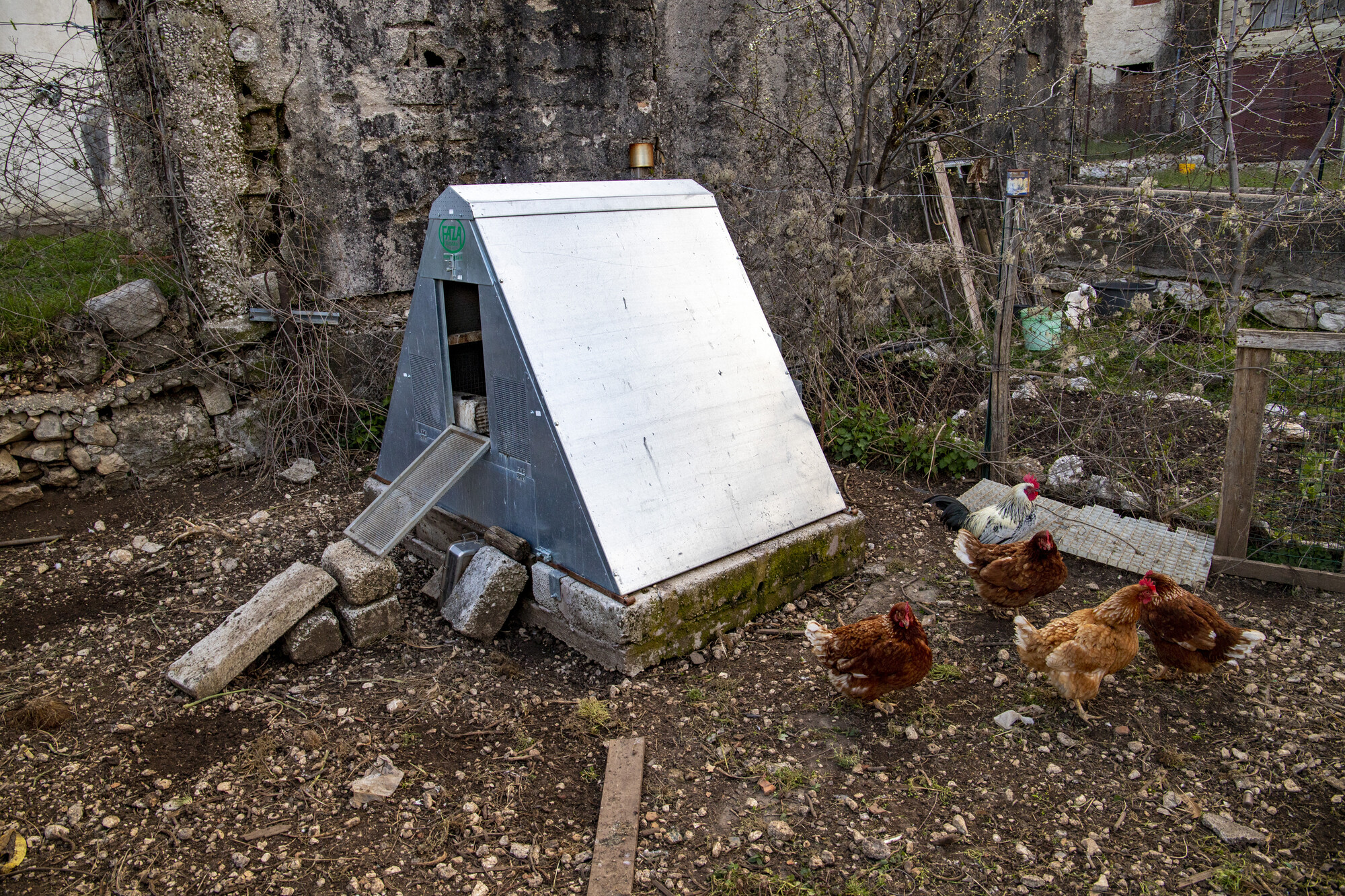
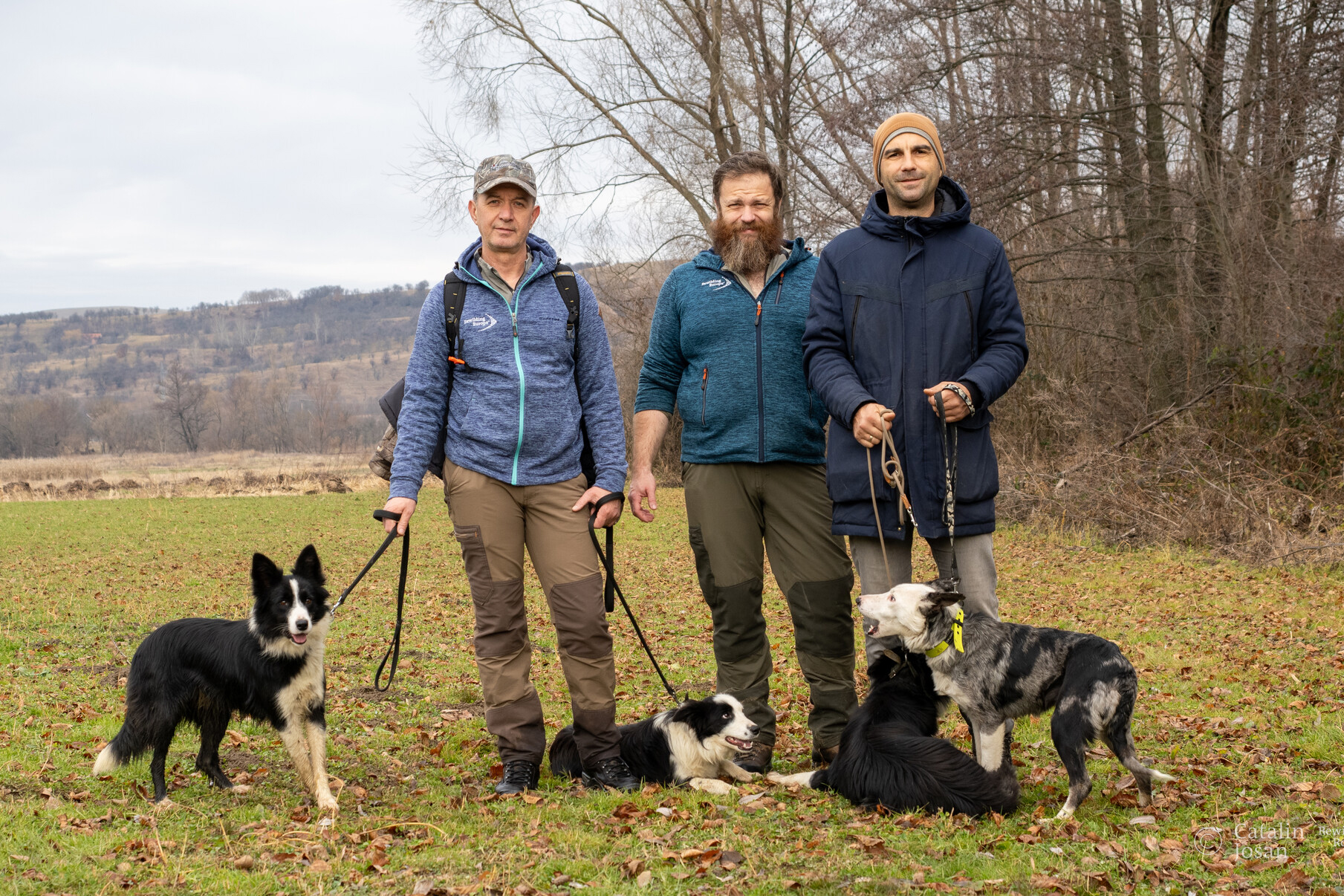
Webinar launch boosts outreach
The new coexistence guidance was introduced during an online webinar on 5 February, which attracted more than 680 participants from more than 70 countries. The strong turnout highlighted how deeply the issue of human-wildlife coexistence resonates worldwide, with people from many backgrounds taking part — including representatives of national parks and municipalities, as well as policymakers, veterinarians, farmers, and communicators. More than 120 people have now registered to access the guidance on Rewilding Europe’s School of Rewilding, with this number continuing to rise on a daily basis.
Webinar participants heard from a diverse group of speakers who helped shape the guidance or are putting its principles into practice. Amy Duthie presented the guidance, while Svetlana Tesic, Co-Founder of the Mayors of Europe, discussed the role of mayors in driving social change. Rewilding Apennines team leader Mario Cipollone shared how “Bear-Smart Communities“ are improving coexistence in Italy’s Central Apennines. Francesco Romito, Vice President of Io non ho paura del lupo, spoke about the return of wolves in Italy, while Miroslav Kutal, scientific advisor at the Large Carnivore Conservation Programme in the Czech Republic, highlighted the role of citizen science in building coexistence.
A collective step towards a wilder Europe
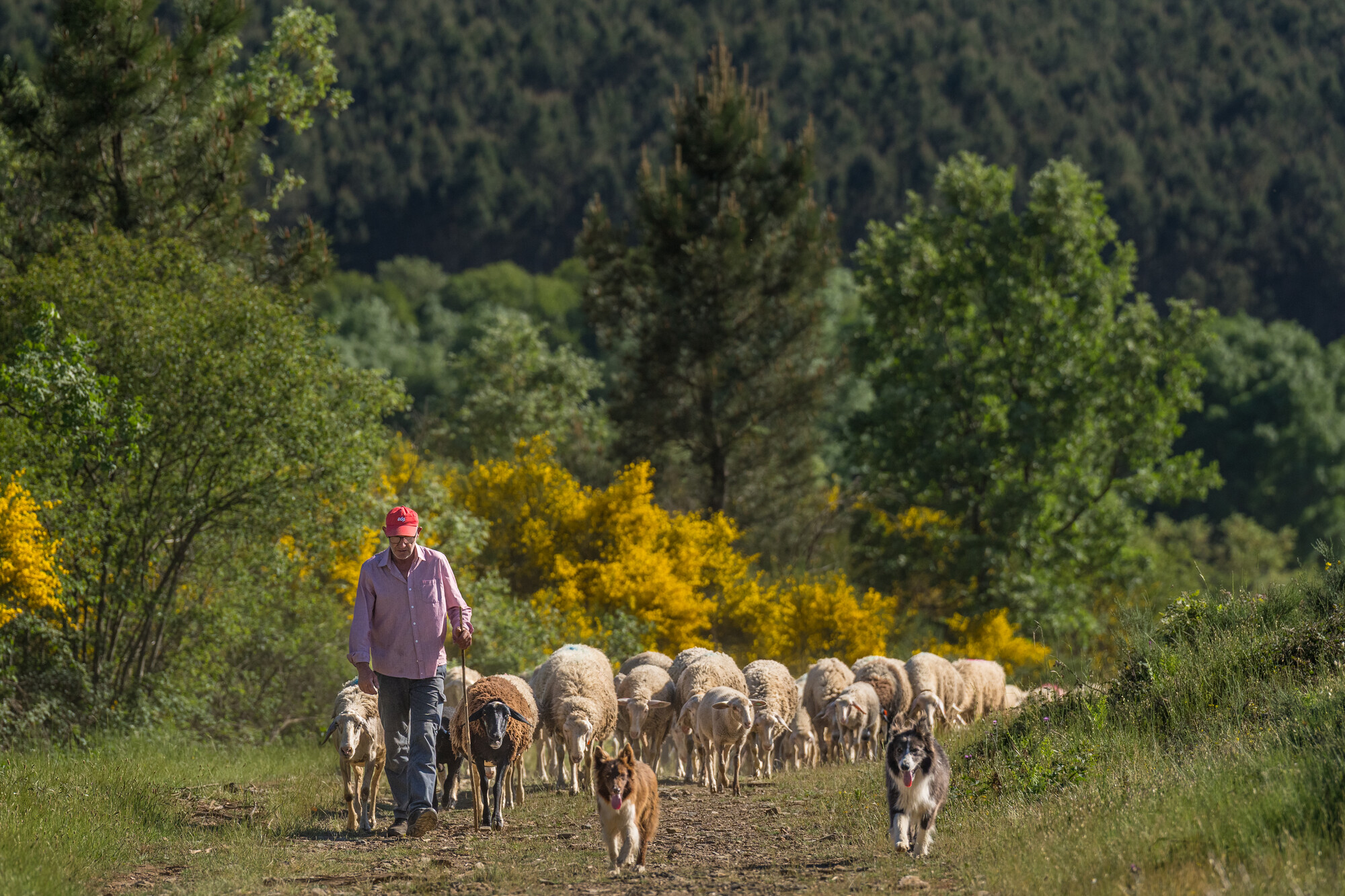
Every place in Europe has its own experiences with wildlife, bringing unique challenges and opportunities linked to nature recovery. Despite these differences, common steps can be taken everywhere to address concerns, prevent harm, and create conditions in which people and wildlife can live well alongside one another. The new guidance provides a practical, step-by-step process for developing coexistence actions tailored to local contexts — from Portugal and Spain to Romania and Scotland.
Rewilding is about more than restoring landscapes — it’s about rebuilding relationships between people, wildlife, and place. Local leaders play a vital role in helping reconnect people with nature and reimagine their surroundings. When humans and wildlife share space, this not only creates ecological balance, but also hope, resilience, and a sense of belonging.
Rooted in the belief that Europe can be both wilder and wiser, the new guidance equips leaders across the continent with the tools and inspiration to navigate complex realities and unlock the shared benefits of coexistence. In doing so, it invites us to view species such as beavers, bison, wolves, and bears as essential allies in shaping wilder, healthier, more prosperous landscapes.
