
The partners of the Rewilding Dogger Bank coalition are working to protect and restore Dogger Bank as the ecological beating heart of the North Sea. Their efforts to raise the profile of marine rewilding in Europe make the initiative a highly valued new member of the European Rewilding Network.
From ancient landmass to marine wildlife haven
Once upon a time — before the age of industrialisation — the North Sea teemed with marine life. But go back further still, and the land beneath the sea itself was a thriving ecosystem, home to a rich diversity of terrestrial species. Until the end of the last ice age, people and animals could move freely between Britain and continental Europe across Doggerland — a vast land bridge with hills, valleys and forests, abundant wildlife, and a significant human population. Then great ice sheets melted, sea levels rose, Doggerland slipped beneath the waves, and Britain became an island.
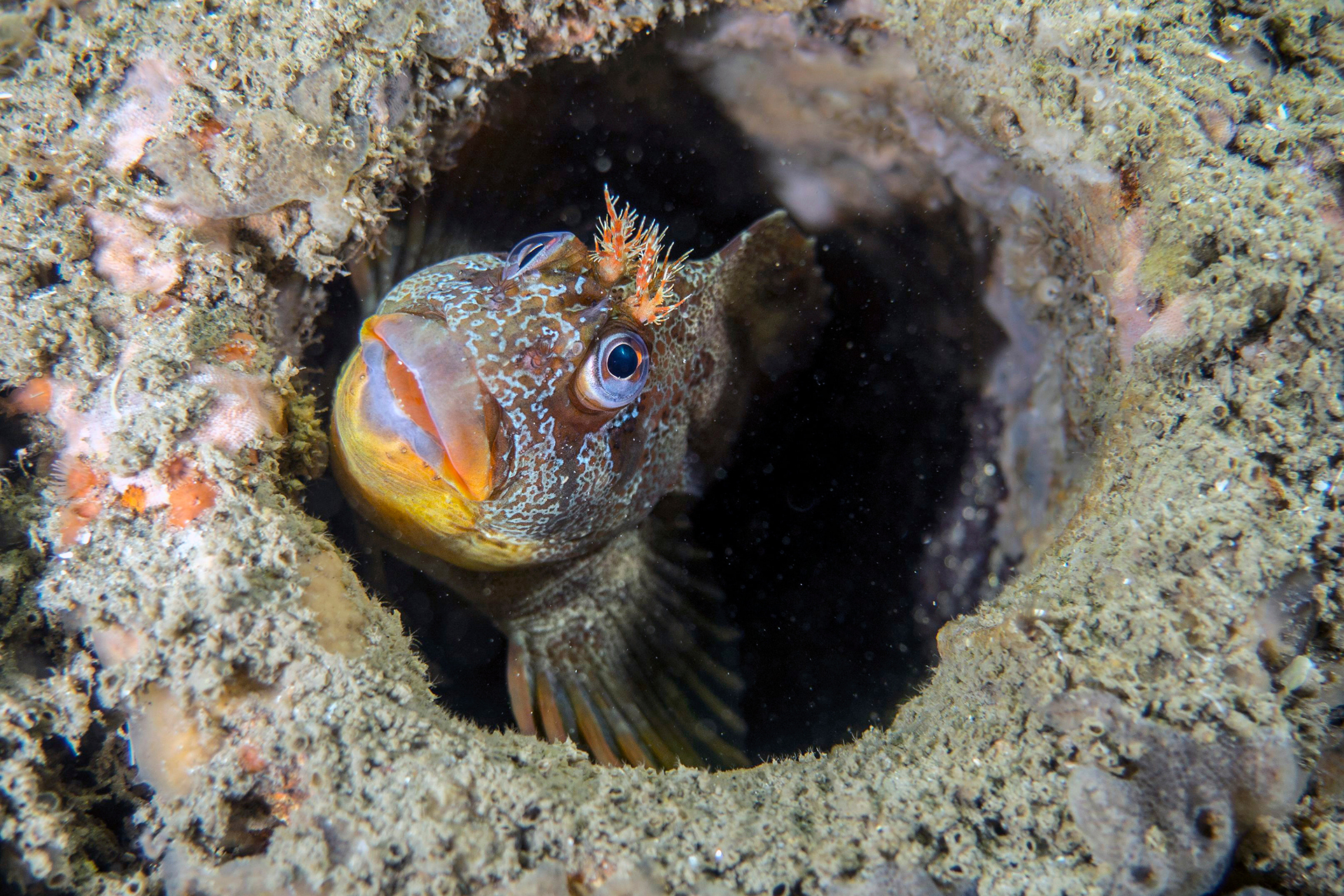
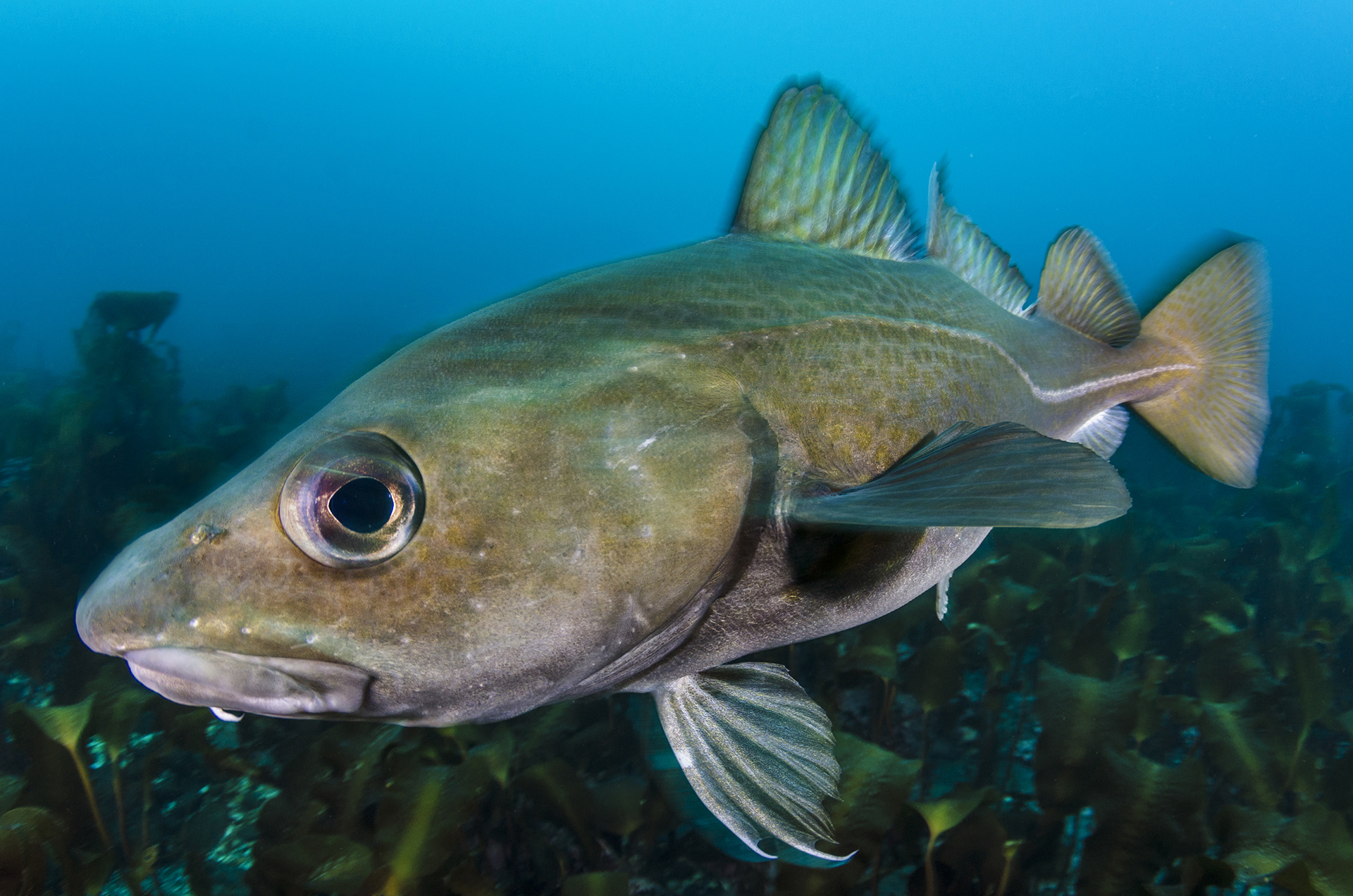
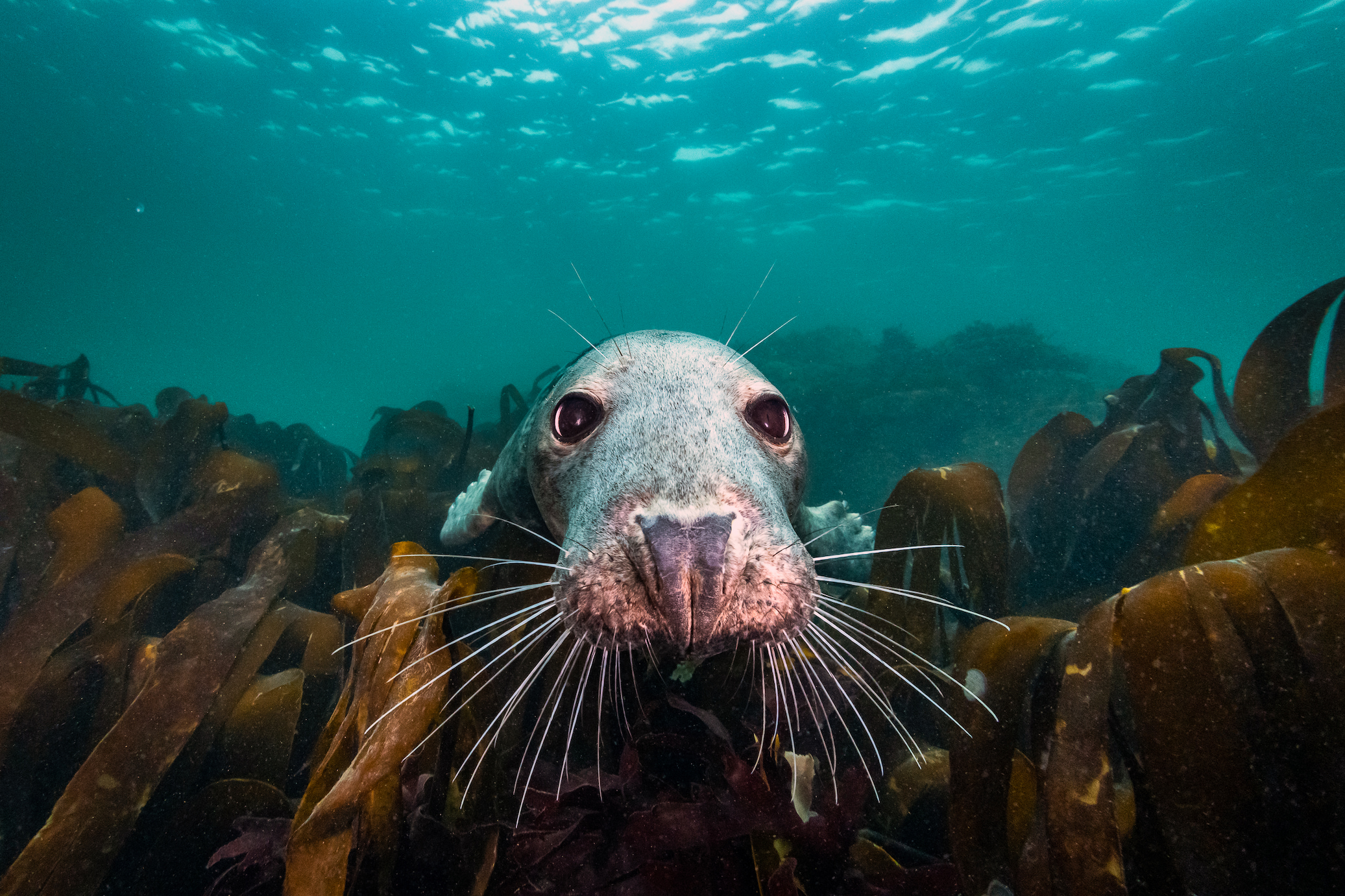
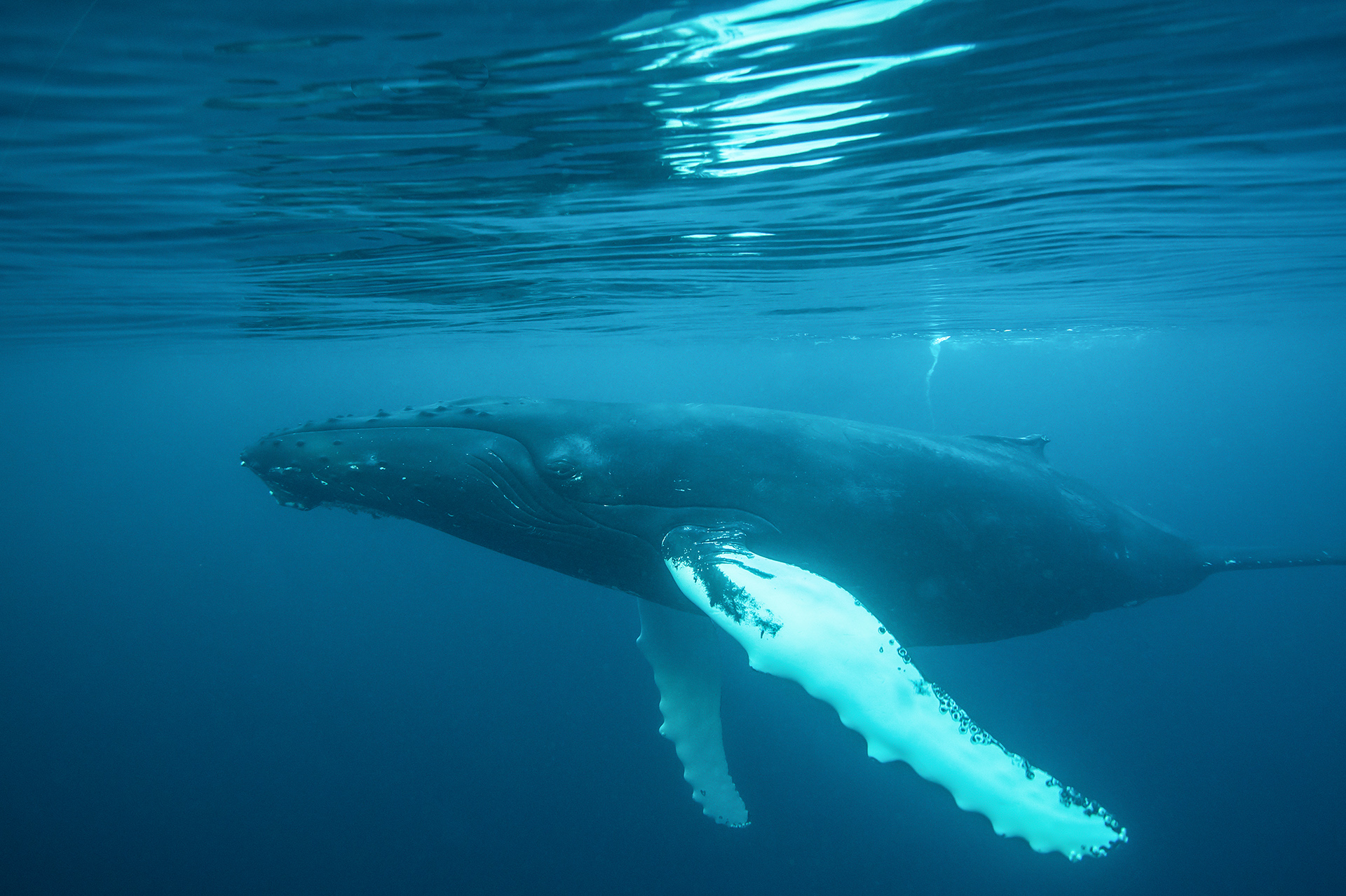
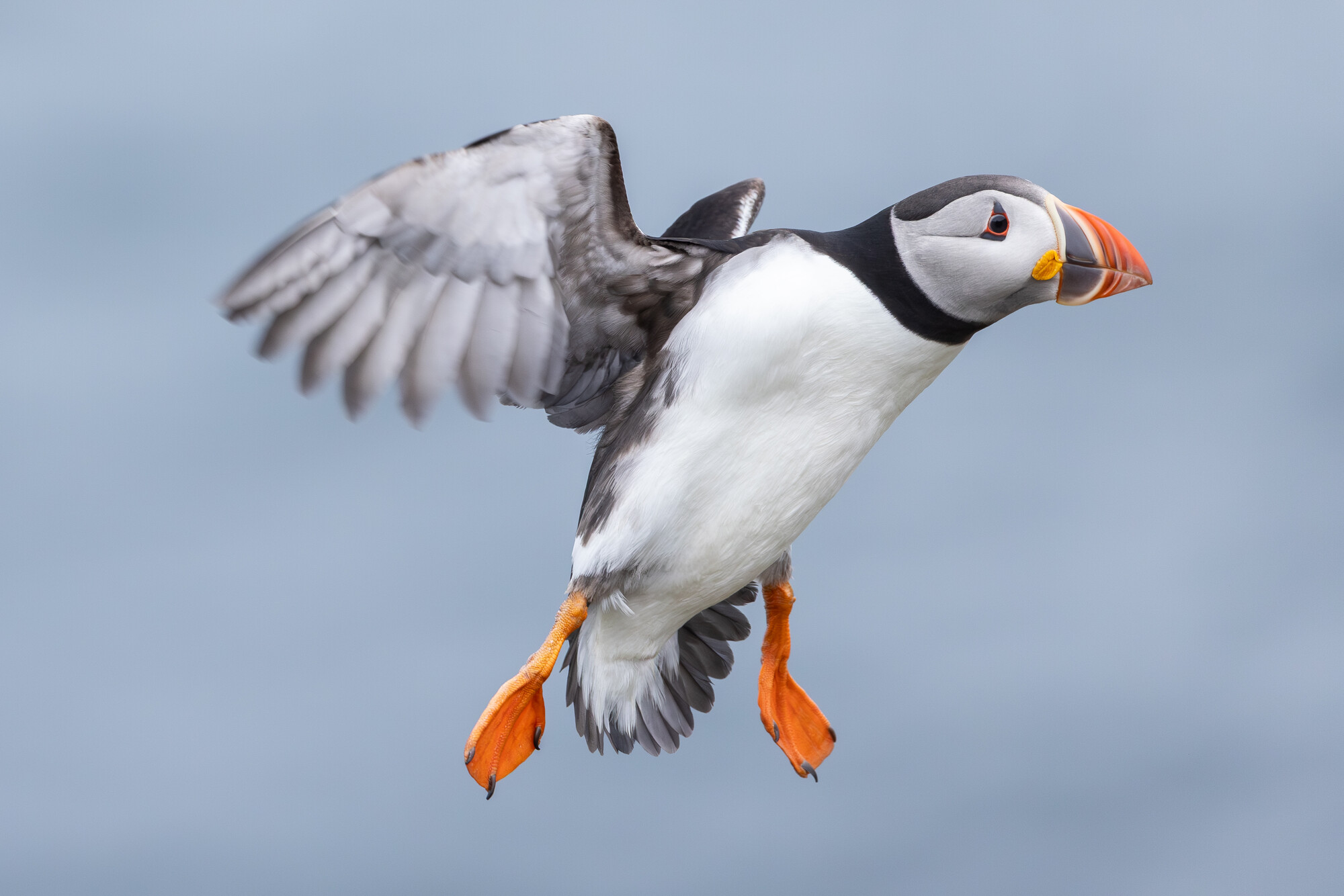
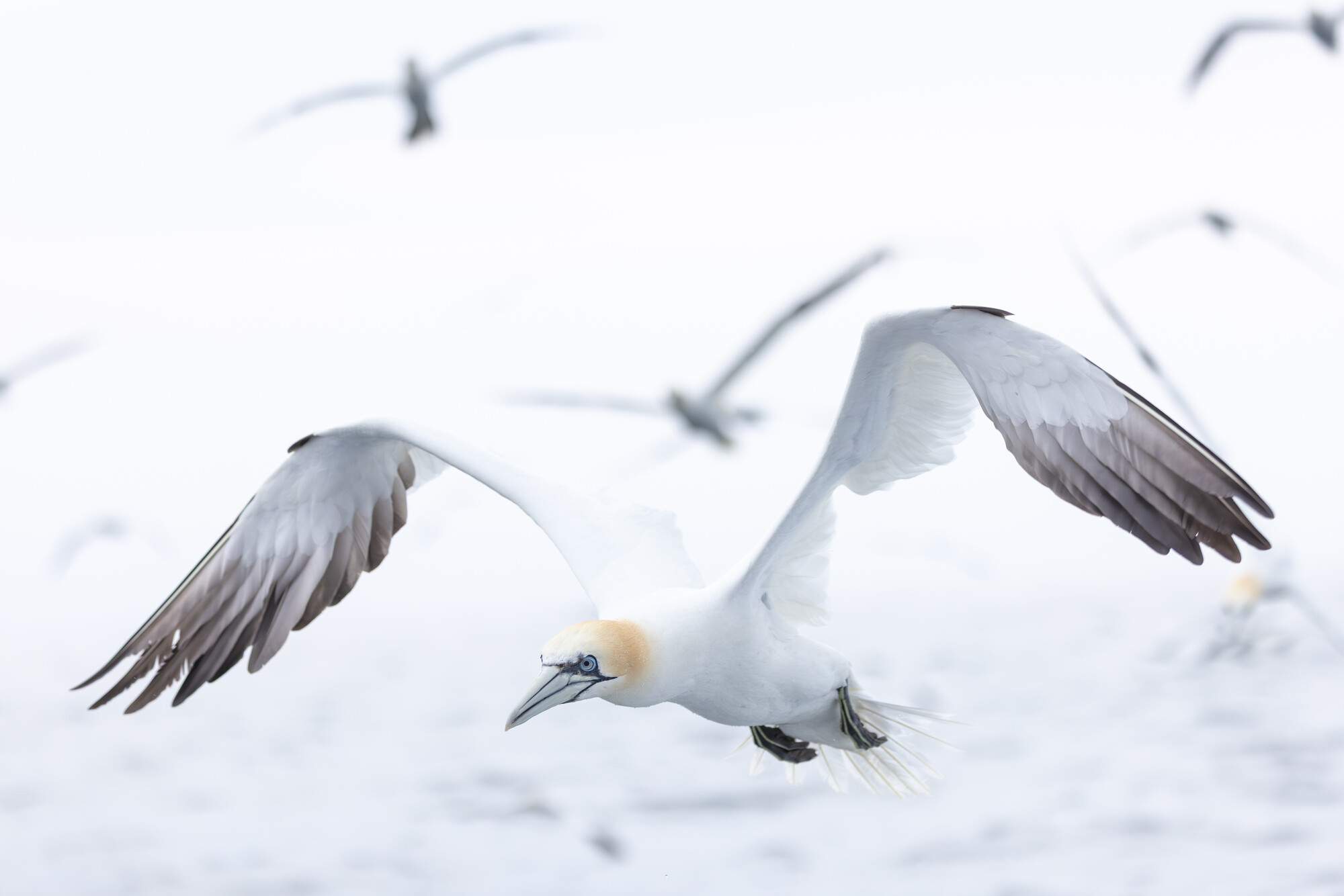
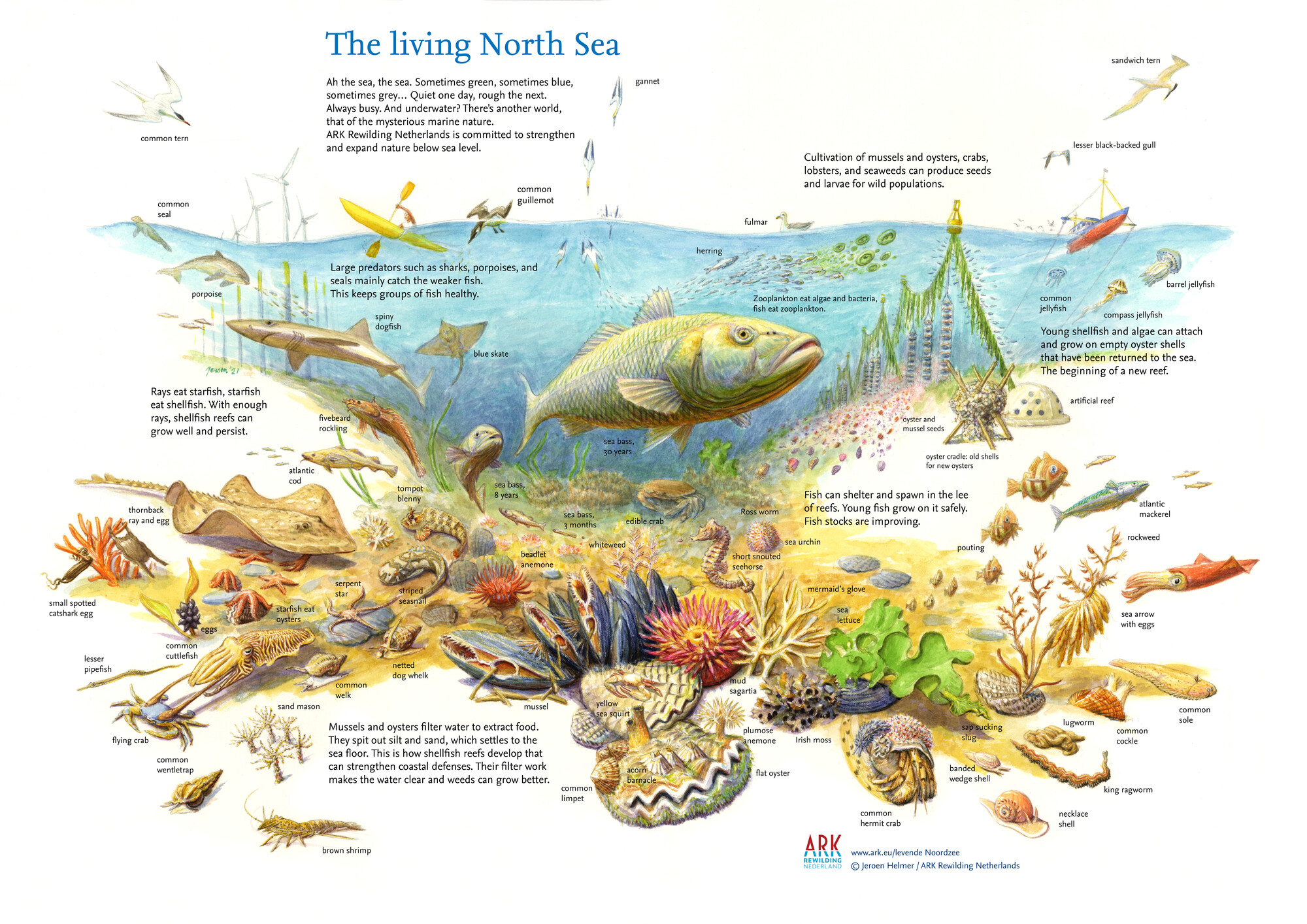
The highest part of Doggerland, and therefore the last part to disappear, is an area now known as Dogger Bank. Today, this vast submerged sandbank — which spans UK, Dutch, German, and Danish waters — is located around 100 kilometres off England’s east coast. Just 15 metres below the sea surface in many parts, this vital marine ecosystem serves as a nursery for sharks, rays, herring, and cod, and also forms a rich feeding ground for whales, porpoises, and seals, as well as seabirds such as puffins and gannets.
Restoring the North Sea’s beating heart
In recognition of its ecological importance, the Dogger Bank has been designated as three Natura 2000 marine protected areas (MPAs). Yet despite its legally protected status, it still faces serious ecological threats, including industrial fishing, energy extraction, and intensive shipping. Destructive fishing practices such as bottom trawling continue to damage the seabed and ravage biodiversity, while massive offshore wind projects are also negatively impacting ecosystems here on a growing scale.
To counter these threats, the Rewilding Dogger Bank initiative was launched in 2025 with the aim of restoring the Dogger Bank and safeguarding the area as the beating heart of the North Sea. It is led by the Doggerland Foundation, which heads up an international coalition of six other partners.
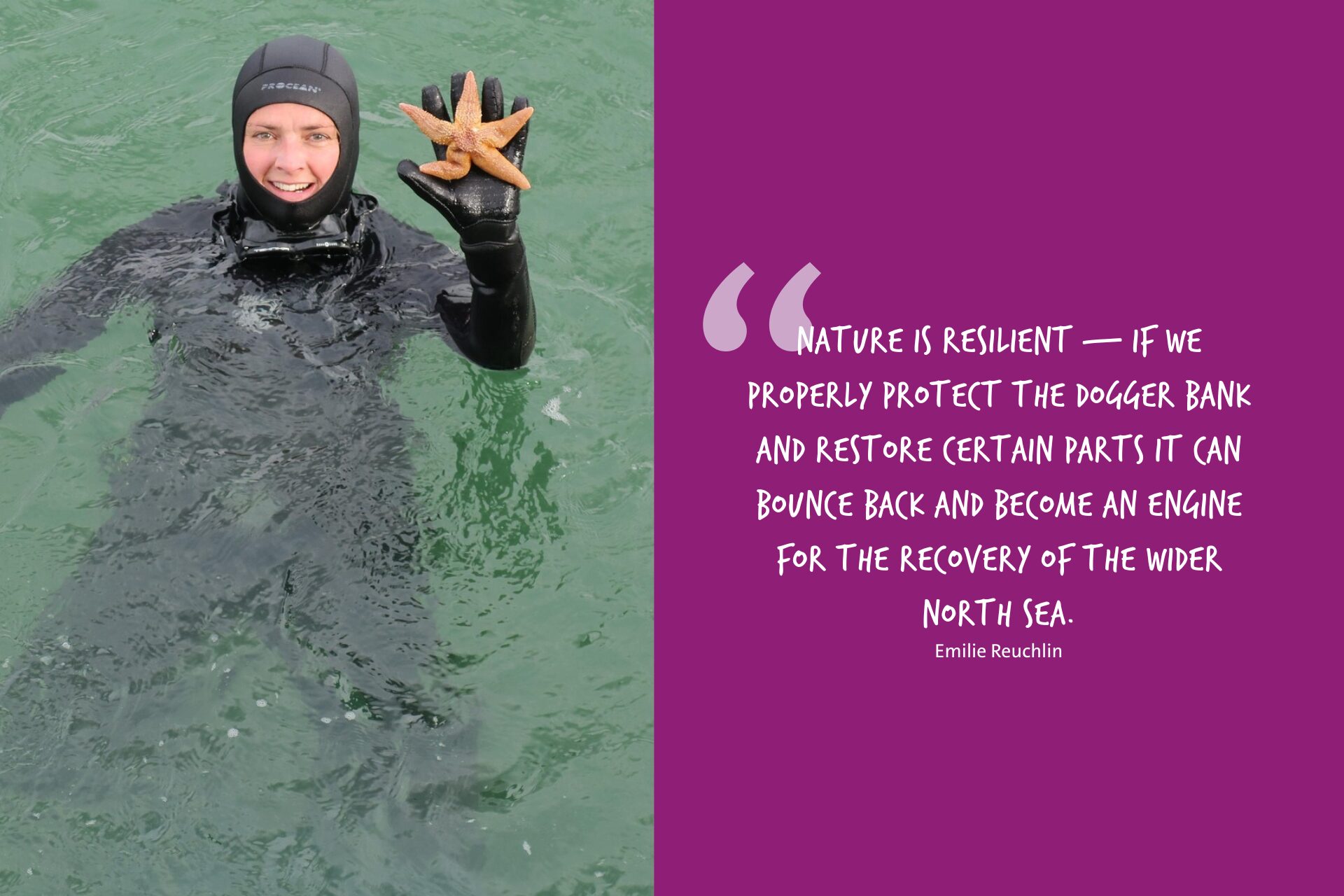
“Despite its degraded ecological state, the Dogger Bank still hosts a wide variety of marine life, from soft corals and sand eels to sharks and rays,” says Emilie Reuchlin, co-founder and director of the Doggerland Foundation. “Nature is resilient — if we properly protect the Dogger Bank and restore certain parts it can bounce back and become an engine for the recovery of the wider North Sea, with huge benefits for nature, climate, and society.”
Amplifying rewilding efforts together
The Rewilding Dogger Bank initiative has just joined Rewilding Europe’s growing European Rewilding Network. As a leader in marine rewilding, the coalition will help boost the network’s collective expertise and impact in this area. Rewilding Europe itself is working to strengthen coastal-marine rewilding in existing operational landscapes where land and sea are closely connected — such as the Oder Delta and Velebit Mountains — and plans to add one or two new coastal or marine-focused landscapes to its portfolio by 2030.
“We’re thrilled to welcome Rewilding Dogger Bank into the network,” says Frans Schepers, Rewilding Europe’s Executive Director. “This is perfect timing for us to learn from the amazing work Emilie and her team are doing and to grow marine and coastal rewilding across Europe together.”
“Joining the network means we can learn from fellow rewilders and be inspired by their work,” says Emilie Reuchlin. “In return, we will share our knowledge and lessons learned about building a community of care, bringing together governments and stakeholders across boundaries, restoring offshore reefs, and improving representation and rights of faraway ecosystems. We’re looking forward to becoming more connected with other initiatives and being part of a growing European rewilding family.”
Kick-starting the healing process
The Rewilding Dogger Bank initiative relies on a three-pronged approach. It will actively restore habitats and wildlife, protect the Dogger Bank from harmful human activities through legal interventions, and advocate for the rights of marine life to exist and thrive through the so-called “School of Dogger Bank” — an interdisciplinary research community that fosters new ways of thinking about the hugely valuable wild nature of the North Sea.
The horse mussel, a species that is native to the Dogger Bank, is a key focus of the initiative. Reintroducing these important bivalves at scale will kick-start the recovery of reef structures, which serve as vital nursery and feeding grounds.
Stopping the scourge of bottom trawling
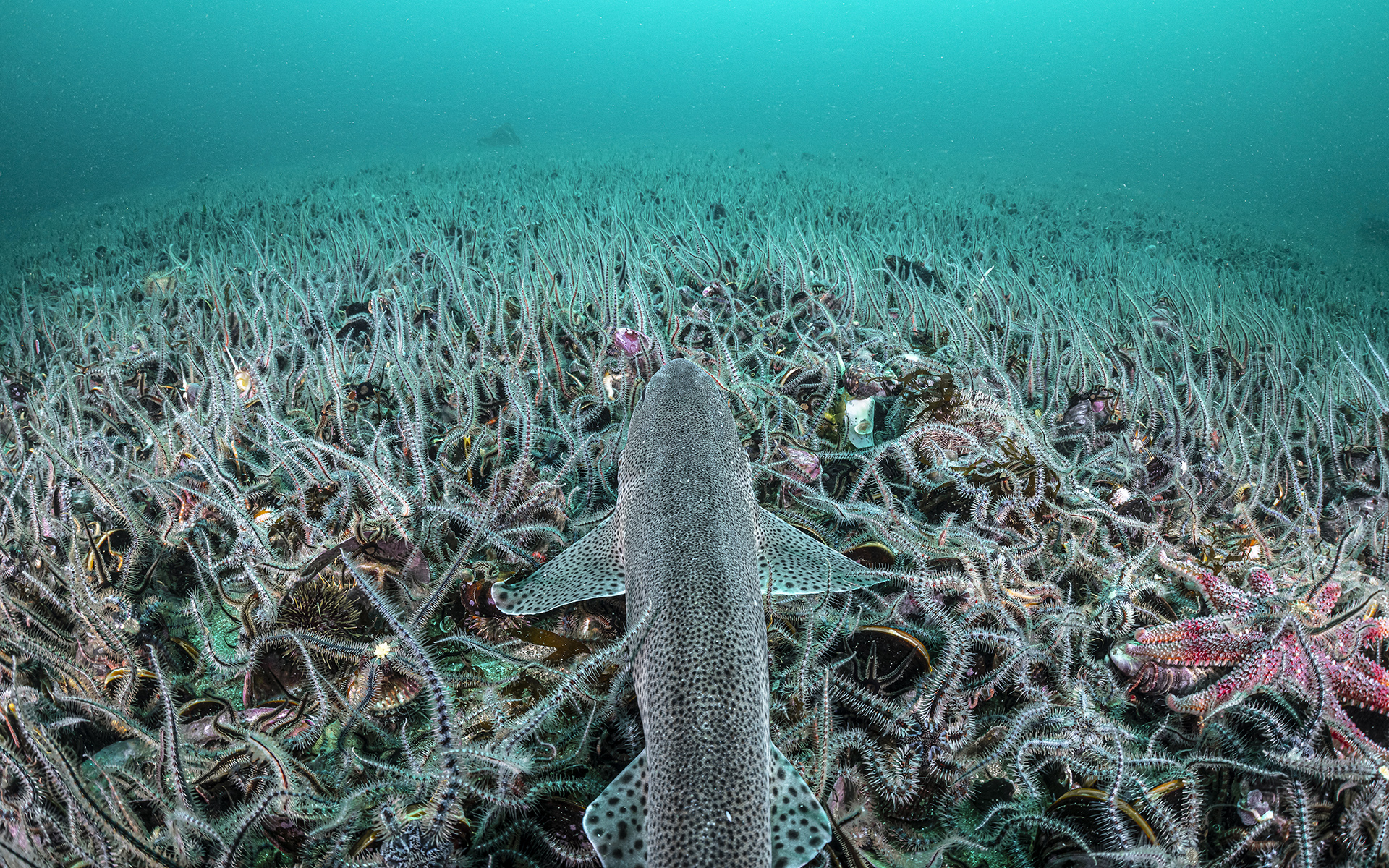
Named after medieval Dutch fishing boats called “doggers”, the Dogger Bank has long been a productive fishing ground. But centuries of intensive fishing — particularly bottom trawling, which drags heavy nets across the seabed — have turned once-rich marine ecosystems into barren deserts, wiping out fish and other wildlife like sponges and corals. Bottom trawling also releases carbon stored in the seabed, worsening the climate crisis.
Following the UK government’s decision to close its part of the Dogger Bank to bottom trawling in 2022, life above and below the water appears to be slowly recovering. The Rewilding Dogger Bank initiative is now taking the Dutch and German governments to court to push for the same level of protection in their waters. A step forward came in November, when the EU introduced a ban on bottom trawling in certain areas of the Dutch and German sections of the sandbank.
The bigger picture: from “paper parks” to effective protection
The establishment of Marine Protected Areas can help reverse biodiversity decline in our oceans, support the recovery of marine wildlife species and their habitats, and help us reach the global goal of protecting 30% of our ocean by 2030. Yet many of the MPAs in the North Sea and across the world are simply “paper parks” that lack proper management — meaning their protections are little more than lines on a map.
The members of the Rewilding Dogger Bank coalition hope that their efforts can serve as a blueprint for “flipping” marine paper parks, sparking the revitalisation and safeguarding of other MPAs in the North Sea and beyond.
Let’s rewild together
Rewilding Europe extends a warm welcome to all European rewilding initiatives that focus on practical, results-oriented rewilding and encourages them to apply for European Rewilding Network membership.
The Rewilding Dogger Bank initiative is a coalition between the Doggerland Foundation, ATU (Atlantic Technological University) in Ireland, Blue Marine Foundation in the UK, BUND in Germany, WWF-Denmark, ARK Rewilding Netherlands, and the Embassy of the North Sea.
