
Across Europe, many wildlife species are making a remarkable resurgence. By helping people and wildlife thrive together, we can amplify this comeback and the benefits it delivers to nature, climate, and society. This is why Rewilding Europe is working to enhance coexistence in all of its landscapes and beyond — shifting the dial from tolerance to shared prosperity.
Marcus Westberg
What is coexistence?
Human–wildlife coexistence is a living, evolving partnership in which people and wild animals share landscapes in ways that allow both to flourish. It is shaped by respect, compromise, and adaptation — caring for common resources, rethinking how we live and work, and embracing solutions that transform challenges into opportunities. Rooted in education, dialogue, and trust, coexistence recognises that while moments of tension are inevitable, they can be anticipated and managed in ways that strengthen communities, restore balance, and help create healthier, more resilient ecosystems for generations to come.
.
Sophie Monsarrat
Our coexistence vision
For Rewilding Europe, coexistence is about more than managing problems and mitigating conflict. It’s about celebrating wildlife comeback and using it as an opportunity for nature and people to thrive together. Through rewilding, we can transform challenges into new pathways for prosperity, allowing communities and nature-positive businesses to benefit economically and socially from the return of wildlife in the landscapes around them. We want to see a Europe where people are inspired and empowered to live well with wildlife everywhere.
Laurent Geslin / naturepl.com
Why is coexistence important?
Accelerating and widening wildlife comeback in Europe can improve the health and functionality of entire ecosystems, delivering a huge array of benefits to nature and people — from the natural regeneration of forests and rebalancing of food webs, to the rejuvenation of rural economies, enhanced pollination of crops, better flood protection, and improved human health and well-being. Recent insights show how wildlife recovery also helps to lock up more atmospheric carbon and boost soil fertility.
Are you helping communities live alongside wildlife?
Filled with practical information, our coexistence guide is designed to support all local leaders and practitioners working to help people and wildlife thrive together.
Rewilding: turning up the coexistence dial
Across Europe, a quiet but powerful transformation is underway. In 2022, the Wildlife Comeback Report highlighted the return of a number of wildlife species across Europe as a real conservation success. But many Europeans have largely forgotten how to live with wilder nature and wild animals, which means this recovery has also brought new challenges — from social pushback and increasing polarisation, to the downgrading of legal protection.
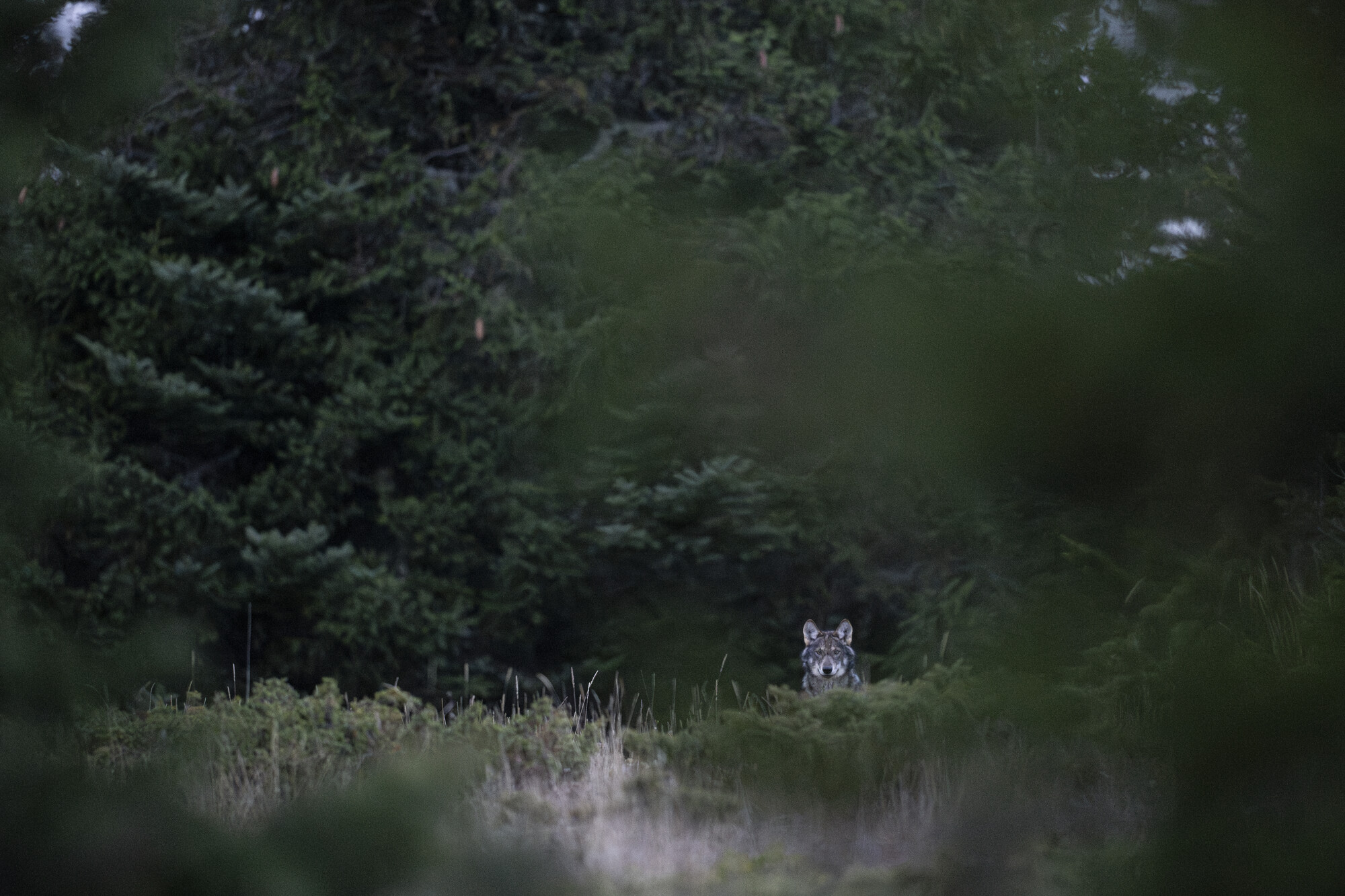
This is particularly true when it comes to large carnivores such as bears and wolves — which are often perceived as a threat to people and other animals — and species such as beavers, which can significantly transform landscapes. The situation of the wolf is a clear example: over the past few decades, its population size and range have expanded significantly across the continent, prompting renewed debate over how large carnivores should be managed.
As a progressive and holistic approach to conservation, rewilding offers a way forward by fostering more than simple tolerance of wildlife. It seeks to shift the conversation from coexistence to “co-prosperity”, creating conditions in which both people and wildlife can thrive and mutually benefit one another. Rewilding invites us to reimagine our relationship with nature and to embrace the new opportunities presented by wildlife comeback.
Luca Melcarne
How does Rewilding Europe enhance coexistence?
Rewilding Europe and its partners have set ambitious goals to bring back keystone species — supporting natural recovery where possible, and reintroducing animals where they have been lost. Supporting and showcasing successful human-wildlife coexistence is central to our mission to amplify wildlife comeback. Our priority is to encourage and empower communities to share space with keystone species in the landscapes where we work, using tailored approaches that reflect the unique social and ecological character of each place.
By shining a light on tangible, locally led examples of human-wildlife coexistence, we aim to inspire new ways of thinking about wildlife comeback from the ground up. Moving beyond polarised debates, we focus on shared, practical solutions that work for both people and nature. In doing so, our mission is to drive the scaling up of coexistence beyond the landscapes where we operate, through learning, collaboration, and connection with others across Europe.
Within our operational landscapes, our coexistence approach is pragmatic, focused on working closely with local communities. This includes actions to:
Engage and empower people
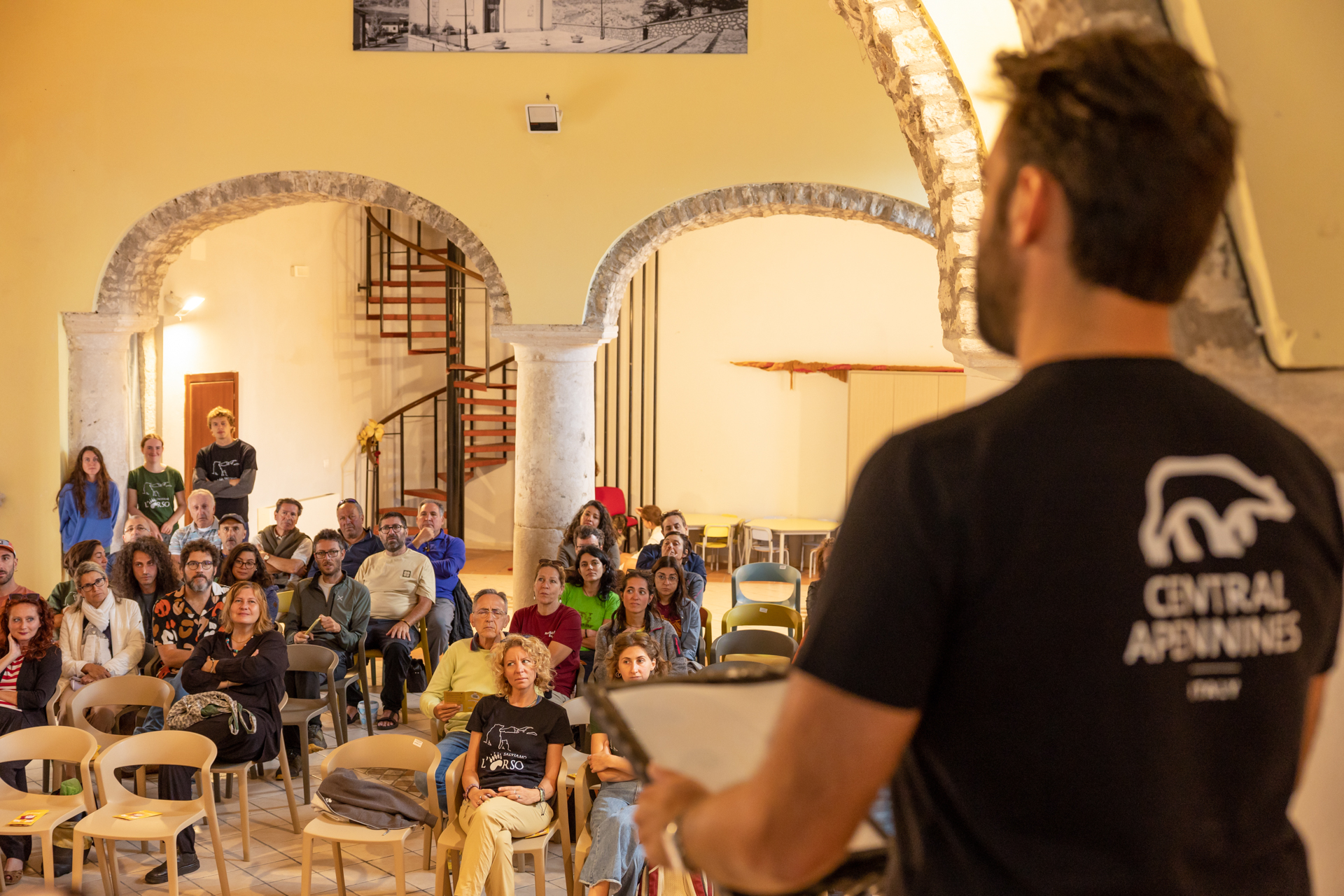
Engage, inspire and empower people through information sharing, ongoing dialogue, and initiatives and events that celebrate wildlife and its return. We work with people to understand their fears and challenges, and find ways to address them in a constructive and collaborative way.
Prevent and reduce damage
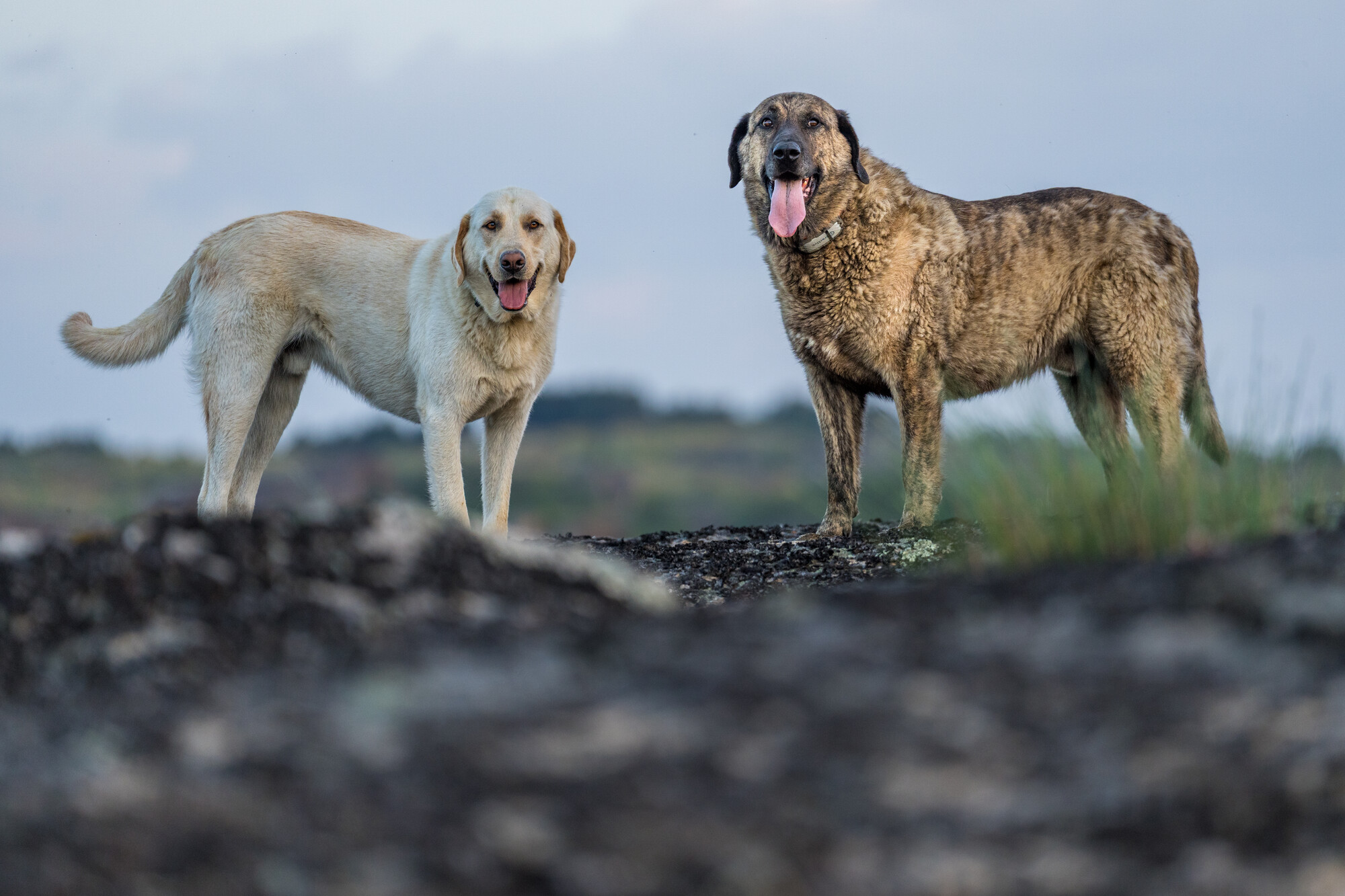
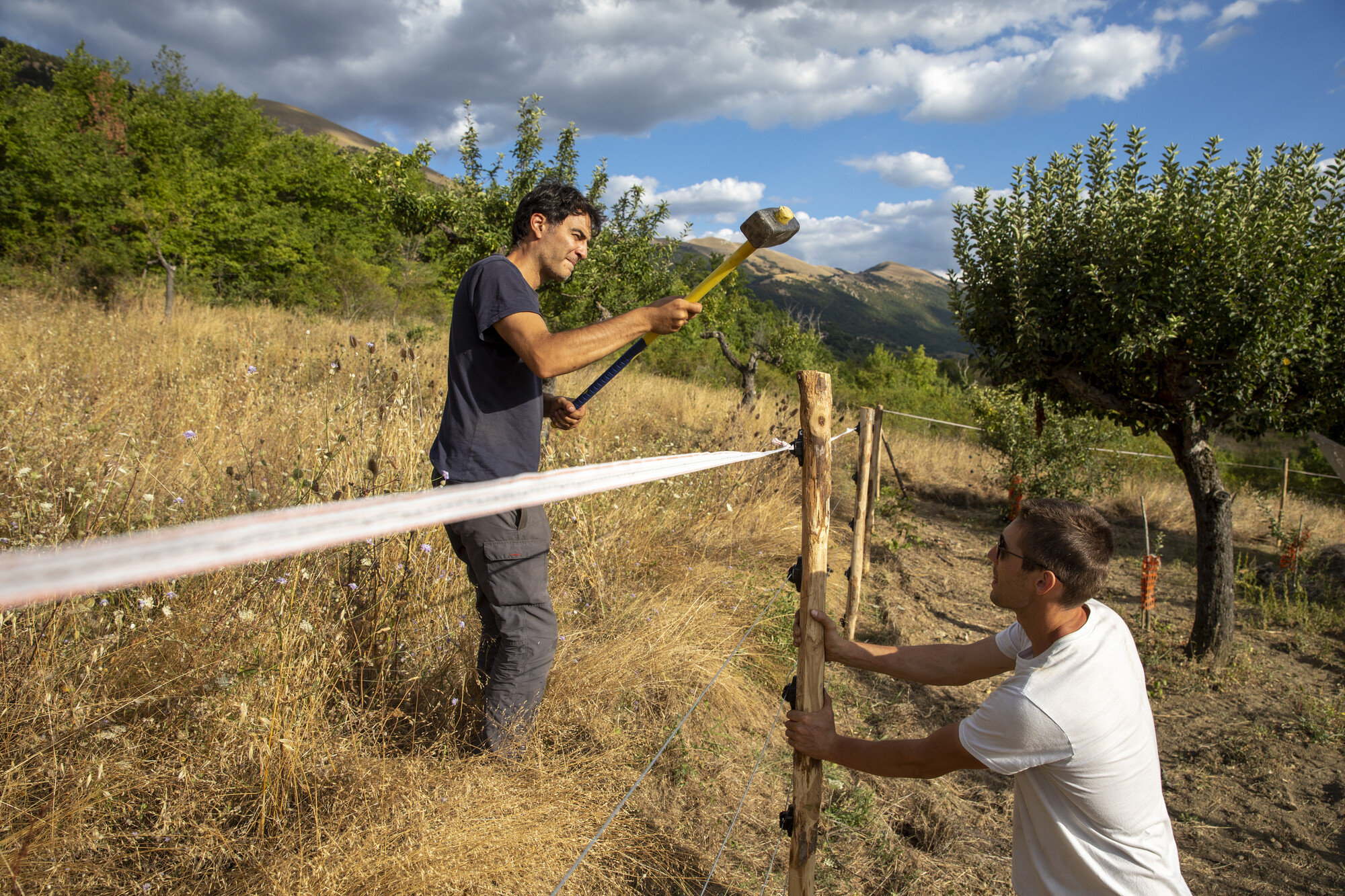
Prevent and reduce wildlife-related damage through targeted measures, such as electric fences, bear-proof waste bins, and livestock guardian dogs.
Provide support to communities
Provide support — both directly, by supporting access to compensation, and indirectly, by helping communities realise the benefits of wildlife comeback (for example, by providing low-cost loans to nature-based businesses).
What are wildlife-smart communities?
Government-led approaches aimed at enhancing coexistence, involving measures such as damage prevention and compensation, can and do have a positive impact. But these measures are often bureaucratic and time-consuming, and frequently overlook the more nuanced, local context. To ensure people and wildlife can share space in ways that benefit both also requires a bottom-up, community-based approach that takes the bigger picture into account.
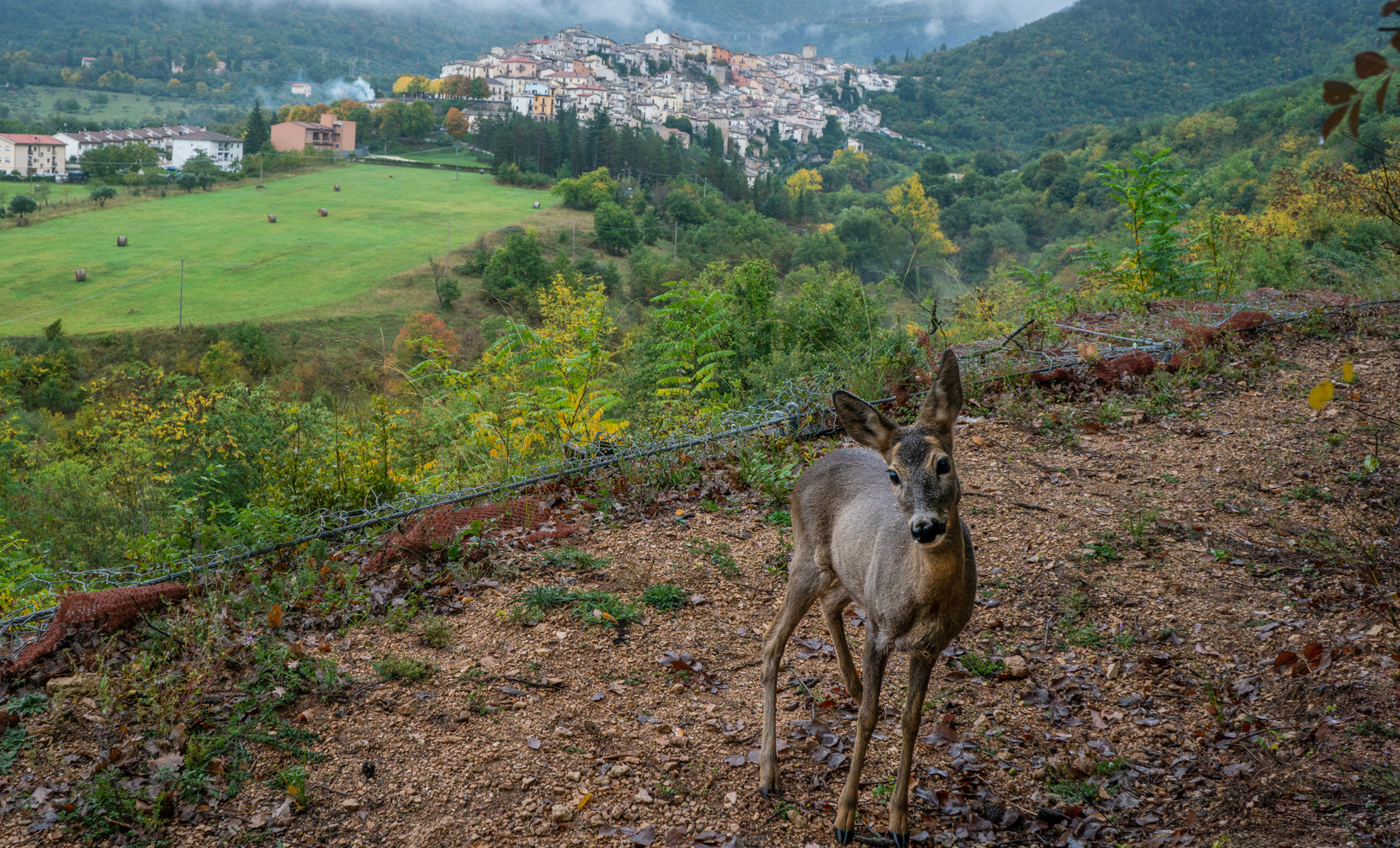
One such approach is the “wildlife-smart community” model, which was originally developed in Canada to promote human-bear coexistence. At their core, wildlife-smart communities are about inspiring and enabling people to live alongside the growing wildlife populations on their doorstep. Grounded in everyday realities, they focus on anticipating and addressing challenges proactively — rather than responding only after conflicts occur — helping to build lasting coexistence that works for both people and nature.
Led by Rewilding Europe and local partners, the wildlife-smart community concept is now being adapted to support coexistence with different European wildlife species across our rewilding landscape portfolio and beyond. These include bears in the Central Apennines of Italy, European bison in the Southern Carpathians of Romania, and wolves in Portugal’s Greater Côa Valley.
Supporting communities in coexistence
To support municipalities, local authorities and practitioners working on the ground, Rewilding Europe and the Endangered Landscapes & Seascapes Programme are launching Living well with wildlife: A practical guide.
The guide is a practical, experience-based resource designed to help local leaders and their communities navigate the challenges and opportunities that come with wildlife returning to human landscapes. The guide is primarily made for people with responsibility in a particular place, such as mayors, municipality staff, protected area managers, and other local leaders – and also for NGOs, facilitators and practitioners who support communities in planning for coexistence.
Rather than offering one-size-fits-all solutions, the guide supports users in working through a structured, locally adaptable process. The guide helps the users to:
Prepare
Understand wildlife behaviour and human perspectives and identify who is most affected to prioritise support
Prevent
Take prevention measures and choose the best approach to implement them
Respond
Respond transparently and fairly when damage occurs
Deliver your plans
Decide your governance and funding
Lead social change
Identify the cultural and economic benefits of wildlife return
Wildlife-smart communities in action
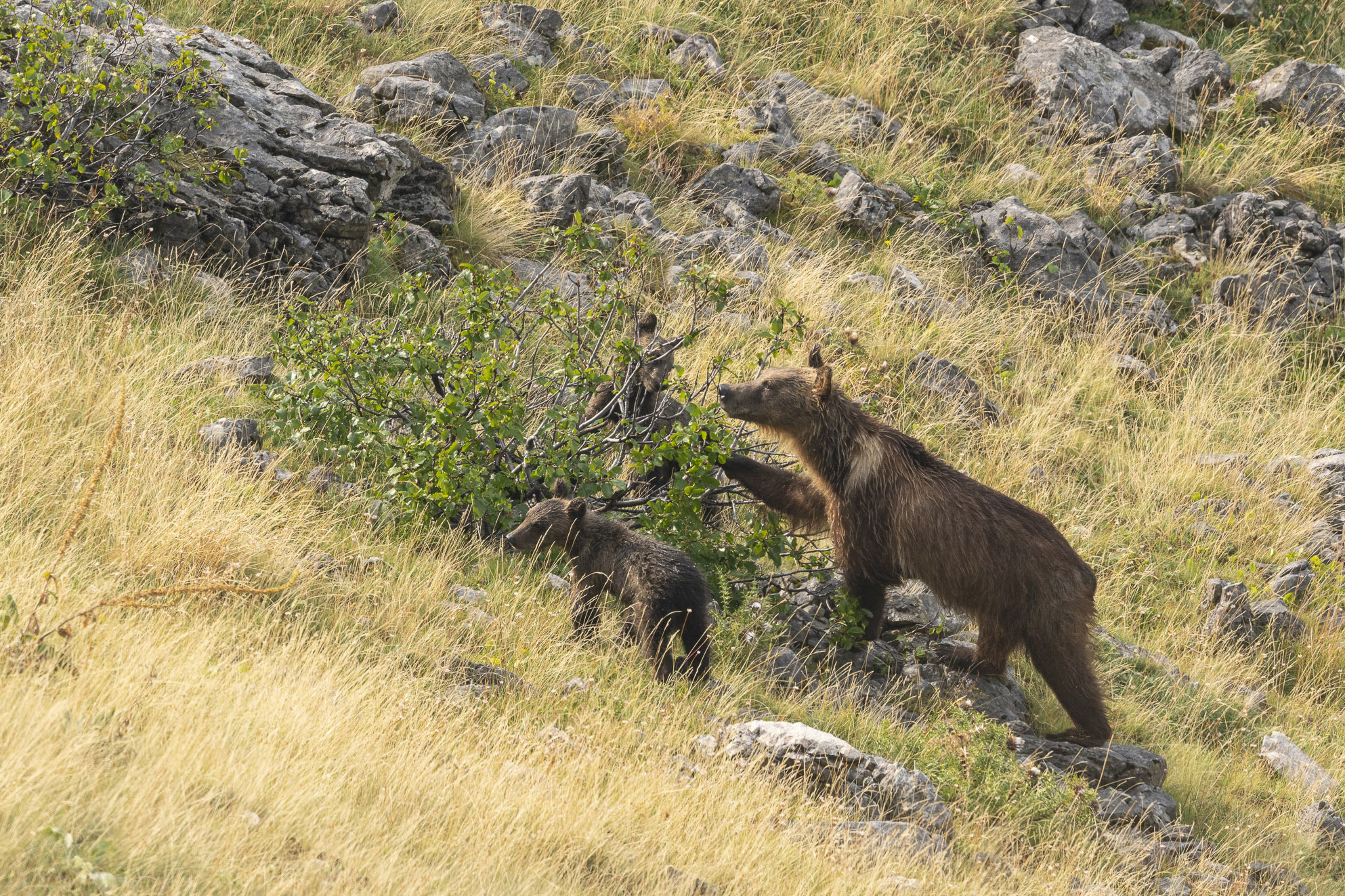
Marsican brown bears in the Central Apennines
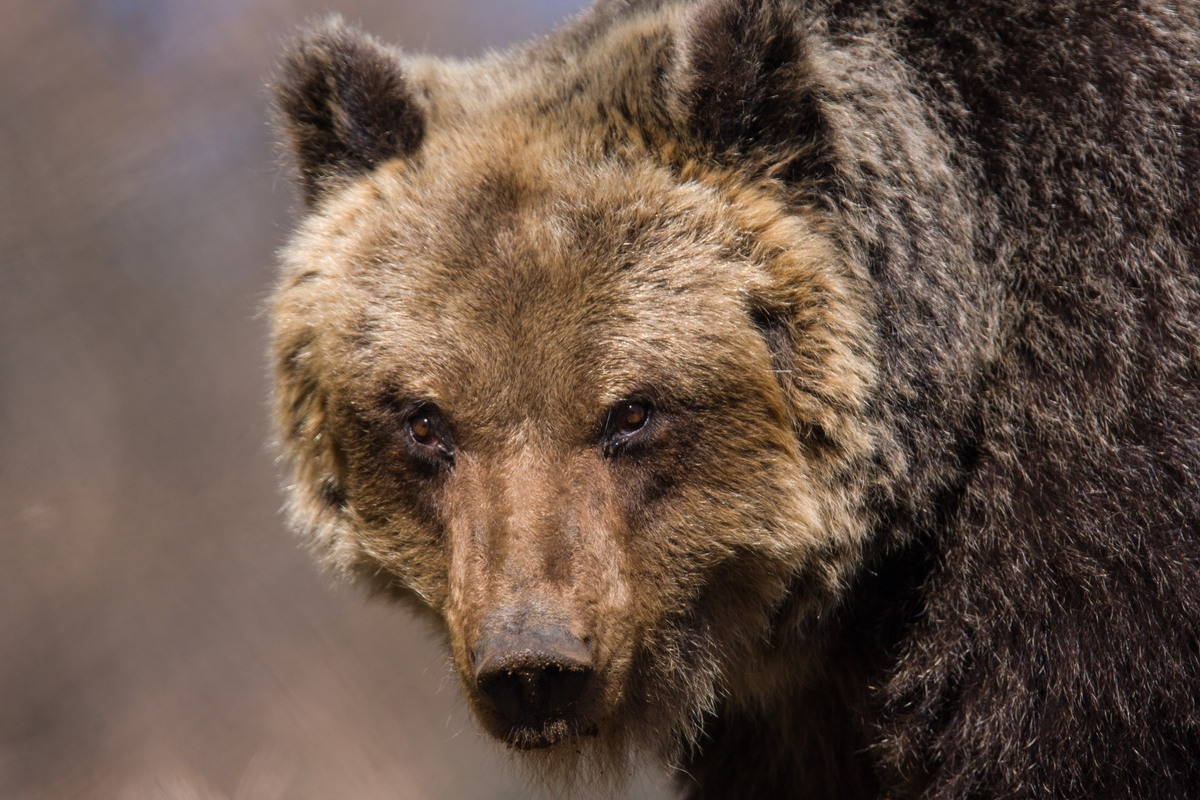
In the Central Apennine mountains of Italy, which are home to the endemic and endangered Marsican brown bear, the Rewilding Apennines team and their local NGO partner Salviamo l’Orso established the first “Bear-Smart Community” in 2015, in the small town of Pettorano sul Gizio, where bears from the neighbouring Abruzzo, Lazio and Molise National Park have now settled. Building on their initial success, they are developing a network of 16 such communities across the landscape, as part of an initiative to develop multiple large-scale wildlife corridors.
Bear-Smart Communities play a vital role within wildlife corridors, enabling bears and other species to move safely between protected areas. Practical measures such as electric fences, bear-proof waste bins, and the restoration of orchards away from villages help prevent damage, while specialised “Bear Intervention Units” provide on-the-ground expertise to quickly address emerging challenges. But the approach goes further. By supporting nature-based businesses linked to wildlife — especially the iconic Marsican bear — and building social consensus around wildlife comeback, these communities are turning recovery into opportunity. As wildlife returns, so the landscape is gaining value — attracting growing numbers of visitors, strengthening local pride, and laying the foundations for a future in which people and bears truly thrive together.
Bruno D'Amicis
Bruno D'Amicis/Rewilding Europe
By the numbers: coexistence in the Central Apennines
654
fruit trees pruned or planted to increase food available to bears away from villages.
593
electric fences, 76 hen houses, and 110 bear-proof bins distributed to protect property from bears and other wildlife.
147+
km of barbed wire removed to enable bears and other wildlife to move easily and safely across the landscape.
8
bear intervention units established.
90%
Between 2024 and 2026, bear-related damage to farm property fell by 30%, and to beehives by over 90%.
European bison in the Southern Carpathians
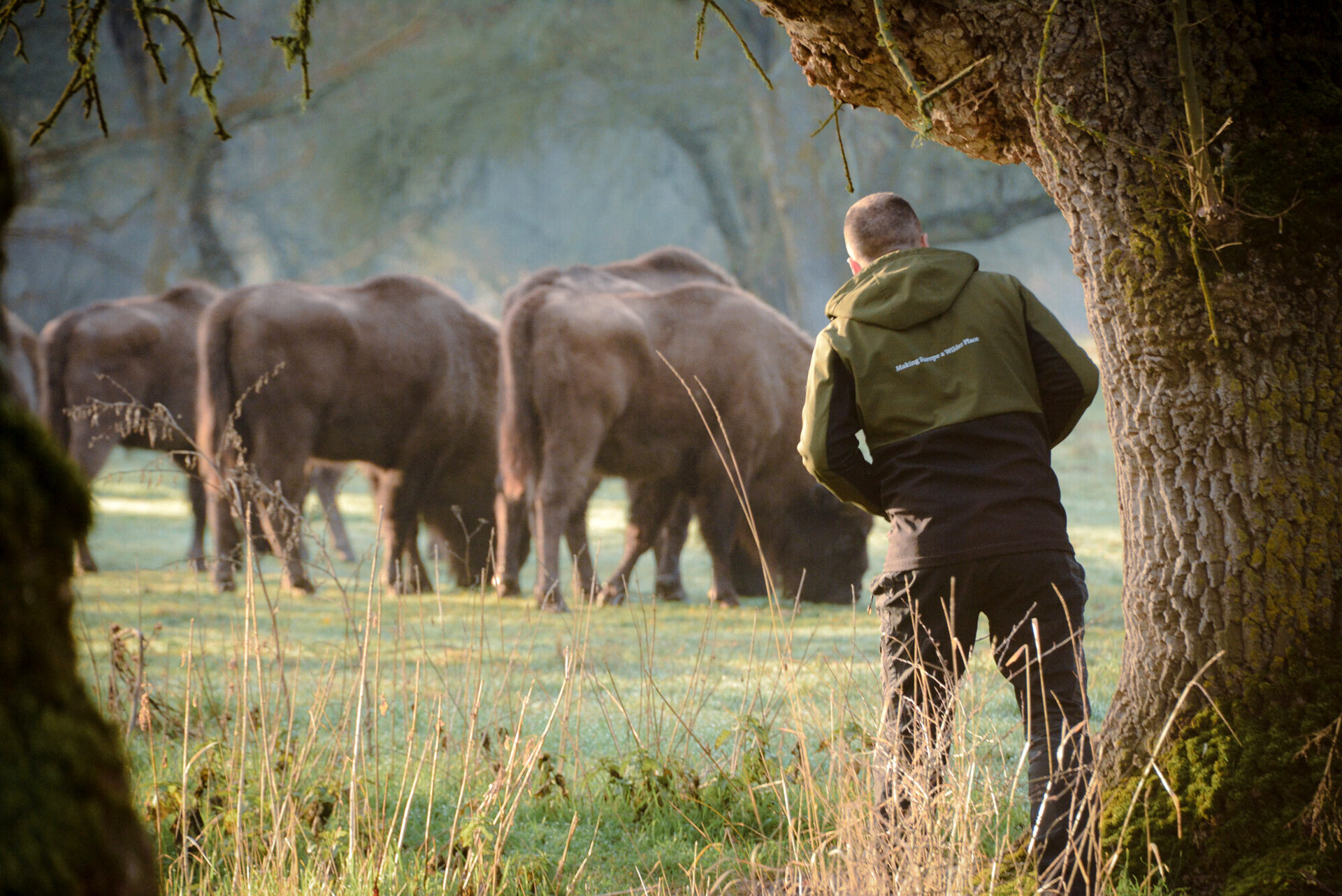
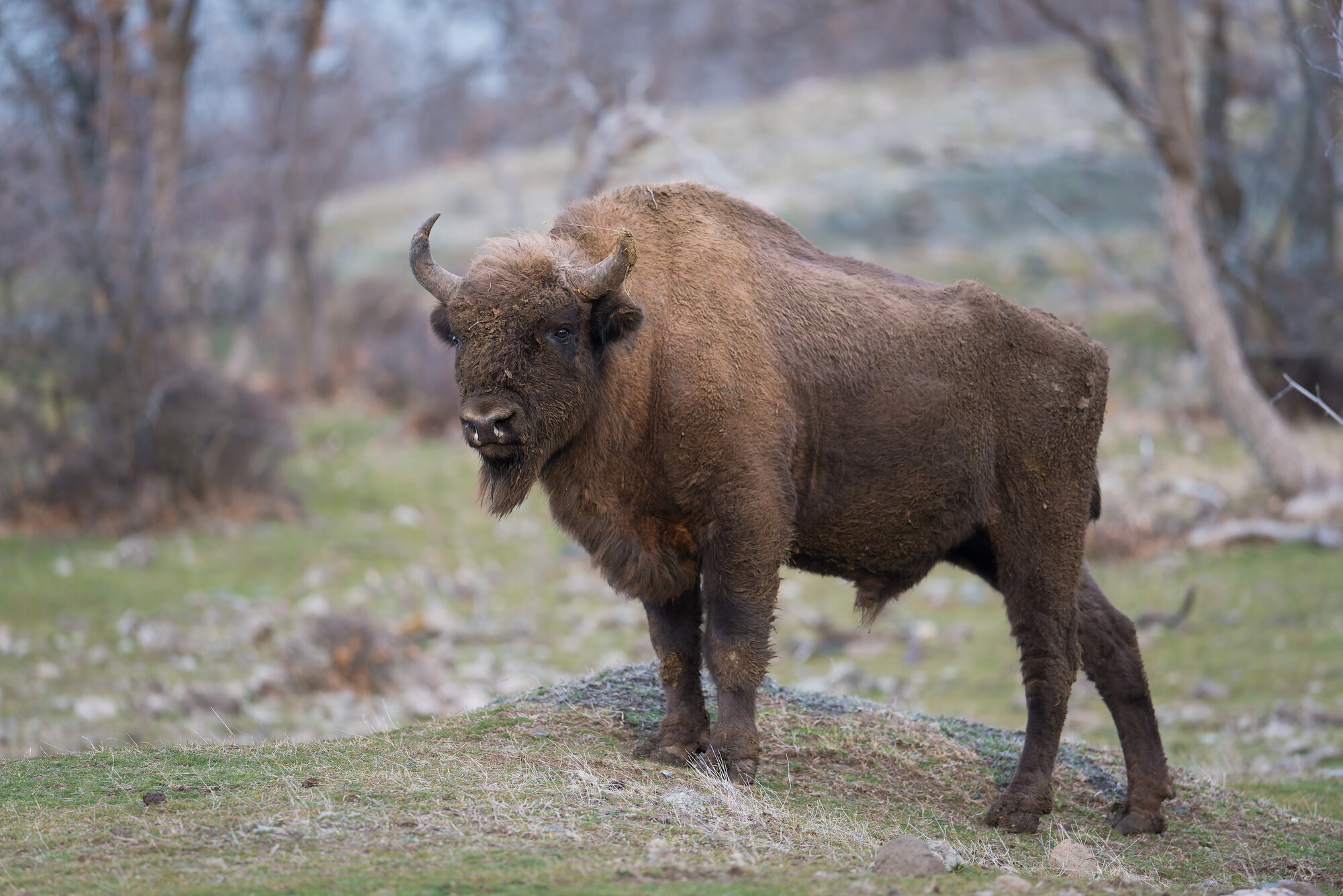
Supported by Rewilding Romania and WWF-Romania, the free-roaming European bison population in the Southern Carpathians rewilding landscape is thriving, delivering growing benefits for nature, climate, and communities as it expands in both size and range. Through carefully managed translocations, partnerships with breeding centres, and natural population growth, numbers are steadily moving towards the target of more than 150 breeding animals needed for long-term viability.
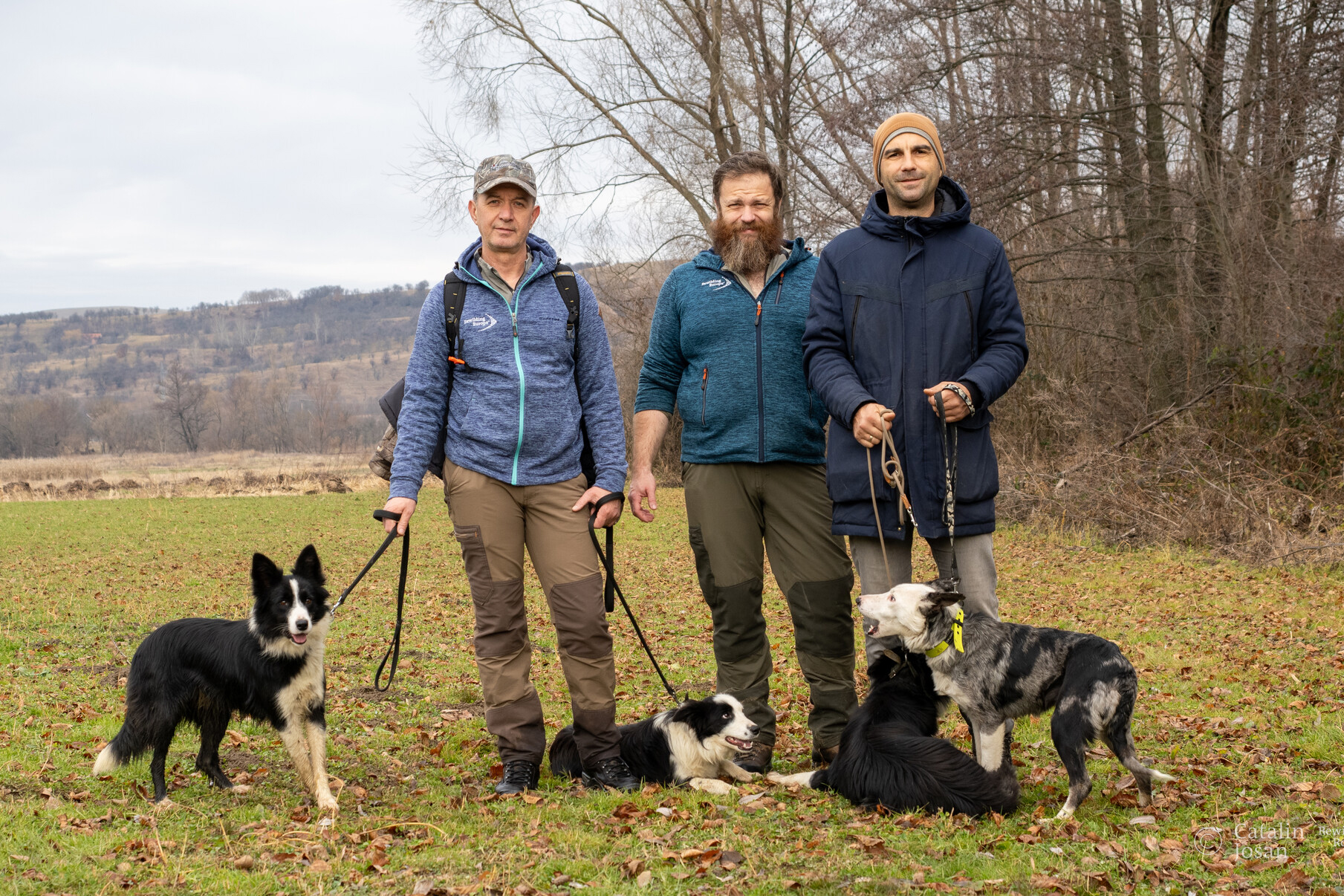
Building on the success of Bear-Smart Communities in the Central Apennines, Rewilding Romania is developing Bison-Smart Communities across the landscape to help people flourish alongside bison. Coexistence plans are being created with local communities, supported by a new Bison Hub in Armeniș that underpins field activities and a volunteering programme. A range of measures — including electric fences, ranger patrols, GPS collars, “Bison Intervention Units”, educational programmes, and awareness campaigns — is helping to strengthen coexistence. Anchored in the return of bison and other wildlife, the team is also driving the growth of high-quality, sustainable nature-based tourism, fostering deeper connections and pride in wilder nature and generating lasting social and economic benefits that build further support for rewilding.
Catalin Josan
Stefan Stefanov
By the numbers: coexistence in the Southern Carpathians
92
locals have been trained to run small restaurants, so that families can benefit from the growth of nature-based tourism.
12
km of temporary barrier fence erected to prevent bison damage.
15
electric fences installed around farm property to prevent bison/deer damage.
1
bison intervention unit with the seasonal deployment of three trained dogs.
Let’s dare to share
Communities don’t need to be officially labelled “wildlife-smart” for people and wildlife to thrive together. Across Europe, grassroots dialogue and practical action are proving that real coexistence is not only possible — it’s increasingly within reach. The following inspirational examples from the front lines of coexistence show that living in harmony with wildlife can and does work, if we’re bold enough to think a little wilder and do things differently.
Bringing beavers back to Argaty
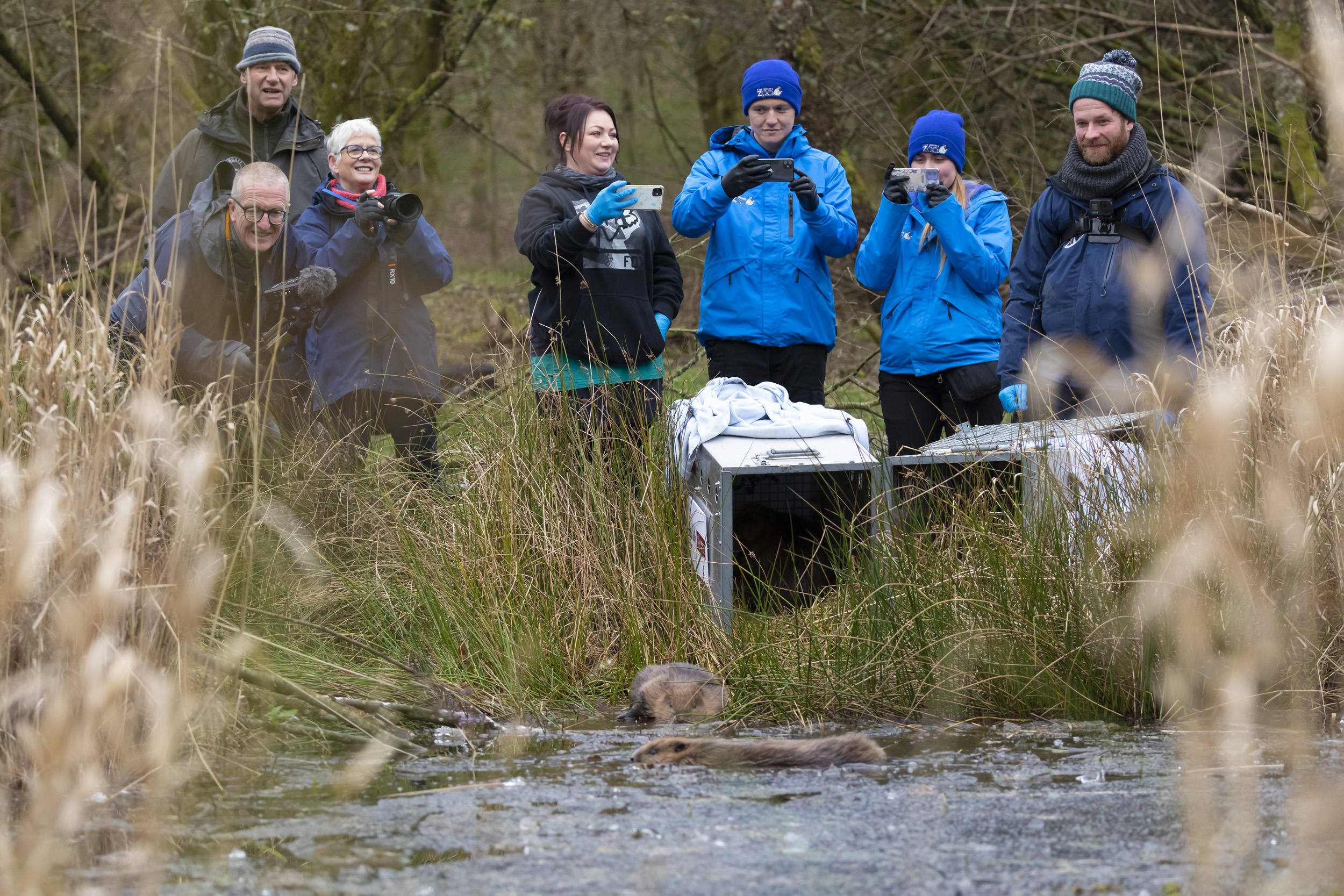
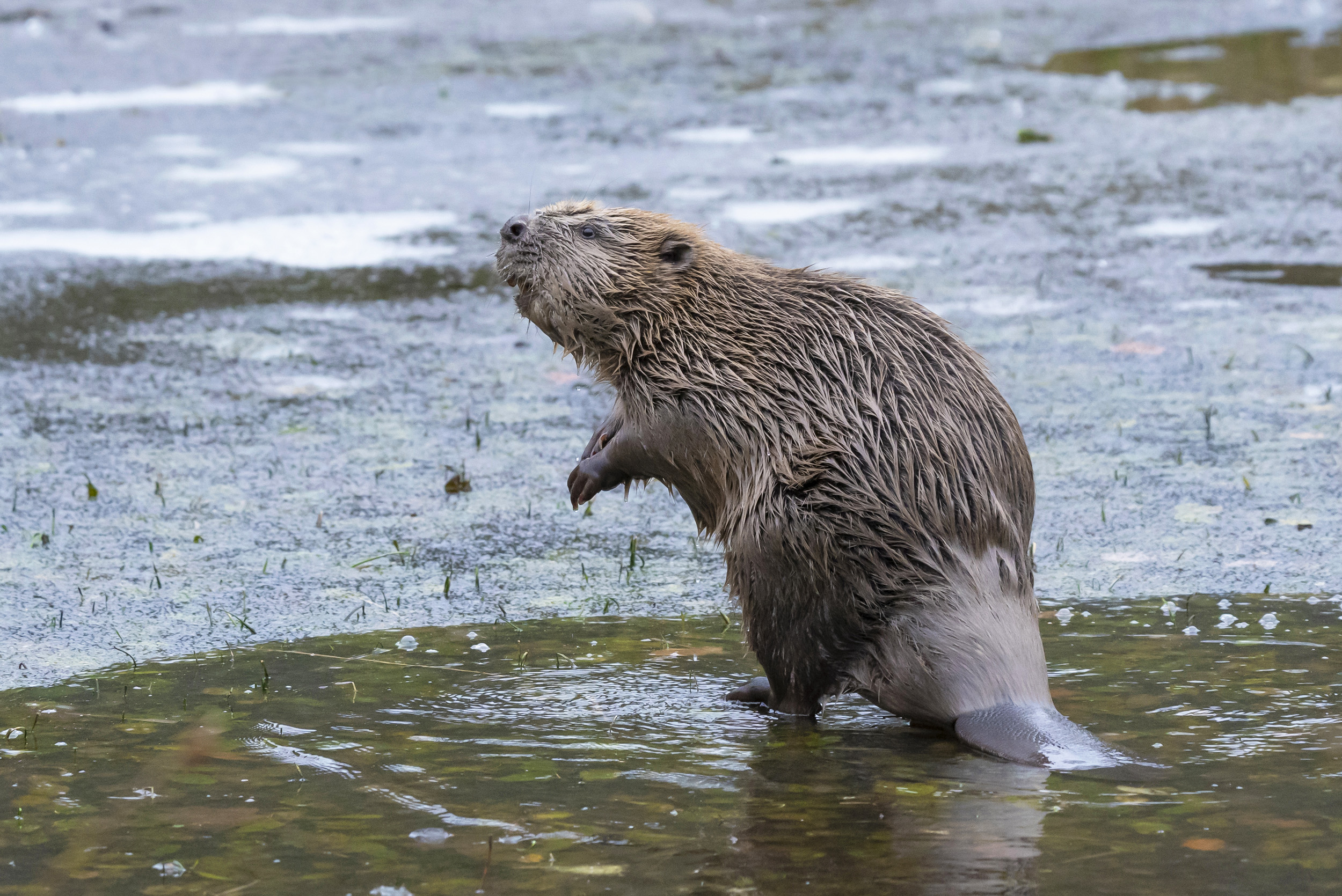
On the 560-hectare Argaty estate in Perthshire, Scotland, Tom Bowser and his family have pioneered the reintroduction of beavers to a working livestock farm, which also boasts a red kite feeding centre, wildlife watching hides, and self-catering accommodation. In 2021, they became the first private landowners in Scottish history to legally release beavers into the wild. To date, 20 of these eager rodents have been rehomed at Argaty — animals that would otherwise have been culled.
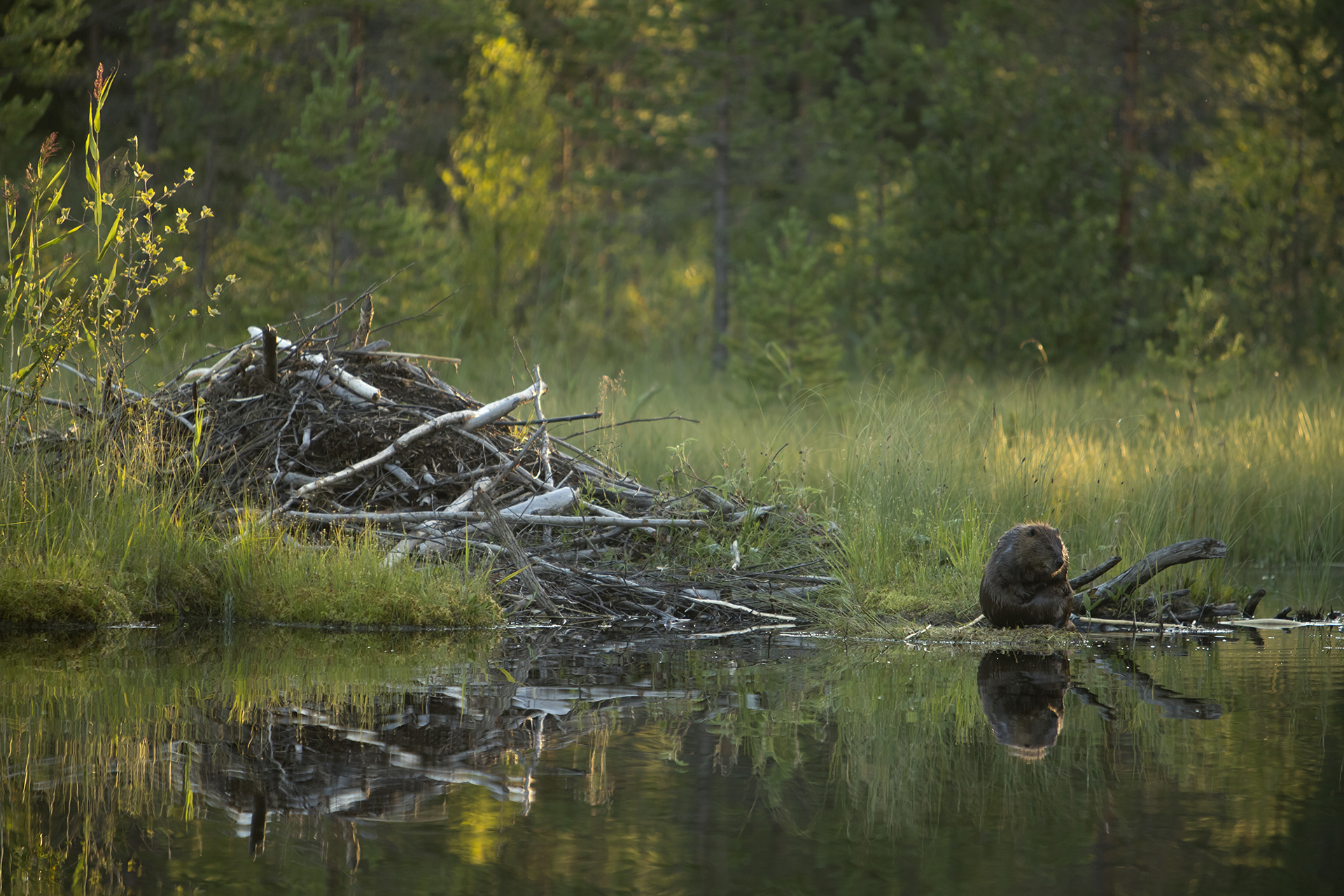
At first, Tom was uncertain how beavers would fit into farm life. Their return has brought a few challenges — from felling branches that flatten fences to nibbling crops meant as food for sheep. But the upside to their reintroduction in Argaty has been dramatic. Beaver dams and the pools they create have helped to reduce chronic flooding and stored water through periods of drought, supporting both wildlife and livestock. Their engineering work has boosted biodiversity, improved water retention, and created wetland habitats that have attracted insects, birds, and an array of other species back to the landscape.
Mark Hamblin / Scotland Big Picture
Mark Hamblin / Scotland Big Picture
“Beavers have been the making of Argaty,” says Tom. “Every farm is different and the opportunities and challenges beavers bring will vary from site to site. But when I cast my mind back a few short years and remember the apprehension I felt about bringing beavers here, I realise how misplaced those fears were. Argaty remains a working farm and we still produce food. Many people think Europe must choose between feeding people and restoring ecosystems and wildlife populations, but our experience shows that with a coexistence mindset, both are possible.”
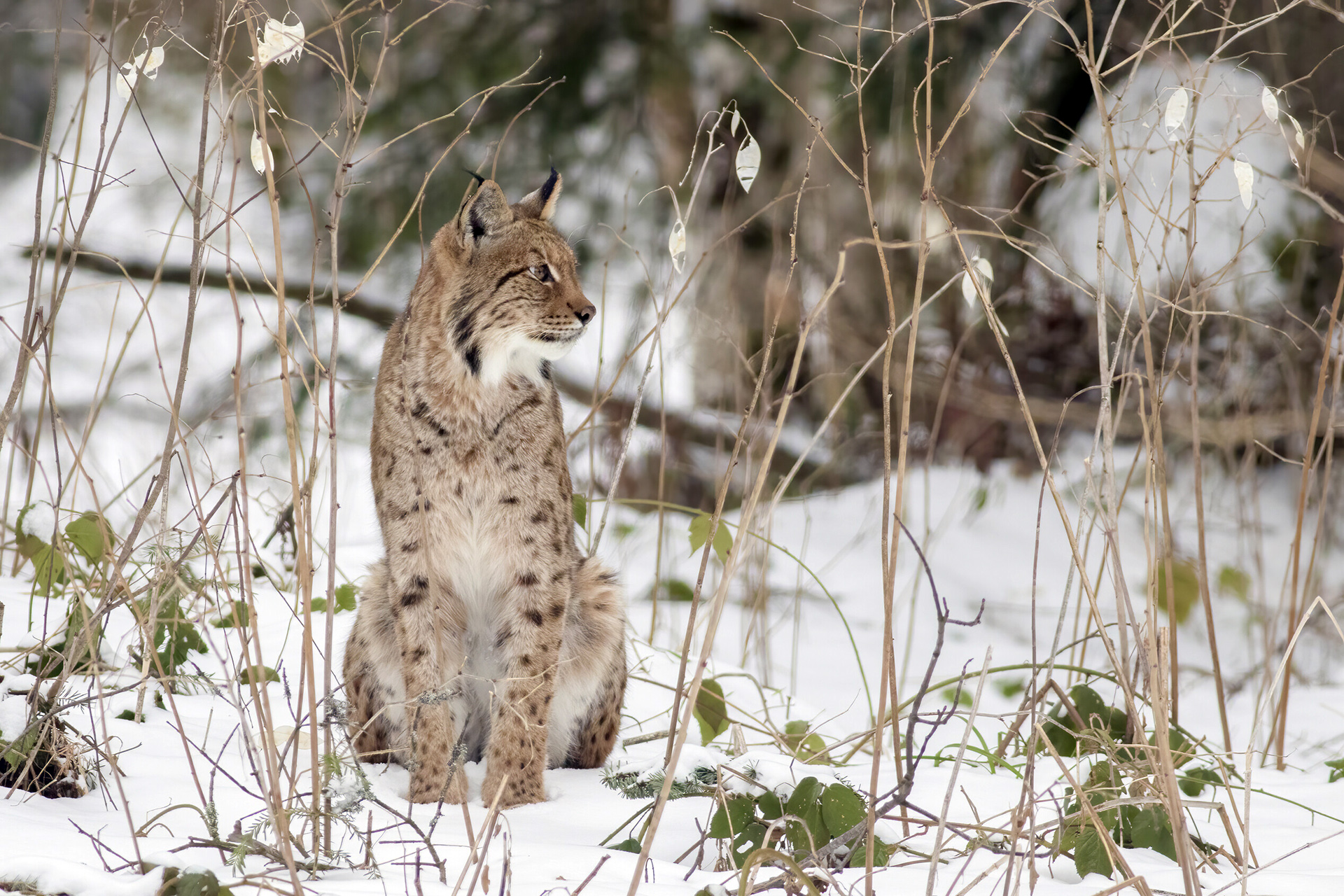
Supporting lynx comeback in Slovenia
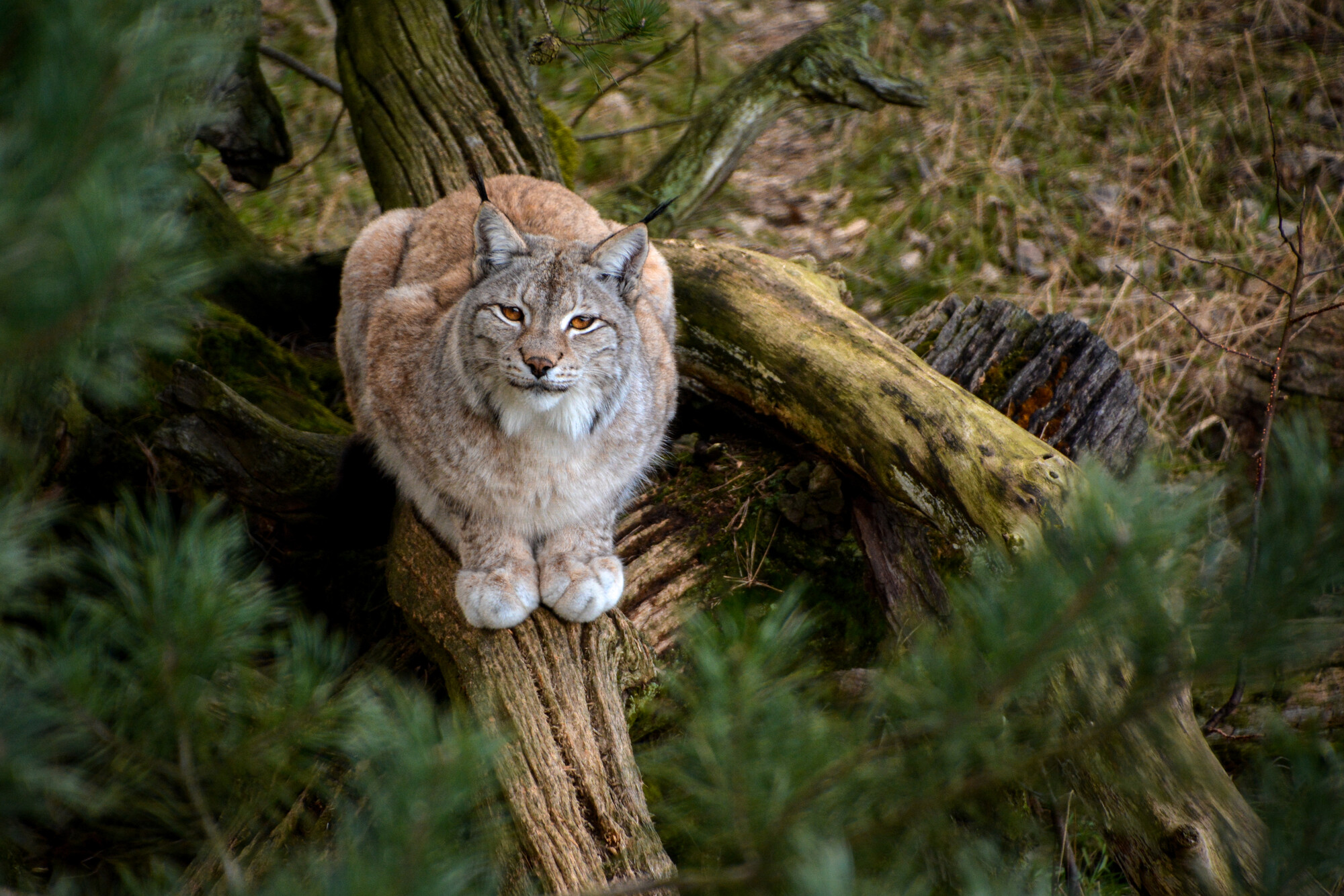
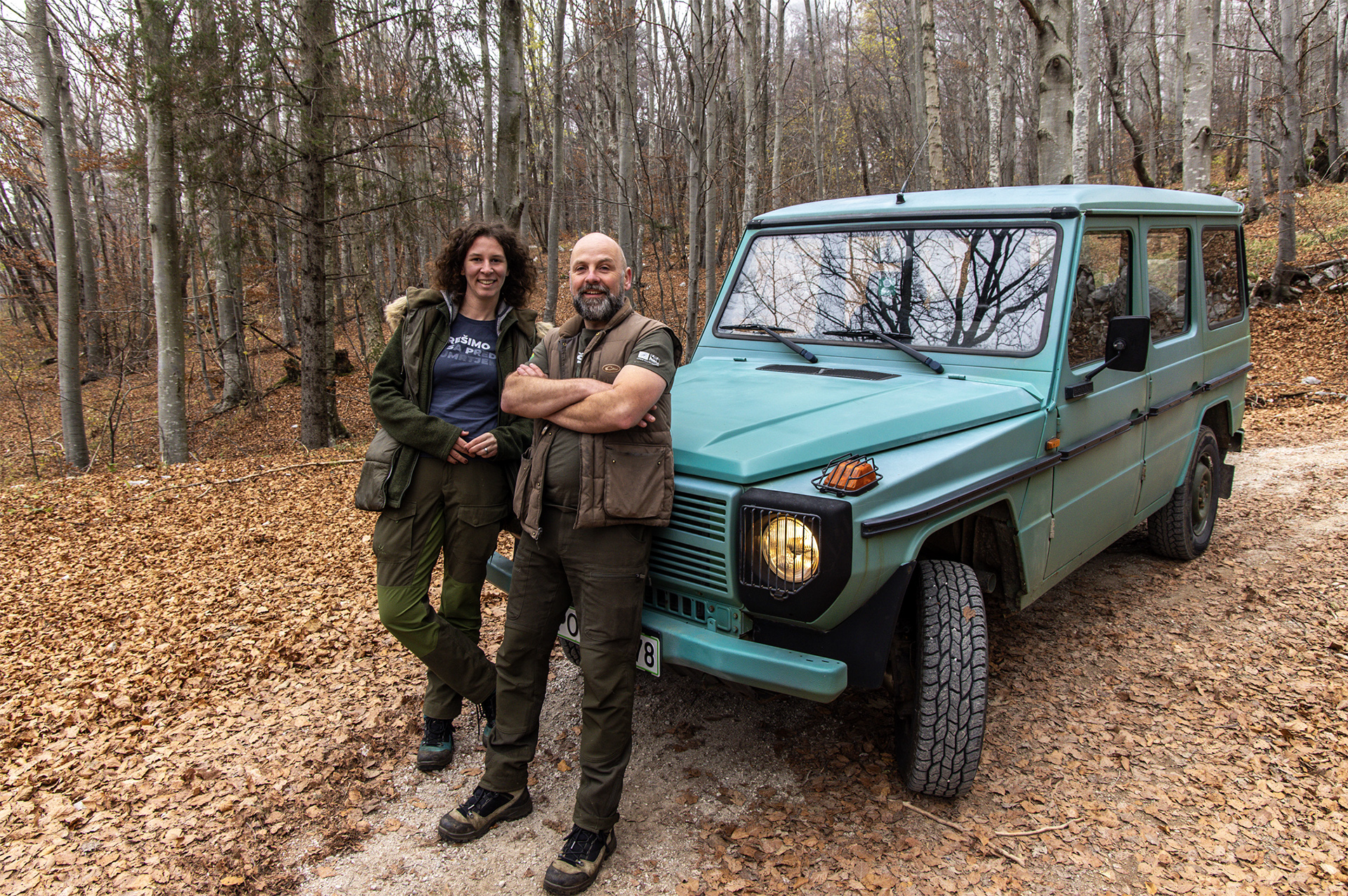
Jernej Žgur and his wife Tjasa co-founded and run “BE AROUND ME” — a Slovenian company that offers bear watching and hiking in the forests around the town of Postojna, located close to the Italian border. Combining field-based experiences with conservation knowledge, BE AROUND ME is rooted in a simple belief: that large carnivores live around us, and we are part of their habitat.
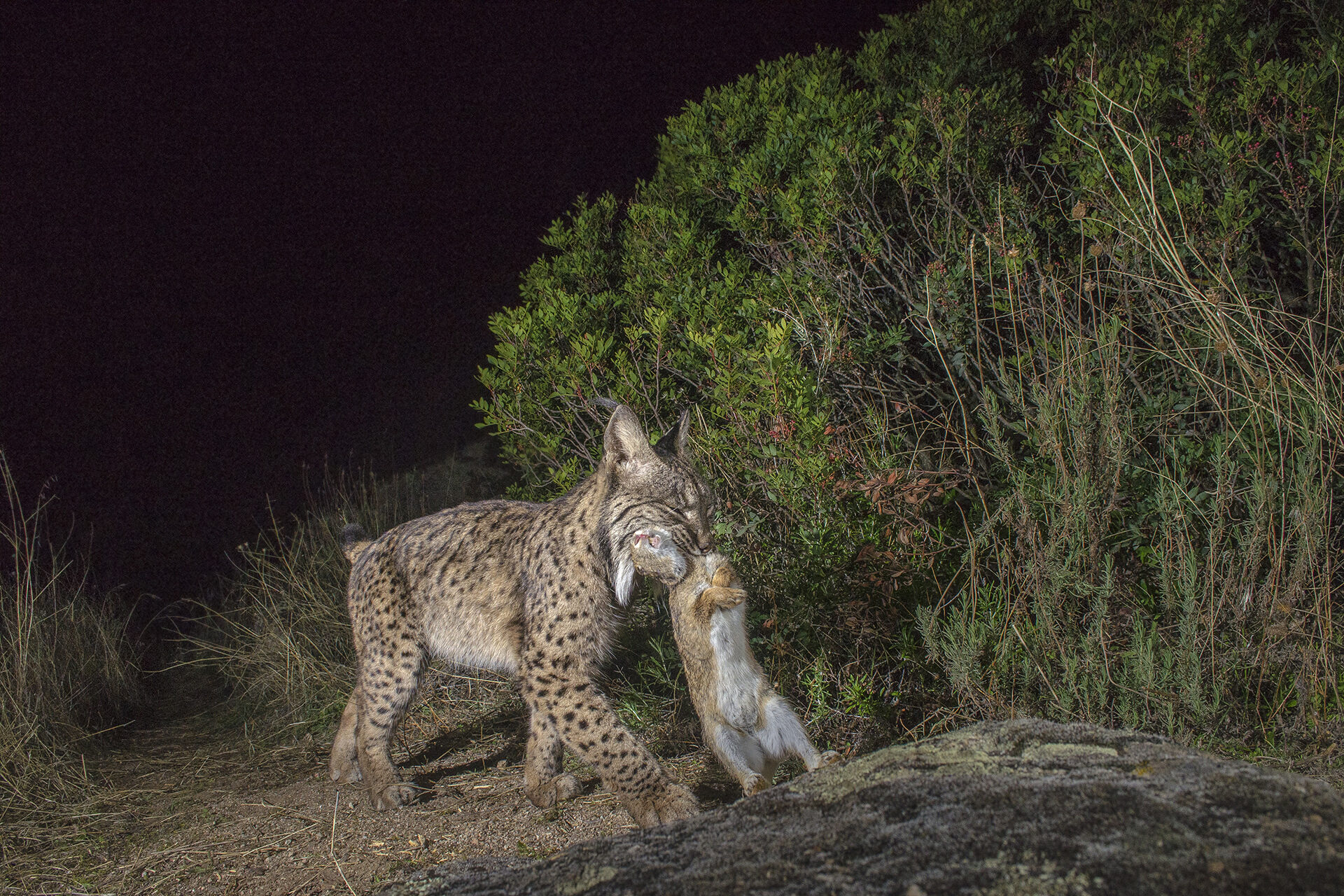
Jernej and Tjasa have taken part in a number of international carnivore comeback initiatives, which have seen them actively involved in lynx monitoring, research support, and outreach. For Jernej, supporting the return of the lynx and other wildlife in Slovenia is deeply personal.
“I believe that this is the very least people can do – to give something back if we have caused something to disappear. The reasons why lynx vanished from Slovenian forests are complex, but most of them are connected with human impact, including that of hunters in the past. As a hunter myself, I feel a responsibility to do as much as I can to help return at least a small part of what has been lost. Hunting and wildlife comeback can be complementary, if hunting is practised responsibly and based on ecological principles.”
Jernej’s passionate belief in coexistence comes from first-hand experience.
“Coexistence is complex,” he says. “But it is possible if we accept responsibility for our role in nature and are willing to adapt, rather than expecting nature to adapt to us.”
Jillis Roos
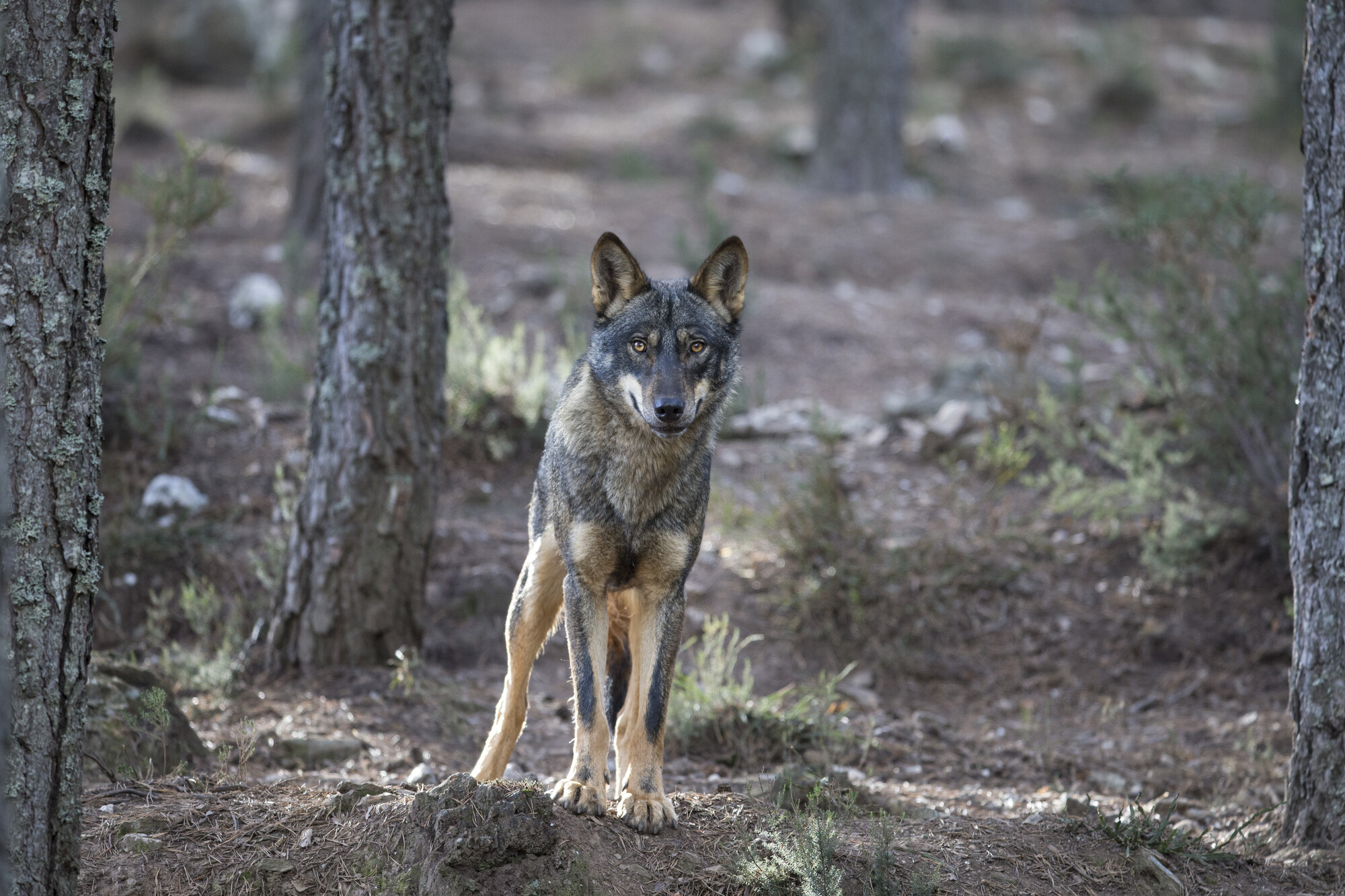
Living with wolves in Portugal’s Greater Côa Valley
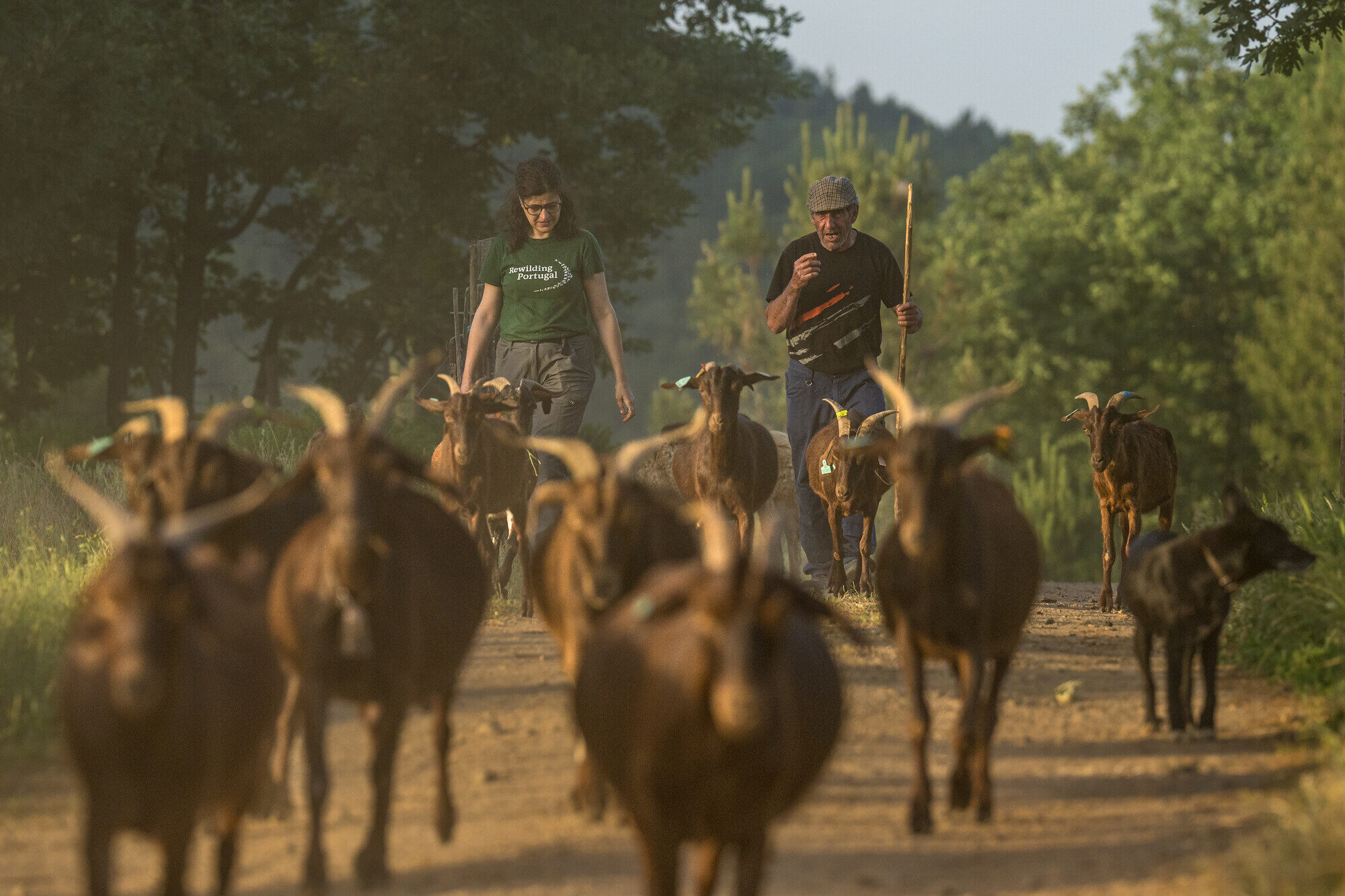
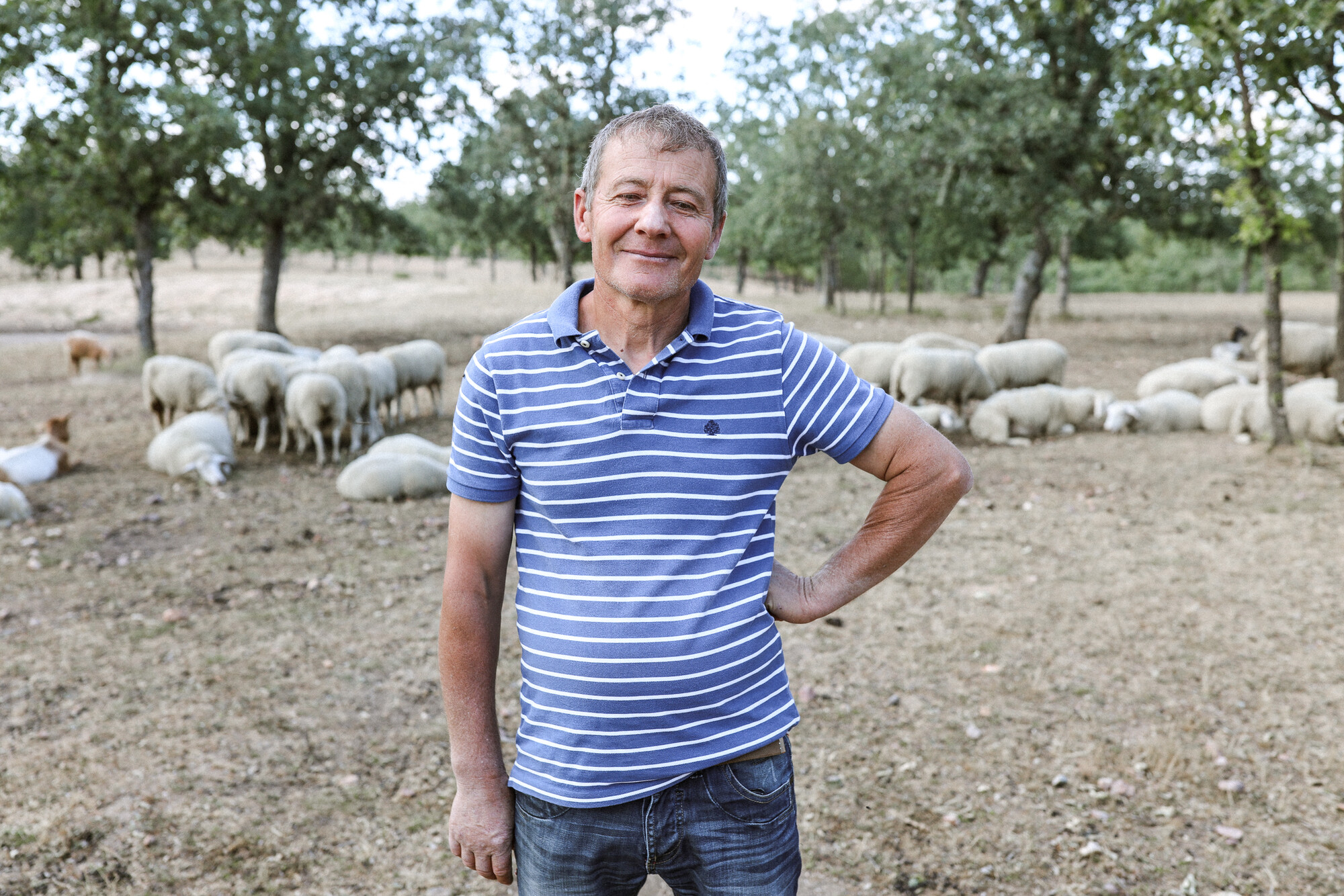
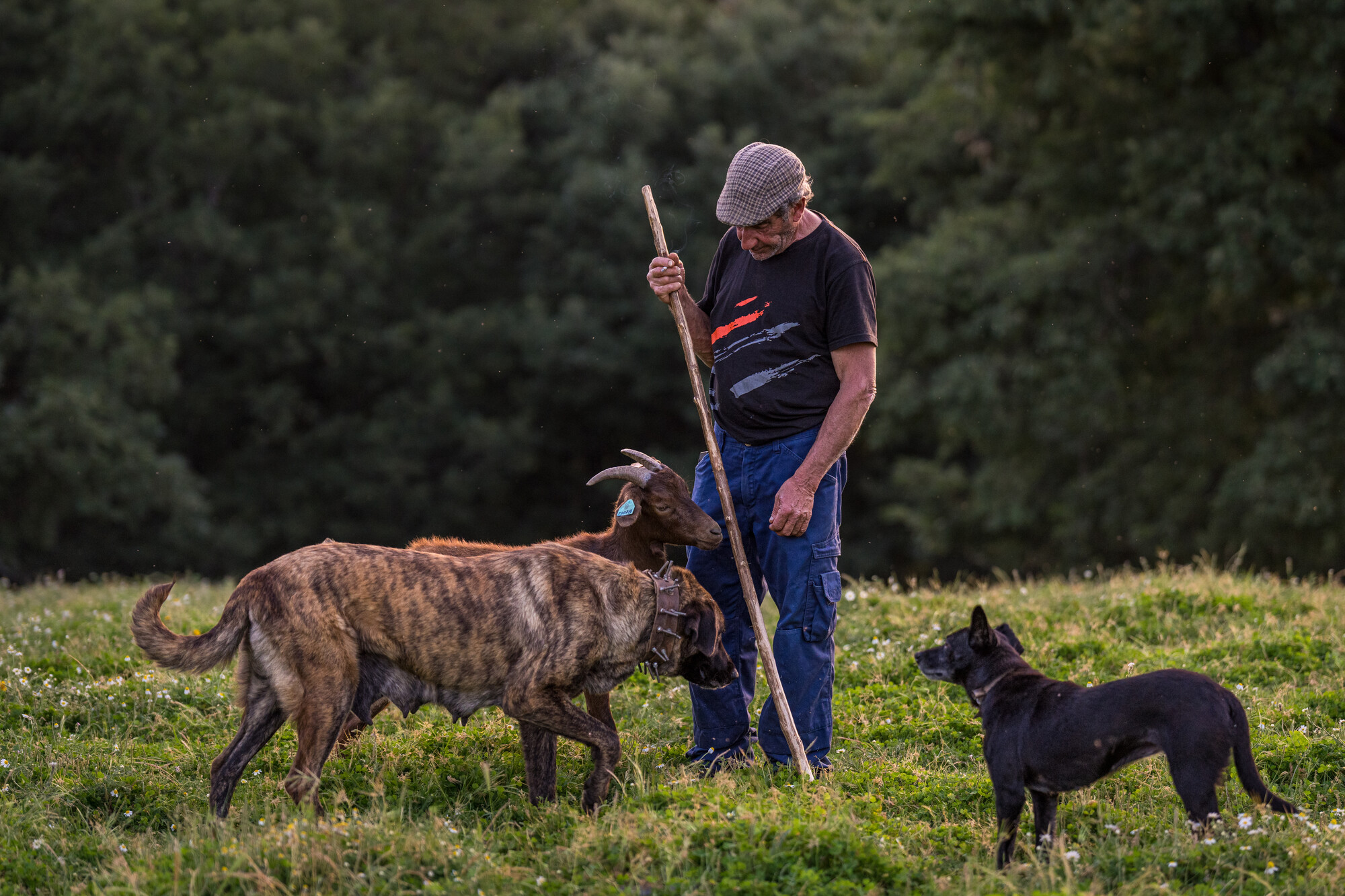
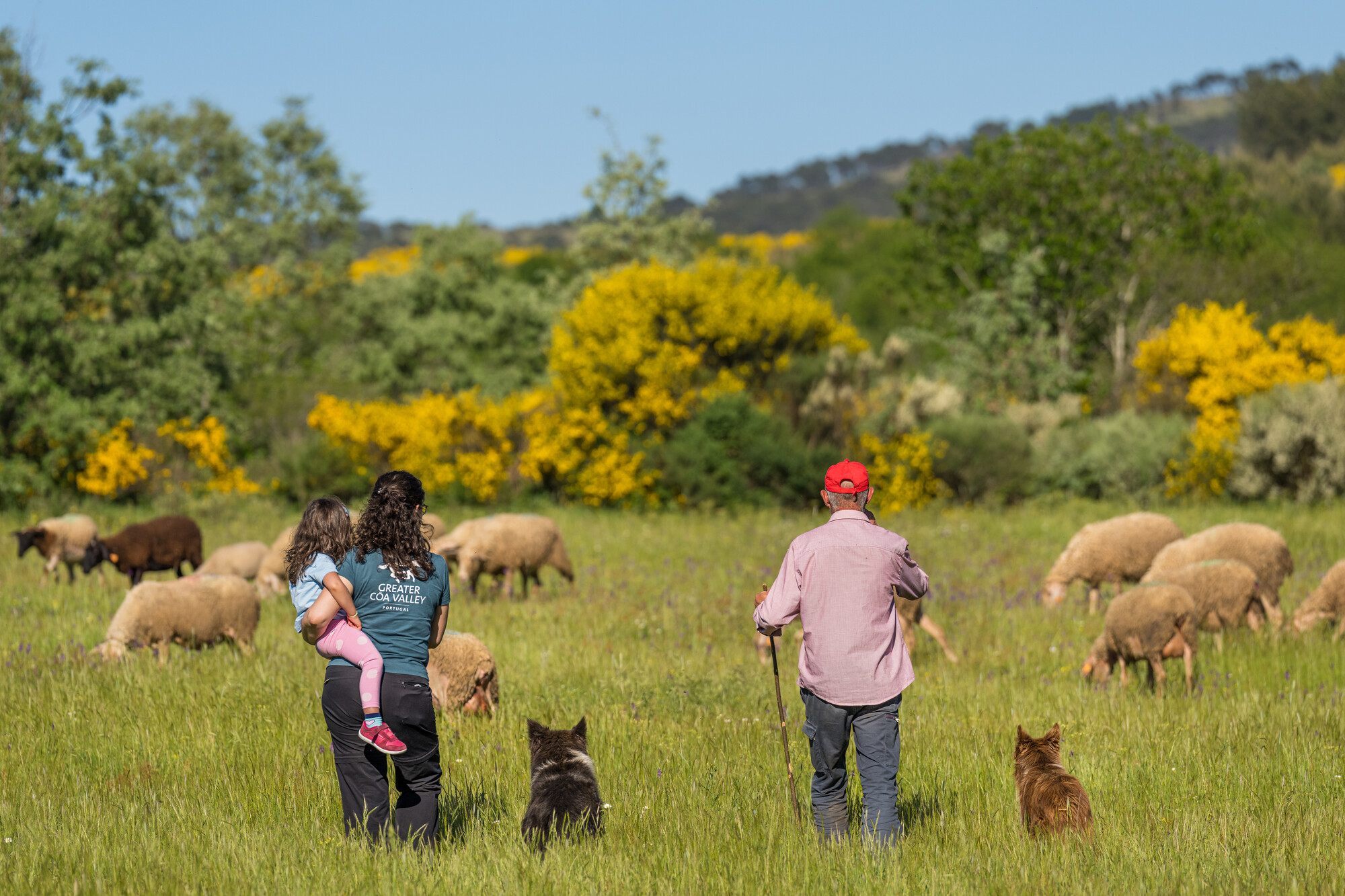
Albano Alavedra owns an 80-hectare goat farm in the southern part of the Greater Côa Valley rewilding landscape, near the Serra da Malcata in Portugal. He received his first livestock guardian dog in 2021, followed by a second in 2022. Both dogs were provided by the Rewilding Portugal team, as part of a wider set of measures aimed at improving coexistence between local farmers and Iberian wolves.
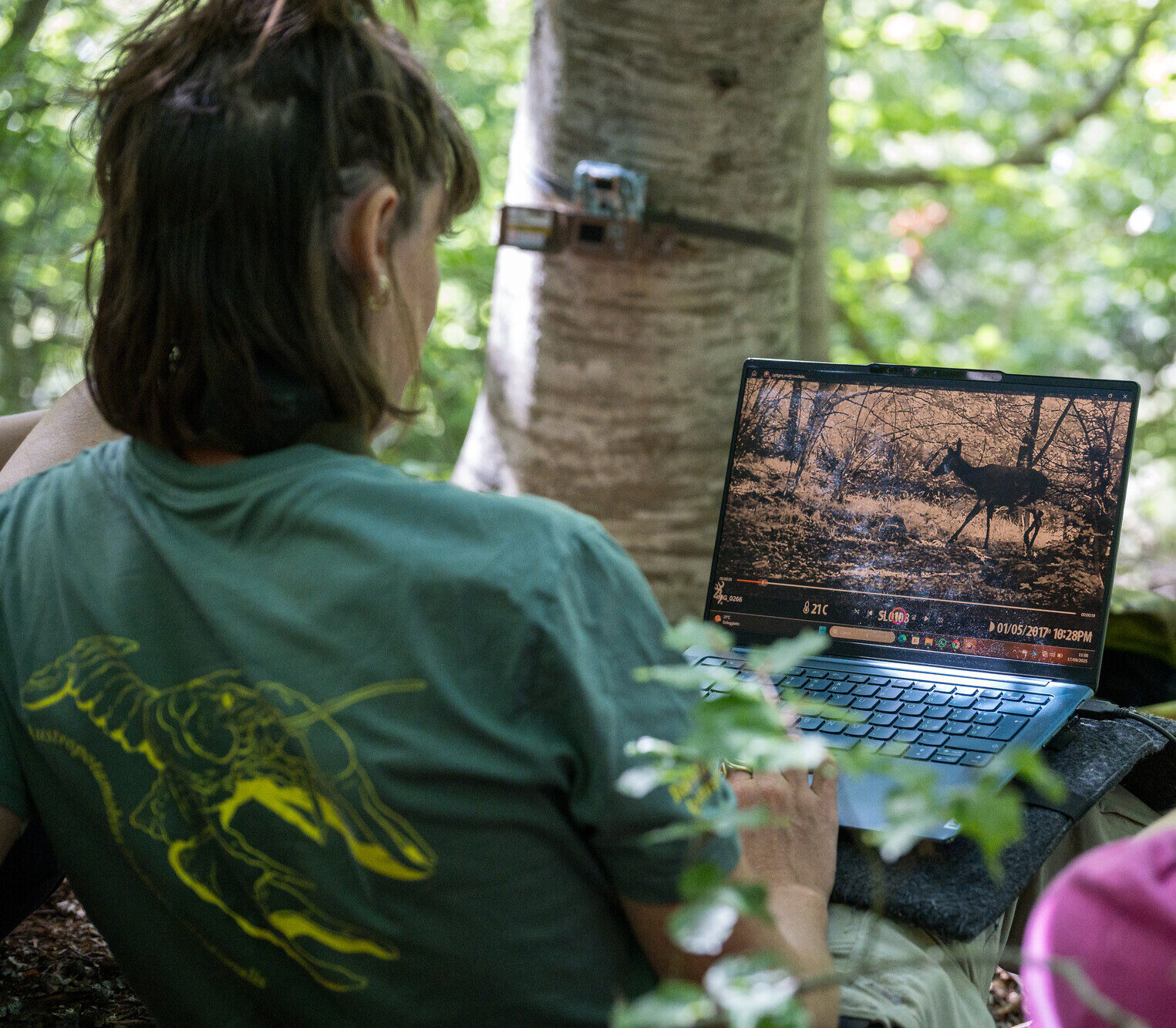
In addition to directly supporting farmers, the team has also worked to support the recovery of the roe deer populations in the landscape. The recovery of this natural prey species has the potential to further enhance human-wolf coexistence by reducing wolf predation on livestock.
Albano believes that coexistence with wolves is not only possible, but beneficial too.
“We can live with wolves — the solution is to change people’s views about livestock security,” he says. “Today there are no shepherds left here, just people that don’t have enough knowledge about nature. They just leave their livestock in a fence and go away, which means they are exposed to wolf predation. There also needs to be a stable population of deer, as an alternative food source for wolves.
“I have always believed in coexistence because I grew up seeing and hearing wolves. Wolves are an essential part of nature. They help keep livestock herds healthier by reducing disease, encourage wild boar to keep moving so they don’t overgraze pastures, and regulate smaller carnivores that can cause losses among young animals. They also help maintain populations of rabbits and partridges, leaving more food available for birds of prey. We can’t simply eliminate carnivores, because this unbalances the entire ecosystem.”
Daniel Allen/ Rewilding Europe
Marcus Westberg
At one with nature in the Central Apennines
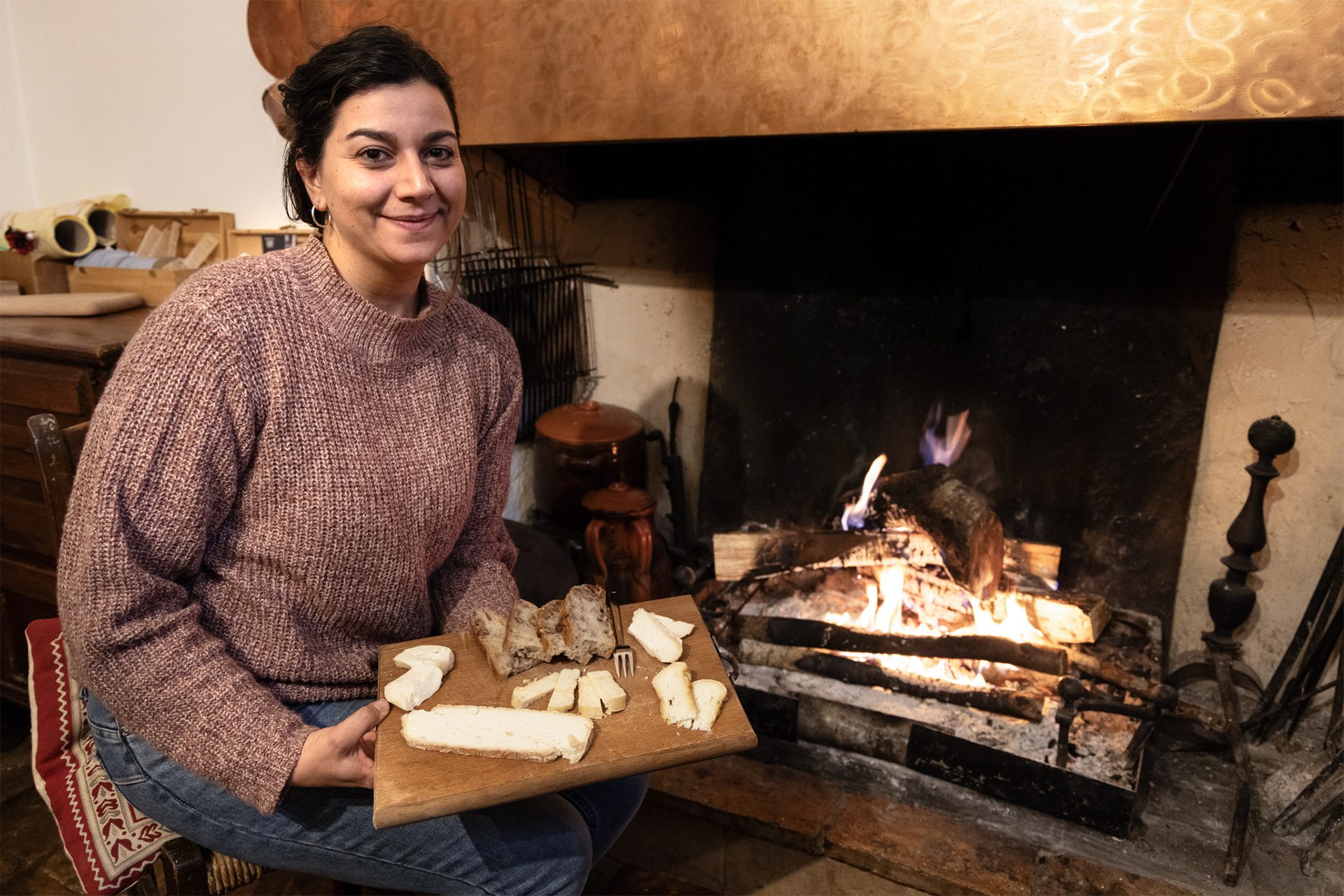
Founded in 2018 by Virginia Sciore, Alla Casa Vecchia is an artisanal dairy and goat’s cheese producer located in the Majella mountains, within the Central Apennines rewilding landscape in Italy. Born from a family desire to reconnect with nature, Alla Casa Vecchia’s goats are raised with care, while their milk is transformed into cheese using traditional methods that follow the rhythm of the seasons. Raw materials come from the land itself, food is cooked over a fire, and daily life embraces a slower pace shaped by generational knowledge and practice.
Alla Casa Vecchia is also a place of welcome and exchange. Visitors are invited to experience rural Central Apennine life through tastings, curated breakfasts, courses, and small events that share the value of pastoral culture. Looking ahead, Virginia sees the dairy as a small but meaningful custodian of the landscape and local tradition, hosting a growing number of workshops and gatherings that strengthen the bond between people, place, and nature.
For Virginia, coexistence between humans and wildlife is essential, particularly in wilder parts of Europe such as the Central Apennines.
“Living alongside wildlife reforges our bond with nature and adds value to both the landscape and the community,” she says. “Challenges do exist — even on a daily basis — but with awareness, preventive measures, and dialogue, we’ve seen that they can be addressed. The presence of wildlife reminds us that we are part of nature, not above it. I have seen attitudes towards coexistence gradually shift in the area where I live, with growing recognition that wildlife is an ally and a resource — rather than a threat — and that it is possible to thrive together.”
James Shooter
Bruno D'Amicis
Scaling up coexistence across Europe
Most human–wildlife coexistence challenges stem from different views on whether — and how — people should share space and resources with wildlife again. They are shaped by how different groups perceive risk, as well as by the cultural value of certain species. Farmers may oppose the return of predators such as wolves or bears because they fear for their livestock and safety. Others worry that removing dams or embankments could change the way rivers flow and increase the risk of flooding to homes and property. At the heart of these tensions are differing views on the value of wildlife, concerns about livelihoods, and competing priorities for land use and conservation.
To understand and address people’s fears and challenges, strategies to enhance coexistence must be developed collaboratively. Bringing people together allows them to voice their needs and experiences, and to jointly design, implement, and manage solutions that work in everyday practice. Europe’s rich diversity means that measures which enable people and wildlife to share space will vary from place to place. Nevertheless, strong community-level action and leadership are essential to help people and wildlife thrive together across the continent.
Marcus Westberg
FILIPPO CASTELLUCCI
Elevate your coexistence expertise
Are you keen to dive deeper into human–wildlife coexistence and the vital role it plays in rewilding? Are you curious to learn how coexistence can be strengthened at a local level to maximise the positive impact of rewilding efforts?
Rewilding Europe’s pioneering free online rewilding course brings together practical insights from leading practitioners and academics across more than 20 European countries. Covering coexistence in depth — alongside a wide range of other rewilding topics — the course is accessible, interactive, and designed to inspire action. It offers fresh perspectives and practical tools for anyone working with land, water, or wildlife, equipping those who take it with the expertise and confidence to start making a difference. No prior knowledge is needed – just passion and a willingness to explore!
Staffan Widstrand / Rewilding Eu
Experience coexistence first-hand
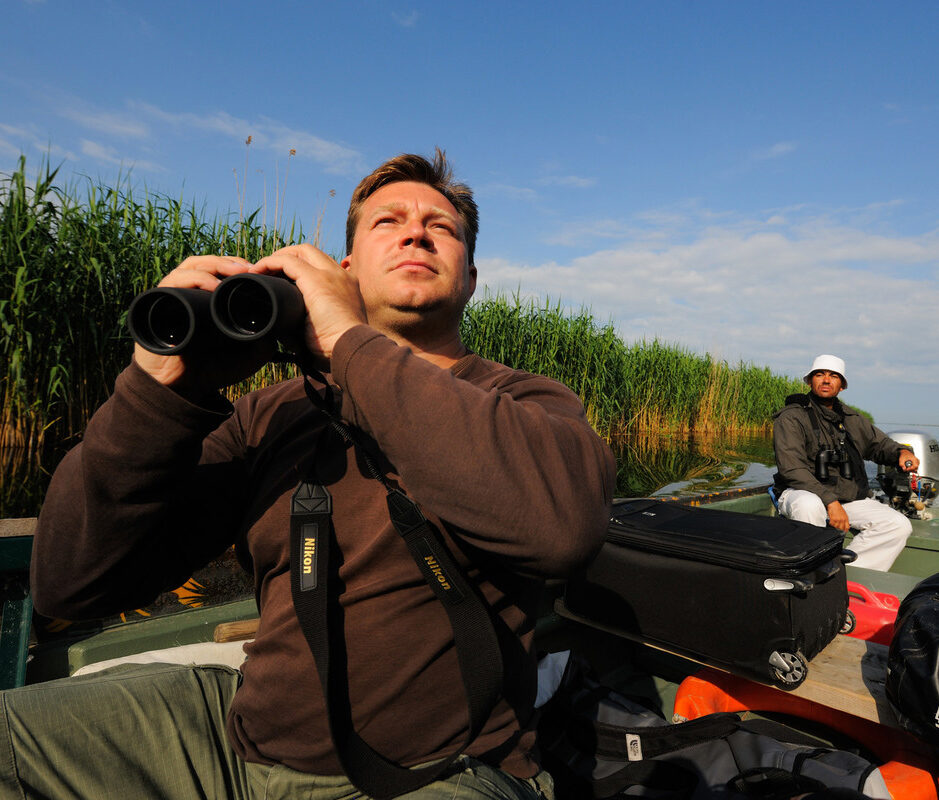
From Marsican brown bears in the Central Apennines of Italy and European bison in the Southern Carpathians of Romania — to Dalmatian pelicans in the Danube Delta and Przewalski’s horses in the Iberian Highlands of Spain, rewilding efforts across our landscape portfolio are restoring nature, strengthening communities, and showing that a shared future with wildlife is not only possible, but already taking shape.
To experience the rebirth of these landscapes first-hand — and see how coexistence is being put into practice — book your next travel adventure through Wilder Places, our online travel platform. Every uniquely immersive trip booked through Wilder Places supports the comeback of iconic wildlife species, strengthens local nature-based economies, and helps us turn up the coexistence dial.
Let’s build a thriving home for people and wildlife in Europe
Why should we rewild? Because we don’t just want to survive – we want to thrive. We want to breathe clean air, drink clean water, feel inspired and enriched by wild landscapes, and build sustainable livelihoods that are resilient and connected to nature.
Rewilding is not only about restoring landscapes — it’s also about restoring relationships. It’s about re-awakening our connection to the natural world and re-imagining the future of our communities. When people and wildlife share space again, we create more than ecological balance — we create hope, resilience, and a deeper sense of belonging. This partnership is rooted in the belief that Europe can be both wilder and wiser — a continent where the return of nature becomes a shared story of coexistence, care, and renewal.
Let’s move beyond the language of limits and embrace opportunities. Rewilding offers a bold, hopeful path — one where beavers, bison, wolves, and bears aren’t seen as threats, but as allies in rebuilding a world where all life can flourish. By following this path, we can all prosper together.
Danny Green
