Submissions for the Rewilding Europe Award in this year’s European Wildlife Photographer of the Year competition are eligible until 1 March. With the deadline approaching, Berlin-based photographer Jon A. Juárez — who will act as one of this year’s judges — shares his thoughts on what makes a prize-winning rewilding image.
As part of the annual European Wildlife Photographer of the Year competition, which was launched in 2001 by the German Society for Nature Photography (GDT), the Rewilding Europe Award celebrates some of the best rewilding-related imagery from across Europe. The deadline for submissions is 1 March, 2026.
This year, the Rewilding Europe Award will be judged by Viktoria Pezzei and Jon A. Juárez, a Spanish photographer and videographer based in Berlin. A biologist on paper but photographer at heart, Jon is dedicated to bringing people closer to nature and raising awareness about climate change and social issues. A member of the GDT since 2015, his work has been exhibited in Germany and Spain, while his numerous accolades include last year’s Rewilding Europe Award. We caught up with him to find out a little more about his work — and what he thinks makes an outstanding rewilding photo.
How did it feel to win the Rewilding Europe Award last year?
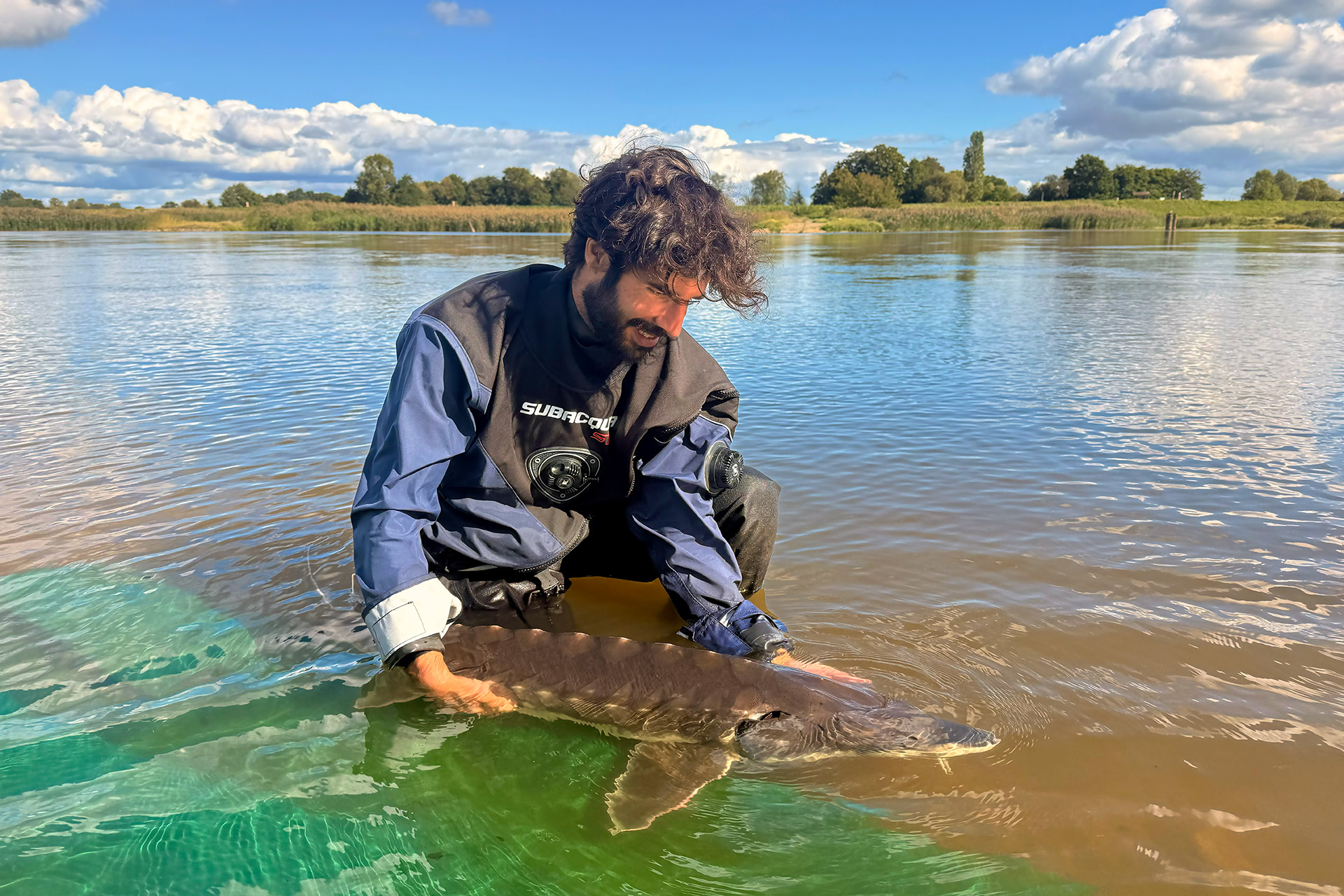
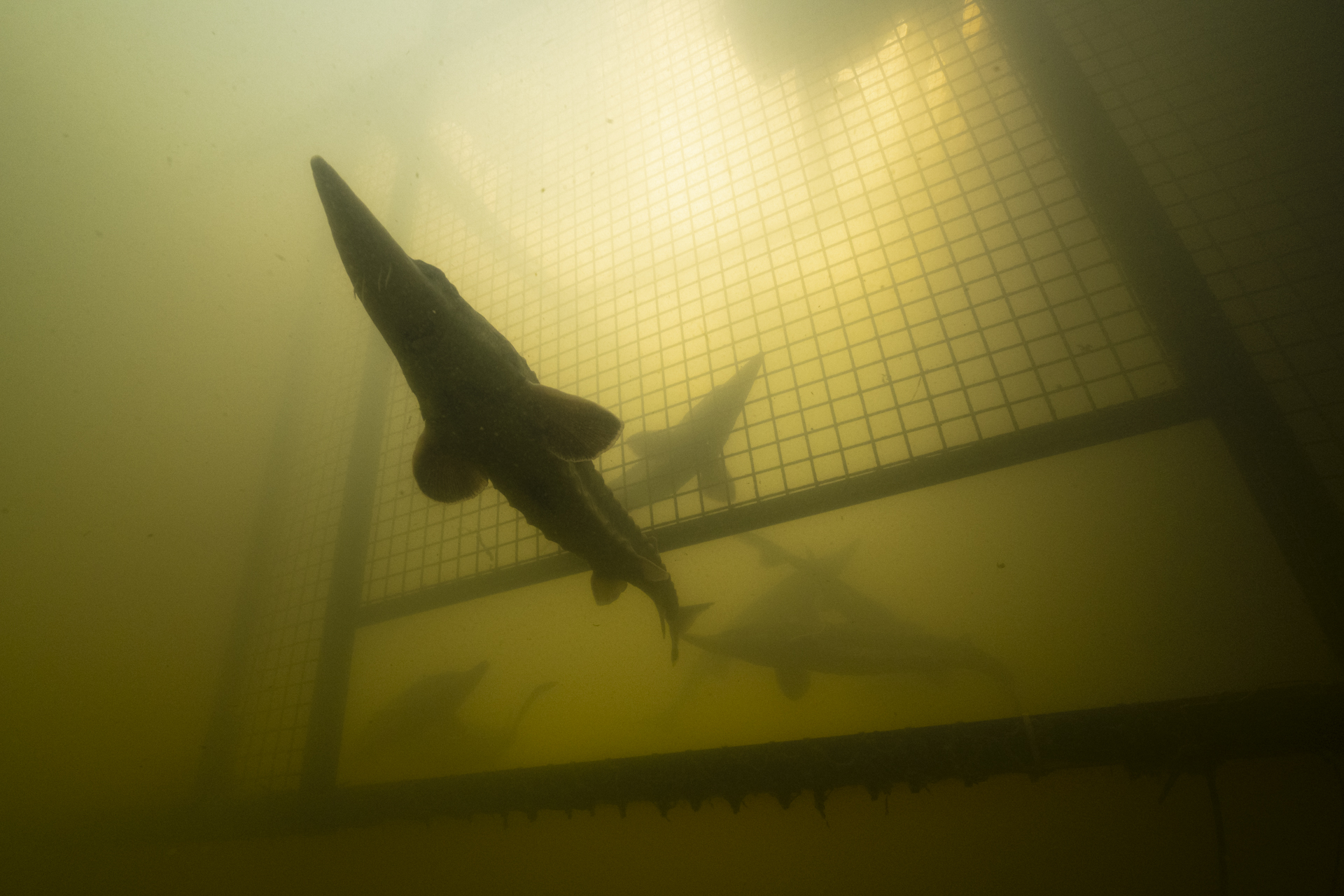
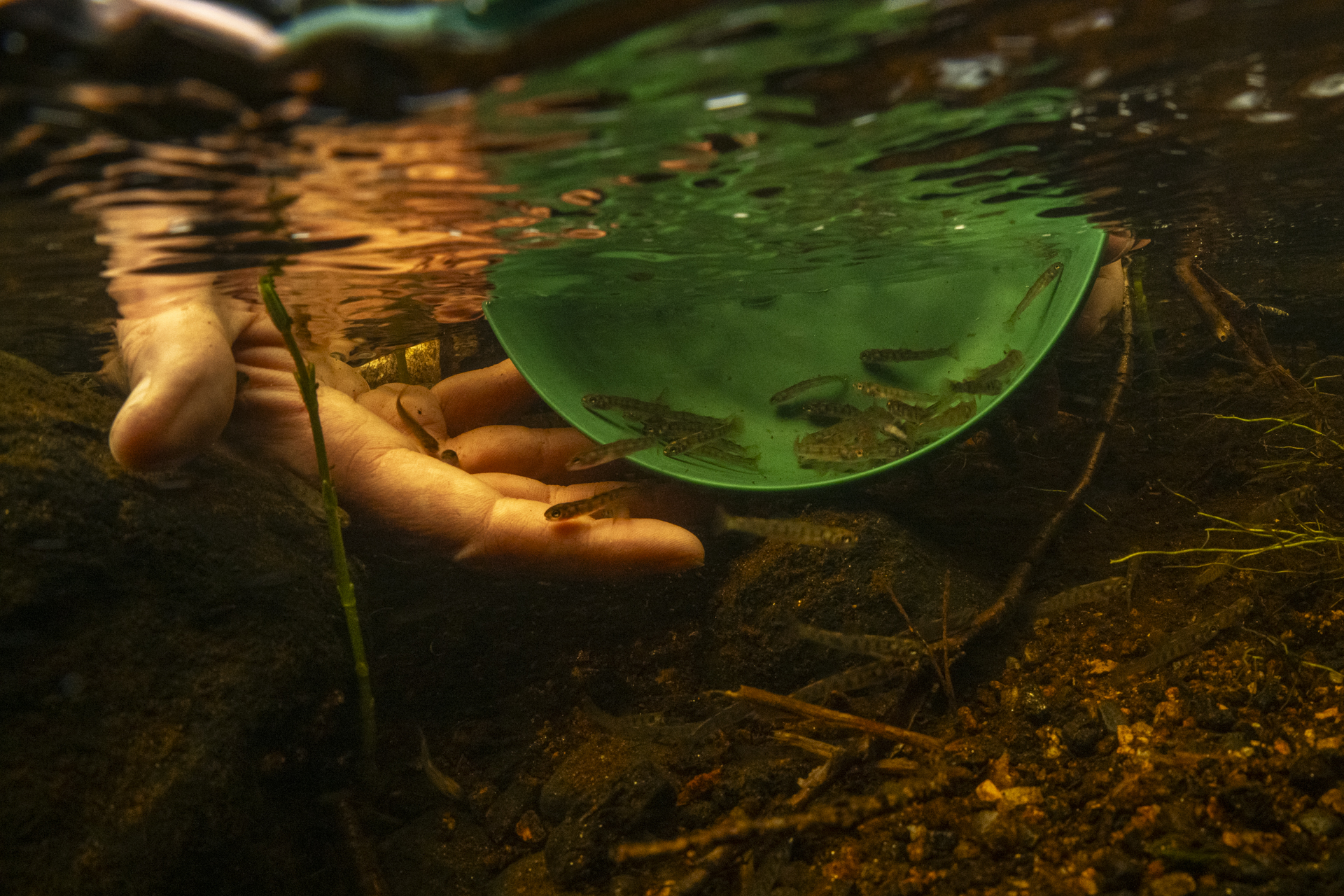
Winning the Rewilding Europe Award meant a great deal to me, because it honours more than the aesthetics of an image. It also recognises the story and impact behind it. The winning photograph marked the culmination of an inspirational assignment alongside a deeply committed team. I documented their work for days, as they transported sturgeon from Germany to Sweden, tagged each fish, and built a cage to help them acclimatise before their release.
When the moment finally came, I had one goal: to capture an image that distilled all those efforts into a single frame. I slipped into the river, only to find my artificial lights useless in the murky water — until the sun broke through at just the right time. As the cage opened and the first sturgeon drifted into its new home, I saw not just a photograph, but a promise: that ecosystems can recover when long-term commitment and passion, collaboration, and science come together.
Can you tell us more about your close collaboration with the Leibniz Institute for Zoo and Wildlife Research?
My connection with the institute goes back many years. In 2012, shortly after moving to Berlin, I discovered its work online and applied for an internship in broken German. I never received a reply. But eight years later, in 2020, I joined one of their projects as a photographer. Since then, I’ve collaborated with research teams on assignments ranging from a single day to several years, building long-term relationships that help me better understand the scientific context, anticipate key moments in the field, and immerse myself more deeply in the storytelling process.
I used to believe my role as a photographer and filmmaker was simply to translate complex scientific work for a wider audience. Through my work for the institute, I’ve come to realise that strong visuals also play a crucial role behind the scenes — in conference presentations, grant applications, and policy discussions. In today’s competitive research landscape, compelling imagery can make projects more accessible, strengthen their impact, and help them stand out.
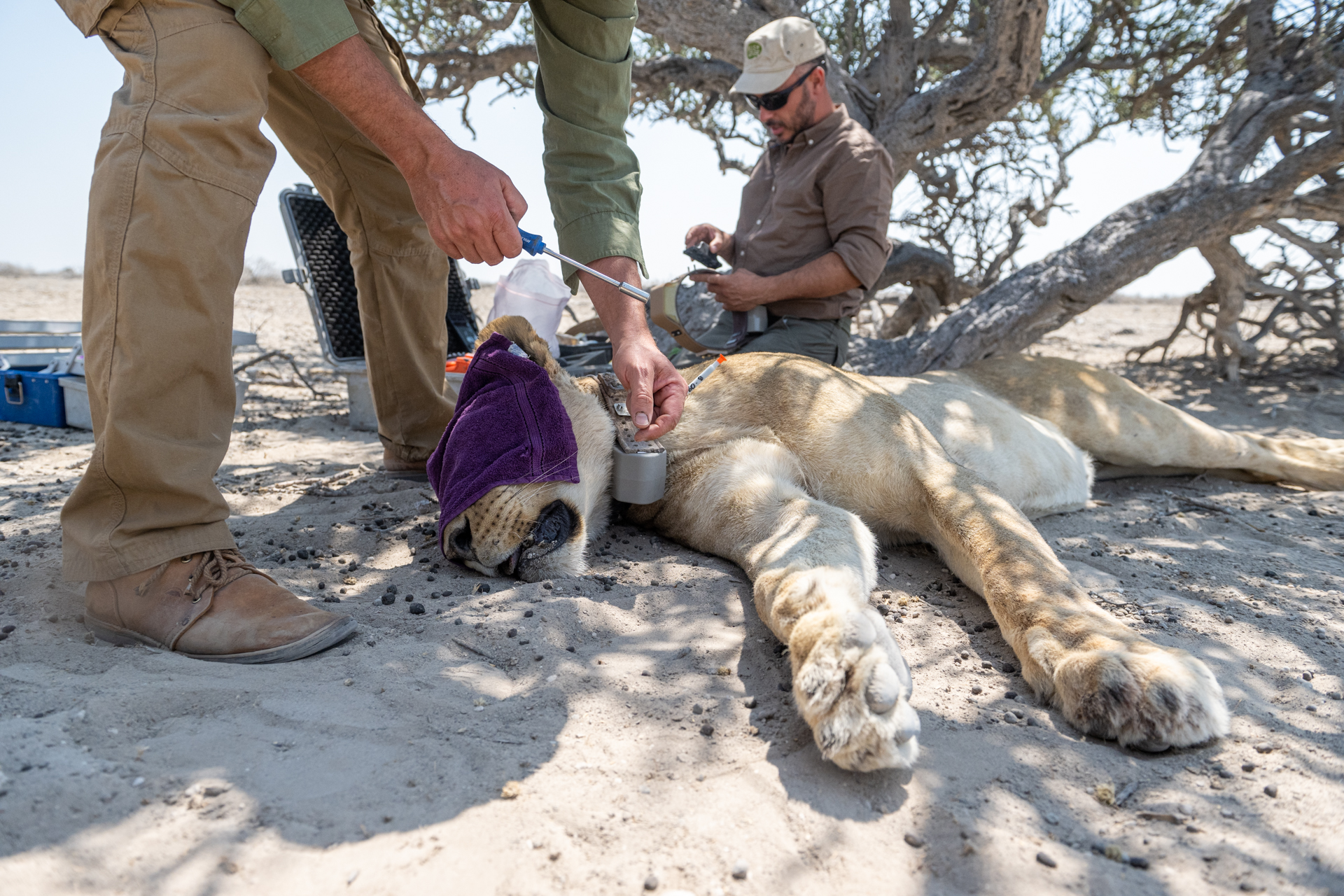
How important is it to combine underwater, aerial, and land-based images when you’re on assignment?
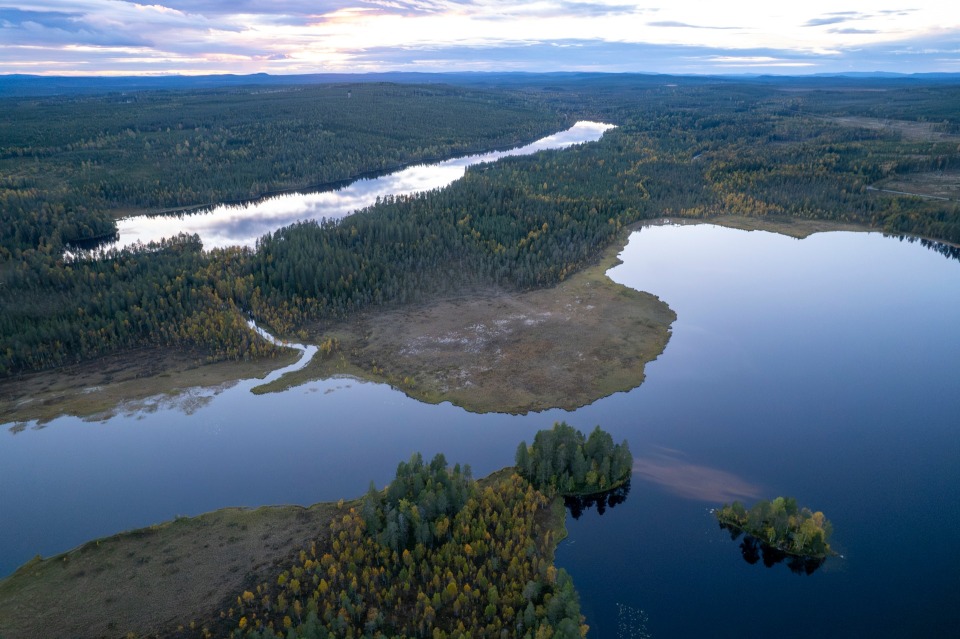
It can be incredibly powerful, because each perspective reveals a different layer of the story. For a long time, I saw my ability to move between these disciplines as a weakness. Many of my colleagues are true specialists — exceptional underwater photographers or artists with a highly distinctive visual style — and I sometimes felt I lacked a clearly defined niche.
But I’ve come to see adaptability as a strength. As conservation photographers and photojournalists, our role is to respond to the needs of the story. There are always logistical constraints: remote locations, limited transport options, or tight schedules may restrict the equipment we can bring or the angles we can pursue. In those cases, preparation is essential to prioritise what matters most and decide where compromises are acceptable. But when time and access allow, I always try to push further — exploring diverse perspectives to create a more complete and immersive narrative.
What’s your process for telling powerful stories about wildlife releases?
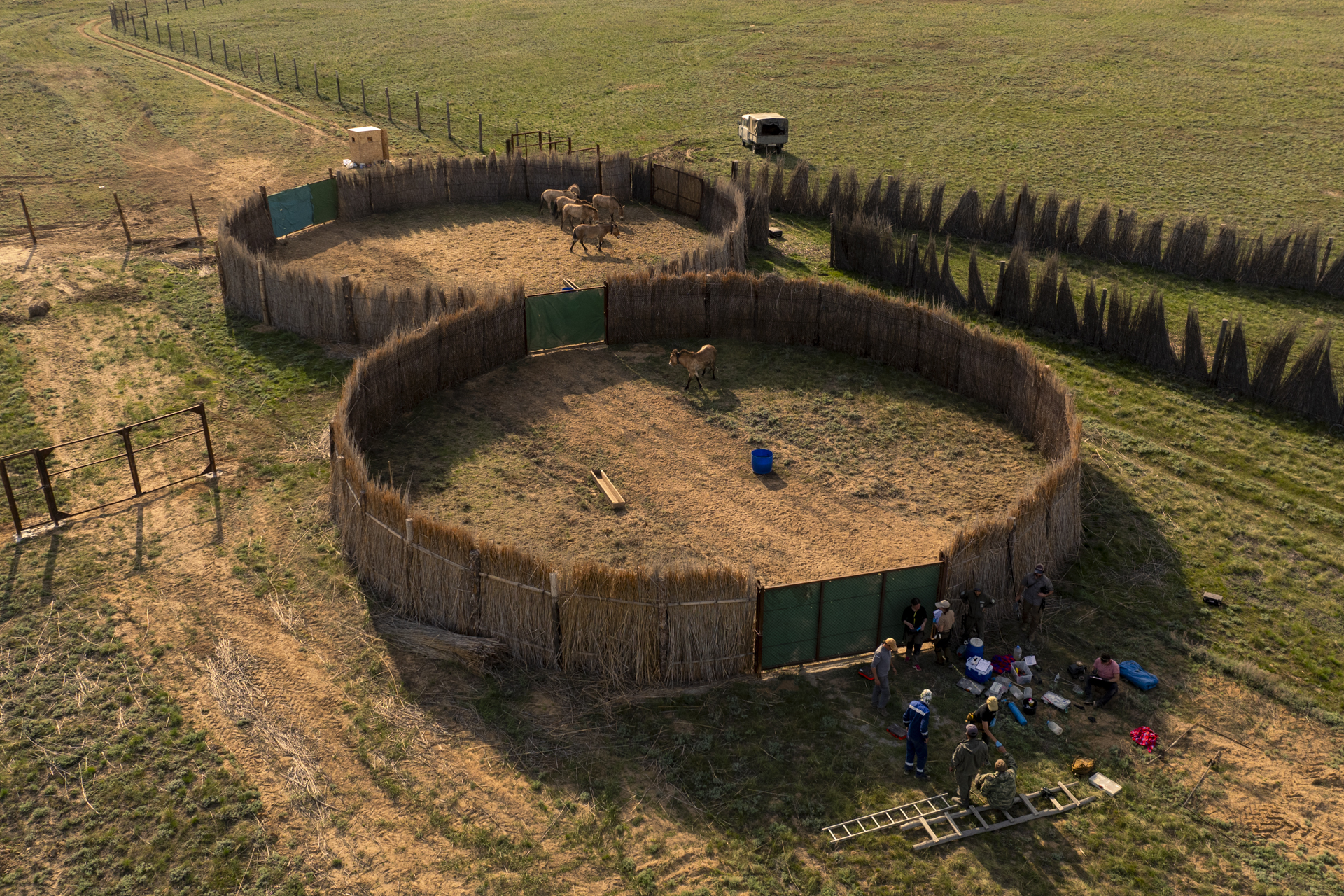
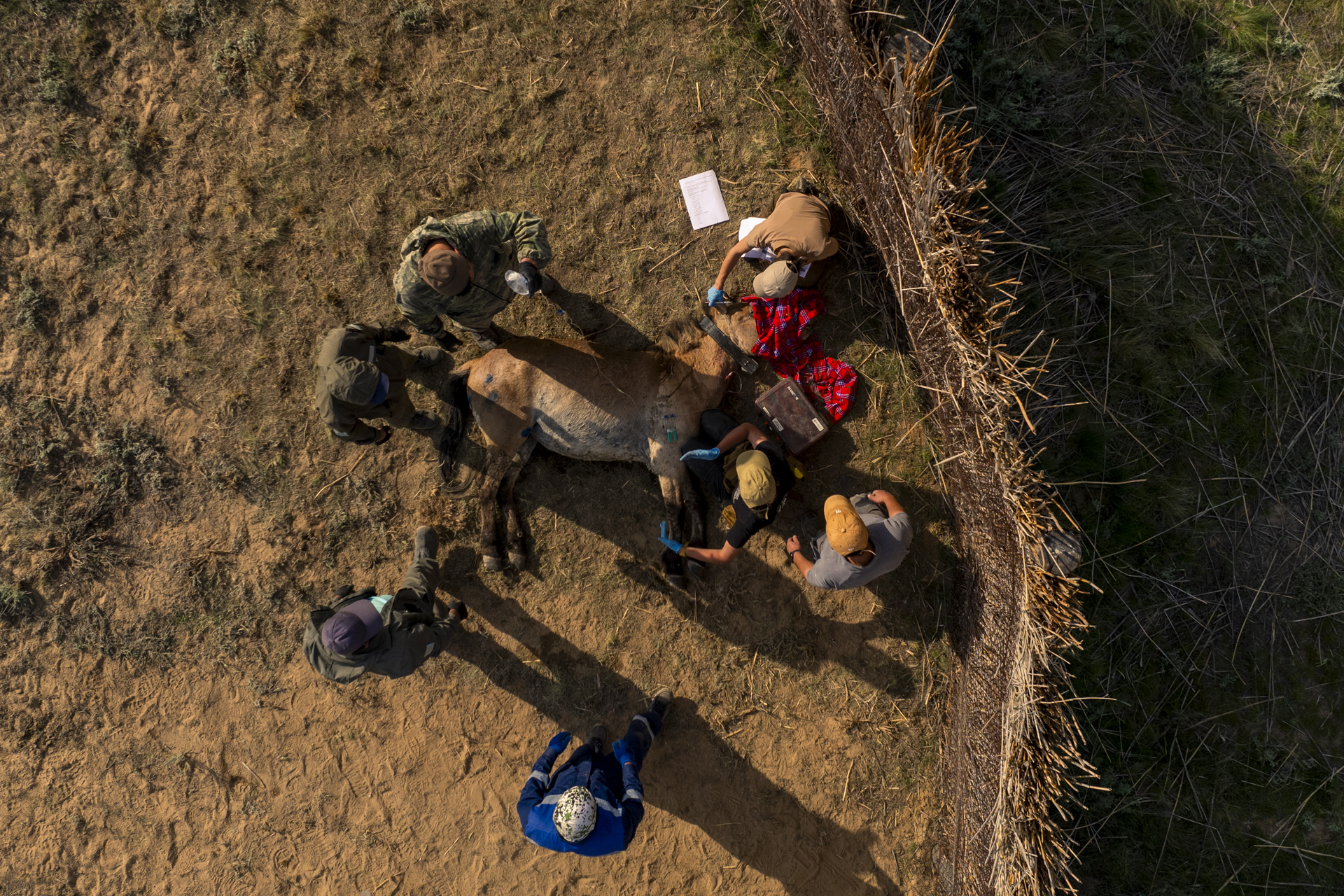
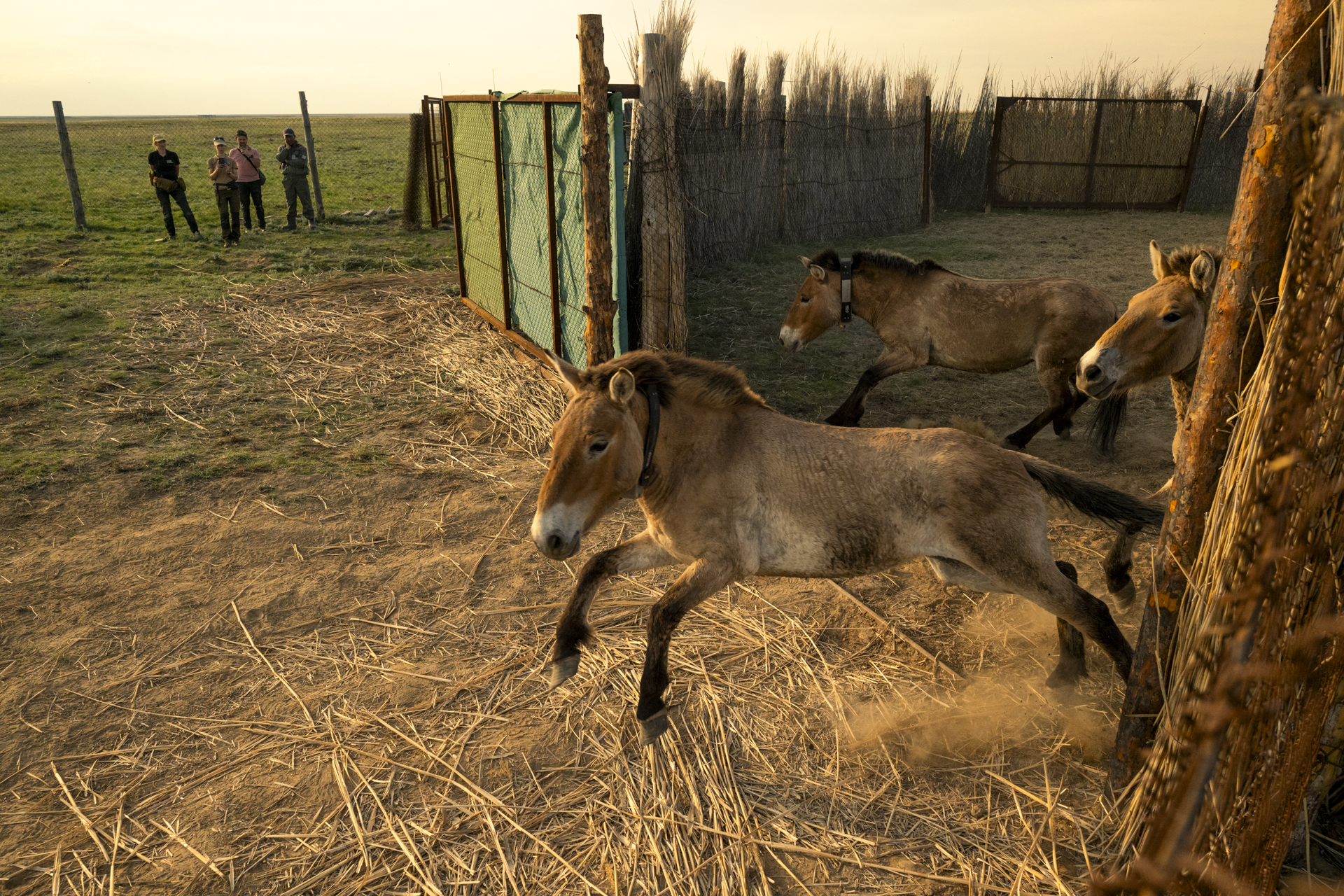
As a biologist, I always dreamed of working closely with wildlife — so documenting the release of animals into their new habitats is one of the most rewarding moments I can cover as a storyteller. Whether it’s the reintroduction of sturgeon to European rivers or Przewalski’s horses returning to the steppe in Kazakhstan, these events represent years — sometimes decades — of planning, research, and collaboration.
To tell stories like these responsibly, preparation is everything. I spend time learning from the scientists and conservationists involved, understanding the delicate stages of transport, acclimatisation, and release. The wellbeing of the animals must always come first, which means anticipating sensitive moments and working without adding stress. While the release itself may become the most widely published image, for the people behind the project every step of the journey matters just as much — and my role is to reflect that full story, not just the final, symbolic frame.
How can photography help to advance rewilding?
At a time when environmental priorities often compete with political and economic pressures, many conservation initiatives struggle for visibility and long-term support — even as dedicated people work every day to restore nature. Photography can help bring these hopeful stories to light, showing that meaningful change is achievable — and that rewilding initiatives can also create social and economic opportunities for communities. By building engagement and generating additional support, this can amplify rewilding’s positive impact.
What are you working on now?
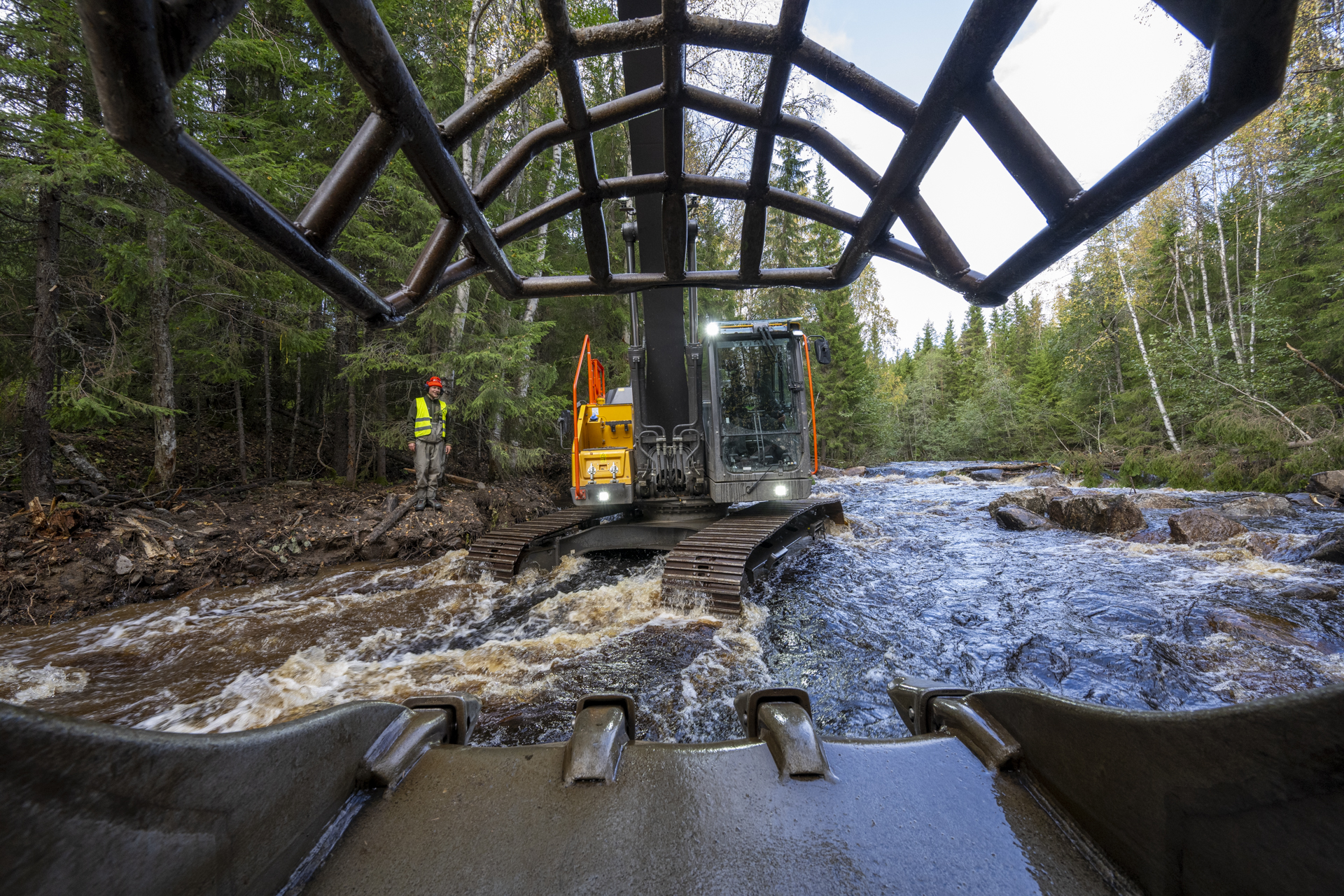
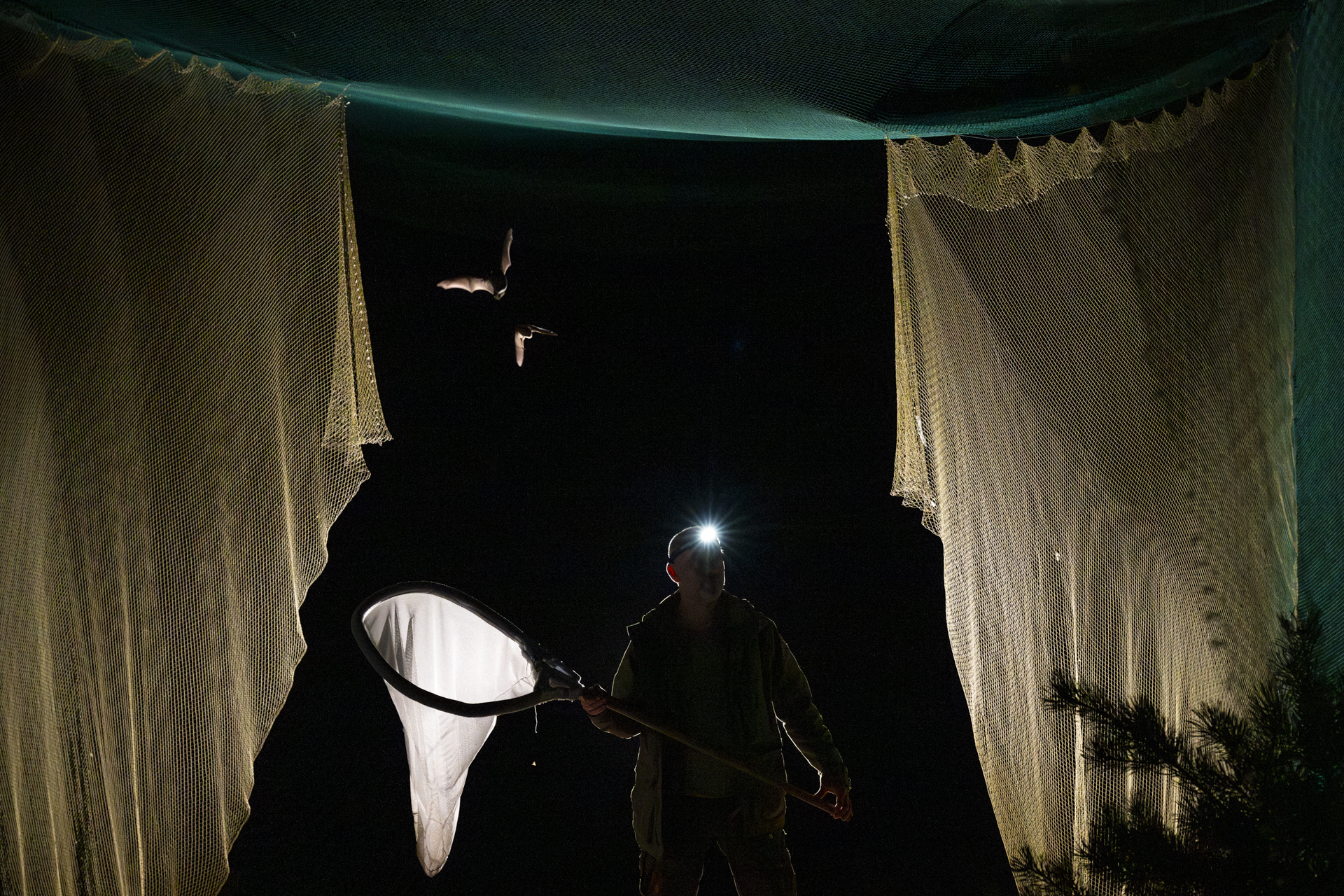
Since last May, I’ve been working part-time as a staff photographer and filmmaker at the Leibniz Institute for Zoo and Wildlife Research. I’m currently focusing on the GAIA Initiative, which is developing a high-tech early warning system for environmental change, and WildtierNah Berlin, a government-funded programme that provides guidance on urban wildlife and supports the care and coordination of injured wild animals across the city.
What will you be looking for in this year’s Rewilding Europe Award submissions?
Above all, I want to be surprised — to see something new and feel inspired. It’s not necessarily about innovative techniques or unusual compositions, but about work that reflects the dedication of communities restoring nature. Rewilding is as much about people
reconnecting with landscapes as it is about wildlife returning, and I’m drawn to images that capture that relationship — coexistence, resilience, and real impact. Ultimately, I look for stories that offer hope, while remaining grounded in the bigger picture.
I’m really looking forward to seeing this year’s entries — there’s still time to get them in!