

Freshwater pearl mussels are a vital part of healthy river ecosystems, filtering water and supporting other aquatic life. Supported by Rewilding Europe’s European Wildlife Comeback Fund, nearly 2,000 young mussels have now been released in England’s River Kent, offering fresh hope for the future of this endangered species.

A vital species in trouble
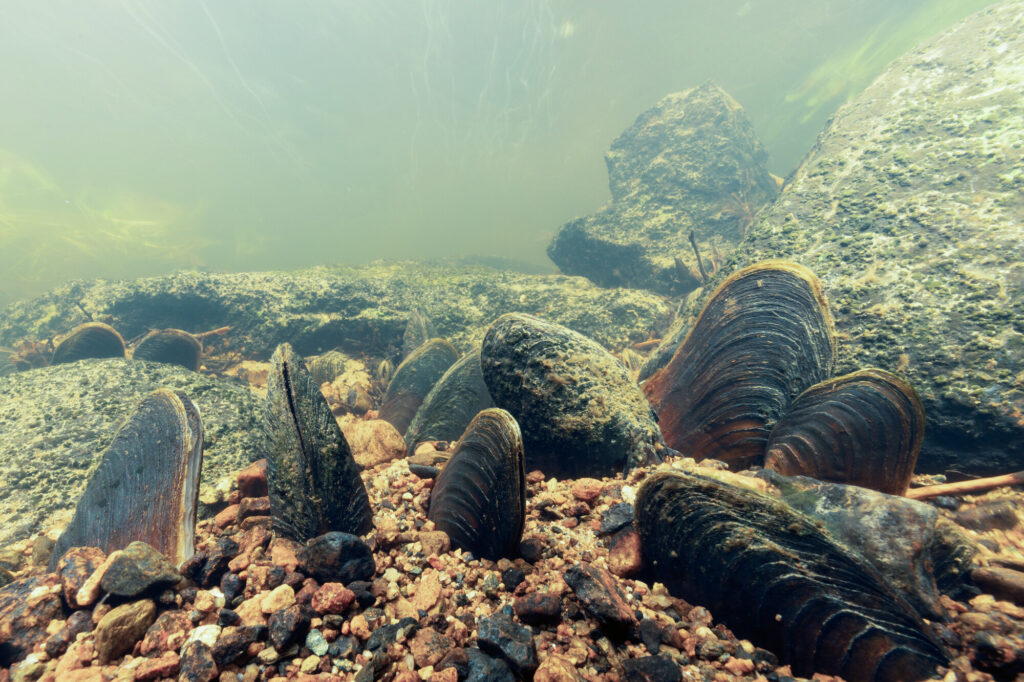
Freshwater pearl mussels are extraordinary animals. Found in clean, fast-flowing rivers, they are among the world’s longest-lived invertebrates, with individuals capable of surviving for well over a century. As filter feeders, they process large quantities of water, removing suspended particles and organic matter and helping to maintain water quality and healthy river ecosystems. Their presence is also a valuable indicator of river health: where these sensitive molluscs are thriving and reproducing, conditions are generally good for a wide range of other freshwater wildlife.
Yet the freshwater pearl mussel is now critically endangered in Europe, where populations have declined by more than 90% over the last century. River modification, pollution, excess nutrients and fine sediment, habitat degradation, historic exploitation for pearls, and declines in host fish have all contributed. Young mussels are particularly vulnerable, meaning many surviving populations are dominated by ageing adults, with too few juveniles surviving to replenish them naturally.
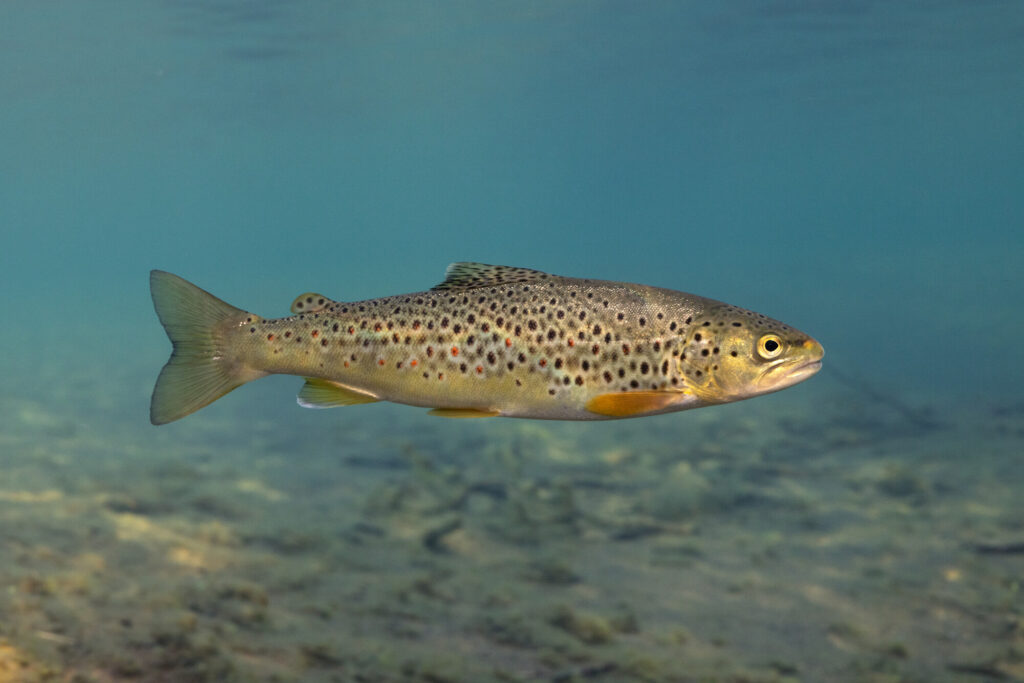
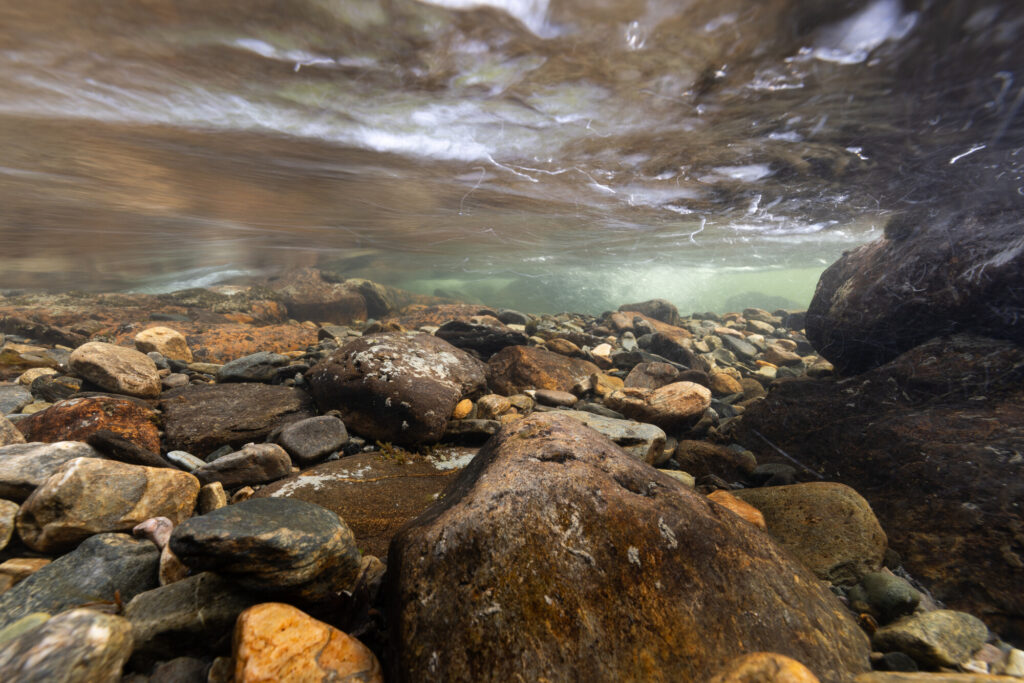
The unusual life cycle of the species makes recovery particularly challenging. Mature females release millions of tiny larvae known as glochidia, which must attach themselves to the gills of brown trout or Atlantic salmon. There they develop for several months before dropping onto the riverbed, where they need clean, loose gravel through which oxygen-rich water can flow. This intimate relationship means healthy fish populations — and healthy, naturally functioning rivers — are essential for mussel recovery.
Bringing mussels back to the River Kent
In England, the Freshwater Biological Association (FBA) has been working to turn the tide for freshwater pearl mussels for nearly two decades, offering hope for the wider comeback of the species. Its Freshwater Pearl Mussel Ark, a species recovery centre established in 2007, breeds mussels from threatened populations, raising vulnerable juveniles in controlled conditions before they are returned to their native rivers.
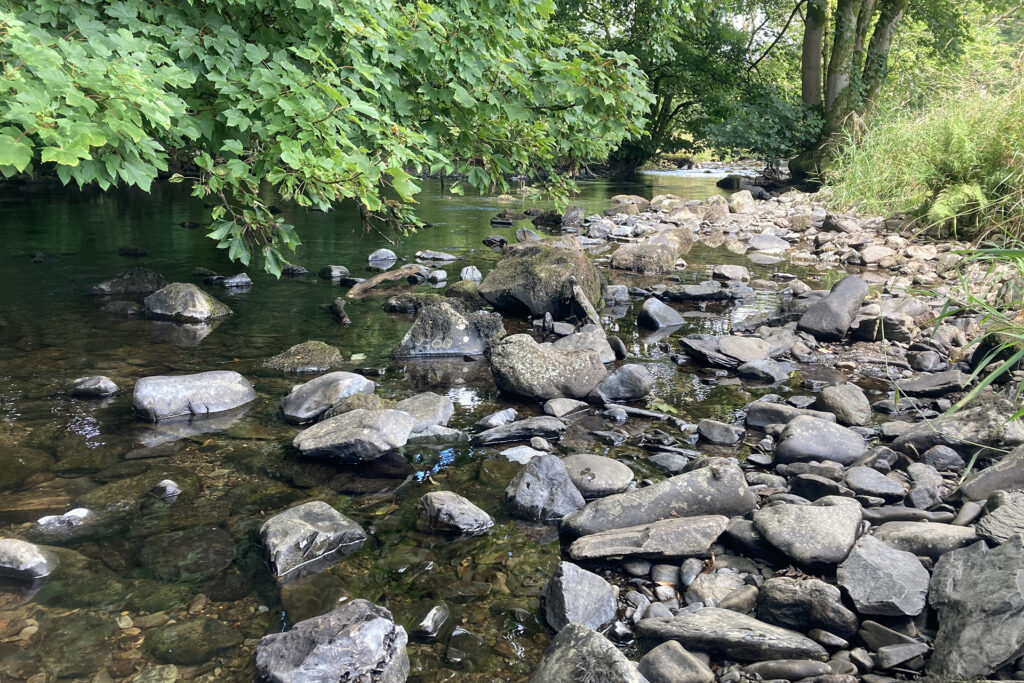
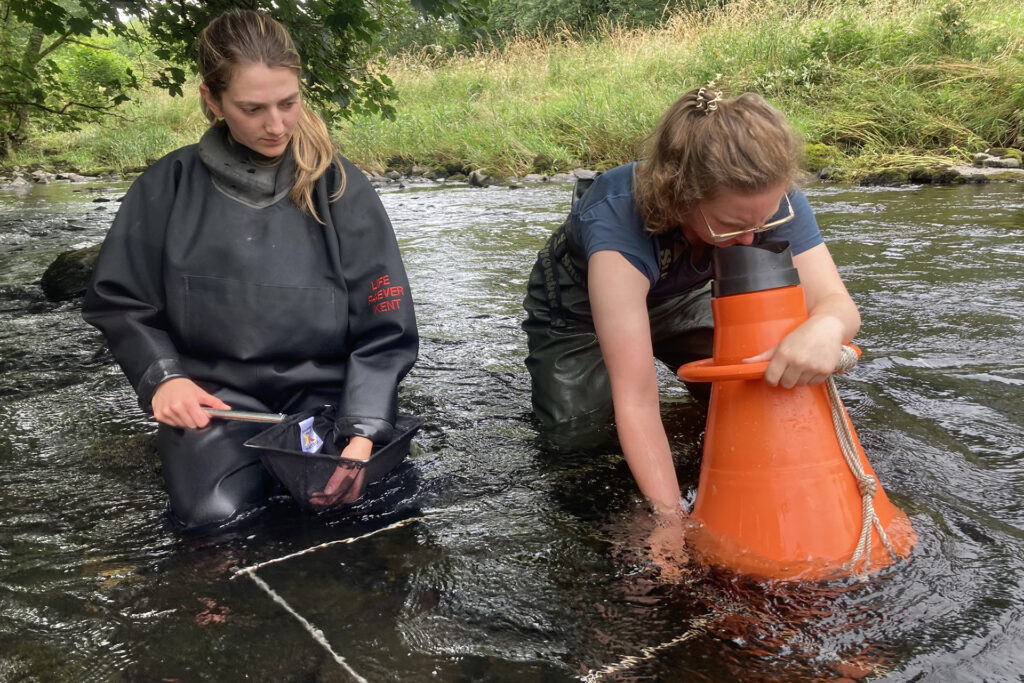
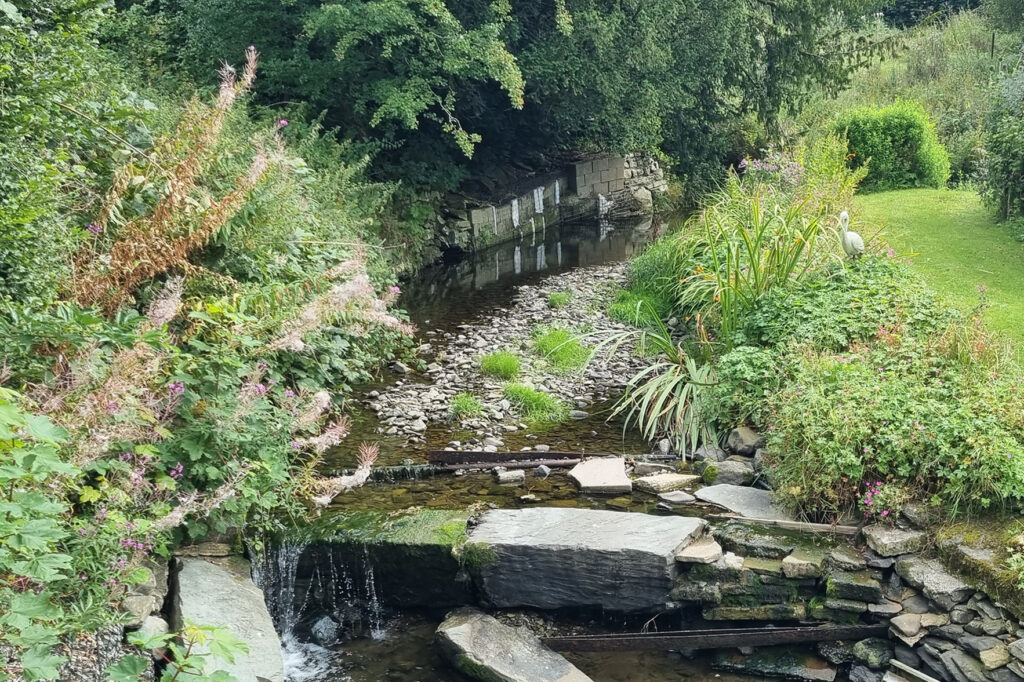
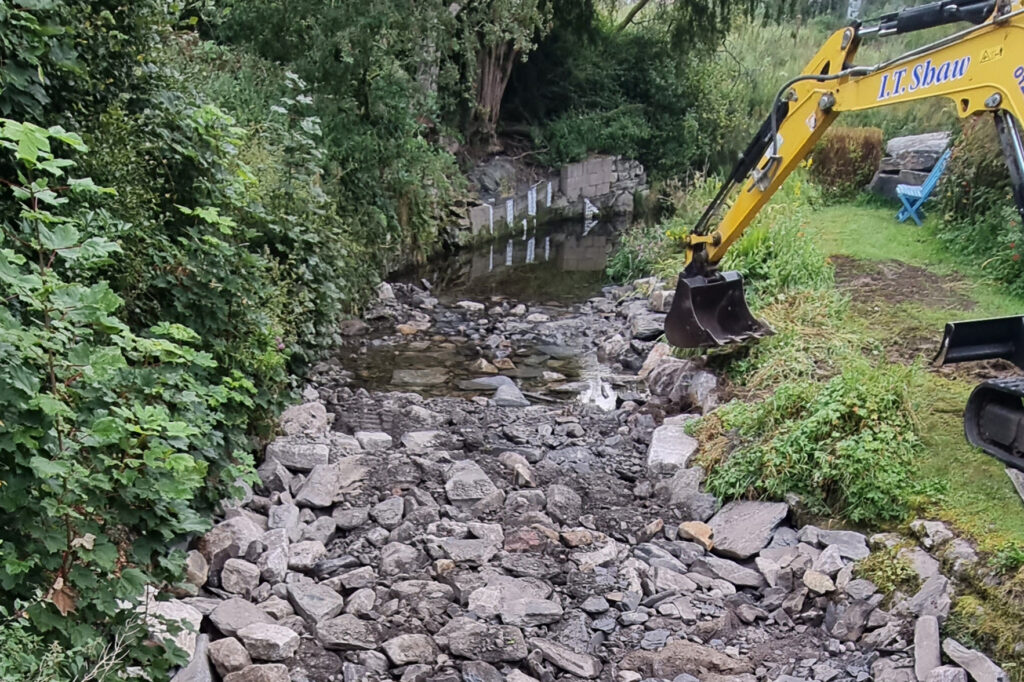
One of the organisation’s focal areas is the River Kent in Cumbria, in northwest England. Through the LIFE R4ever Kent initiative, the FBA is working alongside Natural England, the Environment Agency and South Cumbria Rivers Trust to restore the river and its tributaries, reducing sediment and nutrient runoff, removing invasive species, and reversing historical river modification.
“When we started work on the River Kent, the freshwater pearl mussel population was incredibly low — we could only find three adult specimens,” says the FBA’s Freshwater Pearl Mussel Project Manager Sarah Raubenheimer. Facing the prospect of a local extinction, the FBA turned to the more southerly River Clun in Shropshire for a donor population, allowing them to breed young mussels in captivity that could eventually reinforce the population in the Kent.
Supporting long-term mussel comeback
A grant of just over 25,000 euros from Rewilding Europe’s European Wildlife Comeback Fund has helped the Freshwater Biological Association carry out this work, covering costs such as equipment, fieldwork, travel, and the release of juvenile pearl mussels. The grant complemented funding provided through the EU’s LIFE Programme.
Following preparatory work and trial releases, the first major releases of propagated juveniles into the River Kent began in 2025. By the summer of 2026, almost 2,000 had been released into restored stretches of the river, with 3,000 planned by the end of the LIFE initiative in 2027, and a further 1,000 envisaged over the following five years. Ongoing monitoring suggests that fish populations in the river are in good condition — which will be essential to the recovering population of mussels.
“Everything is going as it should in terms of getting mussels back into the river and getting them into suitable habitat,” says Raubenheimer. “We’re seeing these releases make a real difference, which is fantastic.”
The bigger picture: rewilding living rivers
Freshwater pearl mussel recovery is a long-term process. The species takes many years to reach reproductive maturity, which means it could be another decade before many of the juveniles released into the River Kent begin reproducing. “We’re very aware that this population isn’t going to recover without long-term help,” says Raubenheimer. “It’s not a simple fix where you do something once and the problem is solved. But the right measures are being put in place, so we’re definitely optimistic.”
Across Europe, restoring more natural, connected rivers can support similar recoveries. In Rewilding Europe’s Nordic Taiga rewilding landscape in Sweden, for example, river restoration and the release of brown trout are helping fish populations rebound, with potential benefits for freshwater pearl mussels too. Further south in the same country, the Rewilding Lankälven initiative — a member of Rewilding Europe’s European Rewilding Network — is removing dams, returning gravel and boulders, and supporting the recovery of trout, paving the way for freshwater pearl mussels to be released.
Such efforts highlight the interconnected nature of healthy waterways. Pearl mussels filter water and stabilise river gravels, while their dependence on clean water, natural riverbeds and thriving fish populations makes their recovery a sign of wider ecological health. Rewilding rivers for mussels can benefit entire freshwater ecosystems, making them more resilient to climate change. For communities and businesses, it can also mean cleaner, more plentiful supplies of water and reduced flood risk.
Let’s rewild together
The agile setup of the European Wildlife Comeback Fund is designed to support wildlife comeback in a convenient and flexible way. “The grant application process was very easy to follow and much less time-consuming than some other funding streams,” says Sarah Raubenheimer. “It’s definitely something we’ve enjoyed being part of and would recommend to others.”
Rewilding Europe warmly invites other initiatives working to reintroduce keystone species in European landscapes to consider applying for a European Wildlife Comeback Fund grant. For those looking to financially support nature recovery across Europe, the fund offers a way to be part of this effort: discover the options for funding, partnership, or donation via our support page.
The European Wildlife Comeback Fund has been made possible through the financial support of Arcadia, EnviroSustain, the Ecological Restoration Fund, the Nationale Postcode Loterij, and private donations.
