For over a century, protected areas have been the backbone of nature conservation in Europe – safeguarding habitats and species from urban sprawl, intensive agriculture, and the relentless advance of human infrastructure. Yet no protected area can function in isolation. Healthy ecosystems depend on connectivity: on wildlife corridors, permeable landscapes, and the freedom for species to move and thrive.
Joint celebrations

This year, Rewilding Europe partnered with the EUROPARC Federation to mark the European Day of Parks – an annual celebration to raise public awareness about the importance of protected areas and the role they play. Under the theme “Connected by Nature”, our rewilding landscapes and Wilder Parks are demonstrating how rewilding helps recover nature at scale. By restoring natural grazing, river dynamics, forests, wetlands, and wildlife populations, rewilding strengthens ecological resilience both within and beyond protected areas.
For ecological processes to function naturally, they depend on scale and connectivity. When these relationships are fragmented, the overall health of our ecosystems is weakened. Rewilding offers a practical and hopeful path forwards – one in which protected areas are no longer isolated islands but living parts of connected, functioning landscapes.
The European Day of Parks commemorates the establishment of Europe’s first national parks on 24 May 1909 – all of which were in Sweden. This year’s theme centres on connectivity: between parks and the landscapes that surround them, between people and wild nature, and between communities and the places they call home. It is a call for Europeans to feel proud of and deeply connected to their natural heritage. Throughout Europe, there are events to join – across our rewilding landscapes, Wilder Parks, and the wider protected areas community.
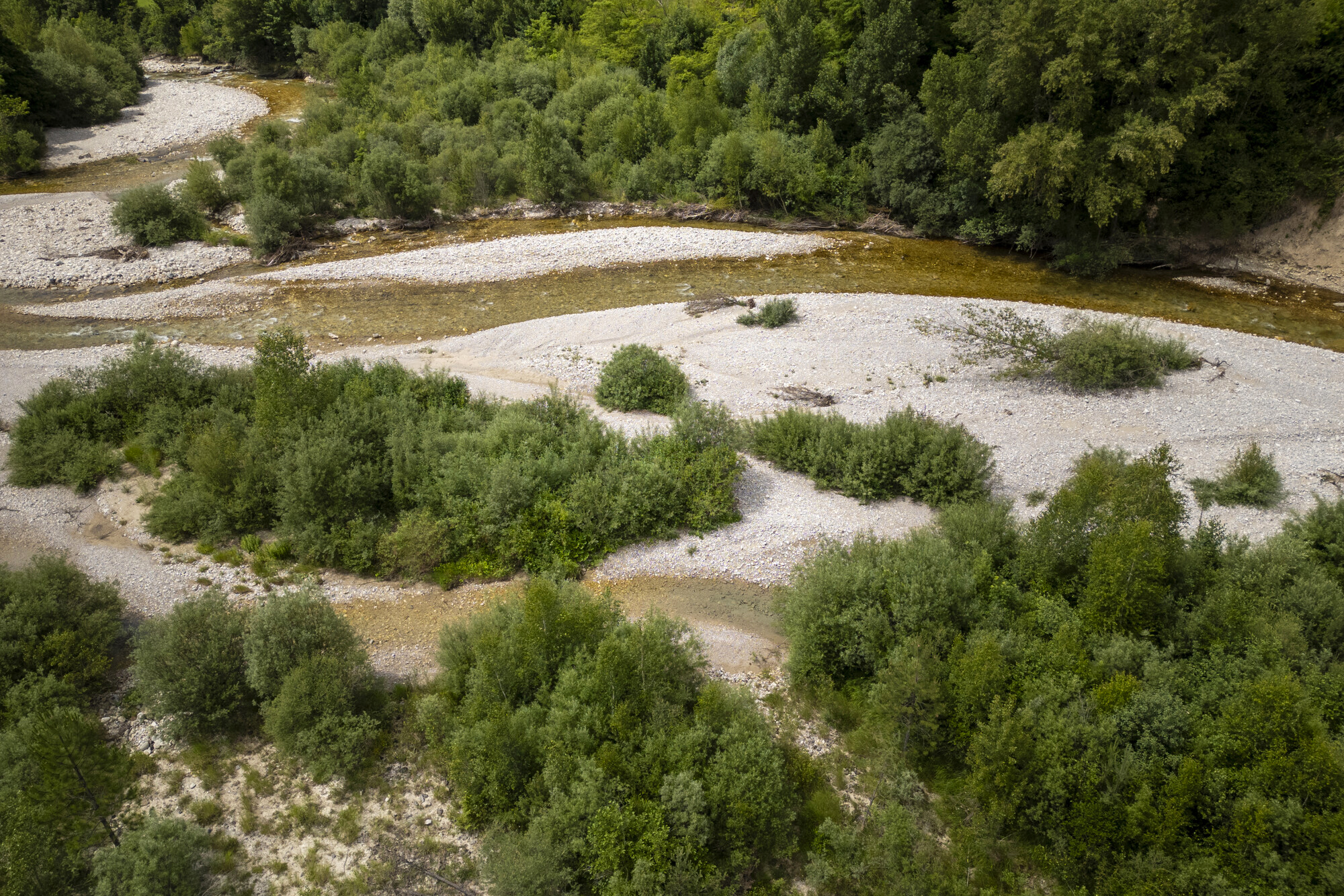
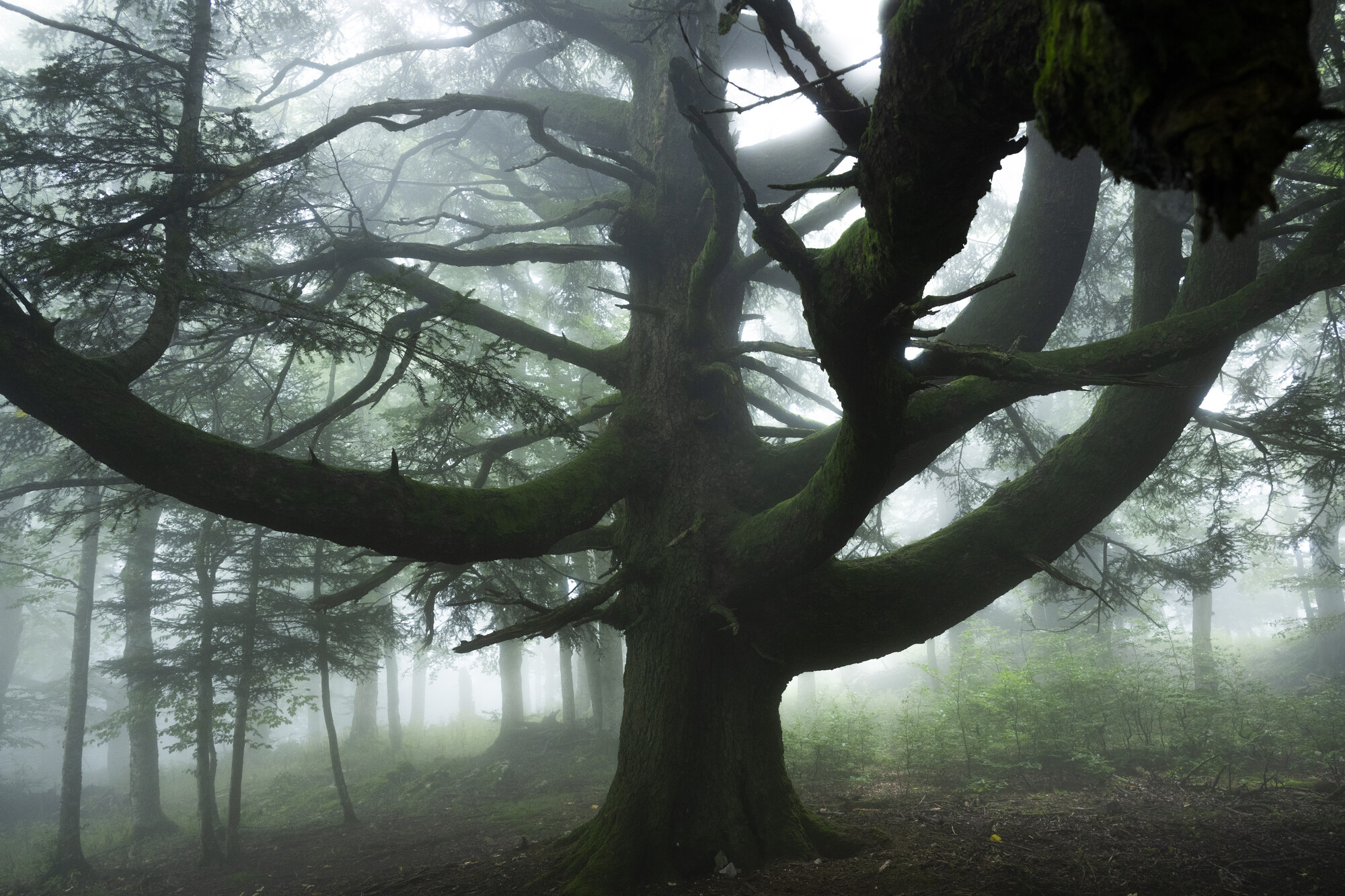
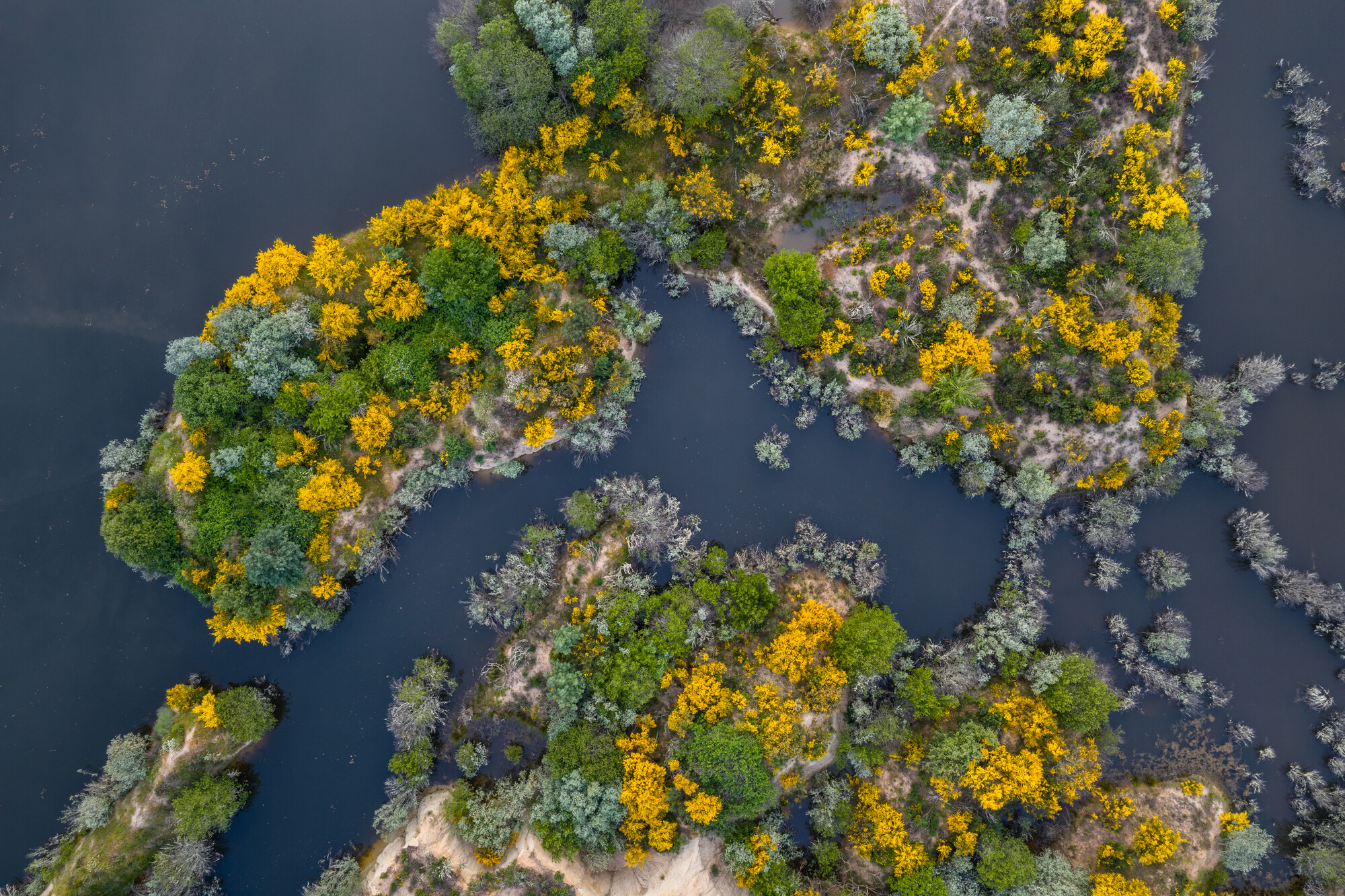
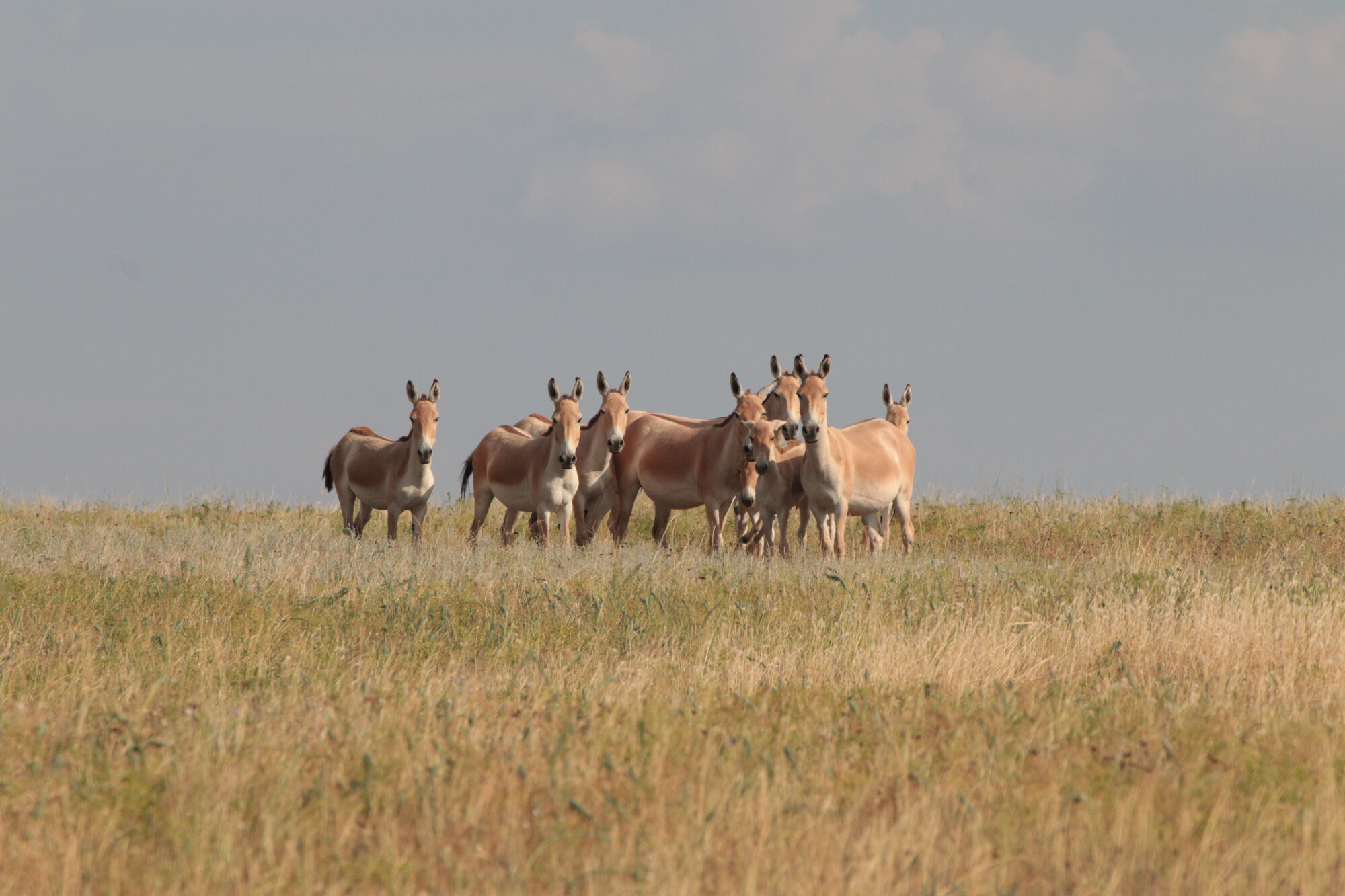
Reconnecting nature
By applying rewilding principles and working actively with protected areas, Rewilding Europe’s landscapes are demonstrating that connectivity can be restored at scale.
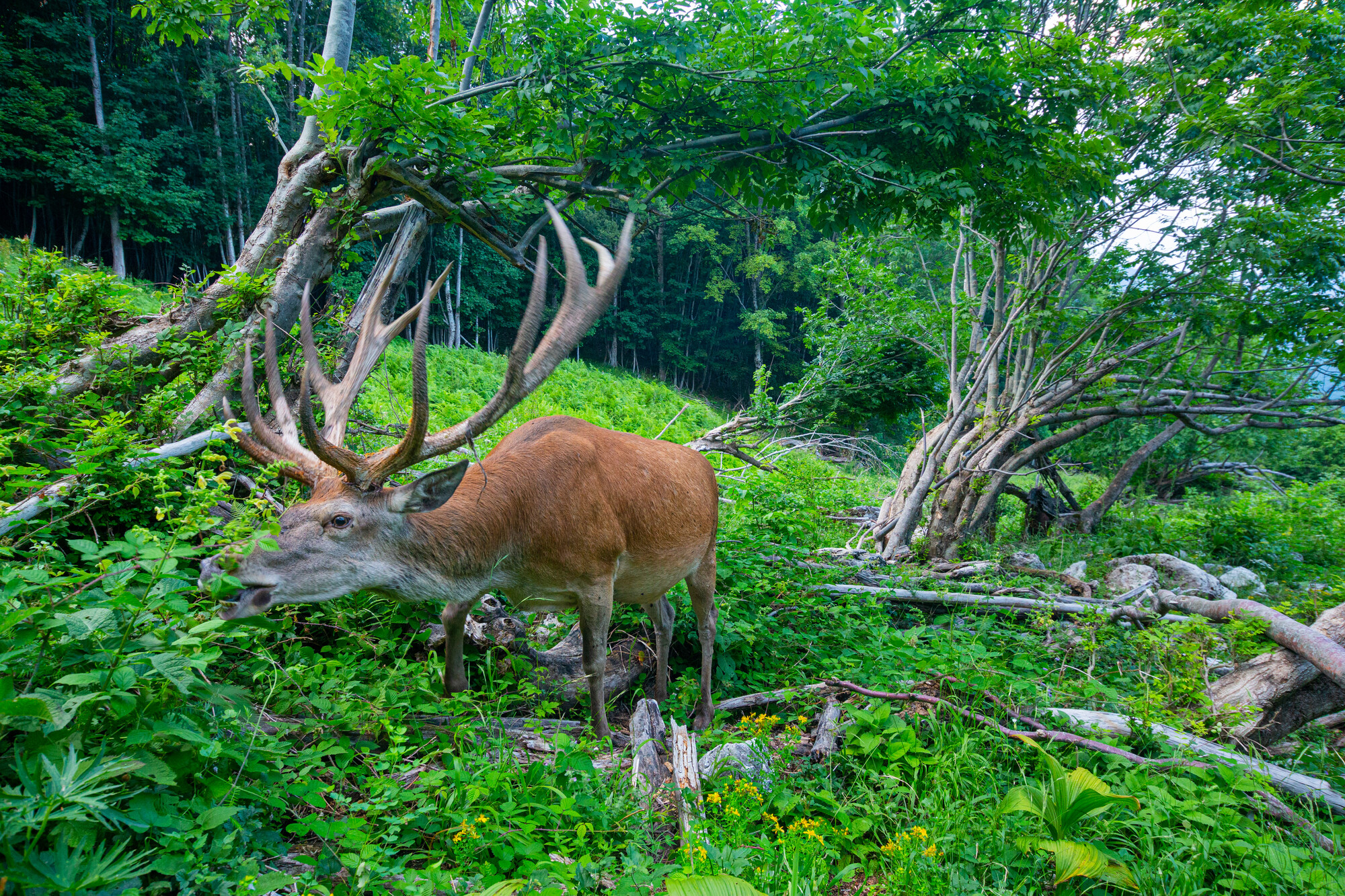
In the Greater Côa Valley, rewilding efforts are helping create a large-scale wildlife corridor along the Côa River – allowing species to move freely between the Malcata Nature Reserve to the south, and the Douro International Natural Park to the north. In the Southern Carpathians, ecological restoration and wildlife comeback are helping to reconnect Europe’s largest remaining wilderness areas – home to some of the continent’s most significant herds of European bison.
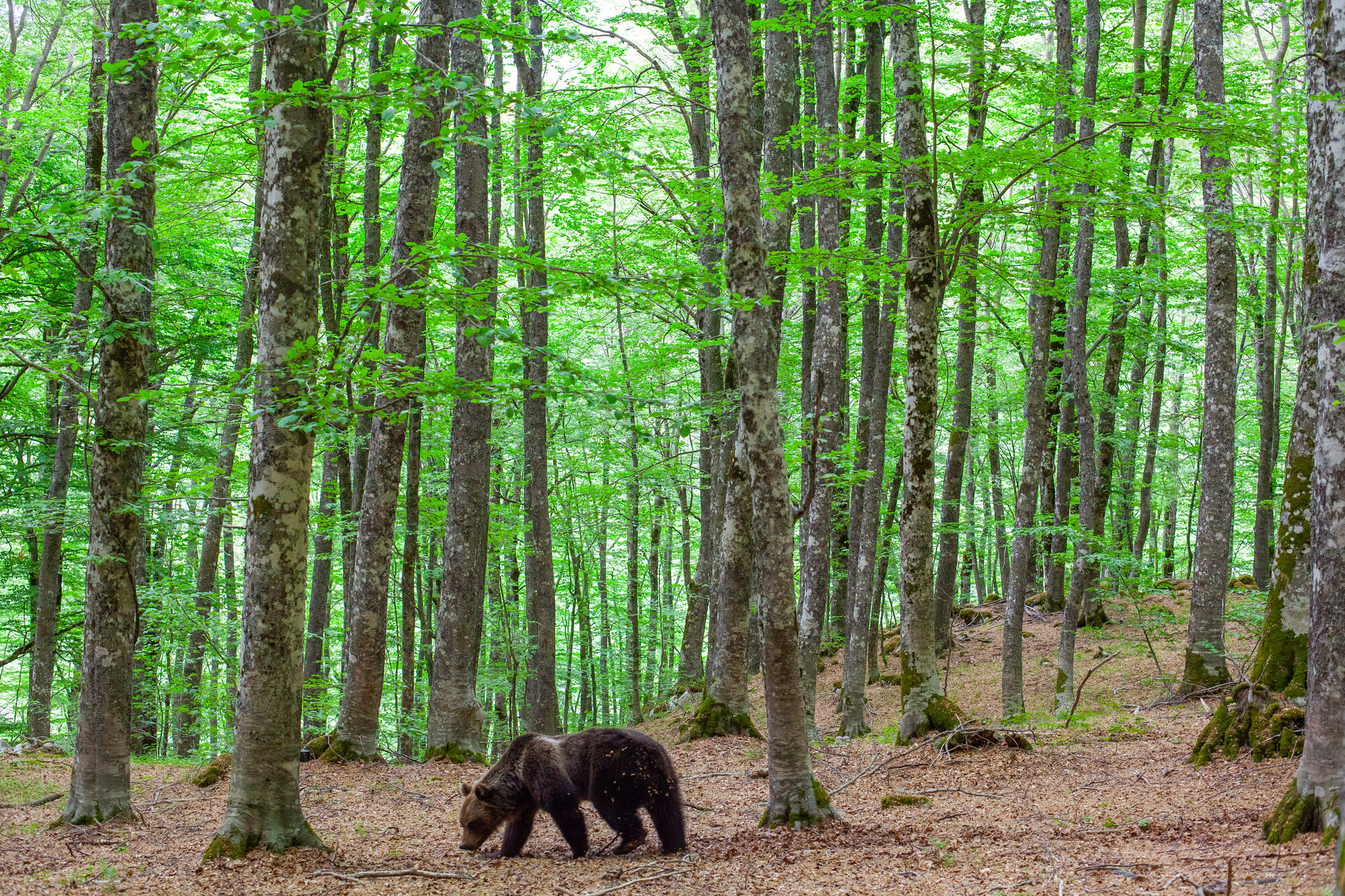
In Croatia, Rewilding Velebit is creating a 30,000-hectare wildlife corridor connecting North Velebit National Park and Paklenica National Park – providing vital habitat for brown bears, wolves, lynx, and the Balkan chamois. Similarly, in the Italian Central Apennines, our rewilding team is actively working to restore connectivity along four critical ecological corridors between Abruzzo, Lazio and Molise National Park, the Maiella National Park, the Gran Sasso e Monti della Laga National Park and the Sirente Velino Regional Park – to the benefit of the endangered Marsican brown bear, wolf, and griffon vulture.
Towards Wilder Parks
Wilder Parks is an ambitious initiative launched in 2025 by Rewilding Europe to support protected areas across Europe in applying rewilding principles, scaling up interventions, and accelerating nature recovery. Our first ten Wilder Parks are leading examples of what rewilding can achieve within protected areas – demonstrating the benefits of wilder nature for both people and wildlife. They span a diverse range of scales, European landscapes, and management challenges, from the Georgian steppes to the Mediterranean forests of the Iberian Peninsula.
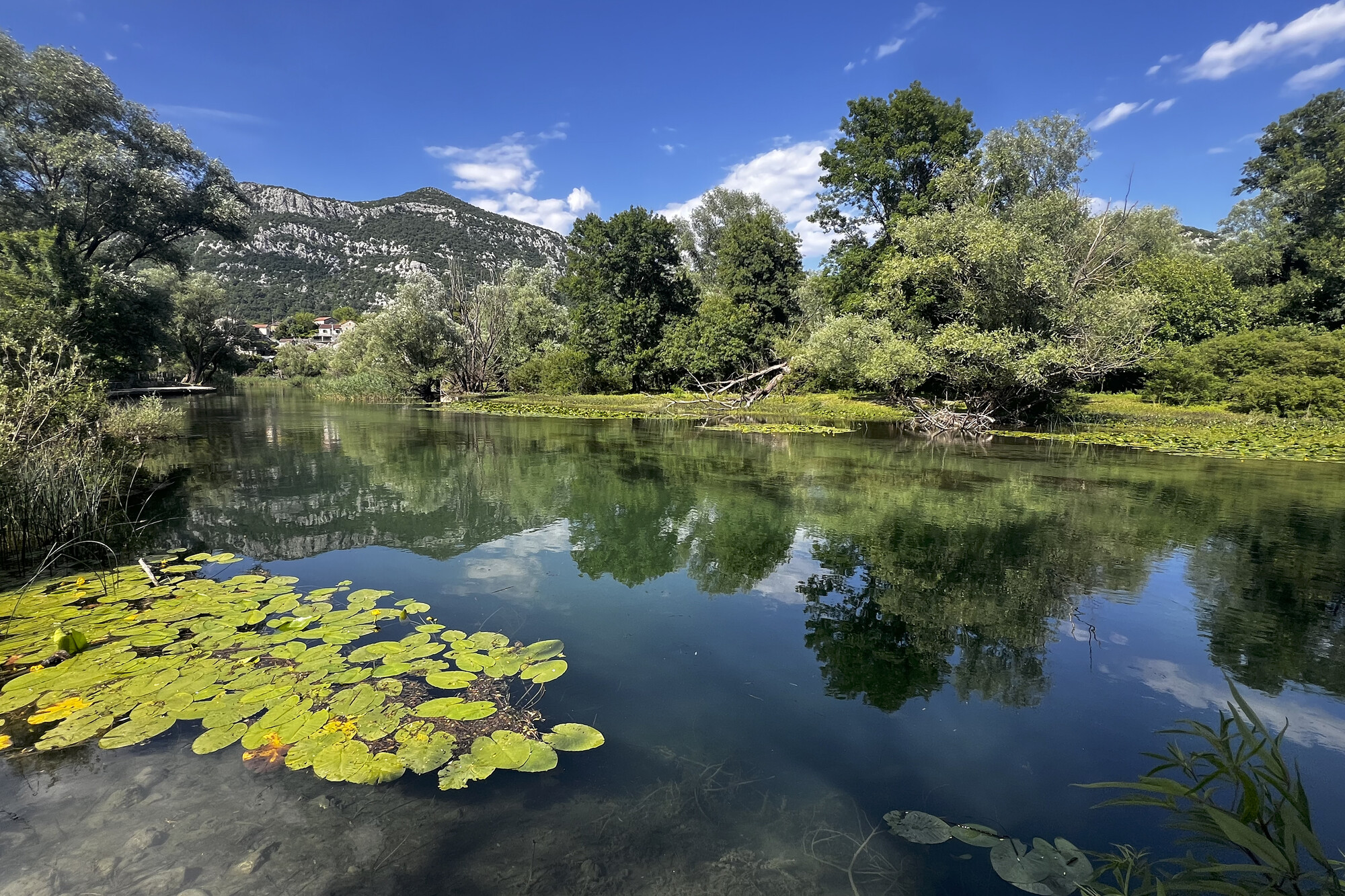
The Swiss National Park, established in 1914, is one of the oldest protected areas in Europe. In the southwestern mountains of Switzerland, ibex, bearded vultures, and wolves have space to thrive – the result of a strict zero-intervention approach, no extractive activities, and carefully managed visitor access. Few corners of Europe offer nature as much time and space to evolve entirely on its own terms. By contrast, Lake Skadar National Park in Montenegro is in the early stages of applying a rewilding approach – focusing on restoring habitats through natural grazing, improving hydrological connectivity, and exploring the potential return of the Adriatic sturgeon to its waters.
“Protected areas are strategic partners in our rewilding landscapes. The Wilder Parks initiative offers an exciting avenue for working with them beyond our core landscapes – and for expanding the use of rewilding principles for nature restoration at a continental scale.” says Fabien Quétier, Head of Wilder Parks at Rewilding Europe. Just as protected areas cannot function in isolation, our Wilder Parks have been actively sharing practices across the network – at events conferences, and webinars, and directly with teams in our rewilding landscapes.
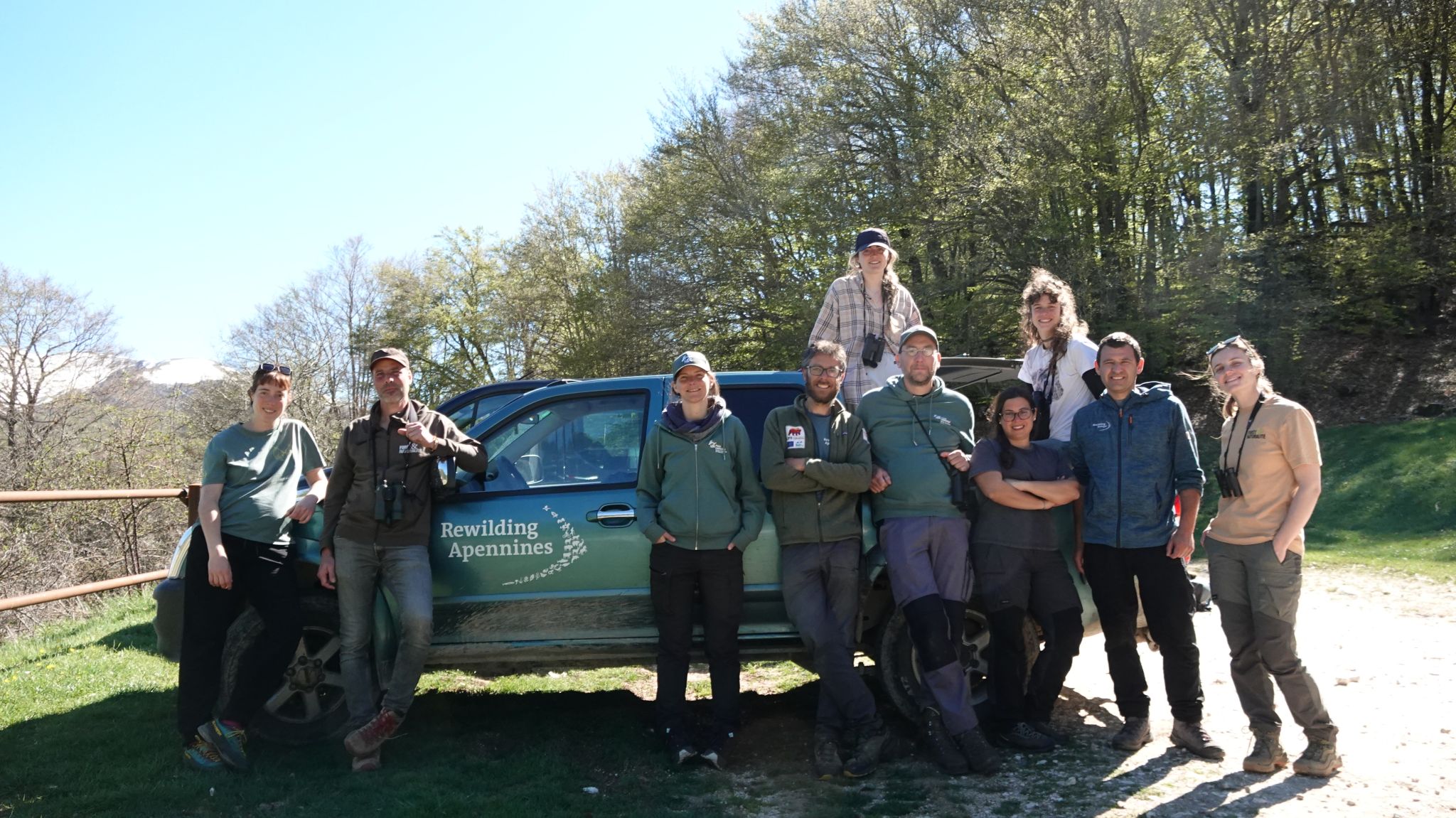
In May, the Entre-Sambre-et-Meuse National Park visited the Central Apennines team for an on-the-ground knowledge exchange. For Johanna Breyne, Director of the Belgian national park it was “an inspiring week, filled with rich exchanges, hands-on experiences, and new ideas for the future of rewilding in our regions.” Similarly, Lonjsko Polje Nature Park in Croatia is visiting the Velebit mountains on 26 May to mark the European Day of Parks. These exchanges are invaluable – for sharing resources, technical knowledge, and for the inspiration that comes from seeing rewilding in action.
How can you celebrate?
This year’s theme highlights our connection to nature – from the physical corridors that allow wildlife to move freely through landscapes, to the restorative power of time spent in wild places. On and around 24 May, there are several opportunities to step outside, explore, and reconnect:
- Joint Webinar, Rewilding Europe and EUROPARC, 22 May
The webinar “Connected by Nature: Ecological Connectivity in and beyond Protected Areas”, jointly organised by the EUROPARC Federation and Rewilding Europe, will explore how ecological connectivity is being restored across Europe. The session will feature presentations from NaturaConnect, Maas-Schwalm-Nette Nature Park, and Rewilding Portugal’s work in the Greater Côa Valley.
- Rewilding Spain, 22-24 May
Together with Alto Tajo Nature Park, Rewilding Spain in the Iberian Highlands is organising a “NatureTajo: Nature Observation Tourism Fair” to be held from 22 to 24 May in Corduente. The programme of activities includes talks and field trips for the whole family.
- Font Roja Nature Park, 23 May
The Wilder Park in Valencia organises a family excursion to discover the birds, flowers, and butterflies of the park.
- Rewilding France, 31 May
Celebrating the International Lynx Day, with a showing of the Lynx documentary by Lauren Geslin, in partnership with other French associations (SFEPM and OCA).
Want to know more?
- Wilder Parks initiative
- The webinar “Connected by Nature: Ecological Connectivity in and beyond Protected Areas”
