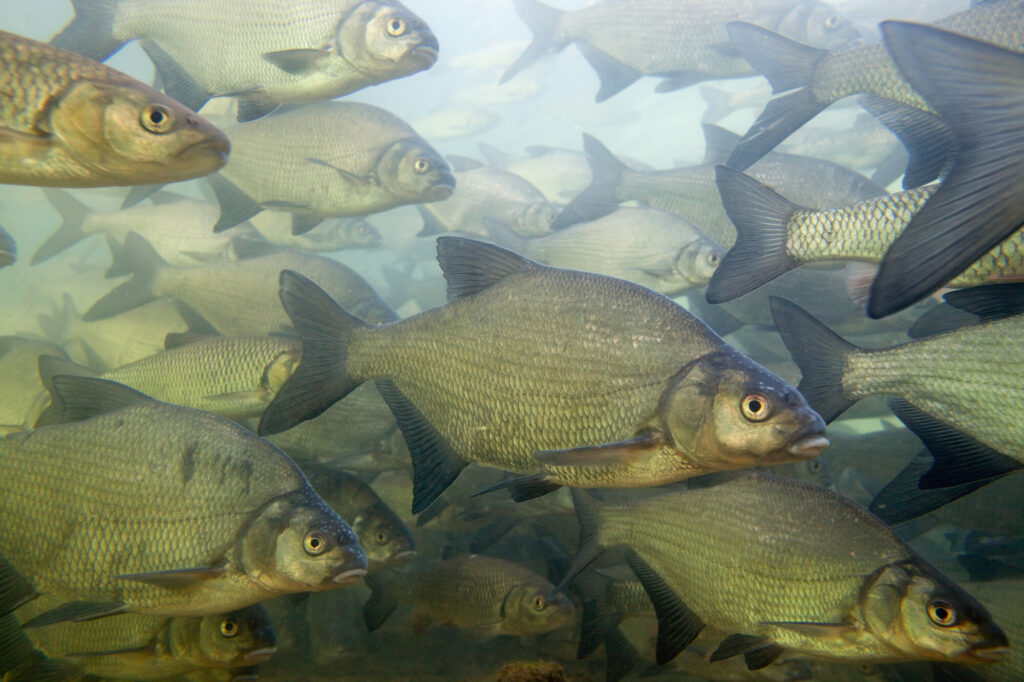
Free-flowing rivers support wildlife and carry sediment and nutrients through the landscape — yet across Europe, thousands of dams prevent them from functioning as they should. Removing these barriers is one of the quickest and most effective ways to rewild a river, but every removal depends on careful preparation that can take months or even years.
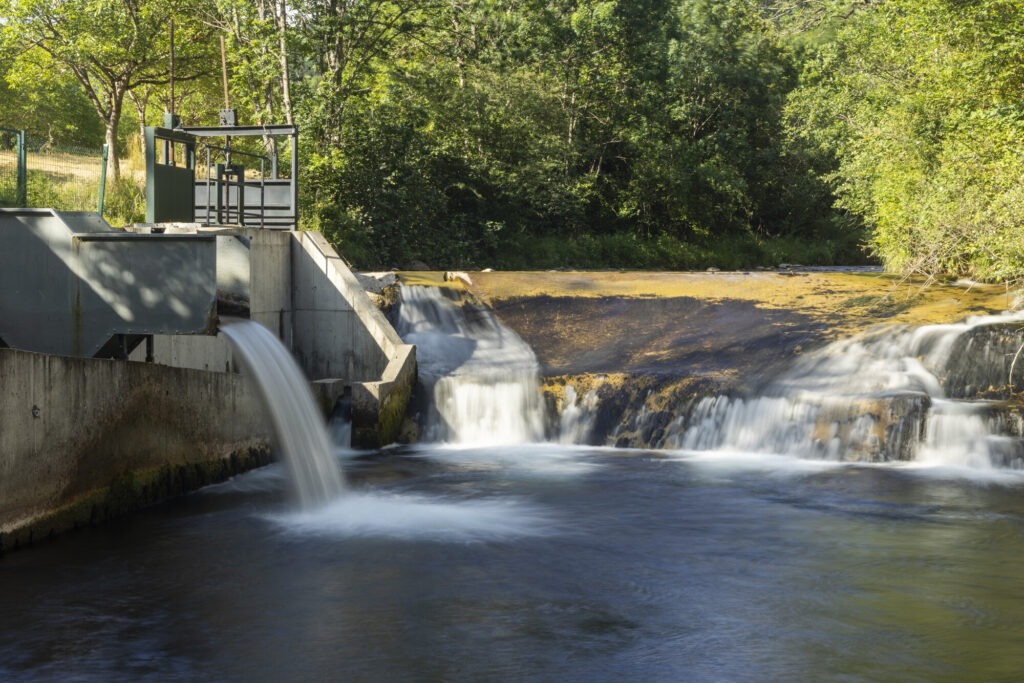

Why we need free-flowing rivers
Across Europe, rivers are being set free. More than 600 dams, weirs and other barriers were removed across 21 countries in 2025, reconnecting more than 3,700 kilometres of river. Yet many thousands of obsolete barriers continue to choke and fragment Europe’s waterways, leaving huge potential for further restoration.
Removing barriers is one of the quickest and most effective ways of bringing rivers back to life and enabling them to function as they should. Fish and other aquatic wildlife can move freely again, gaining access to places where they feed, breed and spawn. Water, sediment and nutrients can travel downstream more naturally, while rivers can reconnect with surrounding habitats. Healthier, more dynamic river systems can also improve water quality, support recreational opportunities, and enhance the resilience of landscapes and communities to floods, drought and our warming climate.

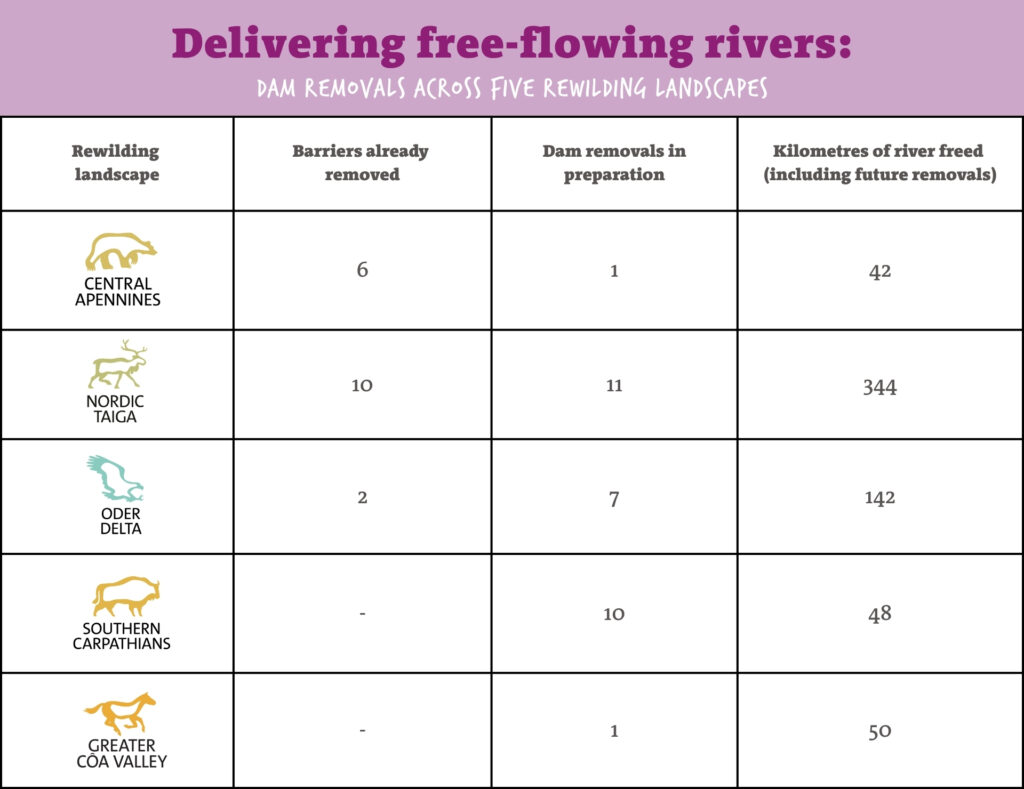
Recognising the importance of free-flowing rivers for nature and people, Rewilding Europe is committed to scaling up dam removal across its landscapes. Barriers have already been removed in a range of locations, while rewilding teams are preparing further removals in the Central Apennines (Italy), Oder Delta (Germany/Poland), Nordic Taiga (Sweden), Greater Côa Valley (Portugal) and Southern Carpathians (Romania). All of these initiatives are being supported by the Open Rivers Programme, which funds the removal of small, obsolete dams, weirs and other artificial barriers in Europe.
Before the excavators arrive
When concrete crumbles and water begins to flow freely again, dam removal can look not only spectacular, but also relatively straightforward. In reality, the demolition itself is only the final, highly visible stage of a meticulously planned process that may begin months and often years earlier.
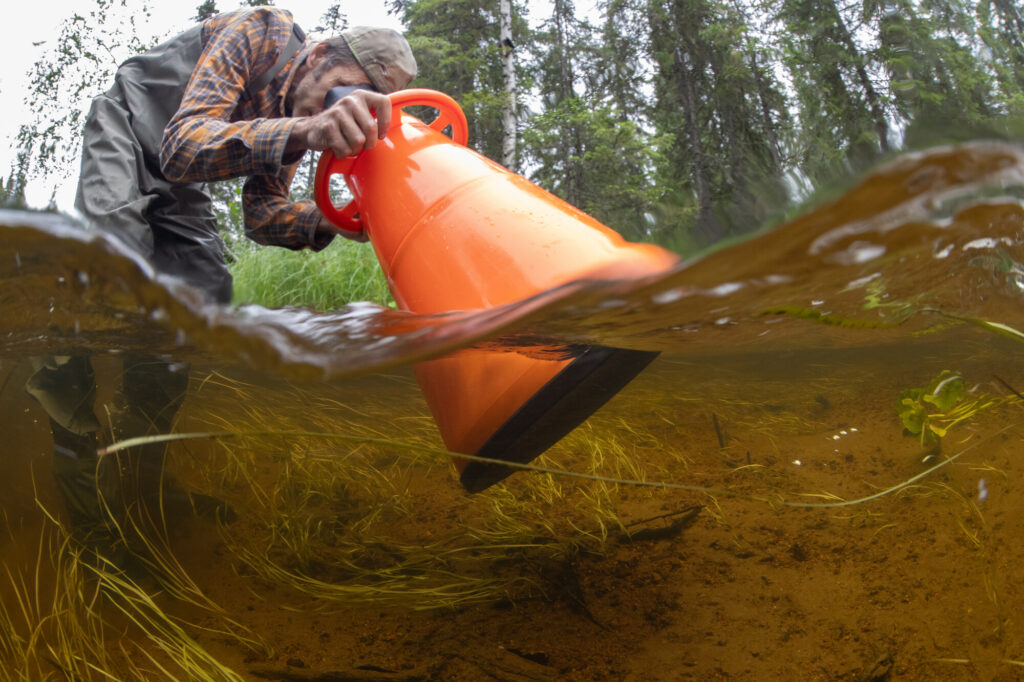
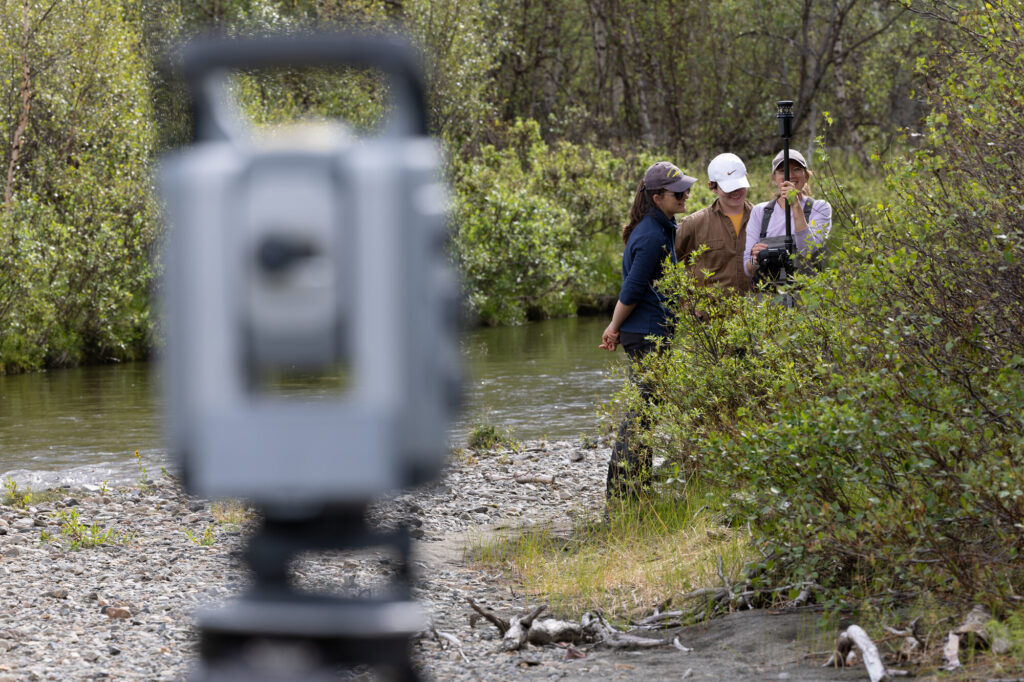
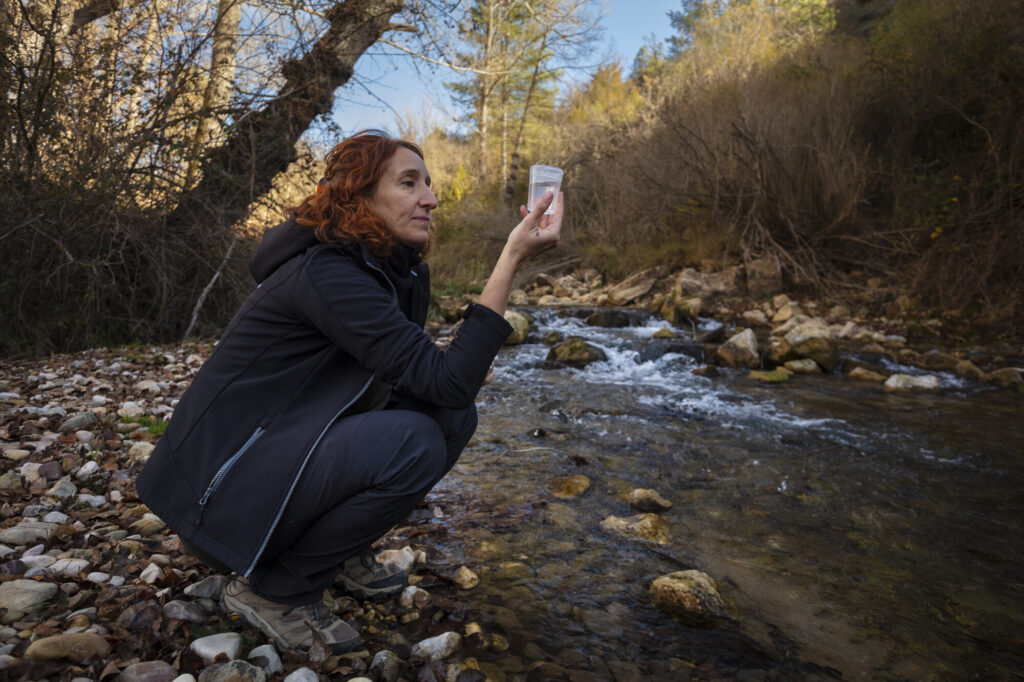
The first challenge is identifying the right barriers to remove. Teams need to understand who owns them, whether they still serve a purpose, and what their removal could mean for the wider river system. Studies may assess wildlife and habitats, water flows, sediment and flood risk, helping to identify where removal could deliver the greatest ecological gains.
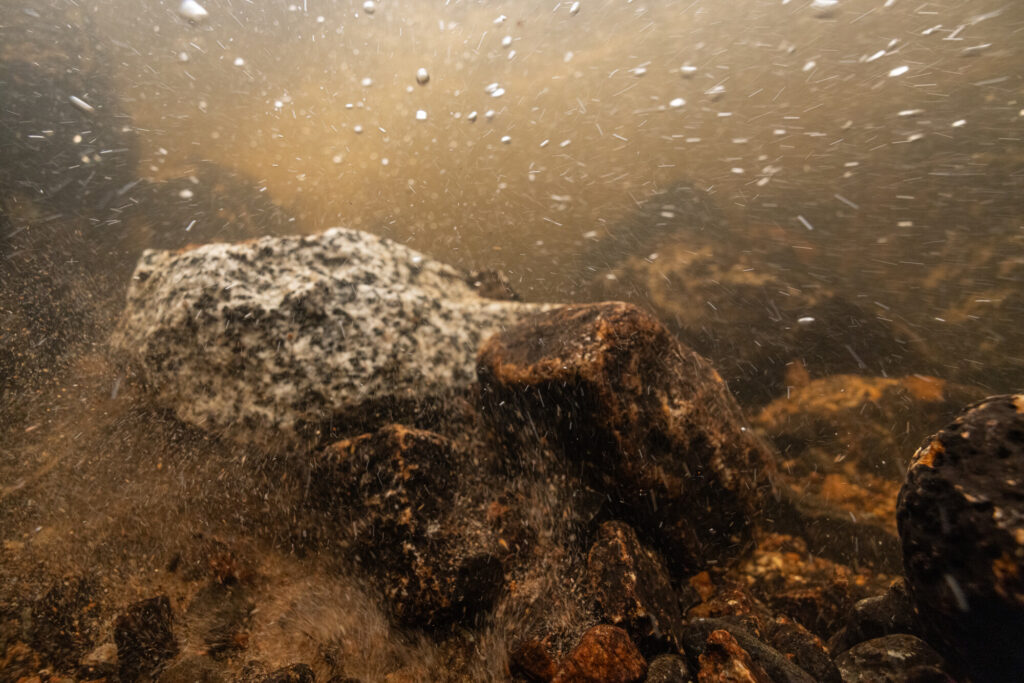
Then come engagement, design and permission. Dam owners, authorities, landowners and local communities may all need to be involved, while technical plans establish how a barrier can be removed safely and how the river is likely to respond. Permits and funding must be secured, and work timed around water levels and wildlife. Monitoring before and after removal can then show how the river responds and guide future rewilding efforts.
The Central Apennines: building on experience

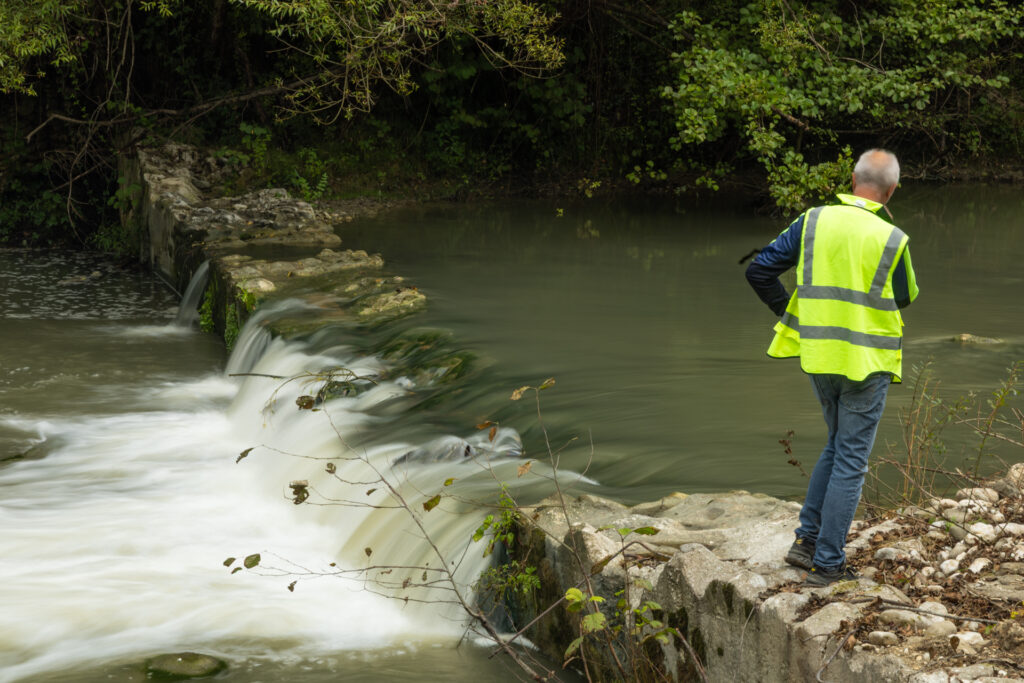
In Italy’s Central Apennines, experience is helping to streamline the dam removal process. The Rewilding Apennines team removed five barriers from the Giovenco River back in 2024 — reconnecting 11 kilometres of waterway — but it took around three years from initial application to actual demolition. Building on this success, a 30-metre-long dam on the Liri River — into which the Giovenco flows — was removed in September 2025.
Rewilding Apennines team leader Mario Cipollone explains that preparing a dam removal can involve multiple layers of bureaucracy: municipalities, regional authorities and, for rivers crossing regional boundaries, national-level bodies may all need to give their approval. Other permissions can also be required depending on the location — the Giovenco removals, for example, needed approval from a national park and authorities responsible for archaeological, artistic and landscape heritage.
The previous removals on the Giovenco are now helping the team prepare for the removal of a sixth weir on the same river. One important lesson has been to develop the feasibility study and detailed executive plan together — rather than sequentially — potentially saving months of work and avoiding a funding gap between planning stages. Previous engagement should help too: events and films have already helped build local awareness and engagement around the value of a free-flowing Giovenco and Liri, while local anglers are supportive of reconnecting the river and the rewilding team’s ongoing efforts to strengthen native Mediterranean trout populations.
The Oder Delta: prioritising for impact

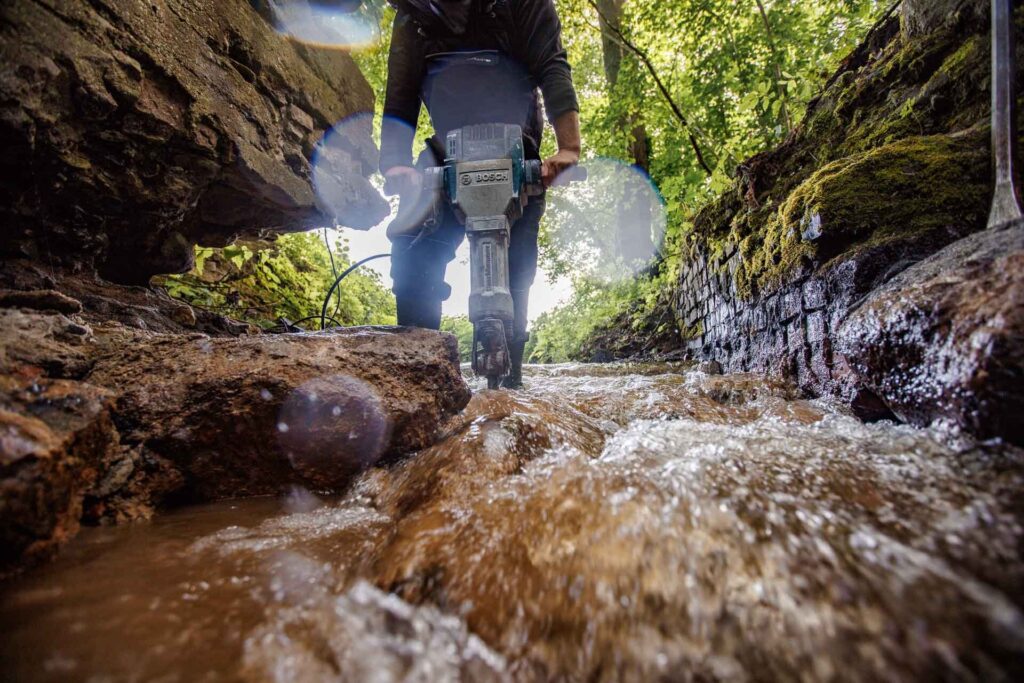
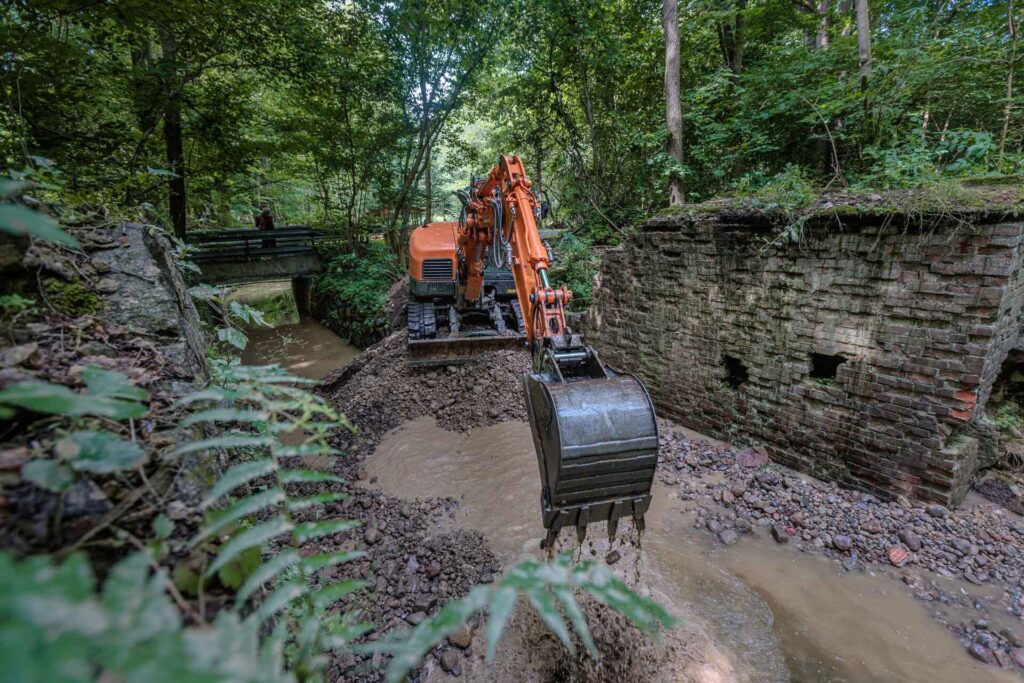
River restoration is already well underway in the Oder Delta. On the Polish side, the Rewilding Oder Delta team and partners have removed barriers on tributaries of the Ina River, alongside measures such as restoring gravel beds and more natural river conditions. Building on this experience, preparations are now underway for further removals on the Wołczenica, Sławęcinka and Gowienica rivers, which are all located within the catchment of the Stettin Lagoon.
Surveys have identified more than 19 barriers on the Wołczenica alone, with two relatively straightforward removals prioritised first; a barrier on the Sławęcinka is planned for removal in 2027, while preparations are also underway for four removals on the Gowienica.
This preparation involves inventories, cost estimates and demolition plans, alongside coordination with the Polish authorities responsible for river and nature management and engagement with local communities. Together, the planned removals could reconnect well over 100 kilometres of river habitat, opening up spawning and refuge habitat for fish and improving the ecological health and resilience of these near-natural rivers.
The Nordic Taiga: building experience and ambition

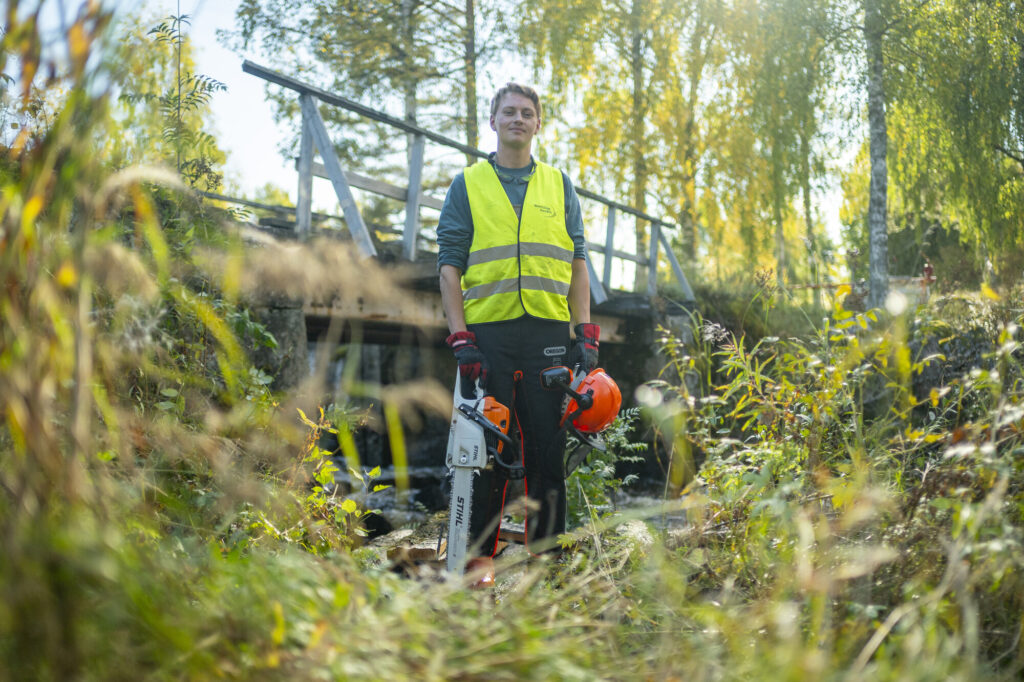
In Sweden’s Nordic Taiga, where many dams are a legacy of the region’s long history of industrial forestry, a growing sequence of barrier removals is enabling the Rewilding Sweden team to manage increasingly complex projects. Experience has highlighted the need to bring in specialist technical expertise from the earliest planning stages, while Sweden’s short summer working season can also extend timelines.
Choosing where to intervene is equally important. An inventory in 2023 assessed almost 100 known barriers across the Vindel River landscape, which were prioritised according to the quality and extent of habitat that removal could reconnect, their position within the river system, and opportunities to complement other restoration work. The team removed four small dams in 2024 and three more in 2025, with the latter removals restoring 102 kilometres of free-flowing waterway. Two more dams have been removed in 2026, while further barriers — including road culverts and two more complex former hydropower dams — are now being prepared for removal.
For the more challenging removals, preparation also means working closely with landowners and communities. Dams and the lakes behind them may have shaped local landscapes and livelihoods for generations, and their removal can affect everything from water levels and jetties to buildings associated with former mills and sawmills. Dialogue and careful restoration design can help find solutions that restore river connectivity while respecting local needs and heritage.
The Southern Carpathians: starting with the bigger picture

Sometimes preparation begins not with a particular barrier, but with understanding an entire river network. The Rewilding Romania team have now mapped five river catchments in the Southern Carpathians, documenting 82 artificial barriers. Ten old, degraded weirs on the Ramna River have now been prioritised for removal. Built in the 1970s to manage sediment and erosion, they no longer serve their original purpose — and, crucially, their owner, Cornereva Municipality, supports their removal.
Barrier removal is relatively unfamiliar territory for experts and authorities in Romania and getting to this point has required extensive preparation. Feasibility studies, technical designs and permits involve engineers, ecologists and other specialists, while clarifying ownership of the ageing structures has proved time-consuming.
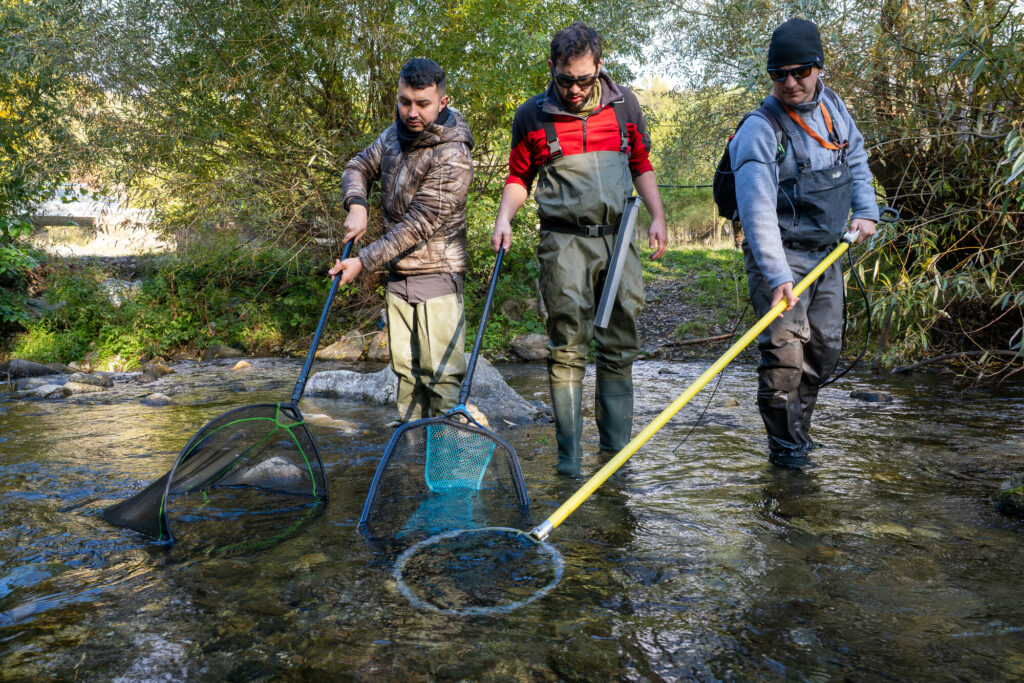
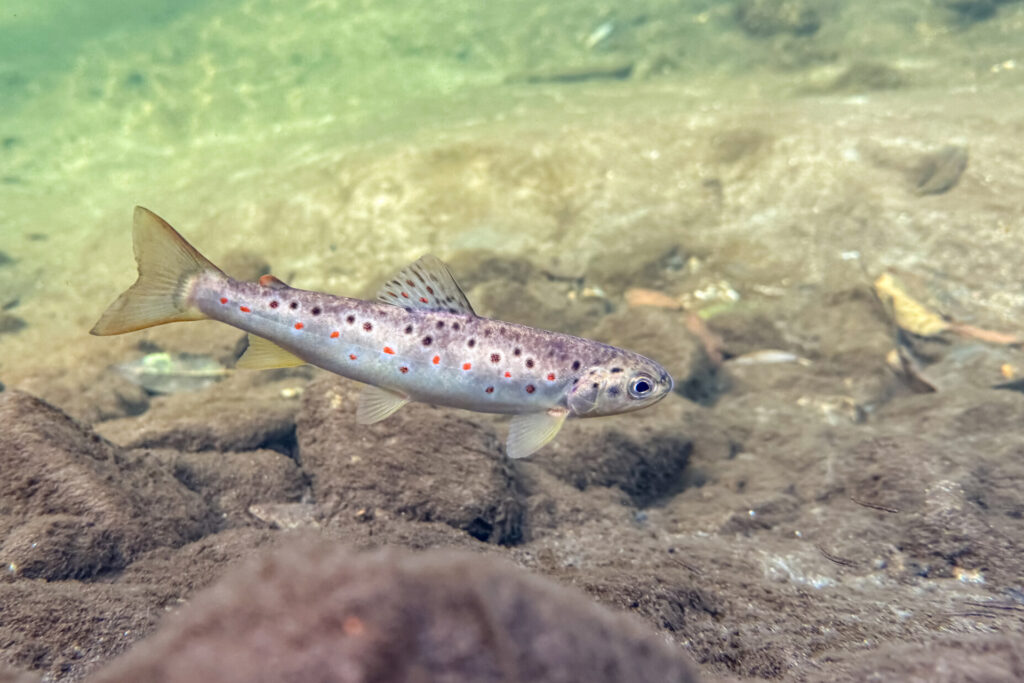
Community engagement is equally important. Interviews with more than 100 local people found attitudes towards removal were largely neutral, although those living closest to the weirs have tended to be more supportive. Ecological surveys have also found adult trout in the Ramna but almost no juveniles, with barriers restricting access to upstream spawning and nursery habitat. When this finding was shared locally, it struck a chord — people want fish in their rivers.
The Greater Côa Valley: ready but waiting
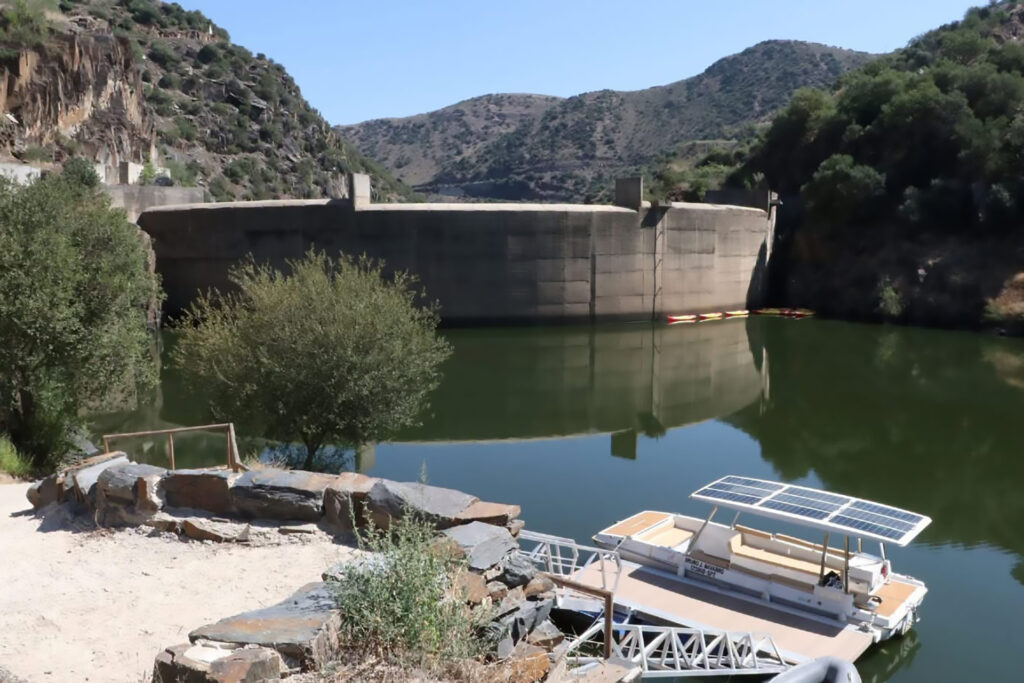
In Portugal’s Greater Côa Valley, the challenge is no longer demonstrating whether dam removal is feasible. Two obsolete cofferdams remain from an unfinished dam abandoned in the 1990s, following the discovery of internationally significant Palaeolithic rock art. Removing them would reconnect the Côa and Massueime rivers with the Douro, restoring around 50 kilometres of river connectivity and helping to protect the valley’s UNESCO-listed archaeological heritage from seasonal flooding.
Extensive technical, ecological and social studies have concluded that removal is feasible, while the barriers have been identified as priorities in the Douro River Basin Management Plan. Yet despite this groundwork and broad support, demolition is still awaiting government funding. The Rewilding Portugal team hope this will be allocated through Portugal’s 2027 state budget, allowing years of preparation to translate into action — and underlining how, even when the science is done and stakeholders are aligned, securing the final commitment and funding can still determine when a barrier actually comes down.
The Danube Delta: reconnecting rivers and wetlands

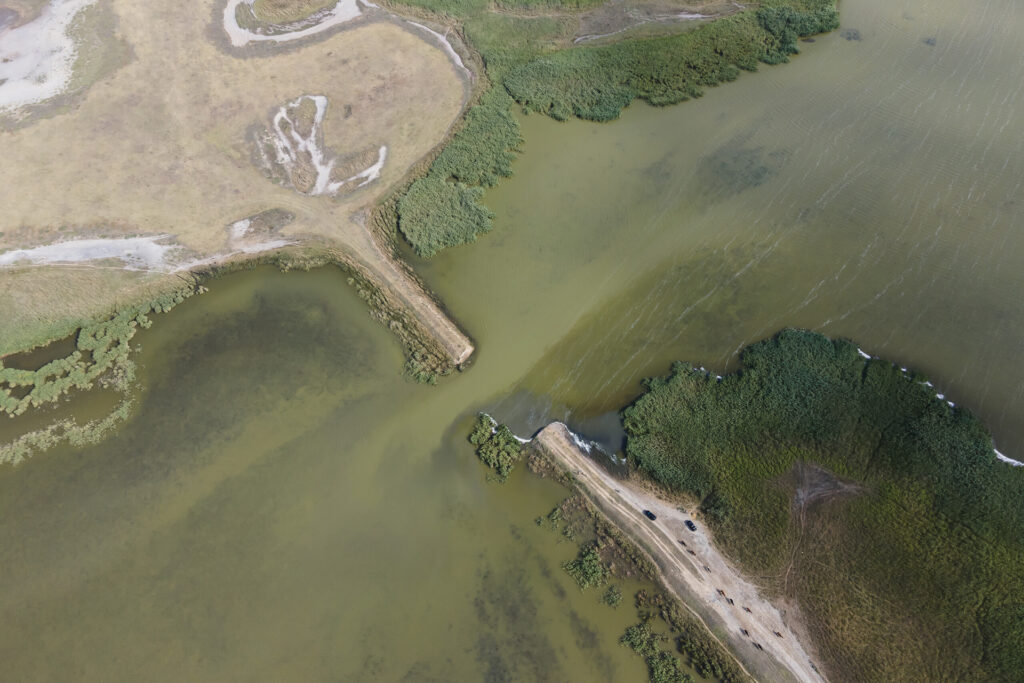
In the Danube Delta rewilding landscape, efforts are underway to restore the natural flow of the Kogilnik River in southern Ukraine. Flowing through Moldova and Ukraine towards the Black Sea coast, the river has been heavily modified by channel straightening, agricultural drainage and the construction of dams, weirs and sluices. Many of these structures are now obsolete or deteriorating, restricting water movement and disrupting the natural processes that sustain the river’s rich wetland habitats.
Previous restoration work has already demonstrated what can be achieved. In 2019, the Rewilding Ukraine team worked with the Danube Biosphere Reserve and other partners to clear or partially remove ten artificial barriers and embankments along the lower Kogilnik and neighbouring Kagach and Sarata rivers. Monitoring in 2021 recorded around 150 hectares of rewatered habitats, with improved water connections helping to revive wet meadows, fish spawning areas, and feeding and nesting grounds for waterbirds.
Building on this experience, the team are now preparing the ground for further restoration. A comprehensive assessment will cover more than 324 kilometres of river channels across the Kogilnik basin, identifying obsolete barriers and prioritising opportunities for removal. The work will inform a river restoration plan, including measures to improve connectivity along around 20 kilometres of the lower Kogilnik.
From preparation to liberation
No two dam removals are identical. A small obsolete weir may be relatively straightforward to dismantle; another barrier may demand years of research, engineering work, negotiation and permitting. But experience from across Europe — including Rewilding Europe’s rewilding landscapes — shows these obstacles can be overcome, and that every successful removal builds knowledge, expertise and confidence for the next. Resources such as Dam Removal Europe’s practitioner’s toolkit, which offers practical guidance on everything from planning and financing to permitting, construction and community engagement, can provide invaluable guidance to those overseeing new dam removal initiatives.
With thousands of obsolete barriers still fragmenting European waterways, scaling up dam removal is one of the most immediate ways to help rivers recover. Restoring free-flowing rivers is essential not only for wildlife populations and healthy ecosystems, but also for the people and communities that depend on them for clean water, resilience to floods and droughts, and livelihoods and wellbeing. The moment a dam finally comes down may capture the imagination, but behind every liberated river lies something less visible and just as important — the patient work that made its freedom possible.