Dear friends, colleagues and partners,
On June 30 we officially came to the end of our tenth anniversary year. It was great to celebrate our achievements to date, with numerous activities, events and actions taking place over a full twelve months. At the same time we haven’t been idle – a lot has happened since January!
I hope by now you have had an opportunity to read our Annual Review 2021. Published in June, it is filled with facts, figures and reports from last year, set against the backdrop of our first decade as a young but rapidly evolving organisation. In this issue of Rewilding Updates, a special internal newsletter for partners and associates, we outline our most important developments in the first half of 2022.
Central to the start of the year was the kick-off of our new Strategy 2030, which was developed in collaboration with our landscape leaders and approved by the Supervisory Board last November. From January 1 we have been working towards the ambitious new set of objectives and targets set out in this strategy, with many implications for Rewilding Europe and for our practical rewilding efforts across a growing landscape portfolio.
These updates will bring you up to speed with our latest work. I wish you happy reading!
Wild regards,
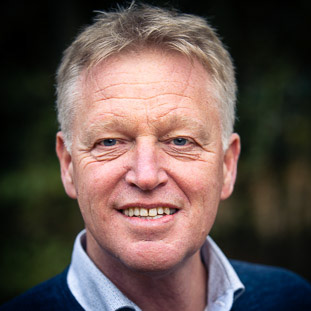

Frans Schepers
Executive Director
Rewilding Europe
Key milestones and events
Looking back at an eventful and productive year, we can reflect on a number of major achievements and milestones.
Embarking on our new strategy for 2030
Our new strategic plan for 2021-2030, titled “Advancing Rewilding in Europe” (“Strategy 2030” for short) was well received. Presenting an integrated approach to rewilding on our continent, it shows that Rewilding Europe is not a “collection of projects”, but embodies a holistic approach to nature recovery at scale. To enable us to carry out our demonstration role we have made long-term commitments to the local partner entities established in our rewilding landscapes, thereby supporting and empowering them to drive their landscape-scale initiatives forwards for at least the next 20 years. By 2030 we want to expand the number of landscapes where we operate to 15, including two or three coastal/marine initiatives. Collectively, these “flagship” landscapes act as practical rewilding showcases, each with their own local context and governance. Our streamlined co-production approach will see rewilding landscape teams work towards the objectives and targets set out in Strategy 2030, with support provided by the Central Team.
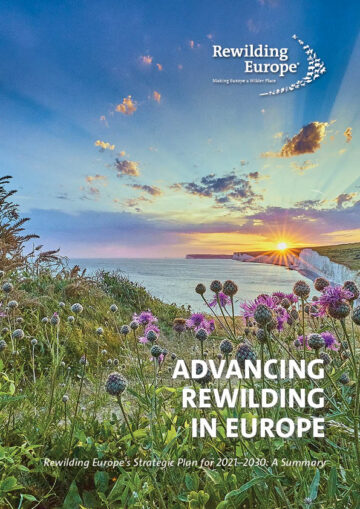
Advancing Rewilding in Europe. Rewilding Europe’s Strategic Plan for 2021–2030: A Summary
New rewilding landscapes in the pipeline
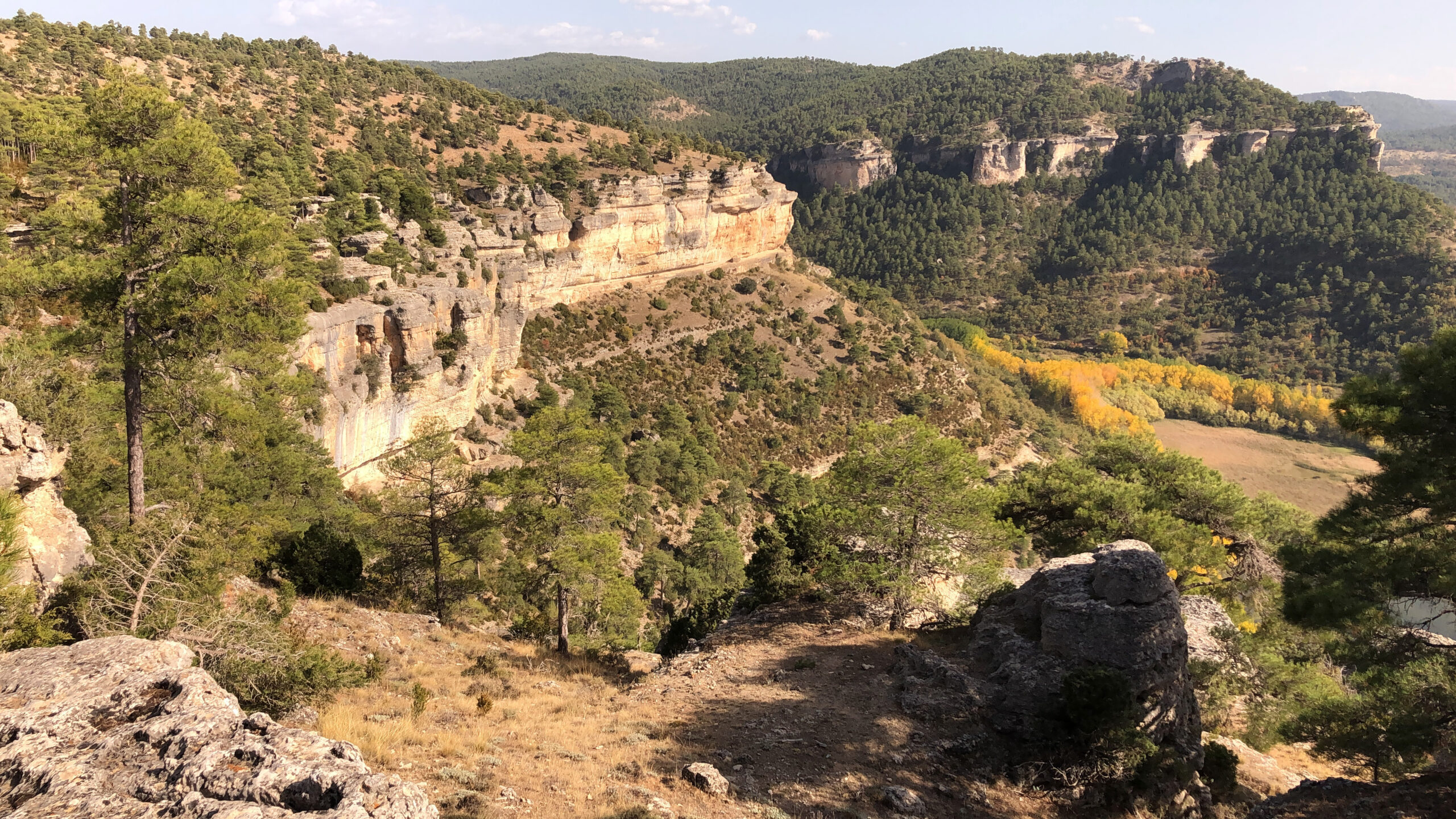
We have made good progress on two new landscapes that have been in the pipeline for some years now. The first, the Iberian Highlands in Spain, is ready to take off later in 2022 if and when sufficient financial resources are secured. After more than two years of preparation with our key partner Rewilding Spain, real momentum has been generated here. We have already initiated some small-scale actions with local partners, preparing for a new team and actions on the ground, and establishing critical partnerships. At the official launch in October in Cuenca, a beautiful town in the heart of the Iberian Highlands, we look forward to celebrating the Iberian Highlands as our tenth rewilding landscape – a real milestone!
In 2019 we received a nomination for the Alpes Dauphiné in France (containing the Vercors and Baronnies Provençales Regional Parks) to become one of our rewilding landscapes. Having accepted this nomination, we are now moving into a detailed feasibility phase, in close cooperation with the newly established Rewilding France. The outlook is positive; a team of experts and consultants, led by our head of Landscapes Fabien Quétier, will deliver a feasibility report by the end of this year, enabling Rewilding Europe to assess the suitability of adding this landscape to our growing portfolio.
Iberian Highlands, Spain
Alpes Dauphiné, France
Communications highlights
In 2022 our communications efforts helped to drive Europe’s burgeoning rewilding movement onward, with a number of real highlights.
Annual Review 2021
The first half of 2022 saw several communications highlights. Our Annual Review 2021, published in June, was a milestone publication – it not only reported on 2021, but looked back at our first decade of existence, and ahead to our second. We refreshed the design to make it (even) more attractive and accessible for readers.
Impact Stories: Amazing Grazing & Climate Positive
We also continued production of our series of online impact stories, which put our work in context and showcase the progress Rewilding Europe has made in a range of key areas. Titled “Amazing Grazing“, the first story profiled natural grazing and showed how critical herbivorous animals are to the functionality and resilience of many European ecosystems. The positive impacts of natural grazing are diverse – it boosts biodiversity by opening up landscapes and preventing encroachment by shrubs, reduces the risk of catastrophic wildfire, and enhances carbon storage and climate change resilience. The second impact story, titled “Climate Positive“, explained how rewilding can play a critical role in helping us to mitigate the scale and impact of global warming.
European Wildlife Photographer of the Year
A new and exciting partnership was signed with the German Society for Nature Photography, with this year’s European Wildlife Photographer of the Year competition offering a special rewilding award. The collaboration will help to promote nature and rewilding. The winner of this special prize will receive a Rewilding Europe travel voucher worth 1500 euros to one of Rewilding Europe’s rewilding landscapes, as well as pride of place in the competition exhibition (which travels across Germany and Europe for three years) and catalogue.
European Commission awards nomination
Another highlight was our nomination for two European Commission awards – a prestigious Natura 2000 Award for our work on Dalmatian pelicans in Bulgaria (Pelican Way of Life), and a LIFE Award for our work on cinereous and griffon vultures in the Rhodope Mountains in Bulgaria. While they failed to win, both nominations reached the final stages of the awards process and we were very excited and grateful for the recognition!
Wild about film
Thanks to a partnership with global law firm Hogan Lovells, a new series of short films showcasing the work of Rewilding Europe began production this spring. Bringing people closer than ever to rewilding and the work of Rewilding Europe, at least six short films will be produced over the next two to three years, showcasing the rewilding vision of specific rewilding landscapes, the rewilding actions being carried out in these landscapes, and how these actions are benefitting wild nature and people. These captivating and intimate portrayals of practical rewilding will be filmed by award-winning French filmmaker Emmanuel Rondeau of White Fox Pictures, who also shot Zimbrul – a beautiful short film about the rewilding of European bison in the Southern Carpathians – in 2019.

Susan Wright / Rewilding Europe
Rewilding Landscapes – latest from the field
An overview of the most important achievements in our existing and prospective rewilding landscapes.


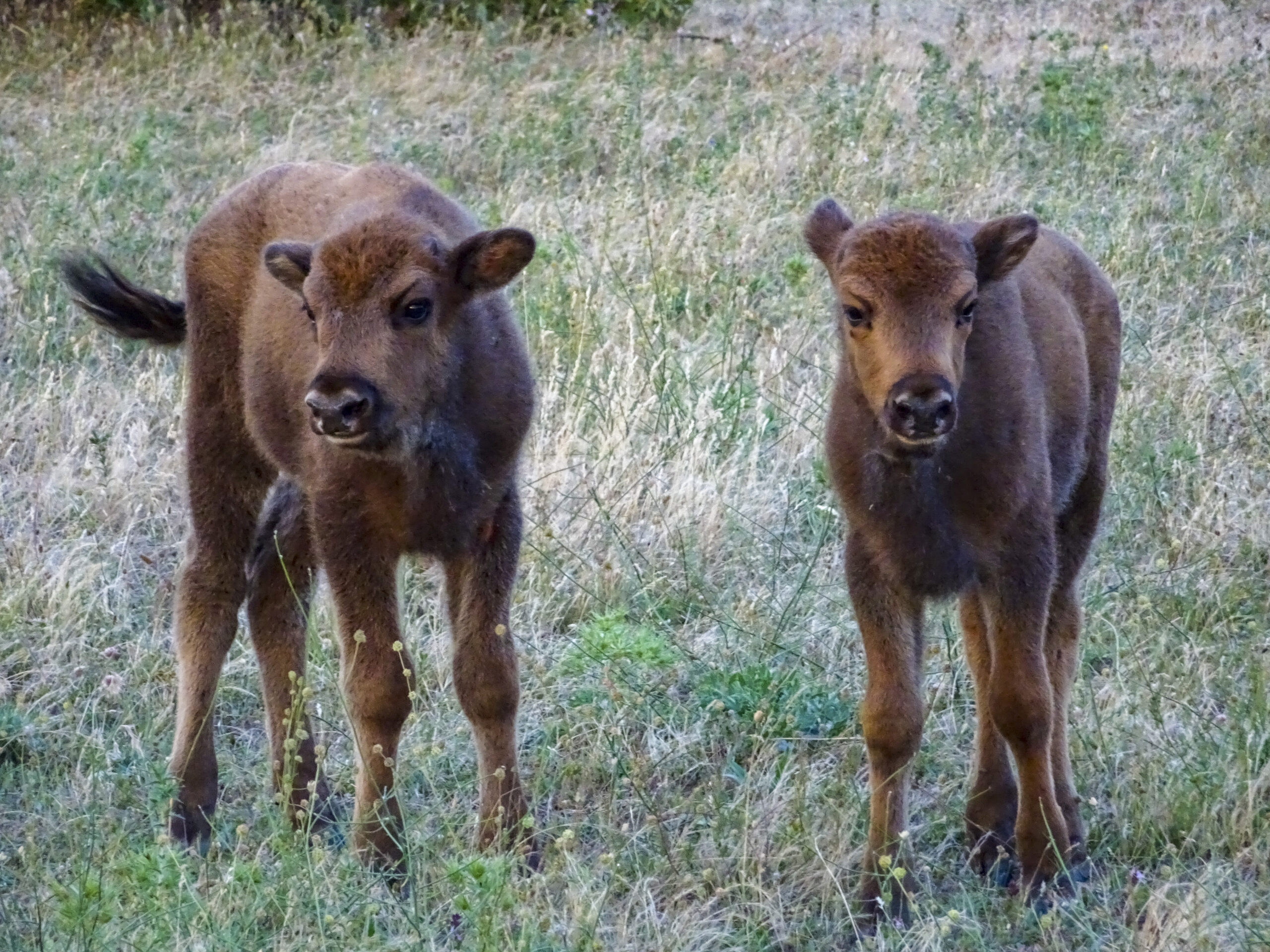
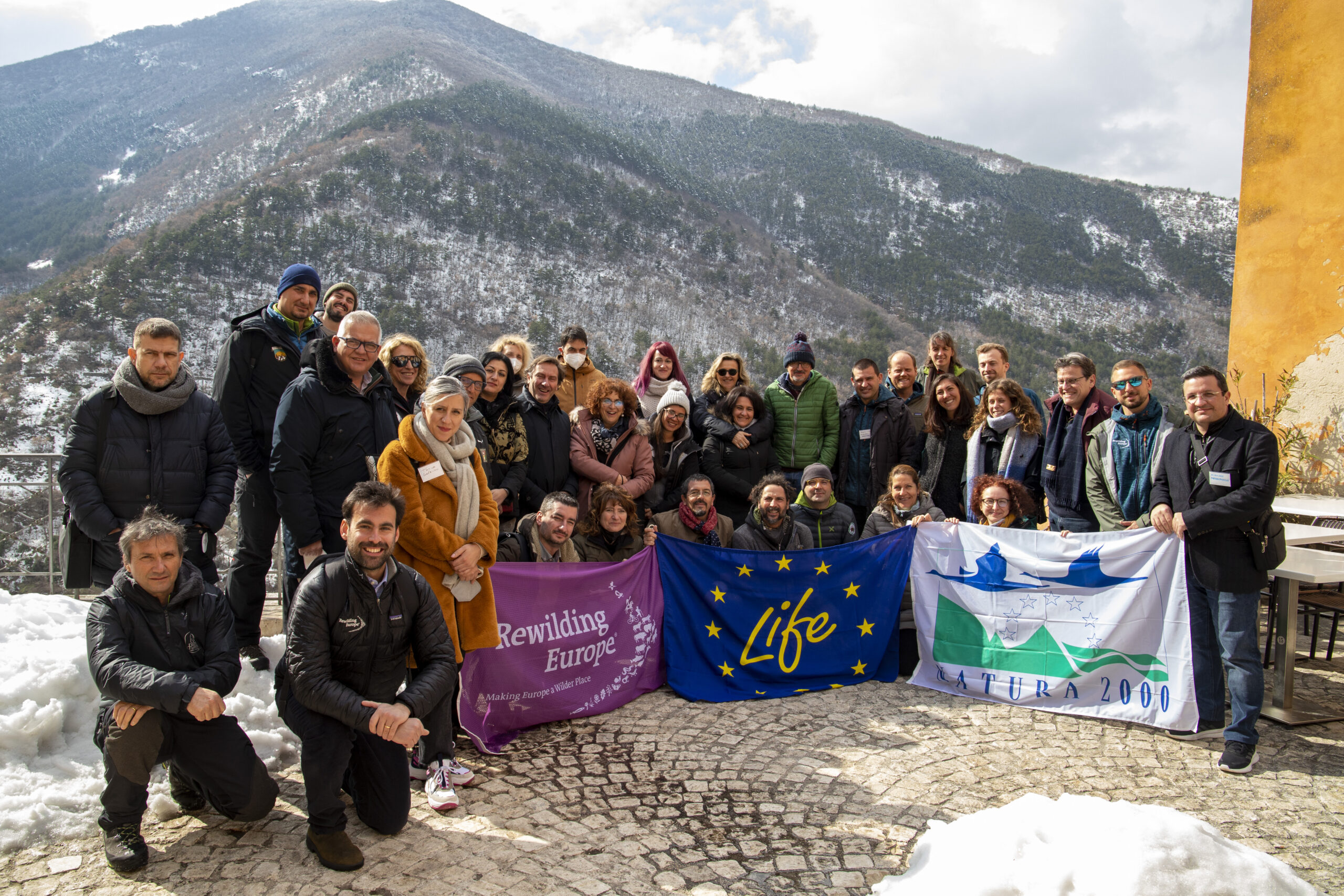
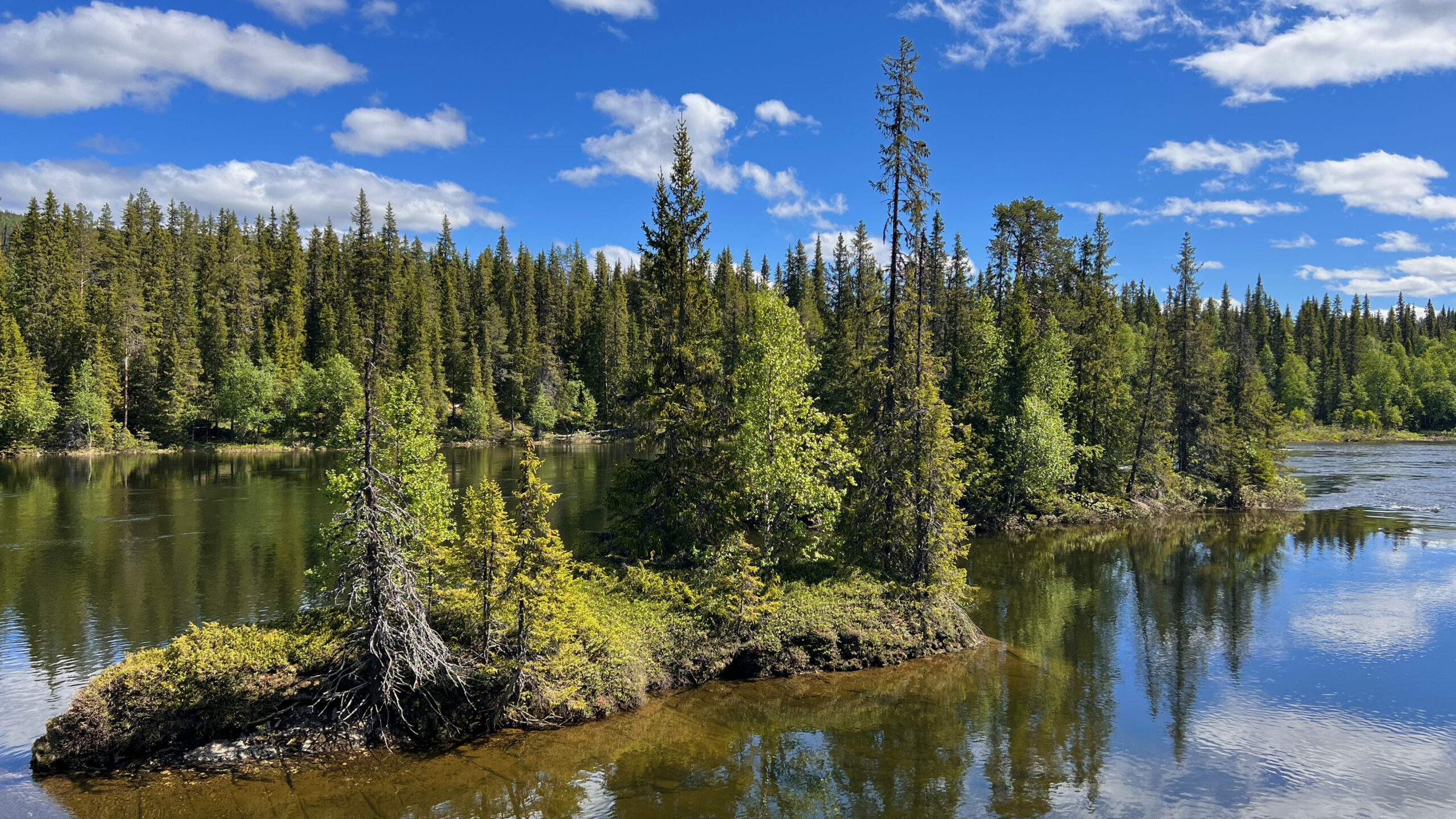
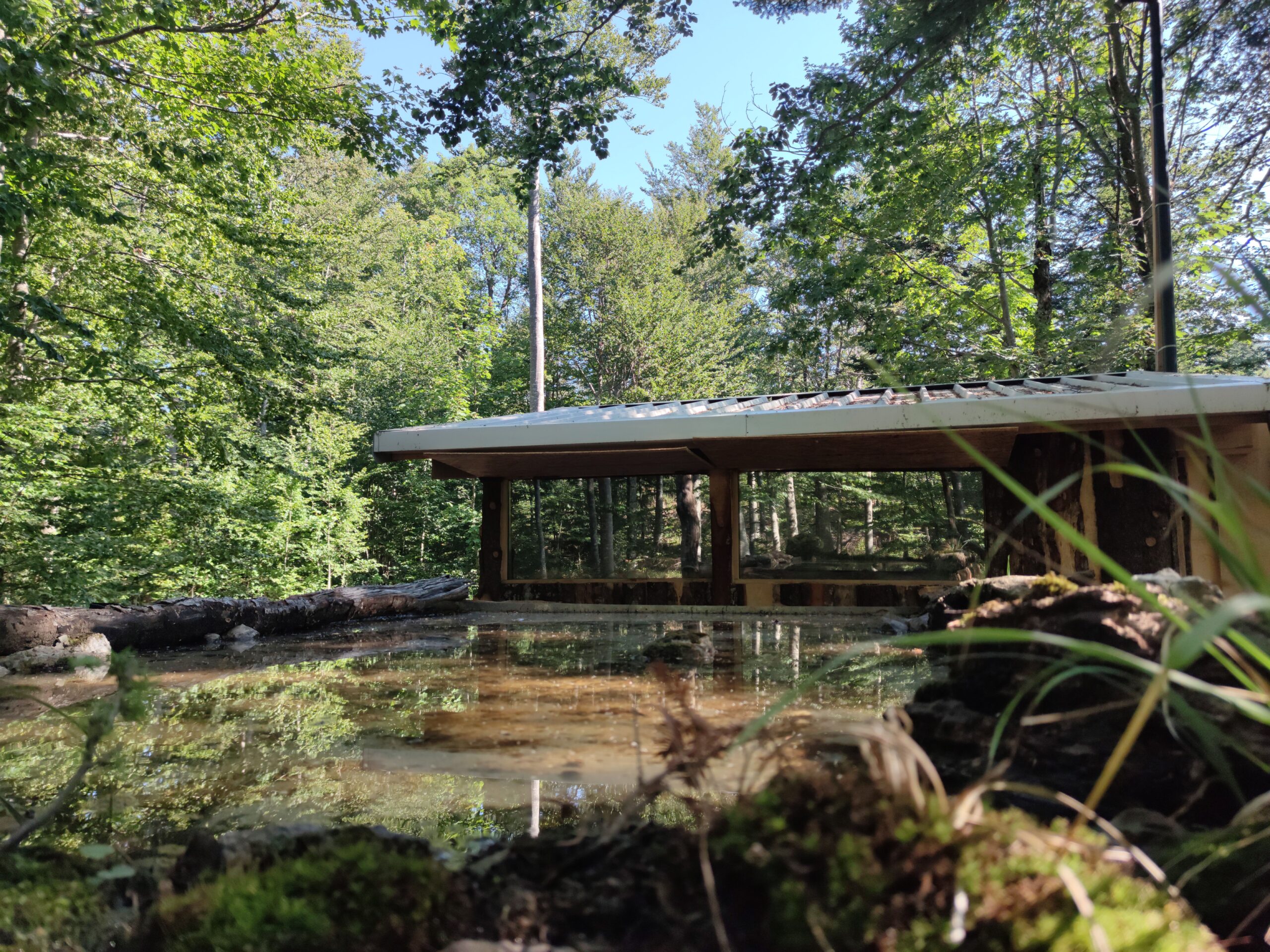

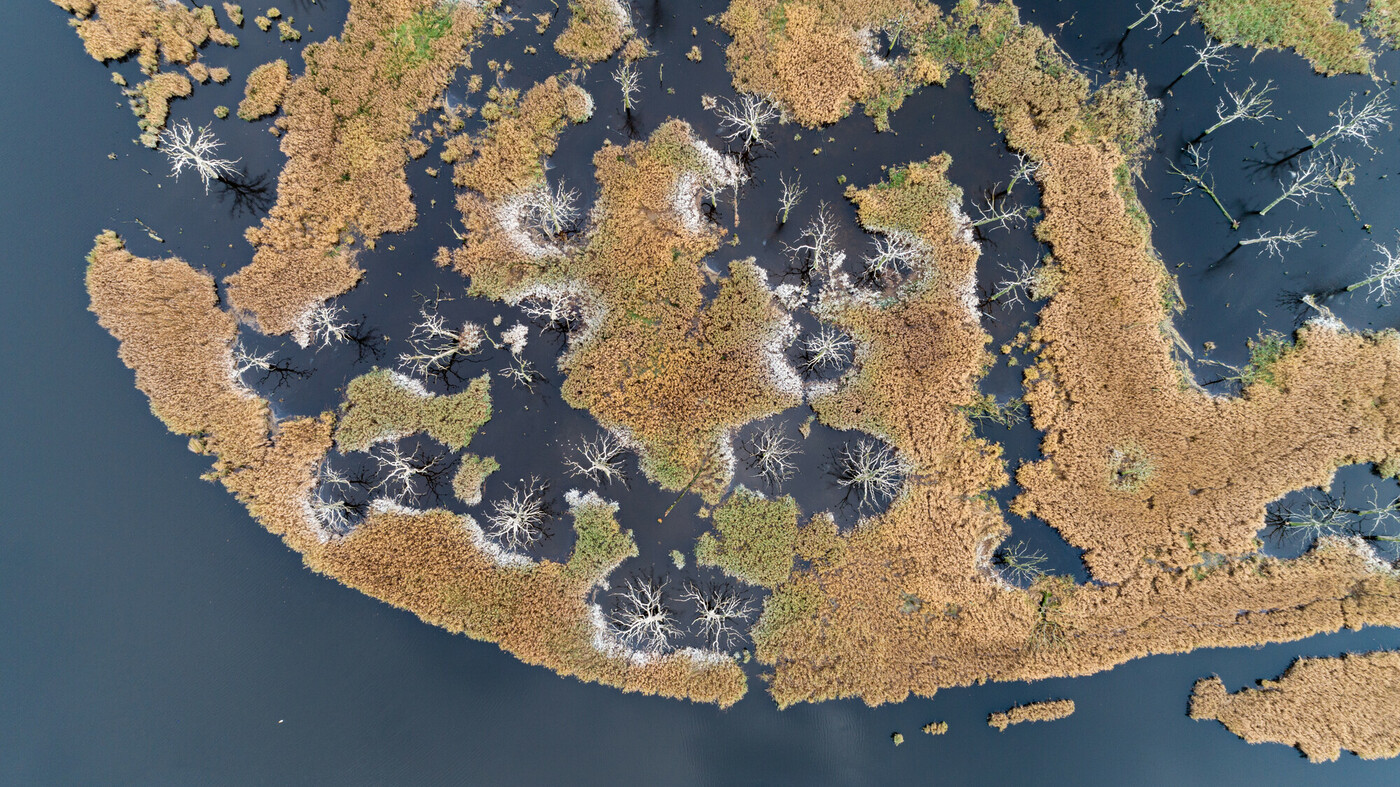
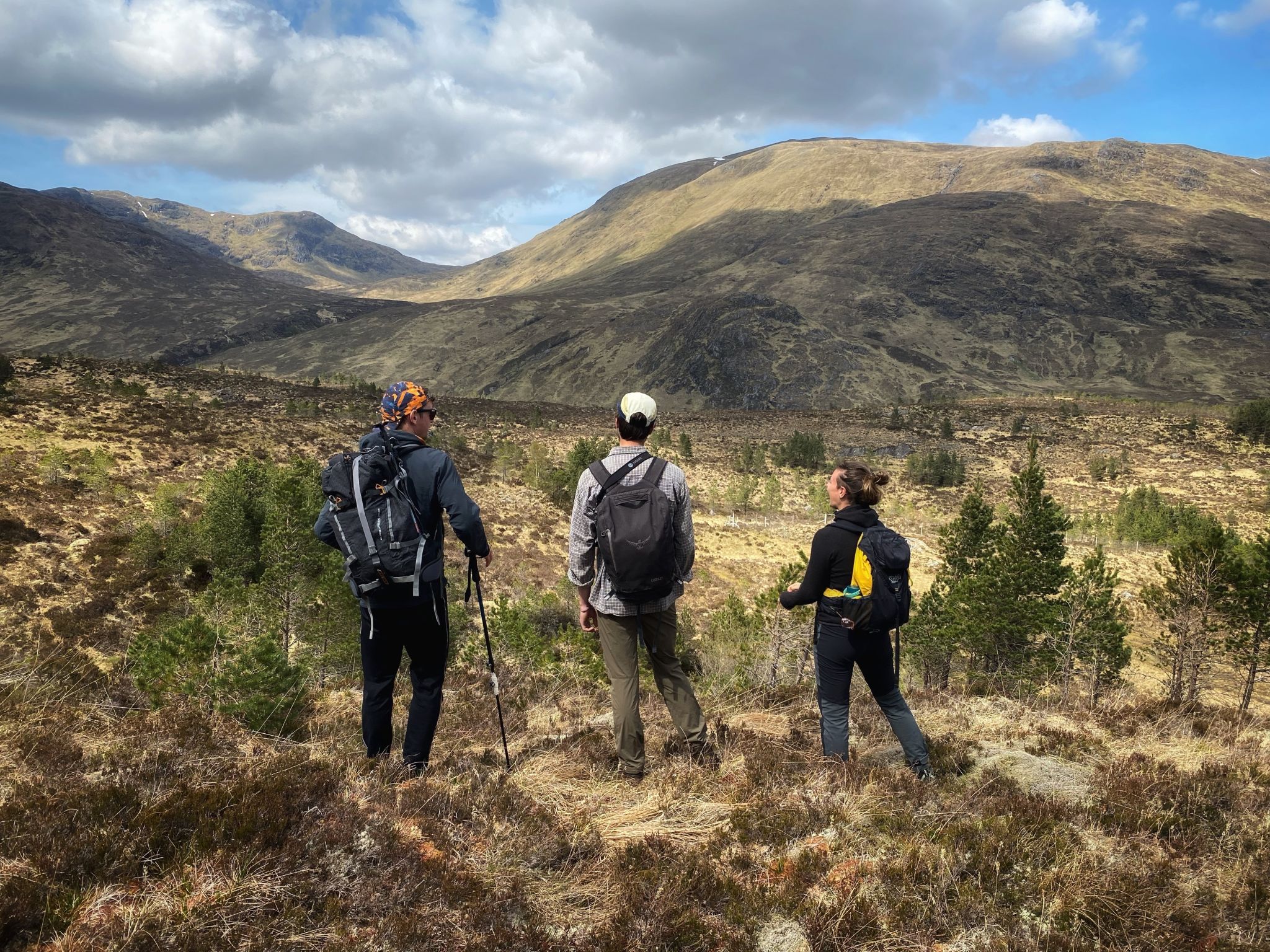
European Rewilding Network
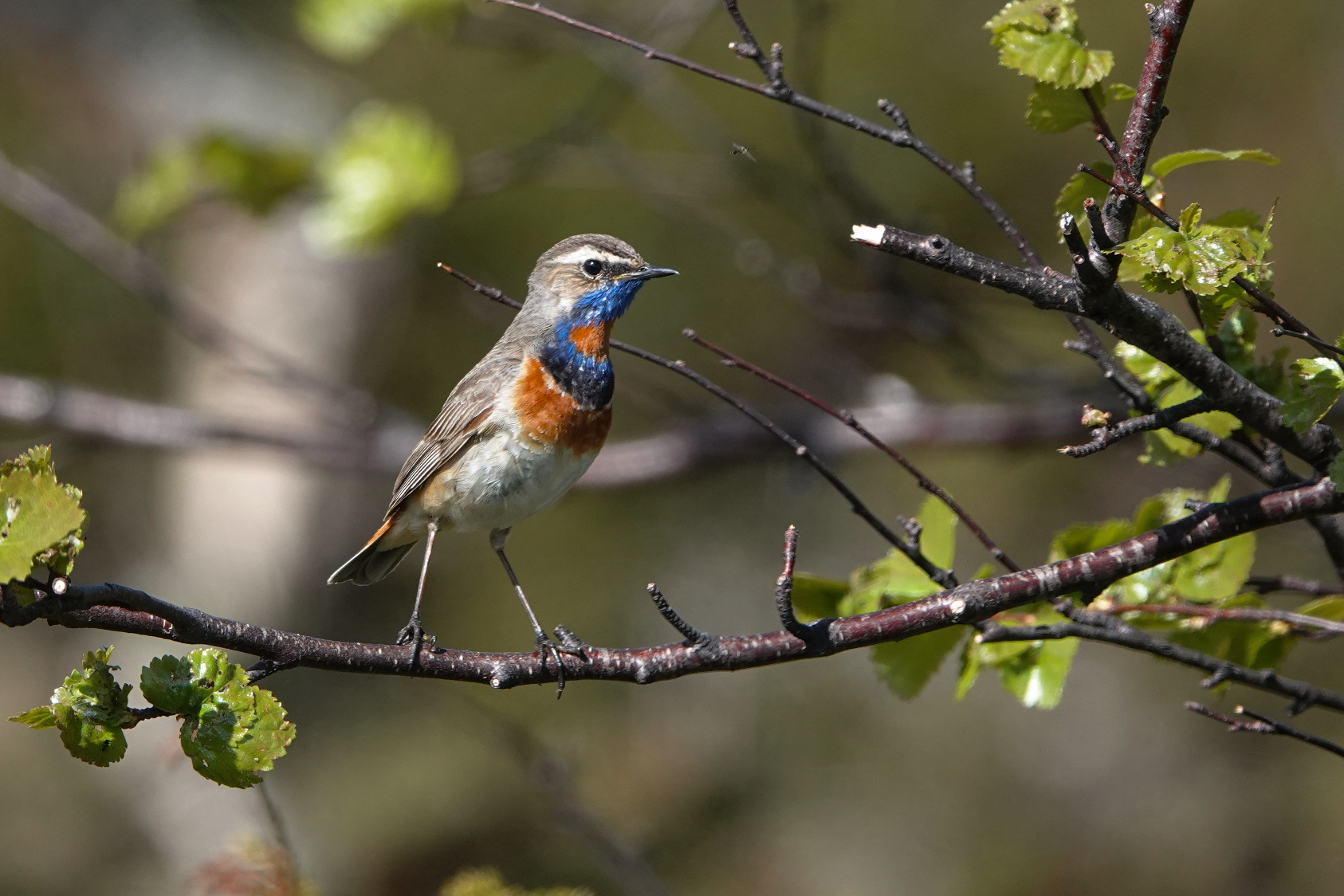
The European Rewilding Network (ERN) was bolstered by eight new members from five different countries during the first half of the year. Four of these are based in Finland and are overseen by Snowchange, a foundation that runs a large Finnish rewilding programme. These eight new additions take total ERN membership to 85, based in 27 different countries.
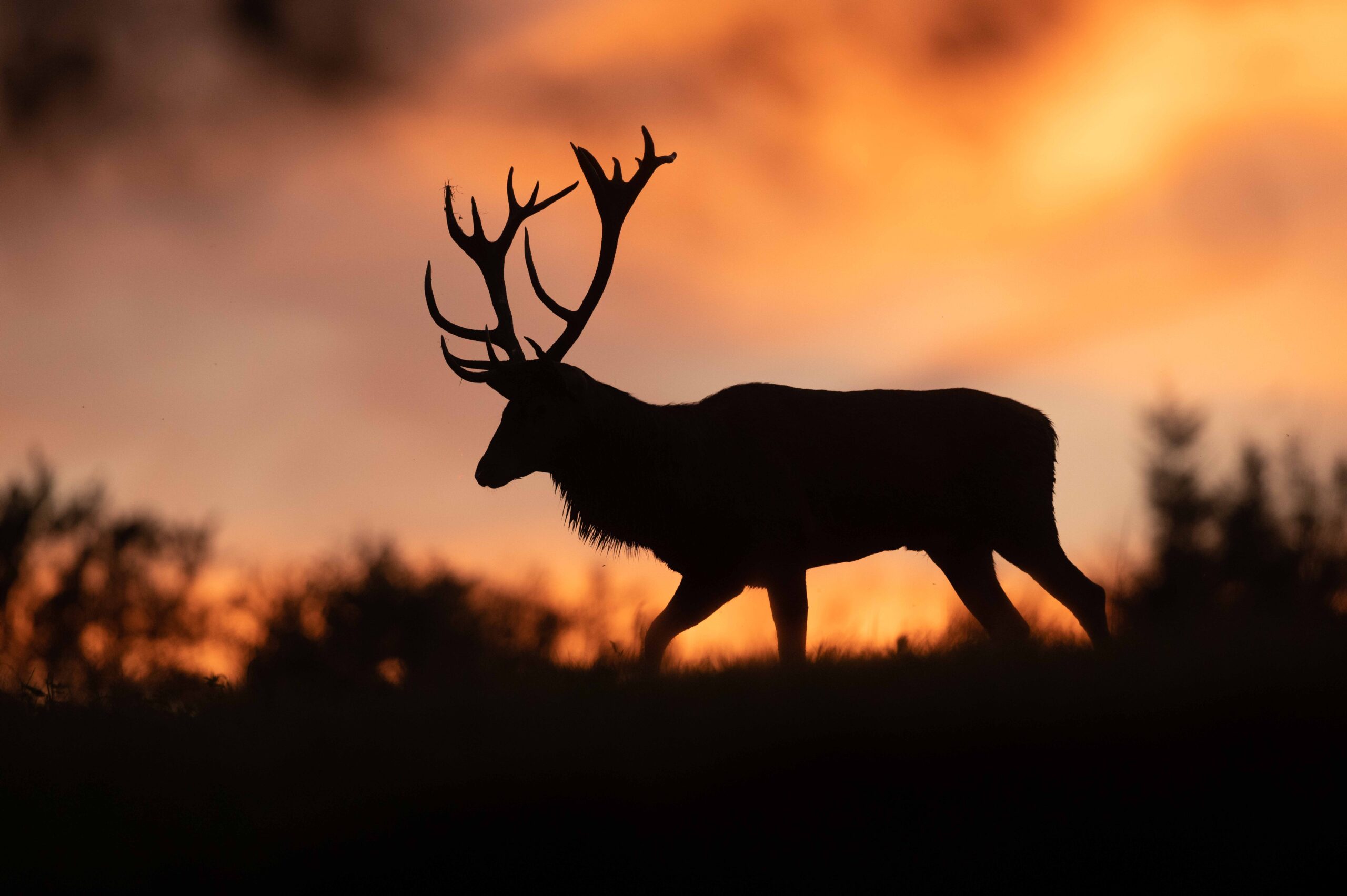
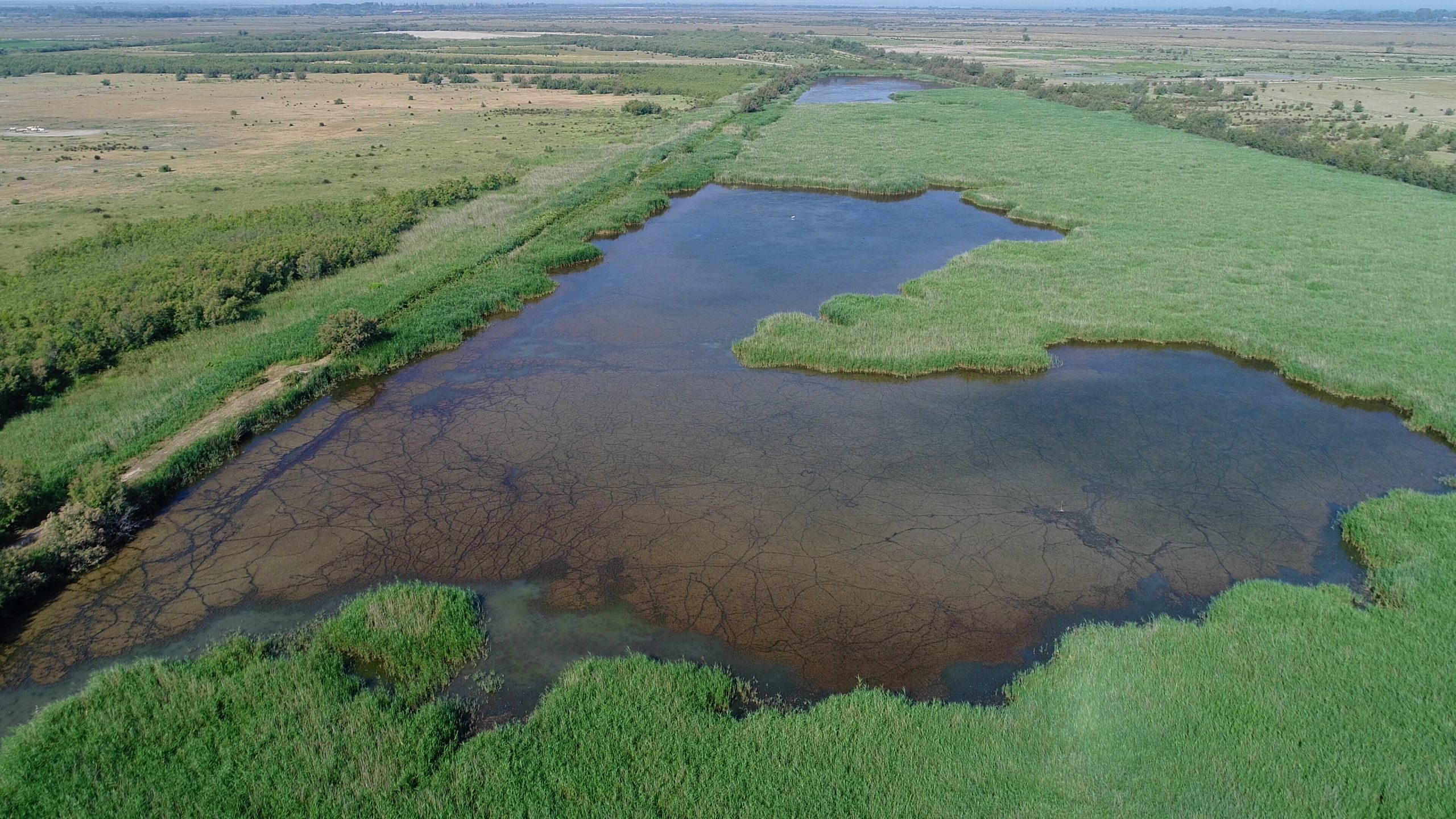
Organisation & fundraising
To ensure Rewilding Europe is a “fit for purpose” organisation, capable of working towards the objectives set out in our new Strategy 2030, we have begun implementing an “Organisational Growth and Development Plan”. This means stepping up our organisational and financial capacity and resources, while remaining an agile, multi-disciplinary, pan-European team.
Organisational development
In January the Supervisory Board appointed Johan Booij as Finance & Operations Director. Together with Frans Schepers as Executive Director, we now have a two-tier Executive Board, with the two directors complementing each other really well. The new Executive Board has developed an Organisational Growth and Development Plan for the period 2022-2025, in close consultation with the Management Team. The plan was endorsed by the Supervisory Board on 31 March and communicated to the Central Team and Team Leaders at the beginning of April.
The plan includes measures to strengthen the existing Central Team, including the formation of a new Upscaling Team. This will result in moderate growth, from 17 fte at the beginning of 2022 to 25 fte by the end of 2022 (with no further significant growth expected between 2023 and 2025).
With the help of an external HR consultant, all (new and existing) job descriptions were updated, while all functions were evaluated using a job valuation tool, designed with the help of PWC. A HR manual was also finalised. Recruitment of the proposed new staff is well underway, and the full Central Team is expected to be in place by the autumn of 2022 (see below).
Central Team changes
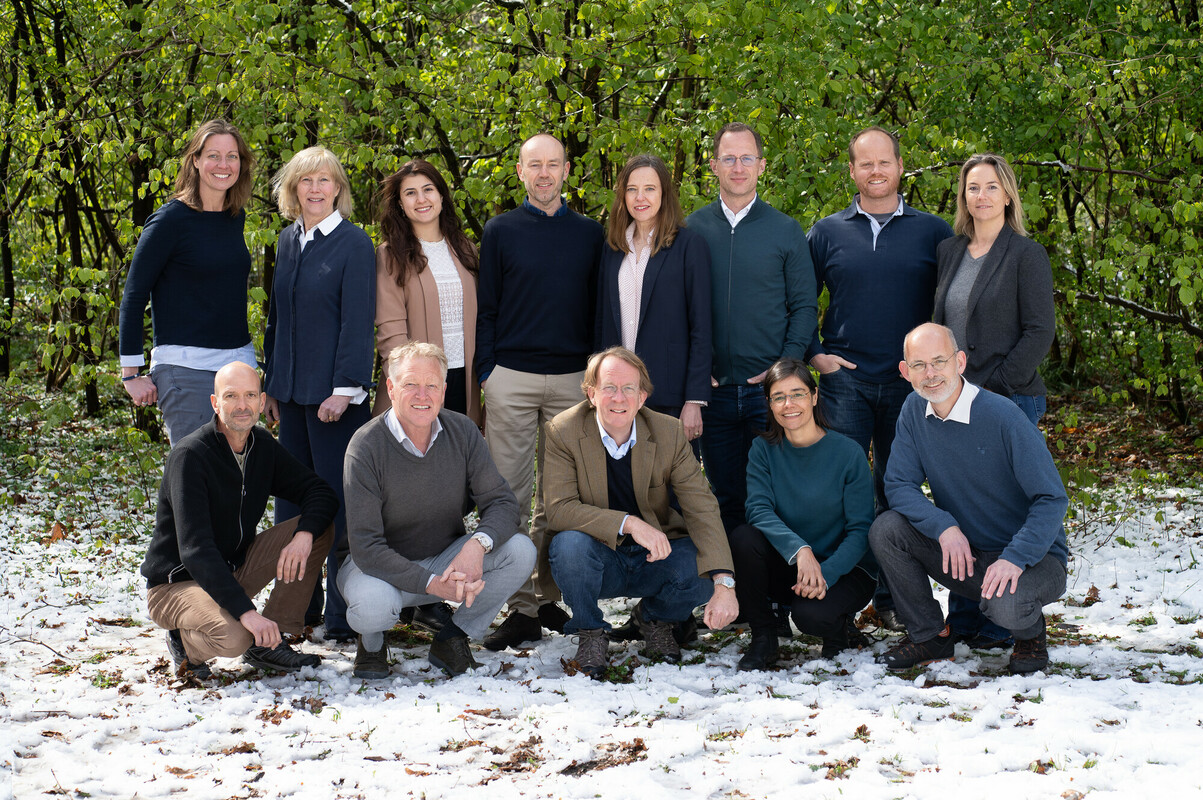
We are excited to update you about the new staff and colleagues that have already joined us, or who will be joining us in the Central Team. You will find their biographies on our website as they start working.
In the Communications Team, Nina Breck (German) started as Communications Officer (June), while Katya Kurakina (Ukrainian) started as interim Communications Officer (June). In the Rewilding Team, Sophie Monsarrat (French) has been appointed as Rewilding Manager (September) while Misha Nesterenko (Ukrainian) started as interim Rewilding Manager (June). The recruitment of a Geospatial & Monitoring Officer is almost finalised.
In the Enterprise Team we also have two newcomers: Daniel Verissimo (Portuguese) started as Rewilding Finance Expert (July), while Preethi Sridharan (Indian) will start as Carbon Project Developer (August). In the Finance & Operations Team, Tamar Vloedgraven (Dutch) will start as Finance Manager (September).
As mentioned above, we have also begun formation of an Upscaling Team. Julia Mata (Argentinian, based in Denmark) started as interim ERN Coordinator (July), with Mei Elderadzi leaving us in June. Aukje van Gerven (Dutch) has become the Rewilding Training Manager (July), while the recruitment of a European Young Rewilders Coordinator is nearing conclusion. We will soon start the hiring process of the Head of Upscaling and Upscaling Officer, who we hope to have on board later this autumn.
With these new Central Team members, we have substantially increased capacity. This is critical for us to drive Rewilding Europe forwards, strengthen the support provided to our landscape teams, and achieve the targets set out in our Strategy 2030. Except for Julia Mata, everyone is based in (or very near) the Netherlands, and will be regularly working from the Nijmegen office. All new team members will follow an intense onboarding process during their first few months.
Johan Booij
Finance & Operations Director
Nina Breck
Communications Officer
Sophie Monsarrat
Rewilding Manager
Daniel Veríssimo
Rewilding Finance Expert
Preethi Sridharan
Carbon Project Developer
Julia Mata
European Rewilding Network Coordinator (interim)
Landscape Team changes
At the landscape level, the total number of staff is planned and expected to grow from 70 fte in 2022 to at least 92 fte in 2025, as a result of the ambitious targets set out in Strategy 2030.
Important steps were made in the leadership and development of the local teams. In the Rhodope Mountains, Andreana Trifonova started as the new Team Leader/Director, replacing Stoycho Stoychev. We have started transforming the current Danube Delta entity in Romania into a wider Rewilding Romania entity that will also work in the Southern Carpathians. Marina Drugă has been hired as the new Director of Rewilding Romania and Team Leader for the Southern Carpathians (as of July). Rewilding Romania will establish a close working relationship with WWF in Romania, which has been our direct partner since 2011.
After the Supervisory Board approved the Iberian Highlands as our new and tenth rewilding landscape in March, Pablo Schapira Perez was recruited as Team Leader within Rewilding Spain (as of July). The recruitment of a Team Leader for Swedish Lapland has also been finalised, with Henrik Persson for Rewilding Sweden (as of October).
Marina, Pablo and Henrik have all started recruiting for their new teams and aim to be operational by the autumn. Having these new team leaders on board is a very important and encouraging step forward in strengthening leadership and building further capacity in the ten rewilding landscapes.
Andreana Trifonova
Team leader Rhodope Mountains
Marina Drugă
Director of Rewilding Romania & Team leader Southern Carpathians
Pablo Schapira Perez
Team leader Rewilding Spain
Henrik Persson
Team Leader Rewilding Sweden
Supervisory Board
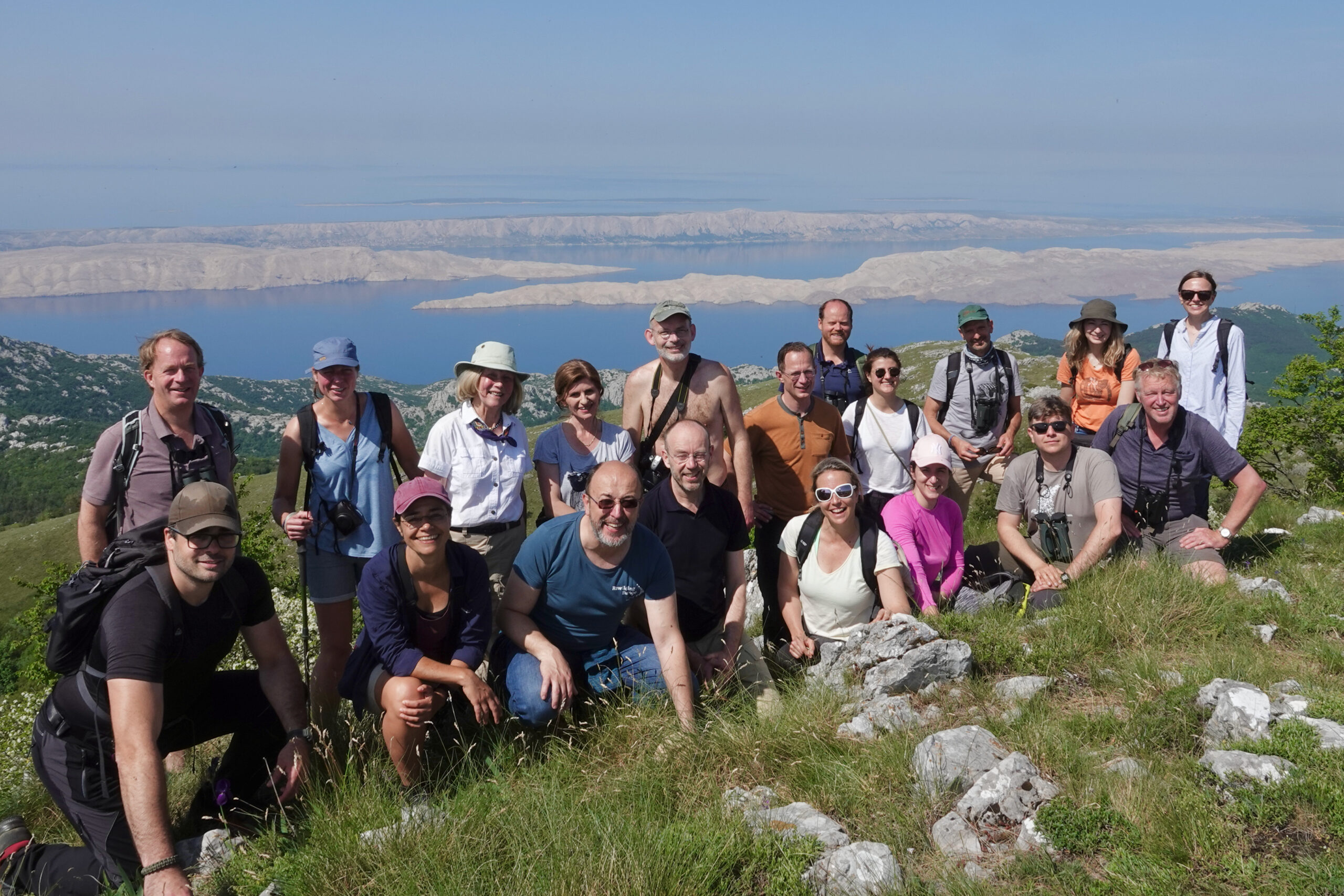
Every year the full Supervisory Board and Management Team visit one of the rewilding landscapes in spring and combine this with a board meeting on location. This year we paid tribute to the Velebit Mountains in Croatia, where we were hosted in a fantastic way by the local team and fresh new Supervisory Board of the Rewilding Velebit Foundation. We made a tour of this impressive mountain range and visited a number of rewilding sites. On the Lika Plains we witnessed the growing impact of natural grazing with large herbivores such as horses and Tauros, and visited the concessions that Rewilding Velebit is managing (over 23,000 ha) to develop a large wildlife corridor. Here, we officially “opened” and tested five new or refurbished wildlife hides, together with SKUA Nature. On longer hikes, we very much enjoyed the rich landscape, the lush vegetation, many rare and beautiful flowers, birds, butterflies and reptiles, and impressive old-growth forests. Thanks to the Rewilding Velebit team and board, and their dedication, achievements and great companionship, it was a wonderful, educational and productive visit.
New partnerships and fundraising
During the first half of this year, we made great progress building new partnerships and strengthening our financial base. This is essential if we are to expand and upscale our work in the years ahead. We are extremely grateful to all the financial partners, supporters and donors for their invaluable support for our work all across Europe. Most of the new grants are multi-year, ensuring continued support over the coming years.
A partnership with the Forest Peace Foundation (the Netherlands) was signed, focused on upscaling rewilding, with a contribution of 450,000 euros. Fondation Ensemble (France) provided a grant of 130,000 euros for work on the return of keystone wildlife species (griffon vultures, Apennine chamois and white-clawed crayfish) in the Central Apennines. The international law firm Hogan Lovells (Germany and the Netherlands) provided a grant of 210,000 euros to produce short films on the rewilding work being carried out in our landscapes, as part of a wider new partnership agreement. This also includes pro-bono legal advice on a range of topics at both central and landscape levels – this is hugely valuable. The Grantham Foundation (United States) provided a grant of 3.4 million dollars for peat and forest restoration in Swedish Lapland and the Oder Delta (among others) – incredible support that enables us to work on rewilding climate solutions on a commercial basis. FedEx Europe (United Kingdom) provided a grant of 400,000 dollars for the Affric Highlands and the development of rewilding credits.
A new grant of 5 million dollars from Arcadia, a charitable fund of Lisbet Rausing and Peter Baldwin (United Kingdom), was a real highlight, allowing us to continue our work to advance European rewilding in a very strategic and substantial way over the next five years. The Firmenich Family Foundation (Switzerland) supported our work on dam removal in the Oder Delta with a grant of 50,000 Swiss francs.On the public side, we were thrilled with the final approval of a large new EU LIFE grant from the European Commission. The LIFE Bear Smart Corridors initiative, focused on Marsican and brown bears in Italy and Greece respectively, kicked off with support of nearly 4.4 million euros. Rewilding Europe also partnered in a large EU Horizon Europe project that was approved in spring and will start in November. This five-year initiative, titled “NaturaConnect”, will co-develop knowledge, tools, and capacity building programmes to support EU Member States in implementing an ecologically representative, resilient, and well-connected trans-European nature network. Rewilding Europe is a partner and will mainly focus on finance mechanisms.
Last but not least, we were honoured and humbled by a spontaneous and very generous donation of 1 million euros from Karl and Astrid Schefer, the founders of Delinat and pioneers in organic wine production.