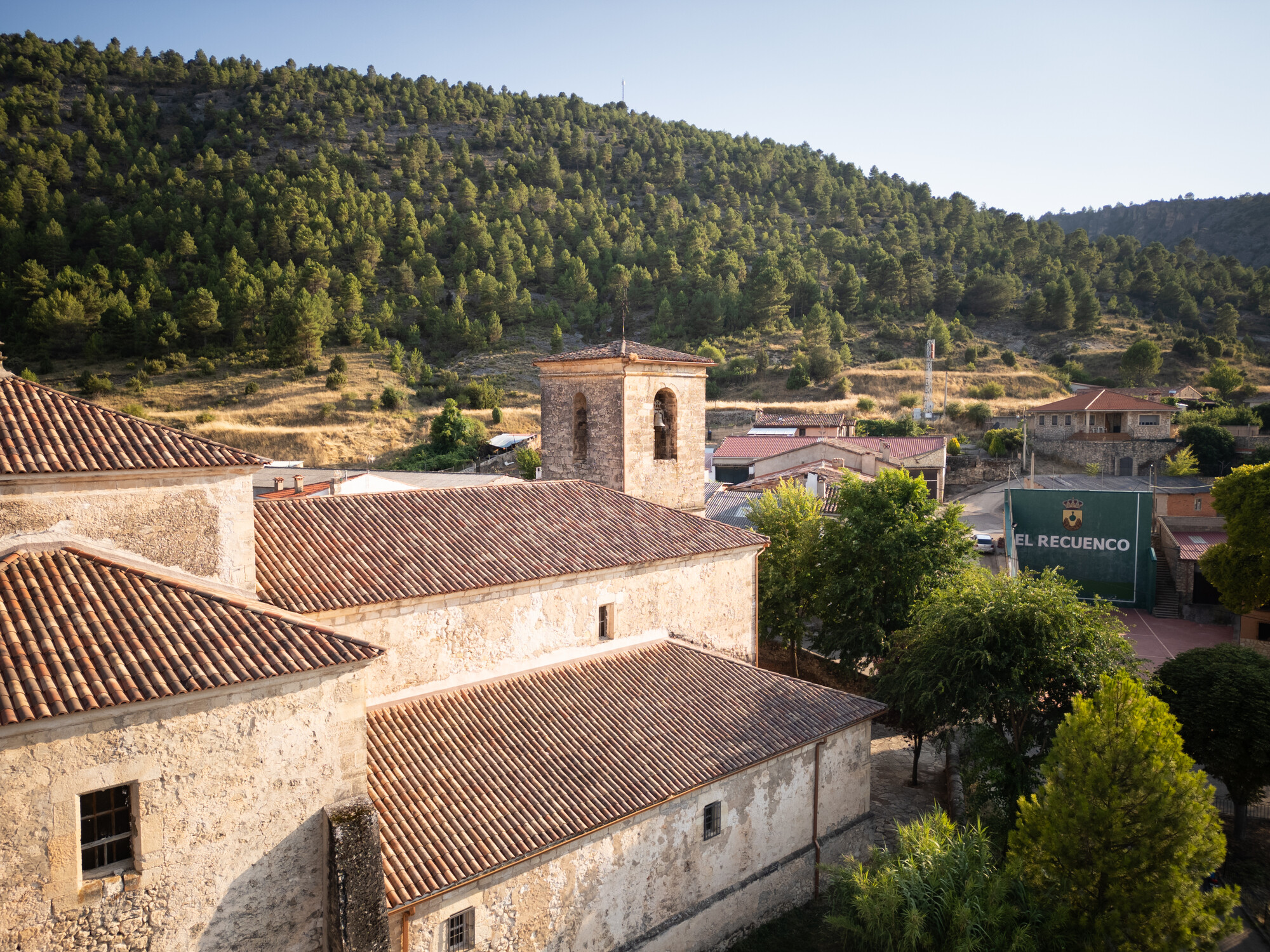
In a historic step for rewilding in Spain, nine European bison have been released for the first time in the Iberian Highlands. As part of an international study, they will help unlock vital insights into how bison can restore ecosystems across Europe, while also bringing renewed hope and opportunity to the local community of El Recuenco.
A groundbreaking arrival
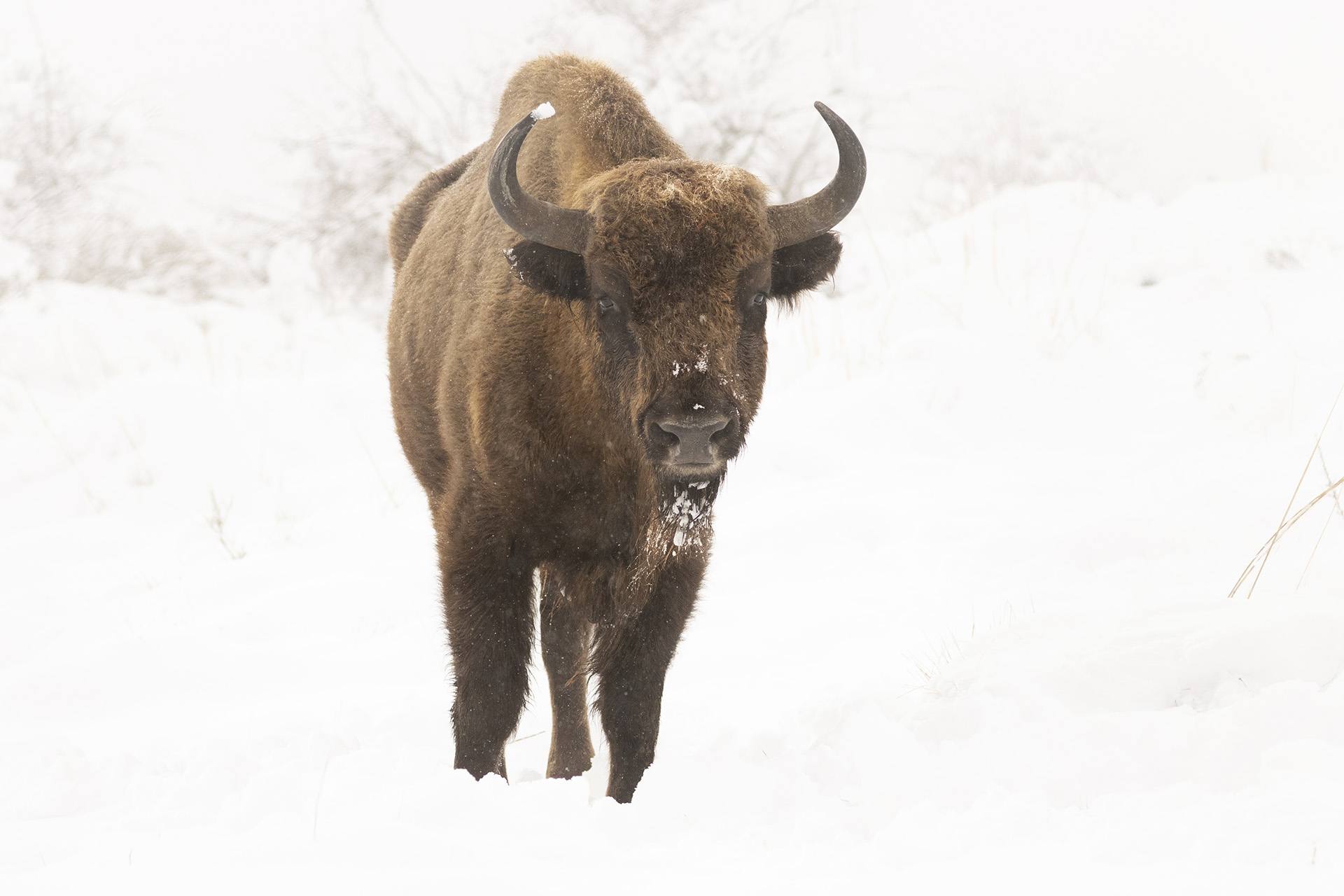
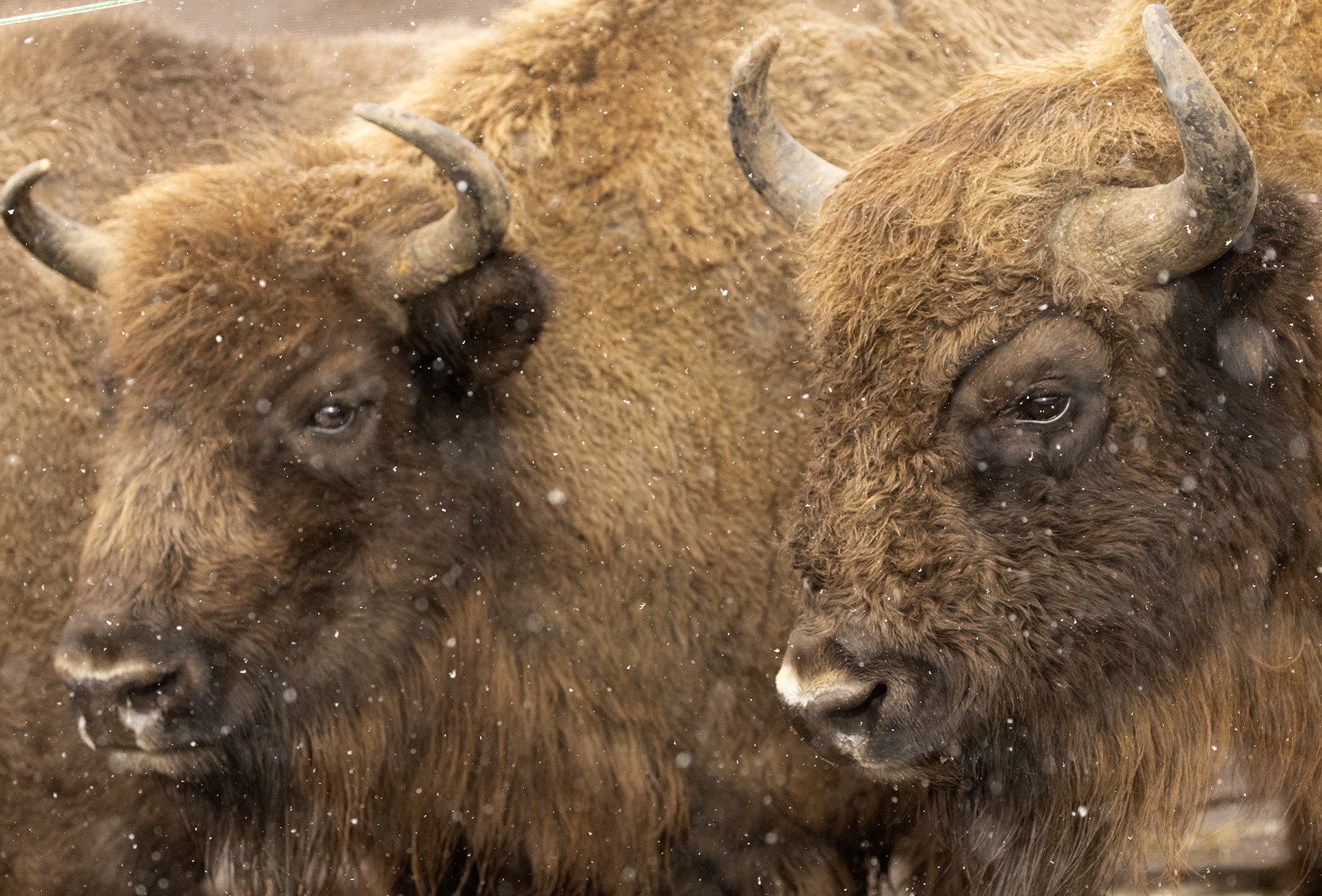
In a historic milestone for rewilding in Spain’s Iberian Highlands, nine European bison have arrived in the village of El Recuenco, in the province of Guadalajara. Sourced from a private estate north-west of Madrid, their presence will support a pioneering research effort led by Rewilding Spain to explore how bison — Europe’s last wild bovine and its largest terrestrial mammal — can help to restore and revitalise ecosystems in the Mediterranean and beyond.
Understanding how European bison adapt to the landscapes of the Iberian Peninsula — and to other European environments — is key to unlocking the benefits the species can deliver for nature, climate and people. It will also guide and strengthen efforts to accelerate European bison comeback across the continent. Over the last decade, the number of European bison has increased from just over 2500 to around 9000 individuals. This represents a remarkable recovery, considering there were less than 60 individuals alive in zoos and private parks in 1927.
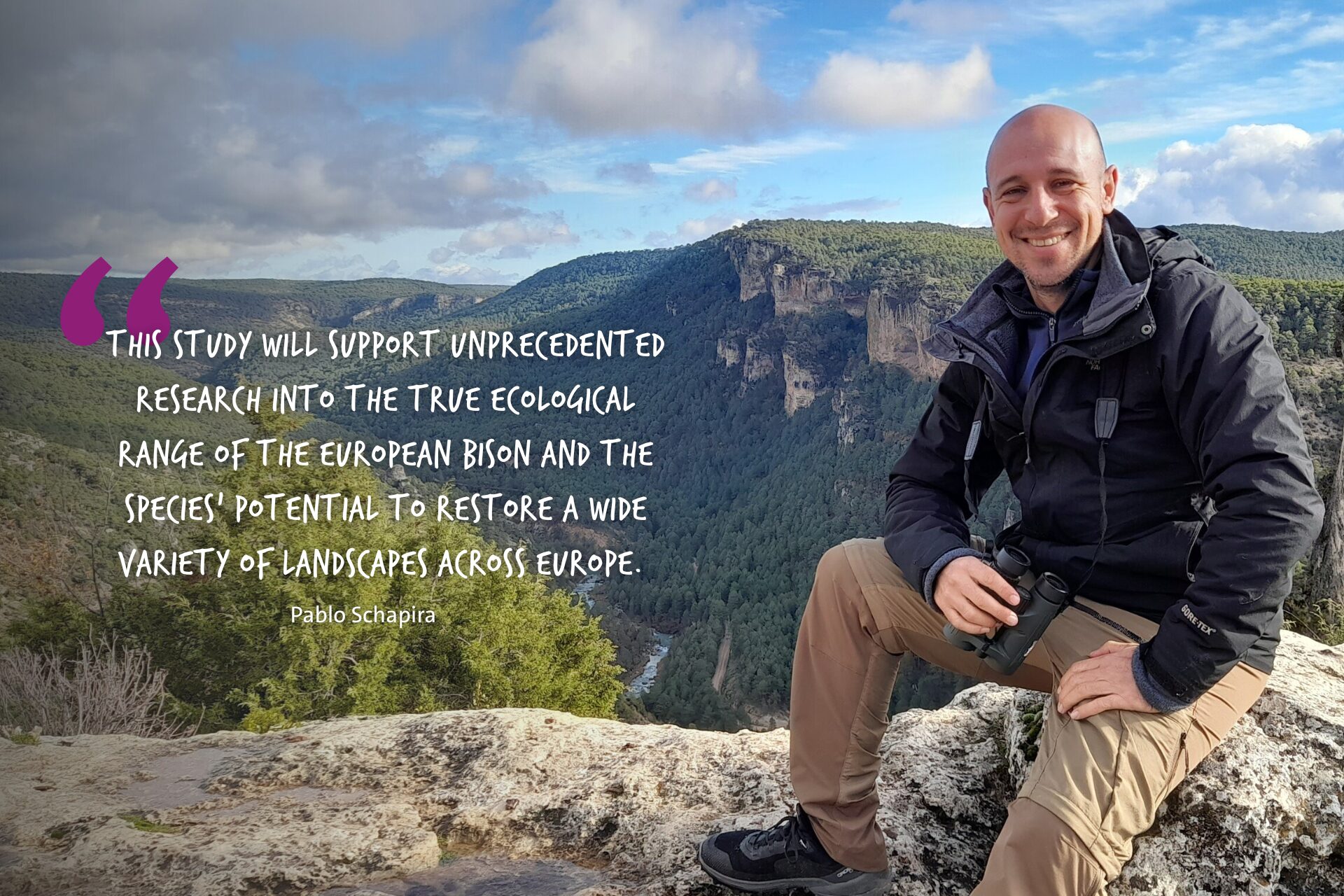
“This study will support unprecedented research into the true ecological range of the European bison and the species’ potential to restore a wide variety of landscapes across Europe,” says Pablo Schapira, team leader at Rewilding Spain. “It will also demonstrate how rewilding can offer new development pathways for rural areas, built on meaningful engagement and strong public support.”
Breathing new life into the community through rewilding
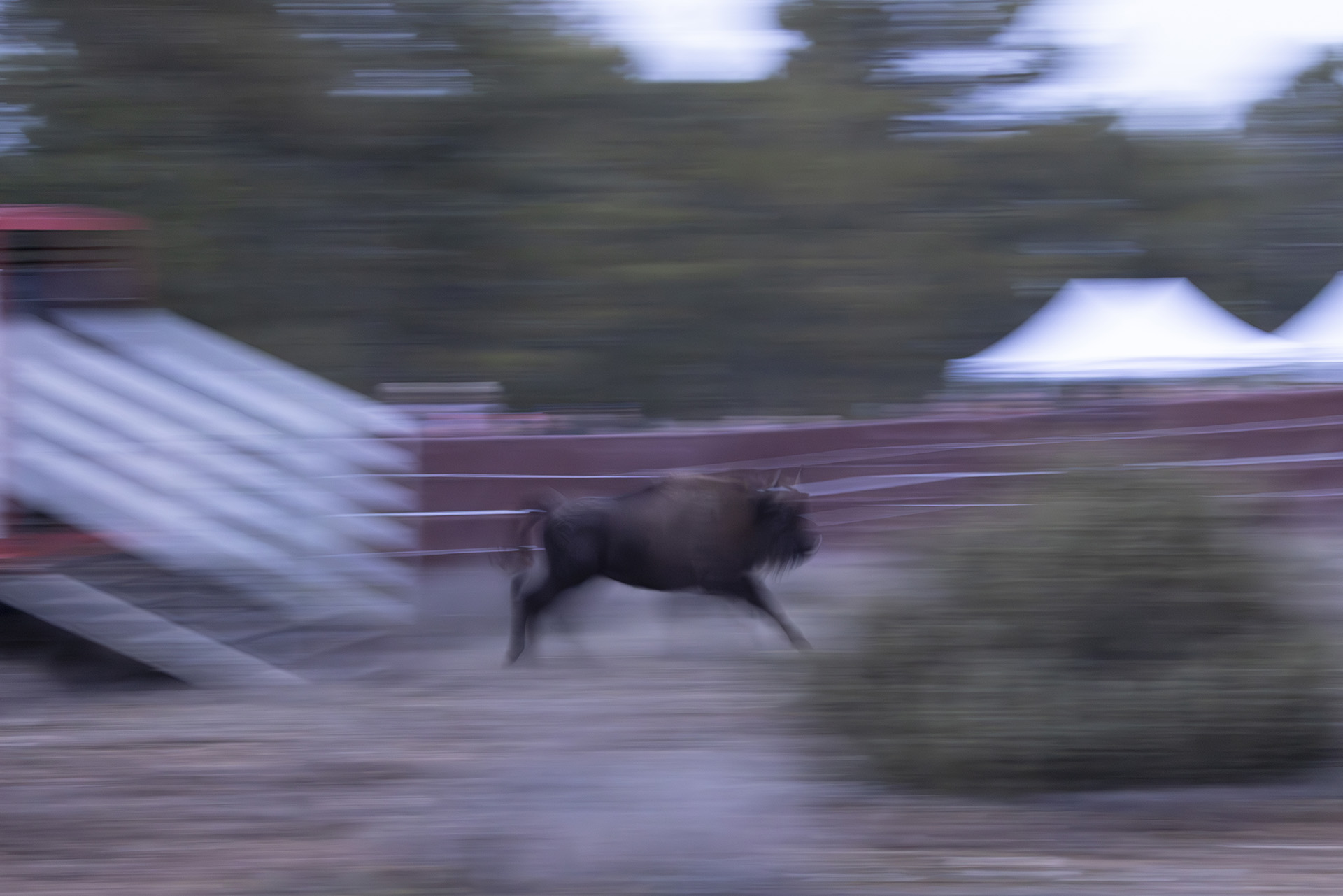
The nine bison will spend several weeks in an adaptation enclosure, where their health and behaviour will be closely monitored. They will then be released into a fenced, 400-hectare area of publicly owned woodland. As the animals begin to roam across the site, they are expected to generate multiple benefits for the 80-strong community of El Recuenco. The local council — an instrumental partner in the initiative — asked to host the herd in view of its anticipated positive impact on the village, which, like many rural settlements across Spain, has faced significant socio-economic decline over recent decades.
“We expect the bison to help reduce the risk of catastrophic wildfire outbreaks through their grazing and browsing of the woodland,” says Enrique Collada, the mayor of El Recuenco. “We are also hoping that this unique and iconic species will attract more visitors to our village, generating new opportunities, jobs, and income for the people living here.”
A powerful landscape engineer
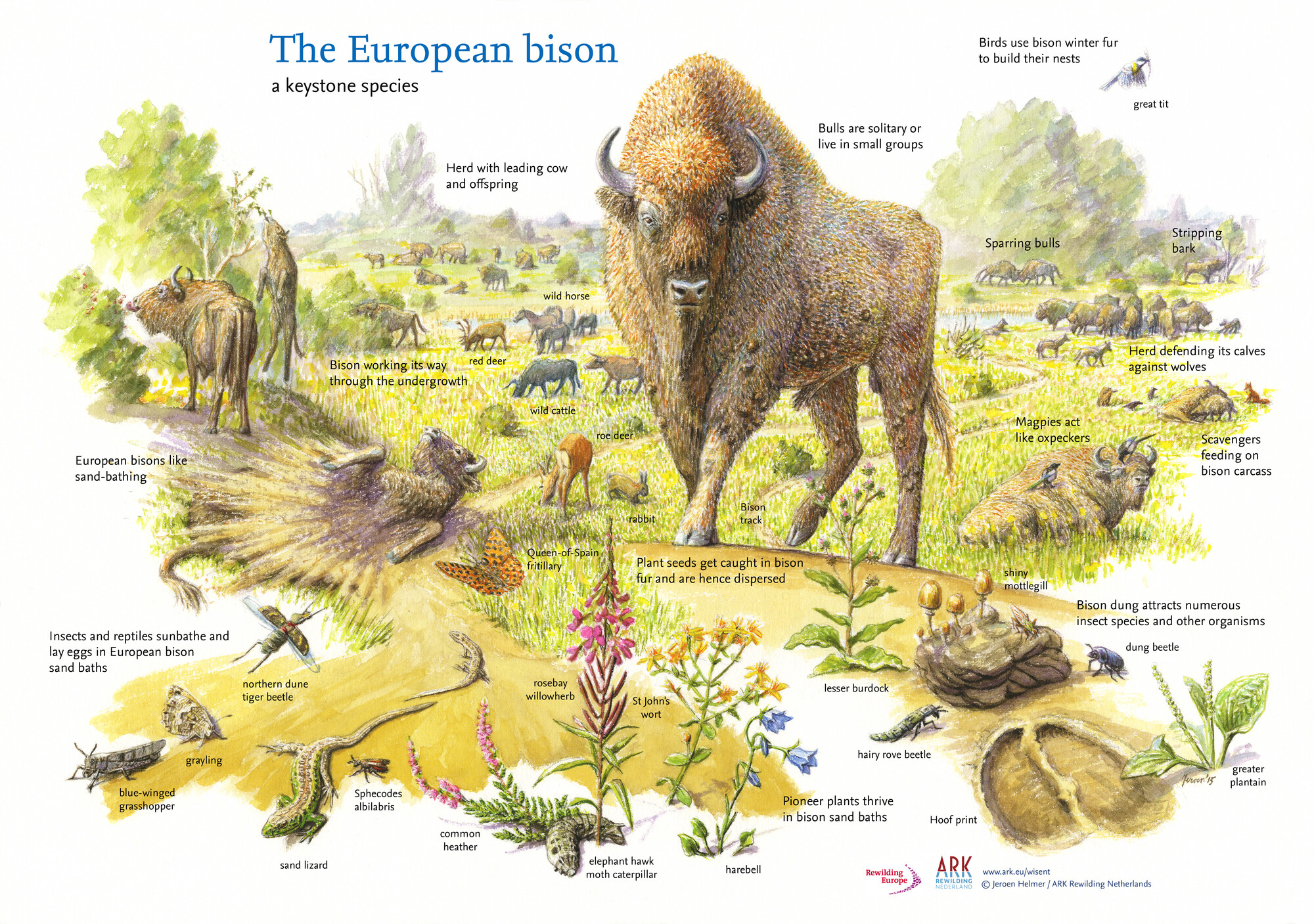
The European bison is a keystone species with huge potential to shape and restore landscapes. Developing a deeper understanding of its capacity to thrive in ecosystems such as those of the Southern Iberian System (Sistema Ibérico) — and of its influence on vegetation — will support more informed decisions about the role the species can play in rewilding across Europe. Such knowledge is also critical for working out the best ways of managing forests to ensure they are healthy and resilient to wildfire and the growing pressures of climate change.
The story of bison on the Iberian Peninsula is more complex than once thought. Recent DNA evidence from Cantabria in north-west Spain supports the hypothesis that the European bison was present in the region in the past, although further research is needed to clarify the historical record of the Bison genus in this part of Europe. Regardless of this ongoing debate, the release of bison in Spain and Portugal is well justified. These animals can fulfill ecological roles similar to those of large herbivores that have been lost from the landscape due to human activity, such as the aurochs and wild horses.
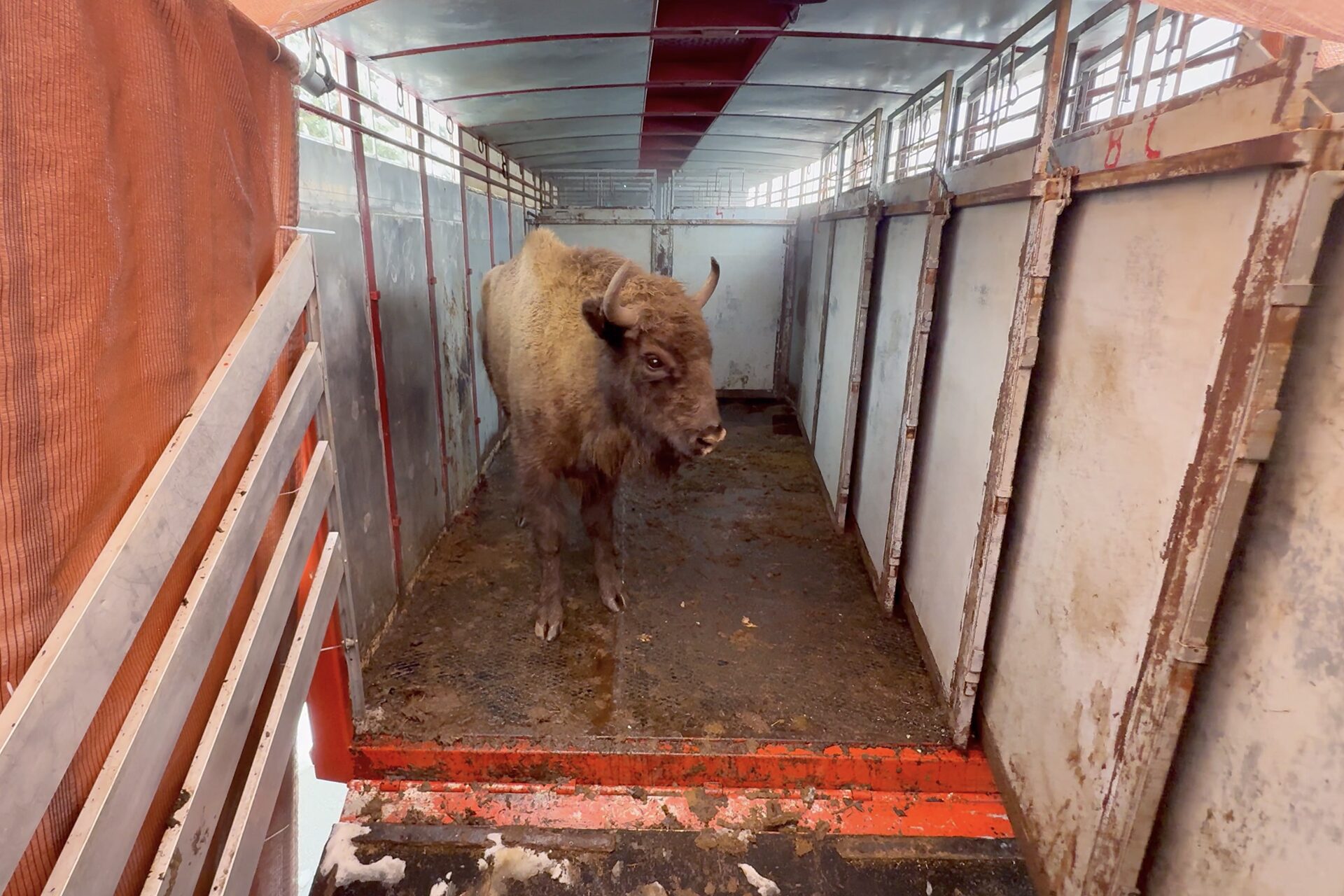
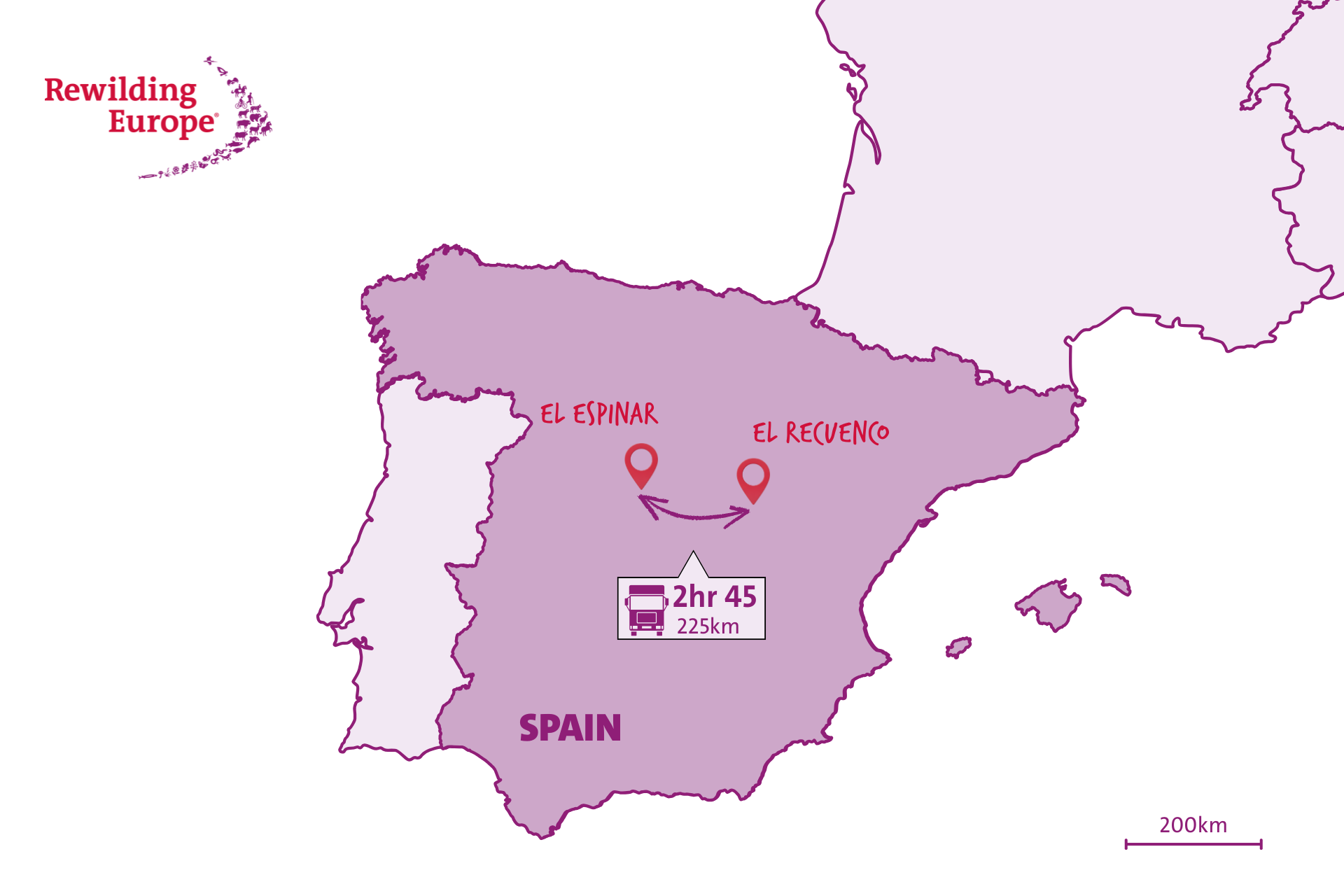
The bison herd released in El Recuenco — which comprises five females and four males of various ages — arrived from a private estate in El Espinar, located around 65 kilometres from Madrid. The adult animals had lived on the estate since arriving from Poland and the Netherlands three years ago, while the younger individuals were born there. As a result, the herd is already socially cohesive and well adapted to environmental conditions in inland Spain. Following their release from the enclosure, members of the Rewilding Spain team will track the movement and behaviour of the bison in the field, making use of GPS collars attached to the animals.
Deeper insight through science
The bison study launched by Rewilding Spain also brings together the University of the Basque Country, the University of Manchester, and ECONOVO, a research centre affiliated with Aarhus University in Denmark. Through wide-ranging scientific analysis, it will assess the stress levels of the El Recuenco herd throughout the year. It will also examine the composition of the animals’ diet, which will be entirely natural.
Collaboration with international organisations, including other members of the Rewilding Europe network, will see this research replicated in other bison populations across Europe — from Spain to Azerbaijan and Scandinavia, via the Netherlands, Poland and Romania. This will give the study team and wider rewilding community deeper insight into the way European bison adapt to different geographical landscapes and environmental conditions. A parallel study will also research the impact of bison on woody vegetation.
Grassroots action plays a vital role
The launch of the bison study has been made possible by the commitment and proactive mindset of El Recuenco’s council and residents, who recognise the importance of keystone species such as the European bison in rewilding. They have also witnessed the growing benefits brought by the release of large herbivores — including Tauros and Przewalski’s horses — at other rewilding sites across the Iberian Highlands, where the Rewilding Spain team currently manage more than 20,000 hectares of natural grazing.
The council of El Recuenco, which has made the woodland available for the bison to graze, has also led an extensive dialogue process with residents — organising talks, meetings, and site visits to build broad social consensus around the initiative. The woodland will still be used for other activities, such as timber extraction, hunting, and mushroom picking, as well as recreational pursuits and wildlife observation by local villagers and nature enthusiasts.
Rewilding efforts in the Iberian Highlands are supported by the Endangered Landscapes & Seascapes Programme and Cartier for Nature.