

From wildlife comeback and coexistence to marine restoration and nature-based tourism, rewilders across Europe face many of the same challenges and opportunities. The first European Rewilding Network Community Days saw practitioners from across the network come together to share expertise and strengthen efforts to bring back nature.


Sharing expertise to advance nature recovery
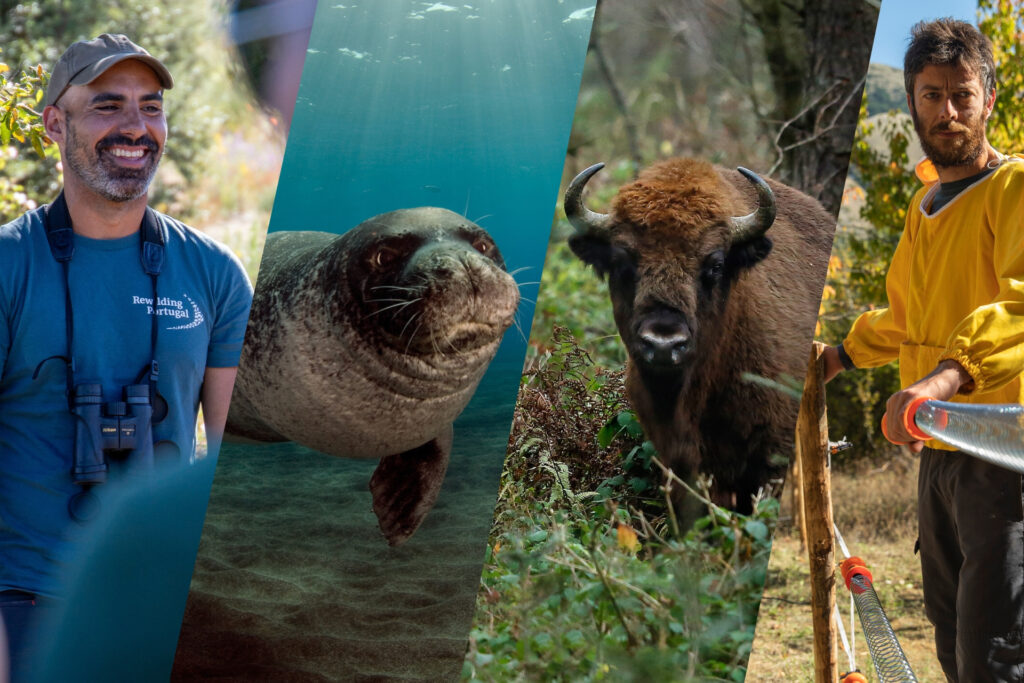
Rewilding is happening in an extraordinary variety of settings across Europe — from forests, rivers and farmland to protected areas, coasts and seas. While every landscape and rewilding initiative is different, many of the challenges and opportunities facing those working to restore nature are closely connected. No individual rewilding initiative has all the answers, but when practitioners share what they have learned — including challenges and setbacks as well as successes — knowledge gained in one landscape can lead to more effective action in others.
Held online from 13 to 15 October, the first European Rewilding Network Community Days created a space for this exchange. Co-created with network members, the programme reflected their interests and needs, with many sessions encouraging practitioners to speak openly about what has and hasn’t worked, and explore solutions together. Across 12 sessions, 112 people joined live. In total, 142 people registered from 65 organisations across 21 European countries, while 30 network members contributed as moderators, panellists and speakers. Recordings of the sessions on Communicating with Hope and Rewilding in Protected Areas are now available online.
“There was a real sense of people joining forces,” says Lucy Kilkens, Rewilding Europe’s Upscaling Coordinator. “Everyone had something to contribute, and people were genuinely listening to and learning from each other. Rewilding initiatives may be working in very different places and in very different ways, but they often have more in common than you might think. Sharing that experience can help practitioners everywhere deliver more successful rewilding on the ground.”
“REWILDING INITIATIVES MAY BE WORKING IN VERY DIFFERENT PLACES AND IN VERY DIFFERENT WAYS, BUT THEY OFTEN HAVE MORE IN COMMON THAN YOU MIGHT THINK. SHARING THAT EXPERIENCE CAN HELP PRACTITIONERS EVERYWHERE DELIVER MORE SUCCESSFUL REWILDING ON THE GROUND.”
 Lucy Kilkens
Learning from wildlife comeback
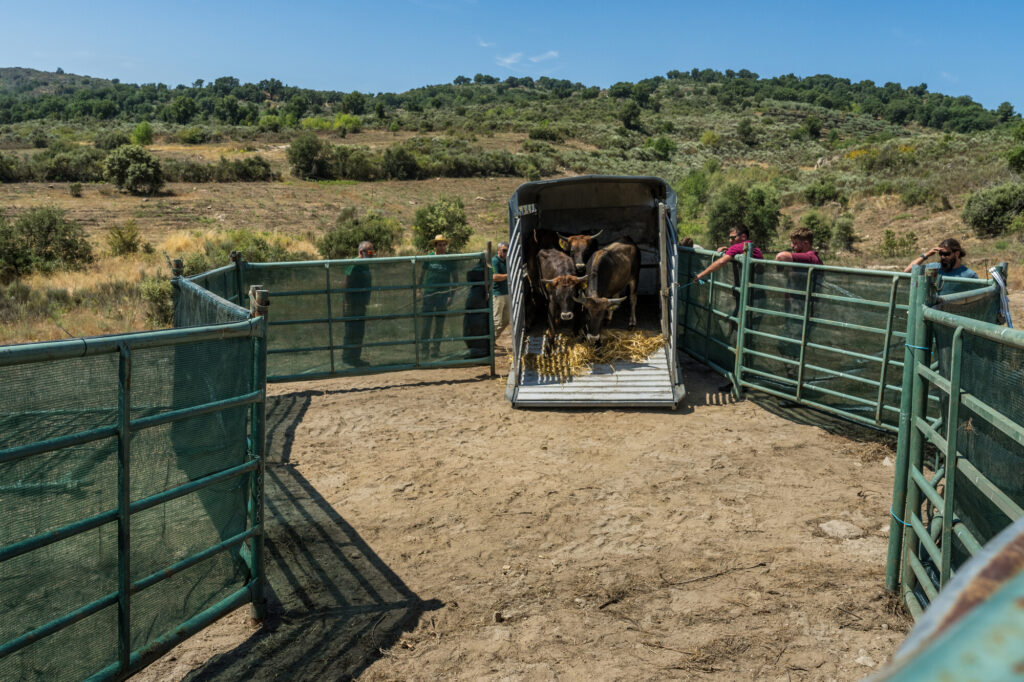
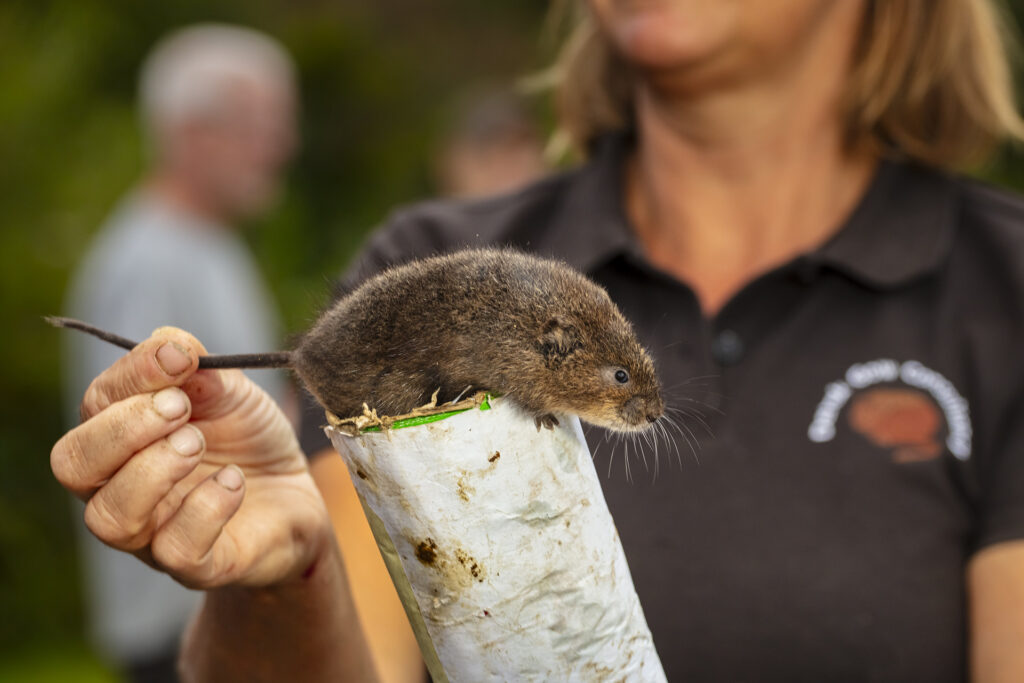
As discussions unfolded, the value of bringing this experience together became increasingly clear, with the subject of wildlife translocation providing a good example. Rewilding experts working with species as varied as European bison, Tauros, water voles and birds of prey talked about the practicalities of bringing wildlife back to landscapes. One important lesson was the need to “plan for success”: once a reintroduced population begins breeding and expanding, practitioners may need to consider carrying capacity, genetics, future destinations for animals and people’s changing relationships with them.
The session on coexistence revealed similar connections between seemingly different initiatives. Experiences with wolves, bears and wildcats highlighted how technical measures such as fencing and compensation are only part of the picture. Helping people and wildlife share space also depends on listening, trust, practical support and involving local communities from the outset.
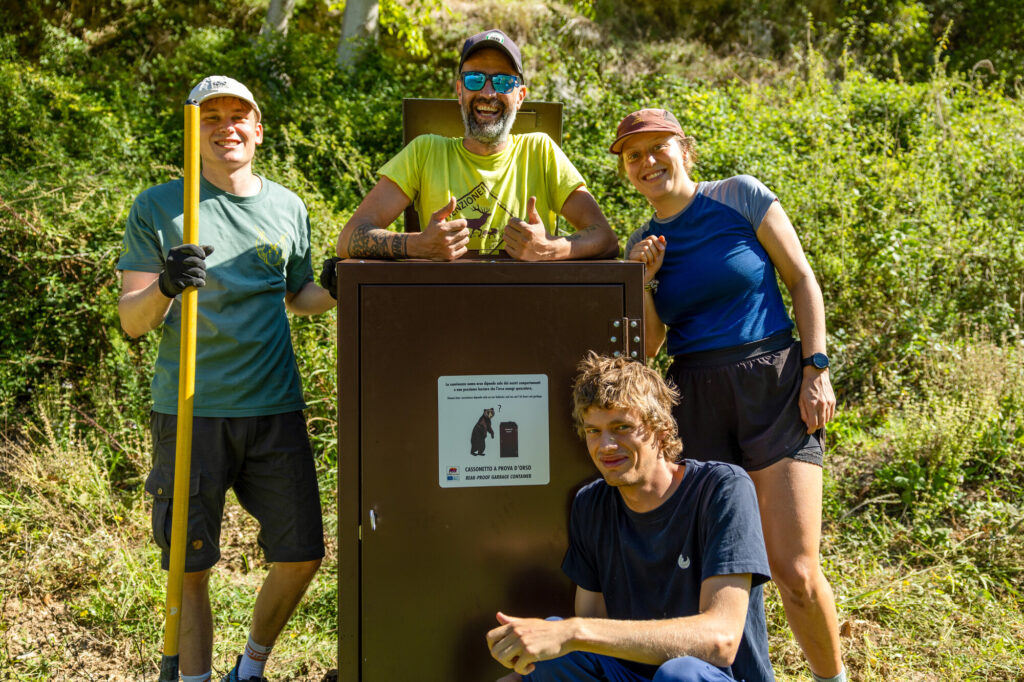
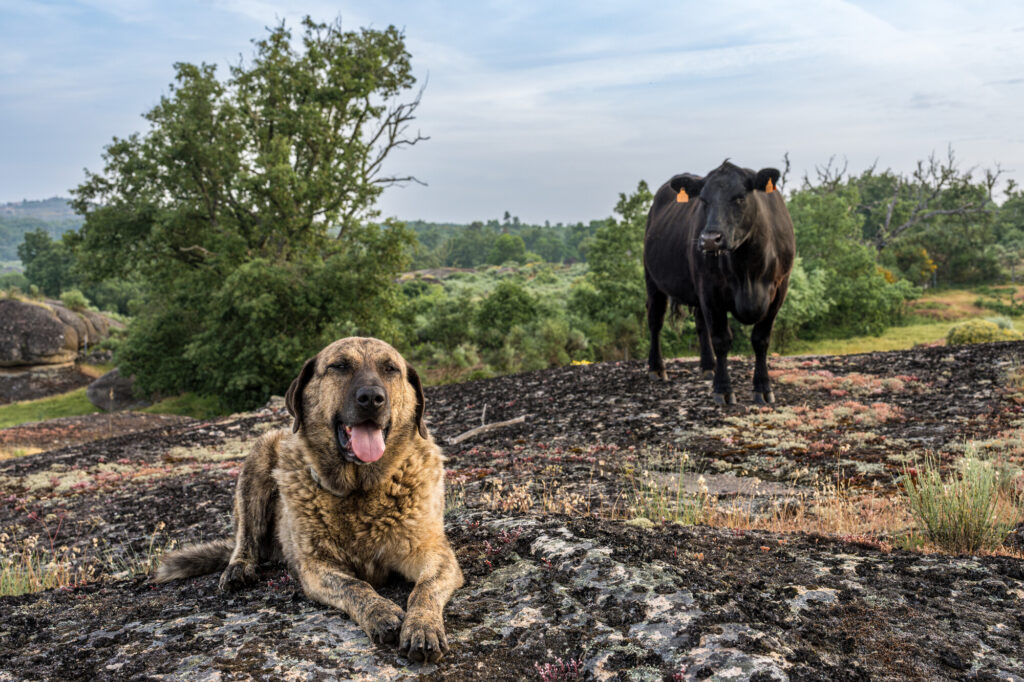
Examples discussed ranged from “Bear-Smart Communities” in the Central Apennines rewilding landscape in Italy, where electric fencing and bear-proof containers are combined with initiatives such as local community committees, to the Saving Wildcats initiative in Scotland, where farmers monitor wildcats on their own land. Marta Vieira of Rewilding Portugal explained how supporting livestock owners with guardian dogs can also help to build the long-term relationships on which coexistence depends.

From the seabed to the visitor experience
The diversity of the European Rewilding Network was particularly apparent during a deep dive into marine rewilding. Caterina Corla and Menno de Boer from the Doggerland Foundation described an offshore restoration trial involving the deployment of 12,000 adult horse mussels, while Alex Thomson from Seawilding shared the initiative’s experience restoring seagrass and oysters. A key message was that active restoration must go hand in hand with reducing the pressures that damaged ecosystems in the first place, such as bottom trawling and pollution.
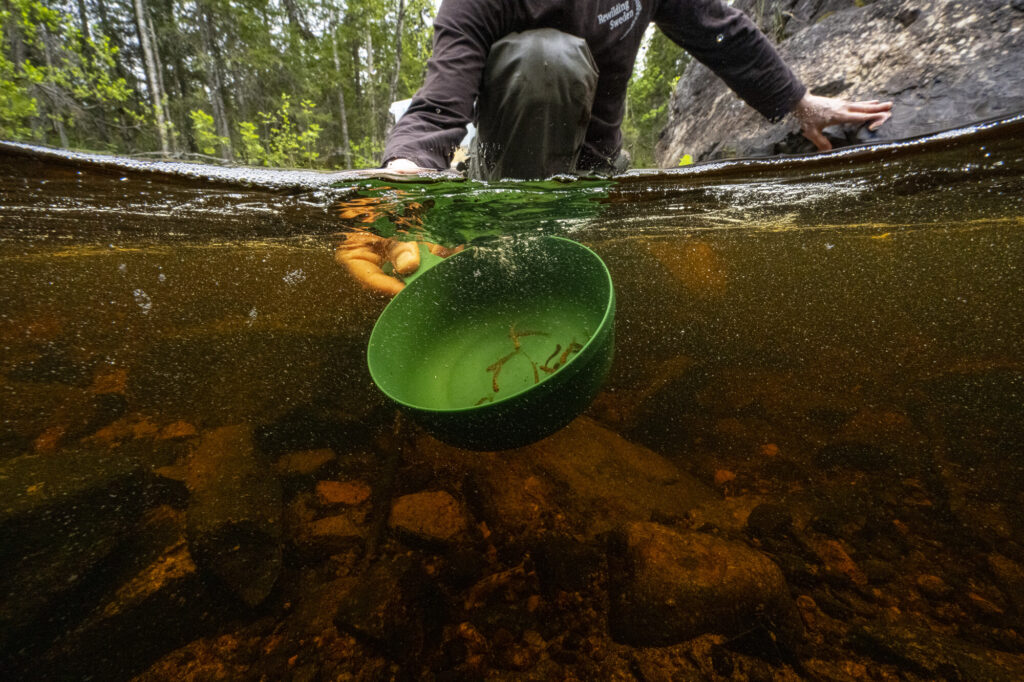
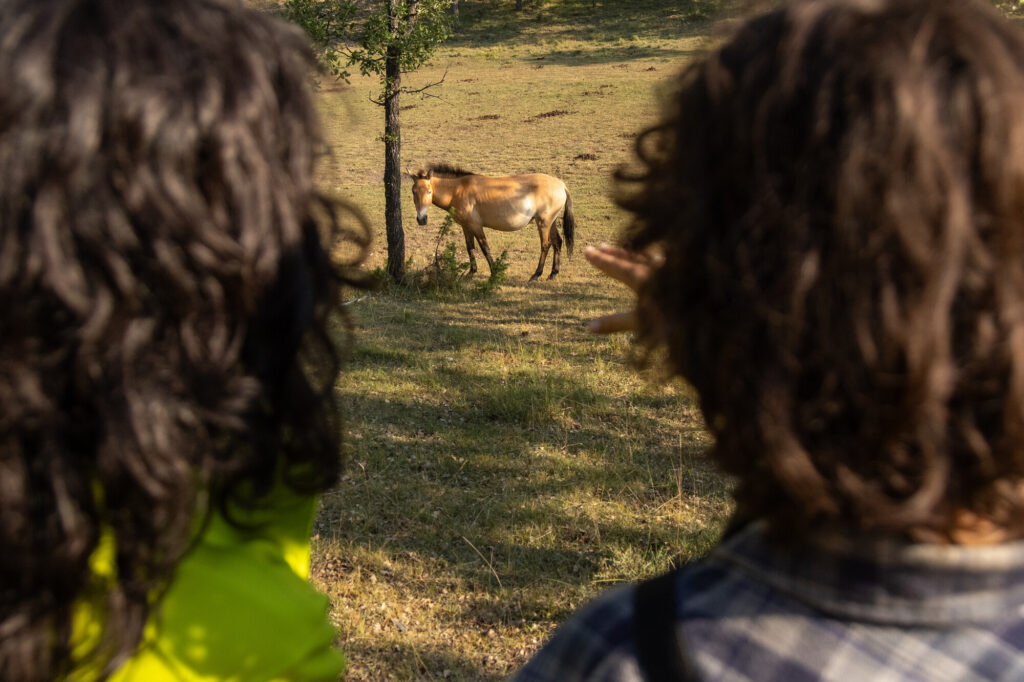
Tourism discussions, meanwhile, explored how visitors can become active participants in nature recovery. Wild Sweden have developed an experience in which guests can spend part of their time carrying out practical rewilding, such as adding gravel to rivers to create spawning beds and releasing trout. French initiative TAKH shared experience of carefully managed visits around Przewalski’s horses and incorporating wildlife monitoring into visitor experiences.
These exchanges demonstrate how rewilding initiatives working in many different ways and settings can contribute to the growth and burgeoning impact of a much larger movement. Experience gained with bison in one country can inform work elsewhere; marine practitioners can exchange approaches to monitoring and community involvement; and those working with natural grazing can compare how different countries are navigating legislation. Participants in the Community Days expressed a strong appetite for deeper relationships, exchanges, site visits and opportunities to learn directly from other experts across the network.
Finding new ways to inspire
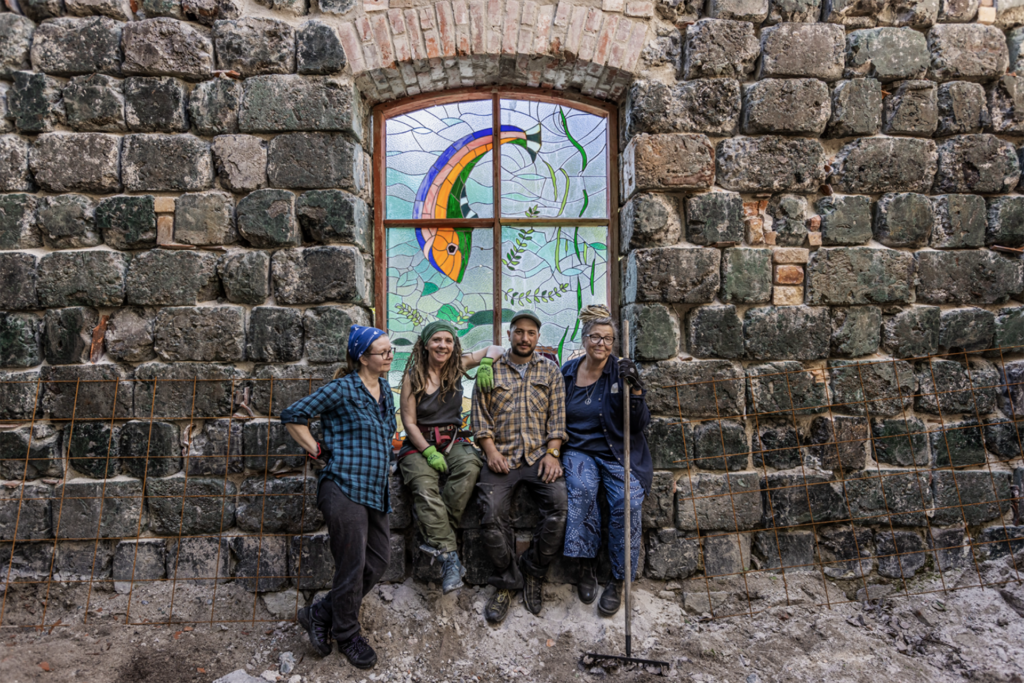
Rewilding isn’t only about practical actions that support nature recovery. The “Communicating with Hope” session explored how storytelling, creativity and culture can help people connect with nature and rewilding. The Rewilding Lankälven initiative in Sweden presented a striking example: a ruin beside a restored river has been transformed into the “Cathedral of the River”, with artists learning about local species from a conservation biologist before depicting them in stained glass. Through the process, the artists themselves became ambassadors for the river and its wildlife.
The session formed part of a final day focused on networking and a hopeful future, which also gave participants opportunities to find others working on similar topics, exchange experiences and build new relationships. It followed a second day centred on knowledge exchange, featuring sessions on rewilding protected areas, the Nature Restoration Law and policy, marine rewilding, coexistence, wildlife translocations and rewilding tourism.
Together, the discussions highlighted not only the diversity of rewilding taking place across Europe, but the value of enabling knowledge and inspiration to travel between those working to restore nature.
United for a wilder Europe
The Community Days showed how much initiatives working in very different places have to offer each other, and how lively exchange can translate into greater positive impact for nature and people on the ground.
Just as importantly, the event reinforced the sense that every rewilding initiative is part of something bigger. The European Rewilding Network now connects a diverse community of practitioners spanning the length and breadth of Europe, with initiatives stretching from Ireland and Sweden to Azerbaijan and Türkiye. By continuing to connect, exchange knowledge and support one another, its members can help accelerate practical rewilding across the continent.
Rewilding Europe would like to thank everyone who contributed their time, expertise, ideas and enthusiasm to the first European Rewilding Network Community Days. The conversations may have taken place over three days, but the connections they strengthened — and the knowledge now travelling between initiatives — can help deliver a wilder Europe for years to come.
