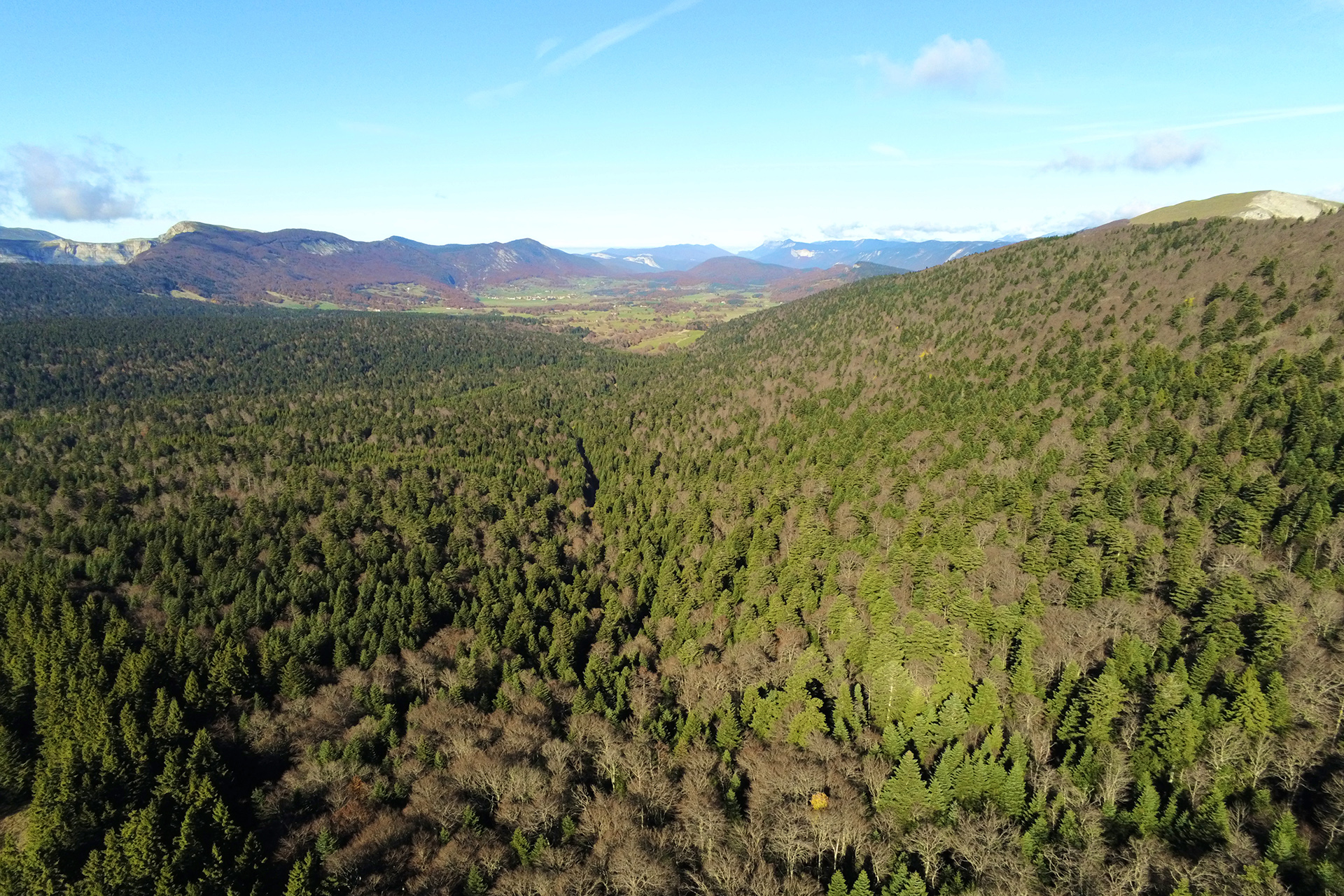
On the Vercors plateau, Rewilding France and the municipality of Die have secured a ground-breaking agreement to let nature lead its own recovery in Die Forest for at least 60 years, marking an important shift in how communal forests can be managed.
Time for change
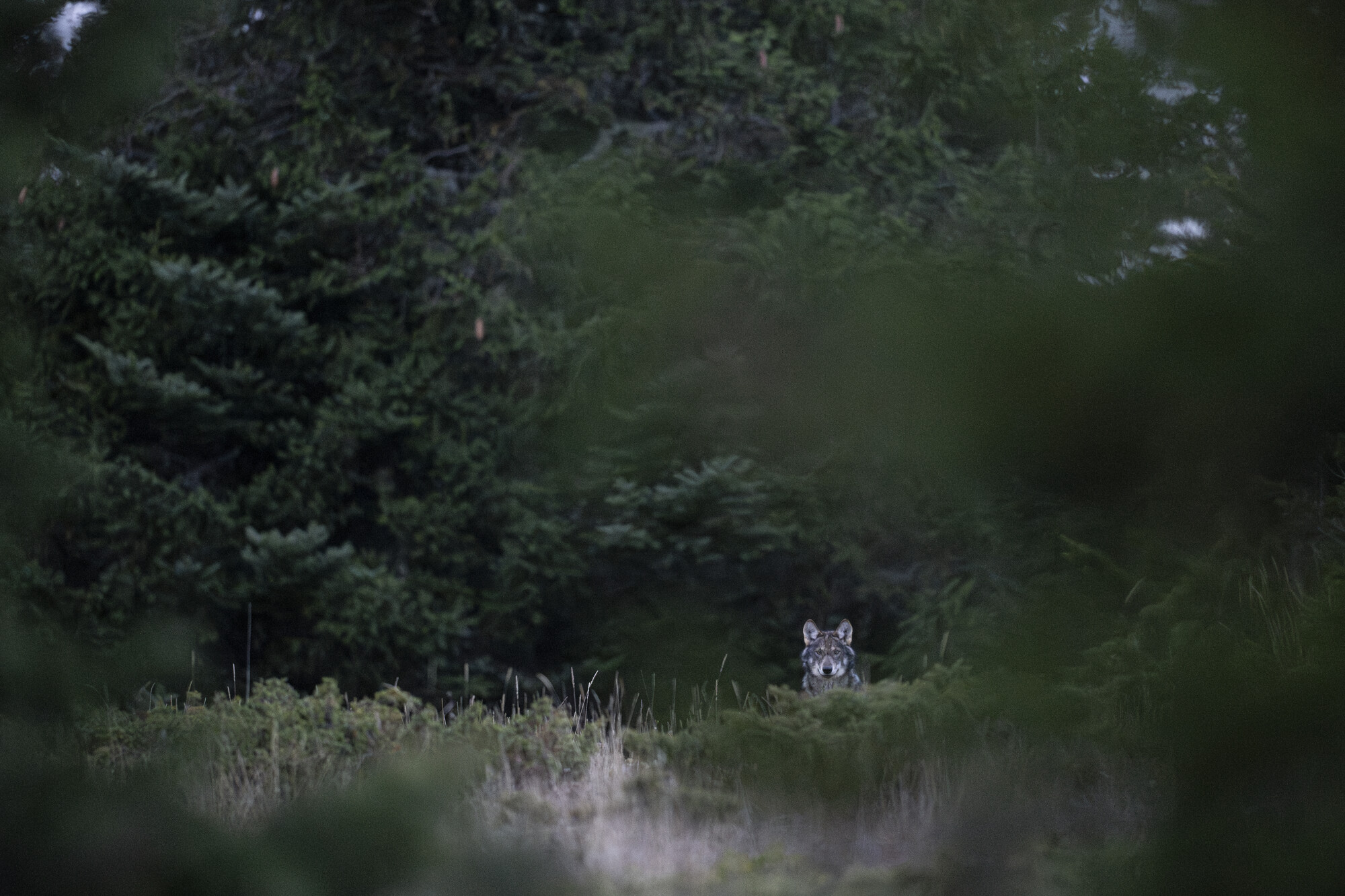
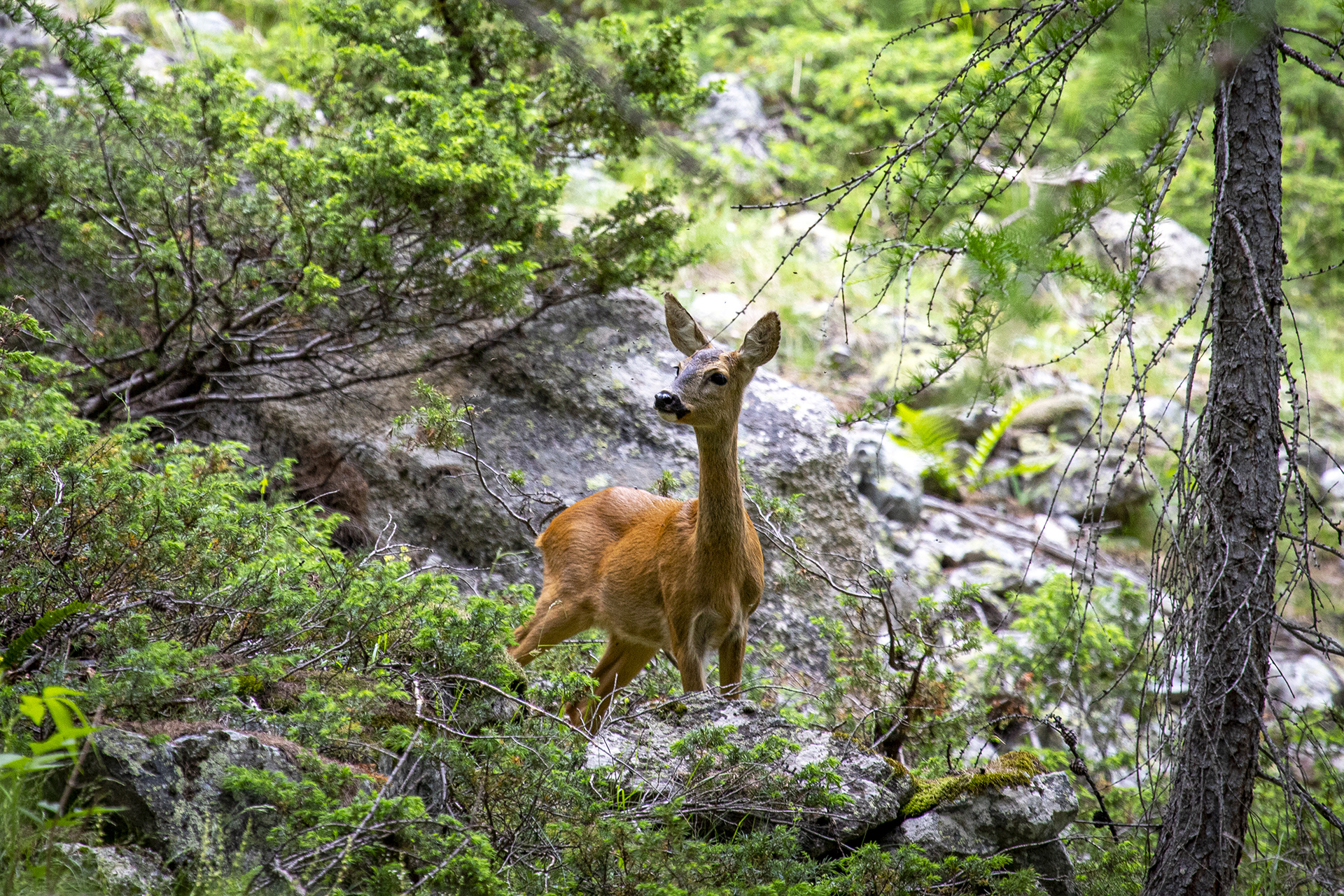
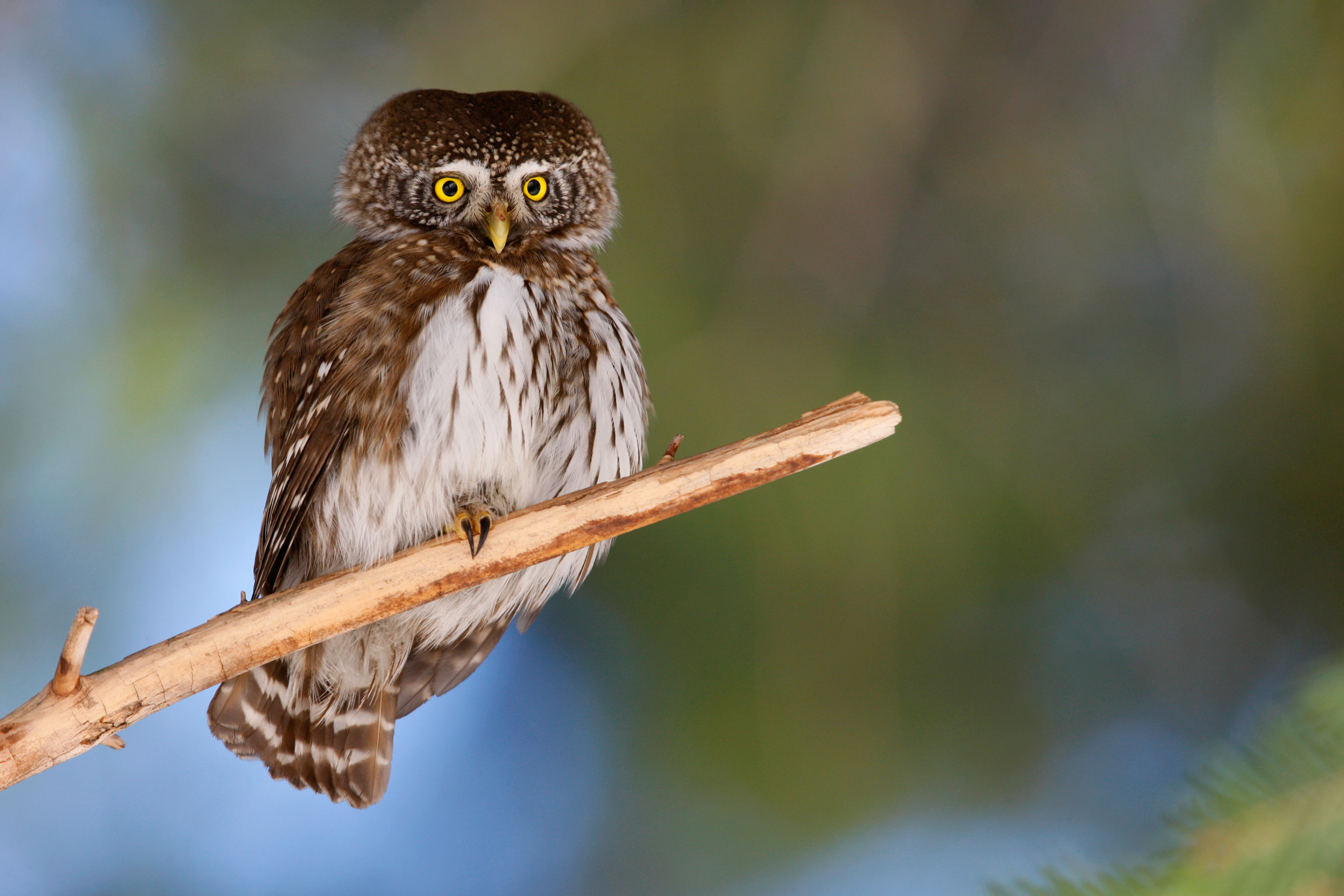
 In southeastern France, the Dauphiné Alps rewilding landscape encompasses a large portion of the Vercors Regional Natural Park, which is renowned for its diverse habitats. The Park’s vast forests are abundant in wildlife, including wolves, roe deer, and pygmy owls.
Die, a municipality at the foot of the Vercors, owns a highly productive 432-hectare communal forest on the Vercors plateau that is solely managed by France’s forest administrator, ONF, through timber harvesting, plantation and forest road maintenance. ONF generates revenue by charging for its services, while the municipality sees little return from timber extraction once costs are deducted. Rewilding France and other local associations raised concerns that traditional harvesting practices were not sustainable and increased the forest’s vulnerability to exploitation and climate change impacts, highlighting the need to explore alternative management models.
Giving nature space
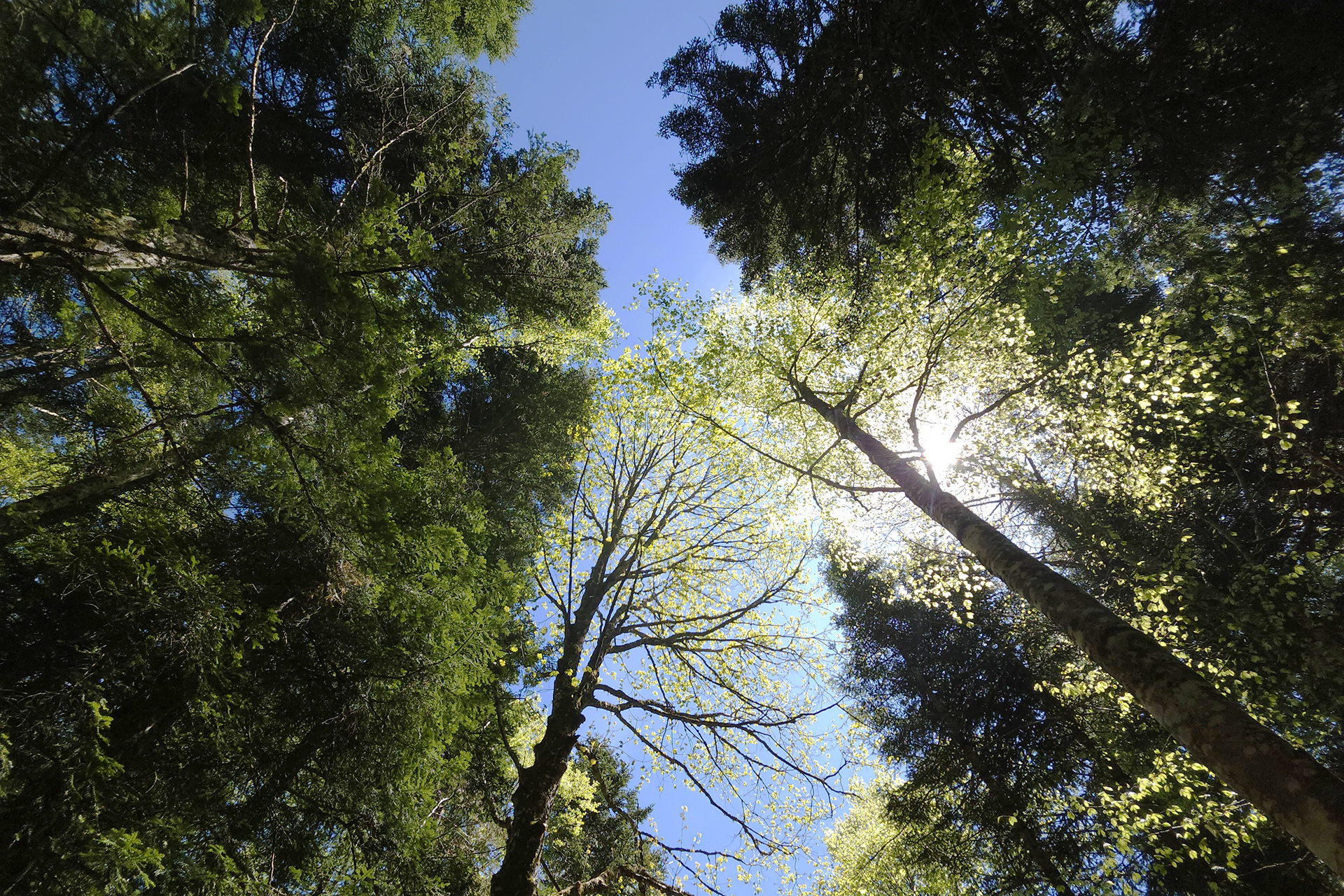
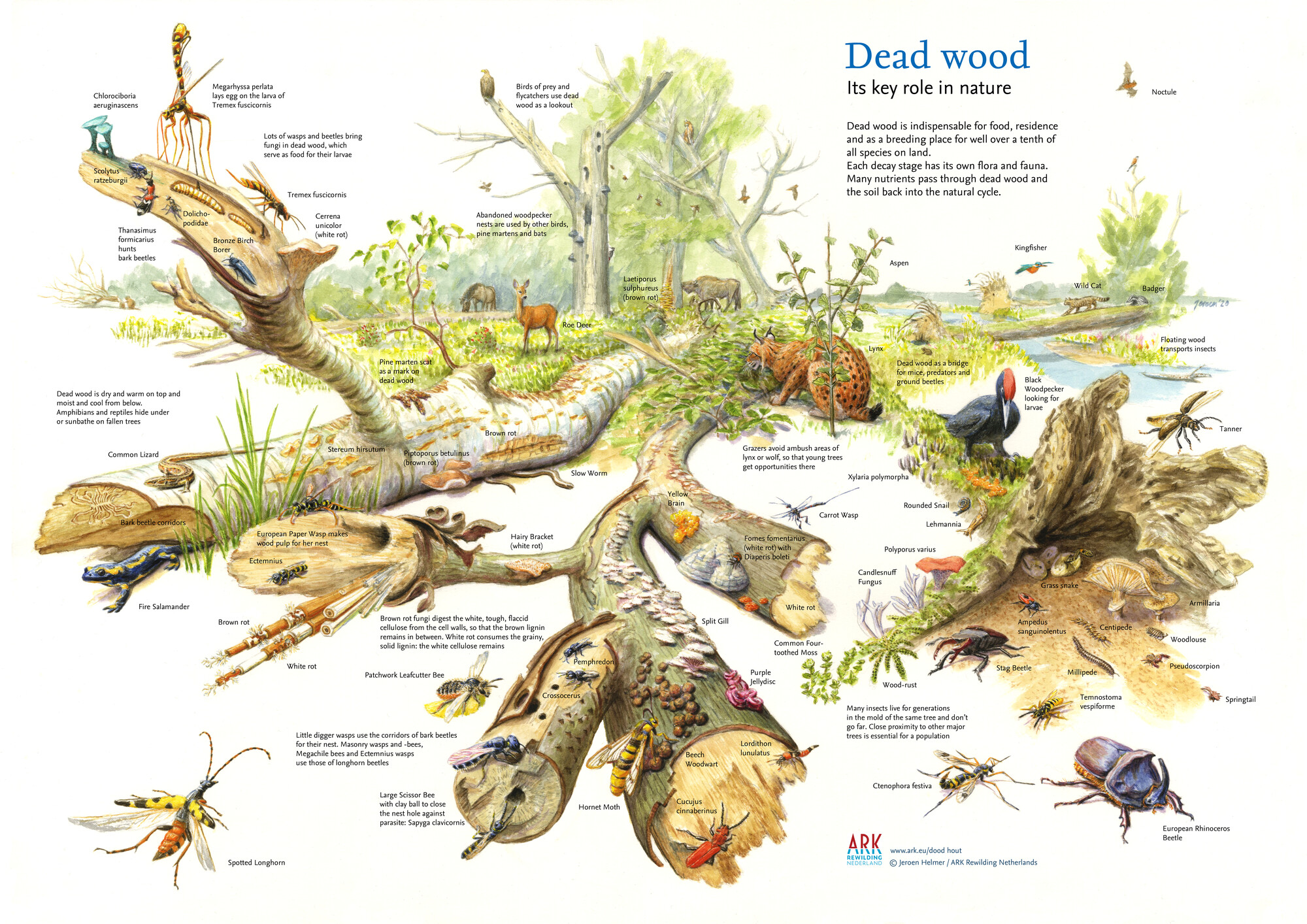
Since 2022, discussions have been ongoing for a management model that encourages natural regeneration, known as libre évolution (“free evolution”), as a pragmatic step towards more nature‑led forest management. This principle involves leaving ecosystems to recover and adapt to a changing climate with minimal human interference. In addition to protecting trees from timber harvesting and creating “old wood networks”, Rewilding France intends to establish old-growth islands and increase volumes of standing and fallen deadwood. Nature would be given the space and freedom to restore itself, strengthening both biodiversity and climate resilience.
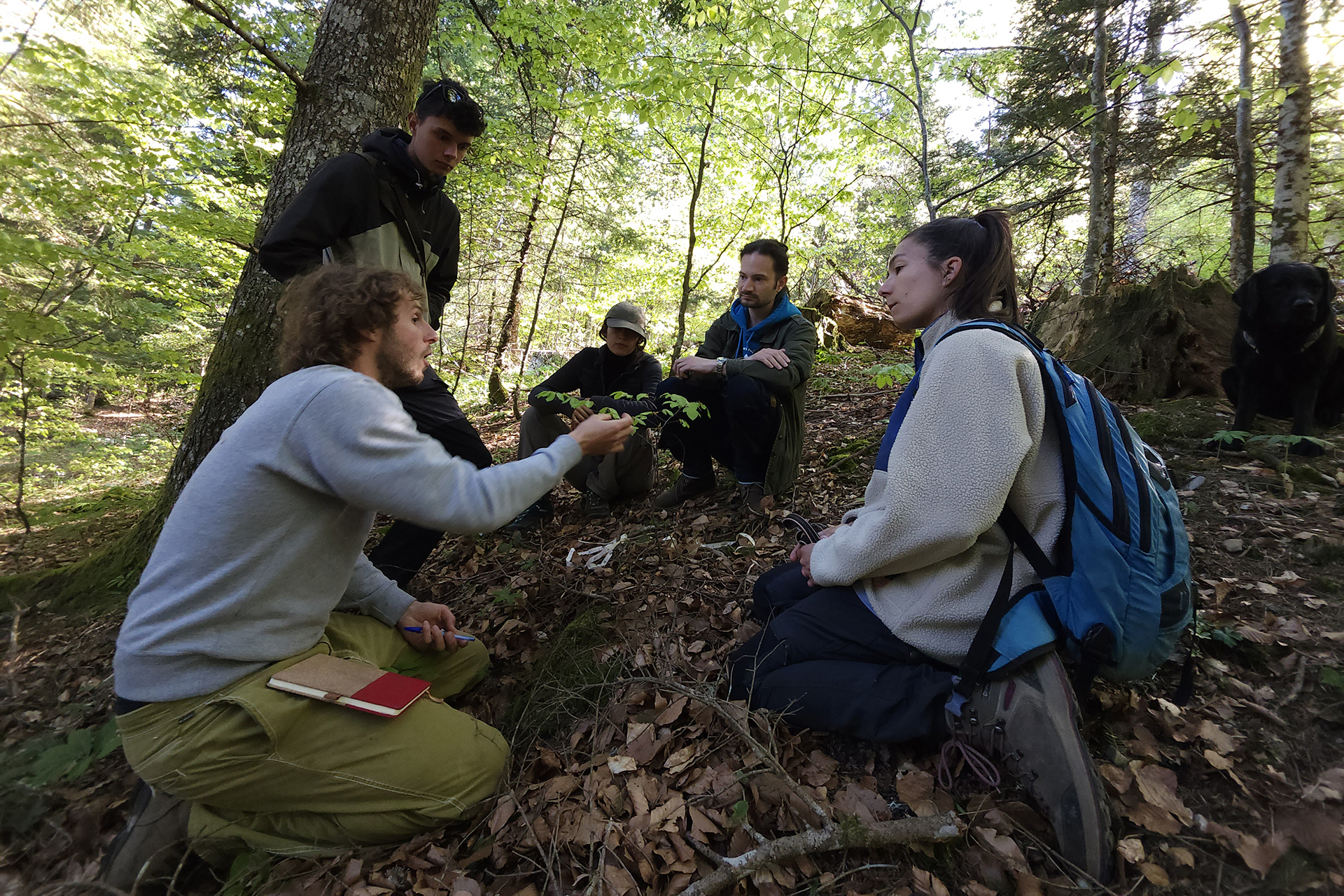
During the feasibility study phase for the Dauphiné Alps, Rewilding France met with elected officials from Die at the initiative of the municipality’s forestry working group. The attendees included Eric Belvaux, who was the Deputy Mayor at the time and played a key role in achieving the agreement.
“As elected representatives, we uphold a vision in which the forest is not merely a short-term resource, but a living heritage that we have a duty to pass on to future generations,” says Belvaux. “We are convinced that the resilience of our forest in the face of climate change will depend on strengthening its naturalness and allowing natural processes to unfold freely. Our goal is not to “protect for the sake of protecting,” but rather to strike a balanced approach that benefits both the ecosystem and the municipality.”
Ground-breaking agreement
After several years of working to bring the key stakeholders together, Rewilding France was able to find an acceptable solution for all parties. In March this year the Obligation Réelle Environnementale (ORE) was signed, known as an easement contract, between Die municipality and Rewilding France. The legally binding contract covers the next 60 years across all 432 hectares.
The ORE secured one quarter of the communal forest to be set aside for libre évolution, including approximately 80 hectares where logging and planting are completely suspended, and another 10 hectares of “senescence islands” are scattered throughout the managed forest with the same regulations. The islands are safe havens for wildlife and established habitats, where nature is left to take the lead within an otherwise actively managed forest.
In addition, the partners have reached an agreement with the hunting community not to hunt within those 90 hectares. The ORE also leads ONF to promote biodiversity through soft silvicultural practices throughout the other 342 hectares, which includes leaving all naturally dead wood, standing tree stumps, and a higher density of living habitat trees in the harvested sites. This approach represents a shift away from business‑as‑usual forestry, demonstrating how space for natural processes can be created within a productive, municipally owned forest.
Benefits for people
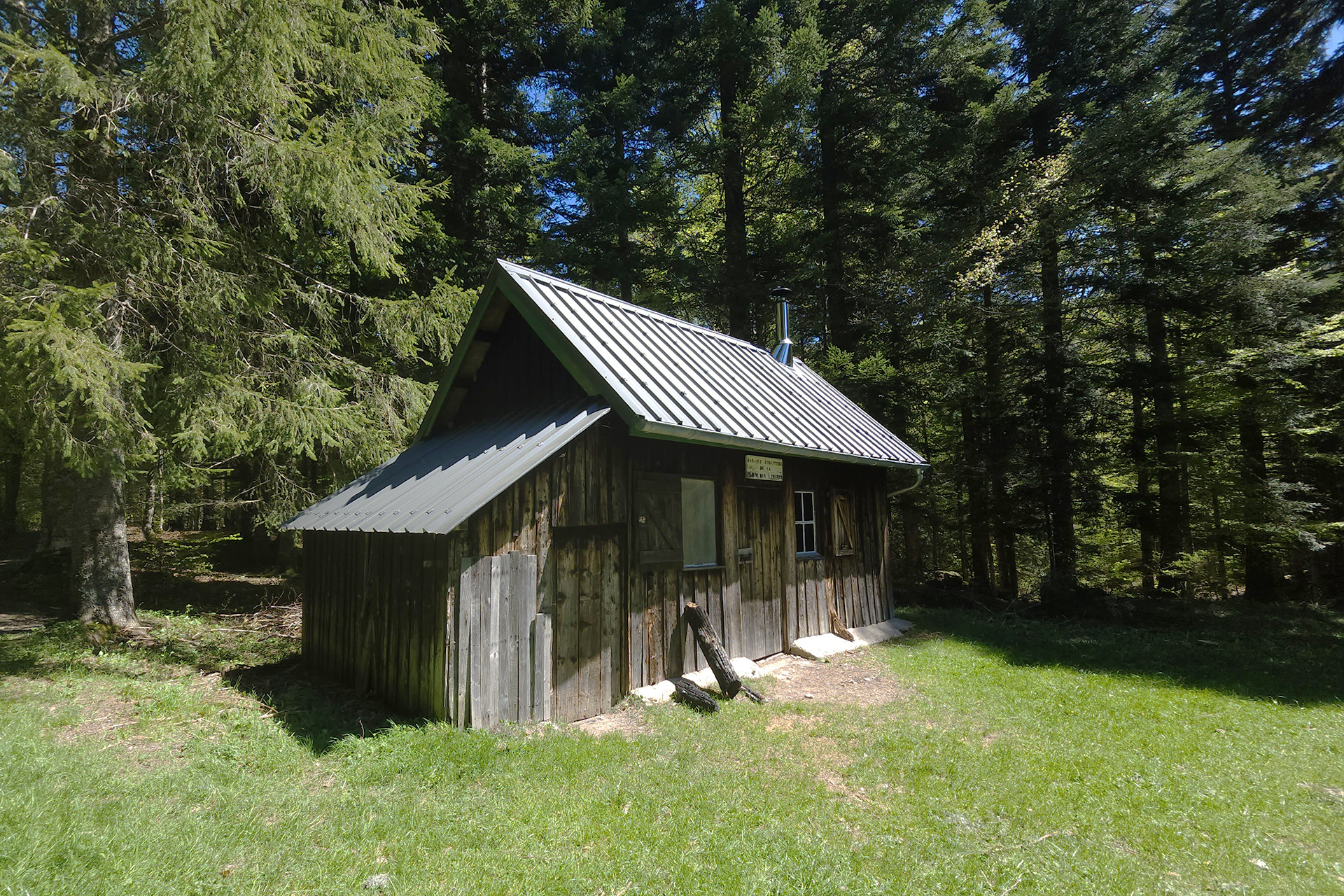
Another element of the initiative focuses on renovating a cabin owned by the municipality, in the heart of the forest. With the support of funding from the Vercors Regional Natural Park, the cabin will be transformed into a space to host events for tourists, hikers and school groups, among others. There will be informative signage to offer insight into this “closer-to-nature” approach to forest management in France, as well as a nature trail winding around two of the senescence islands.
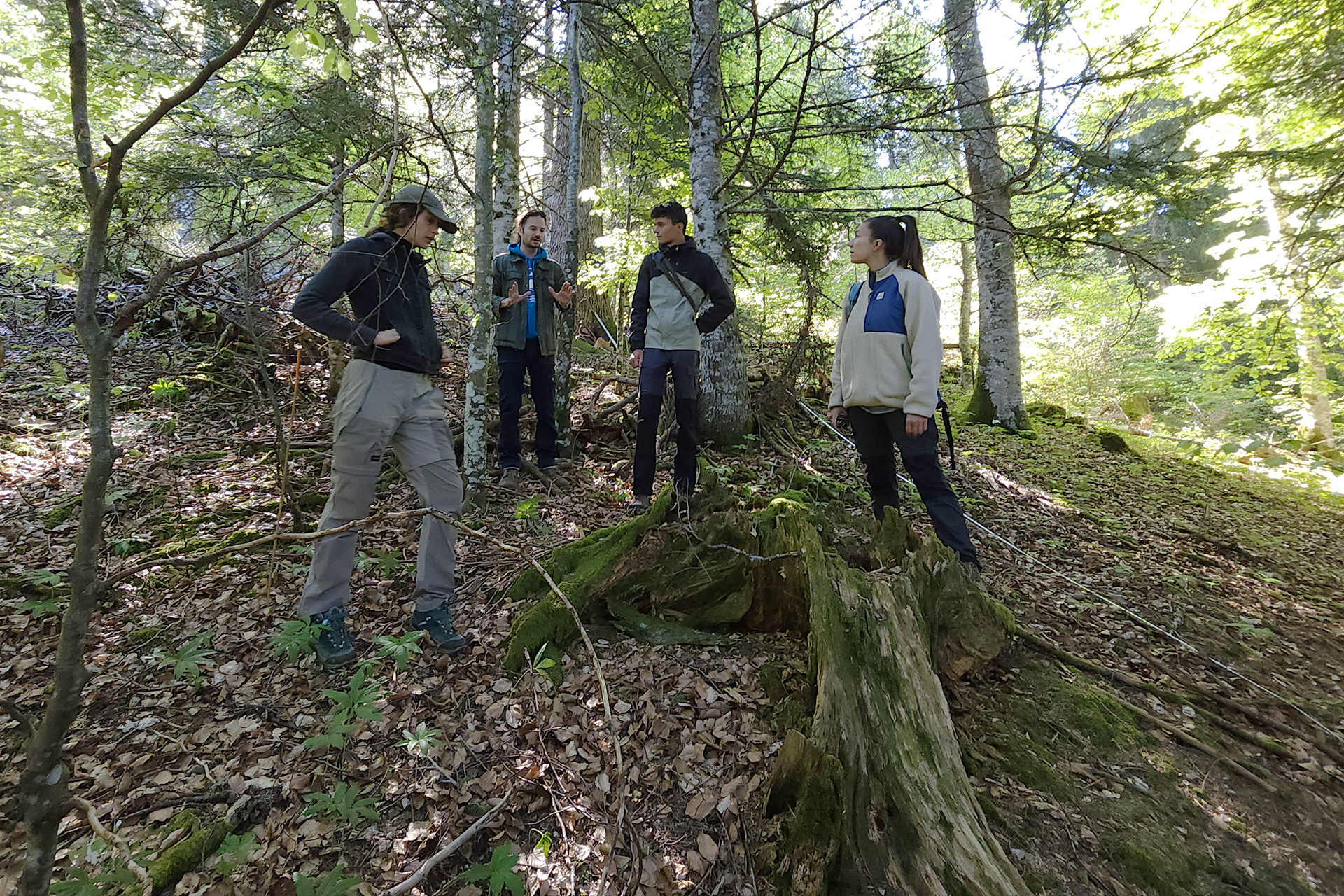
Rewilding France has committed to conducting an ecological assessment of the forest, implementing long-term impact monitoring, and paying the municipality annual compensation for lost revenue from timber extraction.
The future of France’s forests
This flagship easement between Die municipality and Rewilding France suggests that attitudes to forest management in France are changing and that alternative, more nature‑led approaches can be implemented in practice. More recently, ONF has taken ownership of the libre évolution approach in Die Forest, which is a positive sign that the management model may be embraced beyond the agreement term and at additional sites across the country. Newly elected officials from other municipalities are already inquiring about the ORE, and Rewilding France intends to host them at Die Forest later this year.
Rewilding in France is gaining momentum, as conservation efforts shift towards wilder, healthier landscapes, restore natural processes, and strengthen coexistence with wildlife, helping ensure people and nature can thrive together.
“We consider Die Forest as a pilot site to demonstrate that letting nature lead its own recovery is viable, efficient, and economically beneficial, which has been demonstrated elsewhere already. As time progresses, the aim is to also show that there are important ecological benefits to libre évolution in forests too,” says Olivier Raynaud, Team Leader in the Dauphiné Alps. “We hope by achieving this easement in Die, other municipalities will be inspired to take the same approach.”