
Large herbivores such as horses and Tauros need to live naturally in rewilding areas if they are to deliver their full ecological benefits. A collaboration between The Lifescape Project, Rewilding Europe, and Rewilding Spain has shown this is partly possible under existing European law, but that further legal changes are still essential.
Why wilder status matters

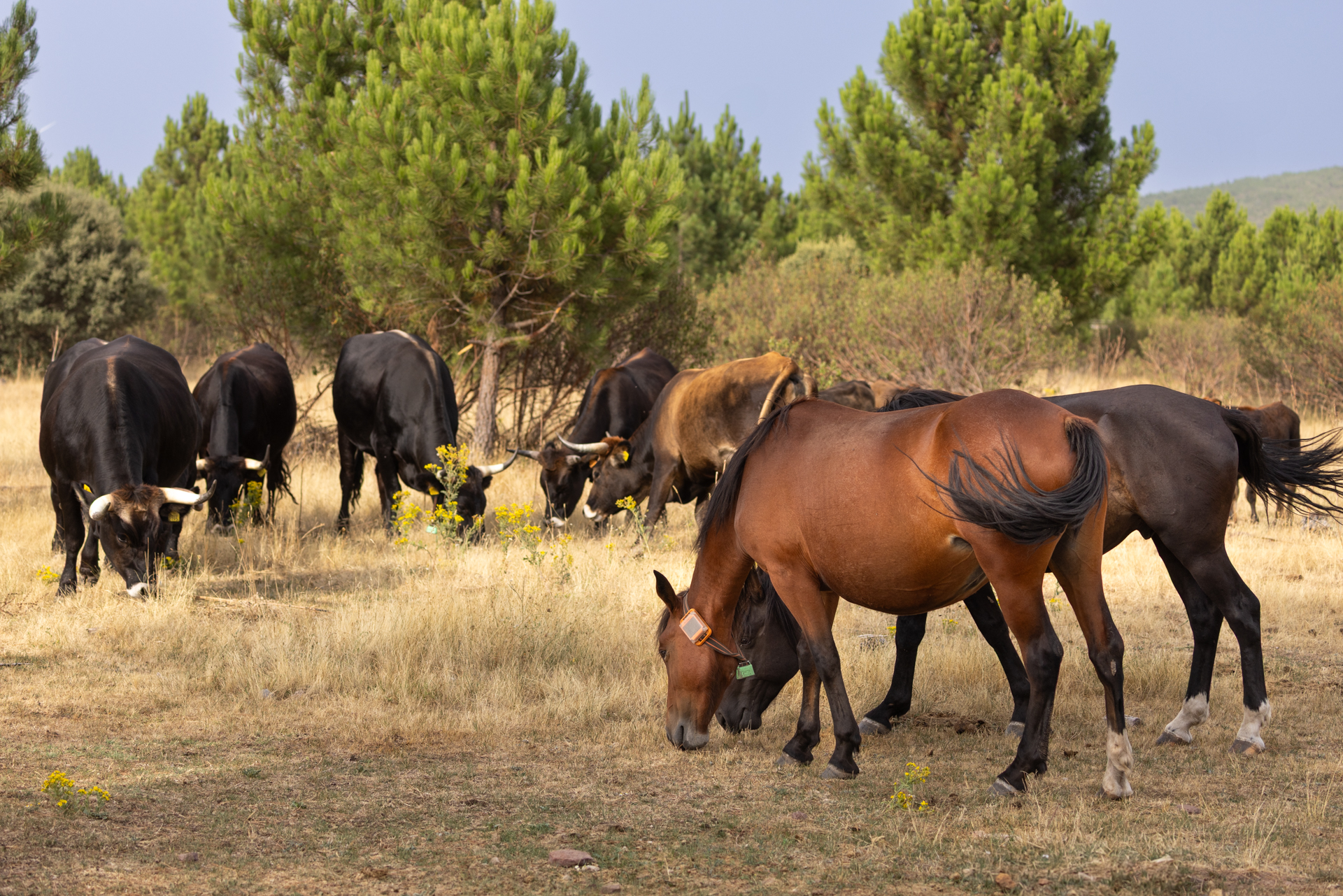
Large wild herbivores such as horses, European bison, and Tauros are among nature’s most powerful landscape engineers. Through their grazing, browsing, and trampling, they create diverse habitats, support food webs, recycle nutrients, boost carbon storage, and help shape resilient ecosystems. Many of the wild herbivores that once fulfilled these roles — such as aurochs and tarpan — have disappeared from Europe, so rewilding increasingly relies on these ecological proxies to restore natural processes and deliver wide-ranging benefits for wildlife, people, and climate.
Yet while such herbivores are managed to live as naturally as possible within rewilding sites, the law often treats them as conventional livestock. Across much of Europe they remain subject to regulations designed for farming — including routine handling, identification, controls on movement, and health inspections. While appropriate for agricultural production, these requirements are unsuited to wild animals whose purpose is ecological restoration rather than food production.
This mismatch creates unnecessary stress for free-roaming animals, increases risks for those managing them, and limits their ability to fulfil their ecological role. Rather than allowing large herbivores to shape landscapes through minimal human intervention, existing rules often require the very type of intensive management that rewilding seeks to move beyond. Recognising this challenge, The Lifescape Project, Rewilding Europe, and Rewilding Spain have been working together to explore how existing legislation can better accommodate large herbivores living in genuinely wild or semi-wild conditions.
A breakthrough in the Iberian Highlands
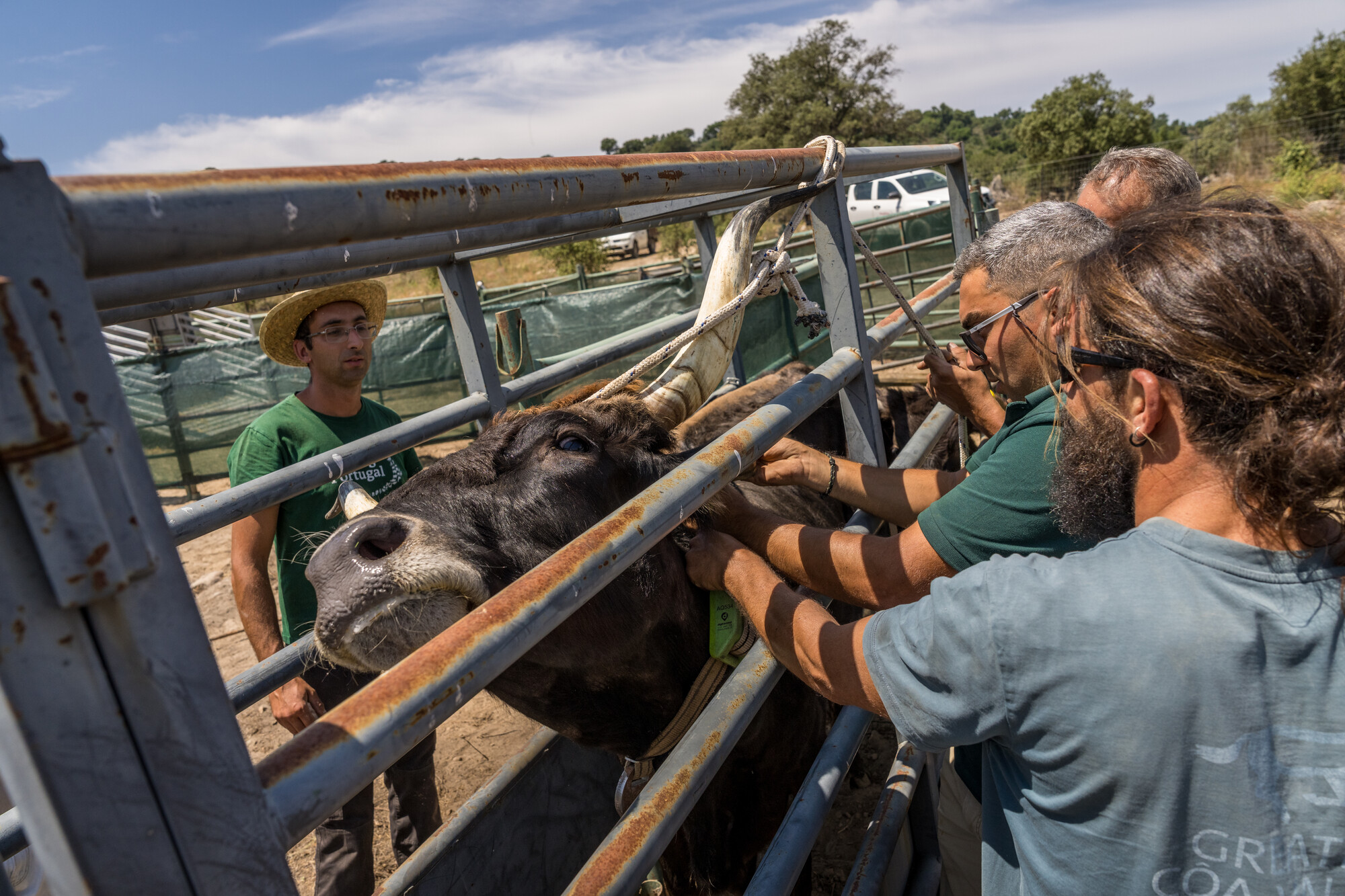
The collaboration focused on the Iberian Highlands rewilding landscape in Castilla-La Mancha, where Rewilding Spain manages free-ranging populations of horses, Tauros, and European bison. The aim was to test how far the current European legal framework can accommodate large wild or semi-wild herbivores living in rewilding sites, and to identify where legal barriers remain, the existing pathways to overcome those barriers, and where future reform may be needed.
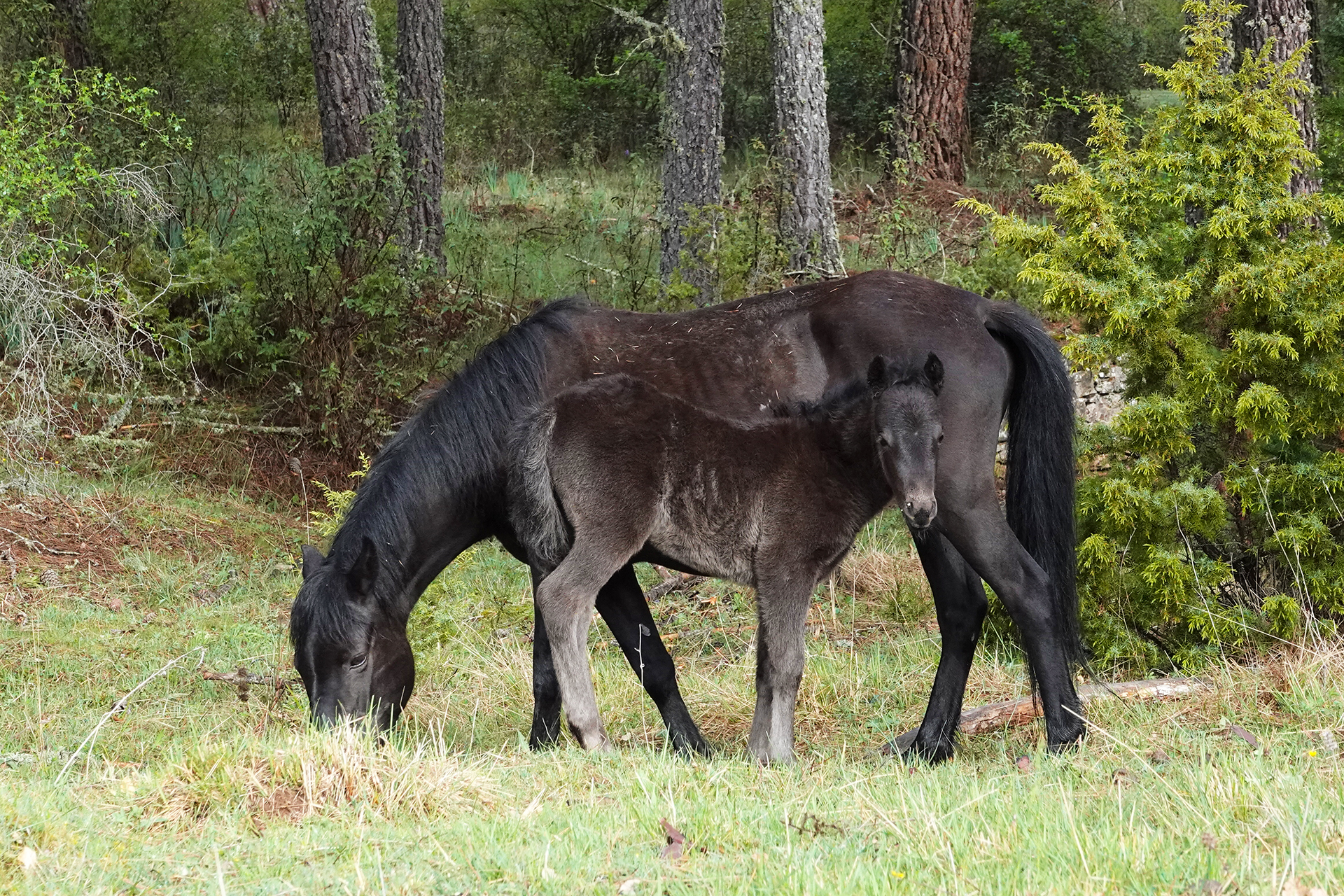
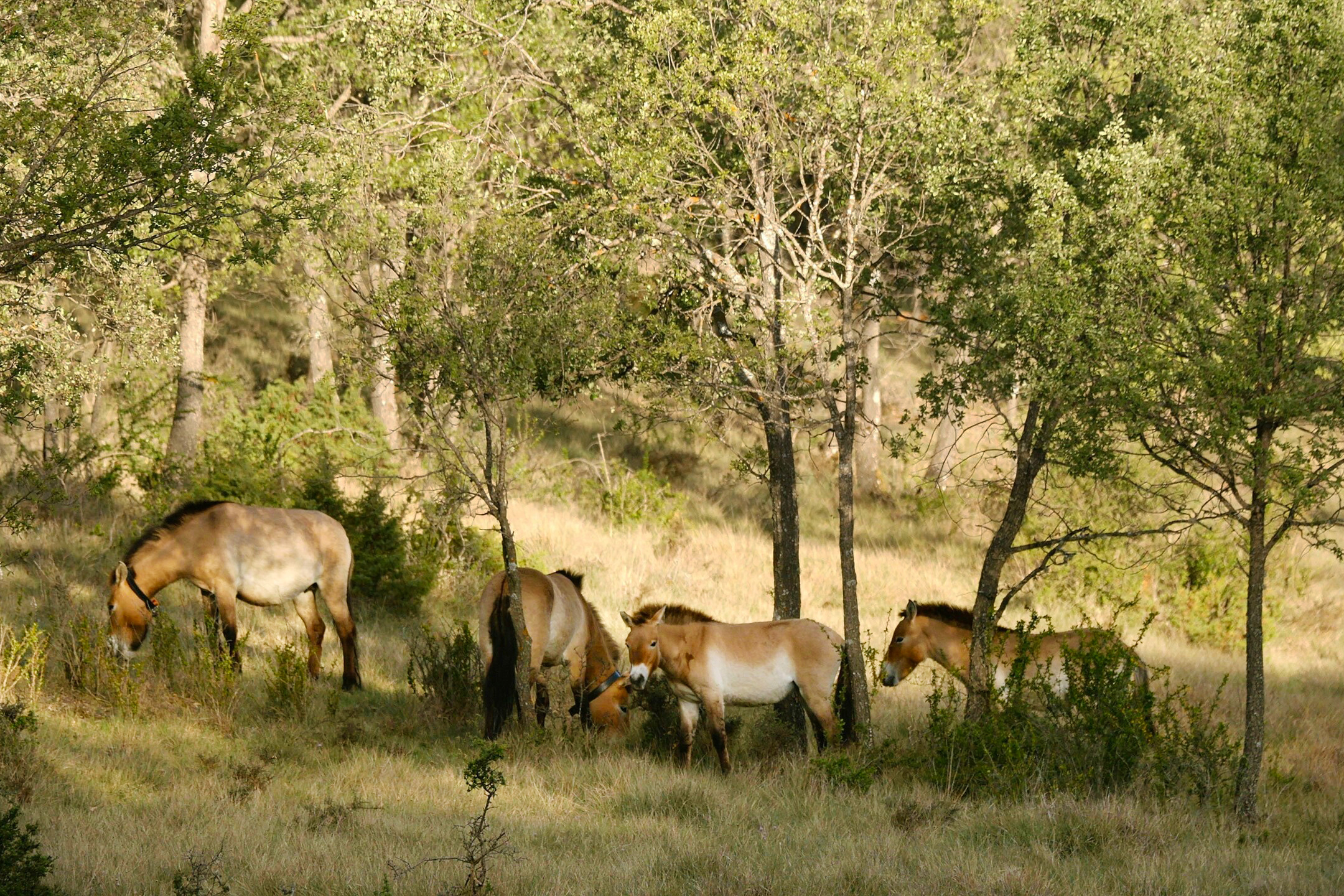
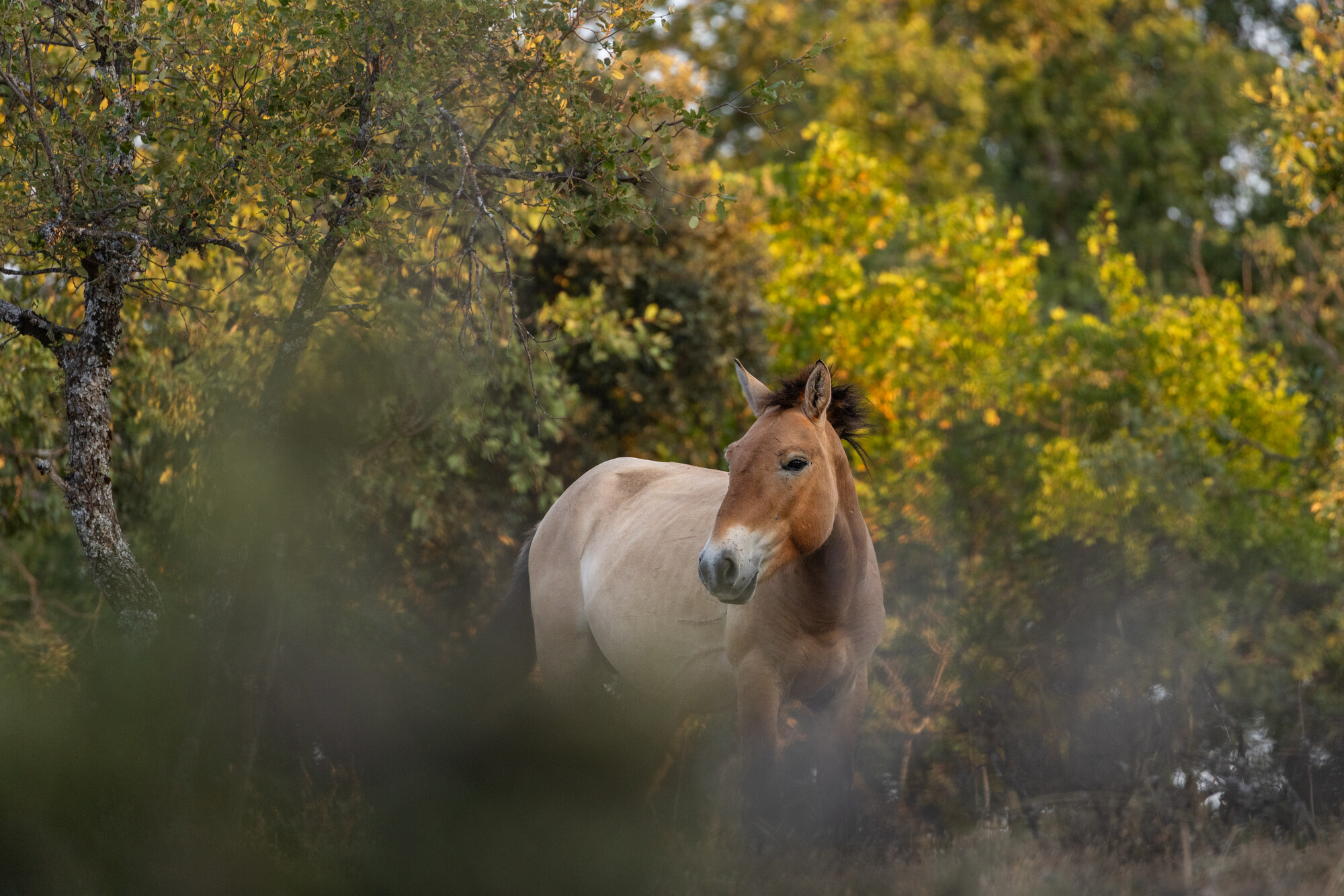
The greatest success came with horses. After a process that began in September 2024, the regional government officially recognised four of Rewilding Spain’s herds as living in wild or semi-wild conditions in May 2026 — the first designation of its kind in Castilla-La Mancha (this designation still needs to recognised by the European Commission). Covering 120 horses, this does not make the animals wildlife in a legal sense, but it does mean they can be managed in a way that better reflects how they actually live. Requirements such as routine microchipping and passporting, some fencing obligations, and various infrastructure rules can now be removed or relaxed, allowing the herds to live more naturally with less human intervention.
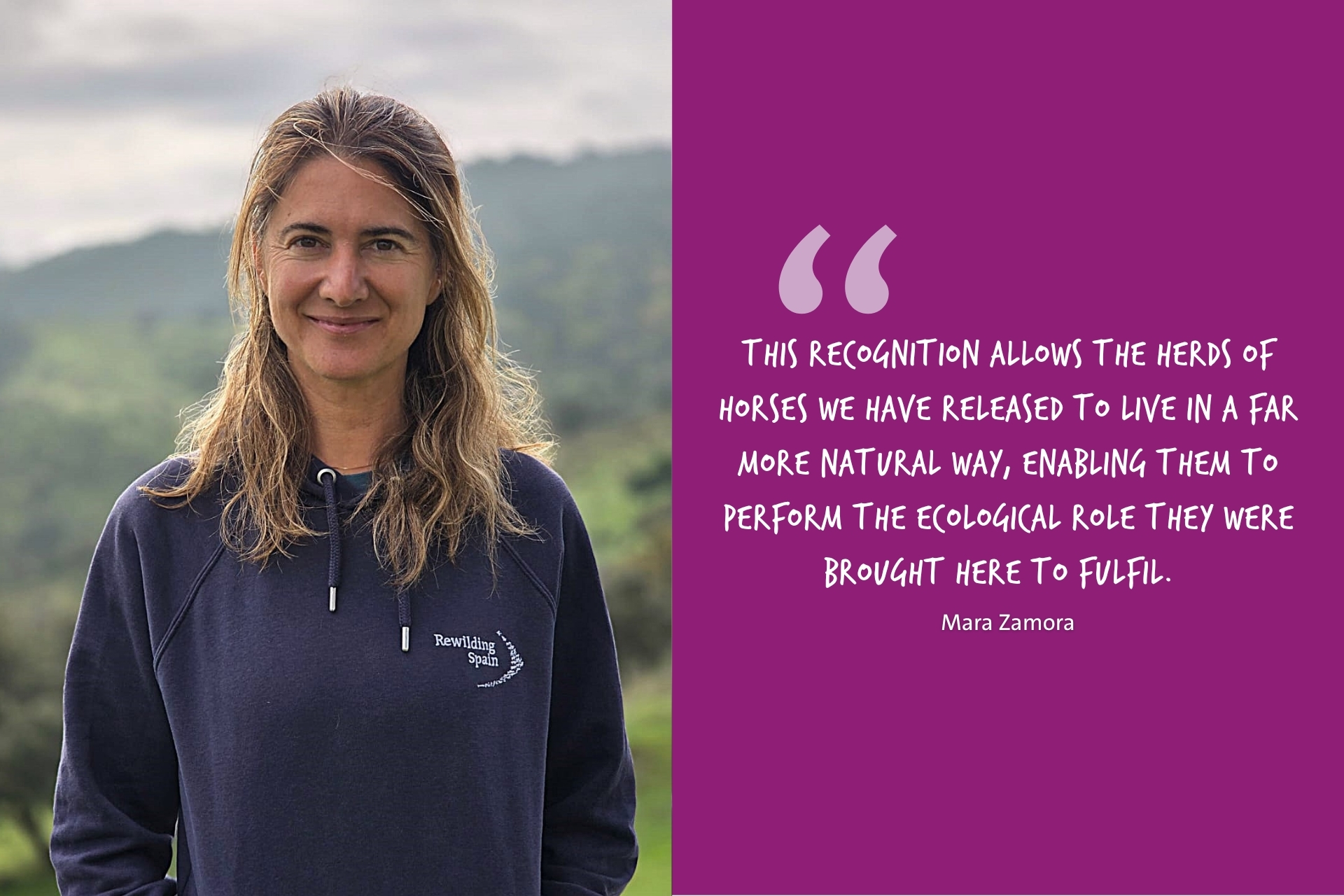
“This recognition is about much more than reducing paperwork,” says Rewilding Spain general manager Mara Zamora. “It allows the herds of horses to live and behave in a far more natural way, enabling them to perform the ecological role they were brought here to fulfil. We hope the experience we’ve gained can help other rewilding initiatives across Europe involved in natural grazing follow the same route.”
READ THE FULL IBERIAN HIGHLANDS CASE STUDY
A roadmap others can follow
Perhaps the most important outcome of the initiative in the Iberian Highlands is that it provides a practical pathway for others. The legal route used in Castilla-La Mancha is not unique to one Spanish region, but builds on provisions already recognised under EU legislation and implemented through national law. Similar approaches already exist elsewhere in Spain and in several other European countries, meaning the lessons learned have relevance far beyond the rewilding landscape.
The case study outlines the key steps needed to secure recognition for free-ranging horse populations. These include demonstrating that animals genuinely live in wild or semi-wild conditions, applying to change the legal status of an existing herd, anchoring applications in both national and EU legislation, and ensuring recognised areas continue to meet the necessary conditions over time.
Valuable lessons
The process also highlights valuable lessons for natural grazing practitioners. Applications may initially encounter resistance where regional authorities are unfamiliar with the law, making careful preparation and strong legal arguments essential. Above all, organisations should expect the process to take time — Rewilding Spain’s successful application took around 20 months from first discussions to official regional recognition, and still needs to be recognised by the European Commission for the process to be fully completed.
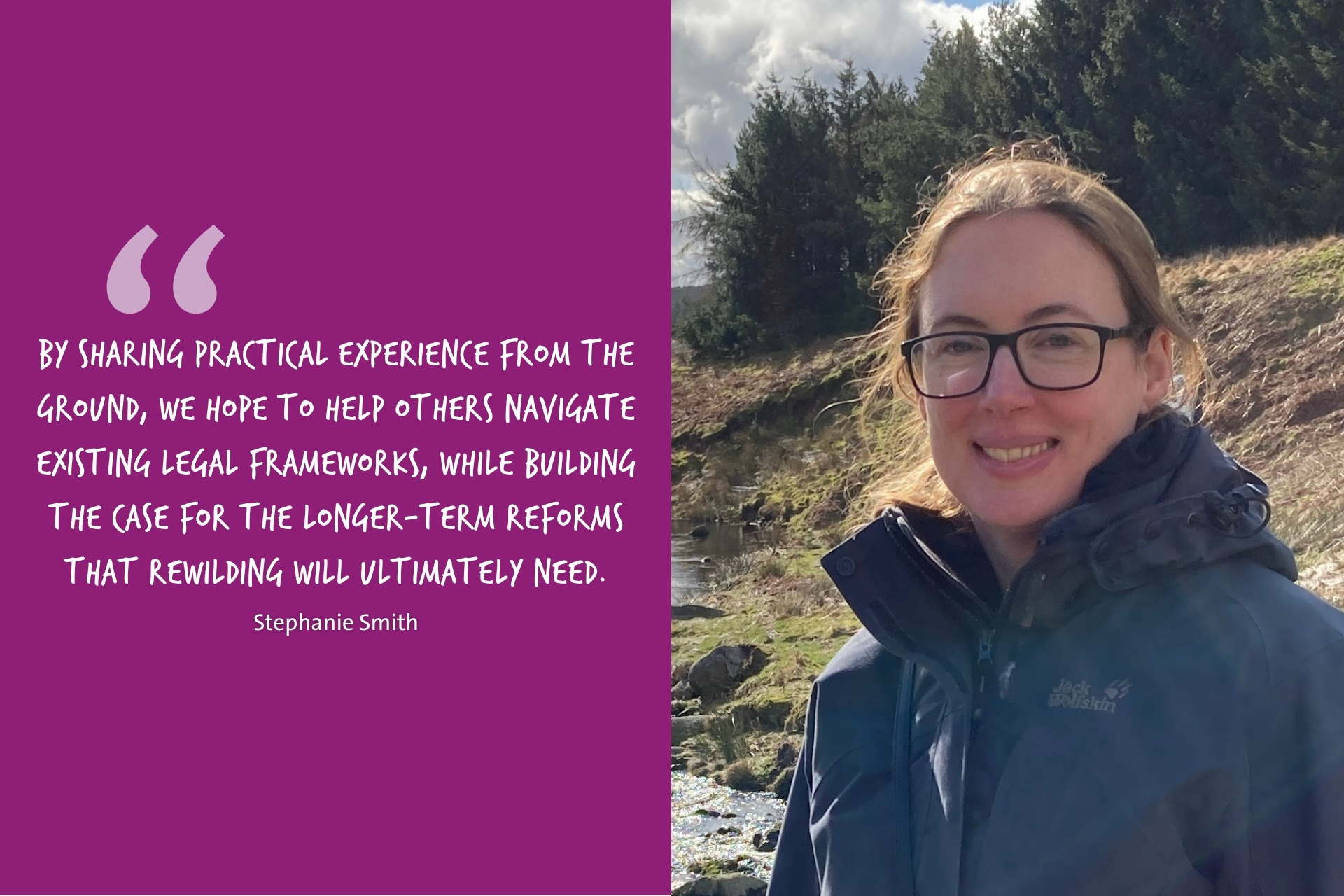
“This collaboration shows that meaningful progress is already possible under today’s legislation,” says Stephanie Smith, Managing Lawyer – Rewilding Law at the Lifescape Project. “By sharing practical experience from the ground, we hope to help others navigate existing legal frameworks, while building the case for the longer-term reforms that rewilding will ultimately need.”
Where the law still falls short
At many rewilding sites, different large herbivores share the same landscape, yet current legislation treats horses and bovines such as Tauros and European bison separately — both in Spain and in other European countries. This means mixed herds cannot currently operate under a single wild or semi-wild designation, creating unnecessary complexity for rewilding initiatives looking to restore natural grazing.
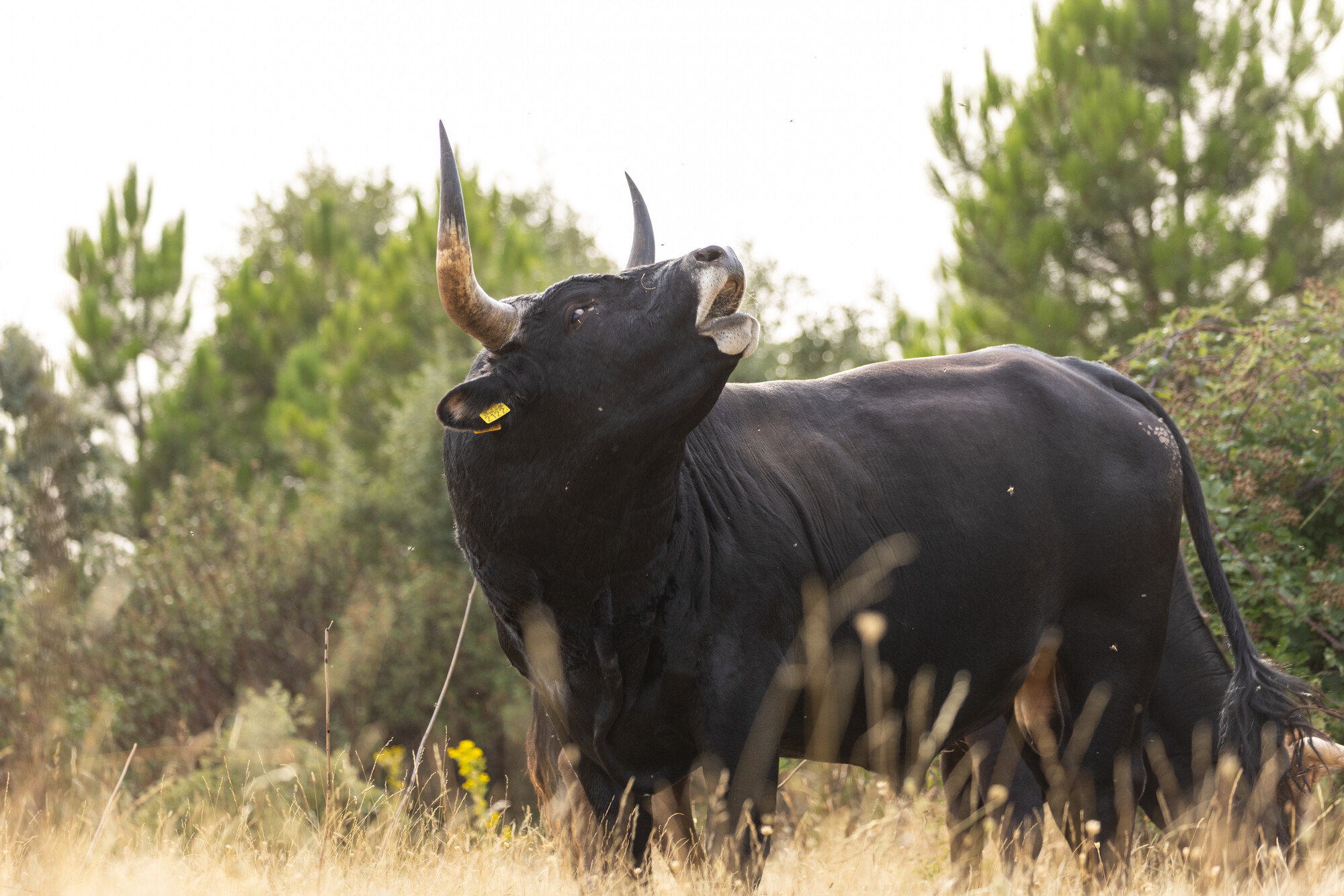
While they have been bred to perform the ecological role once carried out by the extinct aurochs, Tauros are still legally classified as domestic cattle and remain subject to the full range of livestock regulations, including identification, disease testing, and movement controls. Registering them under grazing rather than production systems offers greater flexibility, but current legislation provides little scope for reducing the level of human intervention required.
European bison occupy a more promising, but still uncertain, legal position. In Spain, they are currently classified as non-native animals and are generally managed under livestock regulations. However, because they are listed as a species of Community interest under EU nature legislation and considered a wild species, it is possible for them to be managed through Spain’s existing conservation nucleus (núcleo zoológico) framework. Designed for conservation, breeding, and scientific research rather than livestock production, this framework offers a more appropriate management approach. Its use, however, depends on case-by-case authorisation, is time-limited, and remains subject to significant regulatory conditions.

Looking beyond today’s legislation
The work carried out in the Iberian Highlands demonstrates that current legislation already contains opportunities for those rewilding with wild or semi-wild herbivores. However, these depend on exemptions, administrative discretion, and species-specific provisions that must often be negotiated individually. While they can deliver meaningful progress, they do not yet provide the long-term certainty needed as rewilding continues to expand across Europe.
This case study therefore points towards a broader conversation about how environmental law should evolve. Rather than classifying animals solely according to species or agricultural use, future legislation could recognise them according to the ecological function they perform within rewilding ecosystems. Such a framework could also help resolve other longstanding challenges, such as allowing carcasses to remain in suitable locations to feed scavengers and recycle nutrients, replacing today’s patchwork of separate permissions with a more coherent legal approach.
As Spain develops its National Restoration Plan under the EU’s Nature Restoration Law, there is a valuable opportunity to ensure that legal frameworks evolve alongside nature restoration efforts. The central lesson from the Iberian Highlands is clear: current law already offers practical pathways for enabling wilder herbivore populations. However, fully realising the ecological potential of these populations will ultimately require legislation designed specifically for animals whose primary role is not agricultural production, but the restoration of nature across the continent.
GrazeLIFE
The EU-funded GrazeLIFE initiative (2019-2021), which was led by Rewilding Europe, evaluated the role of natural and extensive grazing across the continent. It demonstrated that free-roaming large herbivores — such as European bison, Konik horses, and Galloway cattle — restore ecosystems, boost biodiversity, and act as natural “fire brigades” by clearing combustible vegetation. A report, released by members of the initiative, outlines how European policies — especially the European Union’s Common Agricultural Policy (CAP) — could better support natural grazing.
