

Healthy wetlands are vital for both people and wildlife – regulating water flow, storing carbon, and supporting a huge diversity of life. Yet across Europe, many have been drained and degraded. In the Romanian Danube Delta, Ultima Frontiera is showing how rewilding can restore these essential functions.

A landscape shaped by water and people
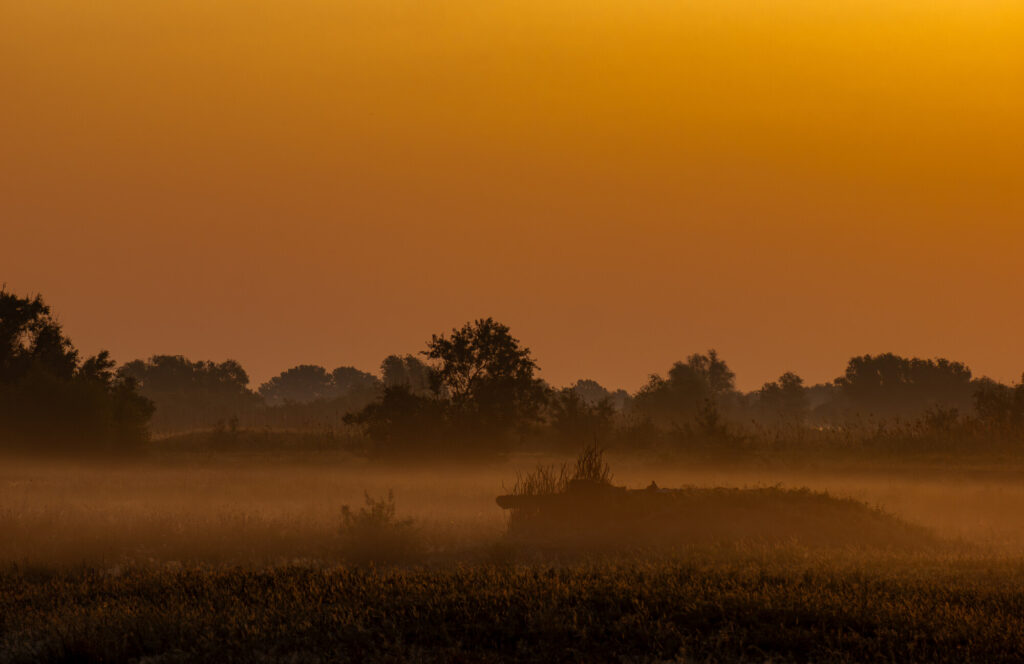
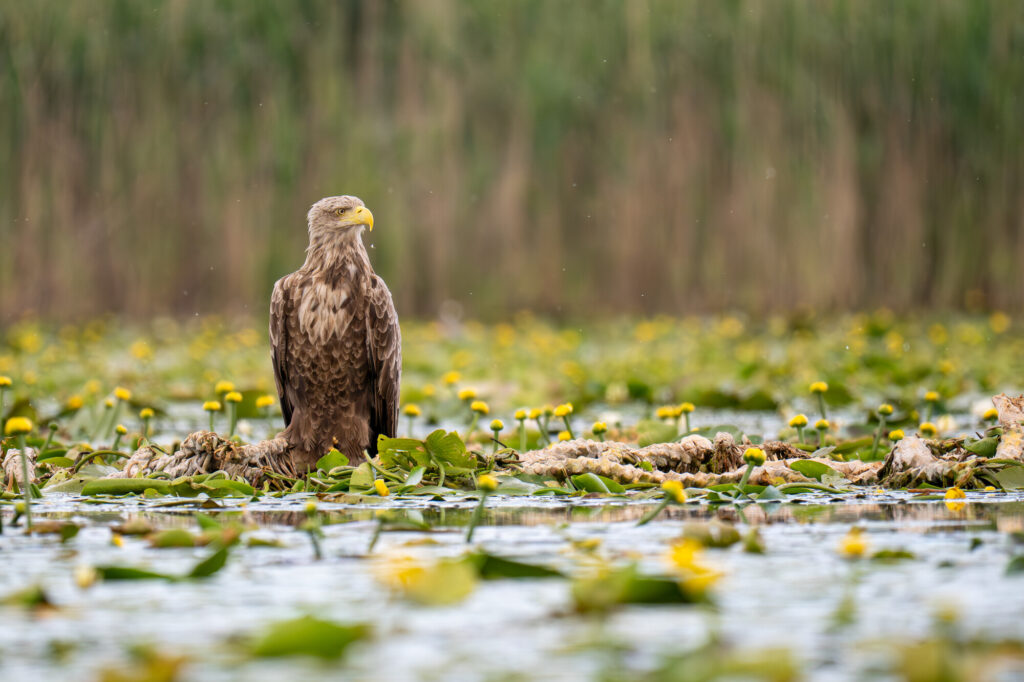
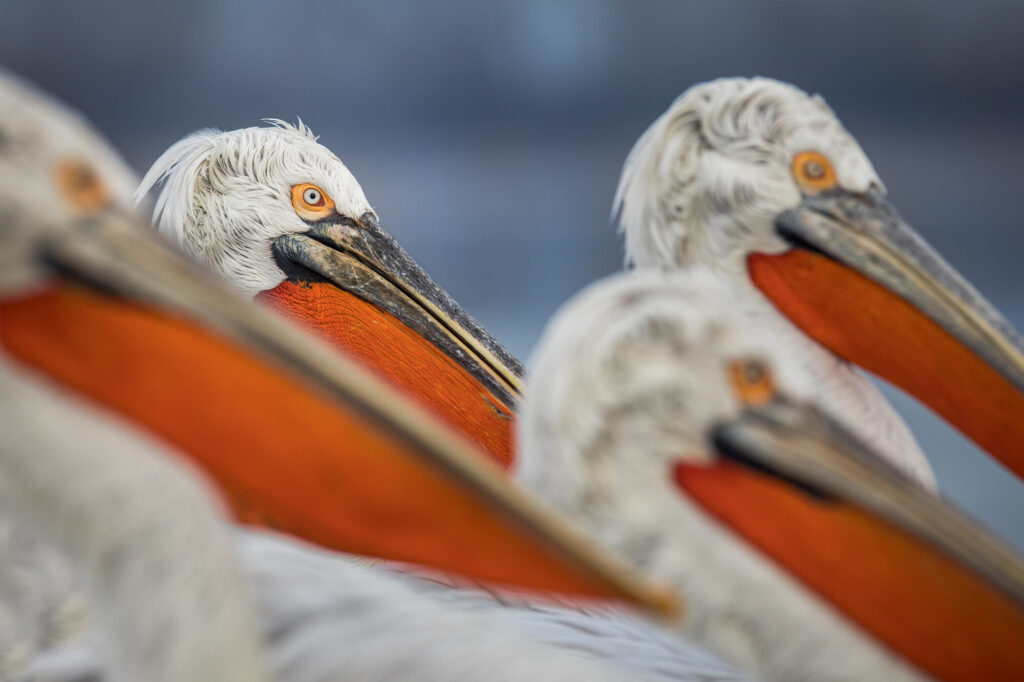
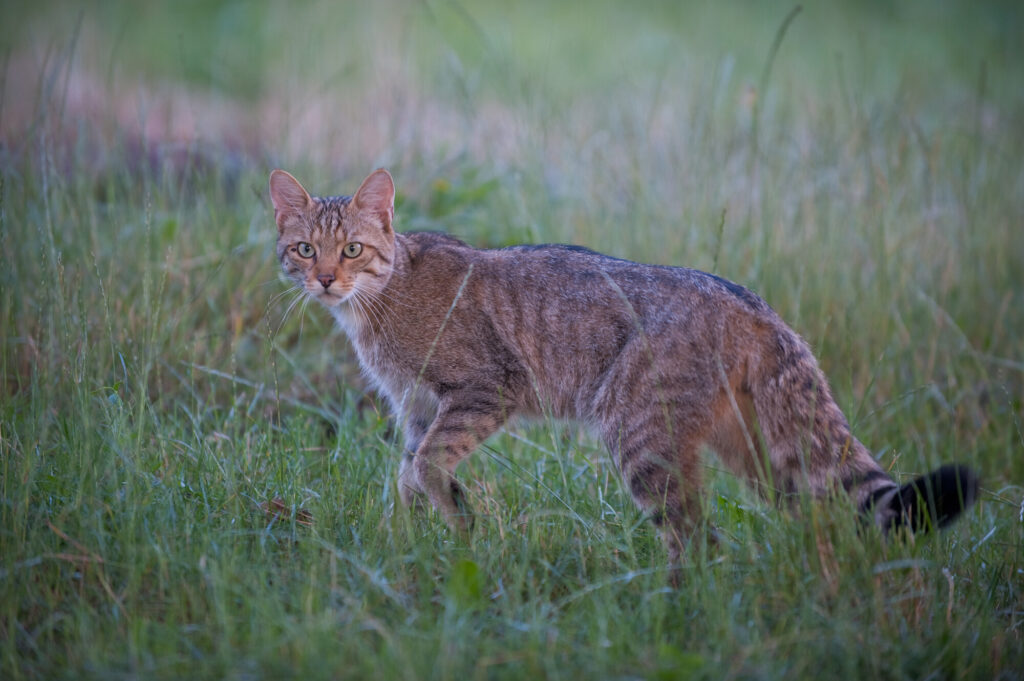
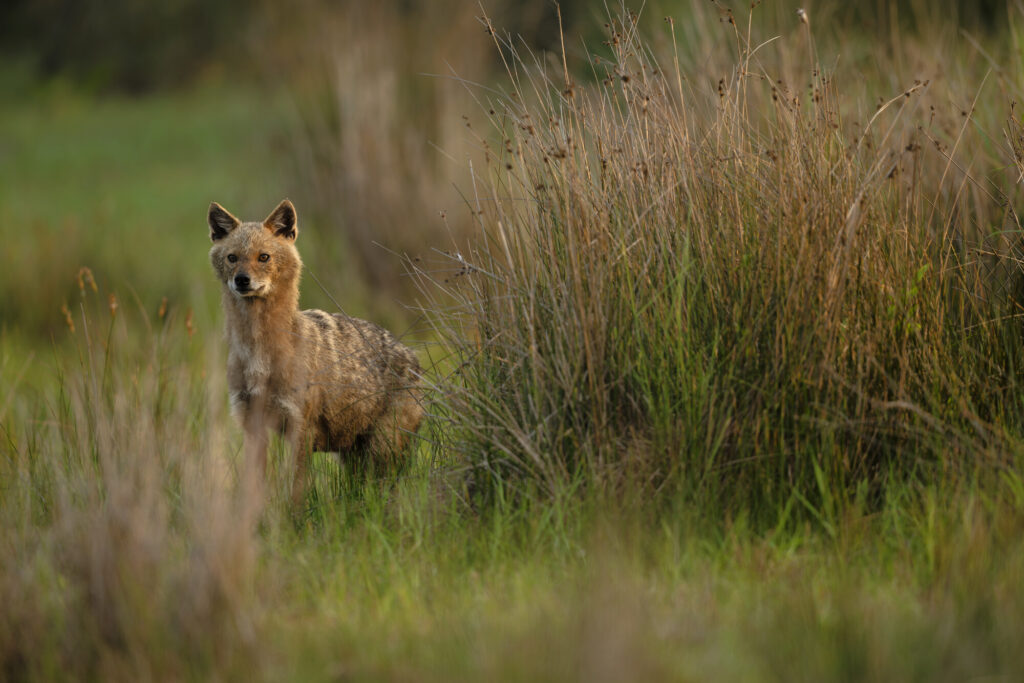
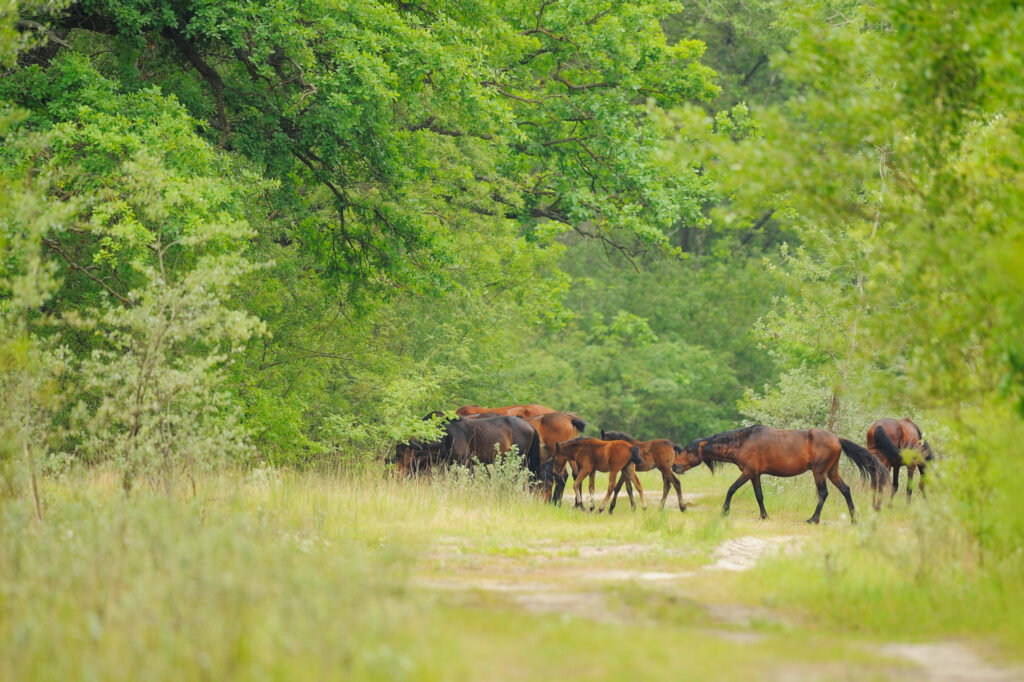
Situated beside the Chilia branch of the Danube River, close to the Black Sea in Romania, Ultima Frontiera is a unique place where wild nature and human history are closely intertwined. Located within the Danube Delta rewilding landscape and the Danube Delta Biosphere Reserve, the site encompasses over 800 hectares of wetlands, reedbeds, lakes, grasslands and sand dunes. This mosaic of habitats, which reflect the diversity of landscapes found across the wider region, supports an extraordinary array of wildlife — from white-tailed eagles and Dalmatian pelicans to wildcats, golden jackals and free-roaming horses.
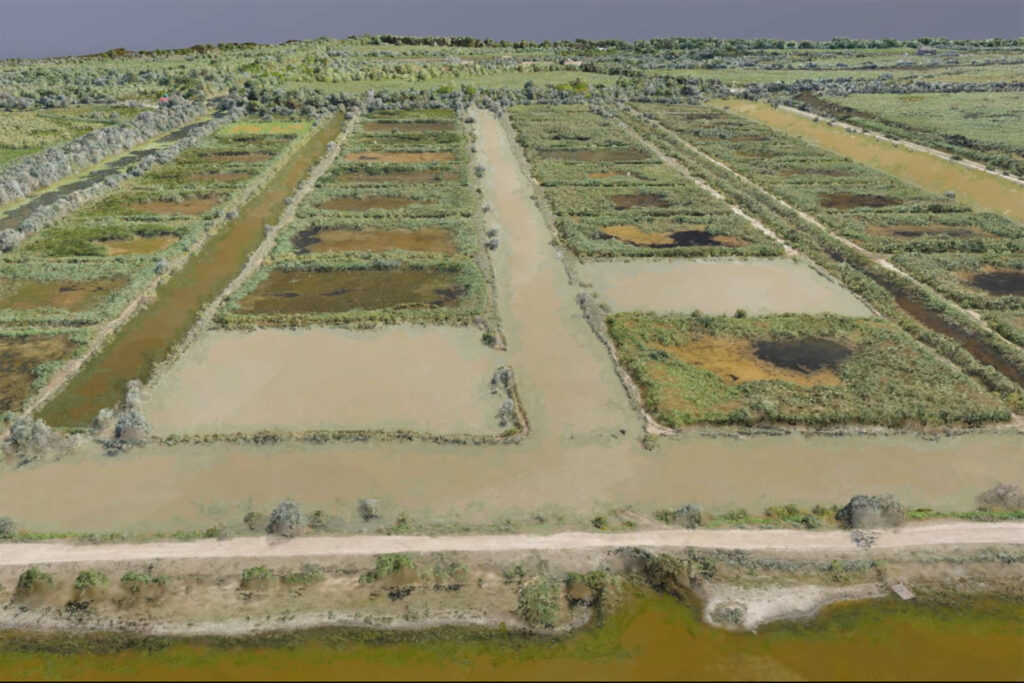
Yet this is far from an untouched landscape. In the 1950s, the area was developed into a fish farm, with the natural flow of water disrupted by dykes, sluices and pumps. The farm ceased operating around two decades ago, and much of this infrastructure has since fallen into disrepair, while nature has already begun recolonising parts of the site.
An exciting rewilding opportunity
After decades of decline following the collapse of fish farming, Ultima Frontiera offered a rare opportunity to restore natural water dynamics at scale and expand wetland recovery across the Danube Delta. In 2025, with support from the Rewilding Land Facility, Rewilding Europe secured long-term management rights to the site, creating the conditions for large-scale wetland restoration and wildlife recovery. The move also strengthens efforts to restore natural processes across the Romanian Danube Delta, complementing rewilding efforts across the border in Ukraine.
“By working with nature and letting it create its own abundance, our aim is to transform a place that only a short while ago seemed completely abandoned,” says Alec Bălășescu, who manages Ultima Frontiera as team leader of the Danube Delta rewilding landscape. “We want to make this a leading showcase for rewilding in the delta and beyond.”
Remembering a difficult past
Ultima Frontiera also carries a darker legacy. The nearby Periprava forced-labour colony was one of the harshest components of Romania’s communist detention system. Political prisoners were forced to work in brutal conditions, constructing embankments, reclaiming land and harvesting reeds; more than 100 died under commander Ion Ficior between 1958 and 1963.
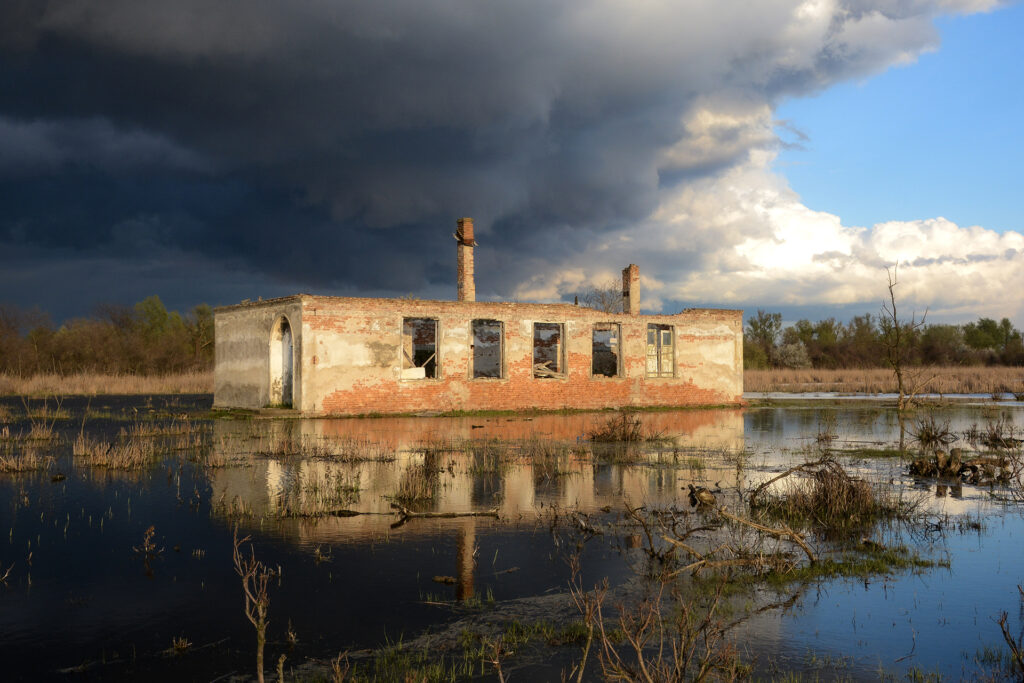
Rather than erase this history, Rewilding Romania is working with Romania’s Institute for the Investigation of Communist Crimes and the Memory of the Romanian Exile to ensure it is remembered. Surviving buildings on the site offer a poignant illustration of change: vegetation is gradually enveloping them, while species such as owls and bats are moving in. The ambition is to bring natural heritage and historical memory together, creating a place for remembrance, reflection and reconnection with the delta landscape.
“Nature has a tremendous capacity to heal,” says Alec Bălășescu. “By giving nature freedom to recover, we have an opportunity to breathe new life into a place with a troubled history, creating a landscape that is not only richer in wildlife, but which offers new possibilities for the people who live here.“
“BY GIVING NATURE FREEDOM TO RECOVER, WE HAVE AN OPPORTUNITY TO BREATHE NEW LIFE INTO A PLACE WITH A TROUBLED HISTORY, CREATING A LANDSCAPE THAT IS NOT ONLY RICHER IN WILDLIFE, BUT WHICH OFFERS NEW POSSIBILITIES FOR THE PEOPLE WHO LIVE HERE.”
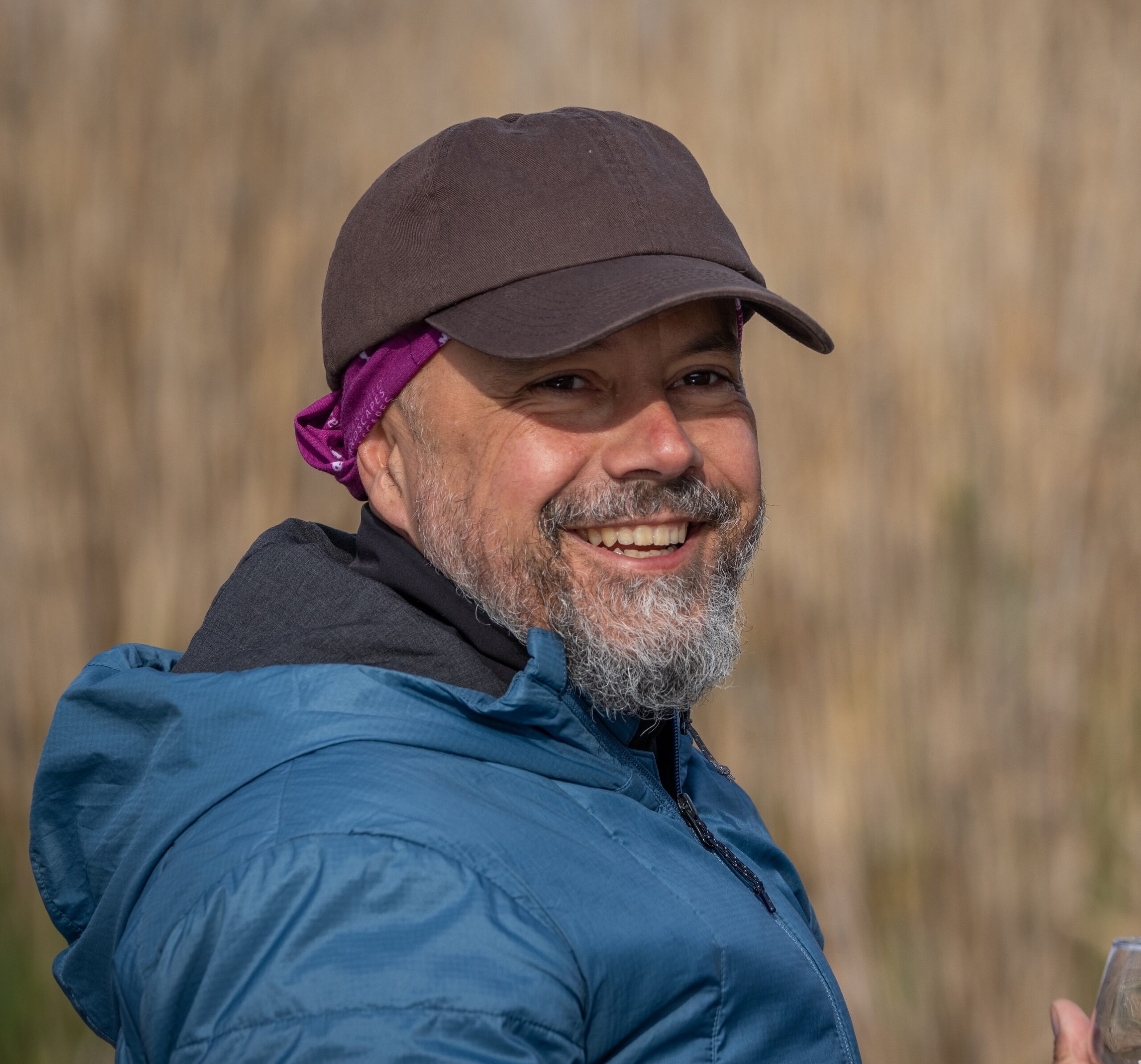 Alec Bălășescu
Letting water flow
The transformation of Ultima Frontiera has already begun. Buildings are being renovated, waste cleared and infrastructure repaired, while detailed rewilding plans are being developed.
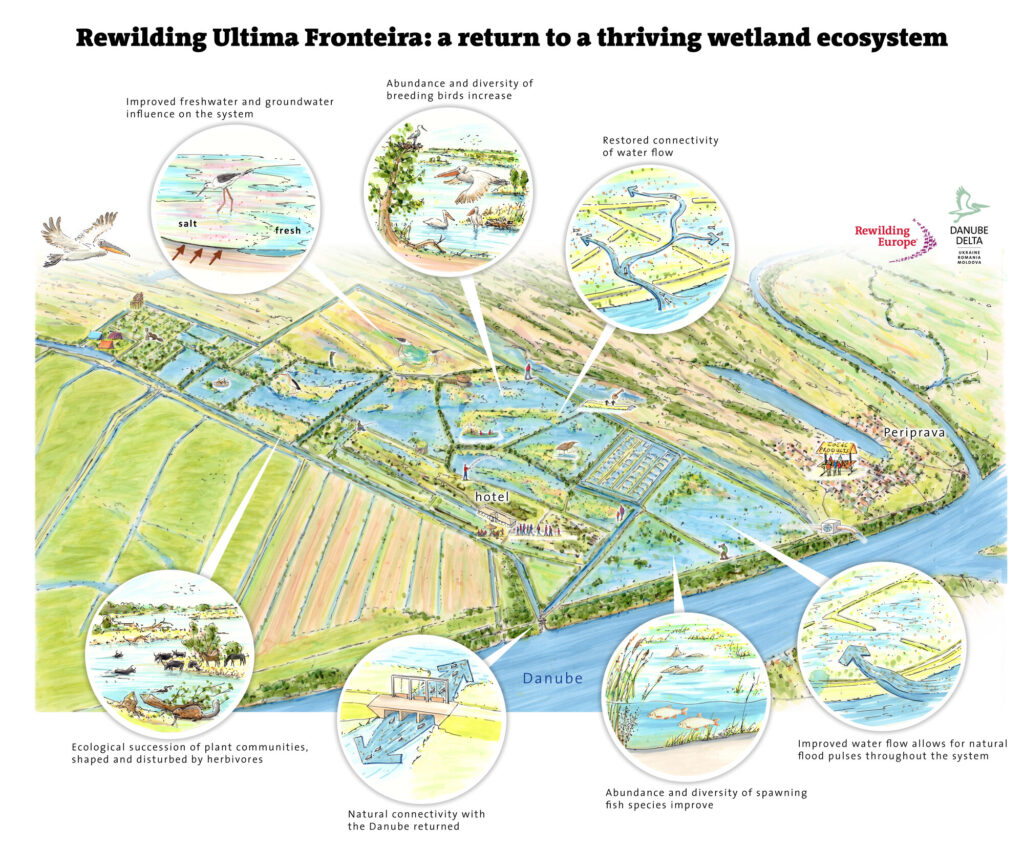
Water will lie at the heart of this work. Collaborating with Dutch consultancy Bureau Stroming, the rewilding team commissioned an extensive hydrological study to understand how water moves through the site and identify opportunities to restore more natural flow. Completed in 2026, the study proposes reconnecting former fish ponds, removing barriers to water movement and improving connectivity with the Danube.
Rather than attempting to recreate an untouched wetland, the aim is to establish a semi-natural system in which better connectivity and more dynamic water levels provide healthier conditions for fish, aquatic plants and birds. Horses and locally owned cattle already roam freely and graze parts of the site, helping to restore natural grazing, while wetland restoration will provide new breeding opportunities for species such as Dalmatian pelicans and terns. Together, these changes will create a richer, more varied landscape shaped increasingly by natural processes — supporting abundant wildlife, improving water quality, regulating water flows and delivering wider benefits for local communities.
A paradise for wildlife watchers
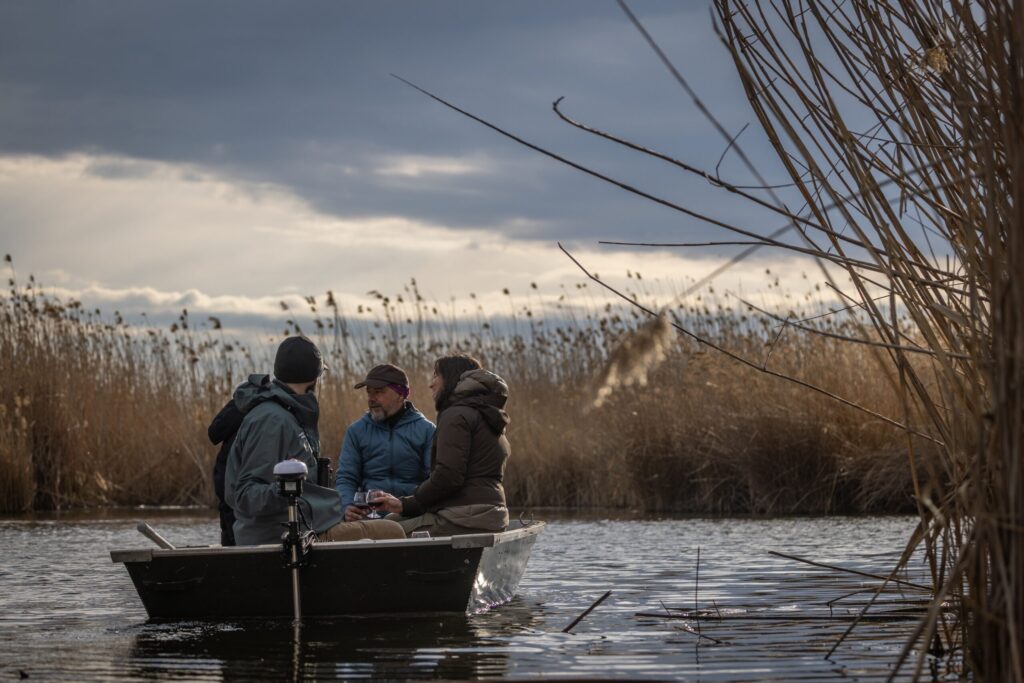
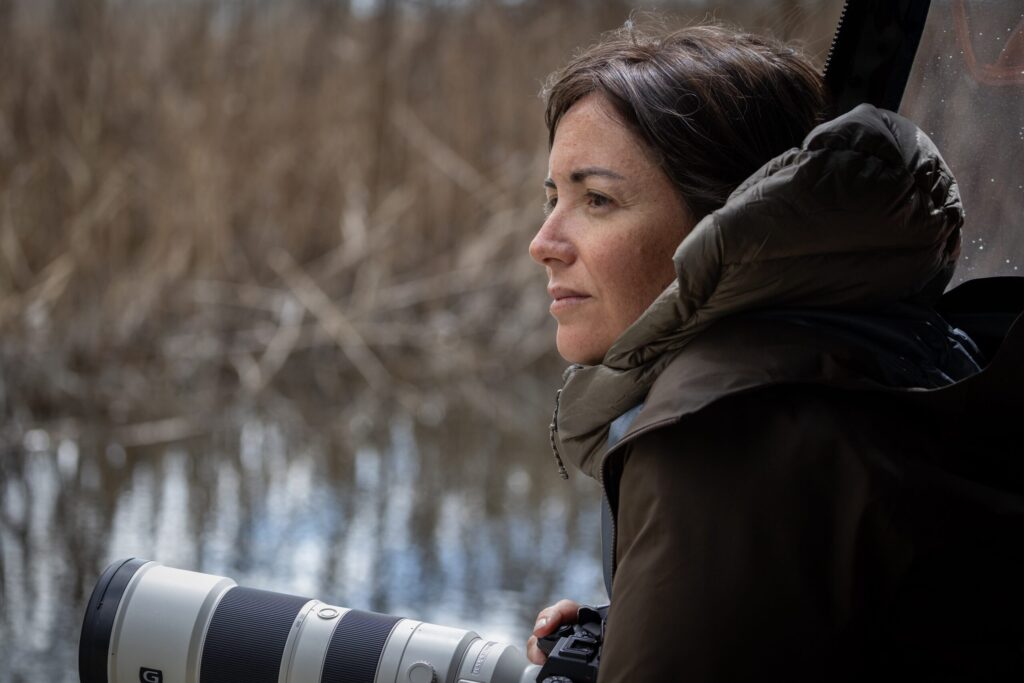
While the rewilding journey is only beginning, wildlife is already returning to Ultima Frontiera’s abandoned fish ponds, offering an early glimpse of what a recovering wetland can support. The former fish farm has become particularly well known for wildlife photography, with accommodation and a network of hides enabling visitors to experience the delta’s rich fauna up close.
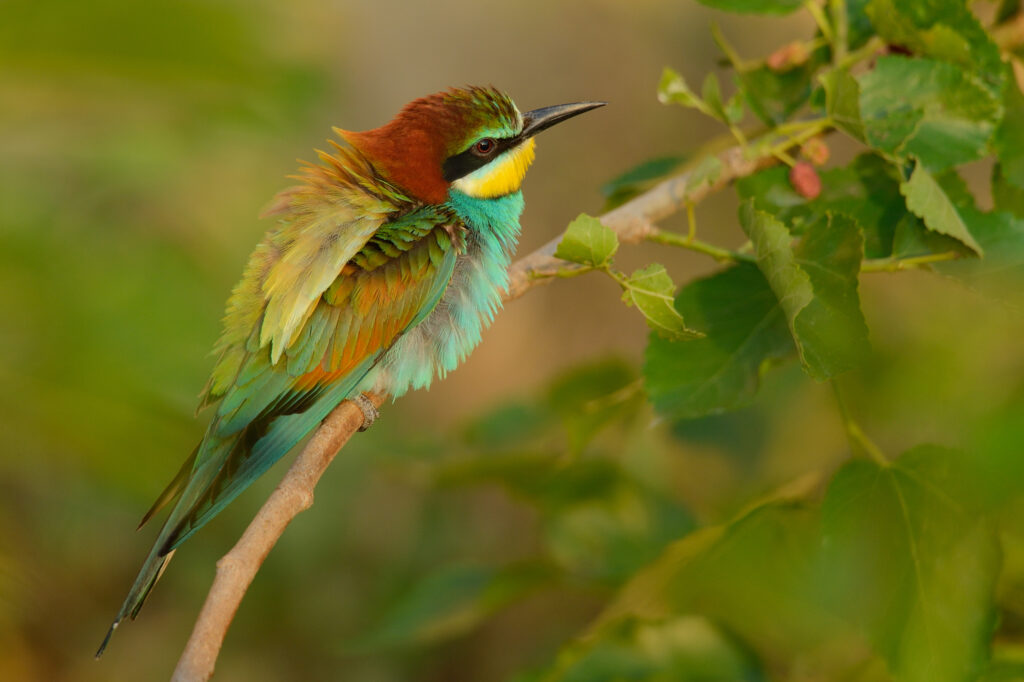
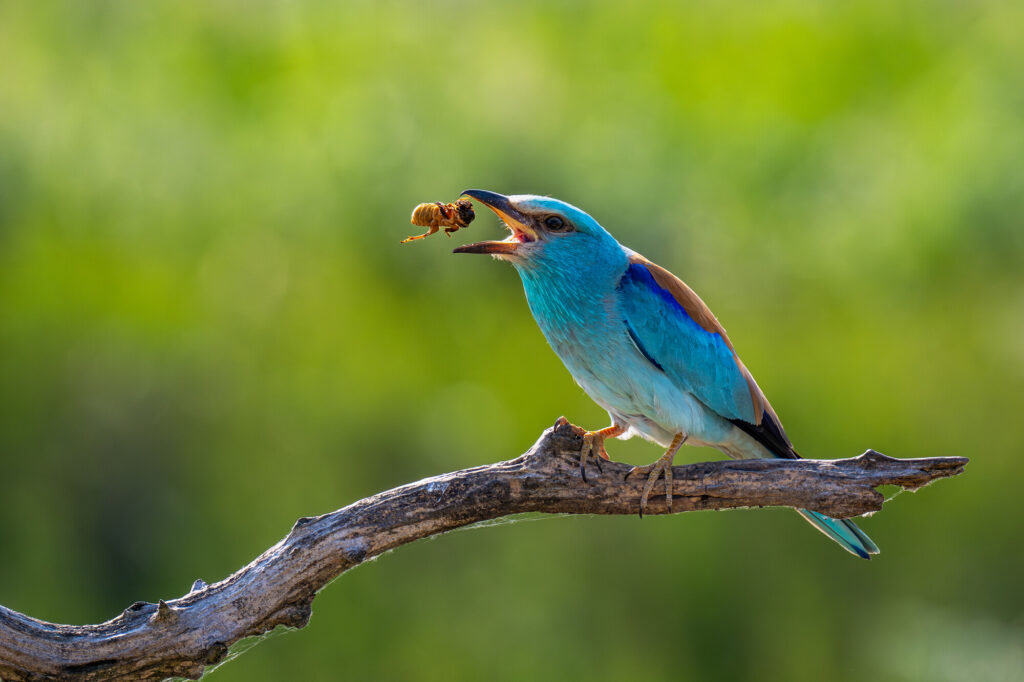
“The biggest strength of this site is the density of birds,” says hide manager Karel Olaerts. “Even birds that are relatively common in the Mediterranean, like bee-eaters, hoopoes and rollers — here, the density is just incredible.”
With forests, lakes, reedbeds and grasslands packed into a relatively compact area, visitors don’t have to venture far to encounter this extraordinary variety of wildlife. Photography will remain central, but Alec Bălășescu sees considerable potential to broaden the experience, with kayaking and hiking complementing educational visits, scientific research, art camps and retreats. As rewilding progresses, visitors will also have the opportunity to witness the site’s recovery first-hand and explore the wider delta, including nearby villages and the unique Letea Forest. Experiences at Ultima Frontiera will soon be listed on Wilder Places, Rewilding Europe’s travel booking platform.
A regenerative economy: enabling nature and communities to thrive together
Growing tourism also has the potential to strengthen the relationship between Ultima Frontiera and surrounding communities. The operational lodge already employs local people, while a more diverse visitor offering could create further jobs, generate demand for local products and guides, and support new nature-based businesses. In the longer term, healthier fish populations could potentially support sustainable fishing opportunities, allowing nature recovery to translate into additional jobs and income for people living nearby.
At the same time, Ultima Frontiera’s location and focus on rewilding offer significant opportunities for scientific and cultural partnerships. The ambition is to transform the site into a hub for science, ecology, culture, tourism and community-based activities, providing a blueprint for a regenerative economy across the Danube Delta.
For handyman Adrian Calin, who joined the Ultima Frontiera team in 2026, the benefits of Ultima Frontiera’s new journey are already tangible.
“It’s really good to work here, because otherwise I would have had to go to Tulcea (the main city in the Romanian Danube Delta) to find employment. I prefer being here because I’m close to home — and I’d much rather be surrounded by nature than concrete.”
Scaling up essential wetland recovery
Europe has lost around half of its wetlands over the past 300 years. As the challenges of climate change intensify, their restoration is increasingly vital. Healthy wetlands not only support rich and abundant wildlife, but also store carbon, regulate water flows, improve water quality, and reduce the impacts of floods and droughts — all of which are essential to society. Ultima Frontiera offers an opportunity to demonstrate what wetland rewilding can achieve, building on the recovery already underway at Lake Kartal in the Ukrainian Danube Delta and inspiring similar efforts across Europe.
In a place marked by ecological transformation and painful human history, rewilding offers the possibility of another kind of change. By giving nature the freedom and space to recover, Ultima Frontiera can become a landscape of renewal and resilience — showing how the return of wild nature can help places across Europe heal while creating new opportunities for local communities.
The purchase of Ultima Frontiera concession by Rewilding Romania was made possible by a generous grant from Tanka Foundation to Rewilding Europe, for which we are very grateful.
