
Europe’s two lynx species are both making a remarkable comeback, with rewilding helping these beautiful, elusive cats reclaim lost ground — including in landscapes where Rewilding Europe works. Bringing wildness and wonder back to the continent, the return of these iconic animals is strengthening food webs and showing that people and carnivores can thrive together.

Fantastic felines
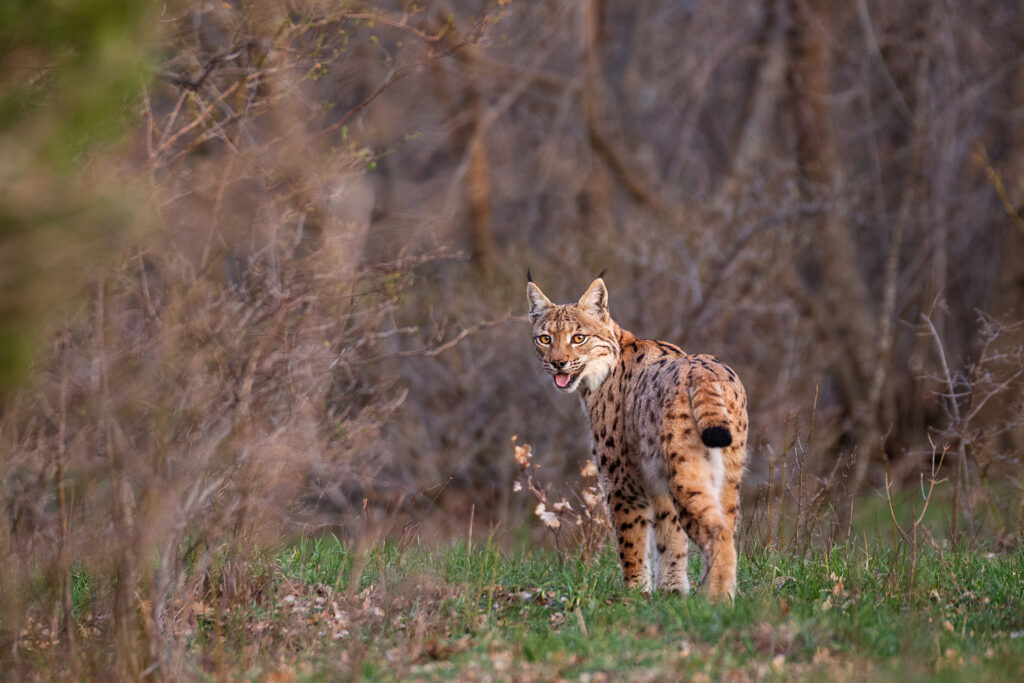
With their tufted ears, striking eyes and beautifully patterned coats, lynx are captivating animals whose presence brings an unmistakable sense of wildness to landscapes. Europe is home to two species: the Eurasian lynx (Lynx lynx) ranges from Scandinavia and the Baltic states through Central and Eastern Europe and far into Asia, while the smaller Iberian lynx (Lynx pardinus) is found only in Spain and Portugal. The return of these charismatic predators is about more than restoring a sense of wildness, however: it also means restoring an important ecological role that has been missing from many European landscapes for generations.
Both Eurasian and Iberian lynx have suffered dramatic declines, although at different times. Centuries of persecution, deforestation and declining wild prey saw Eurasian lynx disappear from large parts of Western and Central Europe during the nineteenth and early twentieth centuries. Iberian lynx numbers plummeted during the second half of the twentieth century, as habitat loss and fragmentation, human-caused mortality and disease-driven declines in rabbit populations brought the species perilously close to extinction. Yet in recent decades, the fortunes of both cats have begun to change.
Bouncing back
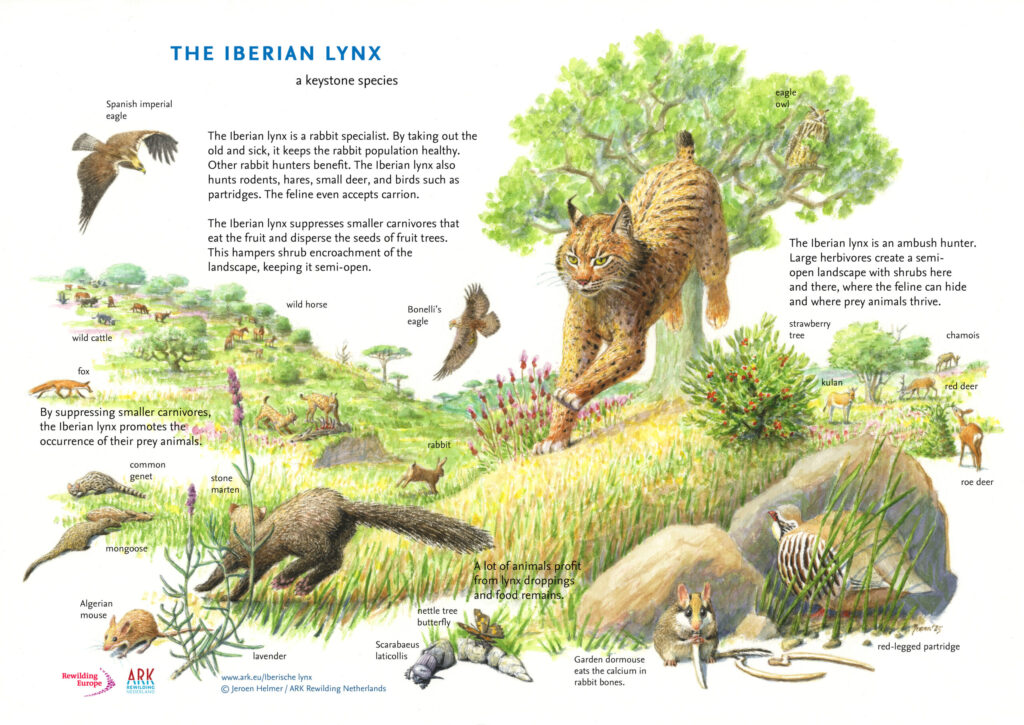
The recovery of the Iberian lynx has been particularly spectacular. By 2025, conservation programmes encompassing reintroduction, habitat and prey recovery, and measures to reduce human-caused mortality had helped the population reach well over 2,600 animals, including 394 in Portugal — an increase of 95% in just four years. In 2024, its status was downgraded from “endangered” to “vulnerable”.
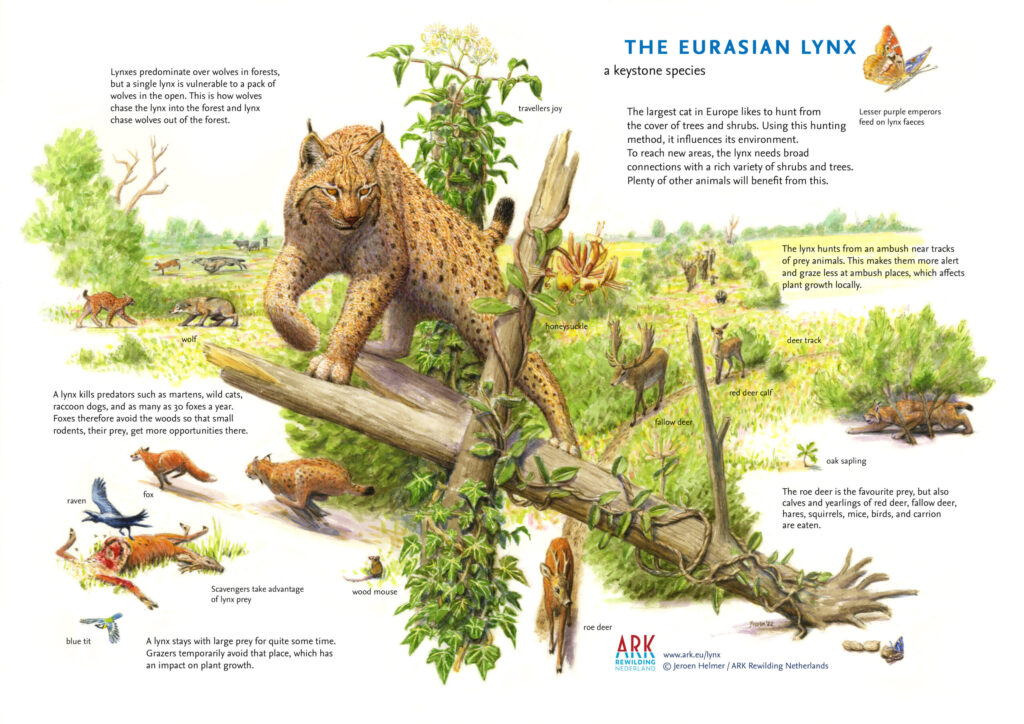
The Eurasian lynx population in Europe has rebounded from a mid-twentieth-century low of roughly 700 individuals to an estimated 9,000 to 10,000 animals today, thanks to decades of reintroduction and protection. While many populations are stable or increasing, some remain small, isolated and genetically vulnerable.
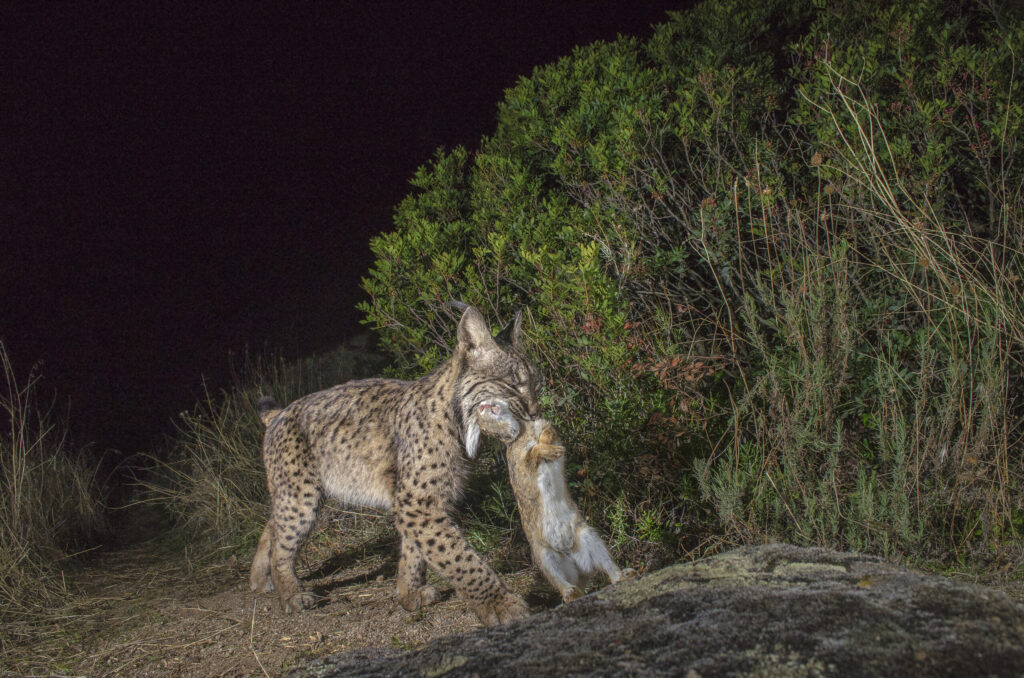
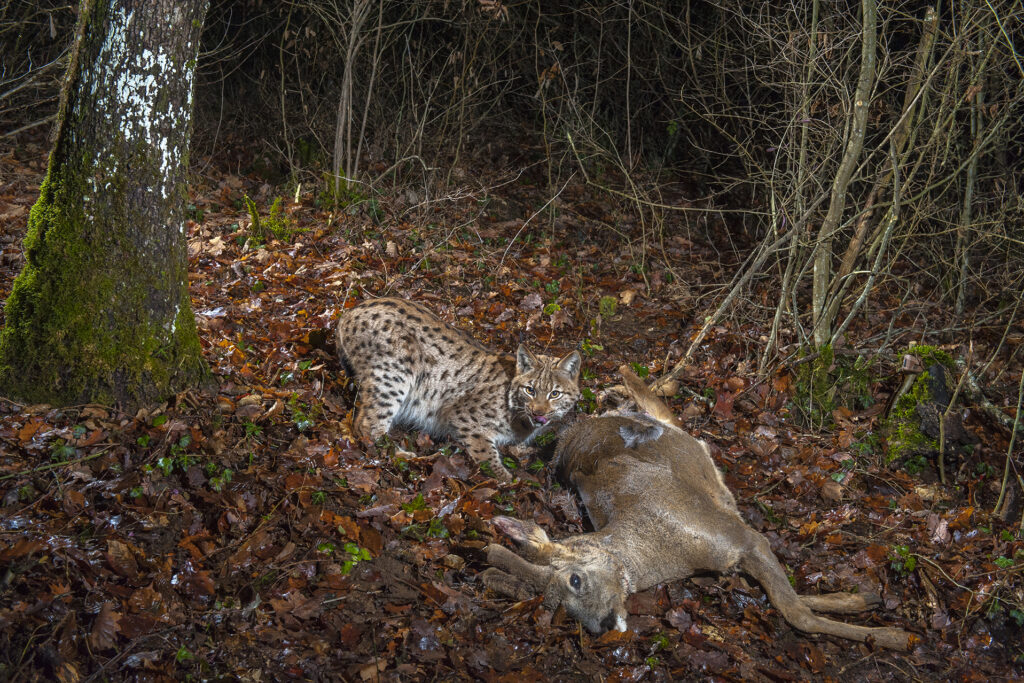
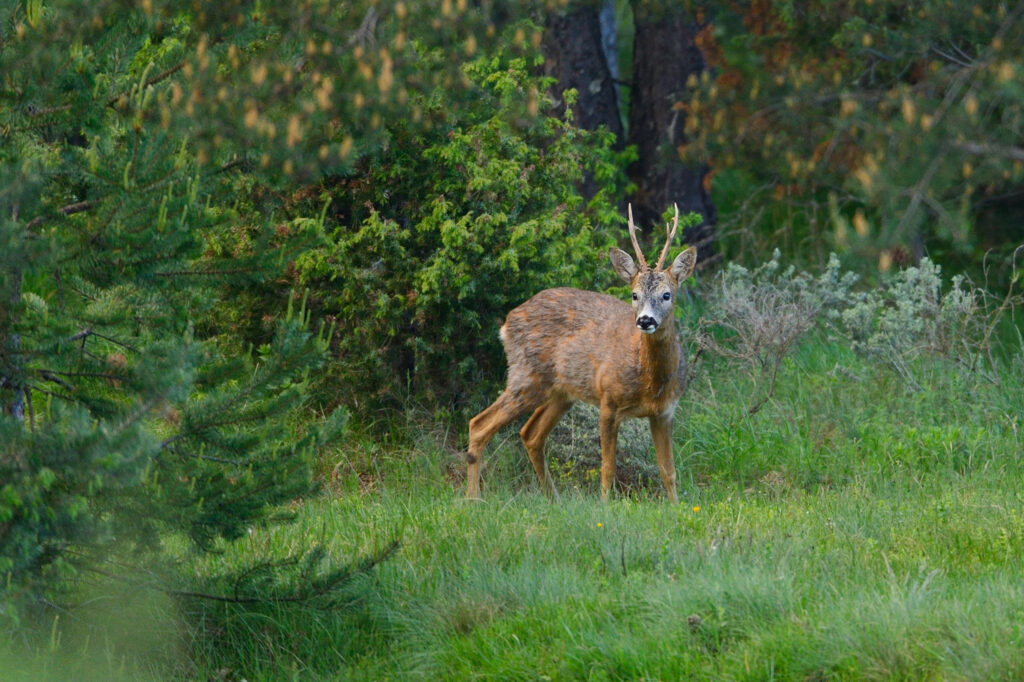
As important predators, both species help shape healthy food webs and balanced ecosystems. Eurasian lynx predominantly hunt wild ungulates such as roe deer, while Iberian lynx depend heavily on rabbits. Their return can influence prey populations and behaviour, restoring a relationship that disappeared from many landscapes when lynx were lost. It also demonstrates that people and these elusive carnivores can share space and thrive together.

Preparing the way in the Greater Côa Valley
In Portugal’s Greater Côa Valley, the Iberian lynx has yet to re-establish a population. But dispersing animals have been recorded in the wider Castelo Branco district as the species expands its range northwards. The Rewilding Portugal team are working to create conditions that could enable lynx to recolonise the landscape naturally.
A critical part of this work is rebuilding populations of the Iberian rabbit — the lynx’s principal prey. In July 2026, Rewilding Portugal released 17 rabbits into artificial burrows at the roughly 1,000-hectare Ermo das Águias rewilding site. Further releases are planned as part of the LIFE LUPI LYNX initiative, which aims to improve habitat and prey across a wider area.
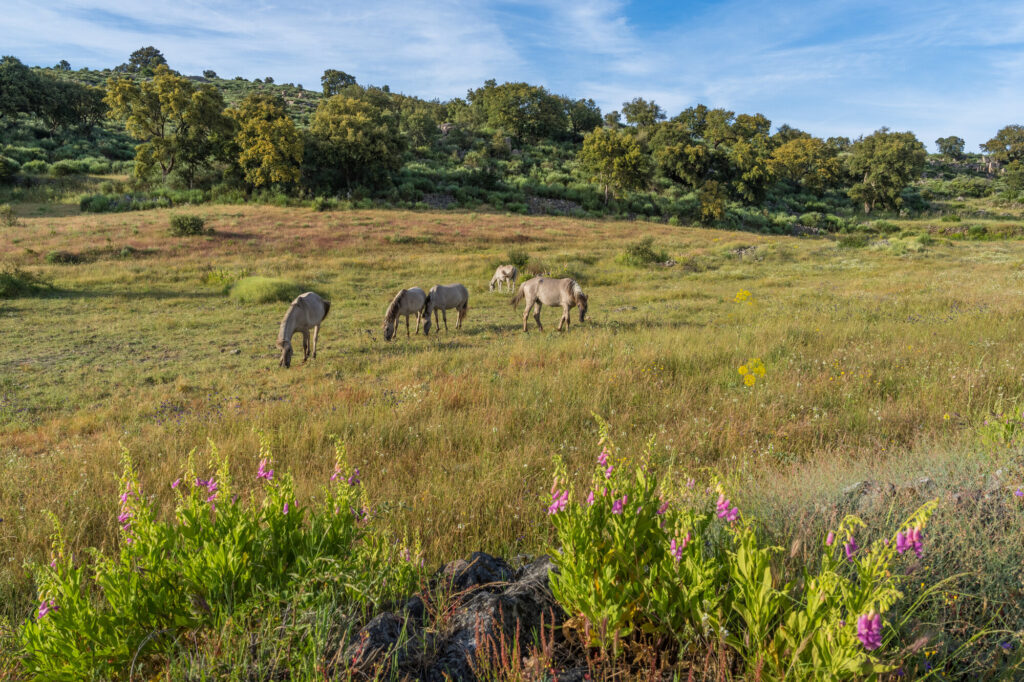
Creating conditions for lynx to return begins with recovering the wider food web on which they depend. Natural grazing by Sorraia horses is helping to restore meadows and Pyrenean oak woodland at Ermo das Águias, with habitat recovery associated with increasing numbers of rabbits, partridges and insects. These improving conditions benefit Iberian wolves and other wildlife too, while increasing the likelihood that wandering Iberian lynx will find landscapes in which they can stay and flourish.

Closing the gap in the Oder Delta
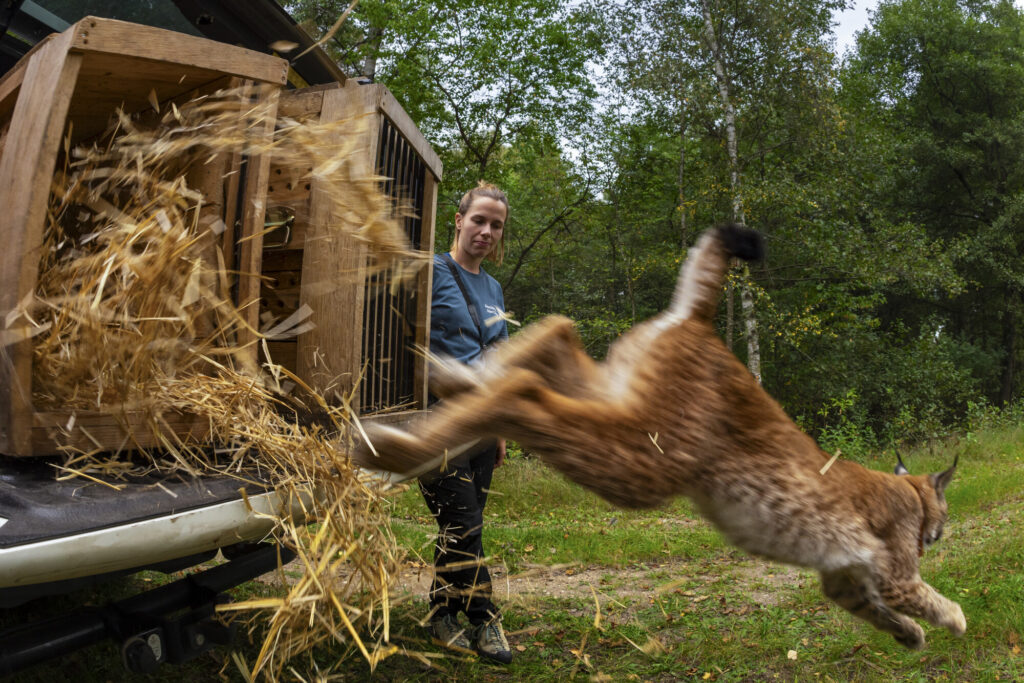
Hundreds of kilometres to the northeast, Eurasian lynx are already returning. The species disappeared from northwestern Poland around four centuries ago, but a reintroduction programme led by the West Pomeranian Nature Society (ZTP), with support from the Rewilding Oder Delta team, has brought it back. By the end of 2025, 103 lynx had been released since the programme began, with at least 40 released females subsequently reproducing.
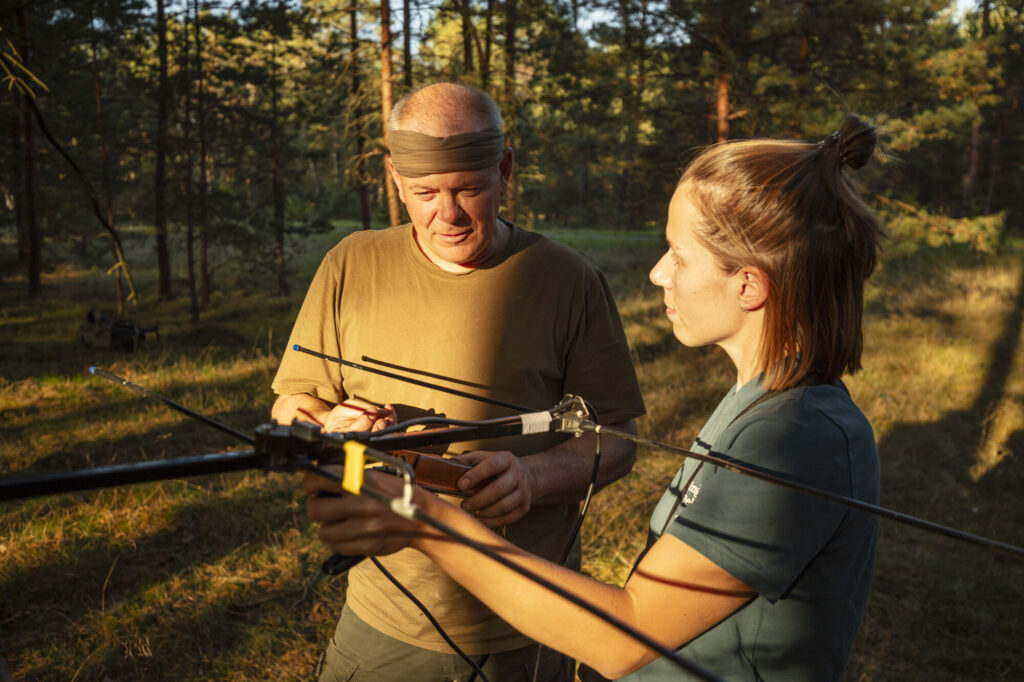
As lynx spread, their recovery increasingly depends on whether people and predators can share the landscape. In the Oder Delta, monitoring helps track the return of lynx, while rapid response when lynx appear near farms or livestock supports practical coexistence. The Rewilding Oder Delta team’s cross-border intervention team is also being developed, while engagement with communities in northeastern Germany is preparing for the possible arrival of dispersing animals. The long-term goal is a self-sustaining, better-connected population able to spread naturally through the wider landscape.
“THE RETURN OF THE EURASIAN LYNX SIGNIFIES THE RETURN OF A NATURAL PREDATOR, THE STRENGTHENING OF NATURAL PROCESSES, AND THE OPPORTUNITY TO CREATE A POWERFUL SYMBOL OF A WILD AND THRIVING ODER DELTA.”
 Sylwia Rylowska

Supporting a Croatian comeback
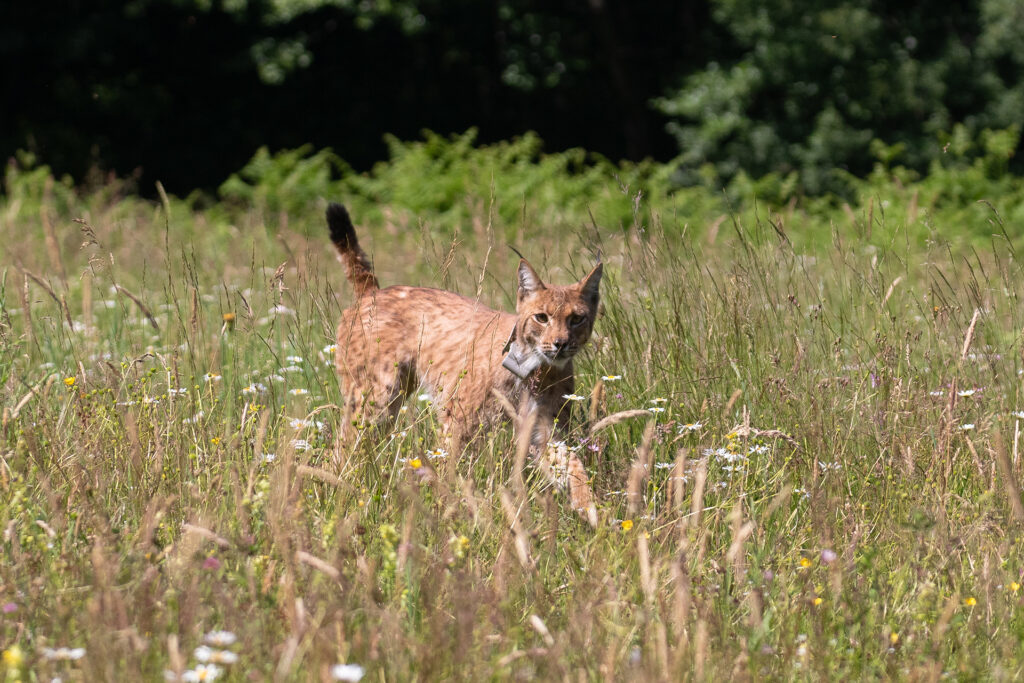
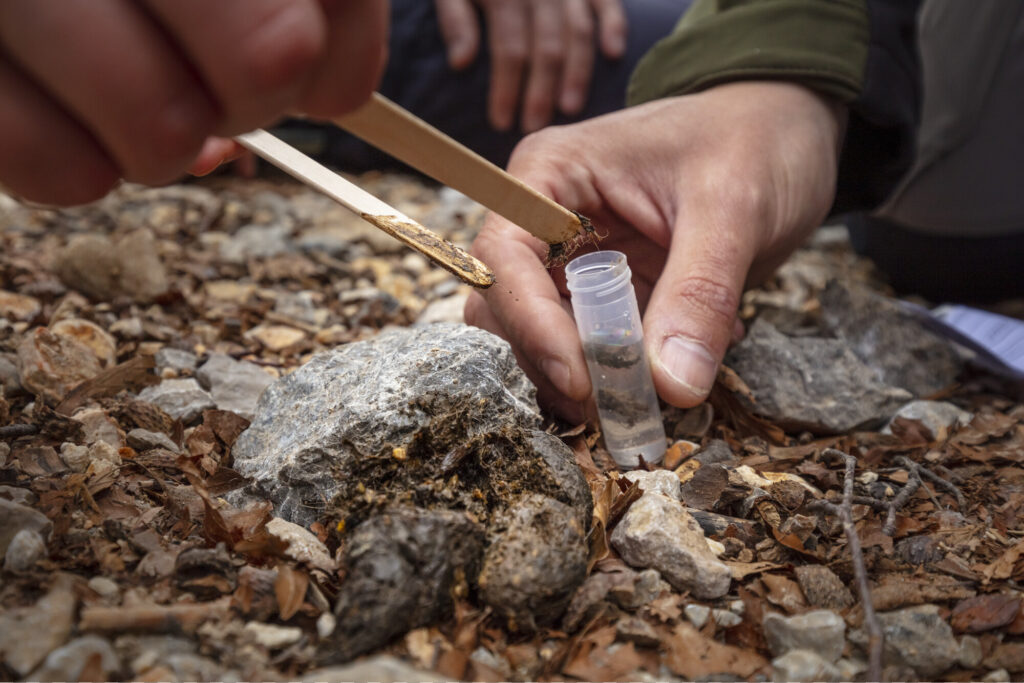
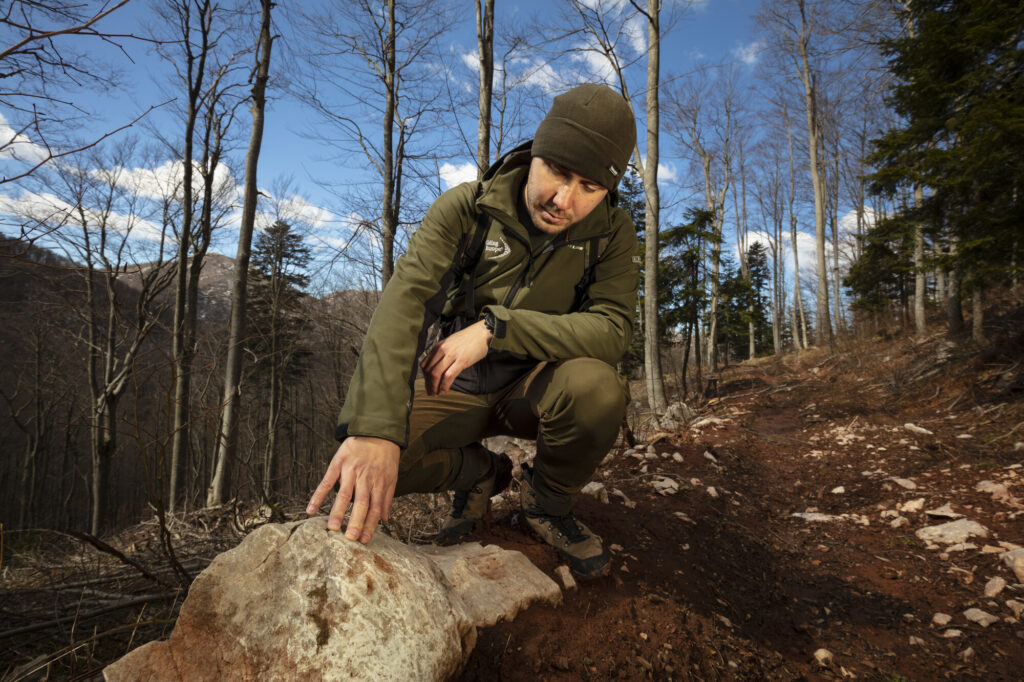
In Croatia’s Velebit Mountains, the challenge has been different. The wider Dinaric Eurasian lynx population had become severely inbred, so animals from the Carpathian Mountains in Romania and Slovakia were translocated through the LIFE Lynx initiative to increase genetic diversity. Six were released in Croatia, with the Rewilding Velebit team supporting monitoring and genetic sampling and one animal released in the rewilding landscape.
Rewilding Velebit rewilding officer Nino Salkić estimates the population across Croatia and Slovenia at around 140 to 150 animals, with numbers rising. The next priority is improving connectivity, enabling lynx to disperse and exchange genes naturally. Roads and motorways remain significant barriers, making wildlife corridors through the Dinaric landscape increasingly important.

Could Scotland be next?
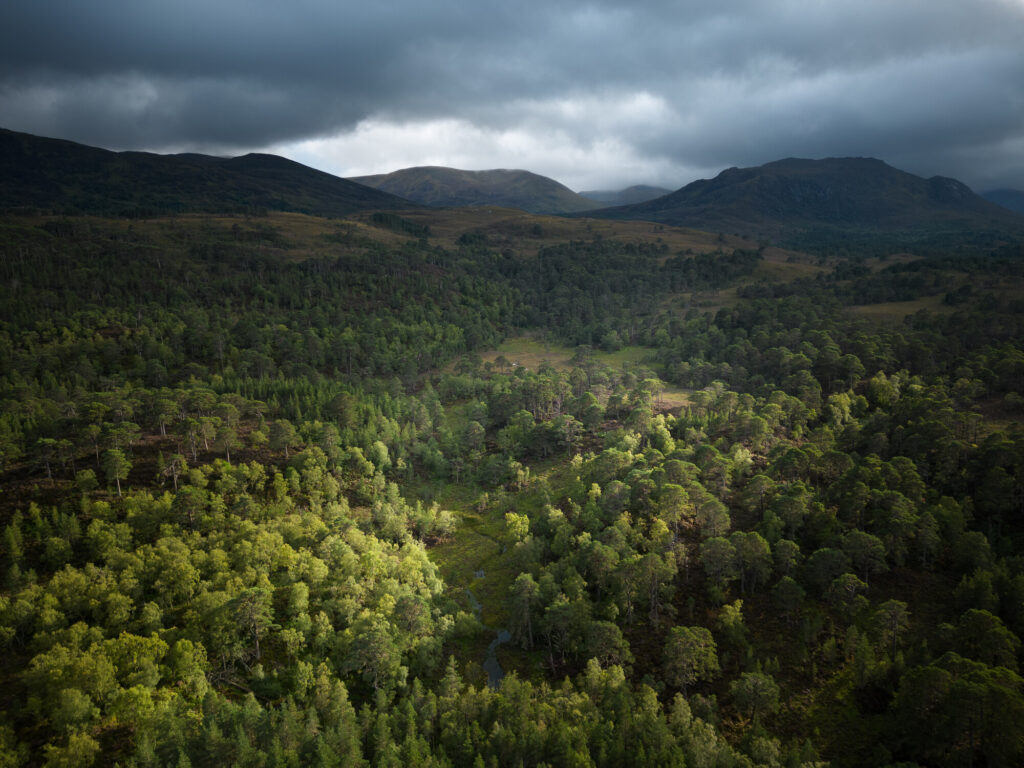
One significant piece remains missing from Europe’s lynx jigsaw. Eurasian lynx once inhabited Britain, surviving longest in Scotland before disappearing centuries ago. Unlike mainland populations, they cannot recolonise the landscapes here naturally, meaning any comeback will require carefully planned reintroductions.
The Lynx to Scotland initiative is exploring whether and how such a return could happen, with communities and stakeholders central to the process. Studies indicate Scotland has sufficient habitat and wild prey to support Eurasian lynx, but social acceptance is equally important. A 2025 opinion poll found that nearly two-thirds of the Scottish public support the reintroduction of lynx at a range of selected sites.
Taking lynx comeback to the next level
A little over two decades ago, the Iberian lynx appeared destined to disappear forever. Today, thousands roam the Iberian Peninsula, while Eurasian lynx are reclaiming landscapes from which they disappeared centuries ago. Challenges still remain — while lynx are highly resilient animals when it comes to surviving extreme weather and harsh environments, roads, poaching, fragmented habitats, genetic isolation and depleted prey populations continue to constrain their recovery.
Rewilding is helping address these challenges by rebuilding prey populations, improving connectivity, strengthening genetic diversity and helping lynx and people thrive together. Across Europe, rewilding initiatives are supporting lynx recovery, including those led by members of Rewilding Europe’s European Rewilding Network. Moving forwards, Rewilding Europe will continue working with its landscape teams and partners to create the conditions for lynx to recover, expand and return to more of Europe’s wild places.
As those places become healthier and better connected, lynx can increasingly make their own choices about where to go next. Perhaps one day that expanding map will include Scotland too. The continued comeback of Europe’s two lynx species offers something more than ecological recovery: the chance for more people to share landscapes with these captivating wild cats, and to experience the wildness and wonder of knowing they are roaming freely there once again.
