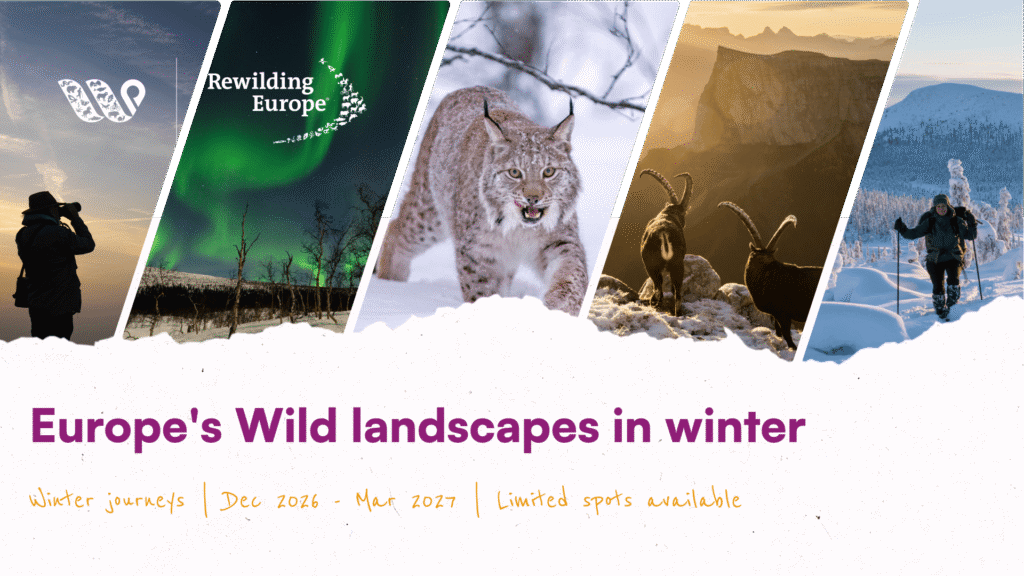
Rewilding tourism is gaining momentum across Europe. Through a growing range of wildlife experiences and nature-based stays, travellers are discovering recovering landscapes, while local businesses are finding new opportunities connected with wilder nature. Wilder Places — Rewilding Europe’s dedicated travel booking platform — is helping to bring them together.
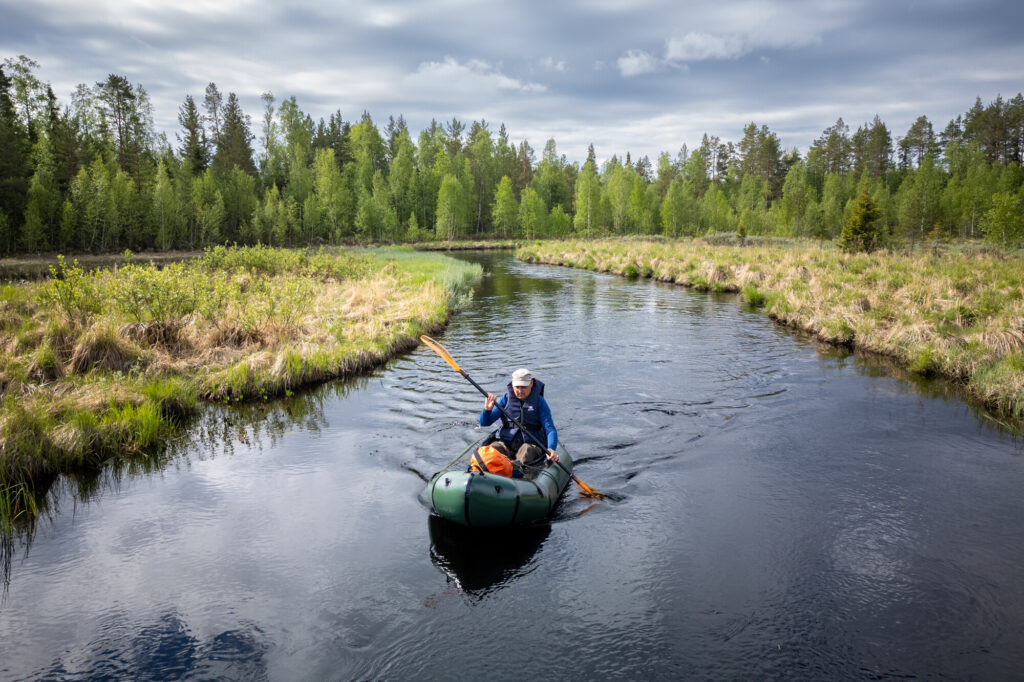

Profound wildlife experiences across Europe

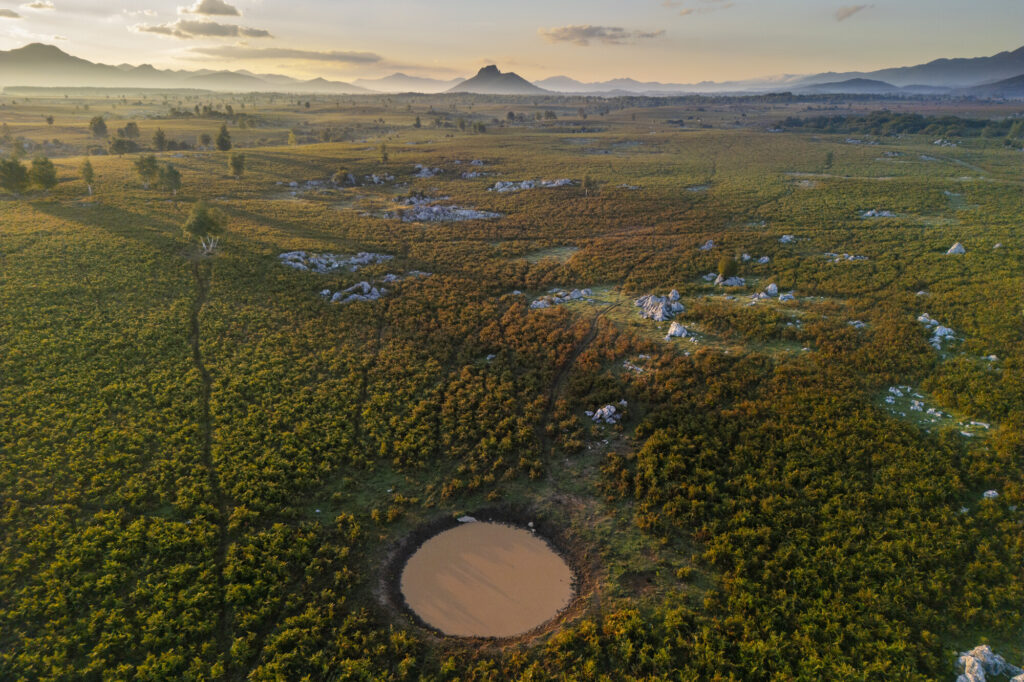
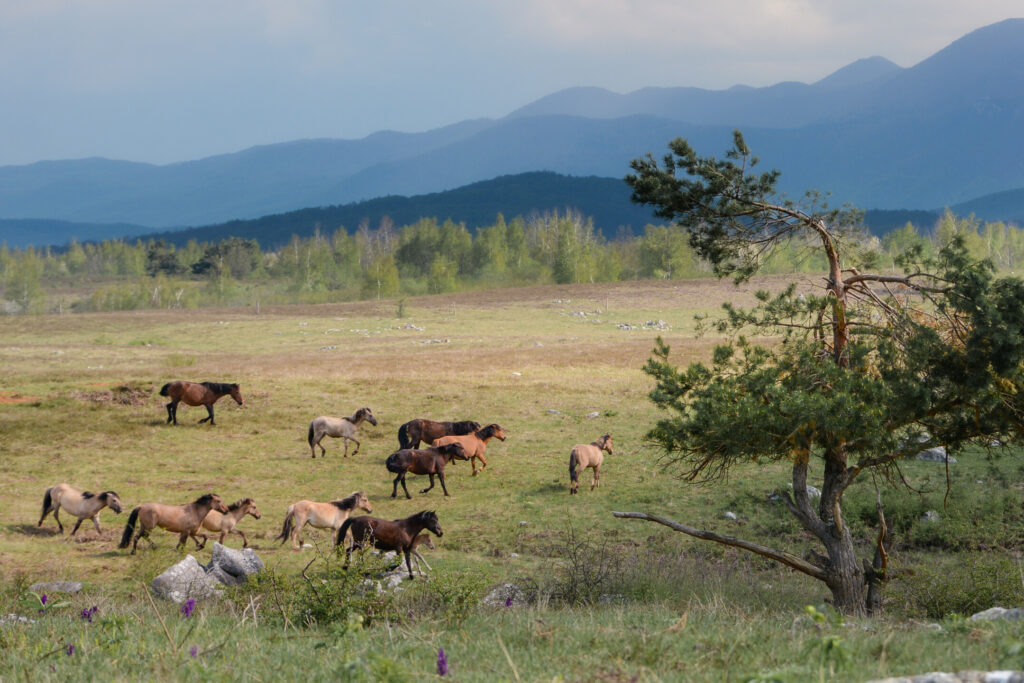
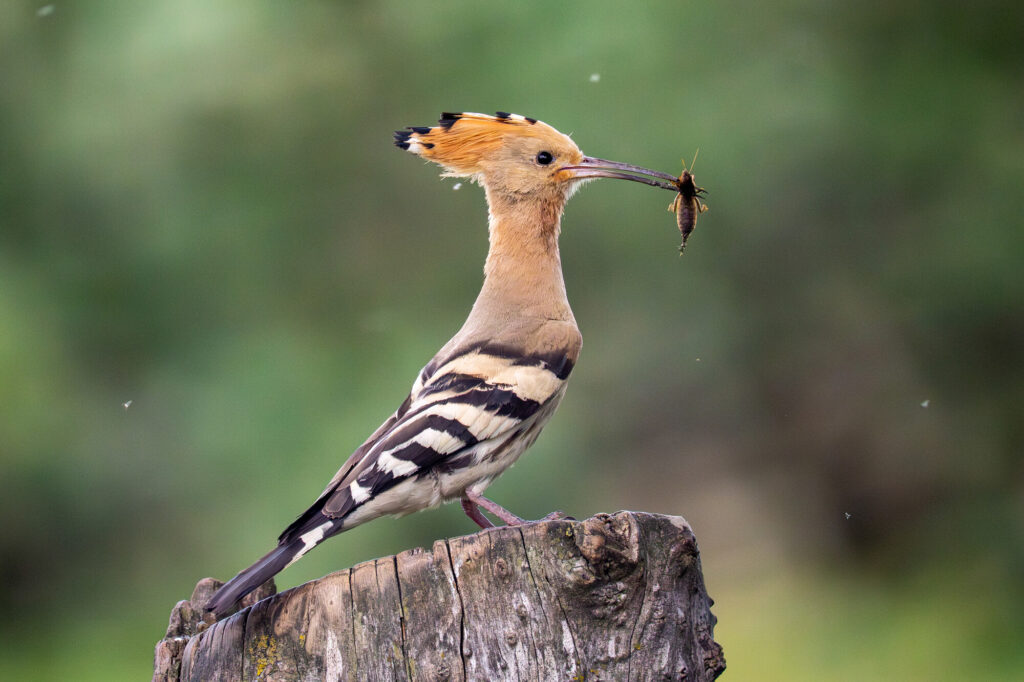
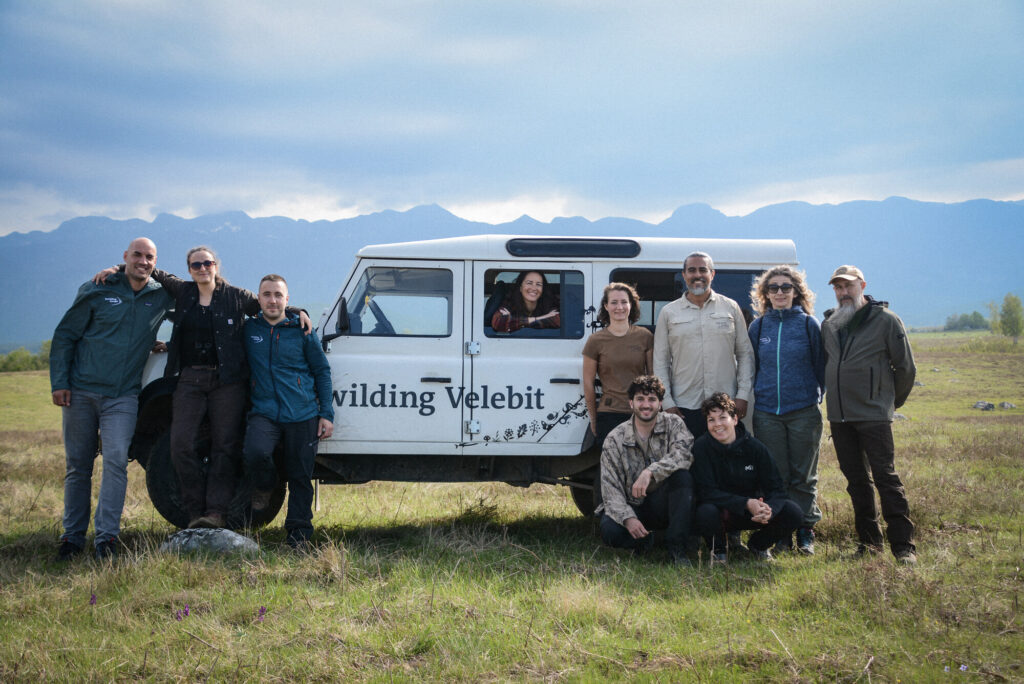
From the open windows of the rugged Land Rover Defender, sunlit, treeless plains roll away into the distance, fading into a horizon crowned by towering limestone peaks. Groups of large herbivores roam beneath a vast open sky, sending up plumes of dust as they move between grazing spots and watering holes. Nearby, a pair of brightly coloured hoopoes flit and forage, deftly snapping up insects disturbed by the wandering herds.
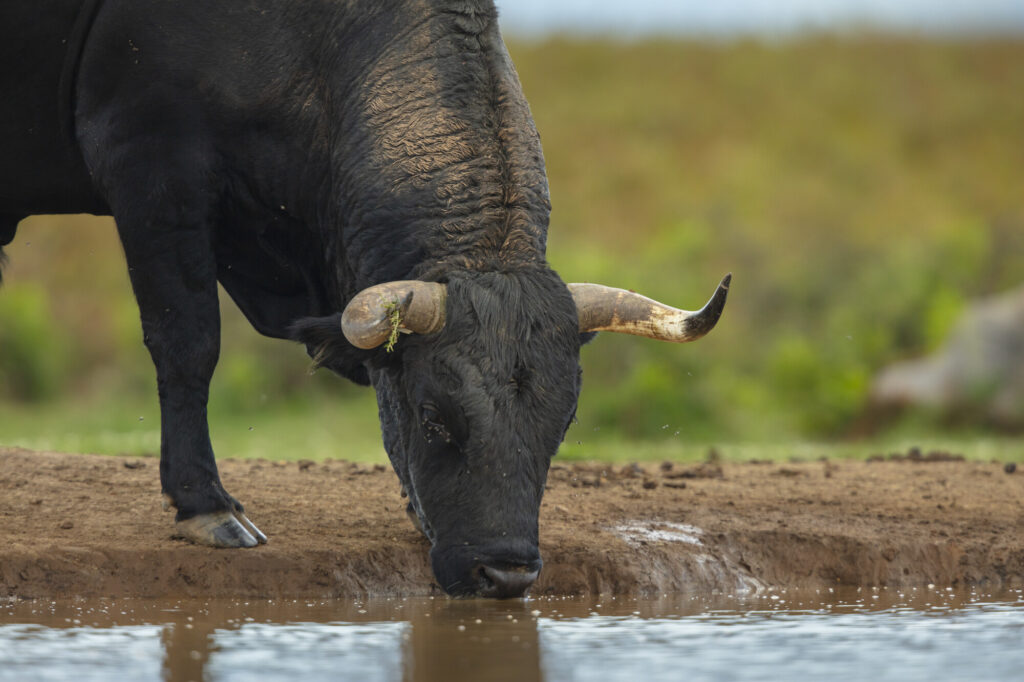
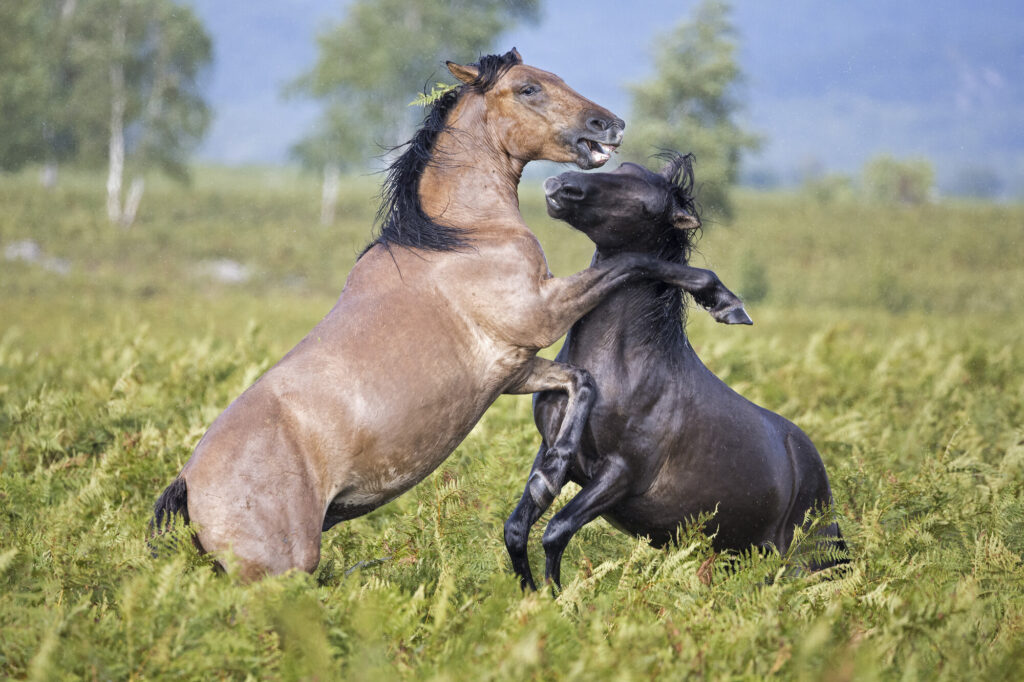
For many, this sweeping panorama might evoke the savannahs of the Serengeti or Maasai Mara. But this is not Africa. This is the Lika Plains — a scenic, high-altitude grassland at the base of Croatia’s Velebit Mountains. Here, increasingly popular photographic safaris invite visitors into the heart of a living rewilding landscape, offering unforgettable encounters with semi-wild horses and Tauros. Released by the Rewilding Velebit team, these powerful grazers are restoring a rich mosaic of grasslands and scrub, boosting biodiversity as they shape the 1,500-hectare site.
Experiences like this in Velebit are gradually reshaping the way people see Europe — a continent where, in many places, nature is mounting a remarkable comeback. Supported by a growing number of rewilding initiatives, populations of iconic species such as European bison, bears, wolves, and griffon vultures are bouncing back, while the return of wildlife is opening up new economic opportunities for rural communities. Increasingly, this is a continent where travellers can witness first-hand a dynamic and hopeful story of renewal taking root across entire landscapes.
A gateway to the wild
The safaris on the Lika Plains are just one of a growing number of offerings available to book through Wilder Places — Rewilding Europe’s dedicated rewilding tourism platform — which launched in July 2025. From tracking wolves and bears in ancient forests to exploring free-flowing rivers and wildlife-rich deltas, Wilder Places gives travellers the opportunity to experience Europe’s wildlife comeback and recovering landscapes first-hand. As a carefully curated gateway to some of Europe’s wildest and most inspiring destinations, Wilder Places brings together selected local stays and wildlife experiences in European rewilding landscapes. Travellers can book directly with local providers, while part of the booking fee is returned to rewilding in the landscapes they visit.
Wilder Places has continued to gather momentum. By October 2026, around 175 travellers had booked through the platform, with around 90% of them booking in 2026. More than 70 bookings worth almost 60,000 euros had generated income for local nature-based businesses across nine rewilding landscapes, with travellers coming from more than 15 countries.
“Wilder Places started as a simple, yet powerful idea: make it easy for travellers to find and book experiences that give something back to wild nature and the people living alongside it,” explains Bart Schutz, Rewilding Europe’s Tourism Manager. “A year on, we see it working. Bookings are growing rapidly, guests rate their trips 4.9 out of 5, and every booking supports a local business with a stake in rewilding.”
“WILDER PLACES STARTED AS A SIMPLE, YET POWERFUL IDEA: MAKE IT EASY FOR TRAVELLERS TO FIND AND BOOK EXPERIENCES THAT GIVE SOMETHING BACK TO WILD NATURE AND THE PEOPLE LIVING ALONGSIDE IT”
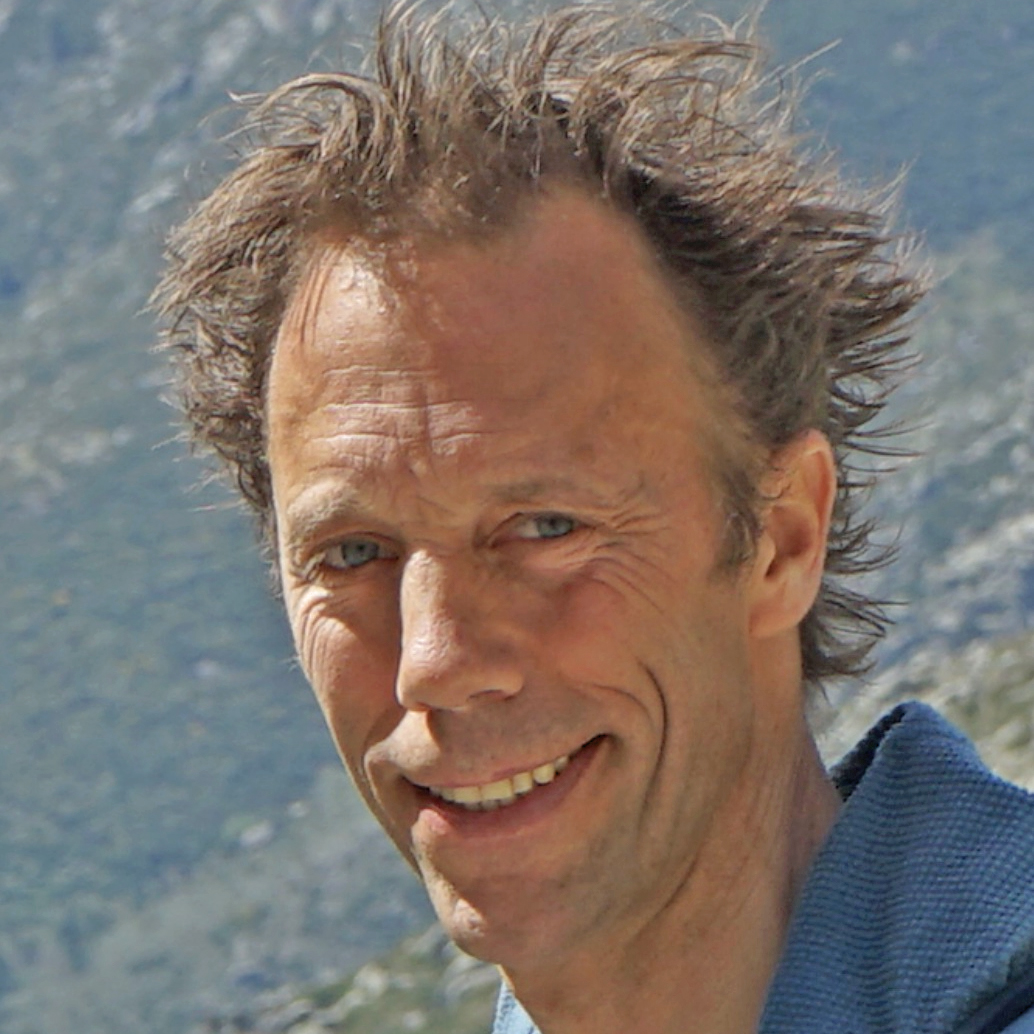 Bart Schutz
Tourism that gives back
Wilder Places is part of Rewilding Europe’s wider commitment to pioneer and scale up rewilding tourism, which is designed to do more than reduce the pressures associated with travel. Rather than simply seeking to minimise the impact of travel, it aims to actively support the recovery of nature and the communities connected with it. Up to 15% of every Wilder Places booking fee flows back into the landscapes that guests visit, supporting the continued recovery of nature, including wildlife comeback.
By generating income for local businesses and supporting nature-based livelihoods, rewilding tourism can create tangible incentives for nature recovery. It can also strengthen support for rewilding, enhance coexistence with wildlife, and foster renewed pride and identity within local communities.
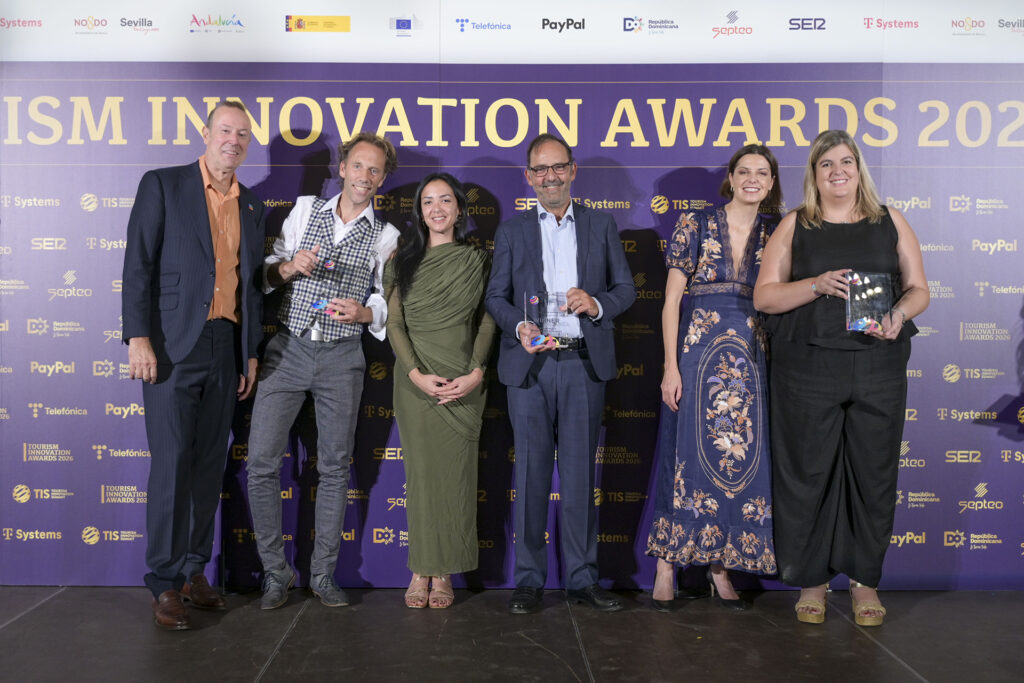
Wilder Places scooped second place in the Sustainable & Regenerative Tourism Award at the 2026 Tourism Innovation Summit in Seville, standing out among more than 200 entries. The recognition marks an important achievement for the platform and brings wider attention to rewilding tourism as a model that connects travel with nature recovery and local enterprise.

Experiencing rewilding first-hand
Rewilding tourism isn’t only about generating economic impact. Seeing wildlife recovery and landscapes first-hand can forge powerful emotional connections with rewilding and help visitors understand what it means in practice.
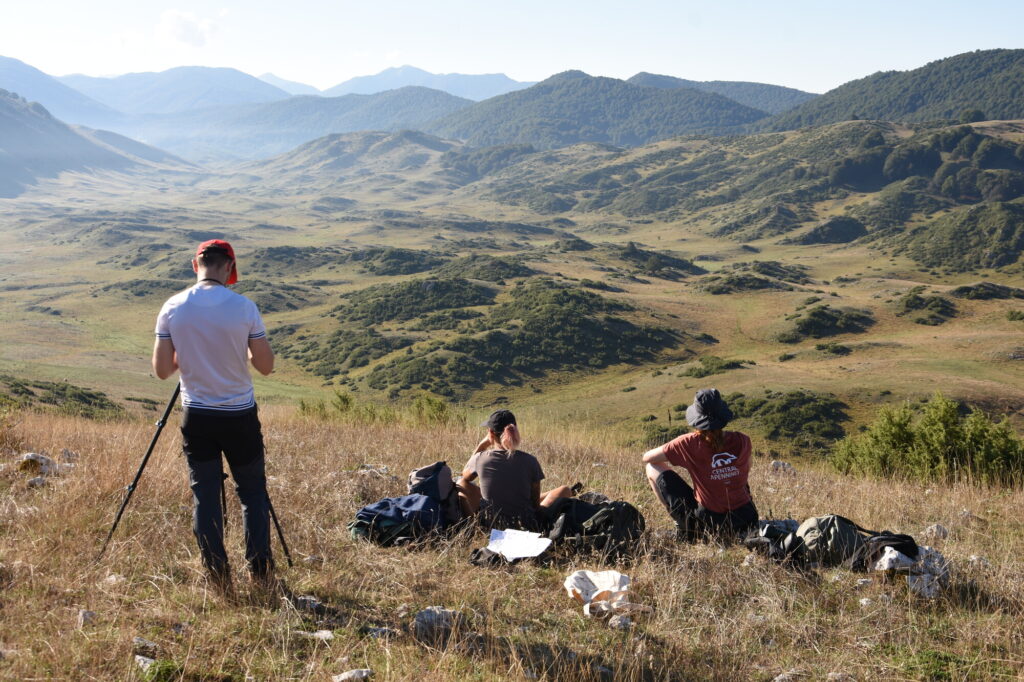
French sociologist Sophie Morvan booked an experience in Italy’s Central Apennines through Wilder Places. Through field visits and conversations with the local rewilding team, she gained a deeper understanding of landscape-scale nature recovery and how people and wildlife can share space in ways that help both to thrive. Inspired by her experience, Sophie began exploring opportunities to volunteer in a European rewilding landscape.
“My Wilder Places experience was transformative — both personally and professionally,” she says. “It showed me that people and wildlife can truly flourish alongside each other — and convinced me that I want to play an active role in making that happen.”
Creating opportunities for local people
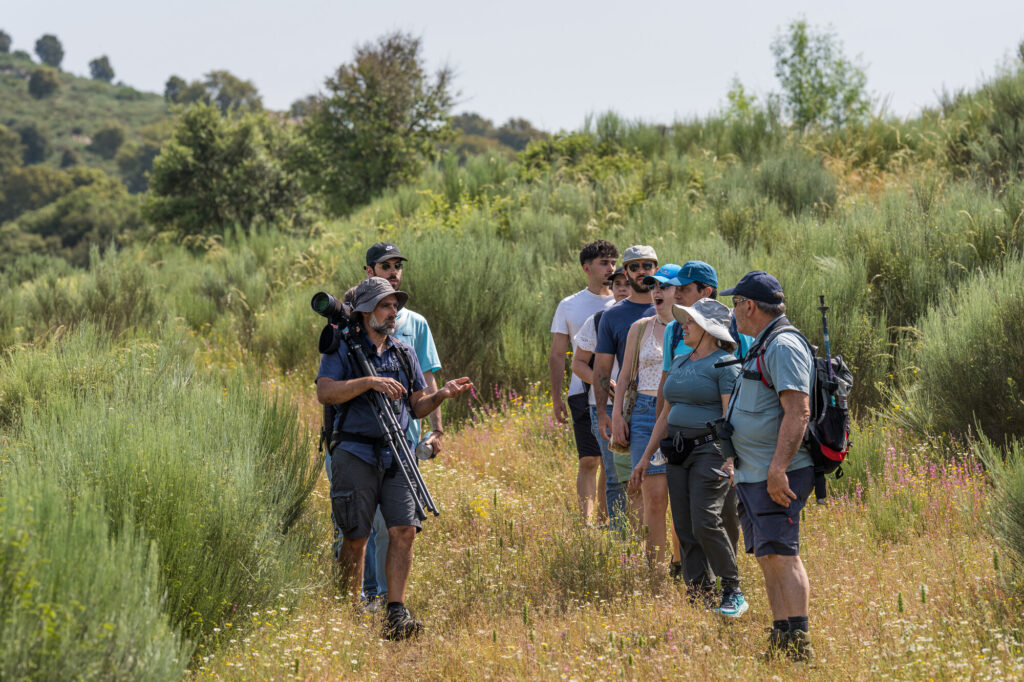
Across Europe, a growing number of nature-based businesses are embracing rewilding as a guiding principle. In the Velebit Mountains, Majda Kovač and Ozren Milaković, founders of 4Luna, see Wilder Places as a way to connect with guests seeking a deeper relationship with wild landscapes, while in Portugal’s Greater Côa Valley, Wildlife Portugal offers immersive wildlife experiences rooted in local knowledge and conservation values.
Through Wilder Places, local providers can reach travellers seeking wildlife and rewilding experiences — and can sell those experiences directly. For visitors, it provides an easy way to find trusted experiences that contribute to nature recovery.
As the network grows, the aim is to bring together more local providers, rewilding areas, tour operators, and travellers — creating a Europe-wide tourism ecosystem in which recovering nature supports thriving local economies, and thriving local economies help sustain nature recovery.
Growing a movement
Across Europe, rewilding is gathering pace. Rivers and wetlands are being restored, large herbivores are reshaping landscapes, wildlife populations are recovering, and communities are exploring new economic opportunities connected with wilder nature. Rewilding tourism brings these different strands together, enabling visitors to experience nature recovery while supporting the people helping to make it happen.
For Wilder Places, the next step is to build on the momentum generated over the last year by expanding the network. “We want to grow from a booking platform into a movement,” says Bart Schutz. “That means more European rewilding areas, more nature-positive local entrepreneurs, and more travellers who leave not just with lifetime memories, but as ambassadors for a wilder Europe.”
As demand grows for travel that is meaningful as well as memorable, more guides, hosts, and tourism entrepreneurs have an opportunity to become part of this movement. By connecting with the network and offering experiences through Wilder Places, they can help make wilder nature a source of opportunity and pride, bring more people into direct contact with wildlife comeback, strengthen local support for rewilding, and show that nature recovery is both possible and practical across Europe.